Loading subject page…


157,176 views

Video Summary: What are Coat Assembly and Gtpases
Ever wonder how your cells package and ship molecular cargo with Amazon-level precision? Coat assembly and gtpases work together like a sophisticated cellular postal service, ensuring proteins reach their correct destinations within cells. At the Mayo Clinic, researchers study these mechanisms to understand diseases like cystic fibrosis, where faulty protein transport disrupts lung function. Watch the full video on JoVE Coach to master this concept with expert-led visuals and step-by-step explanations.
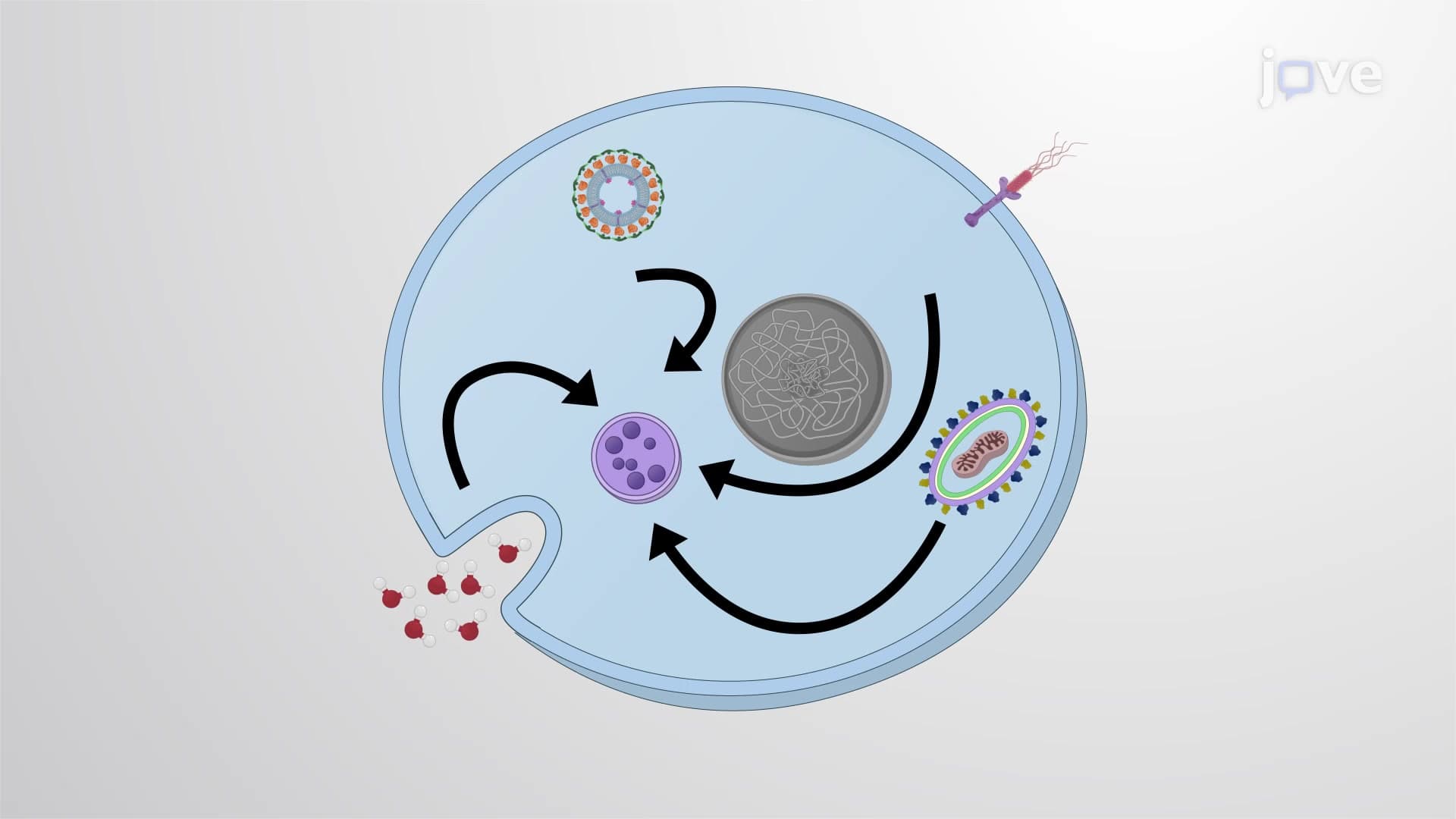
Coat assembly and gtpases represent one of cell biology's most elegant quality control systems. Think of these mechanisms as your cell's internal FedEx network, they ensure that newly synthesized proteins are packaged correctly and delivered to their proper cellular addresses. This process is absolutely critical for life; without it, cells would be chaotic jumbles of misplaced proteins.
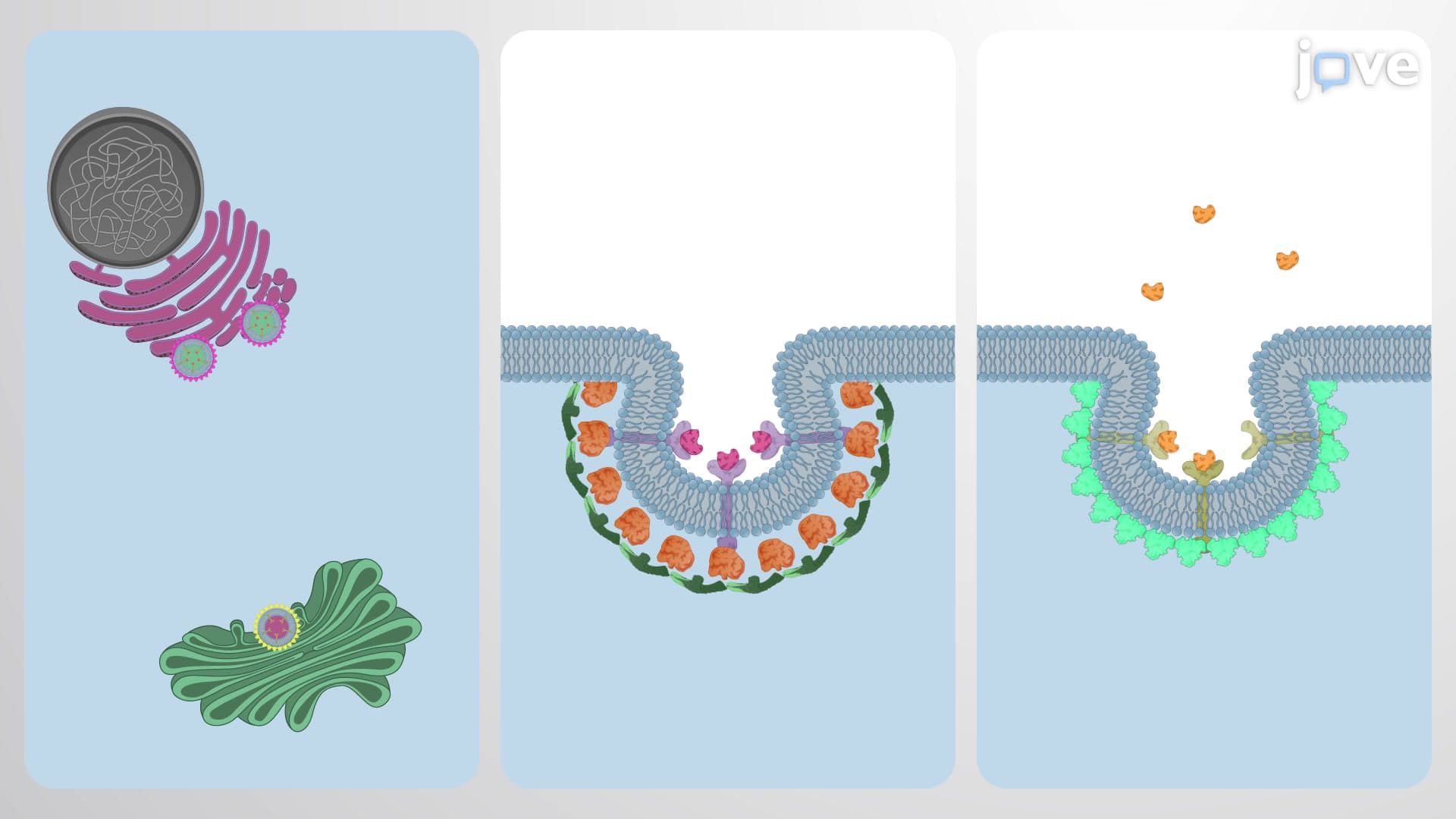
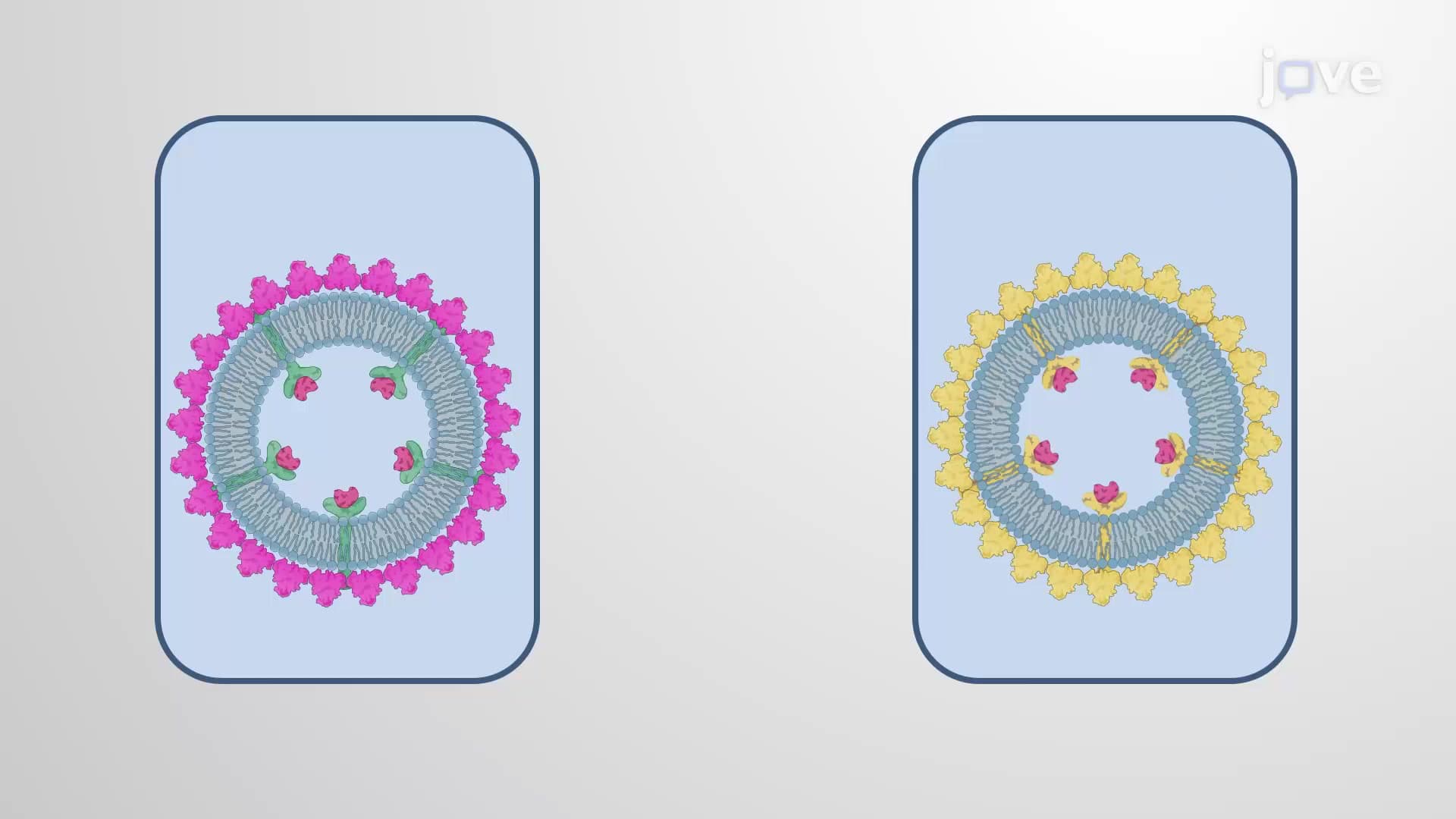
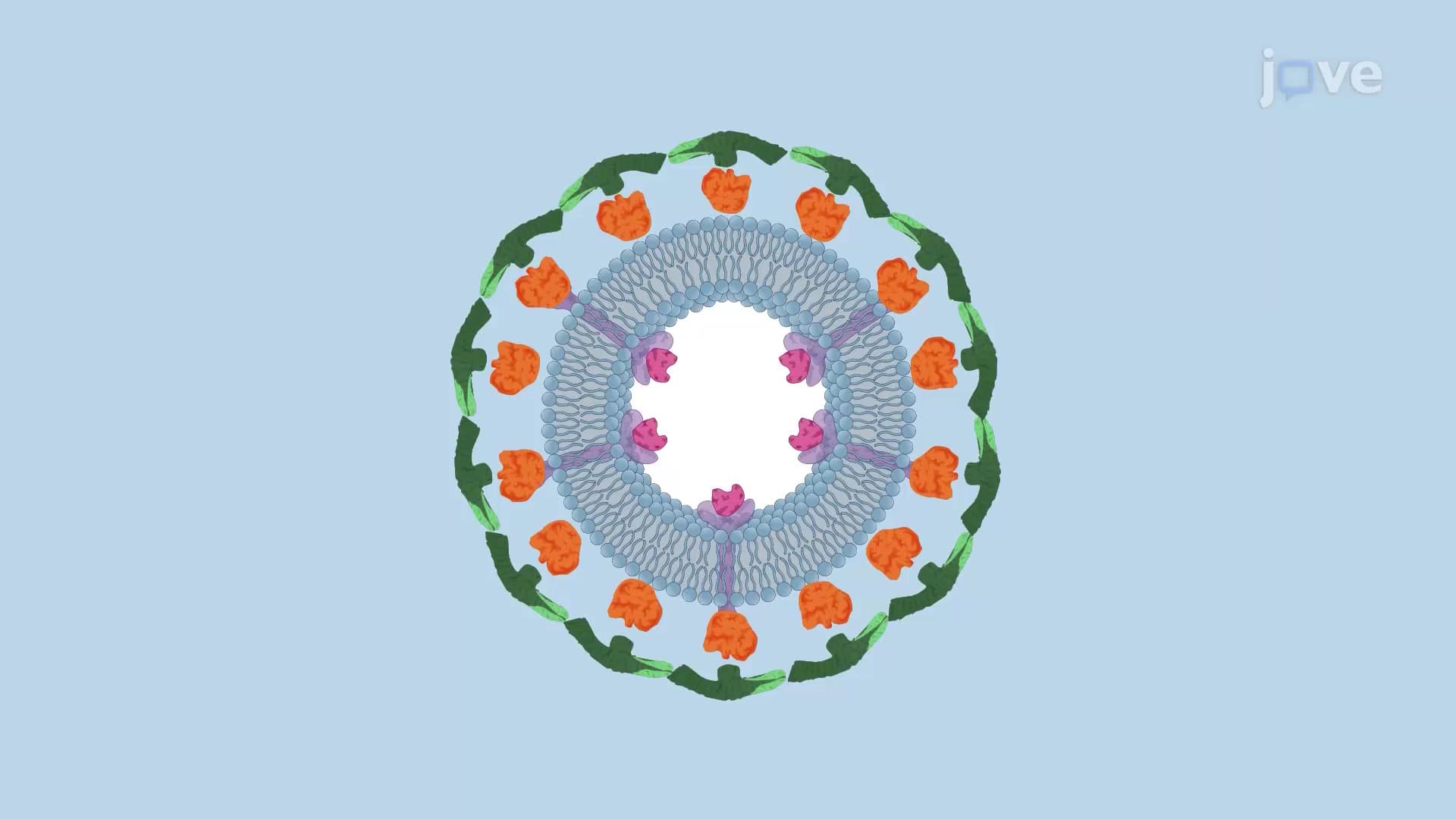
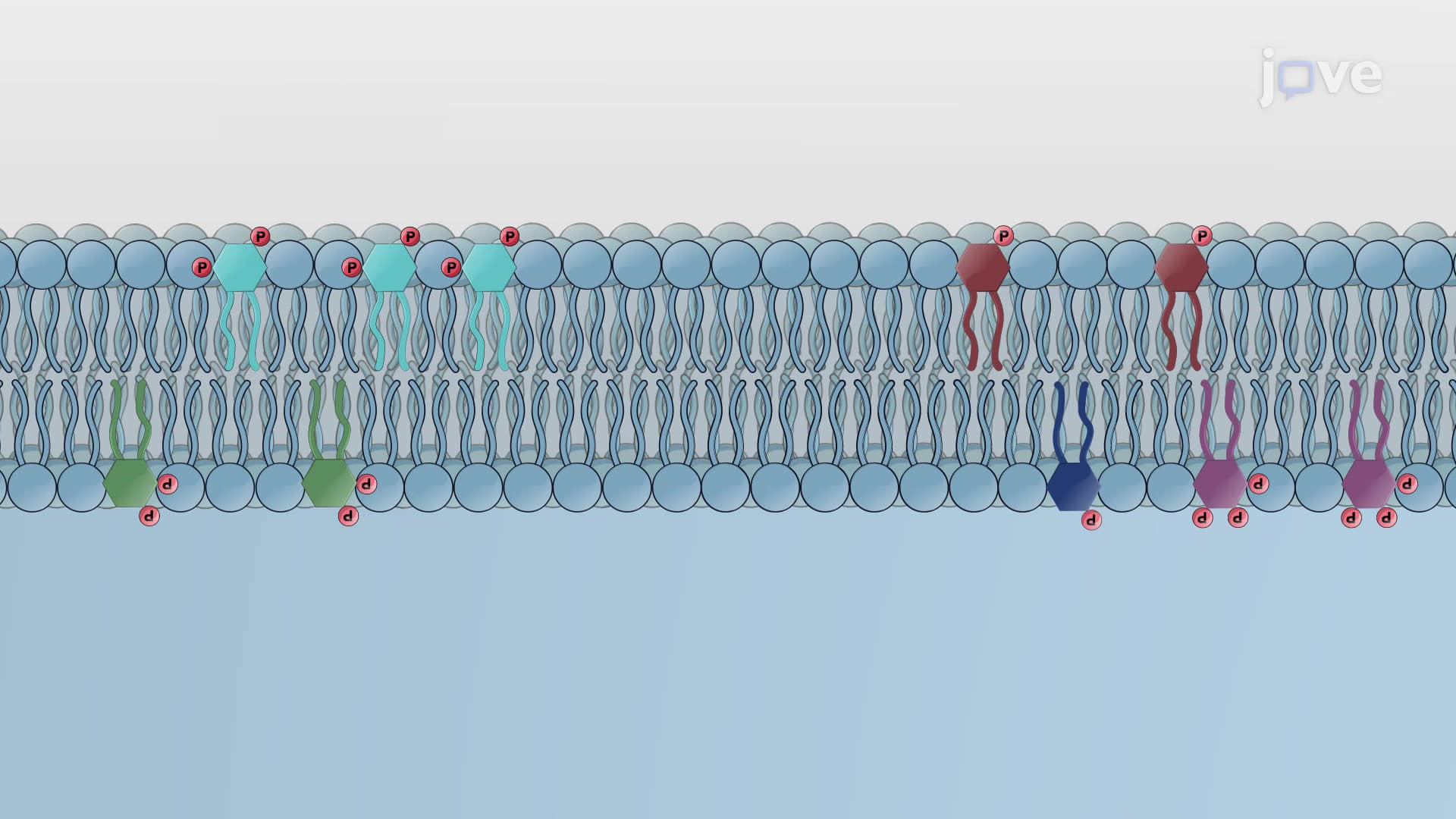
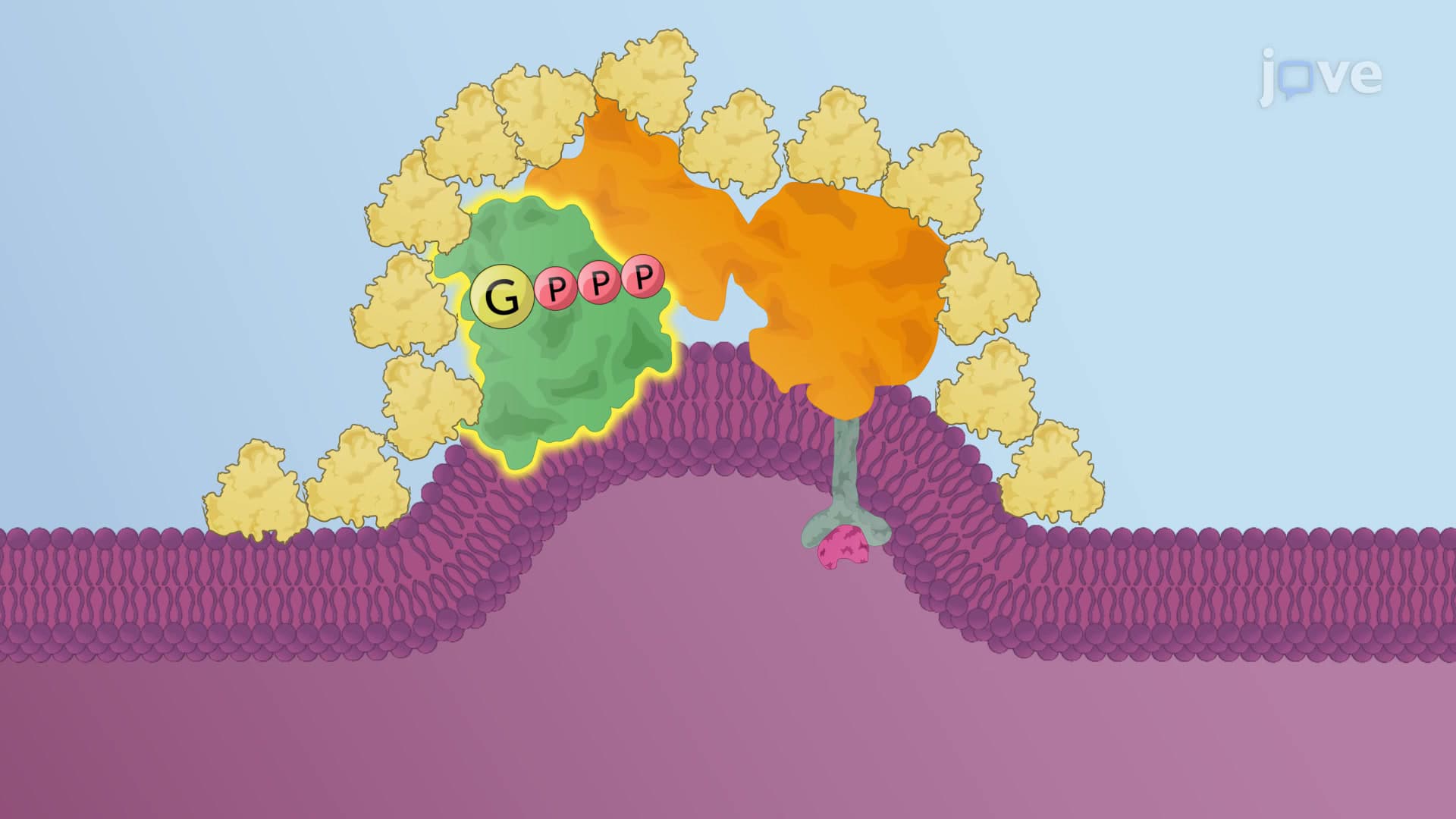
Vesicle coats function like molecular scaffolding systems. Adaptor proteins serve as the foundation, using specialized PIP-binding domains to recognize specific phosphoinositide lipids in cellular membranes. These adaptors literally bend the membrane by inducing curvature, creating the initial deformation needed for vesicle formation. Once this curvature is established, coat protein subunits assemble on top, forming a cage-like structure that completes the vesicle budding process.
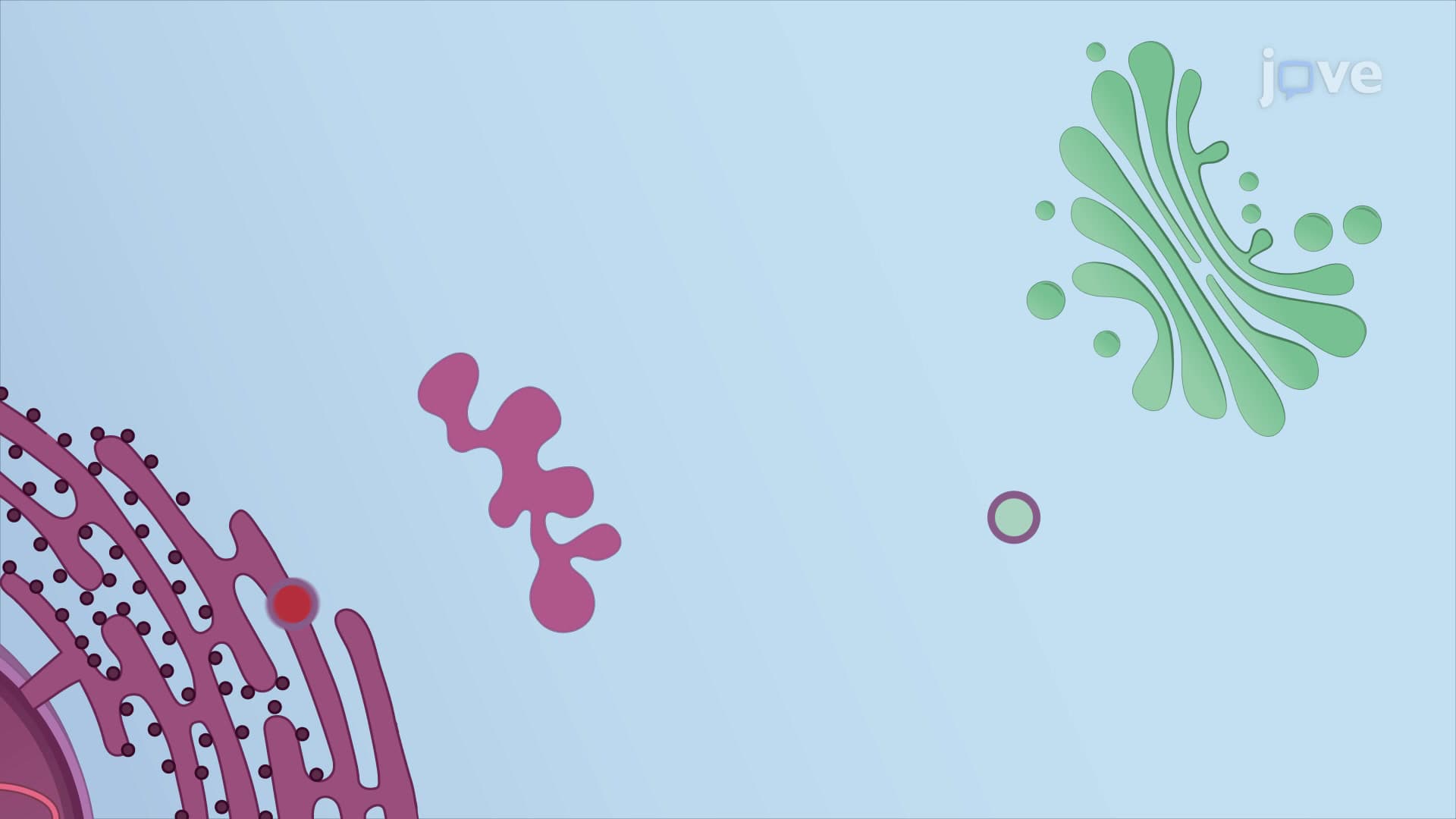
At Stanford University's medical school, students learn that this coat assembly process is remarkably similar across different vesicle types, whether COPII vesicles leaving the ER, COPI vesicles in the Golgi, or clathrin-coated vesicles at the plasma membrane. Each system uses the same basic principle: recognize the membrane, bend it, and cage it.
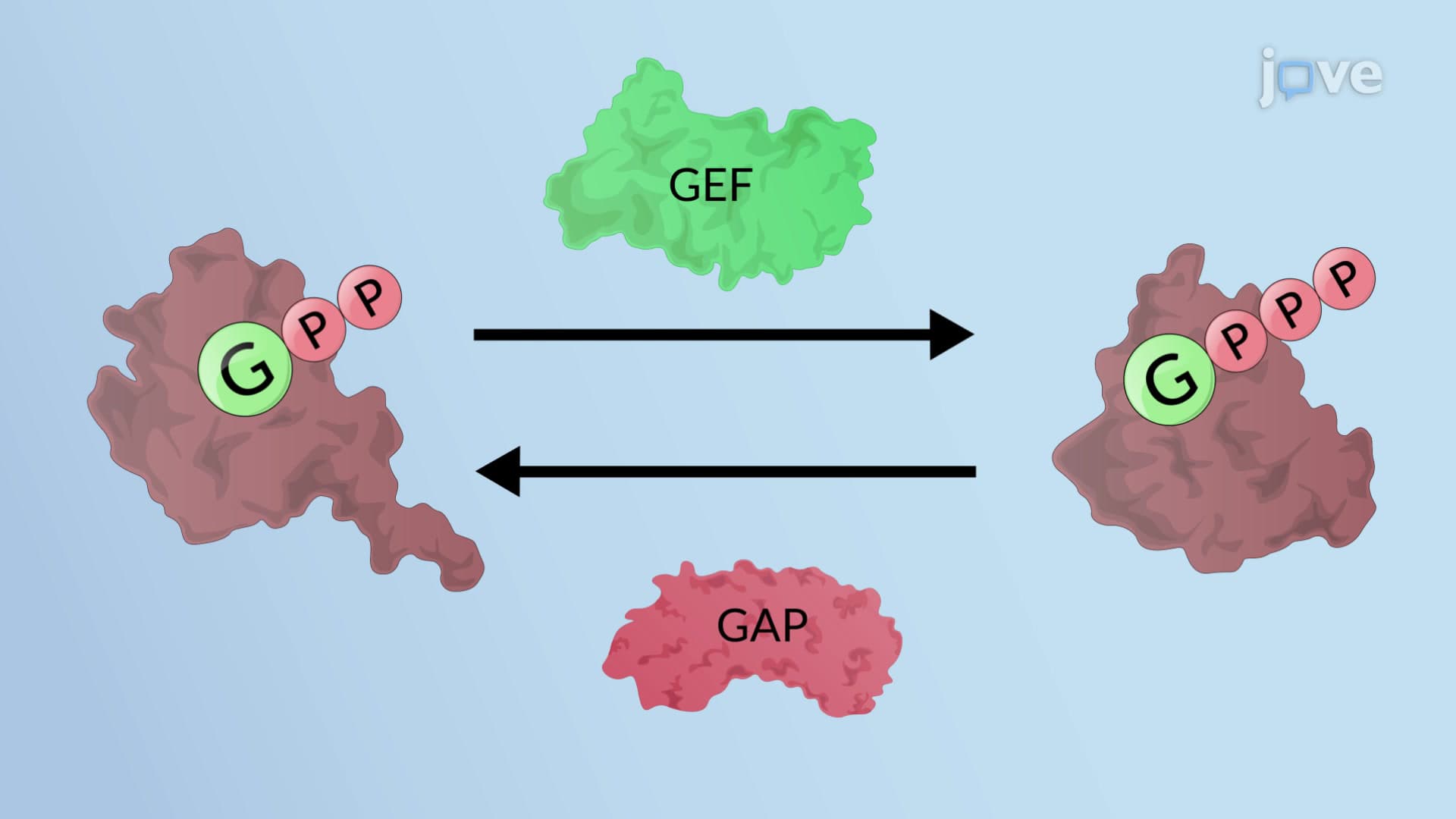
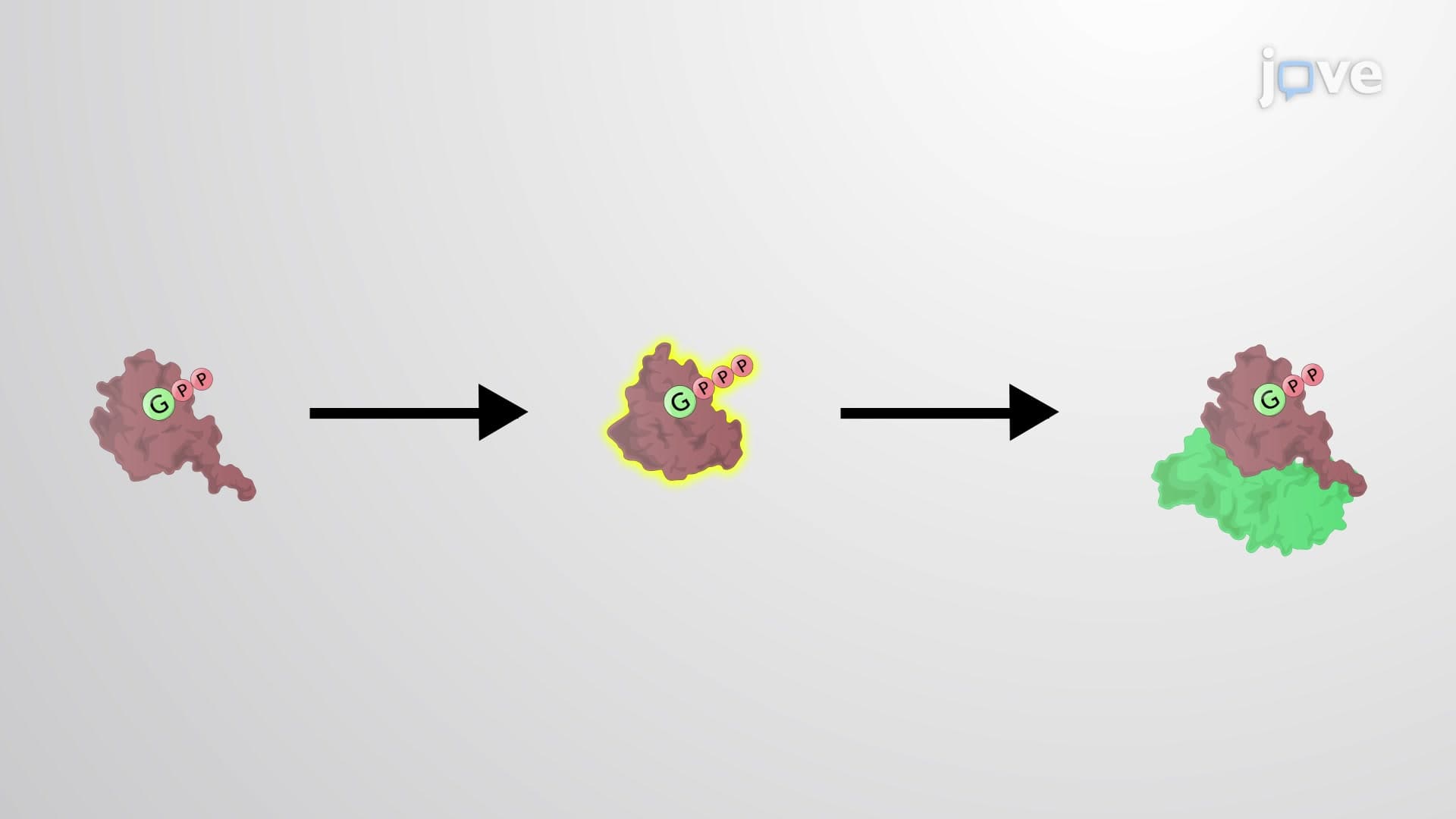
GTPases like Sar1 function as molecular switches that control when and where coat assembly occurs. These proteins exist in two states: an inactive GDP-bound form and an active GTP-bound form. The beauty of this system lies in its regulatory precision, GEFs (guanine nucleotide exchange factors) turn the switch "on" by promoting GTP binding, while GAPs (GTPase activating proteins) turn it "off" by accelerating GTP hydrolysis.
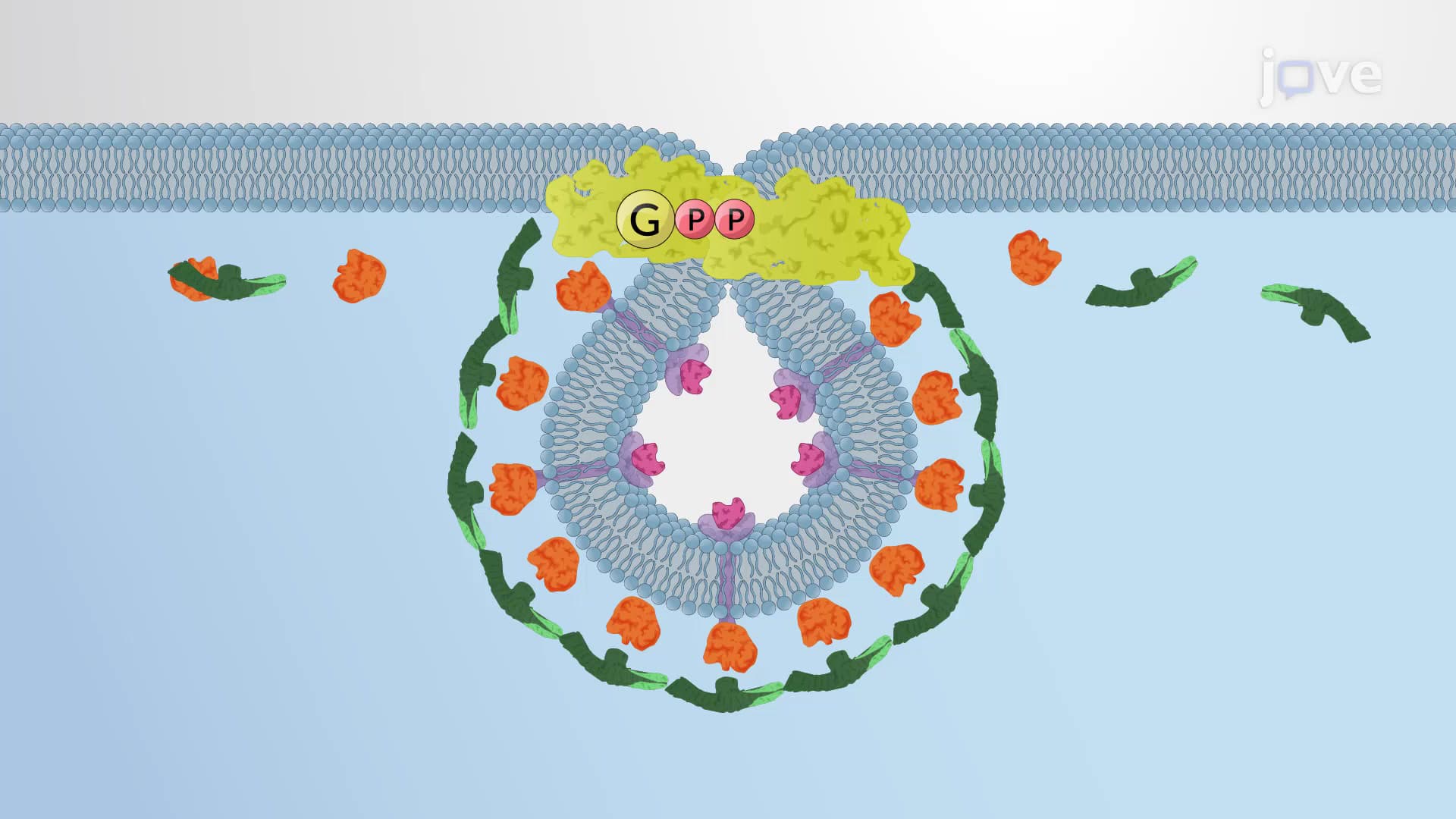
In the context of COPII vesicle formation at the ER, this regulation is exquisitely controlled. The Sar1-GEF protein remains anchored in the ER membrane, ensuring that coat assembly only occurs at the correct cellular location. When Sar1-GDP encounters this GEF, the resulting GTP exchange exposes an amphiphilic helix, a protein region with both water-loving and fat-loving properties, that inserts into the ER membrane like a molecular anchor.
Understanding coat assembly and gtpases is crucial for MCAT preparation, particularly in the biological sciences section. AP Biology students encounter these concepts when studying organelle function and protein trafficking. The mechanism directly relates to numerous human diseases: mutations affecting coat proteins cause neurological disorders, while defective GTPase regulation contributes to cancer cell invasion and metastasis.
At Johns Hopkins Medical School, students study how cholera toxin exploits GTPase pathways, and how understanding these mechanisms led to breakthrough treatments. This knowledge appears frequently on USMLE Step 1 exams, where students must identify the consequences of disrupted vesicle trafficking in various disease states.
Related Micro-courses