Loading subject page…


157,134 views

Video Summary: What are Cop Coated Vesicles
Every second, billions of microscopic transport vehicles navigate through your cells like delivery trucks on a cellular highway. Cop coated vesicles are specialized membrane-bound carriers that shuttle essential molecules between cellular compartments, ensuring proteins reach their correct destinations. For instance, insulin production in pancreatic beta cells relies entirely on these vesicles to transport insulin from the endoplasmic reticulum to the Golgi apparatus for final processing and secretion. Watch the full video on JoVE Coach to master this concept with expert-led visuals and step-by-step explanations.
Cop coated vesicles represent one of biology's most elegant transport solutions. Unlike simple diffusion, these sophisticated carriers ensure that newly synthesized proteins reach their intended cellular destinations with remarkable precision. The "COP" acronym stands for "coat protein," referring to the specialized protein complexes that give these vesicles their distinctive appearance and functional capabilities.
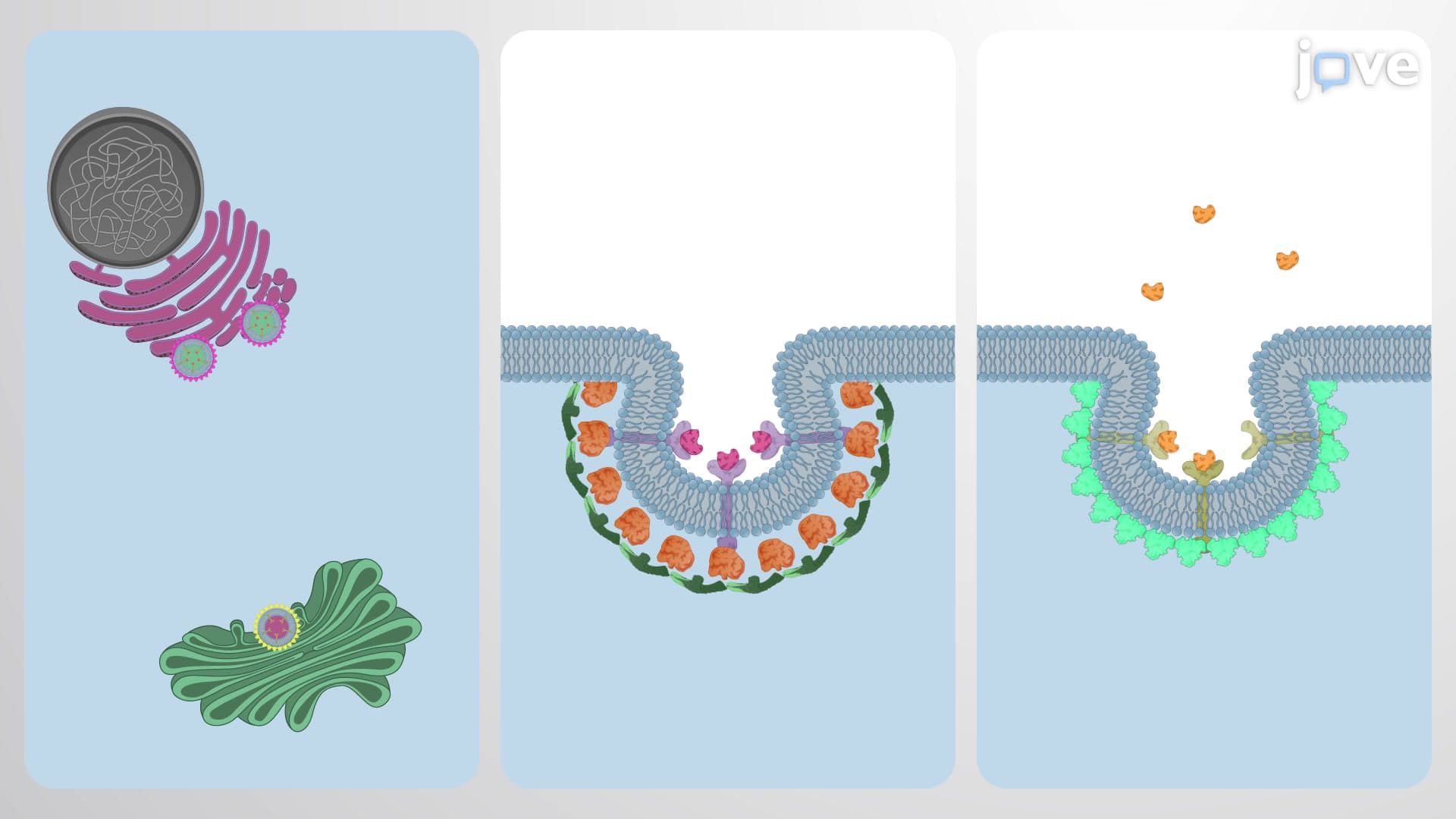
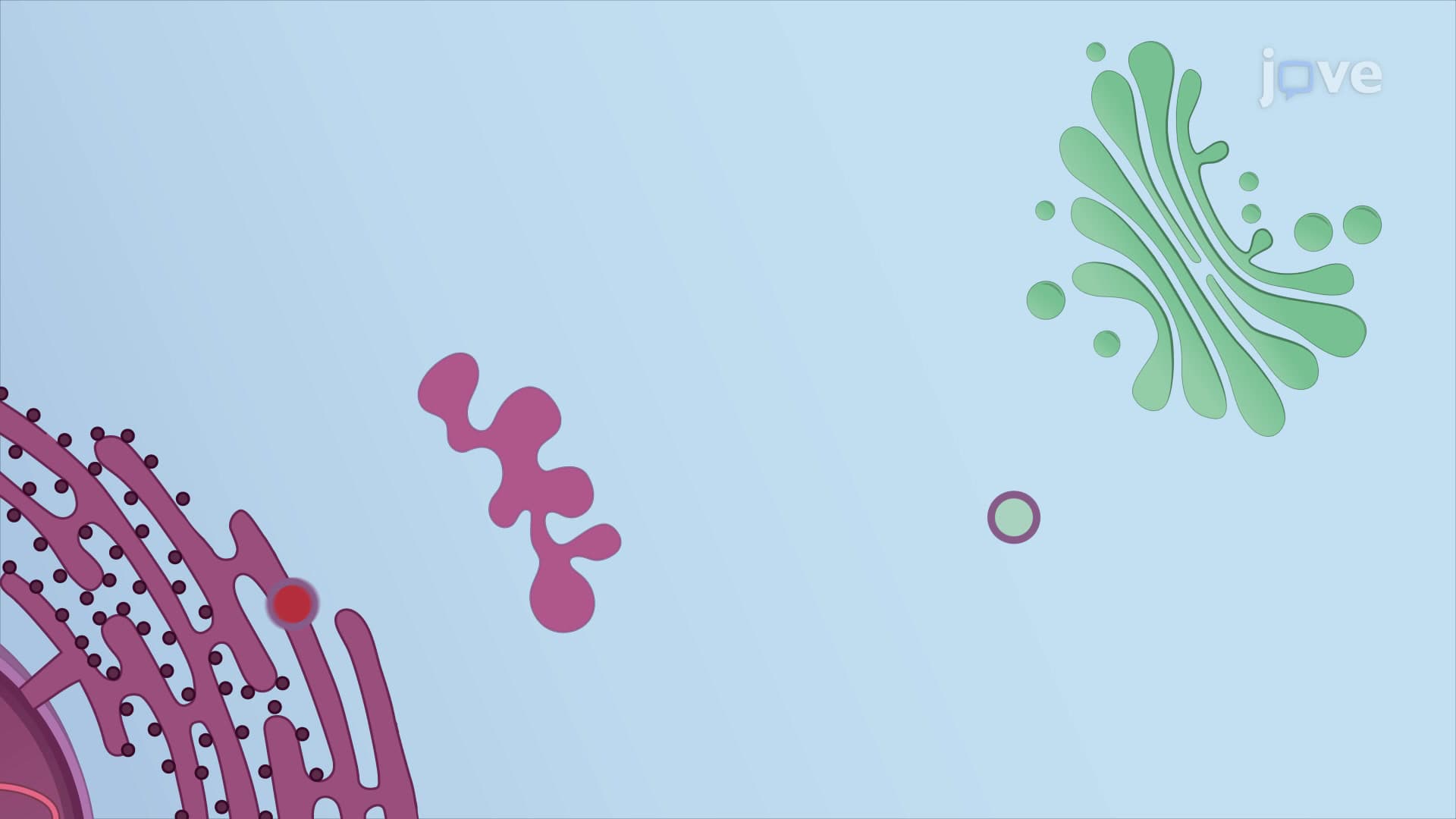
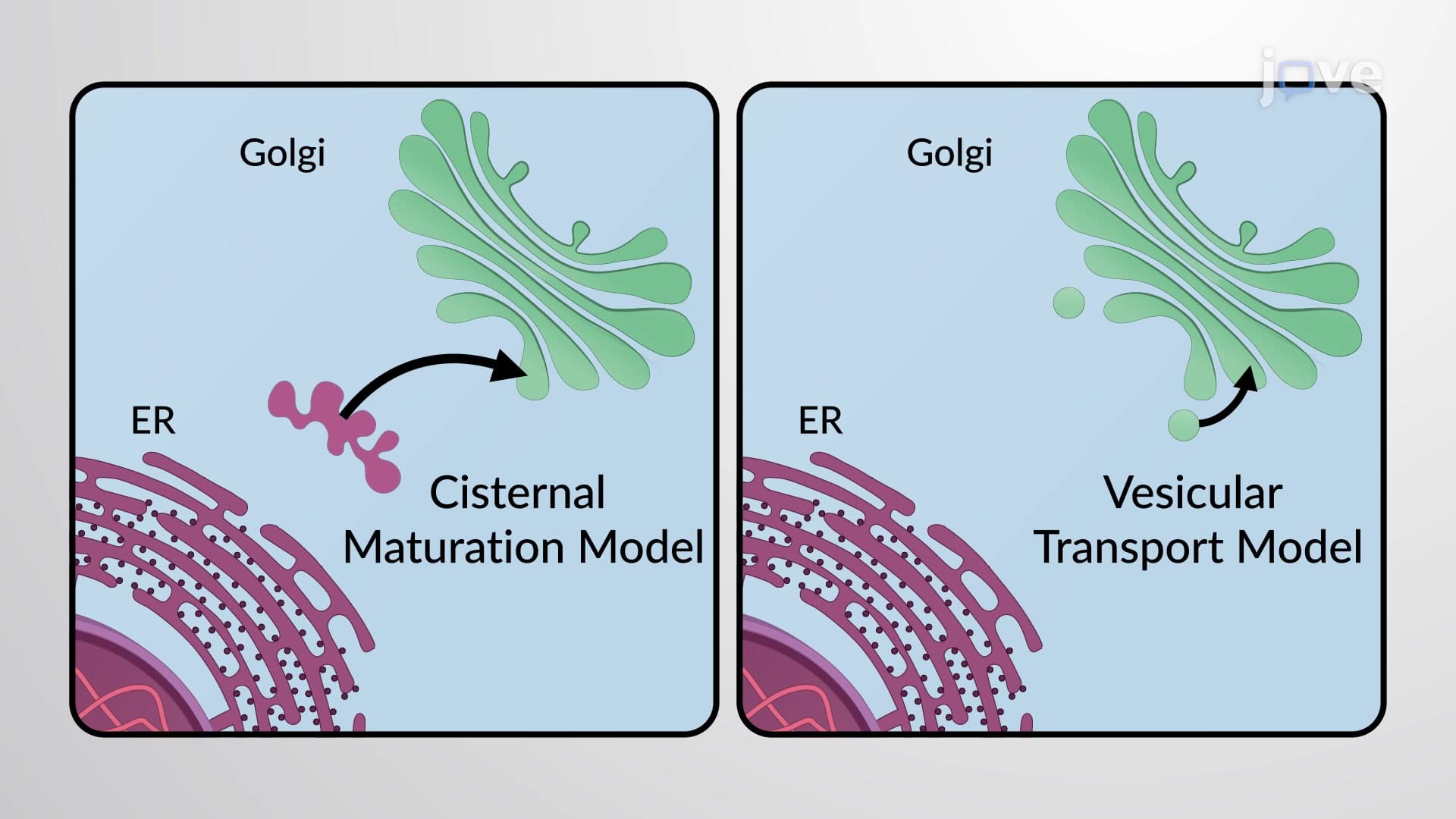
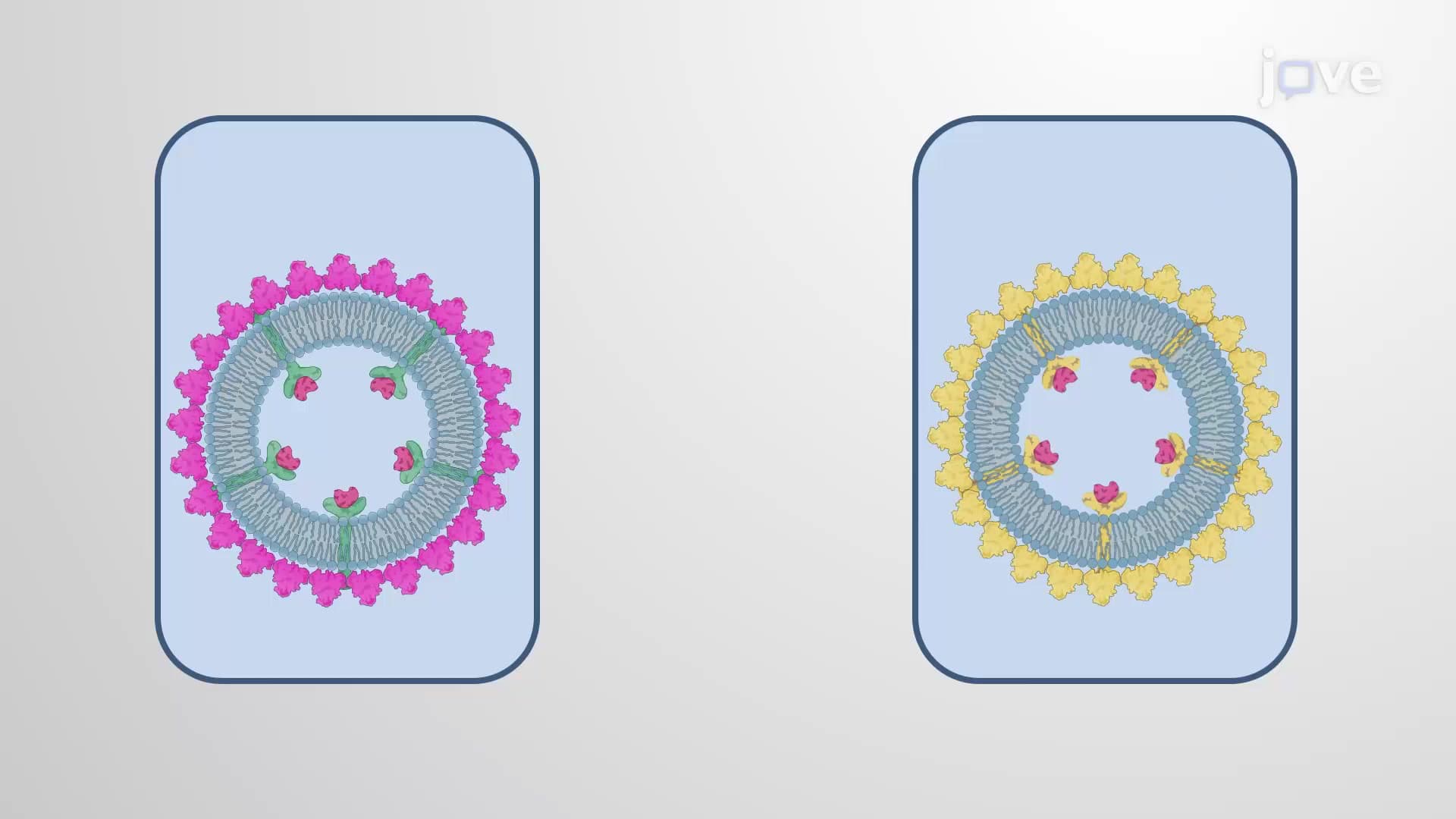
The types of cop coated vesicles fall into two main categories based on their transport direction. COPII vesicles function as the cellular equivalent of outbound shipping trucks, carrying cargo from the endoplasmic reticulum (ER) to the Golgi apparatus. These vesicles transport newly synthesized proteins that require further modification, such as glycosylation or phosphorylation.
COPI vesicles serve the opposite function, acting like return delivery vehicles. They transport molecules from the Golgi apparatus back to the ER, including ER-resident proteins that accidentally traveled too far and need to return home. This bidirectional transport system ensures cellular compartments maintain their unique compositions.
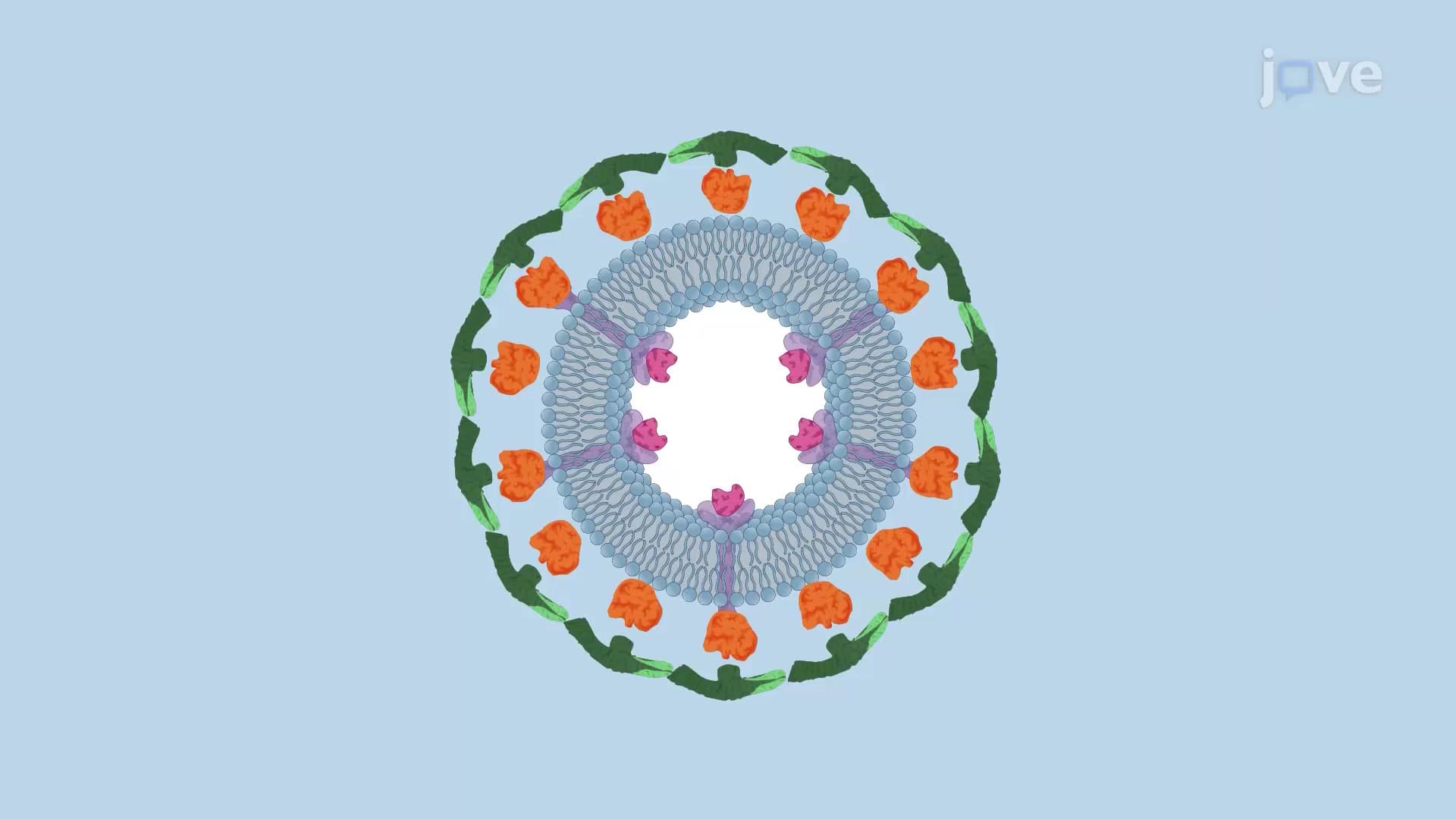
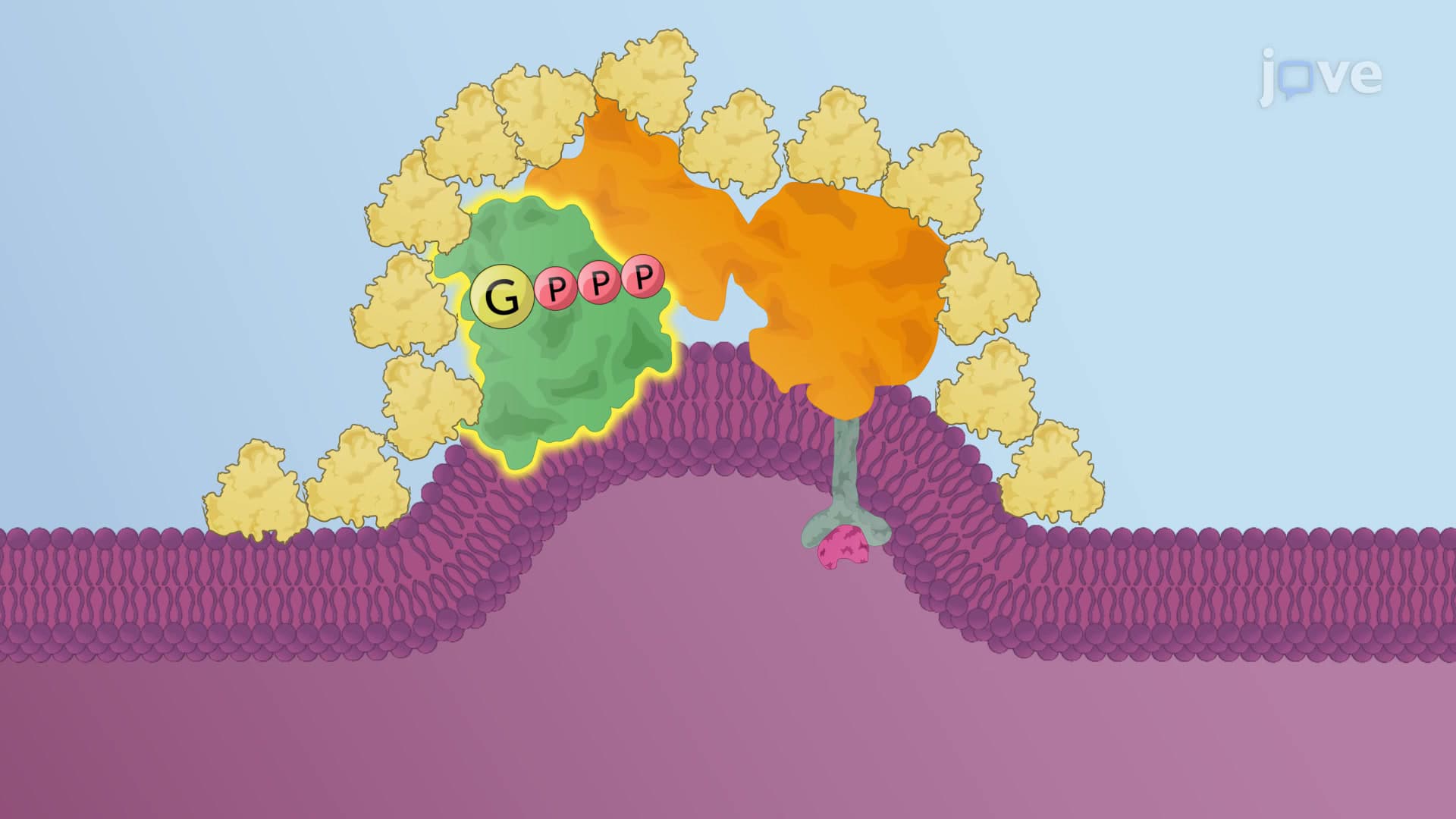
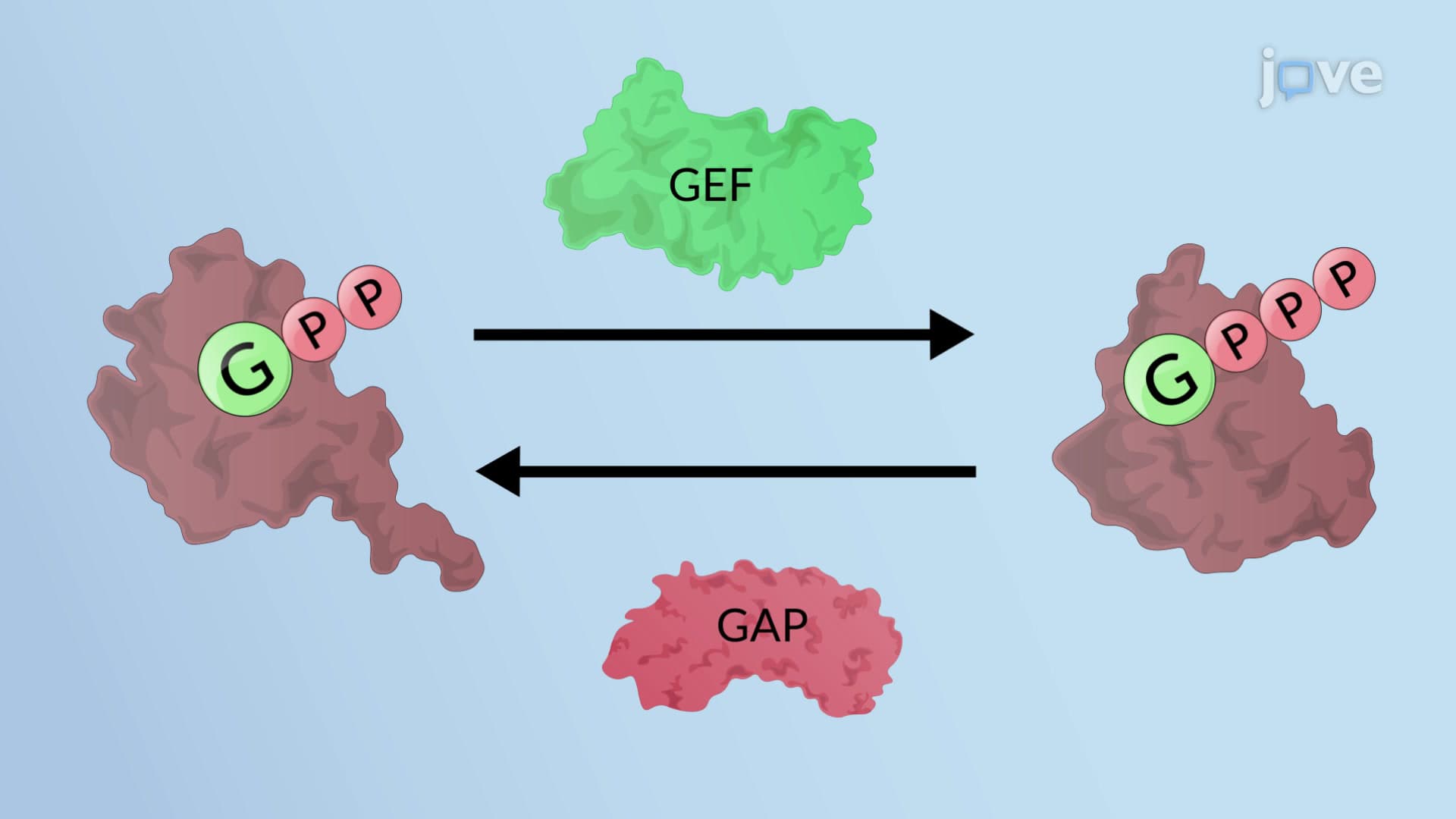
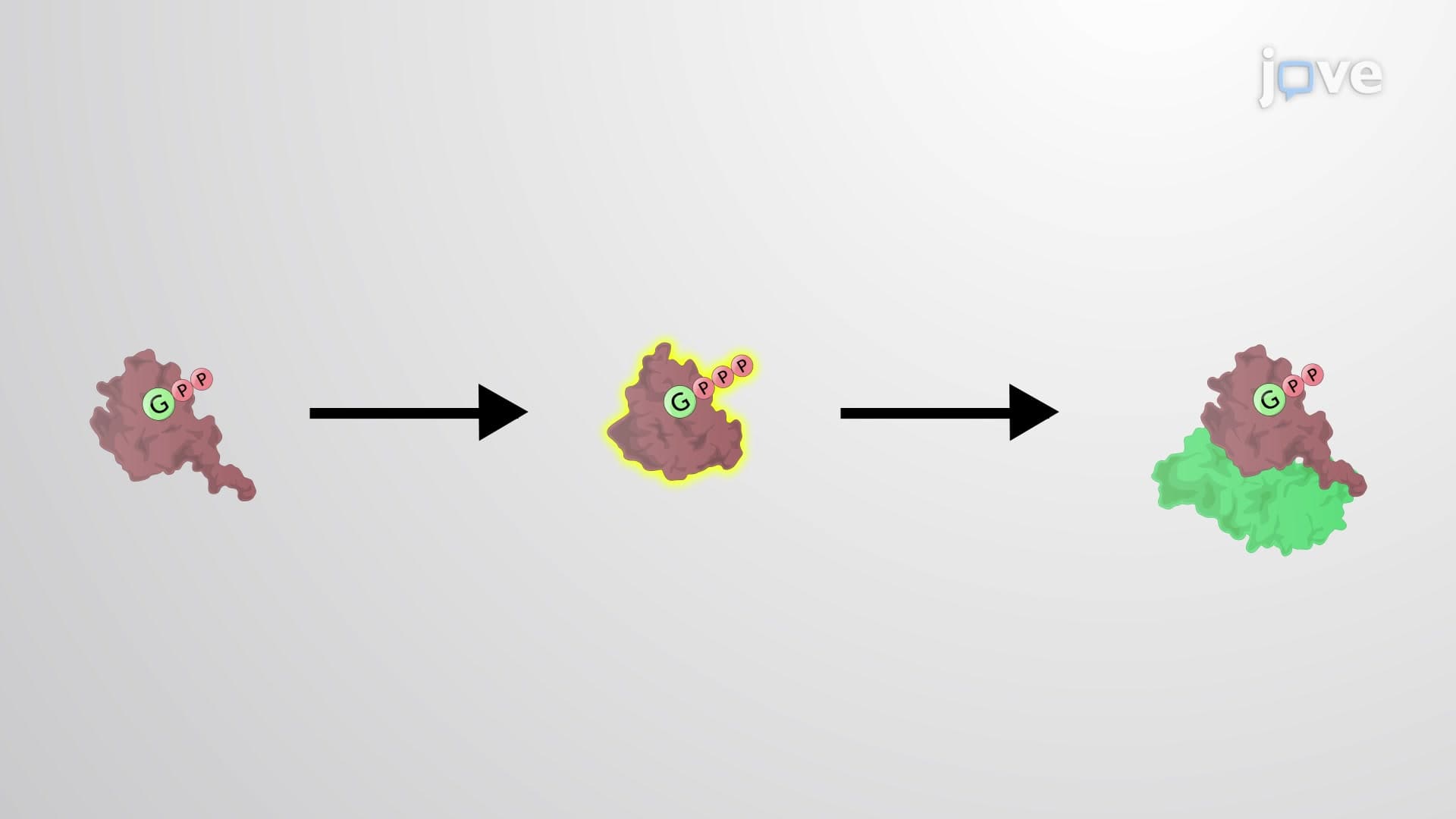
Both COPI and COPII vesicles utilize similar protein complexes called coatomers, though their specific compositions differ. These coat proteins possess an remarkable ability to deform membrane surfaces, literally bending the lipid bilayer until it forms a bud. This process requires significant energy input, typically provided by GTP hydrolysis, demonstrating the cell's investment in maintaining proper transport.
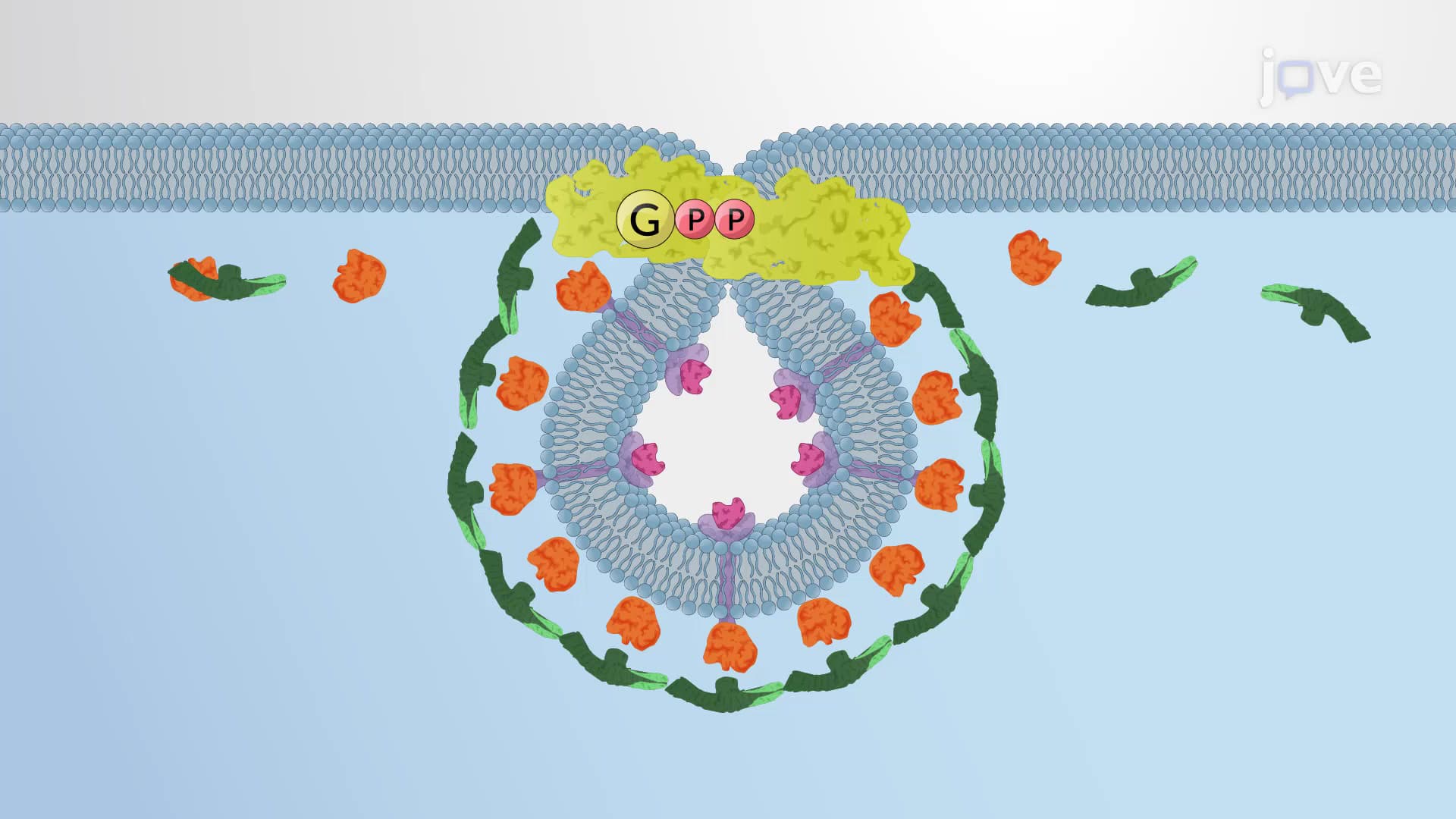
The formation process involves coat protein recruitment, membrane curvature, vesicle scission, and finally coat protein removal once the vesicle reaches its destination. This cycle repeats continuously, with some estimates suggesting individual vesicles complete their journey in just minutes.
Understanding cop coated vesicles proves essential for AP Biology students, particularly when studying cellular transport mechanisms. The MCAT frequently tests vesicle transport concepts, especially in the context of protein synthesis and secretion. Medical students preparing for the USMLE encounter these concepts when studying endocrine disorders, where faulty vesicle transport can disrupt hormone secretion.
Real-world applications include understanding how insulin-producing cells function, why certain genetic disorders affect protein transport, and how pharmaceutical companies design drugs that target specific cellular compartments. For example, researchers at Johns Hopkins University have studied how COPII vesicle defects contribute to certain developmental disorders, highlighting the clinical importance of this cellular machinery.
Related Micro-courses