Loading subject page…


157,137 views


Video Summary: What are Golgi Matrix Proteins
Ever wonder how your cells package and ship thousands of proteins daily without mix-ups? Golgi matrix proteins act like the structural framework and quality control managers of the cell's shipping center. Just as Amazon warehouses rely on sophisticated sorting systems to handle millions of packages, cells depend on these specialized proteins to maintain the Golgi apparatus structure during the constant flow of cellular cargo. Watch the full video on JoVE Coach to master this concept with expert-led visuals and step-by-step explanations.
Golgi matrix proteins represent a sophisticated family of structural and regulatory proteins that maintain the integrity and function of one of the cell's most important organelles. These proteins work like the steel framework of a skyscraper, providing both structural support and dynamic flexibility to accommodate the Golgi apparatus's constant activity.
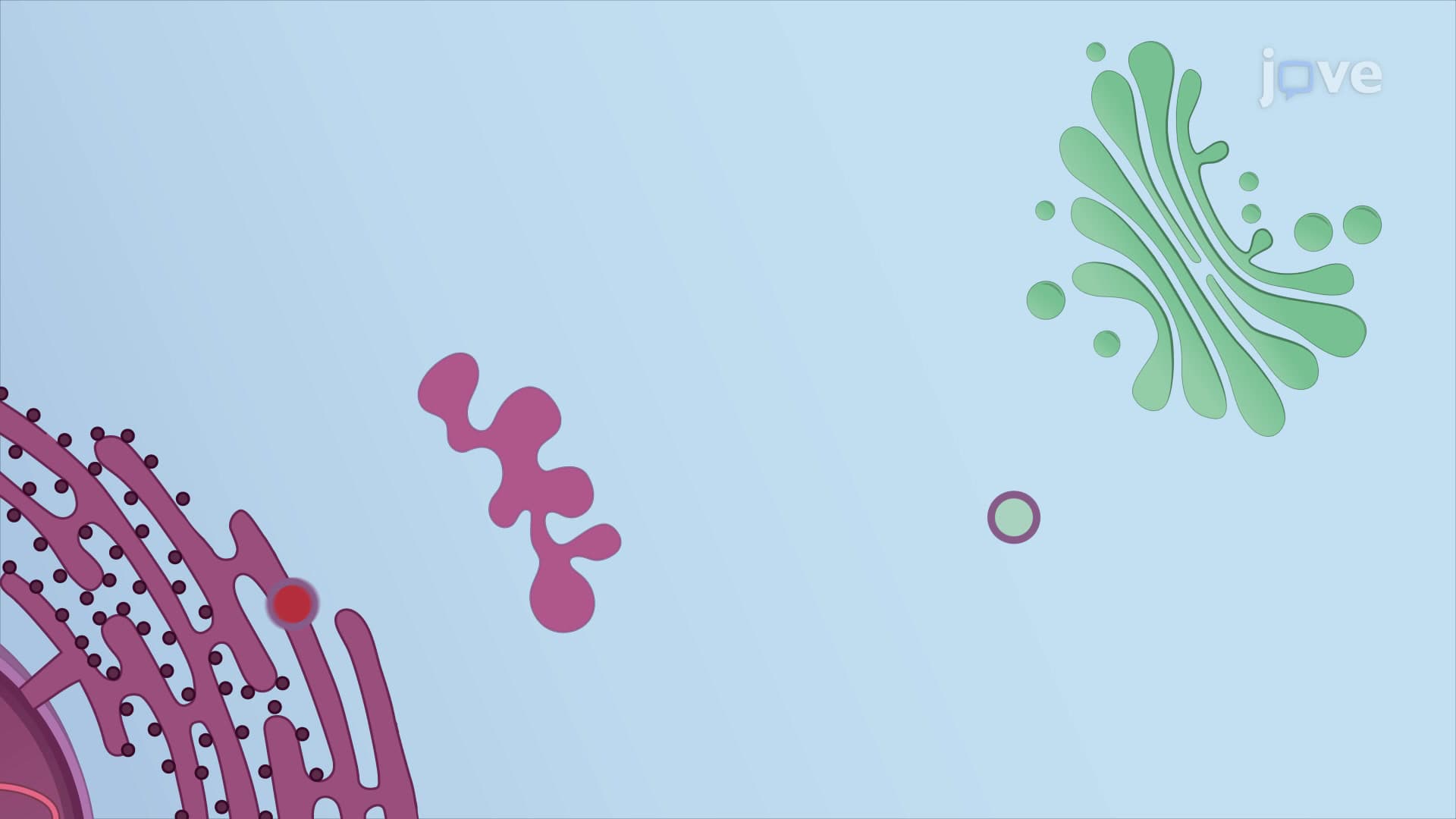
The Golgi apparatus processes over 30% of all cellular proteins, making it comparable to a major distribution center like FedEx's Memphis hub, which handles millions of packages daily. Without proper structural support, this cellular "warehouse" would collapse under the constant traffic of vesicles carrying proteins destined for various cellular locations.
The types of Golgi matrix proteins fall into three major categories, each serving distinct but interconnected roles. GM proteins (tubular Golgi matrix proteins) form the primary structural network, creating tube-like connections between the flattened cisternae. These proteins ensure that the characteristic "pancake stack" appearance of the Golgi remains intact during normal cellular operations.
GRASPs (Golgi Reassembly Stacking Proteins) work alongside GM proteins as molecular "rivets," securing adjacent cisternae together. Think of GRASPs as the bolts that hold together the floors of a multi-story parking garage-without them, the structure would lose its organized, layered architecture.
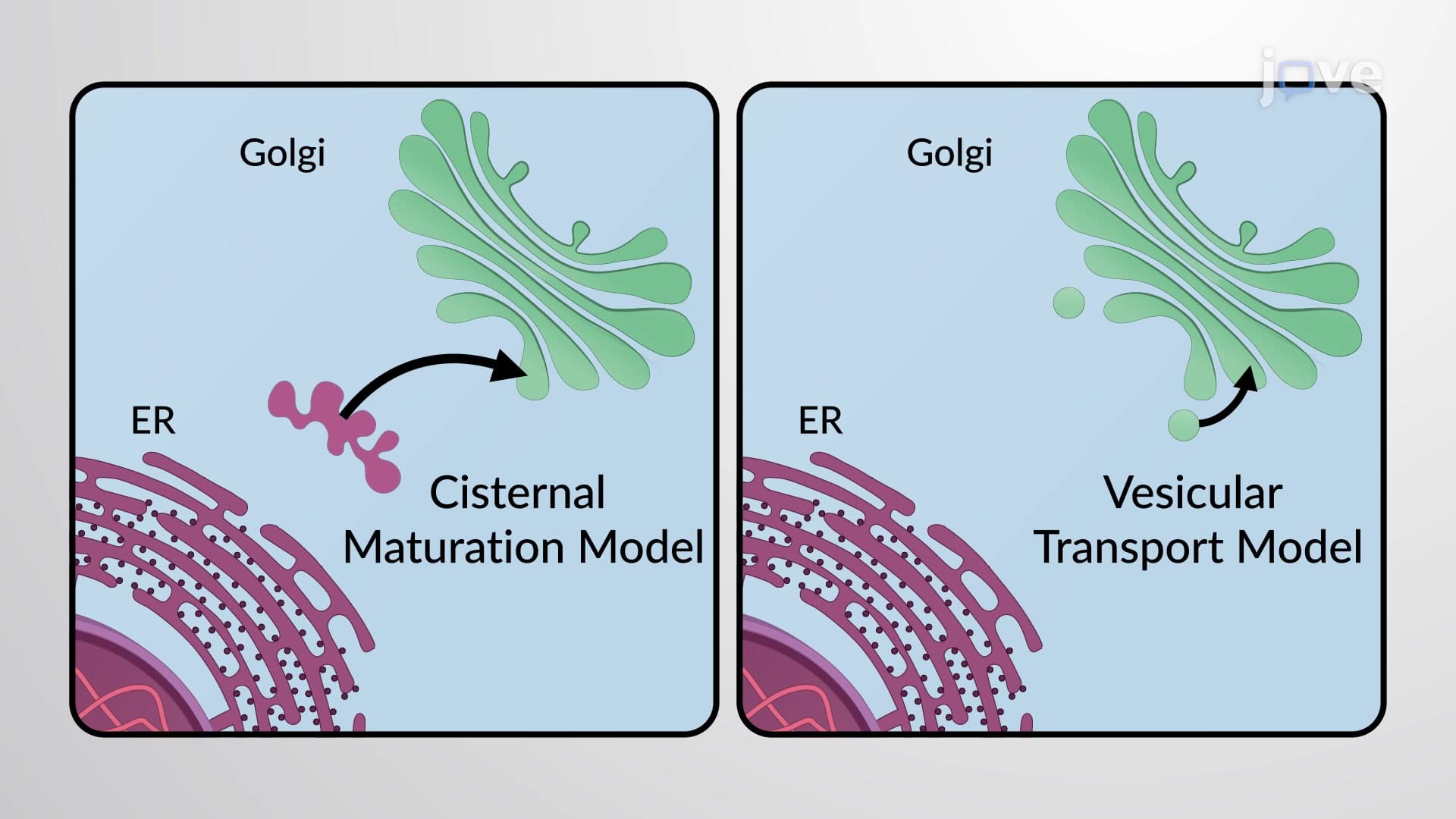
Golgins represent the third major type, functioning as molecular "fishing lines" that extend 100-400 nanometers from the Golgi surface. These remarkably long proteins capture incoming vesicles from the endoplasmic reticulum, guiding them to the correct docking sites like air traffic controllers directing planes to specific runways.
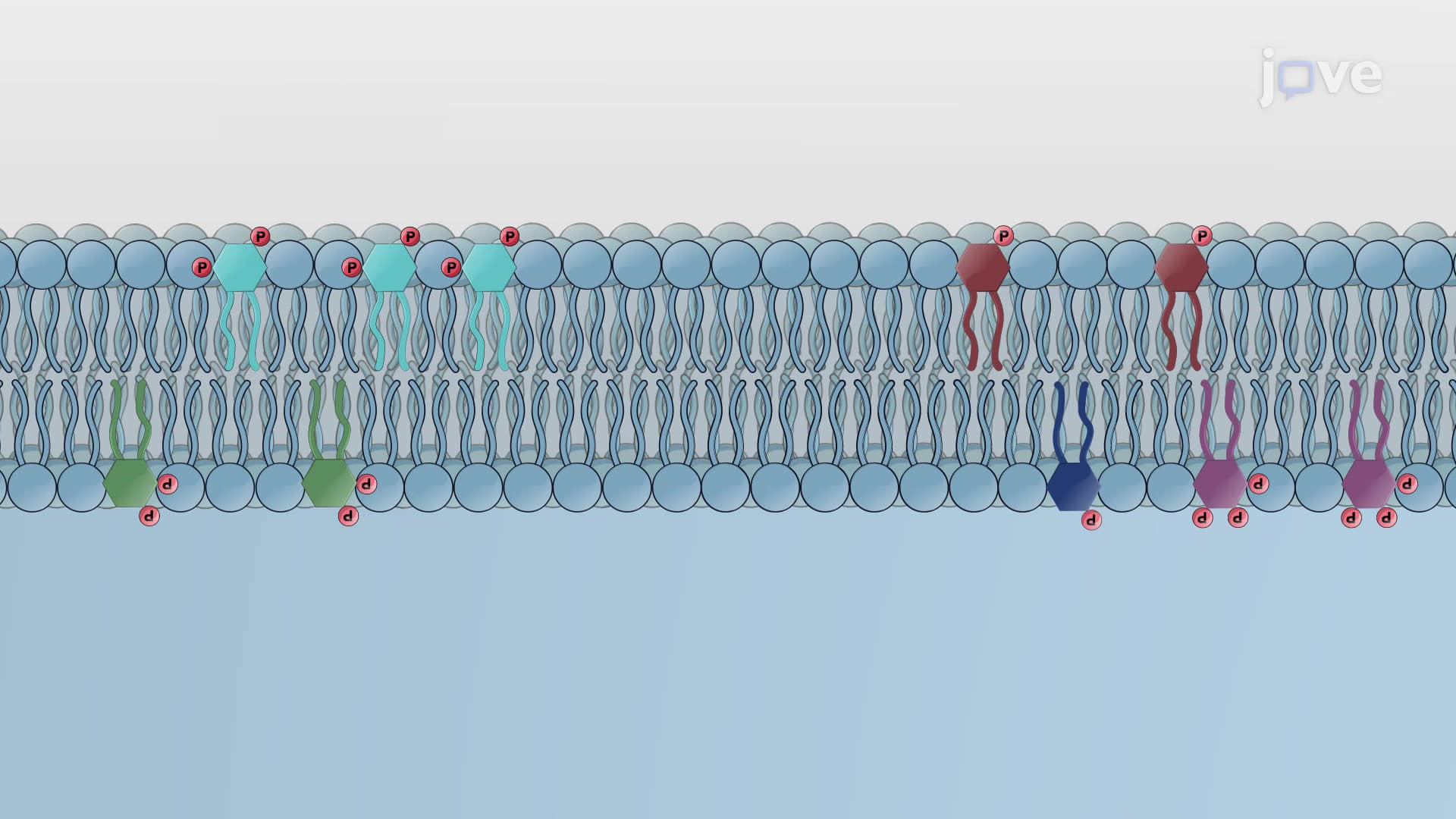
The Golgi matrix proteins overview reveals their remarkable ability to orchestrate controlled disassembly and reassembly. During mitosis, mitotic protein kinases phosphorylate GM proteins, causing the entire Golgi apparatus to fragment-much like how a construction crew might dismantle a temporary bridge to allow ship passage, then rebuild it afterward.
This fragmentation ensures equal distribution of Golgi components to daughter cells. Once cell division completes, protein phosphatases remove the phosphate groups, triggering reassembly of functional Golgi stacks in each new cell.
Understanding these proteins proves crucial for students preparing for advanced coursework and professional exams. AP Biology students encounter Golgi matrix proteins when studying organelle structure and cell division. Pre-med students preparing for the MCAT must understand how phosphorylation regulates cellular structures. Medical students studying for USMLE Step 1 need to comprehend how defective matrix proteins can lead to inherited disorders affecting protein trafficking and cellular function.
Related Micro-courses