Loading subject page…


157,146 views

Video Summary: What are Lysosomal Hydrolases
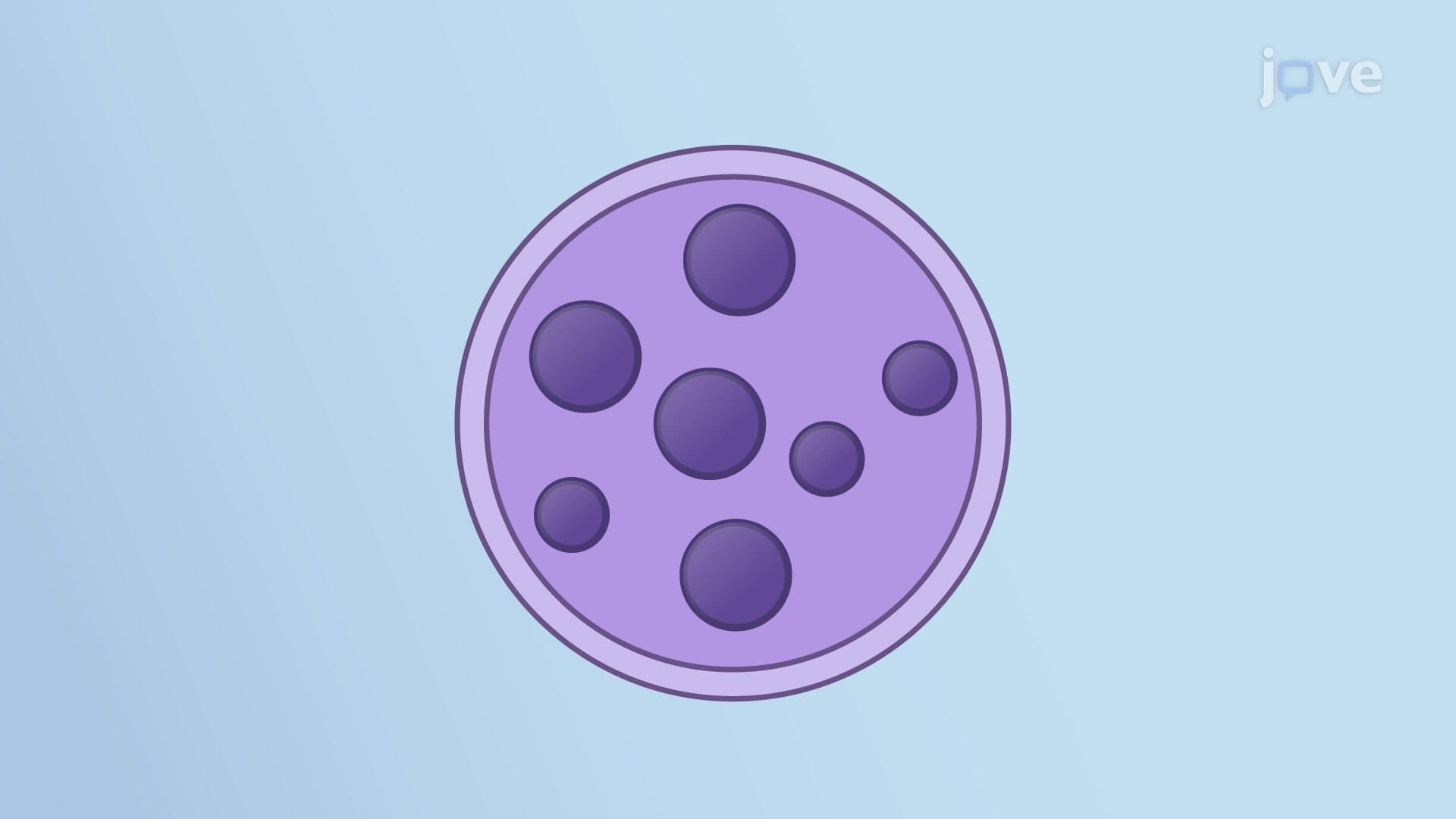
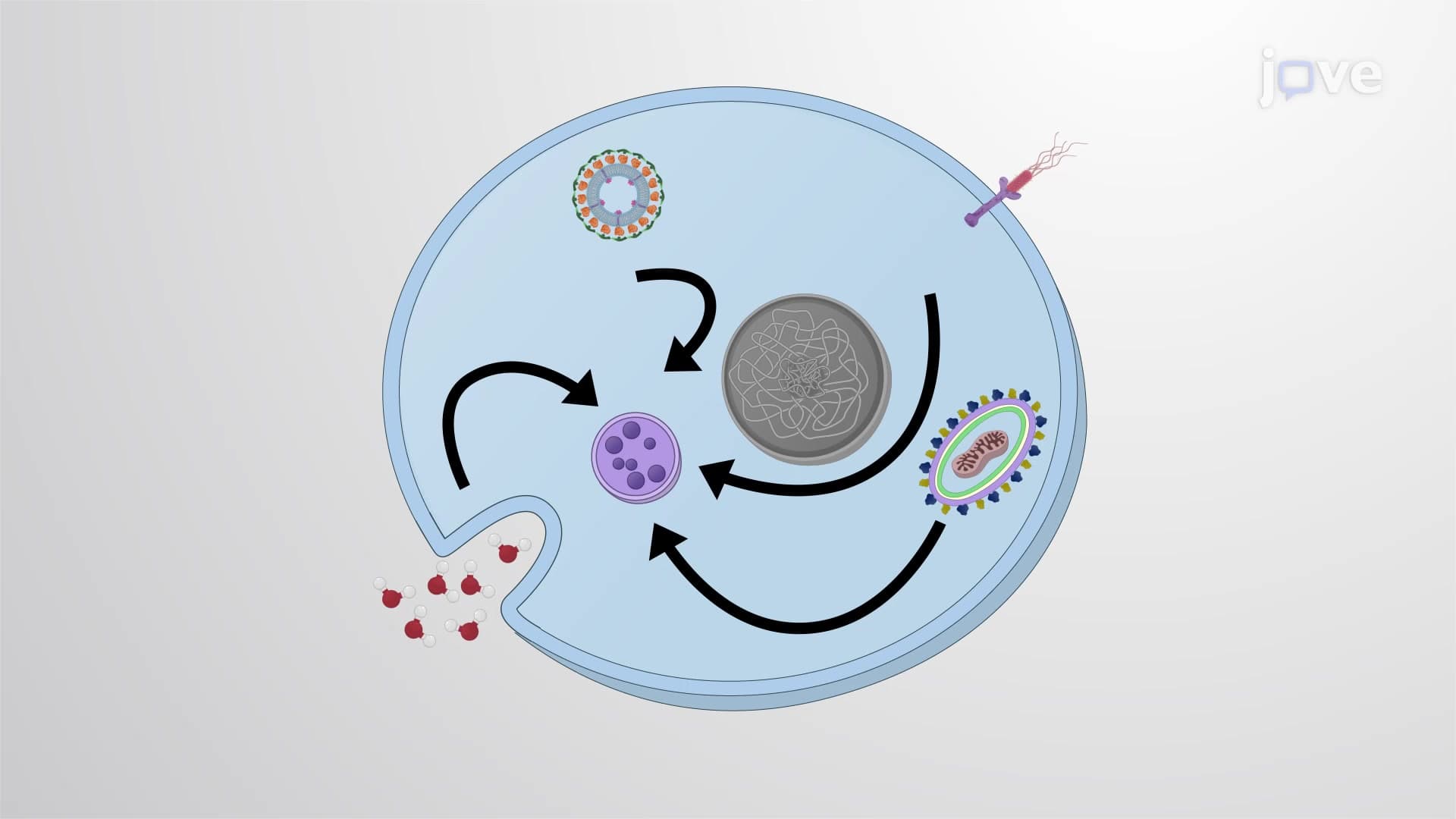
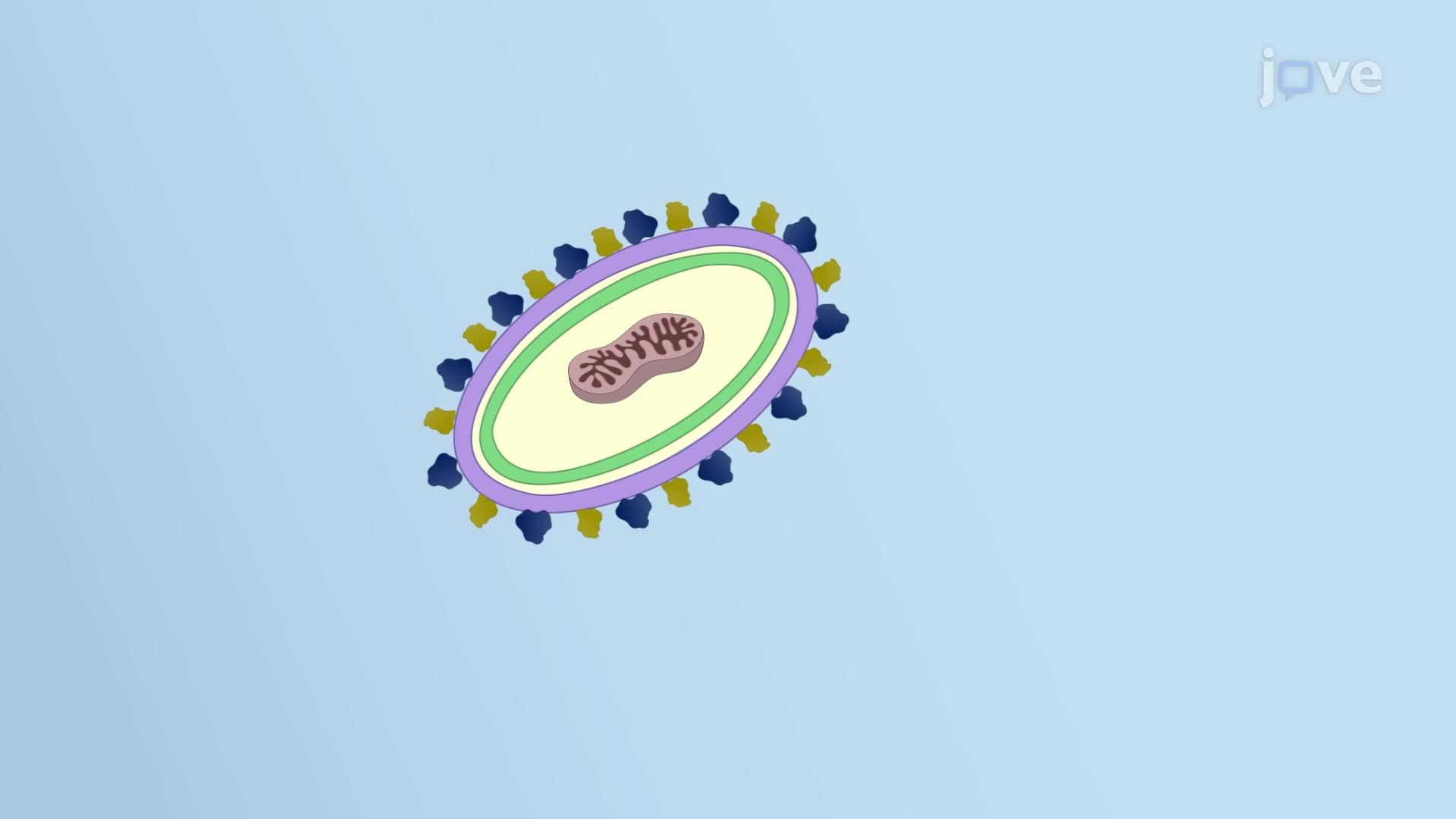
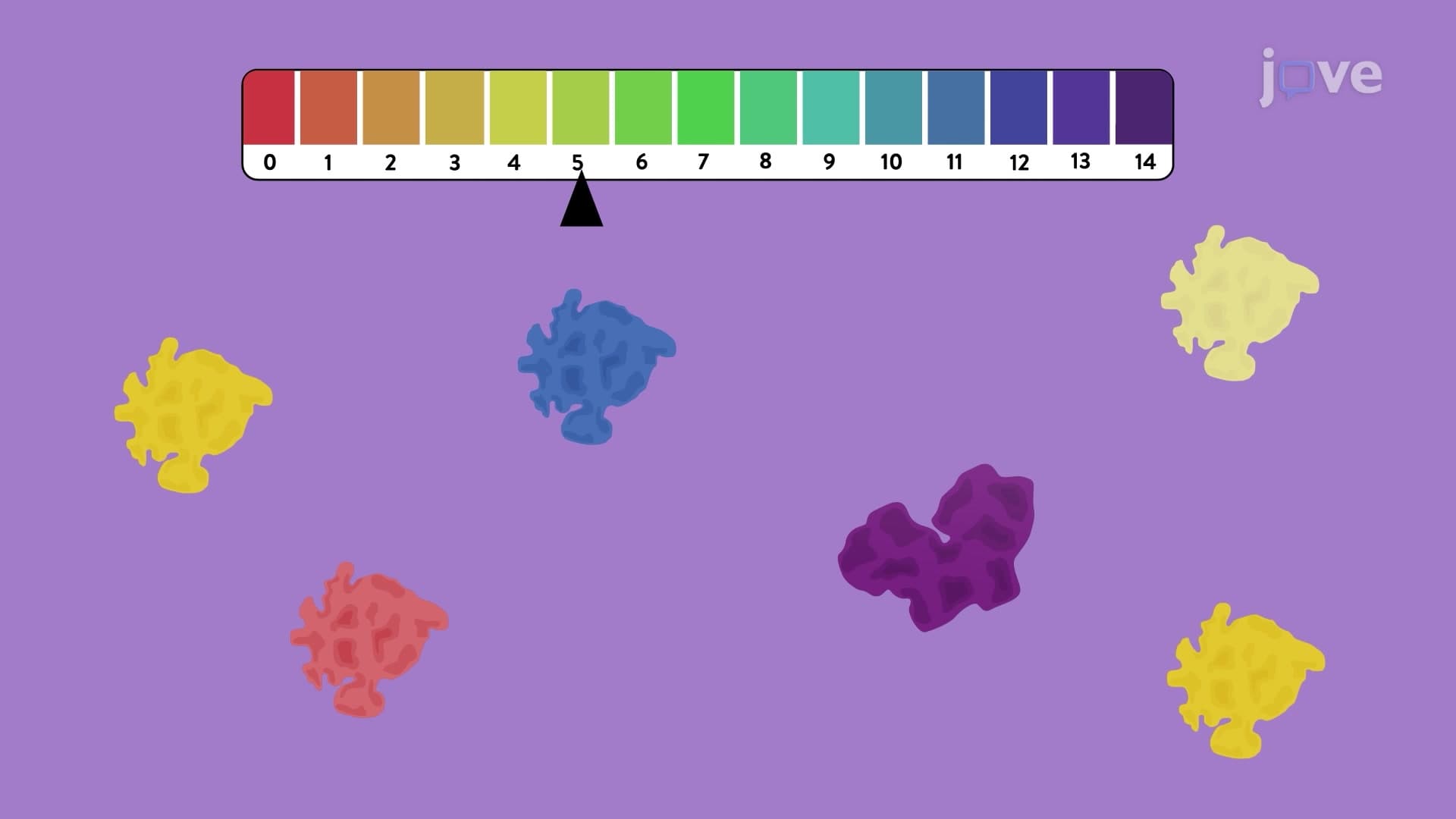
Did you know that every cell in your body contains tiny recycling centers that break down cellular waste using specialized enzymes? Lysosomal hydrolases are the powerhouse enzymes that digest everything from worn-out proteins to harmful bacteria inside lysosomes. These acid-loving enzymes work optimally at pH 5 and are essential for cellular housekeeping-without them, conditions like Tay-Sachs disease can develop when cellular waste accumulates. Watch the full video on JoVE Coach to master this concept with expert-led visuals and step-by-step explanations.
Lysosomal hydrolases represent one of the most critical enzyme families in cellular biology, functioning as the primary digestive machinery within lysosomes. These remarkable enzymes are uniquely adapted to function in highly acidic conditions, with optimal activity at pH 5-nearly 100 times more acidic than the neutral cytoplasm. This acidic preference earned them the alternative name "acid hydrolases," distinguishing them from other cellular enzymes that typically function at physiological pH.
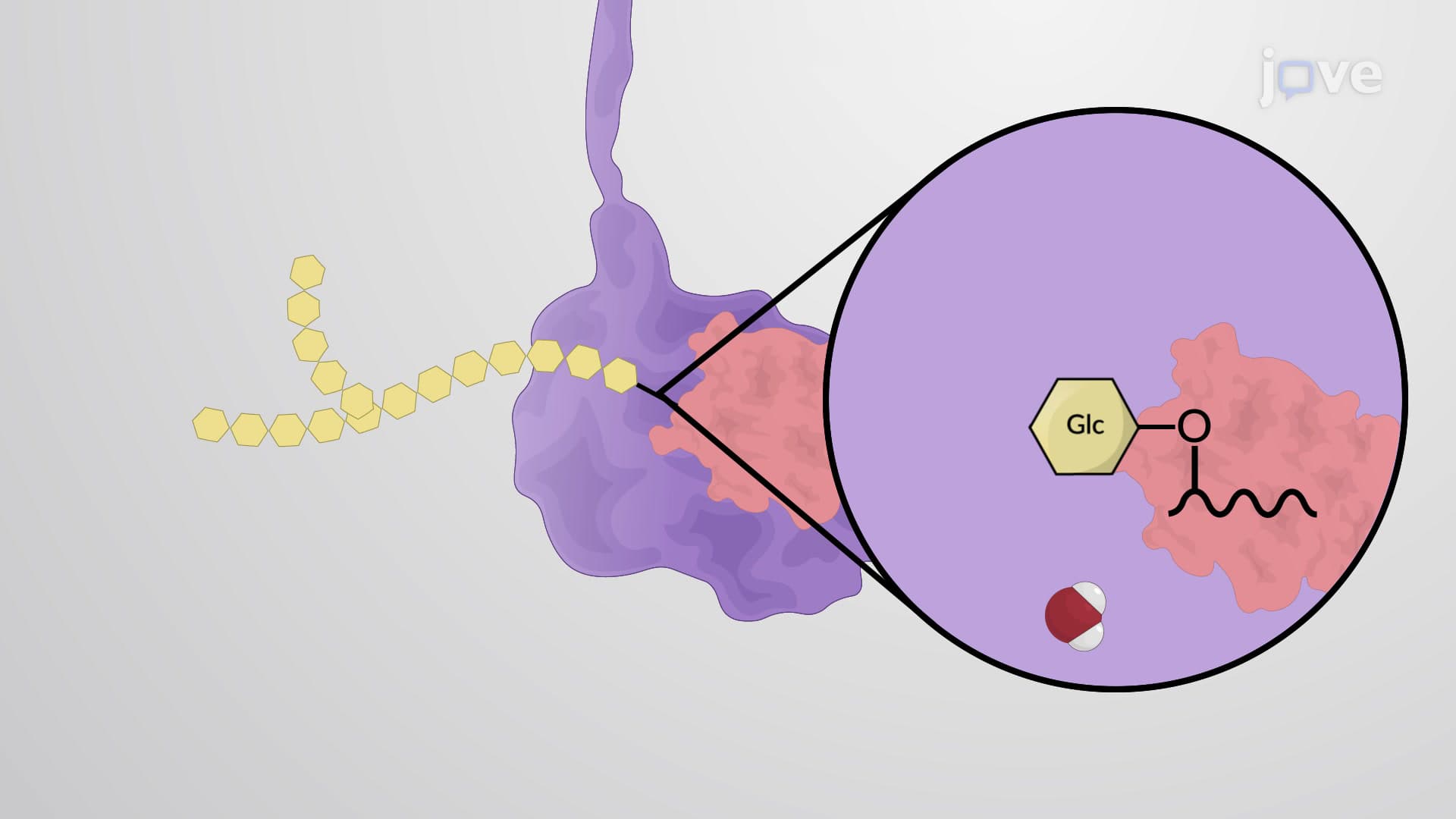
The hydrolytic mechanism employed by these enzymes involves using water molecules to cleave chemical bonds in their target substrates. This process, called hydrolysis, allows lysosomal hydrolases to break down virtually every type of biological macromolecule, including proteins, carbohydrates, lipids, and nucleic acids. Students preparing for AP Biology or college biochemistry courses should understand that this degradative capability makes lysosomes the cell's primary recycling centers.
The journey of lysosomal hydrolases from synthesis to function represents one of cell biology's most elegant targeting mechanisms. Unlike most proteins that remain in their site of synthesis, these enzymes must navigate a complex trafficking pathway to reach their lysosomal destination.
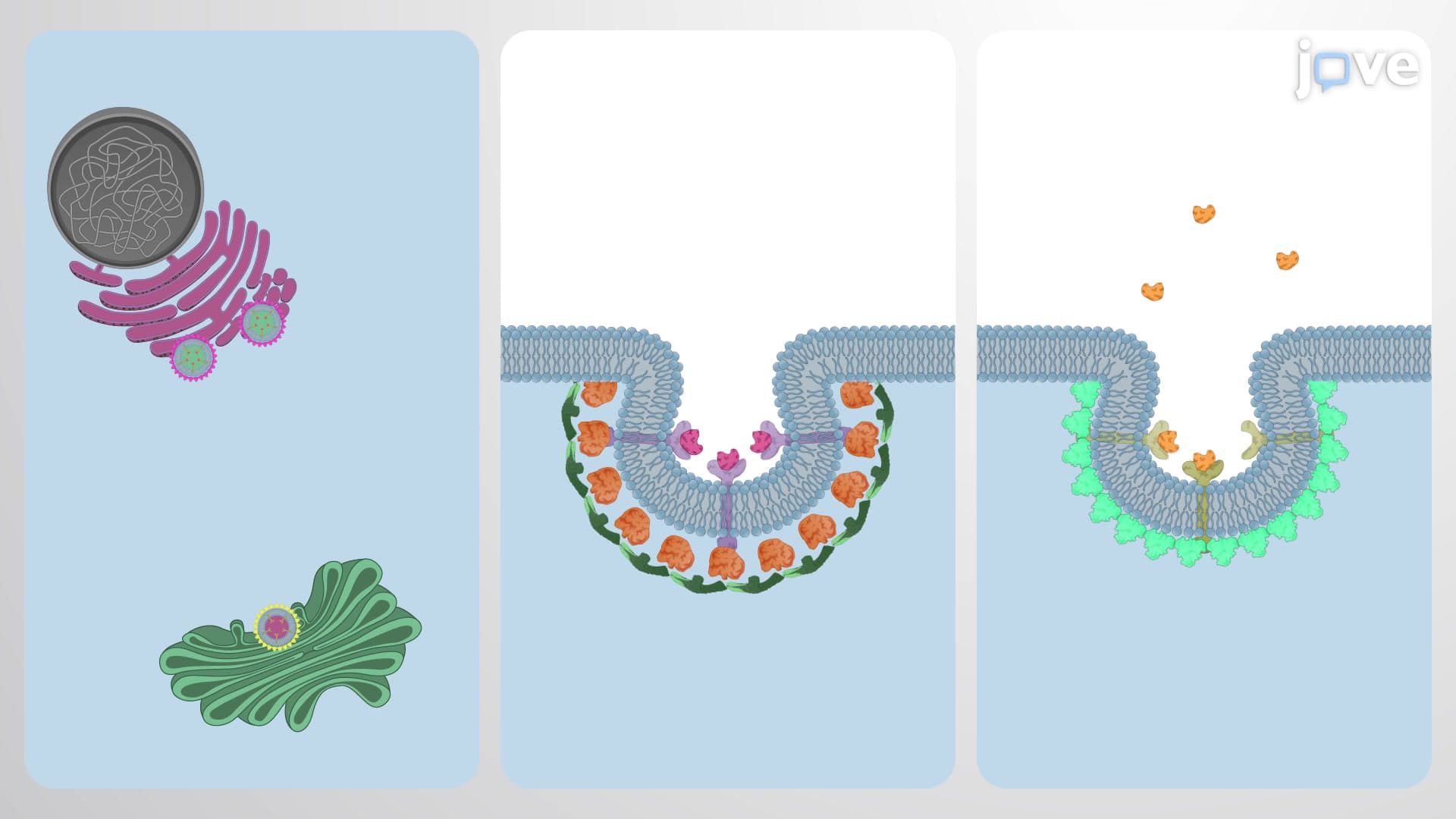
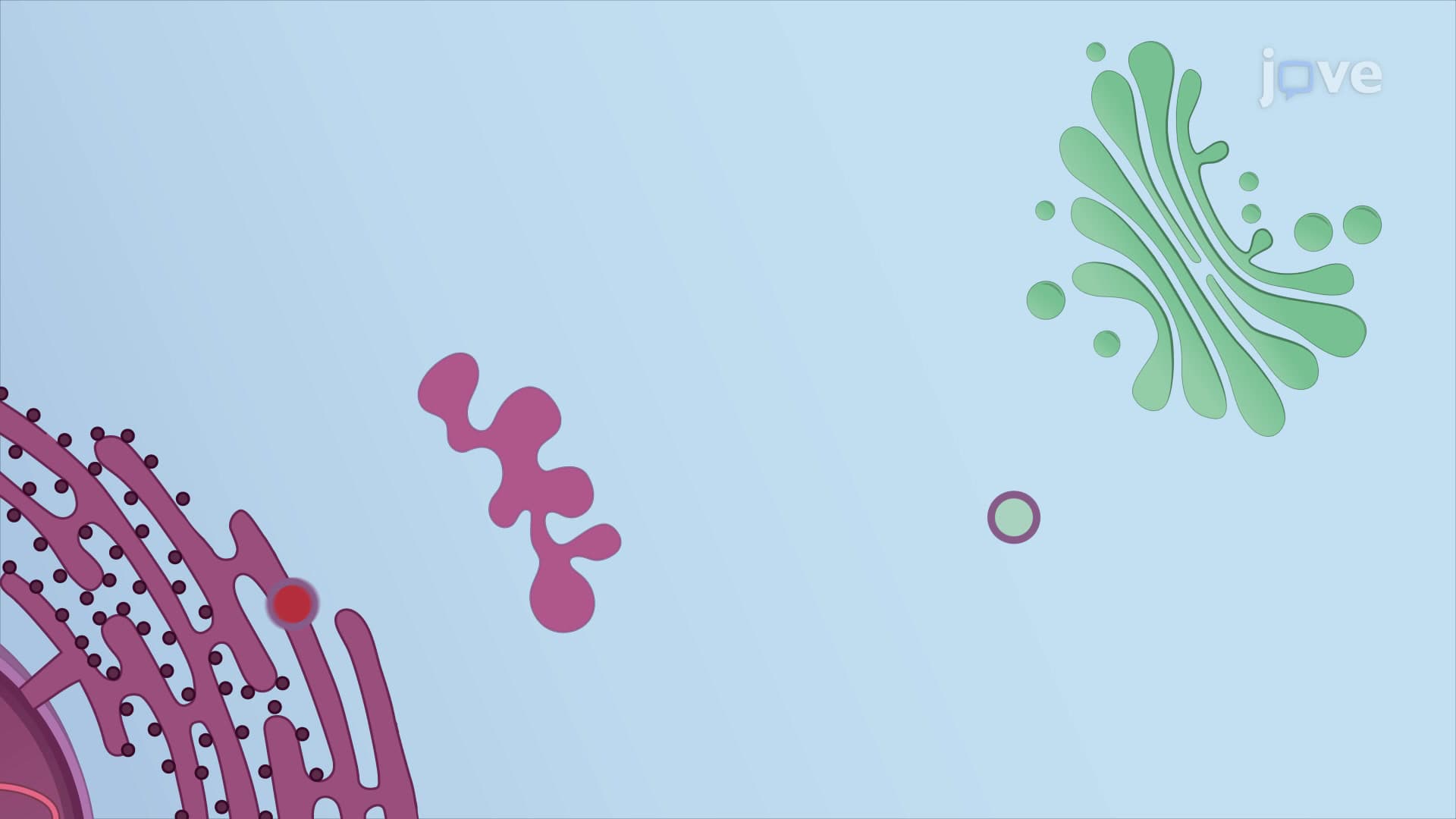
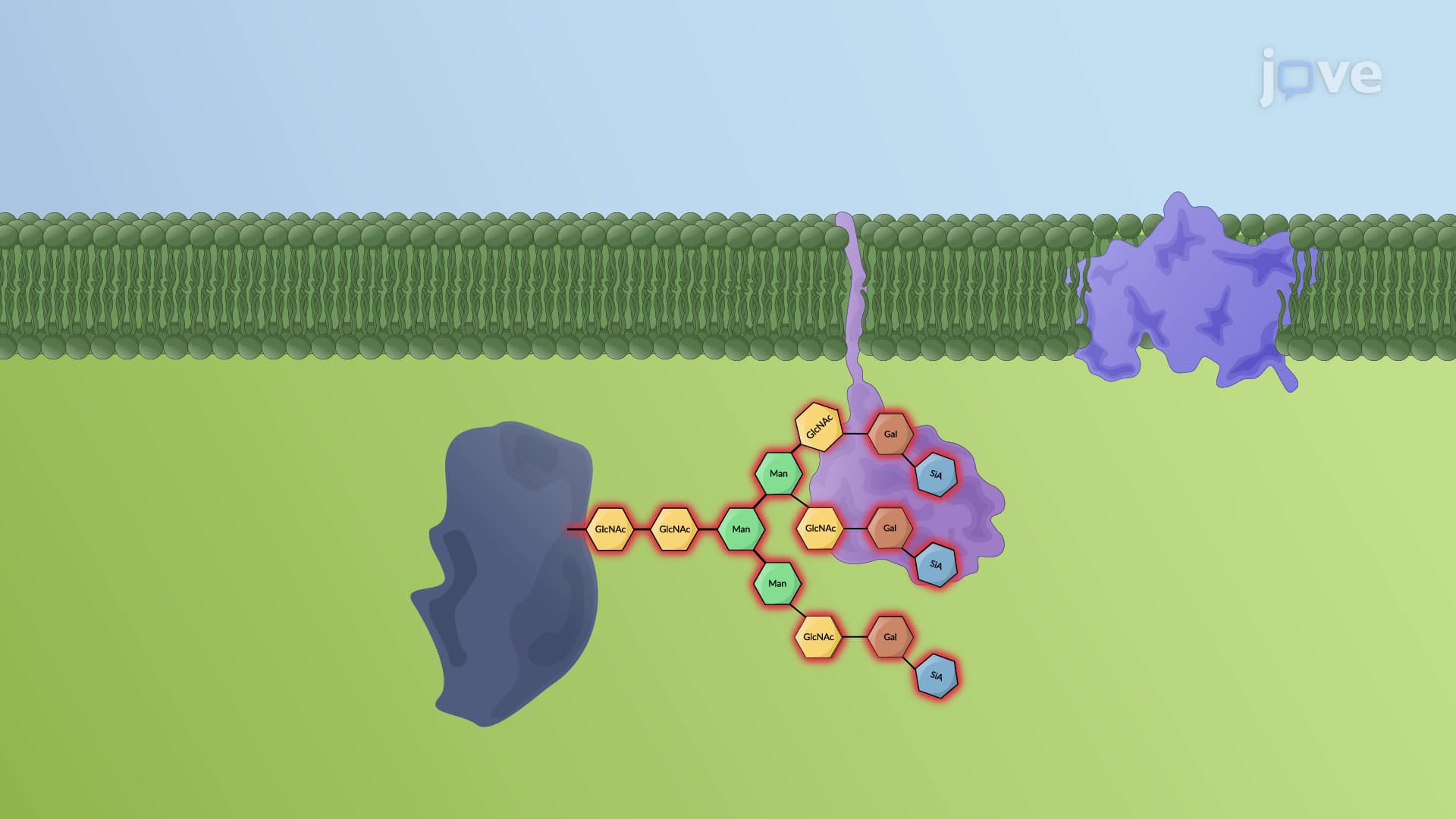
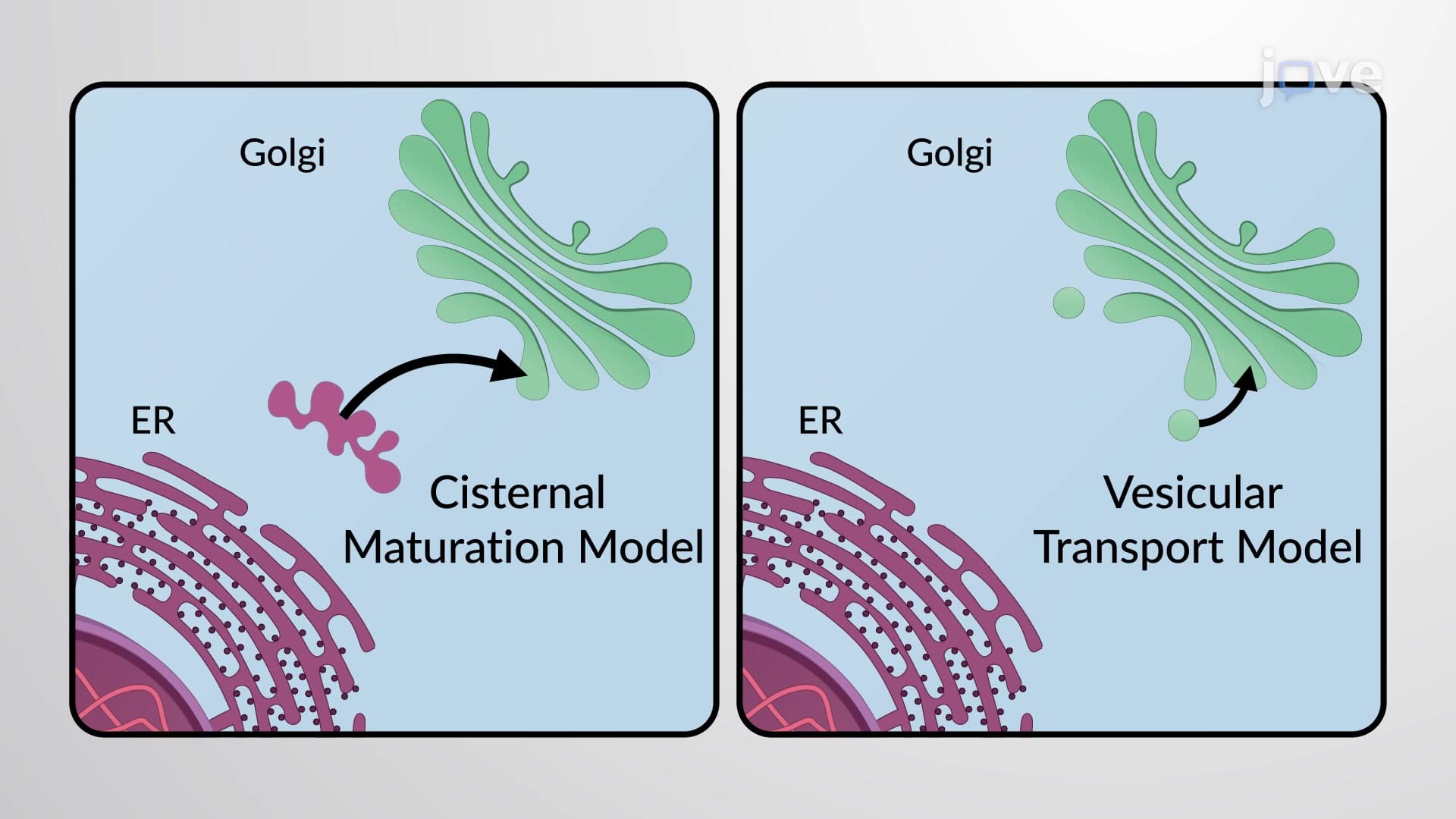
The process begins in the rough endoplasmic reticulum (ER), where ribosomes synthesize the hydrolase precursors. These newly made enzymes then travel to the Golgi apparatus, where they undergo a crucial modification step. Specialized enzymes in the Golgi attach Mannose-6-Phosphate (M6P) groups to specific carbohydrate chains on the hydrolases. This M6P tag functions like a molecular ZIP code, ensuring proper delivery to lysosomes.
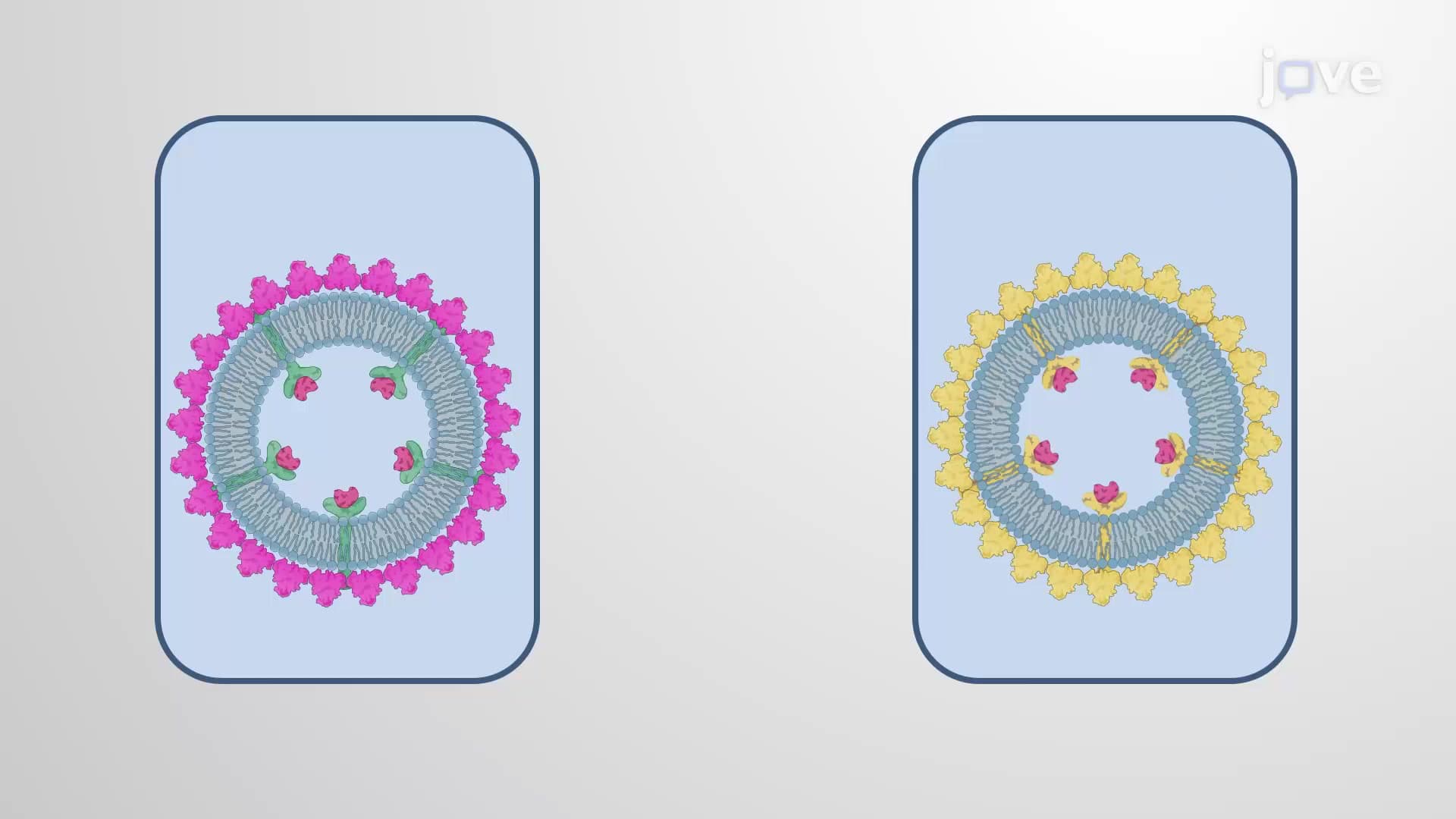
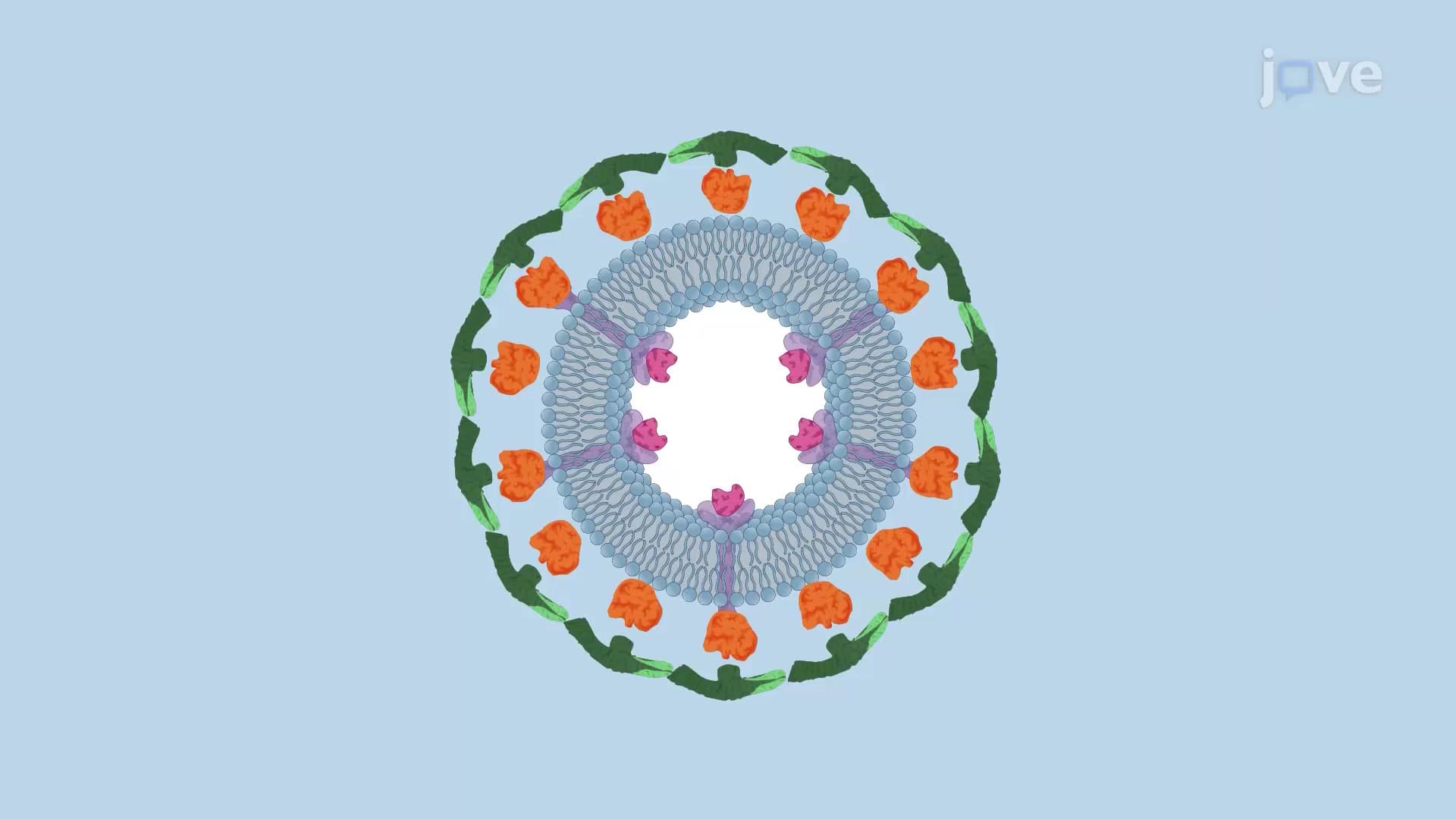
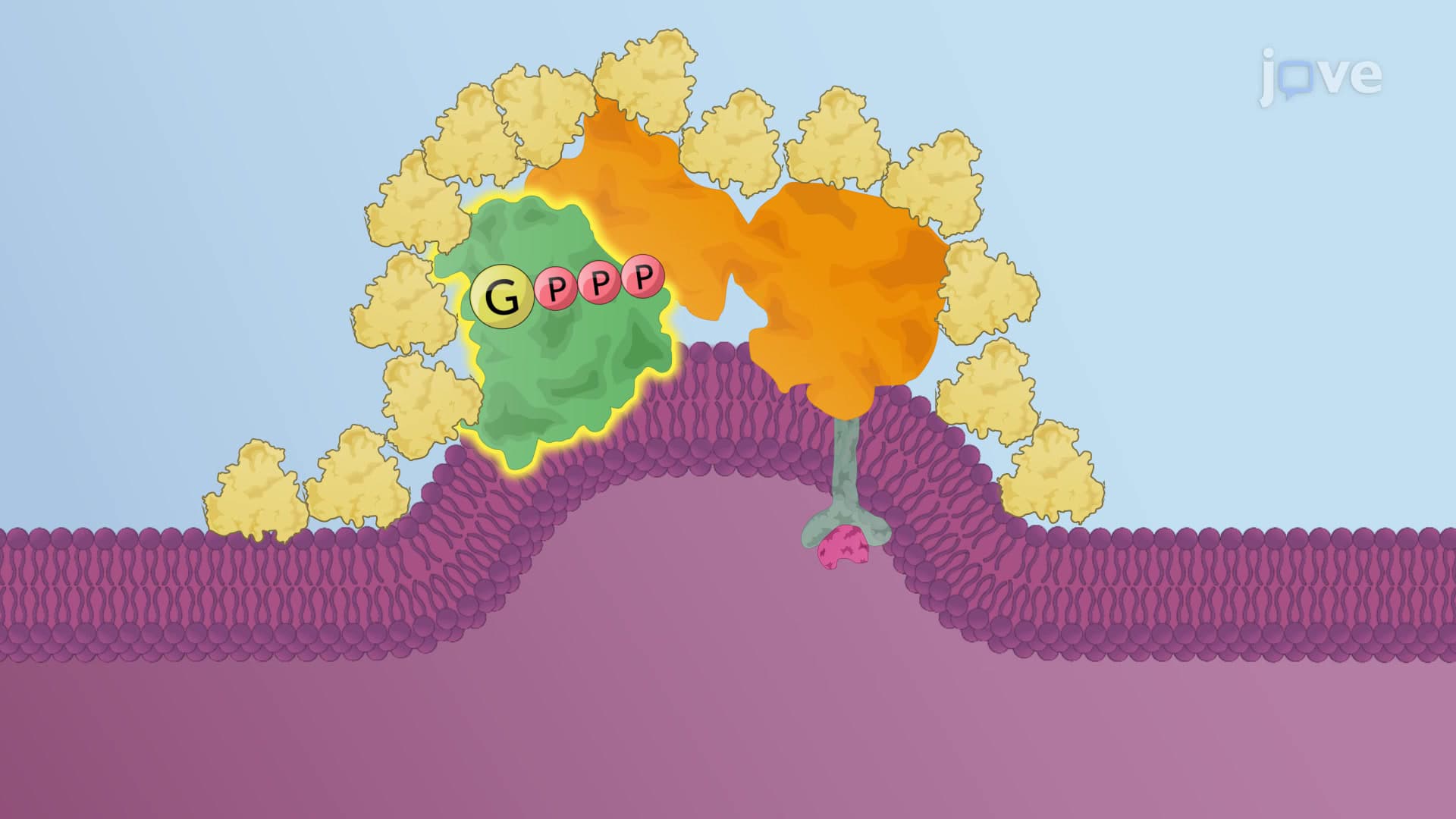
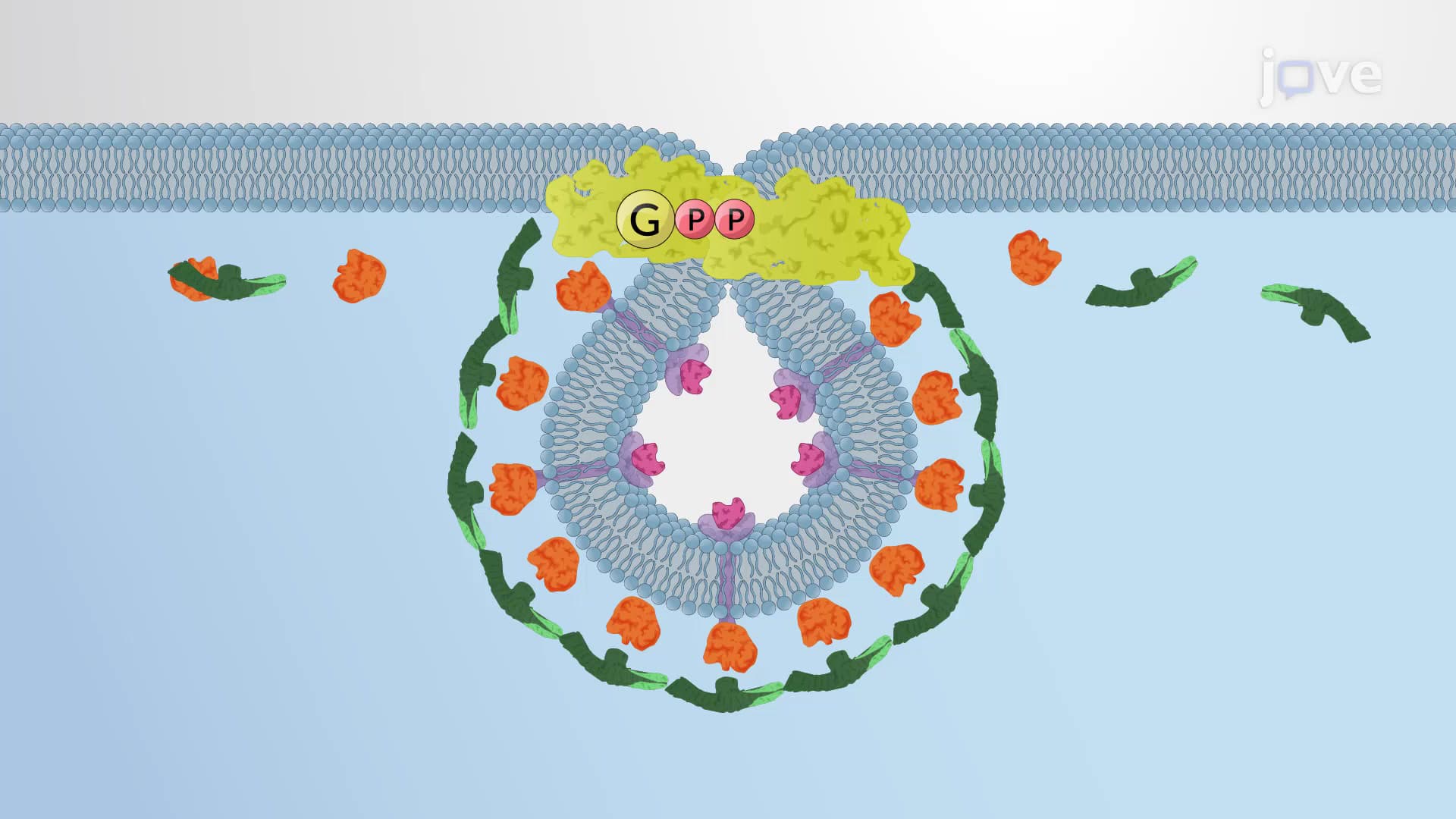
Students studying for the MCAT should pay particular attention to how transmembrane M6P receptors recognize these tagged enzymes. The receptors bind hydrolases on the luminal side of Golgi membranes while clathrin proteins assemble on the cytosolic side, forming specialized transport vesicles. These clathrin-coated vesicles bud from the trans-Golgi network and transport their cargo to early endosomes.
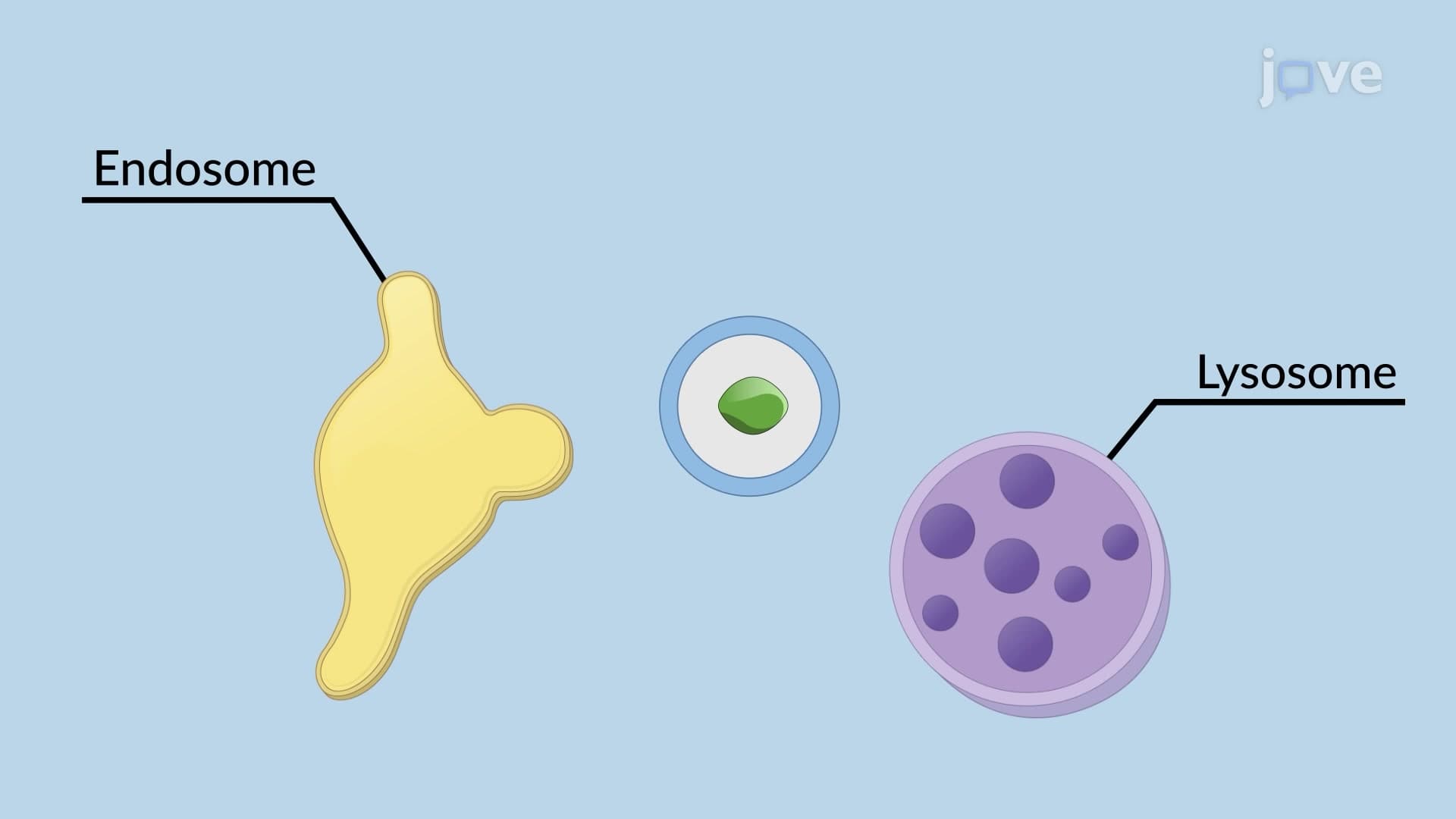
The pH-sensitive nature of M6P receptor binding creates an ingenious release mechanism. In the acidic environment of early endosomes (pH below 6), M6P receptors lose their affinity for the hydrolases, causing enzyme release into the endosomal lumen. As endosomes mature and eventually fuse with lysosomes, the hydrolases reach their final destination in the highly acidic endolysosome.
This trafficking system has profound clinical implications. Genetic defects affecting lysosomal hydrolases cause a group of inherited disorders called lysosomal storage diseases. For example, Tay-Sachs disease results from hexosaminidase A deficiency, leading to harmful lipid accumulation in nerve cells. Understanding these connections helps pre-med students appreciate how basic cell biology directly relates to human disease and potential therapeutic interventions.
Related Micro-courses