Loading subject page…


157,134 views
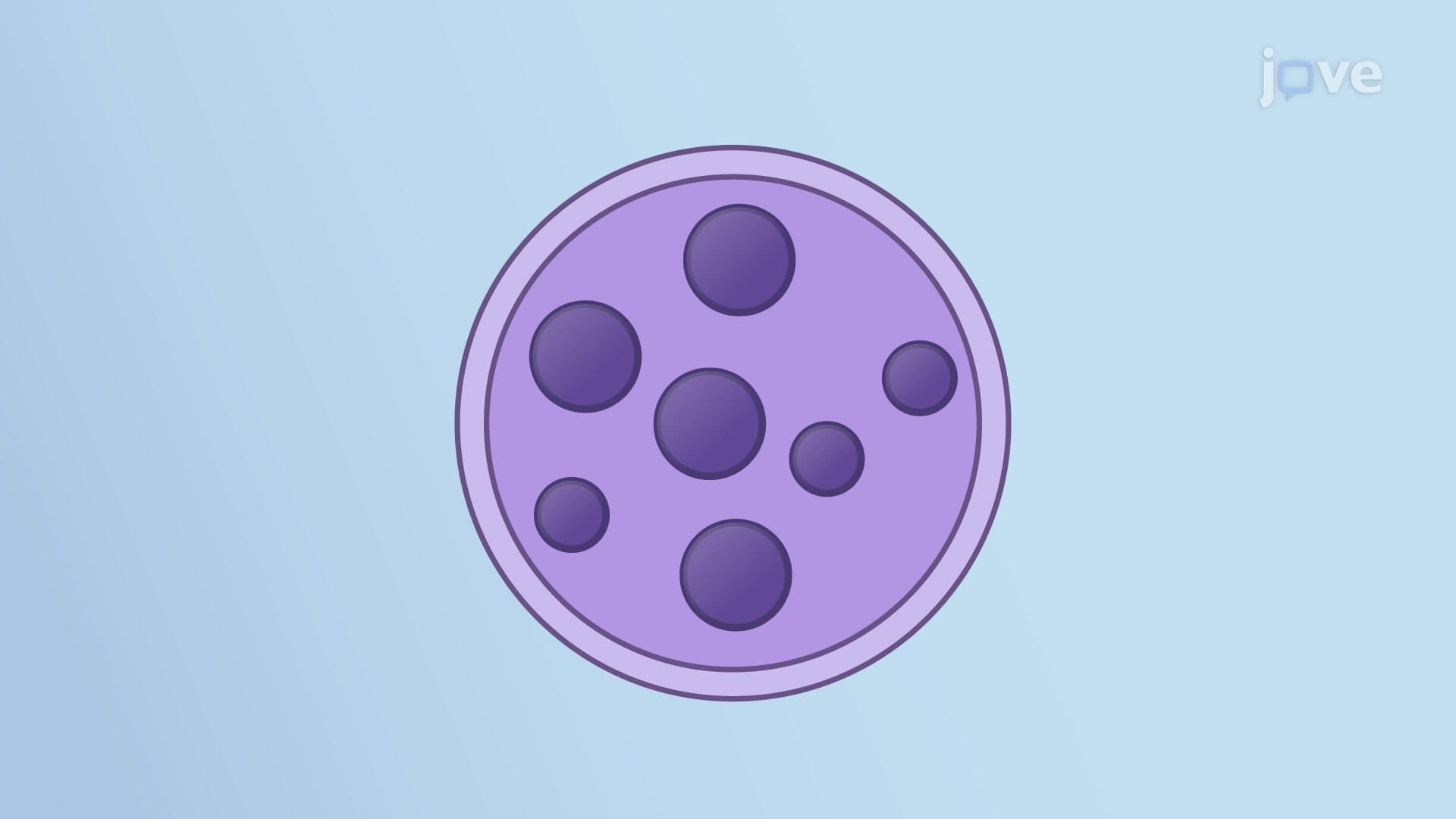

Video Summary: What are Lysosomes
Ever wonder how your cells take out the trash? Lysosomes explained biology reveals these cellular "garbage disposals" contain over 50 specialized enzymes that digest everything from worn-out organelles to disease-causing bacteria. When patients at Johns Hopkins suffer from lysosomal storage diseases like Gaucher disease, understanding what are lysosomes becomes crucial for medical treatment. These membrane-bound organelles maintain acidic pH levels to optimize their digestive enzymes, essentially serving as the cell's recycling center. Watch the full video on JoVE Coach to master this concept with expert-led visuals and step-by-step explanations.
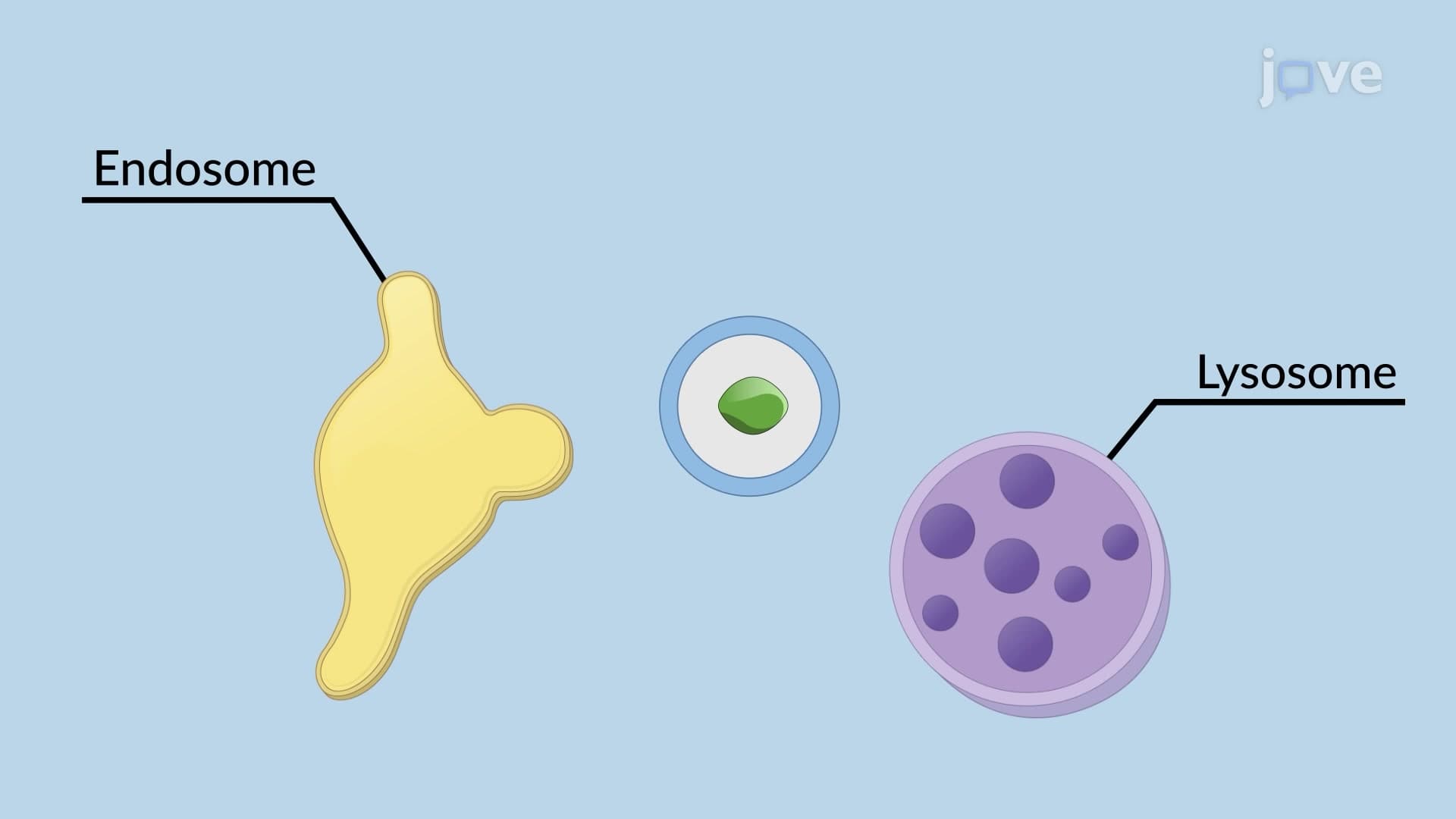
Lysosomes function as sophisticated digestive compartments within animal cells, containing a powerful arsenal of hydrolytic enzymes capable of breaking down virtually any biological molecule. These membrane-bound organelles represent one of the most crucial quality control systems in cellular biology, ensuring that cells can efficiently recycle materials, eliminate toxins, and maintain proper metabolic balance.
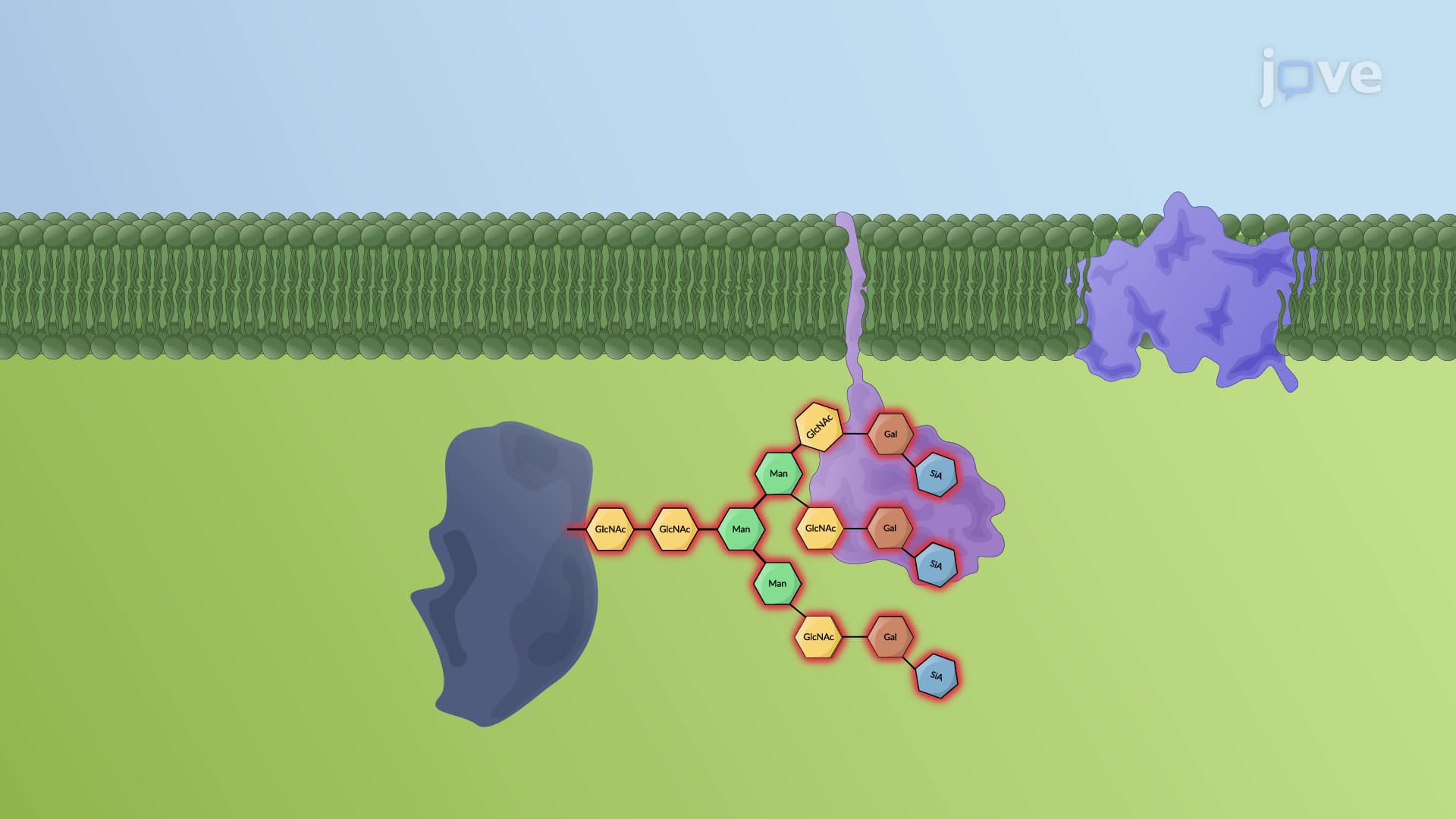
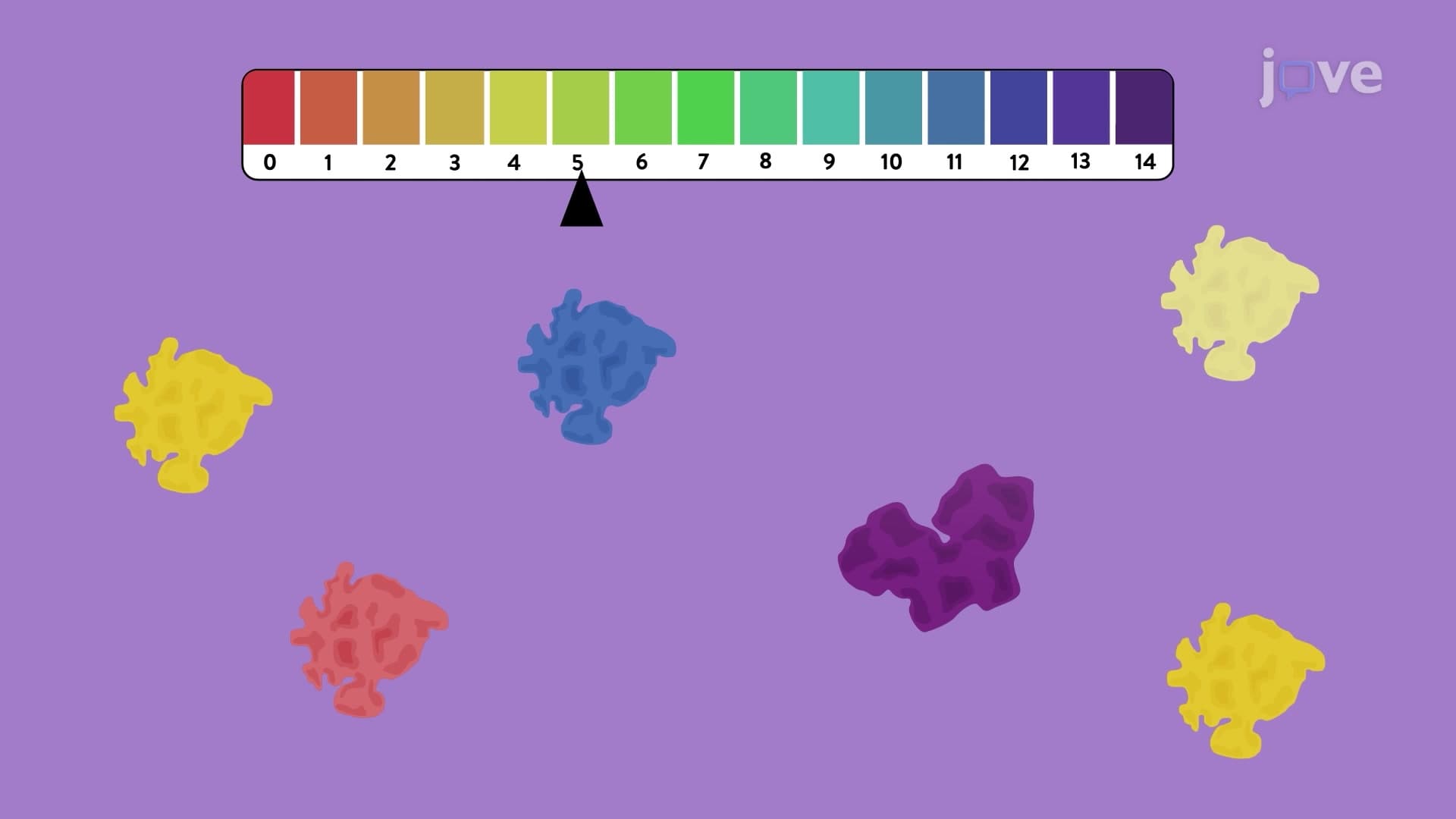
The lysosomal architecture reflects its specialized digestive function. The organelle's membrane contains heavily glycosylated proteins that serve as a protective barrier against the potent enzymes within. A critical component is the vacuolar ATPase complex, which actively transports protons into the lysosomal lumen, creating an acidic environment with a pH around 4.5-5.0. This acidic pH is essential for optimal enzyme activity-a concept frequently tested on the MCAT and AP Biology exams. Students at universities like Stanford and MIT often encounter exam questions about how pH changes affect lysosomal enzyme function and cellular digestion efficiency.
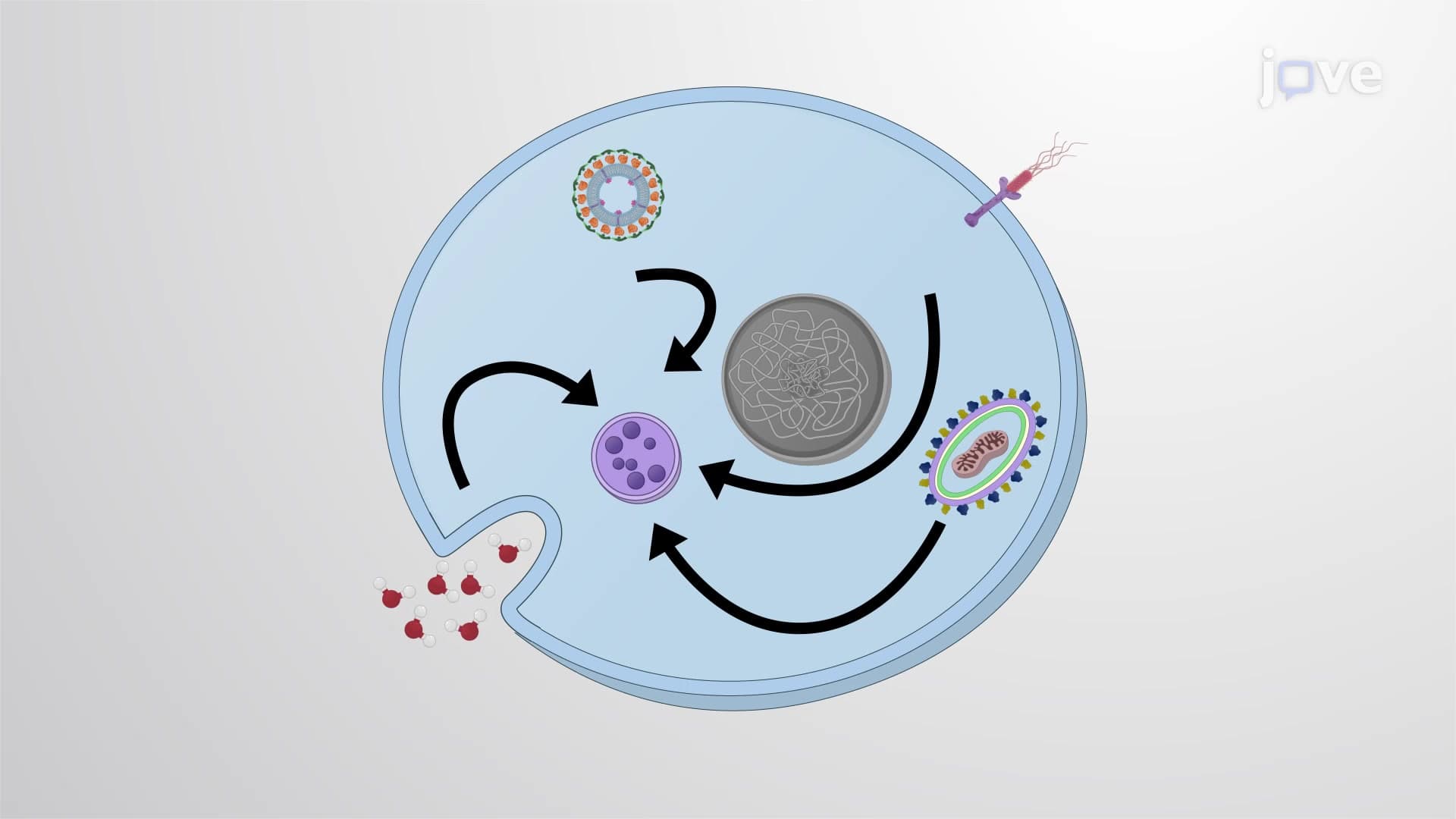
What are lysosomes and their functions in cells extends beyond simple waste disposal. These organelles orchestrate three major digestive pathways: autophagy (digesting the cell's own worn-out components), heterophagy (processing materials taken in from outside), and endocytosis-mediated digestion. During autophagy lysosome activity, cells can recycle up to 30% of their protein content daily, a process crucial during cellular stress or nutrient limitation. Medical students studying at institutions like Harvard Medical School learn how defects in these pathways contribute to neurodegenerative diseases.
Understanding lysosomes explained biology becomes particularly important when examining lysosomal storage diseases-genetic disorders affecting approximately 1 in 5,000-7,000 births in the United States. Conditions like Tay-Sachs disease, prevalent in certain populations, result from deficient lysosomal enzymes that cannot properly break down specific substrates. The waste digestion lysosome pathway becomes compromised, leading to toxic accumulation of undigested materials. Students preparing for the USMLE frequently encounter clinical scenarios involving these disorders, making thorough comprehension of normal lysosomal function essential for medical career success.
Related Micro-courses