Loading subject page…

- Cell Biology
- Intracellular Membrane Traffic
- Proteoglycans
Micro-course: Intracellular Membrane Traffic
157,129 views
Learn key concepts and earn your certificate.




Proteoglycans


00:00
01:05
Video Summary: What are Proteoglycans
Ever wonder why your knee cartilage can absorb the shock of a basketball jump? Proteoglycans are specialized glycoproteins containing long-chain sugars called glycosaminoglycans (GAGs) that create tissue resilience through water retention and swelling pressure. These molecules are crucial in cartilage found in joints like those treated at Mayo Clinic's orthopedic departments. Watch the full video on JoVE Coach to master this concept with expert-led visuals and step-by-step explanations.
- Understand what are proteoglycans and their role as a distinct subclass of glycoproteins containing glycosaminoglycans
- Identify the structural components of proteoglycans, including disaccharide repeating units and GAG chains
- Analyze how negative charges on GAGs create swelling pressure that enables tissues to resist compression
- Compare the synthesis pathway of proteoglycans in the Golgi apparatus through O-linked glycosylation
- Evaluate the functional significance of proteoglycans in maintaining tissue integrity under mechanical stress
- Apply knowledge of proteoglycan structure to explain their water-binding properties and tissue mechanics
- Recognize the sequential addition of sugar units during proteoglycan biosynthesis
- Explore the relationship between proteoglycan composition and their biological functions in connective tissues
Understanding Proteoglycans: Structure and Function
Proteoglycans represent a fascinating intersection of protein and carbohydrate biochemistry, serving as essential components of the extracellular matrix. These complex molecules consist of a core protein backbone decorated with one or more glycosaminoglycan (GAG) chains, creating structures that can range from small decorin molecules to massive aggrecan complexes found in cartilage.
Types of Proteoglycans and Their Biological Roles
Different types of proteoglycans serve specialized functions throughout the human body. Aggrecan, the most abundant cartilage proteoglycan, can bind up to 50 times its weight in water, making it crucial for joint health in athletes treated at sports medicine centers like those at Stanford University Medical Center. Versican plays key roles in cell migration and tissue development, while syndecan family members anchor to cell surfaces and regulate growth factor signaling. Understanding these proteoglycans overview concepts helps explain why cartilage damage in conditions like osteoarthritis can be so debilitating.
Proteoglycans Synthesis: From Golgi to Tissue
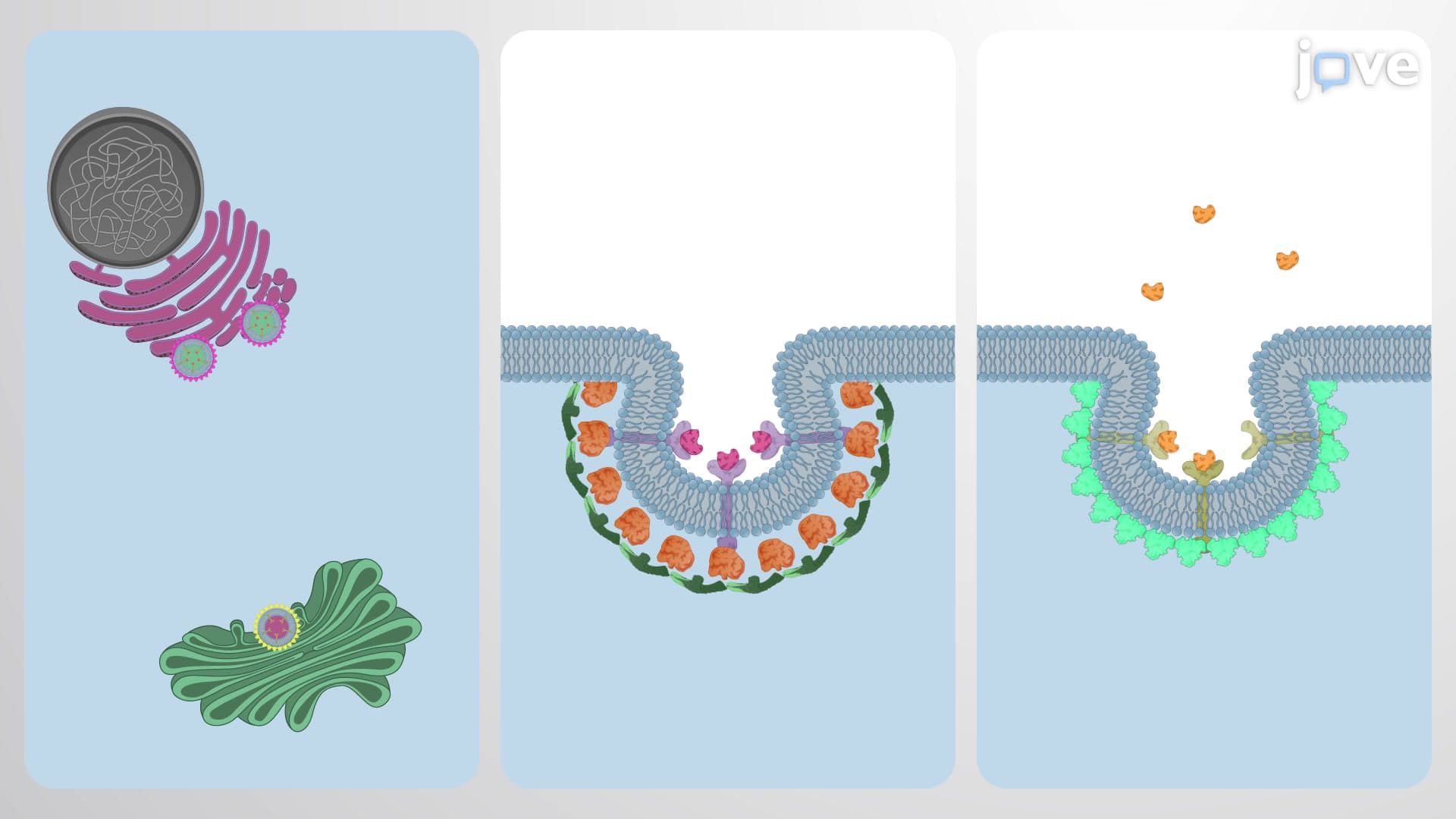
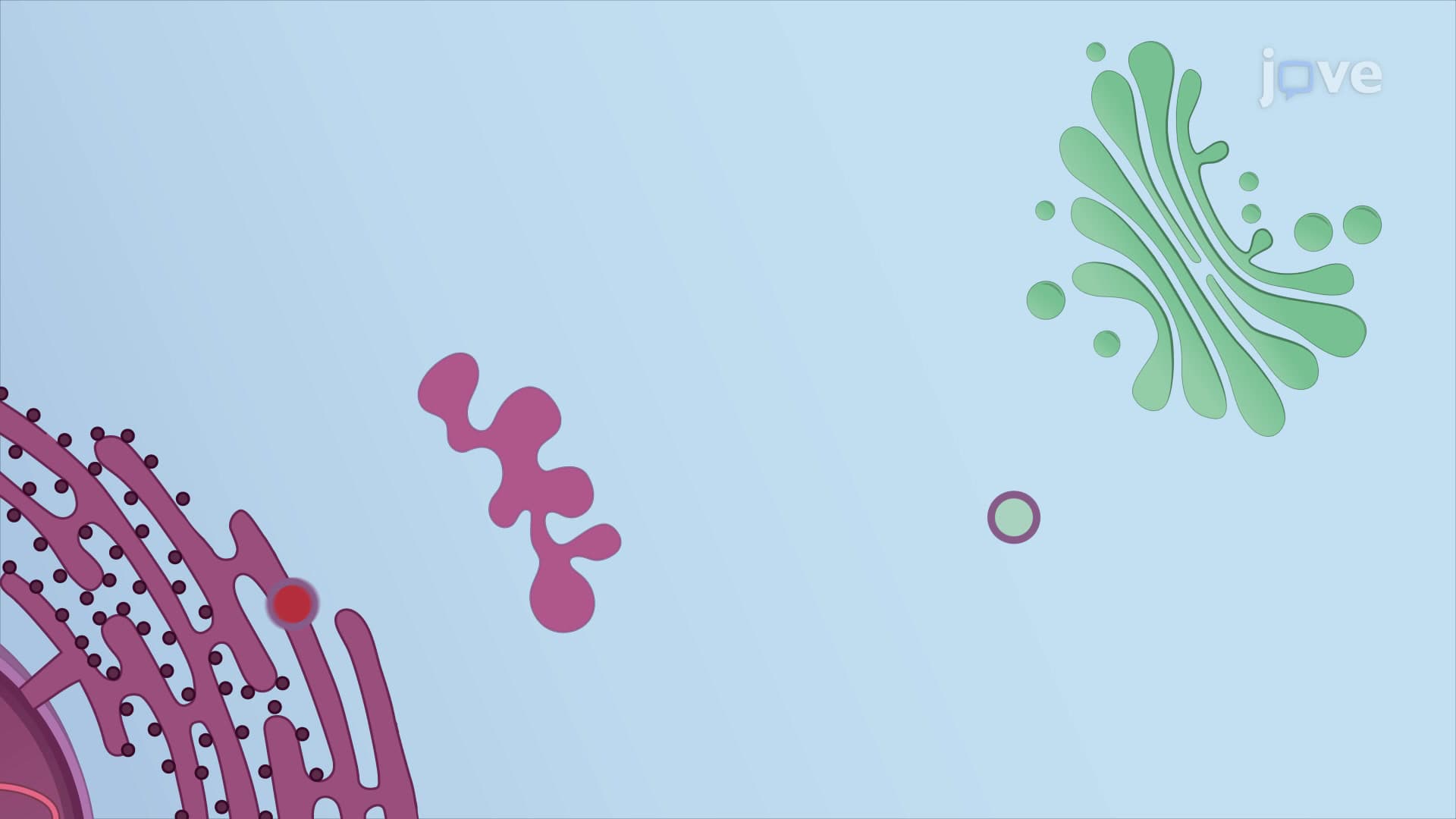
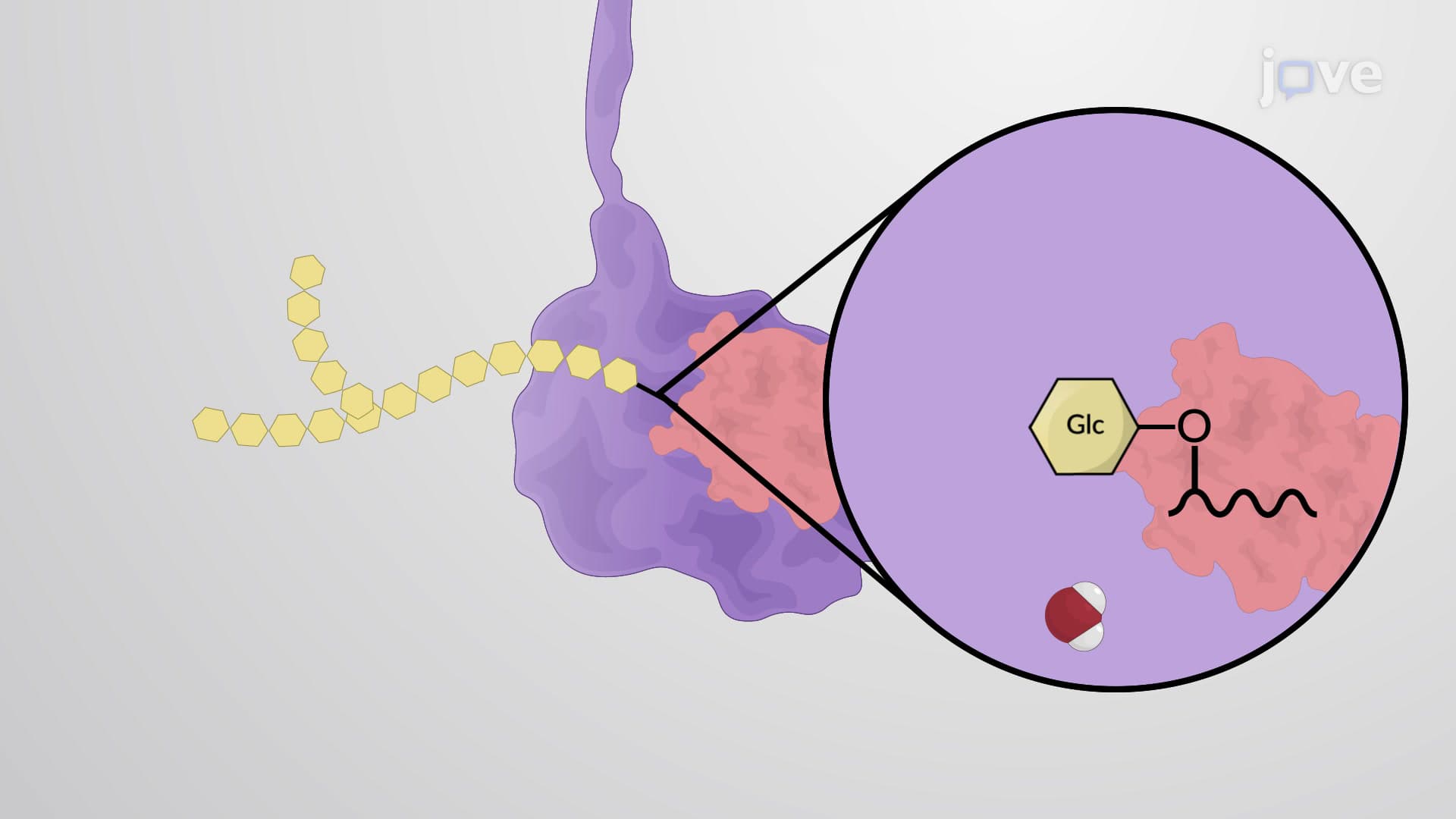
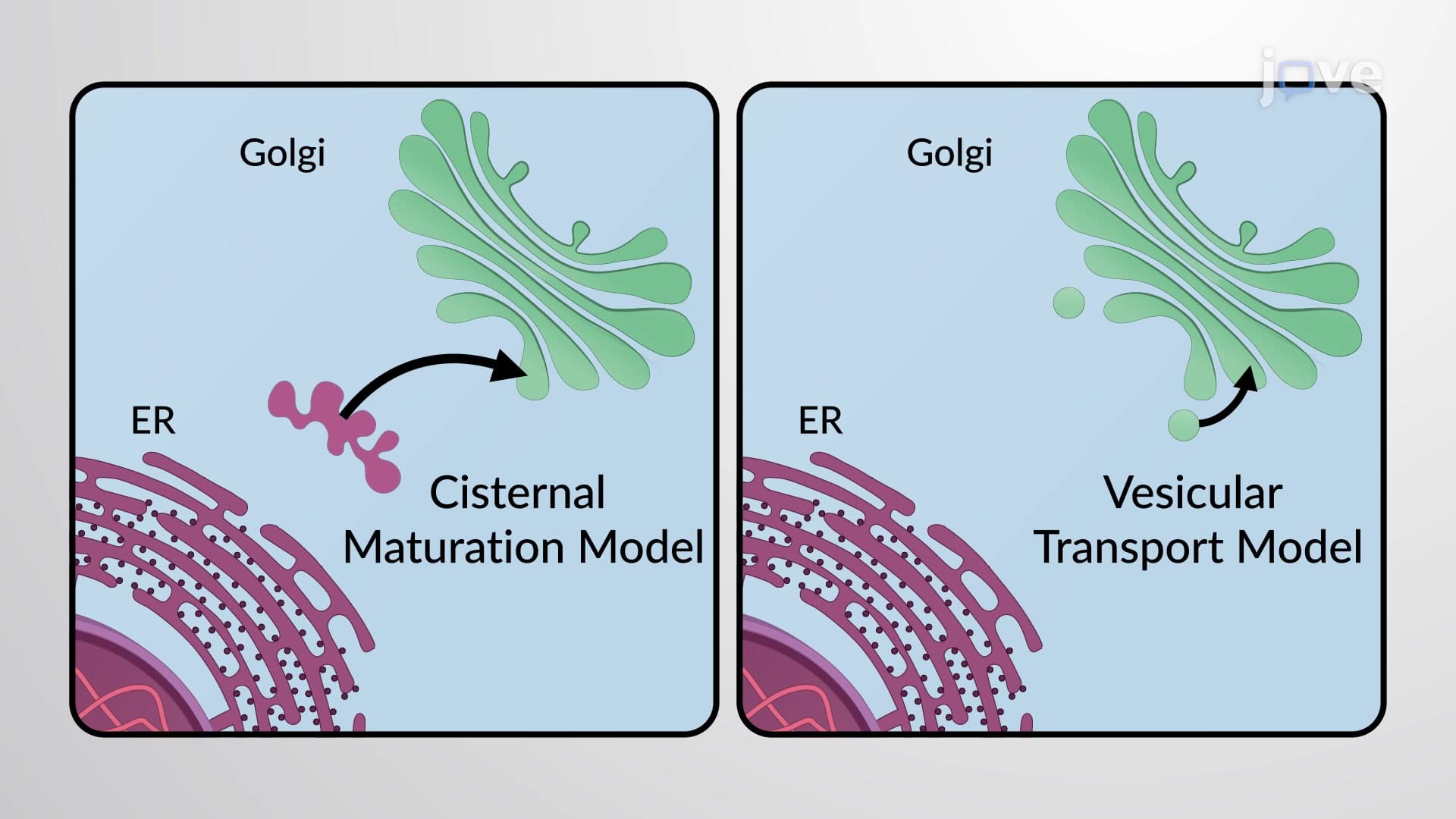
The biosynthesis of proteoglycans follows a carefully orchestrated pathway beginning with protein synthesis in the endoplasmic reticulum. The process truly begins in the Golgi apparatus, where galactosamine transferase initiates GAG chain formation by transferring N-acetylgalactosamine to serine or threonine residues. Sequential addition of sugars like galactose, glucuronic acid, and sulfate groups creates the characteristic repeating disaccharide units. This proteoglycans basics understanding is crucial for AP Biology students and pre-med students preparing for the MCAT.
Clinical and Research Applications
Proteoglycans research has significant implications for regenerative medicine and drug development. Pharmaceutical companies like Genzyme (now part of Sanofi) have developed enzyme replacement therapies for proteoglycan storage disorders. Understanding proteoglycans concept also aids in developing treatments for joint diseases, with research conducted at institutions like Johns Hopkins and UCLA focusing on proteoglycan replacement in damaged cartilage. For college students in biochemistry courses, mastering this proteoglycans study guide material provides foundation knowledge for understanding tissue engineering and therapeutic interventions.
Frequently Asked Questions
Proteoglycans are glycoproteins containing long glycosaminoglycan (GAG) chains made of repeating disaccharide units. Unlike regular proteins, they're heavily decorated with these sugar chains that bind water and create gel-like properties. This unique structure allows them to resist compression and maintain tissue hydration, making them essential for cartilage and connective tissue function.
MCAT questions often focus on proteoglycan synthesis pathways, GAG structure, and their role in tissue mechanics. AP Biology may test basic proteoglycan functions in extracellular matrix and their relationship to cell signaling. Expect questions about O-linked glycosylation, the role of the Golgi apparatus, and how structural features relate to biological functions.
Focus on major types like aggrecan (cartilage), decorin (collagen binding), versican (cell migration), and syndecans (cell surface). Understand their tissue distribution, GAG chain composition, and specific functions. College exams often test how different proteoglycan types contribute to tissue-specific properties and disease states.
Proteoglycan dysfunction contributes to osteoarthritis, affecting over 32 million Americans according to the CDC. Mucopolysaccharidoses are genetic disorders where GAG degradation fails, treated at specialized centers like Boston Children's Hospital. Understanding proteoglycans helps explain why joint replacement surgeries are common and how cartilage regeneration therapies work.
Basic organic chemistry knowledge of sugars, amino acids, and glycosidic bonds is sufficient for introductory understanding. High school students can grasp fundamental concepts by focusing on structure-function relationships rather than detailed synthesis mechanisms. Start with simple GAG structures before advancing to complex proteoglycan assemblies.
Create concept maps linking proteoglycan structure to function, practice drawing GAG repeating units, and memorize key synthesis steps in the Golgi. Use clinical examples like cartilage function to reinforce concepts. Focus on understanding rather than memorization-know why GAGs bind water and how this relates to tissue properties.
Explore extracellular matrix components like collagen and elastin, glycosaminoglycan degradation pathways, and proteoglycan involvement in cell signaling. Advanced students should investigate proteoglycan roles in development, wound healing, and disease pathogenesis. Consider studying lysosomal storage diseases for clinical applications.
Proteoglycans interact extensively with collagen fibers in cartilage, bind growth factors to regulate cell signaling, and work with hyaluronic acid in joint lubrication. They're synthesized using similar glycosylation pathways as other glycoproteins but with unique GAG chain modifications. Understanding these relationships helps integrate proteoglycans into broader biochemistry knowledge.
Related Micro-courses
17 Concepts
12 Concepts
7 Concepts