Loading subject page…


157,134 views

Video Summary: What are Rab Cascades
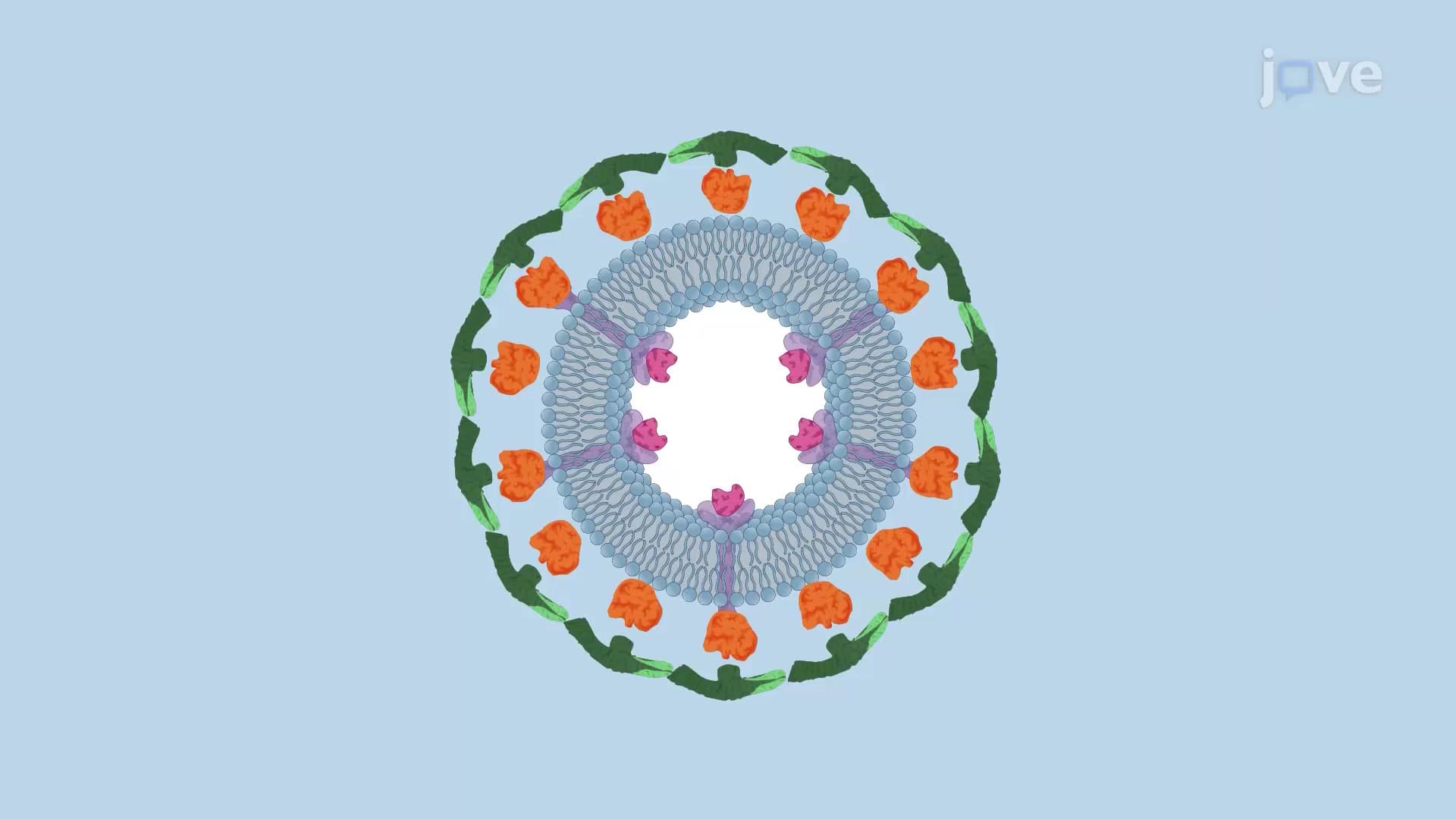
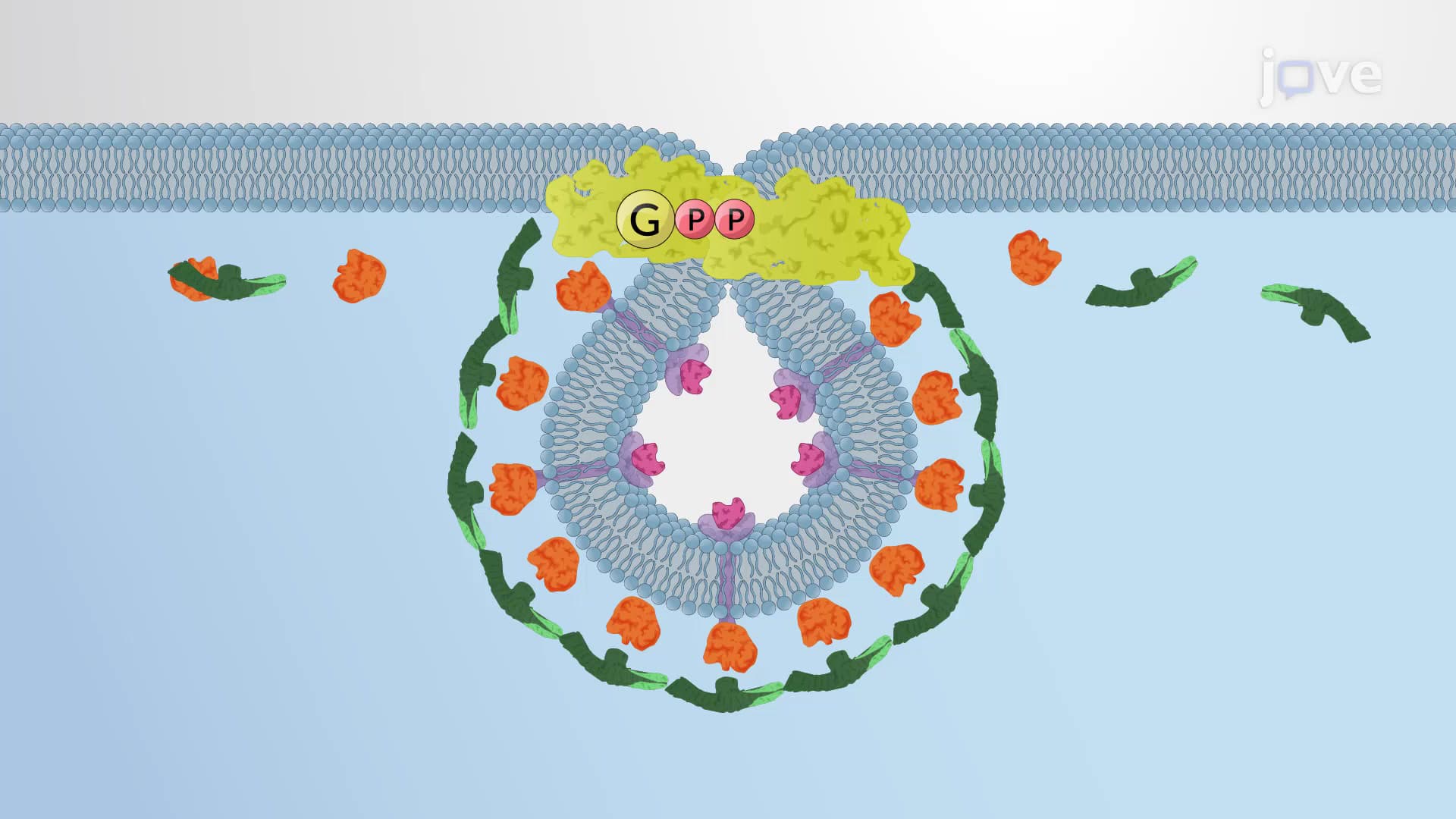
Every cell in your body-from neurons firing in your brain to muscle cells contracting in your heart-relies on rab cascades to deliver the right molecules to the right place at exactly the right time. These sophisticated molecular relay systems ensure that cellular packages reach their destinations with the precision of a FedEx delivery network, preventing potentially fatal mix-ups that could disrupt essential processes like neurotransmitter release at synapses. Watch the full video on JoVE Coach to master this concept with expert-led visuals and step-by-step explanations.
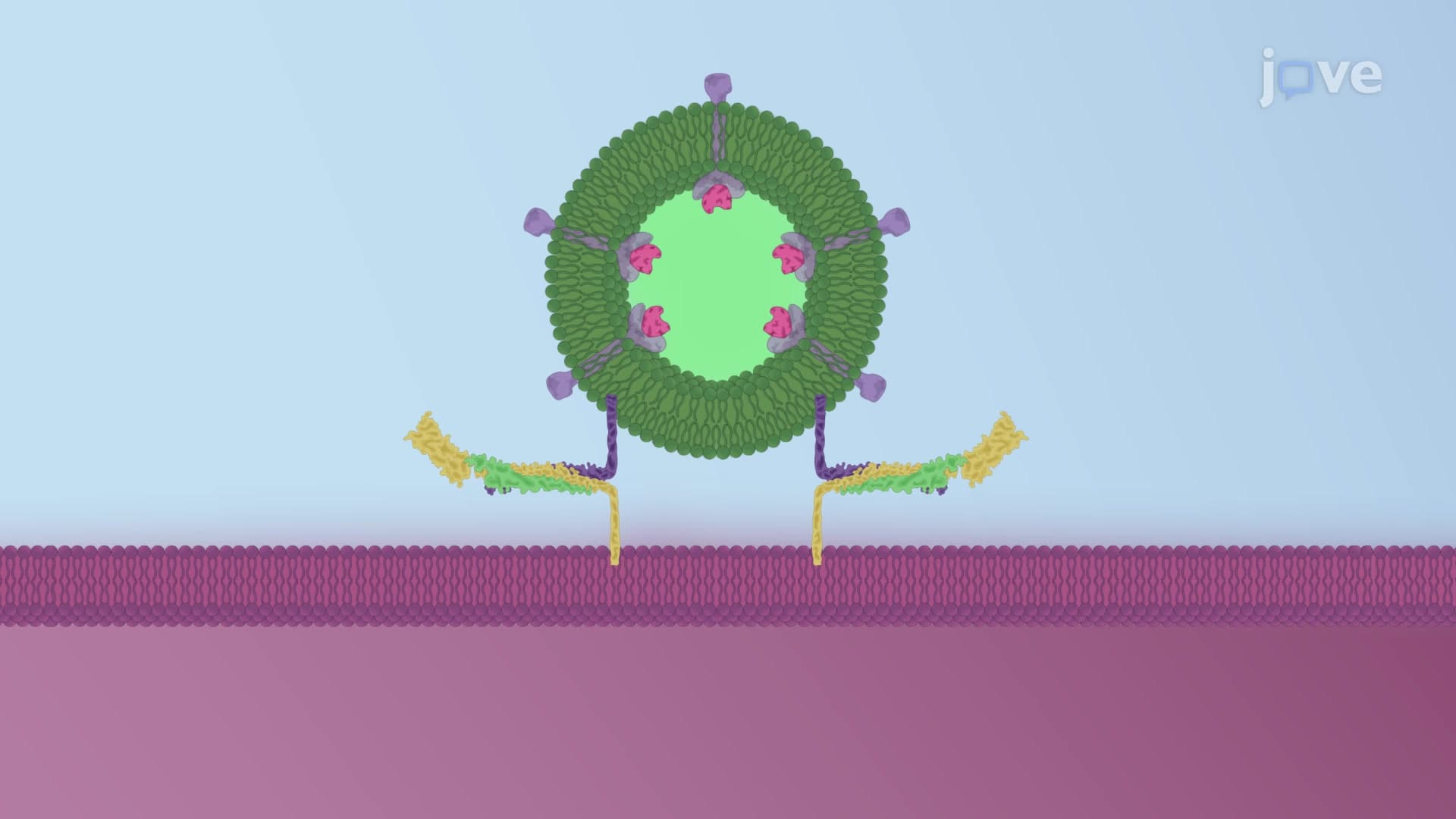
Rab cascades represent one of biology's most elegant solutions to a complex logistical challenge: how does a cell ensure that thousands of transport vesicles reach their correct destinations without getting lost? Think of these cascades as sophisticated molecular GPS systems that create "landing strips" on target membranes, guiding incoming cargo with remarkable precision.
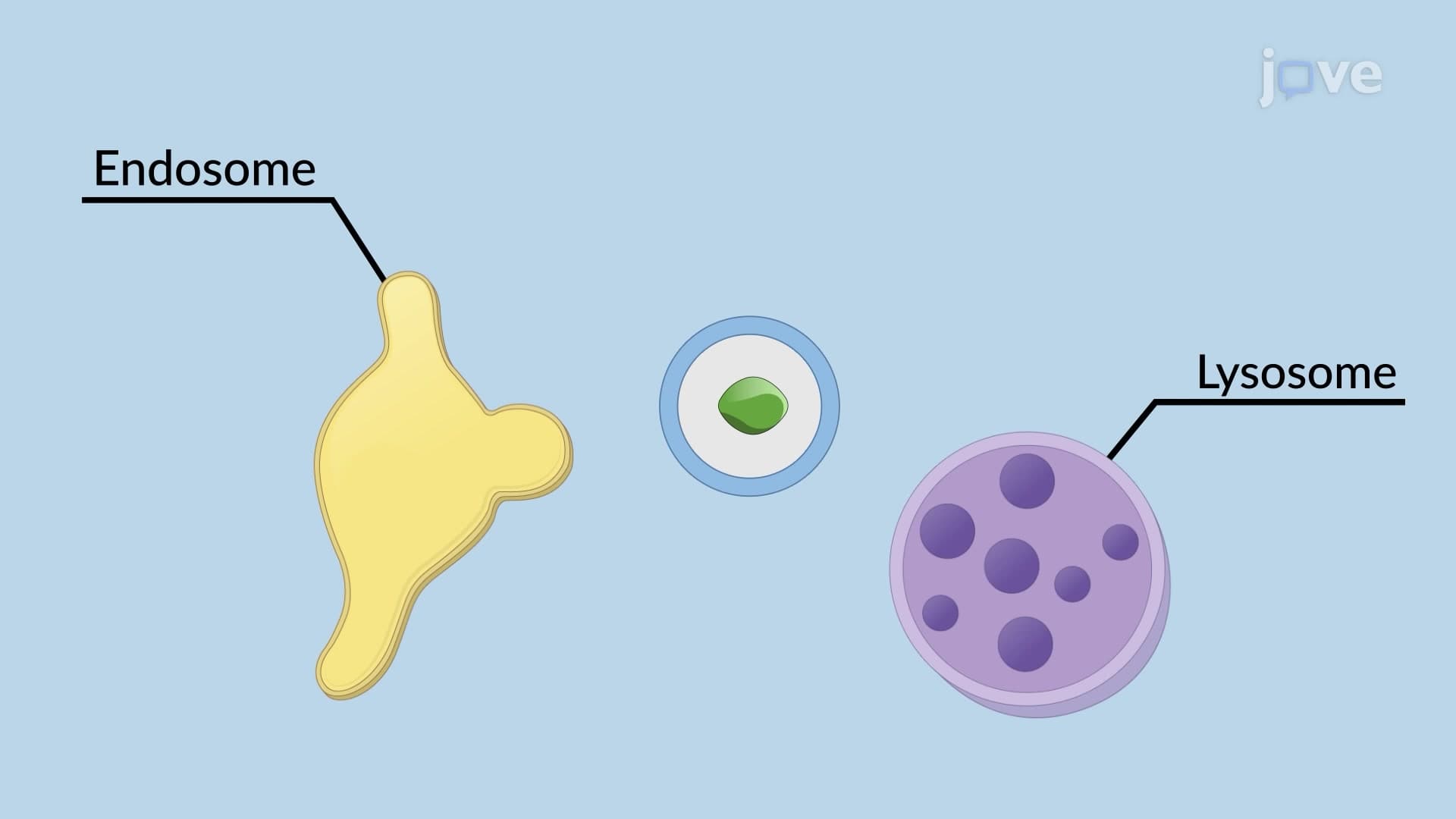
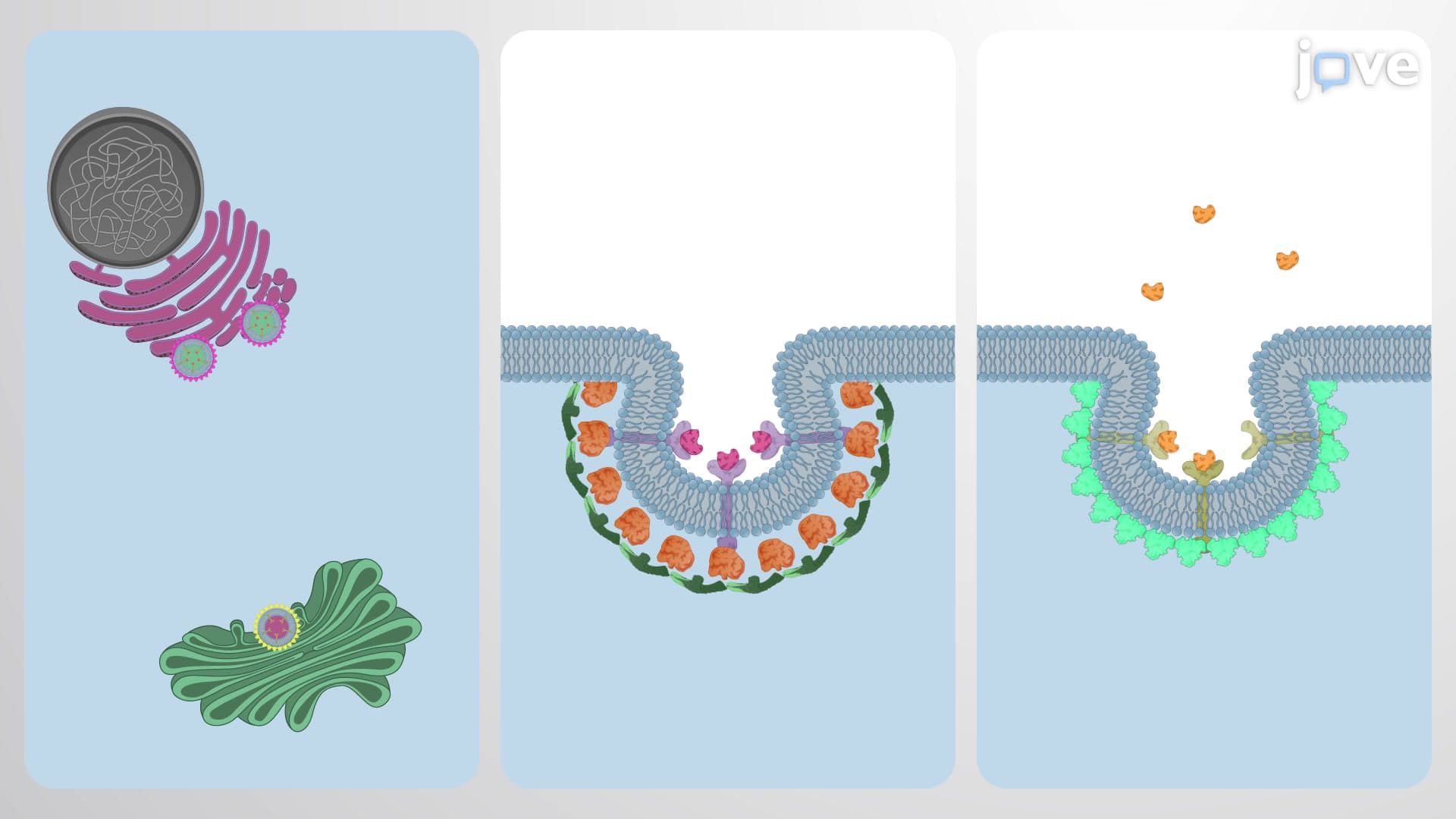
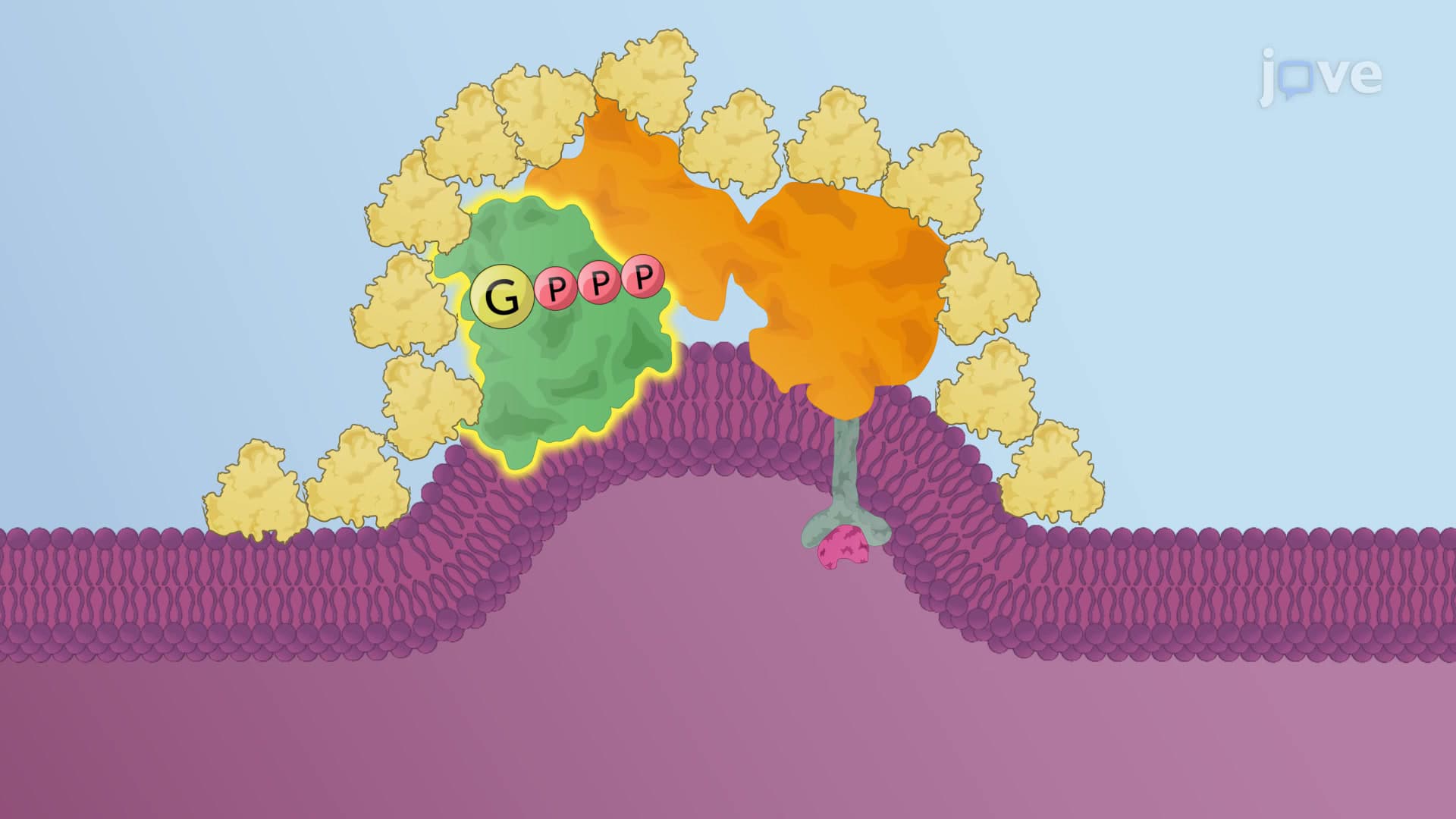
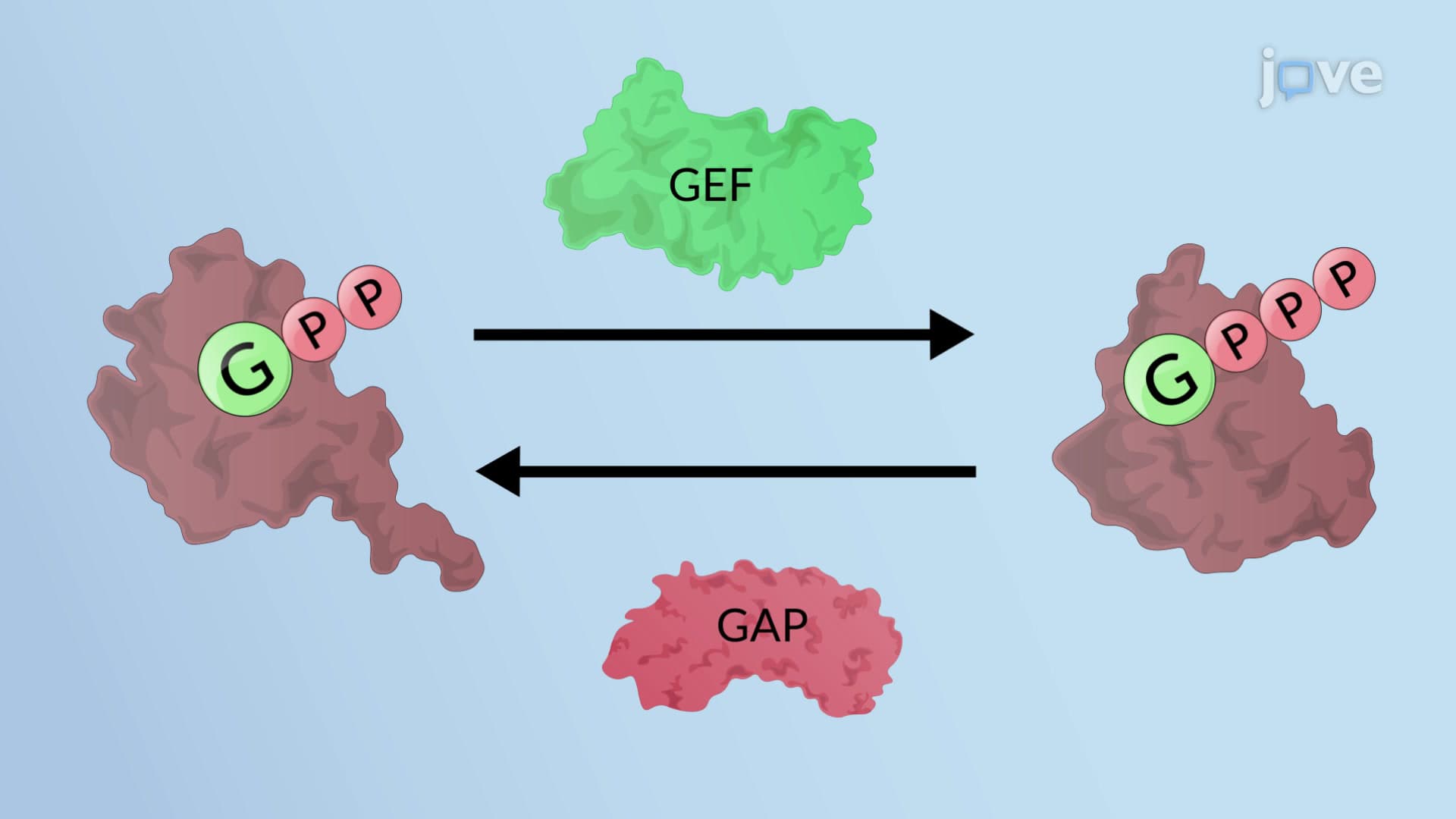
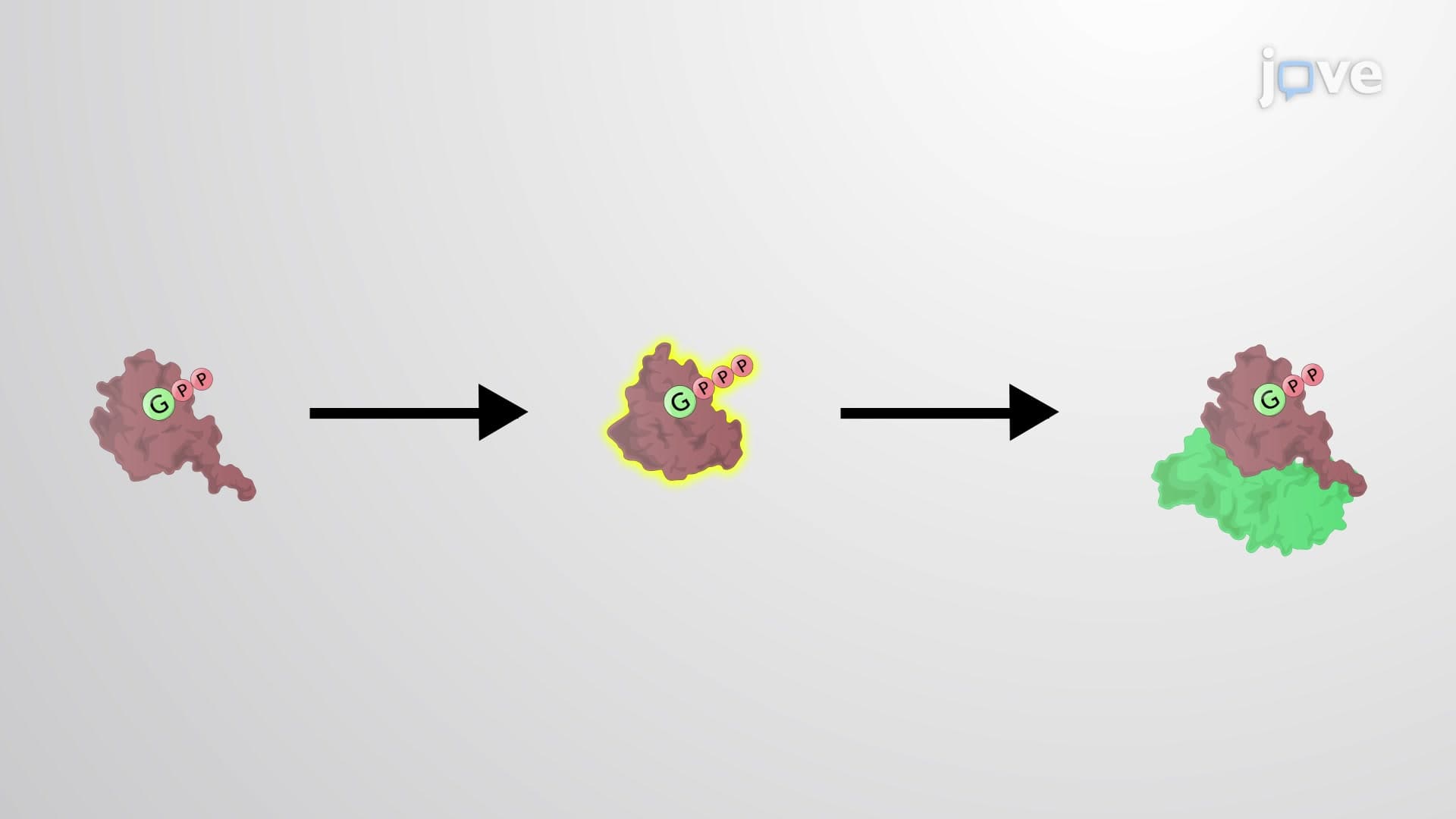
Different types of rab cascades operate throughout cellular compartments, each tailored to specific transport needs. The endosome-targeting cascade involving Rab5 exemplifies this system's elegance. When cytosolic Rab5 encounters a guanine nucleotide exchange factor (GEF) on an endosome membrane, it undergoes activation by exchanging GDP for GTP. This activated Rab5 then recruits effector proteins like Rabaptin5, which stimulates additional GEFs in a positive feedback loop, creating a concentrated Rab5 domain.
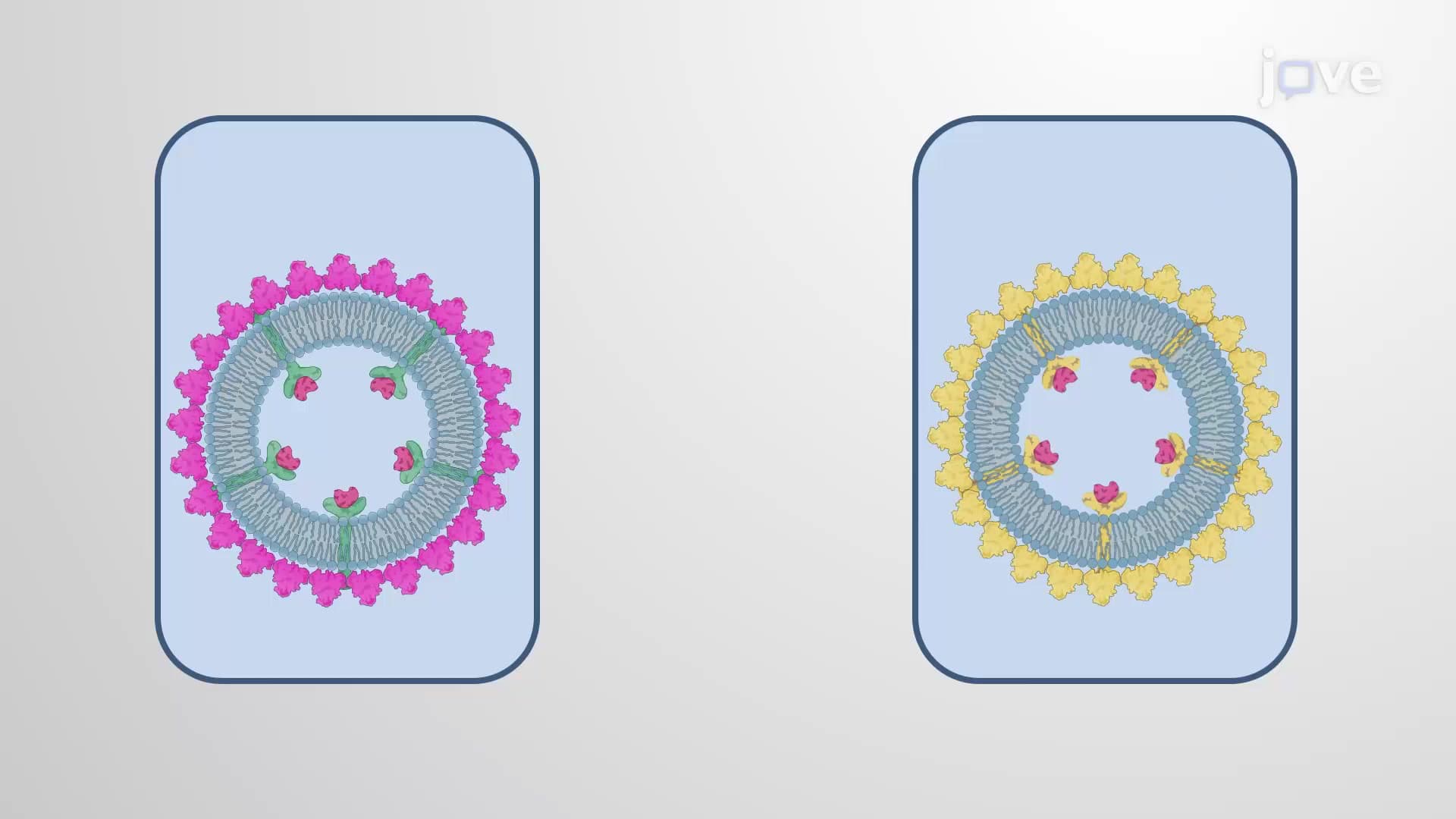
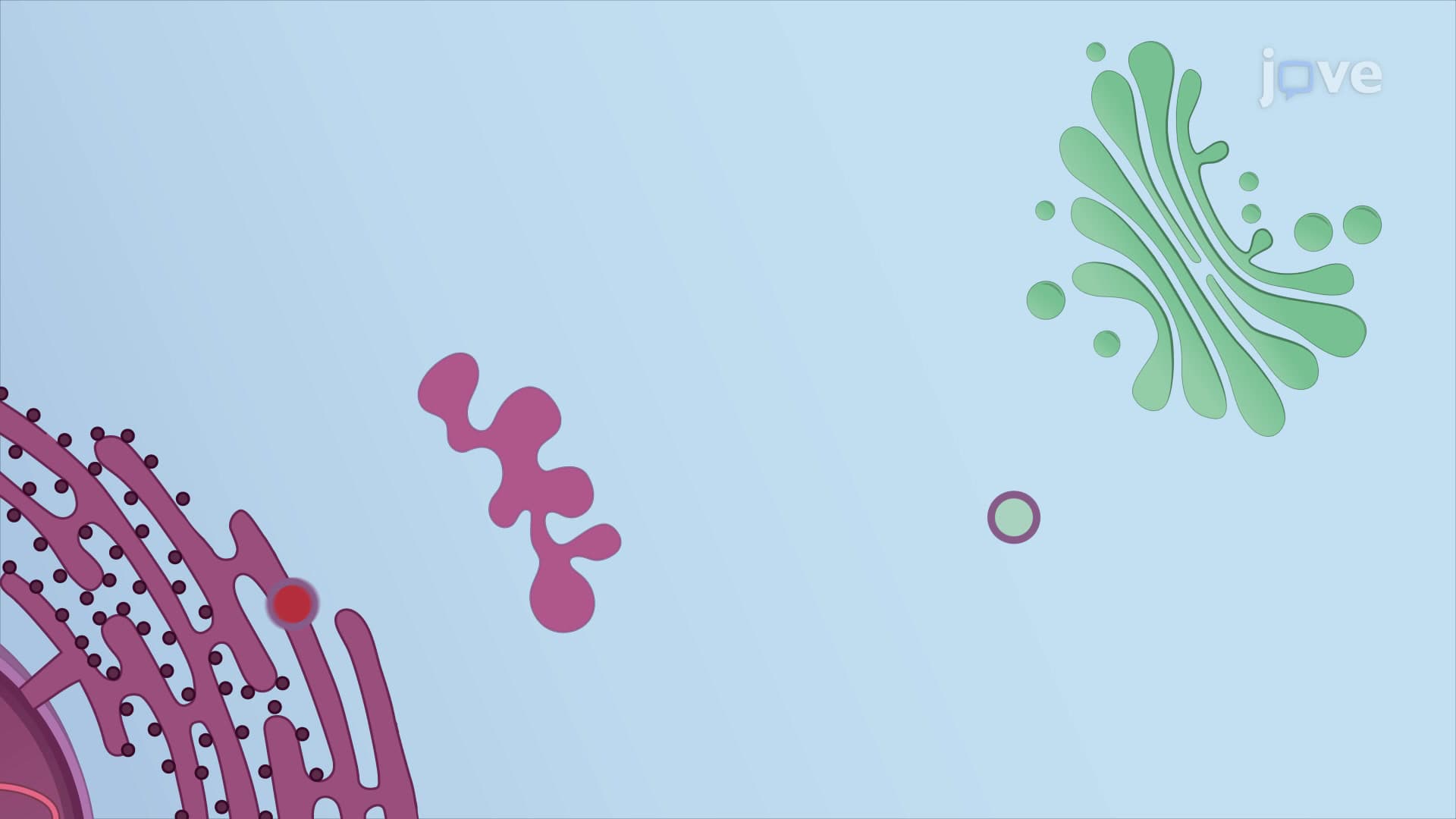
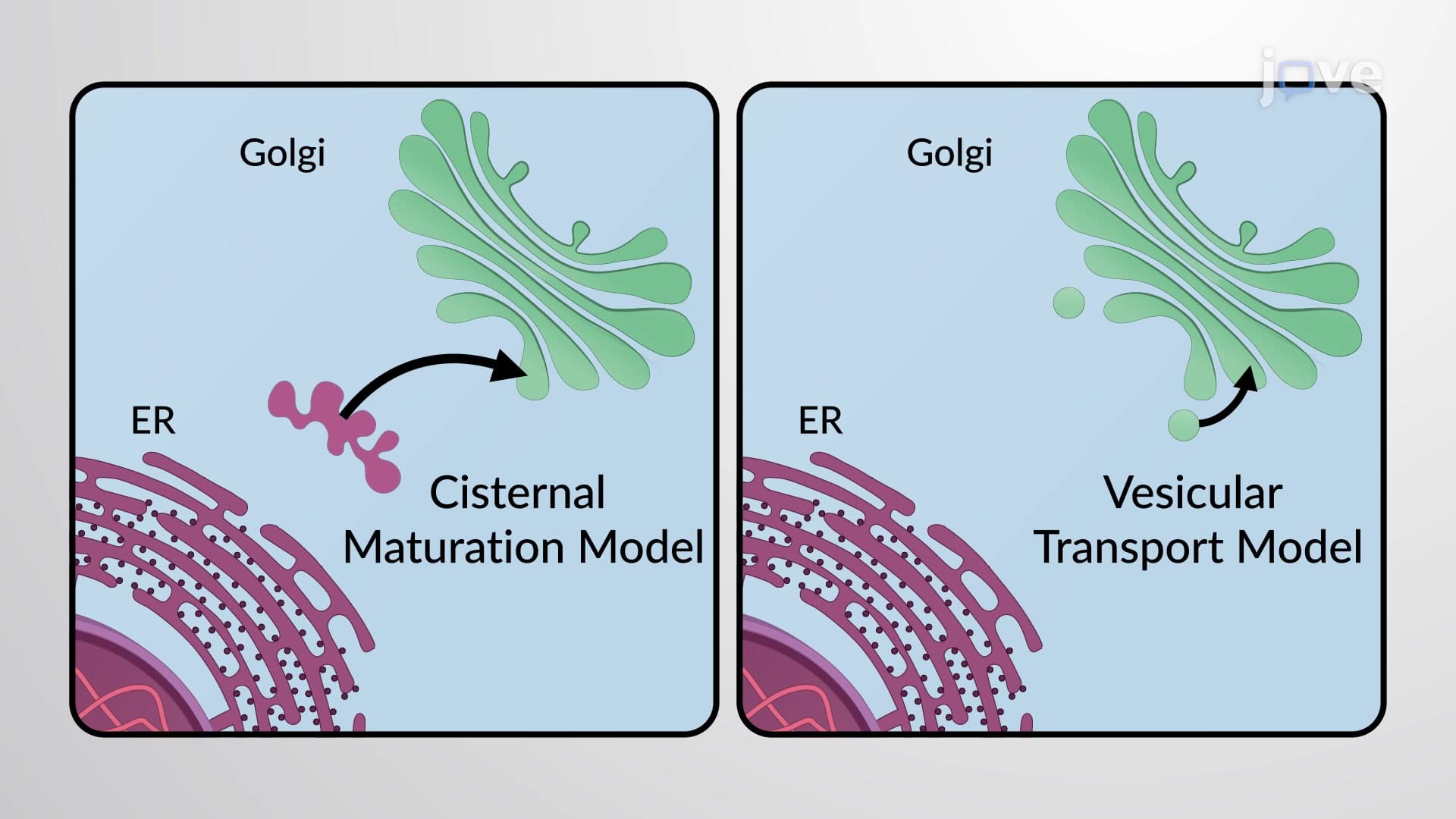
This cascade mechanism appears throughout cellular biology. Rab1 cascades guide transport from the endoplasmic reticulum to the Golgi apparatus, while Rab11 cascades coordinate recycling endosome function. Each cascade type maintains specificity through unique Rab proteins, specialized GEFs and GAPs, and distinct effector proteins that recognize only their designated Rab partners.
The rab cascades overview reveals a system built on molecular switches and signal amplification. Rab proteins alternate between "off" (GDP-bound, cytosolic) and "on" (GTP-bound, membrane-associated) states. GEFs serve as "on" switches, while GTPase-activating proteins (GAPs) function as "off" switches. This binary switching enables precise temporal control-cascades can rapidly assemble when needed and disassemble when transport is complete.
Signal amplification occurs through positive feedback loops. One activated Rab protein can recruit multiple GEFs, each capable of activating additional Rab proteins. This creates a cascade effect that rapidly builds high-density Rab domains on target membranes, concentrating tethering proteins and other machinery needed for vesicle fusion.
Understanding rab cascades proves essential for MCAT preparation, particularly in biochemistry and cell biology sections. These concepts frequently appear in AP Biology exams when discussing membrane trafficking and cellular organization. Medical students studying for USMLE exams encounter rab cascade dysfunction in contexts ranging from neurological disorders to metabolic diseases, as transport defects underlie numerous pathological conditions affecting American patients in clinical settings.
Related Micro-courses