Loading subject page…


157,134 views

Video Summary: What are Rab Proteins
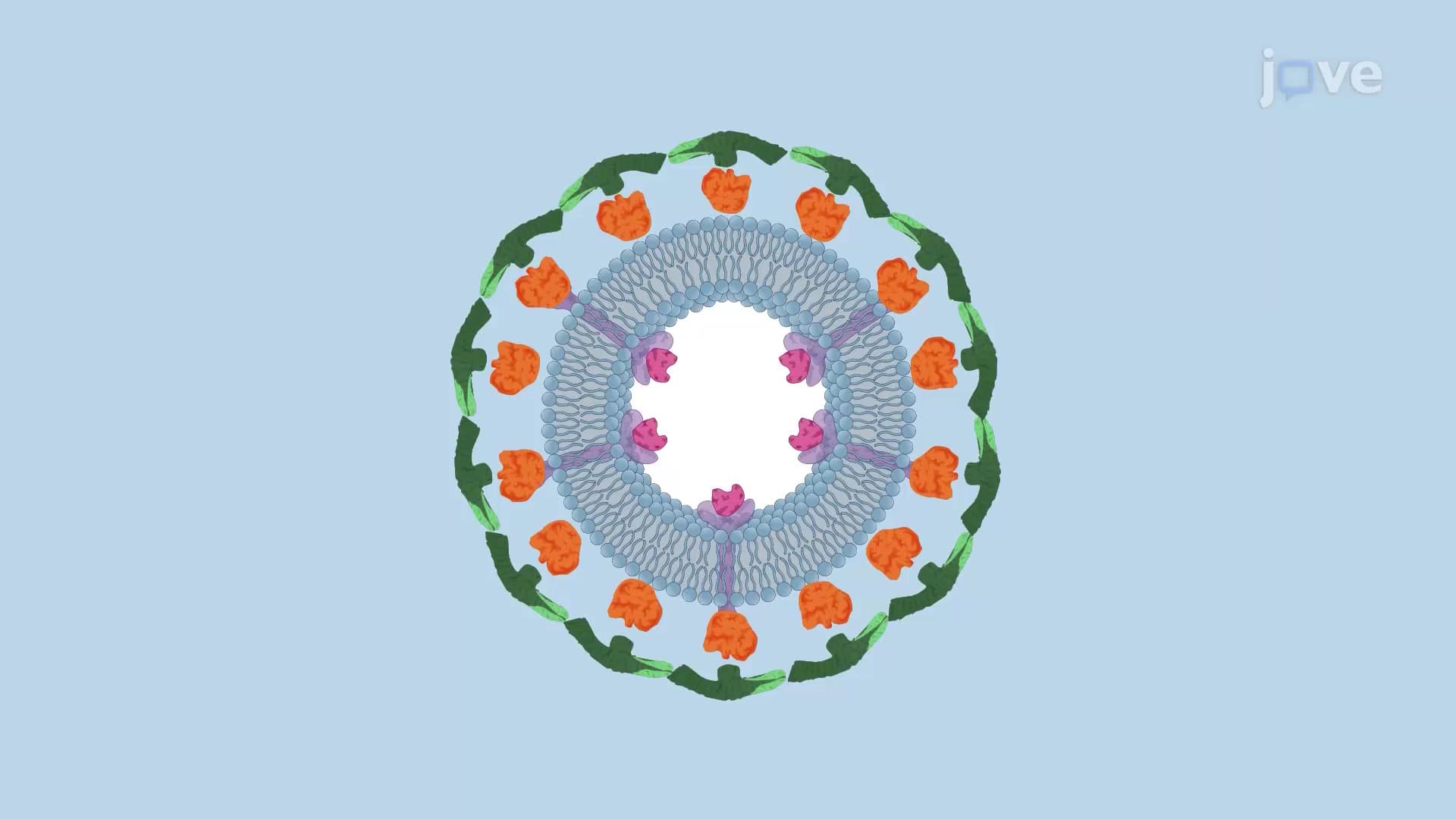
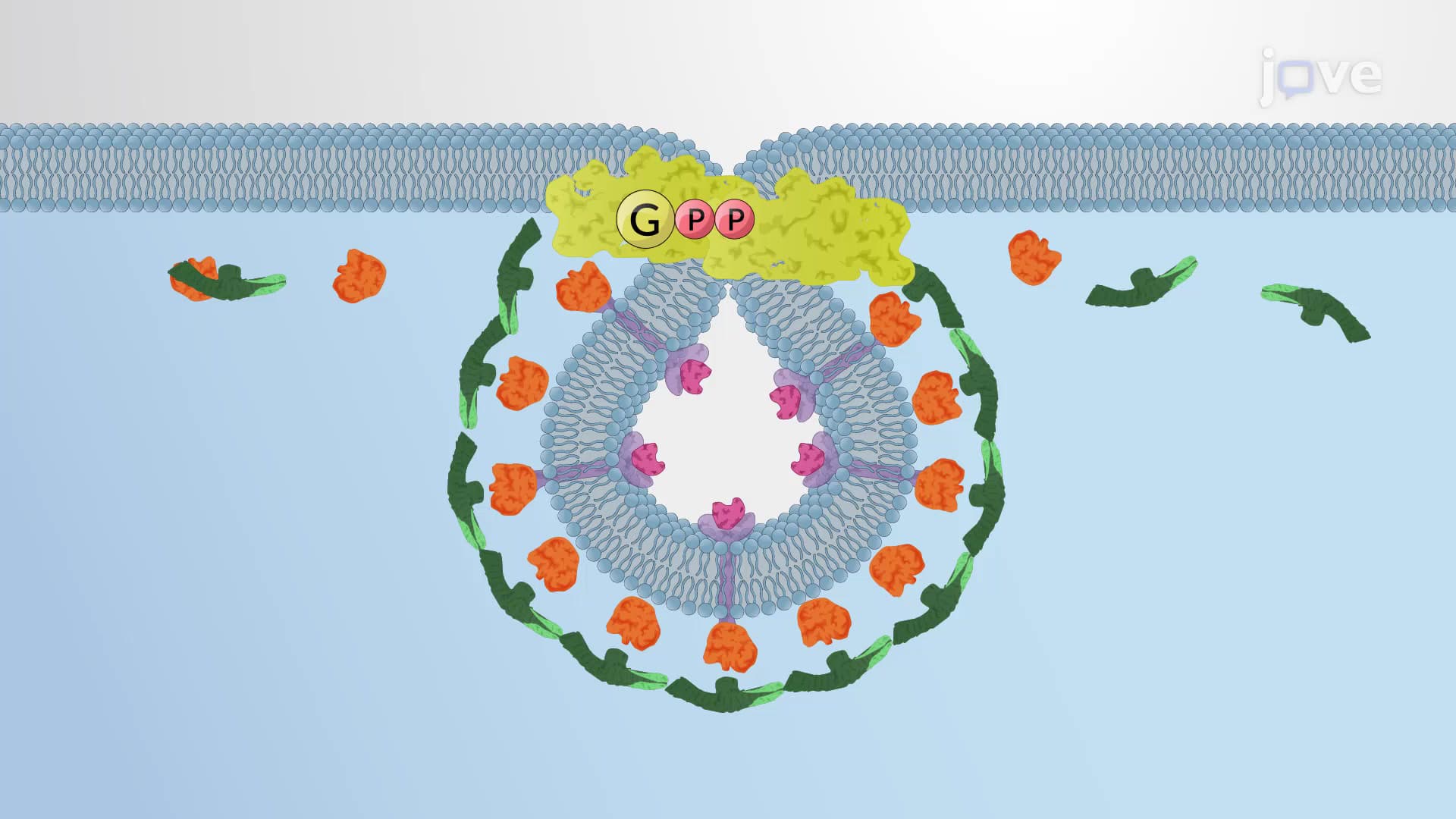
Did you know that every time you eat, specialized molecular switches called Rab proteins orchestrate the complex delivery of digestive enzymes in your pancreatic cells? These monomeric GTPases act as cellular traffic controllers, guiding membrane vesicles to their precise destinations through coordinated activation cascades. Understanding what are Rab proteins reveals how cells maintain organization and function. Watch the full video on JoVE Coach to master this concept with expert-led visuals and step-by-step explanations.
Rab proteins represent one of the largest subfamilies of small GTPases, comprising over 60 different types in humans. These molecular switches control the specificity and timing of vesicle trafficking events, ensuring that cellular cargo reaches the correct destination. From hormone secretion in endocrine cells to neurotransmitter release at synapses, Rab proteins coordinate virtually every membrane trafficking event in eukaryotic cells.
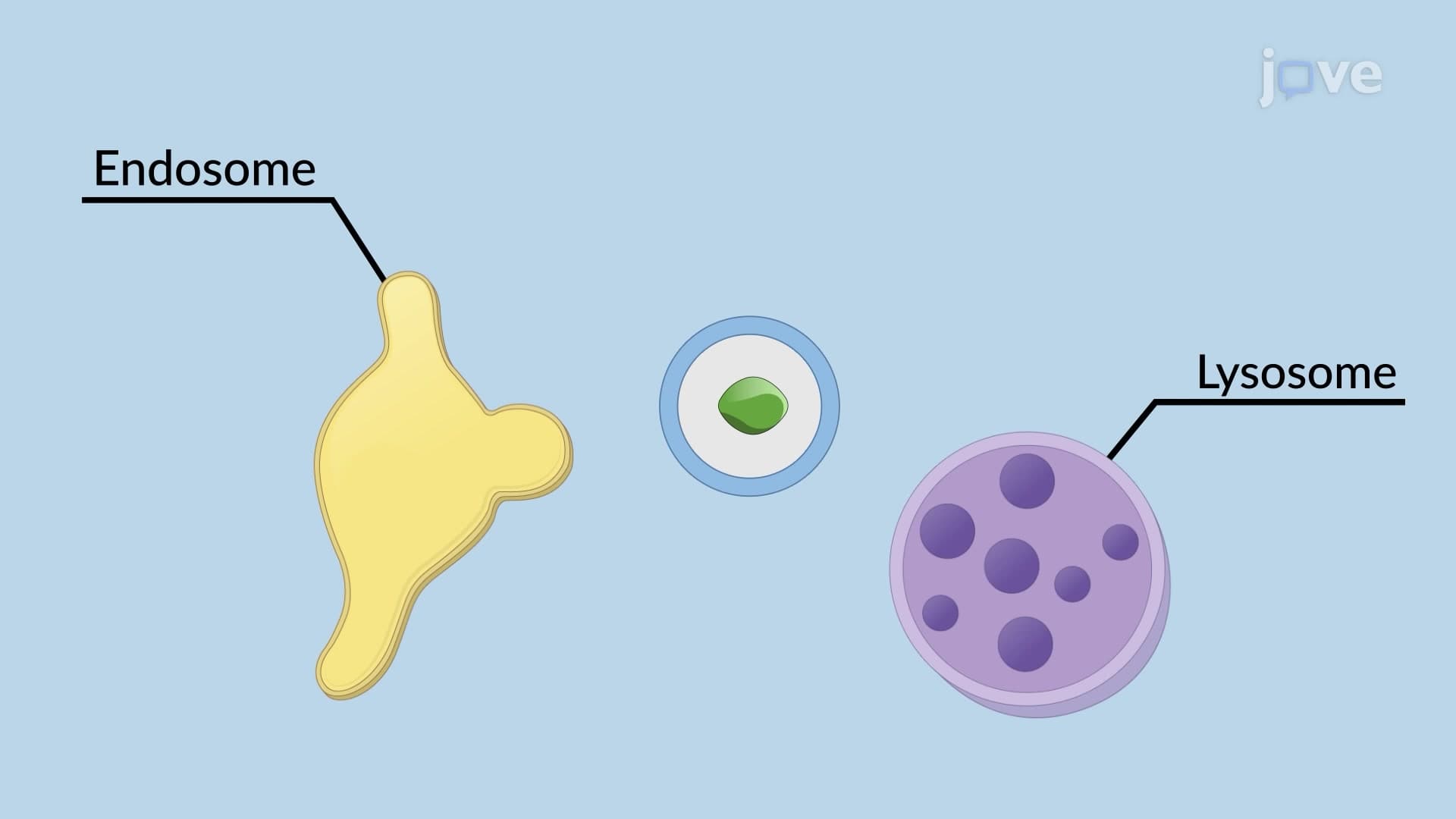
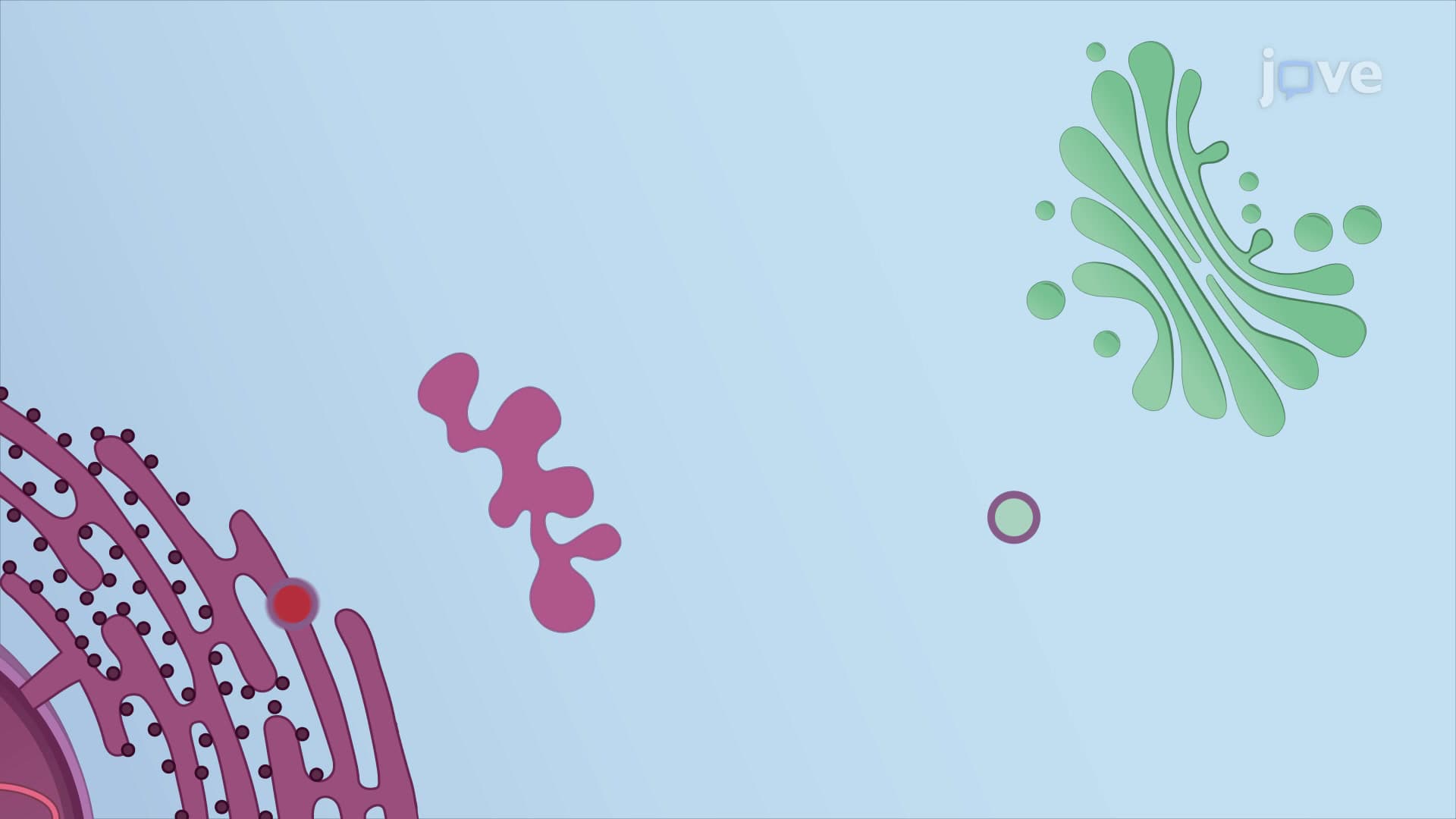
Different types of Rab proteins exhibit remarkable specificity for distinct cellular compartments and trafficking pathways. Rab1 regulates transport from the endoplasmic reticulum to the Golgi apparatus, while Rab5 controls early endosome fusion. Rab7 governs late endosome and autophagosome maturation, and Rab27 specializes in regulated secretion events like insulin release from pancreatic beta cells. This compartment-specific distribution allows cells to maintain precise control over their internal organization.
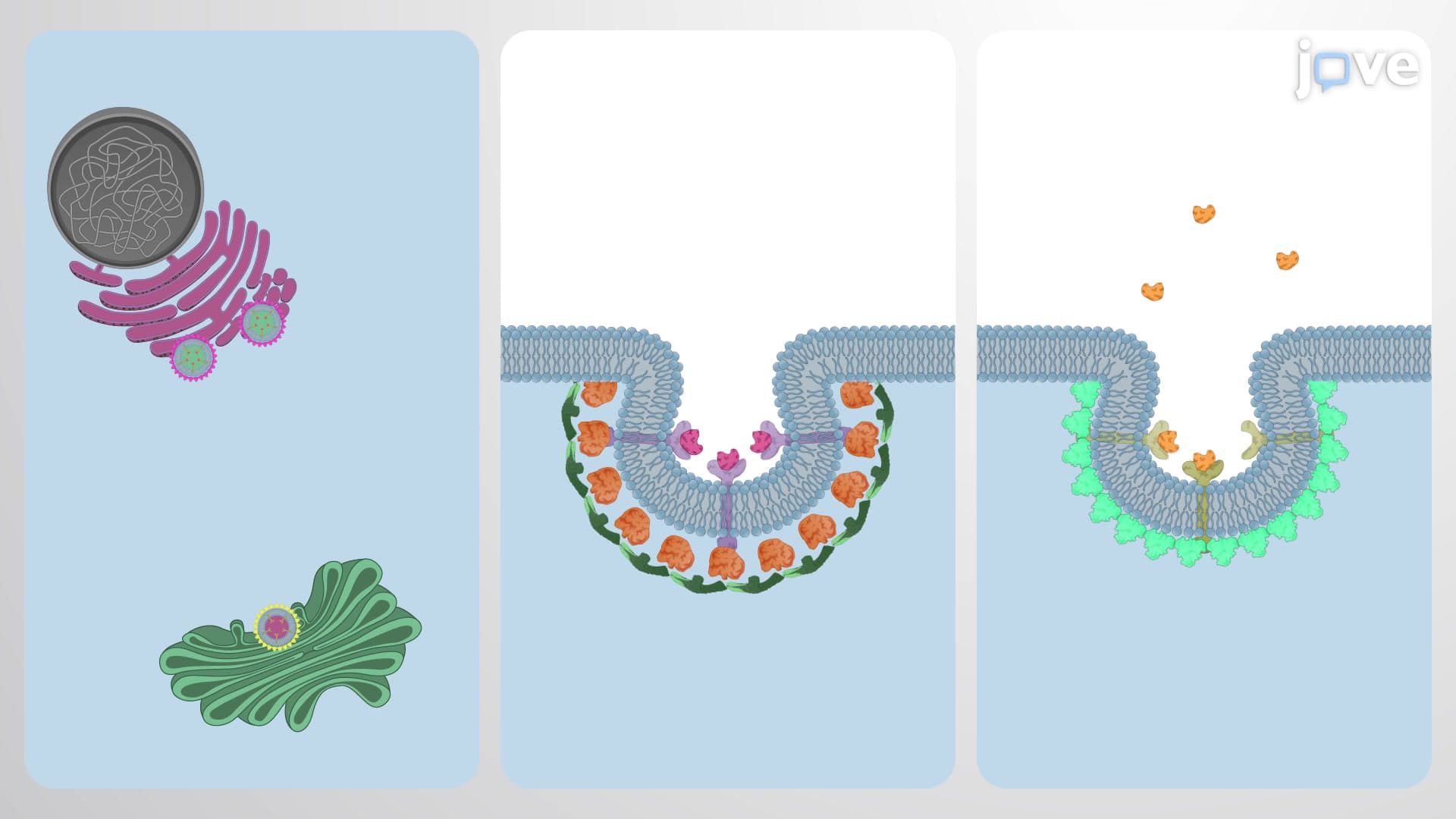
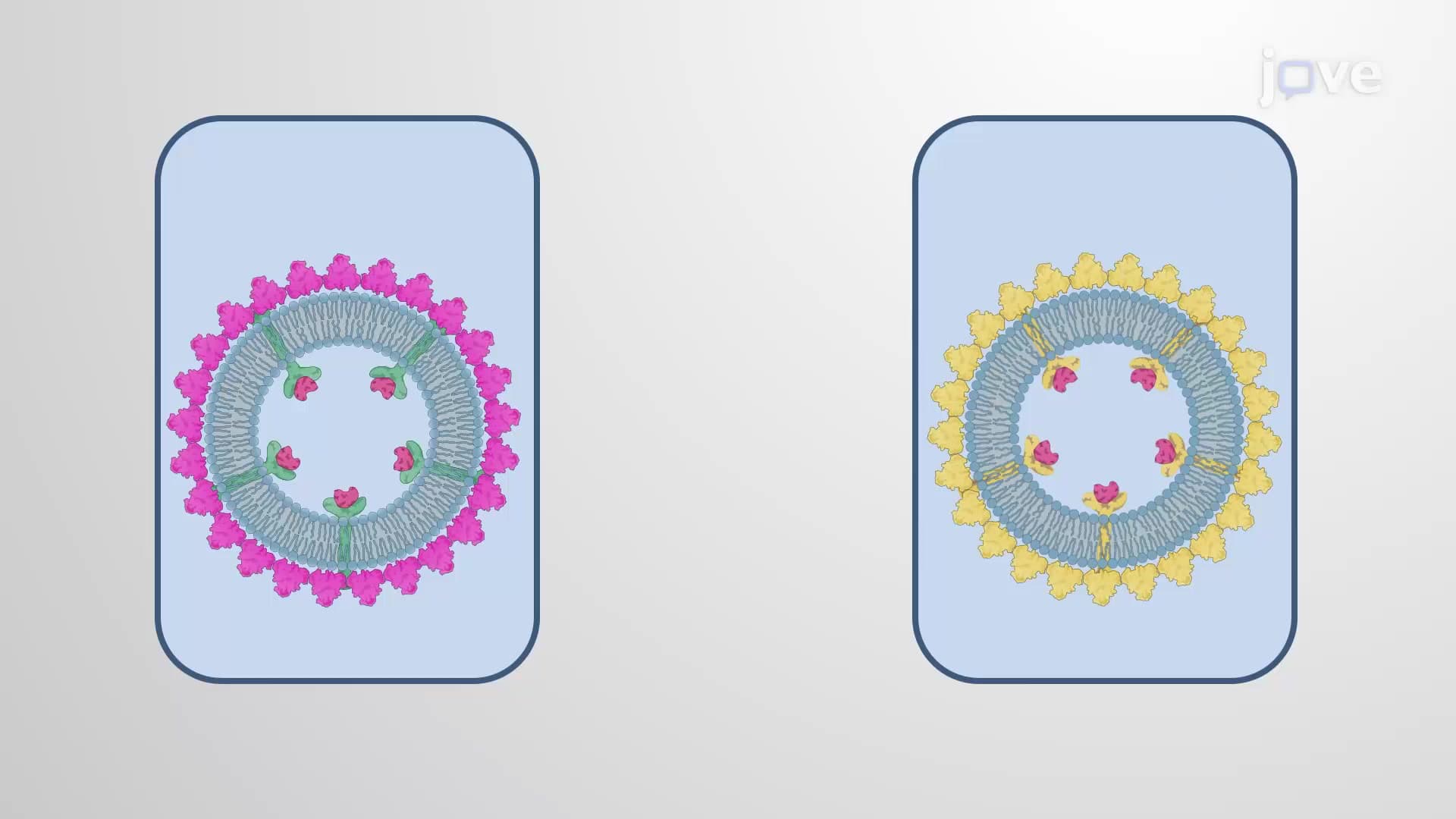
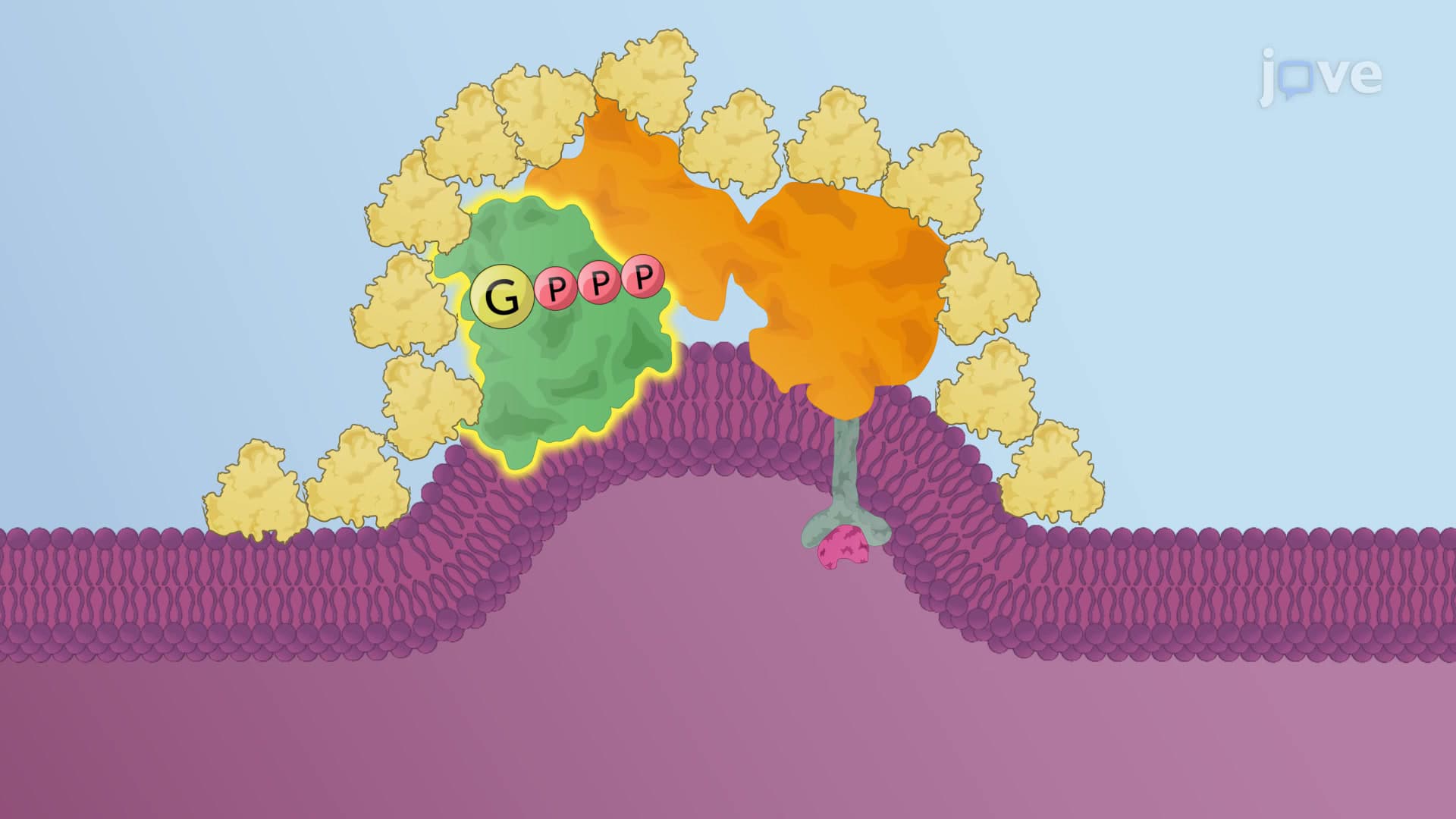
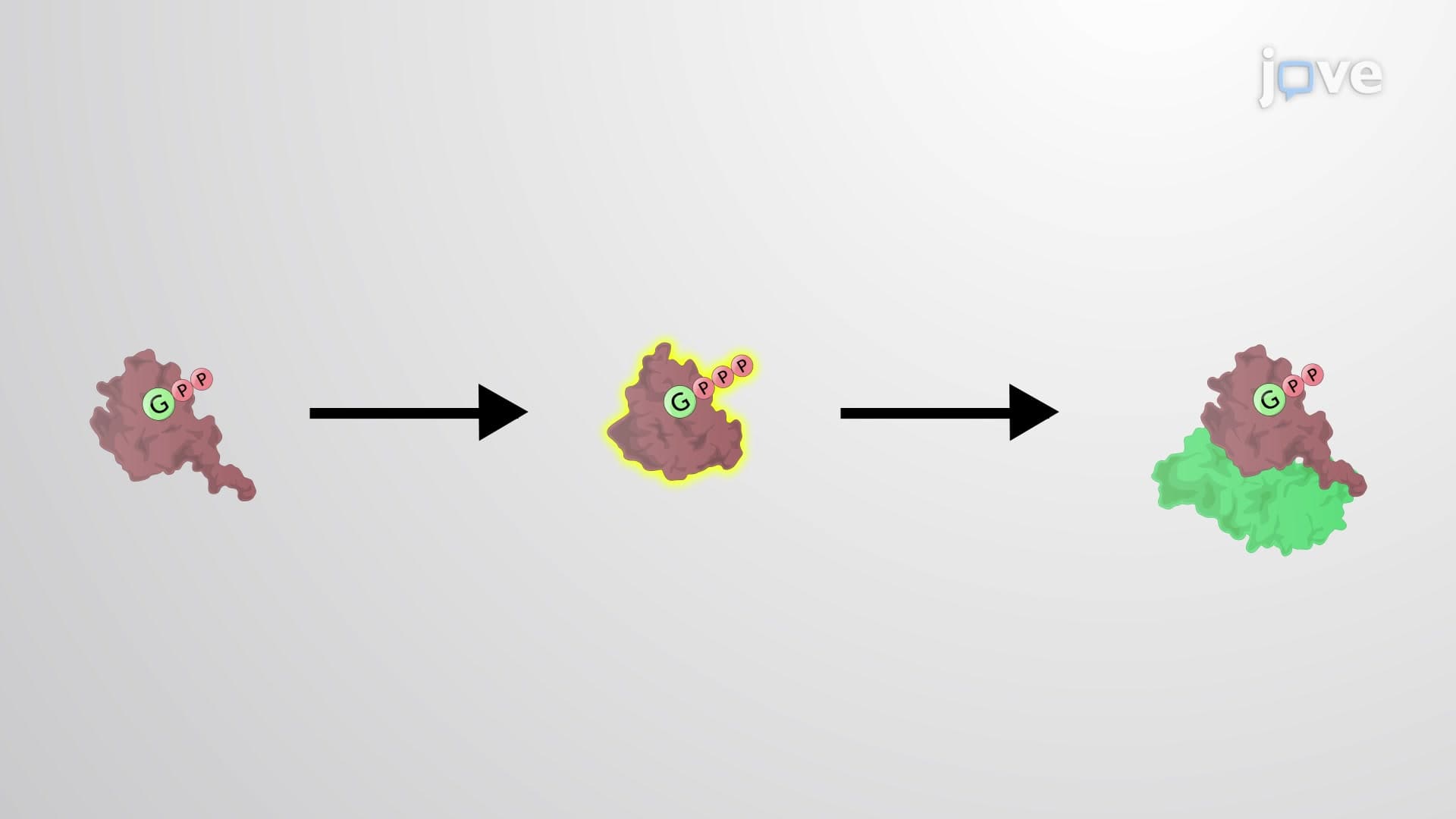
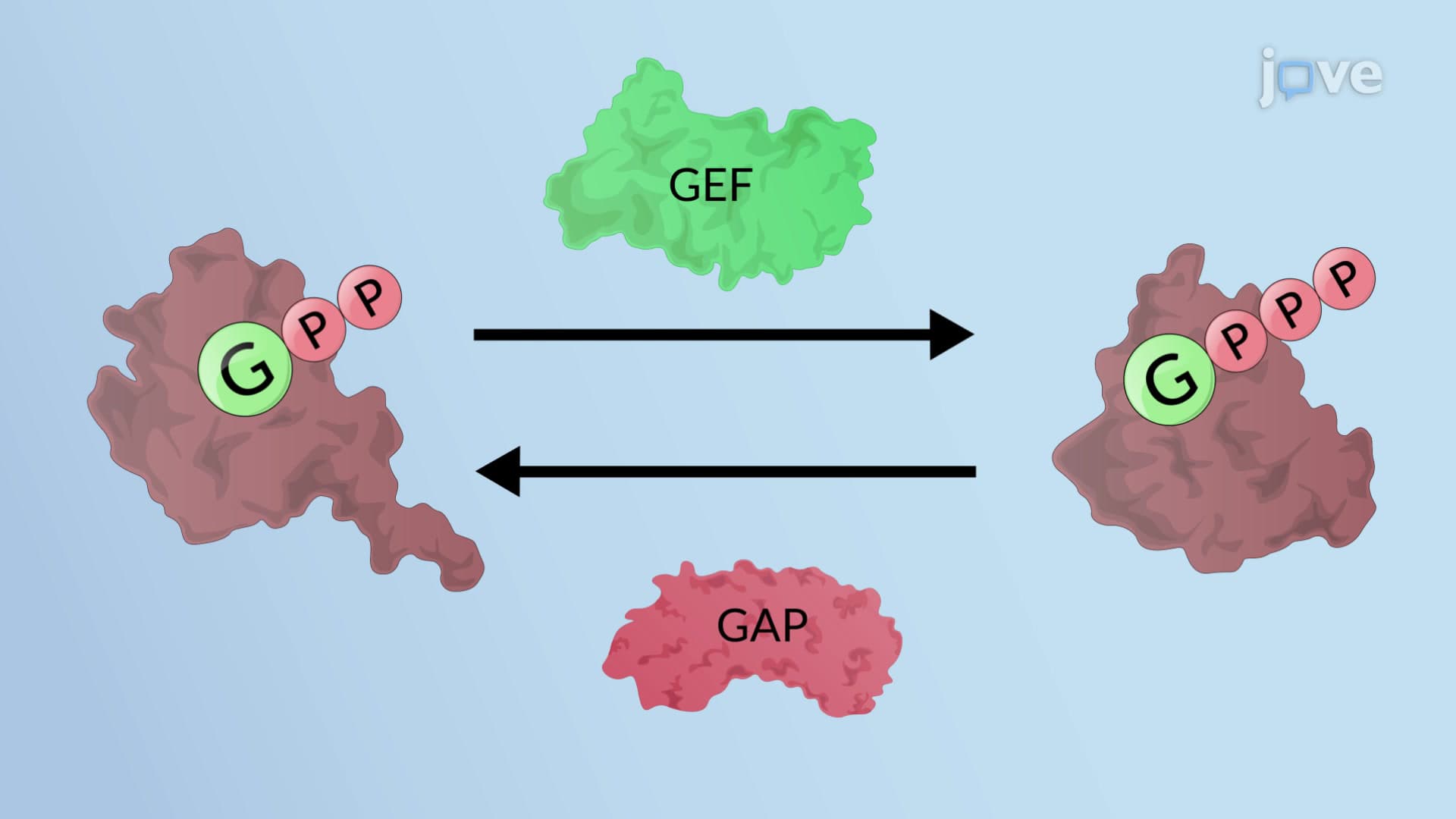
The Rab proteins overview reveals a sophisticated regulatory cycle involving multiple protein partners. GDP dissociation inhibitor (GDI) maintains cytosolic Rab proteins in their inactive state, preventing inappropriate membrane association. When vesicle targeting occurs, membrane-bound guanine nucleotide exchange factors (GEFs) catalyze GDP-to-GTP exchange, triggering conformational changes that expose hydrophobic regions for membrane insertion. This activation creates binding sites for specific effector proteins that execute downstream functions like vesicle tethering and fusion.
Understanding Rab proteins basics proves essential for students preparing for advanced biology courses and medical school entrance exams like the MCAT. Dysfunction of specific Rab proteins underlies various human diseases, including Charcot-Marie-Tooth neuropathy (Rab7 mutations) and X-linked mental retardation (Rab39B defects). These clinical connections frequently appear in AP Biology free-response questions and college cell biology exams, making this Rab proteins study guide material particularly valuable for academic success.
Related Micro-courses