Loading subject page…

- Cell Biology
- Intracellular Membrane Traffic
- ER Retrieval Pathway
Micro-course: Intracellular Membrane Traffic
157,134 views
Learn key concepts and earn your certificate.
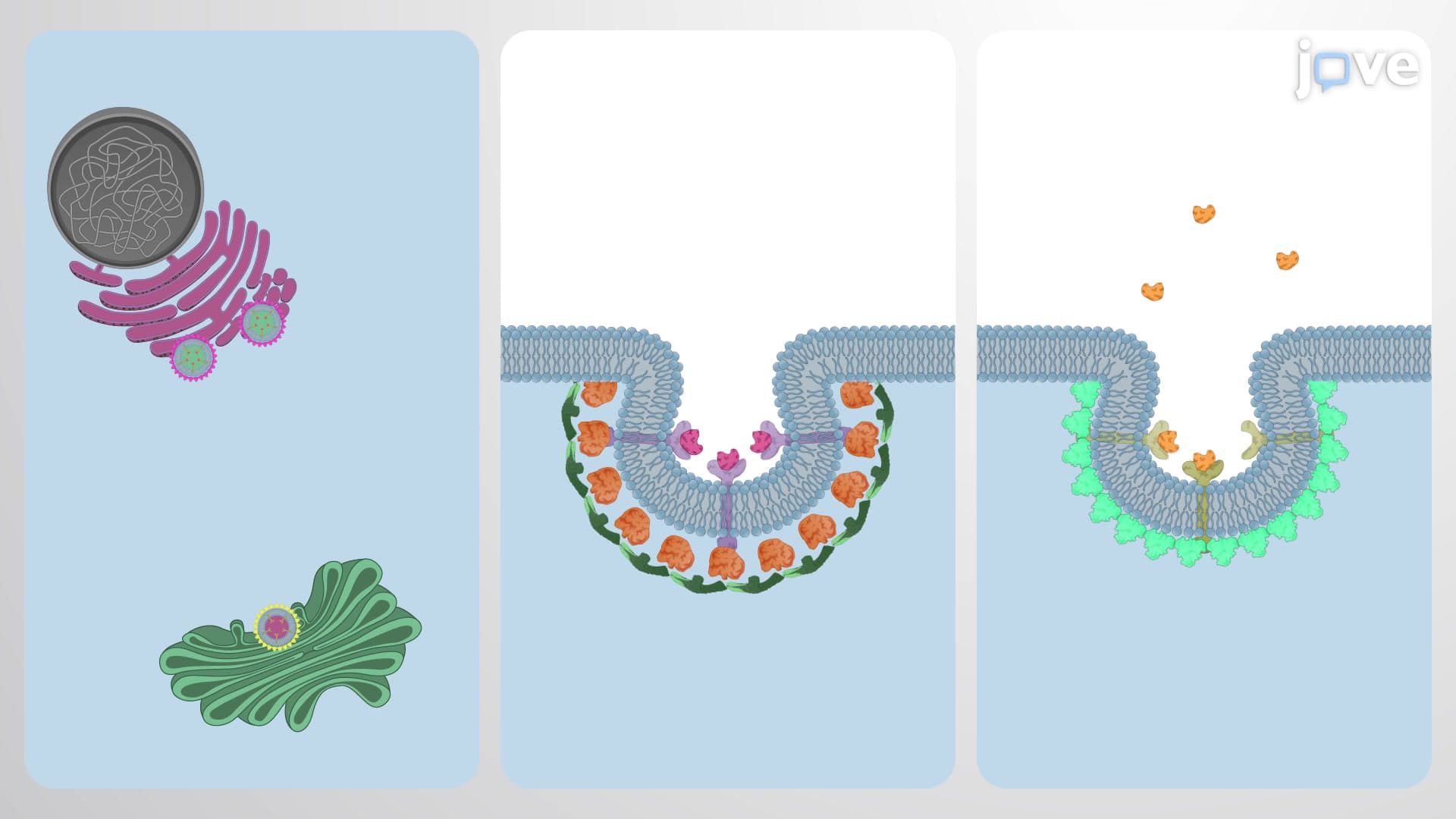

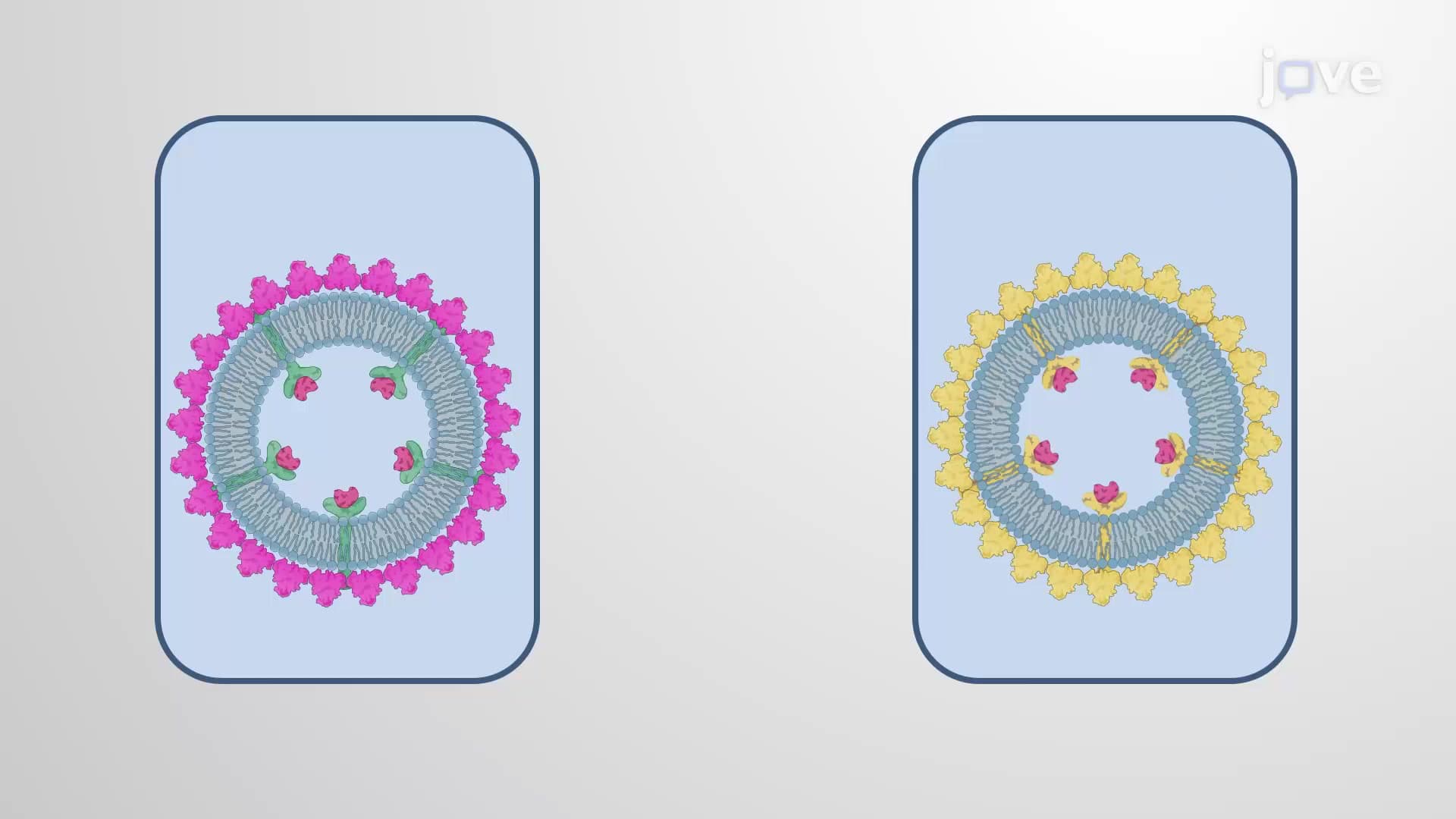
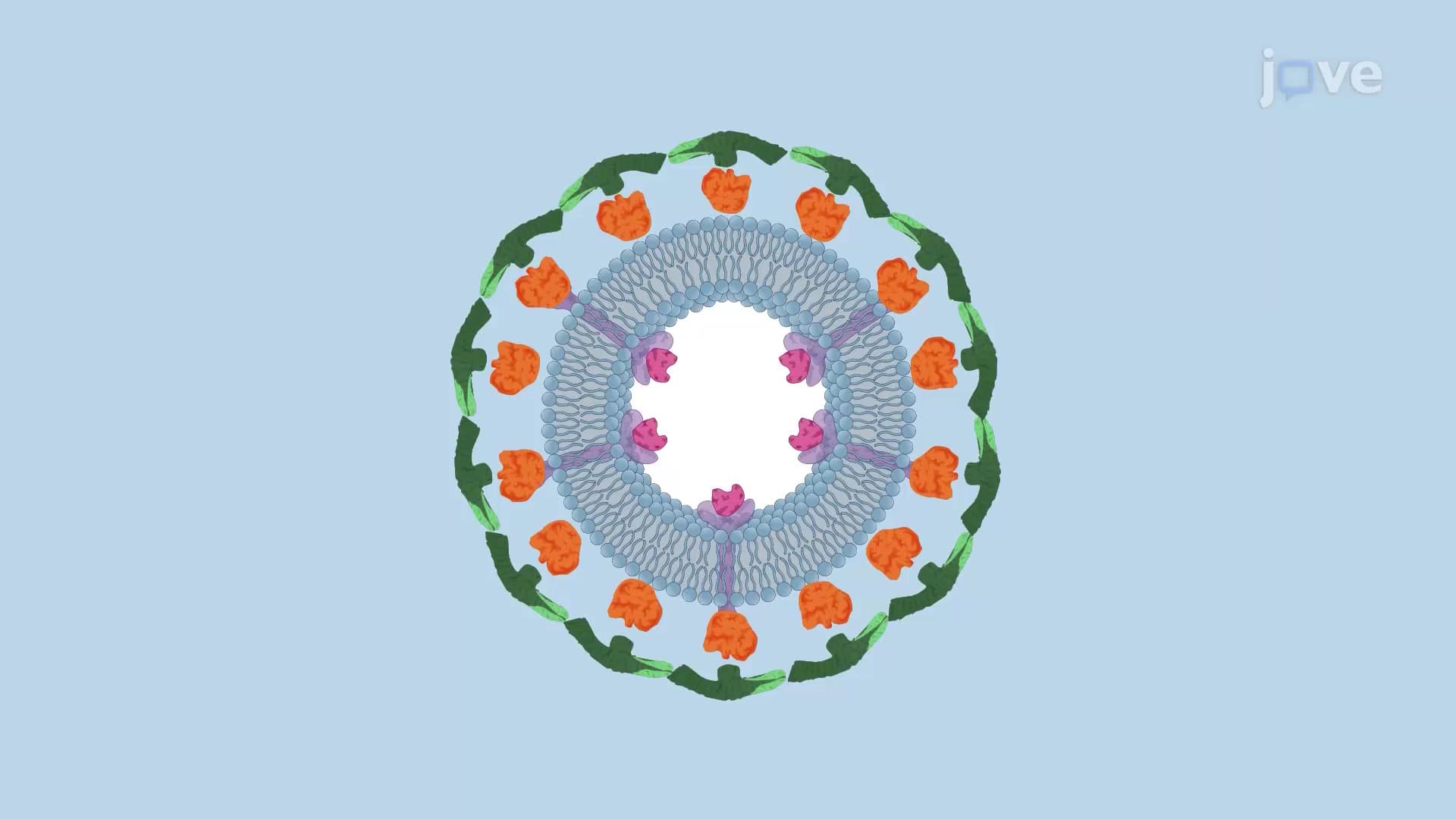
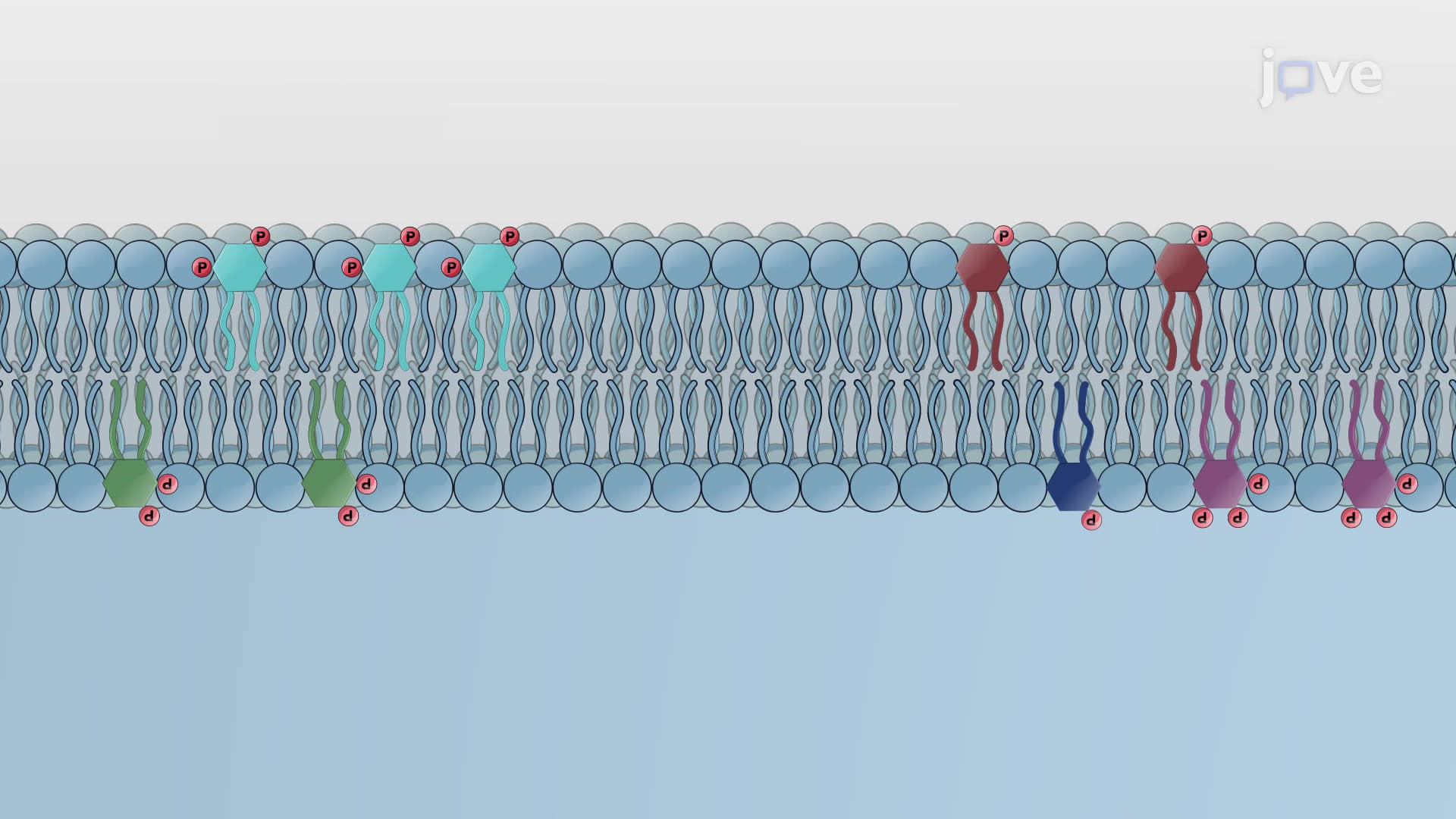
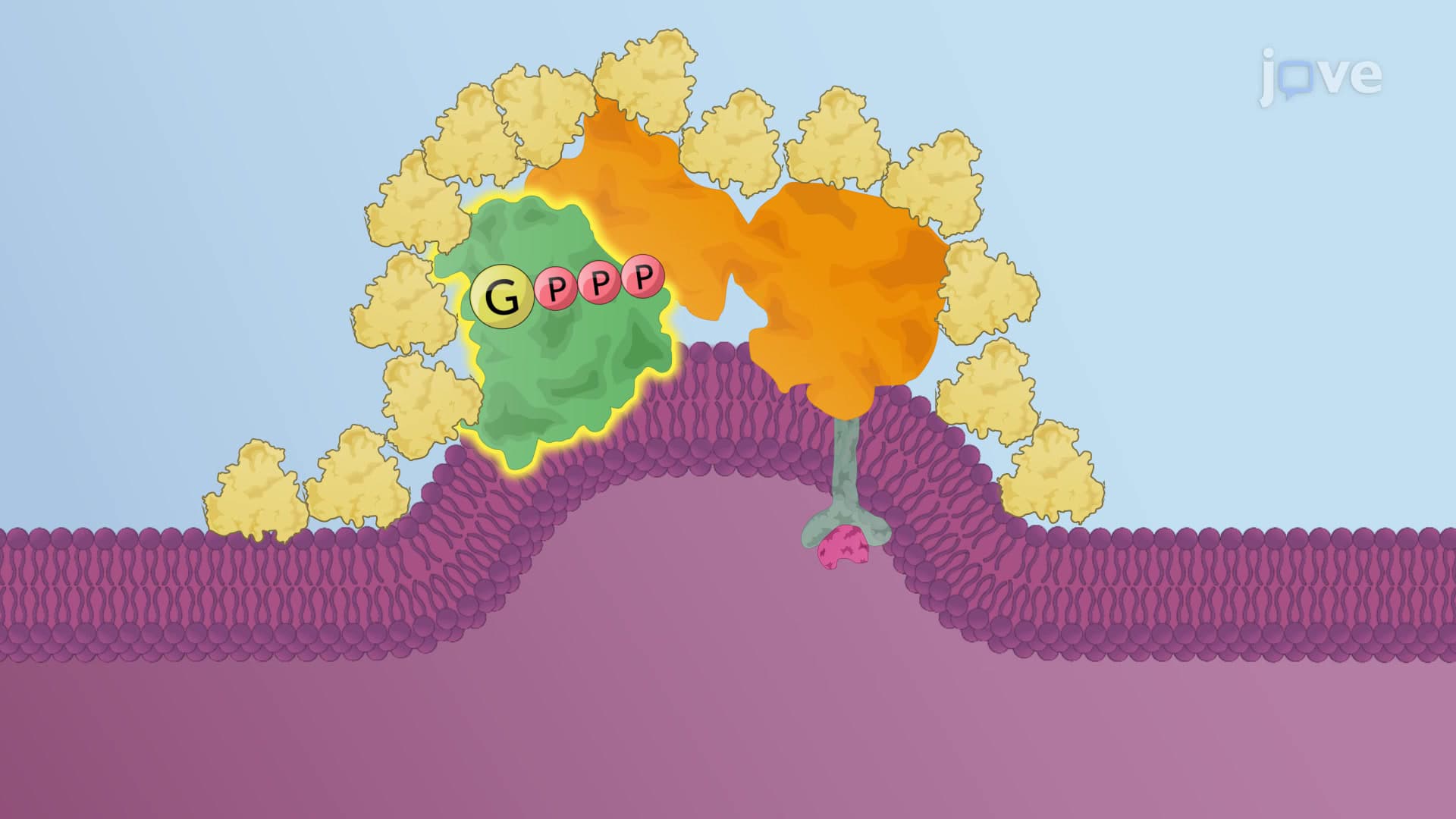
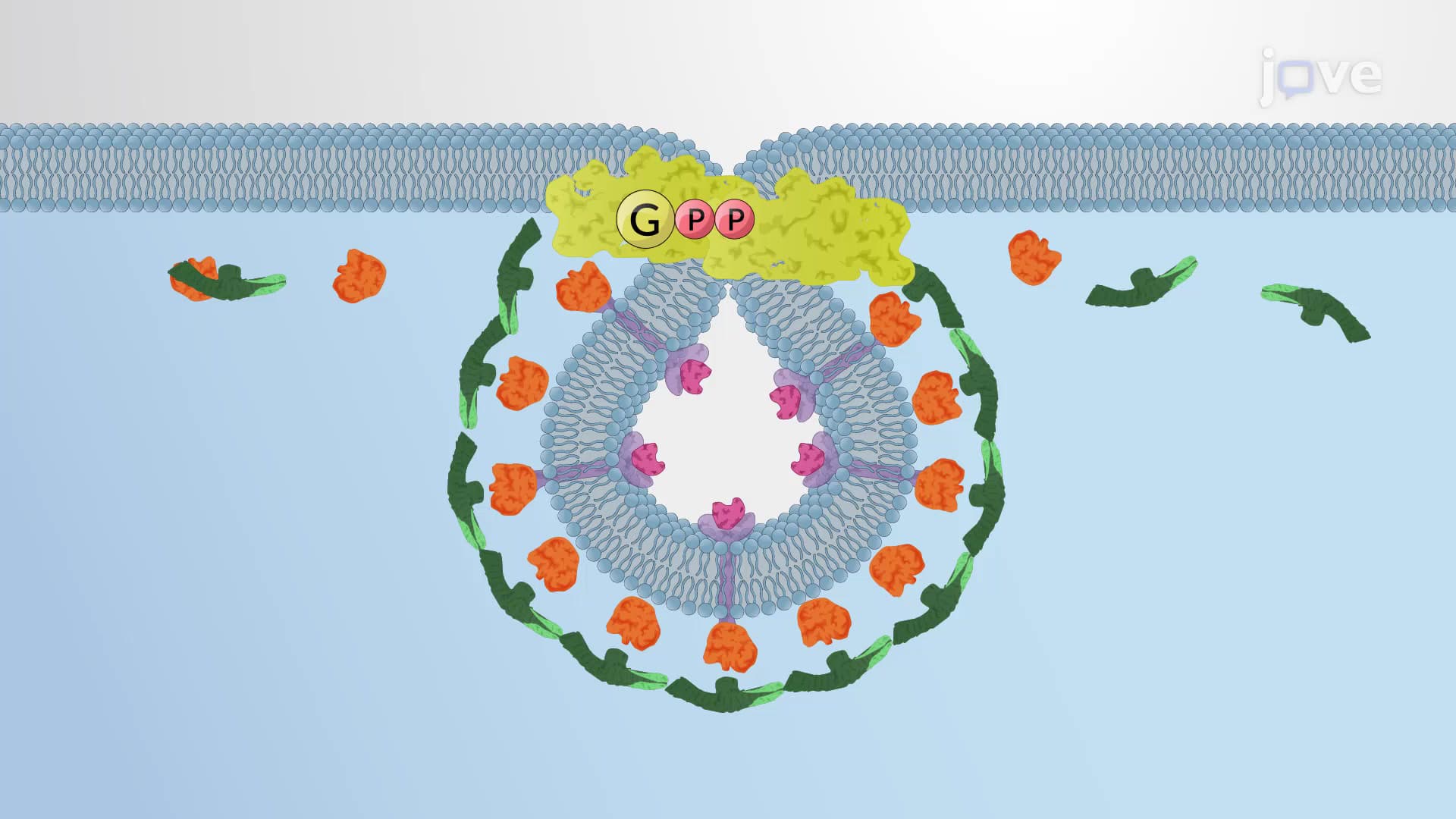
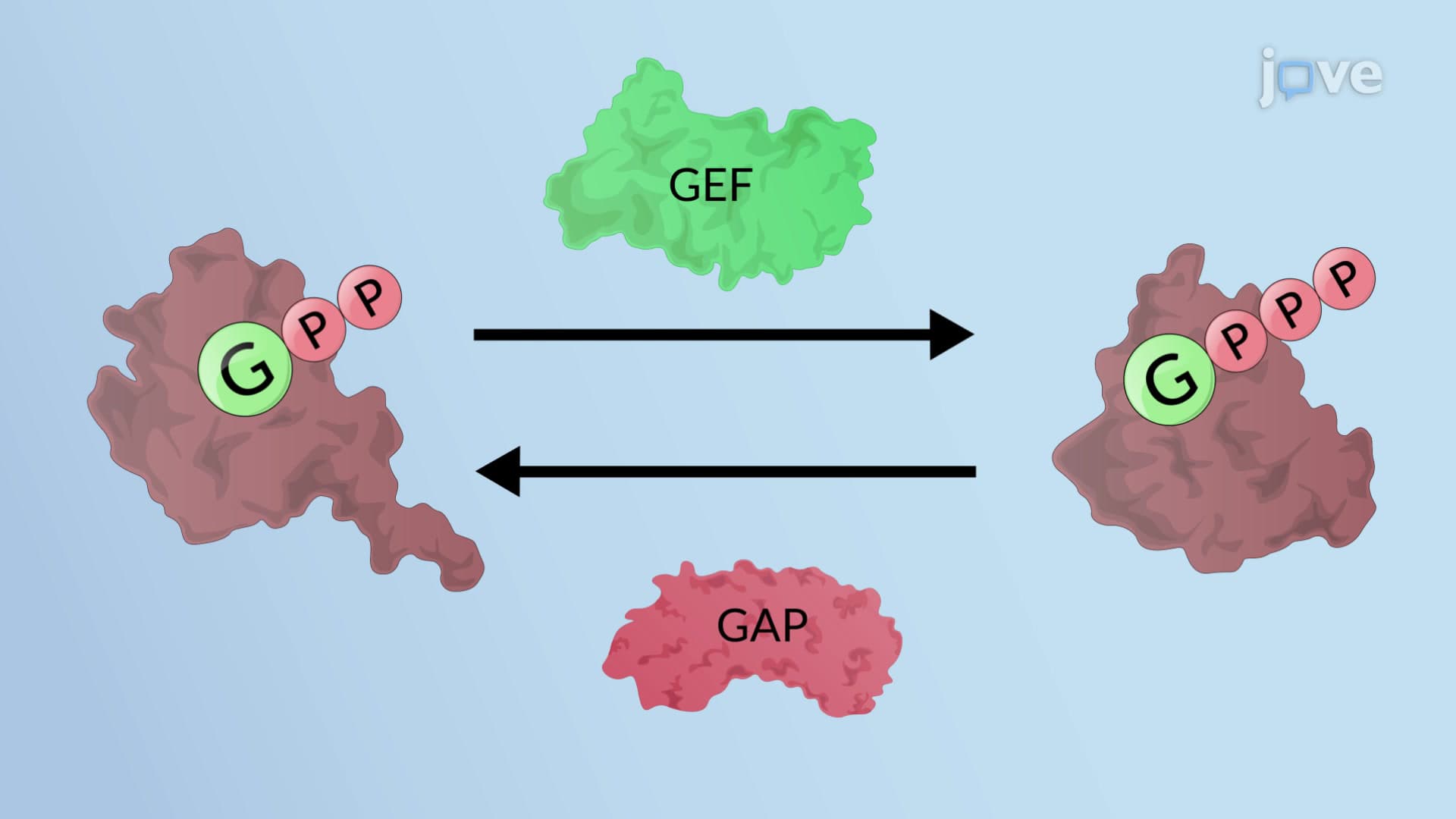
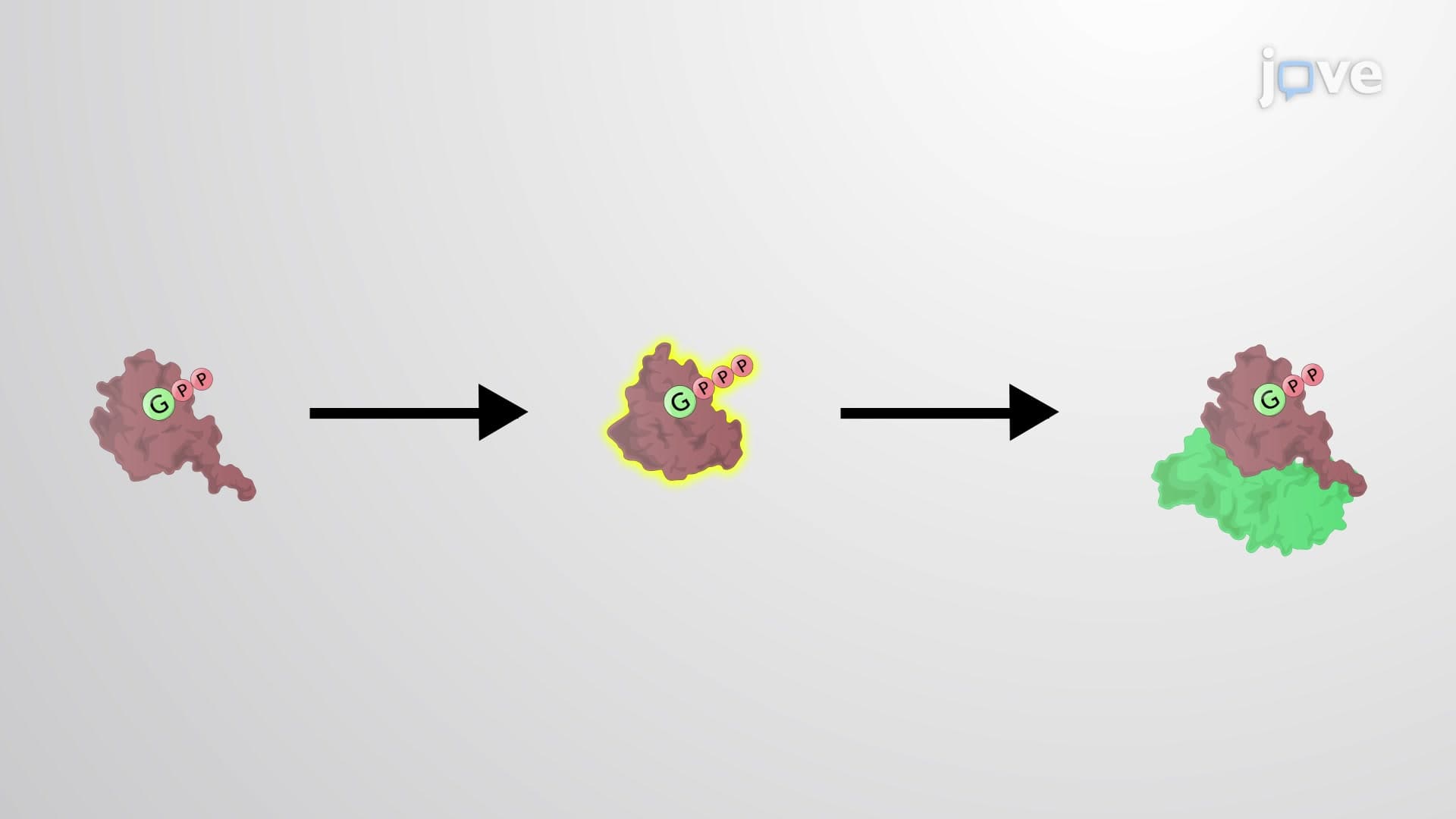




ER Retrieval Pathway

00:00
01:45
Video Summary: What Is Er Retrieval Pathway
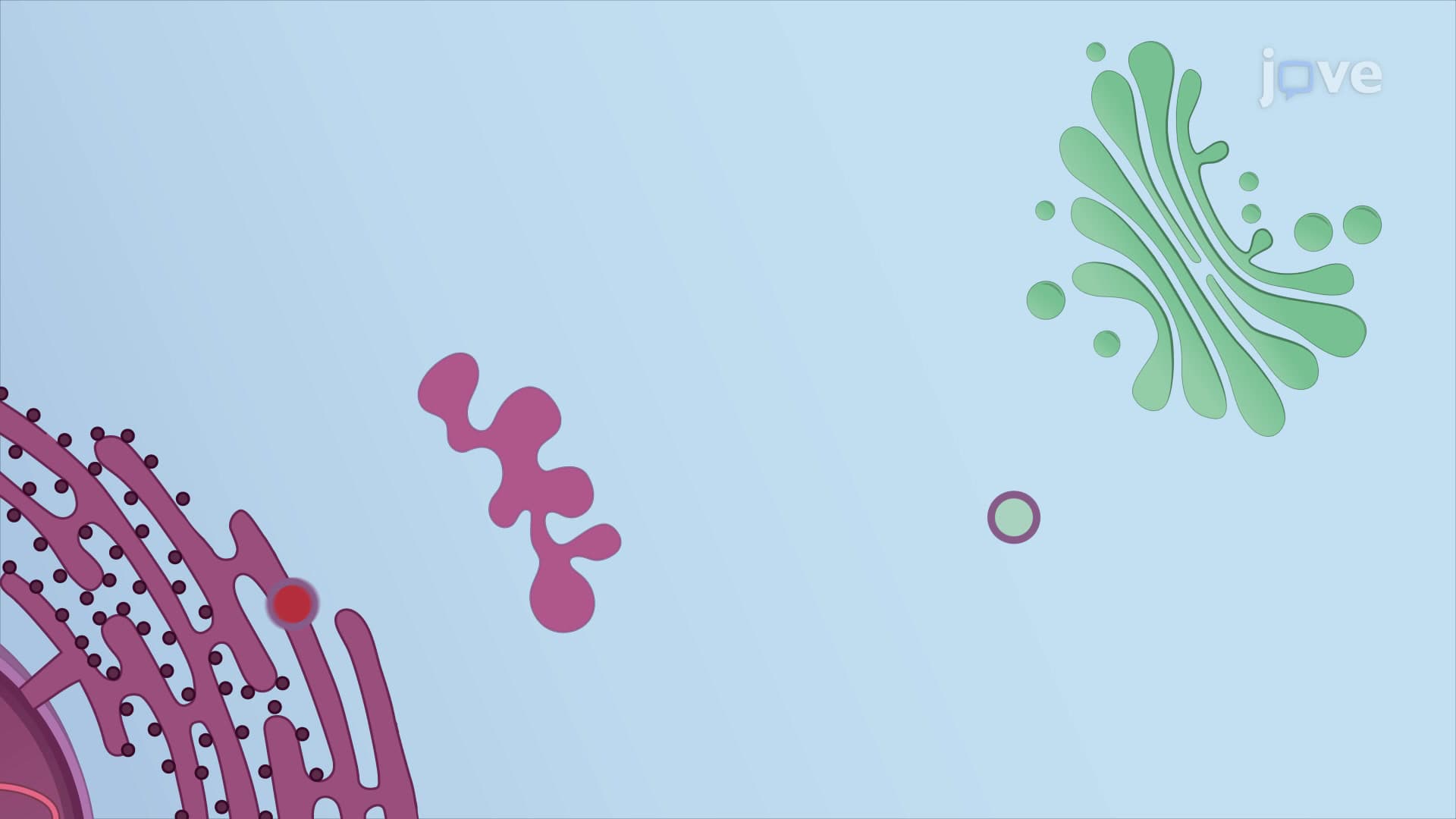
Ever wonder how cells prevent critical proteins from getting lost in transit? The ER retrieval pathway acts like a cellular GPS system, ensuring that proteins meant to stay in the endoplasmic reticulum don't accidentally escape to other parts of the cell. This quality control mechanism is essential for proper cellular function-imagine if insulin-producing beta cells in the pancreas lost their ability to retain key ER proteins! The pathway uses specific amino acid sequences as "zip codes" to redirect wayward proteins back home via specialized transport vesicles. Watch the full video on JoVE Coach to master this concept with expert-led visuals and step-by-step explanations.
- Understand what the ER retrieval pathway is and why it's essential for cellular protein organization and quality control
- Identify the key components involved in the retrieval process, including COPI vesicles, retrieval signals, and specific receptors
- Recognize the two main ER retrieval signals: KKXX and KDEL sequences and their distinct recognition mechanisms
- Analyze how chaperone proteins like BiP utilize KDEL sequences to ensure proper ER localization
- Compare the secretory pathway with the retrieval pathway to understand bidirectional protein transport
- Evaluate the consequences of defective retrieval signals through genetic engineering examples
- Apply knowledge of retrieval mechanisms to predict protein trafficking outcomes in different cellular scenarios
- Explore the relationship between protein misfolding, quality control, and disease states in human cells
Understanding the ER Retrieval Pathway: Cellular Quality Control
The ER retrieval pathway represents one of the most sophisticated quality control mechanisms in eukaryotic cells. While the secretory pathway moves proteins forward through the endomembrane system, the retrieval pathway acts as a failsafe, ensuring that essential ER-resident proteins don't accidentally leave their intended destination. This bidirectional system is crucial for maintaining the unique protein composition of each organelle compartment.
Molecular Mechanisms and Retrieval Signals
The pathway operates through highly specific molecular recognition systems. The KKXX motif, containing two lysine residues followed by any two amino acids, serves as a primary retrieval signal recognized at the ER-Golgi interface. Meanwhile, the KDEL sequence (lysine-aspartate-glutamate-leucine) functions as another major retrieval signal, particularly important for soluble ER proteins like the chaperone BiP (Binding immunoglobulin Protein).
These retrieval signals work like molecular barcodes. When proteins bearing these sequences accidentally enter the Golgi apparatus or vesicular tubular clusters, specialized receptors recognize them and package them into COPI (coat protein complex I) vesicles for return transport to the ER. This system is so precise that removing just four amino acids from BiP's KDEL sequence completely disrupts its retention, causing it to be secreted from the cell.
Clinical and Research Applications
Understanding the ER retrieval pathway has profound implications for human health and biotechnology. Many genetic diseases, including certain forms of cystic fibrosis and alpha-1 antitrypsin deficiency, involve disrupted protein trafficking that affects ER function. Researchers at institutions like Johns Hopkins University and the National Institutes of Health study these pathways to develop therapeutic strategies.
In pharmaceutical research, companies like Genentech and Pfizer manipulate retrieval signals when engineering therapeutic proteins in mammalian cell cultures. By modifying or removing KDEL sequences, researchers can control whether recombinant proteins are retained in the ER or secreted for harvest.
Exam Relevance and Study Applications
This concept frequently appears on Advanced Placement Biology exams, MCAT questions, and undergraduate cell biology courses across US universities. Students should focus on understanding the directional flow differences between secretory and retrieval pathways, memorizing the specific amino acid sequences, and recognizing how genetic modifications affect protein localization. Practice questions often test the ability to predict outcomes when retrieval signals are mutated or when specific receptors are non-functional.
Frequently Asked Questions
The ER retrieval pathway is a cellular quality control mechanism that returns escaped ER-resident proteins back to the endoplasmic reticulum using specific amino acid signals and transport vesicles. It prevents critical ER proteins from being mislocalized to other organelles, which would disrupt cellular function. Without this system, cells would lose essential ER chaperones and enzymes, leading to protein misfolding diseases and cellular dysfunction.
KKXX signals consist of two lysines followed by any two amino acids and primarily retrieve membrane proteins at the ER-Golgi interface. KDEL signals contain lysine-aspartate-glutamate-leucine and mainly retrieve soluble proteins like BiP through specific KDEL receptors. Both signals ensure proteins return to the ER but recognize different types of escaped proteins through distinct receptor systems.
MCAT questions often test understanding of protein trafficking directionality, signal sequence recognition, and the consequences of pathway disruption in disease contexts. AP Biology exams focus on the relationship between structure and function, asking students to predict outcomes when retrieval signals are mutated. College-level exams frequently include experimental scenarios where students must interpret results from cells with modified retrieval mechanisms.
Malfunctioning ER retrieval pathways contribute to diseases like certain forms of cystic fibrosis, where misfolded CFTR proteins accumulate inappropriately. Alpha-1 antitrypsin deficiency also involves disrupted ER protein handling, leading to liver damage and lung disease. These conditions demonstrate how precise protein trafficking is essential for human health and are actively studied at medical centers like Mayo Clinic and Cleveland Clinic.
No advanced biochemistry background is required to grasp the basic ER retrieval pathway concept. Understanding requires only fundamental knowledge of cell organelles, protein structure basics, and membrane transport mechanisms typically covered in high school AP Biology or introductory college biology. The key is focusing on the logical flow: recognition signal → receptor binding → vesicle transport → return to ER.
Create flowcharts showing the step-by-step process from protein escape to return, memorize the specific amino acid sequences (KKXX and KDEL), and practice predicting outcomes in experimental scenarios. Draw diagrams connecting the ER, Golgi, and transport vesicles while labeling key components. Focus on understanding cause-and-effect relationships rather than memorizing isolated facts, as exams often test application rather than recall.
ER retrieval pathway knowledge is essential for careers in pharmaceutical research, genetic engineering, and therapeutic protein production. Companies developing treatments for protein misfolding diseases need specialists who understand these mechanisms. Biotechnology roles at firms like Amgen and Biogen often involve manipulating protein trafficking pathways to optimize drug production in cell culture systems.
After understanding ER retrieval, explore related concepts like the unfolded protein response (UPR), ER-associated degradation (ERAD), and autophagy mechanisms. These topics build naturally on retrieval pathway knowledge and are increasingly important in medical research. Advanced courses in cell biology, biochemistry, or molecular medicine at universities like Stanford or MIT often integrate these concepts when discussing cellular stress responses and therapeutic targets.
Related Micro-courses
17 Concepts
12 Concepts
7 Concepts