Loading subject page…


157,145 views


Video Summary: What Is Golgi Apparatus
Ever wondered how your cells know where to send thousands of different proteins? The Golgi apparatus explained reveals nature's most sophisticated postal system. Like Amazon's distribution centers that sort and ship millions of packages, the Golgi apparatus processes and delivers cellular cargo with remarkable precision. For instance, insulin produced by pancreatic cells must be perfectly packaged before reaching your bloodstream. Watch the full video on JoVE Coach to master this concept with expert-led visuals and step-by-step explanations.
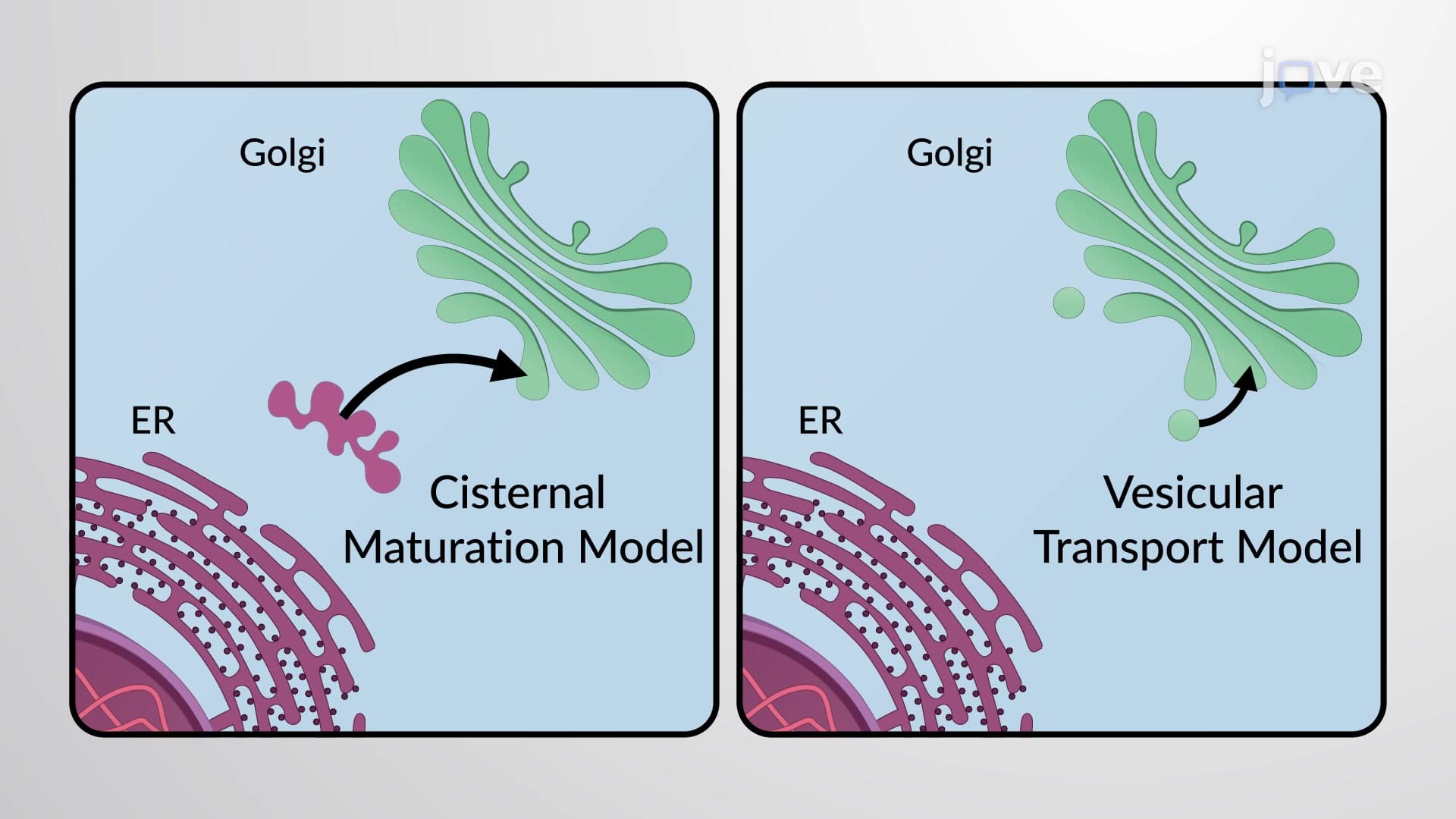
The Golgi apparatus function biology centers on its unique architecture resembling a stack of pancakes. This organelle consists of 4-8 flattened membrane sacs called cisternae, each specialized for specific processing tasks. Unlike a simple storage facility, the Golgi operates as a dynamic assembly line where each "floor" performs distinct modifications on passing molecules.
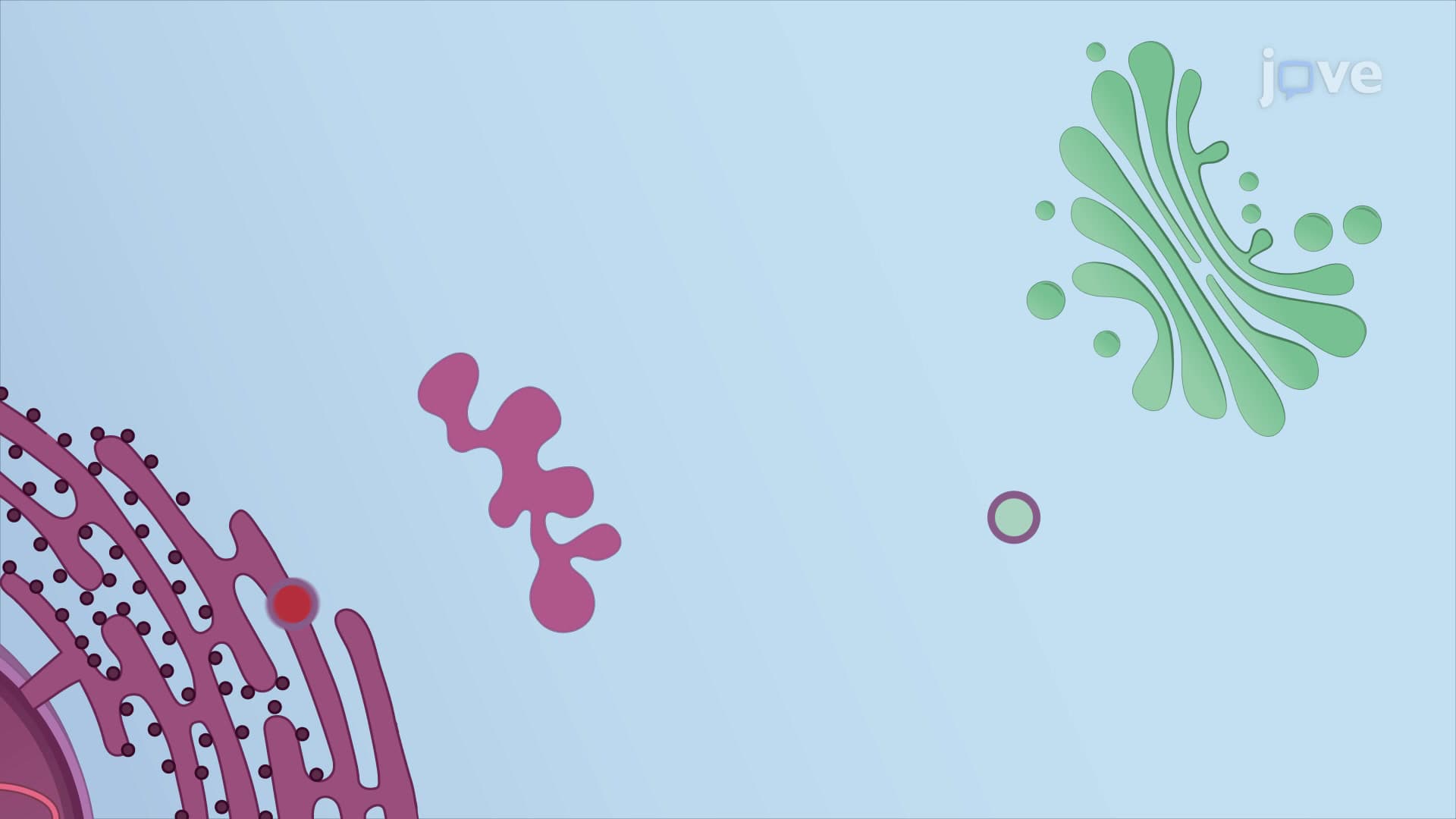
The structural polarity is crucial-the cis face (receiving side) sits nearest the endoplasmic reticulum, while the trans face (shipping side) faces the cell membrane. This orientation ensures unidirectional flow, preventing cellular traffic jams that could prove fatal to the cell.
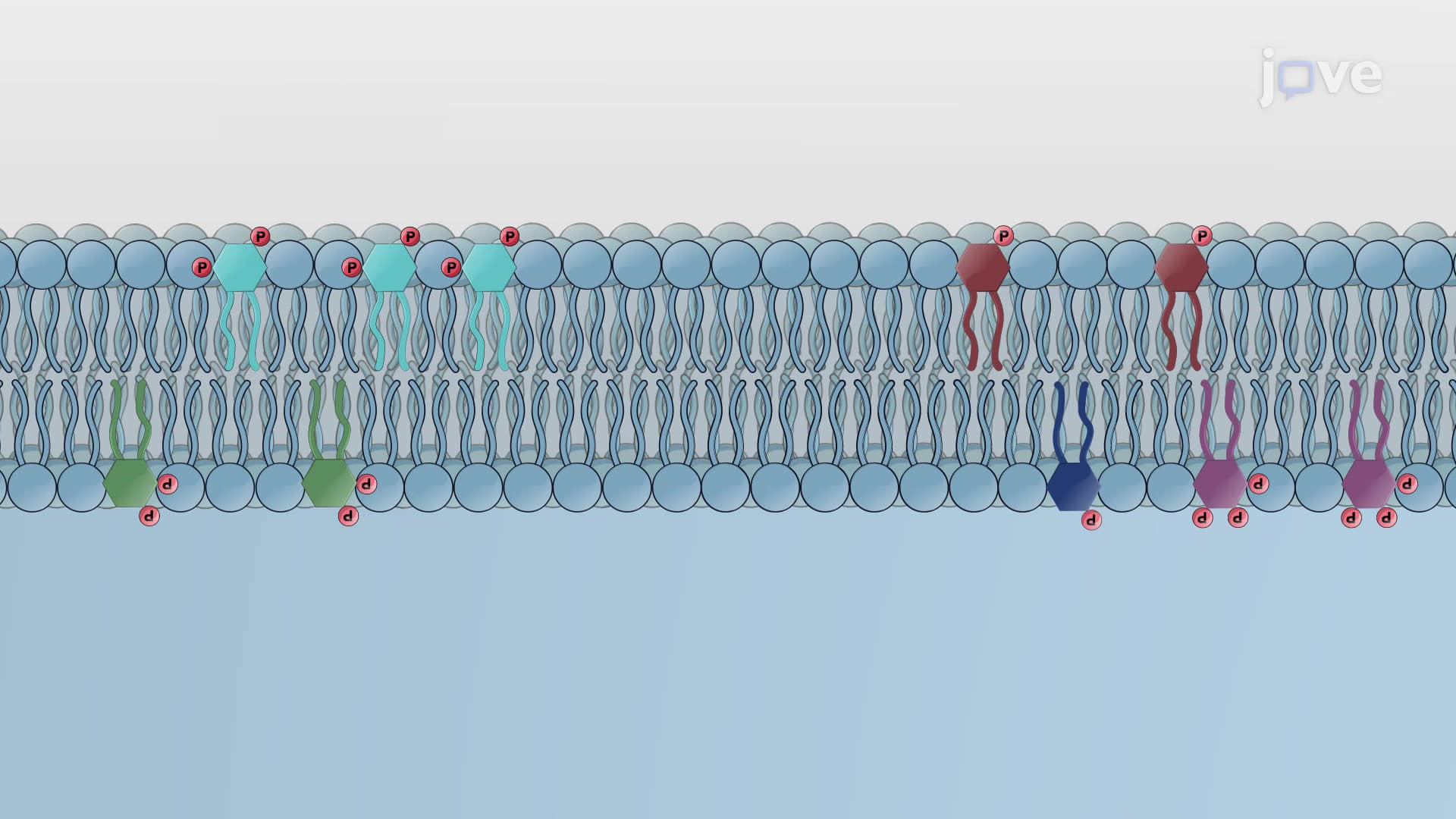
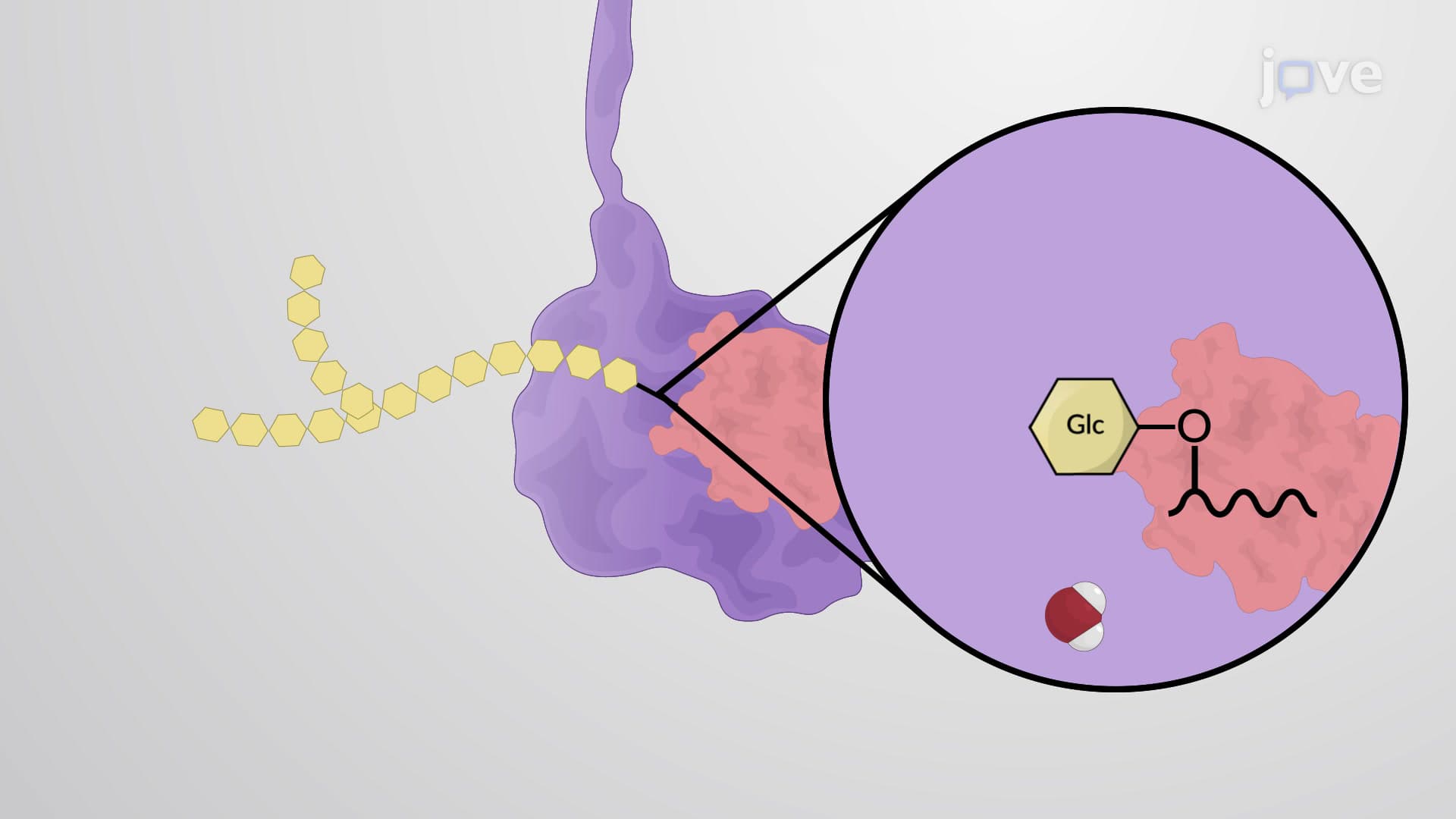
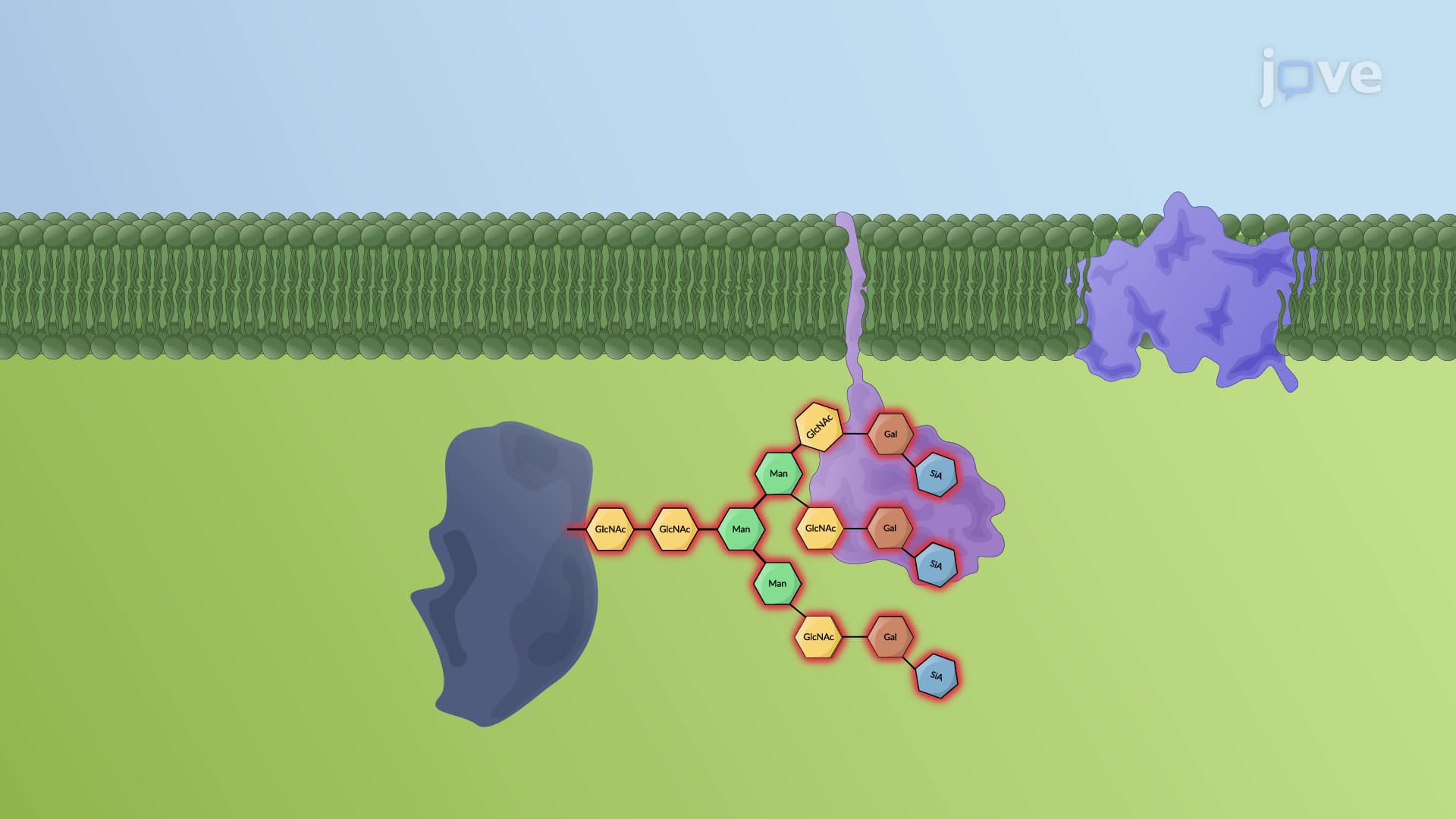
Golgi protein modification involves sophisticated enzymatic processes that transform raw proteins into functional molecules. As proteins move through the medial cisternae, they undergo glycosylation (sugar addition), phosphorylation (phosphate addition), and sulfation (sulfate addition). These modifications aren't random-they're precisely controlled to ensure proper protein folding and function.
Consider insulin production in pancreatic beta cells. The hormone arrives at the Golgi as proinsulin, undergoes specific cleavage and modification, then emerges as mature, functional insulin ready for blood glucose regulation. This process exemplifies how cis trans Golgi network coordination ensures life-sustaining cellular functions.
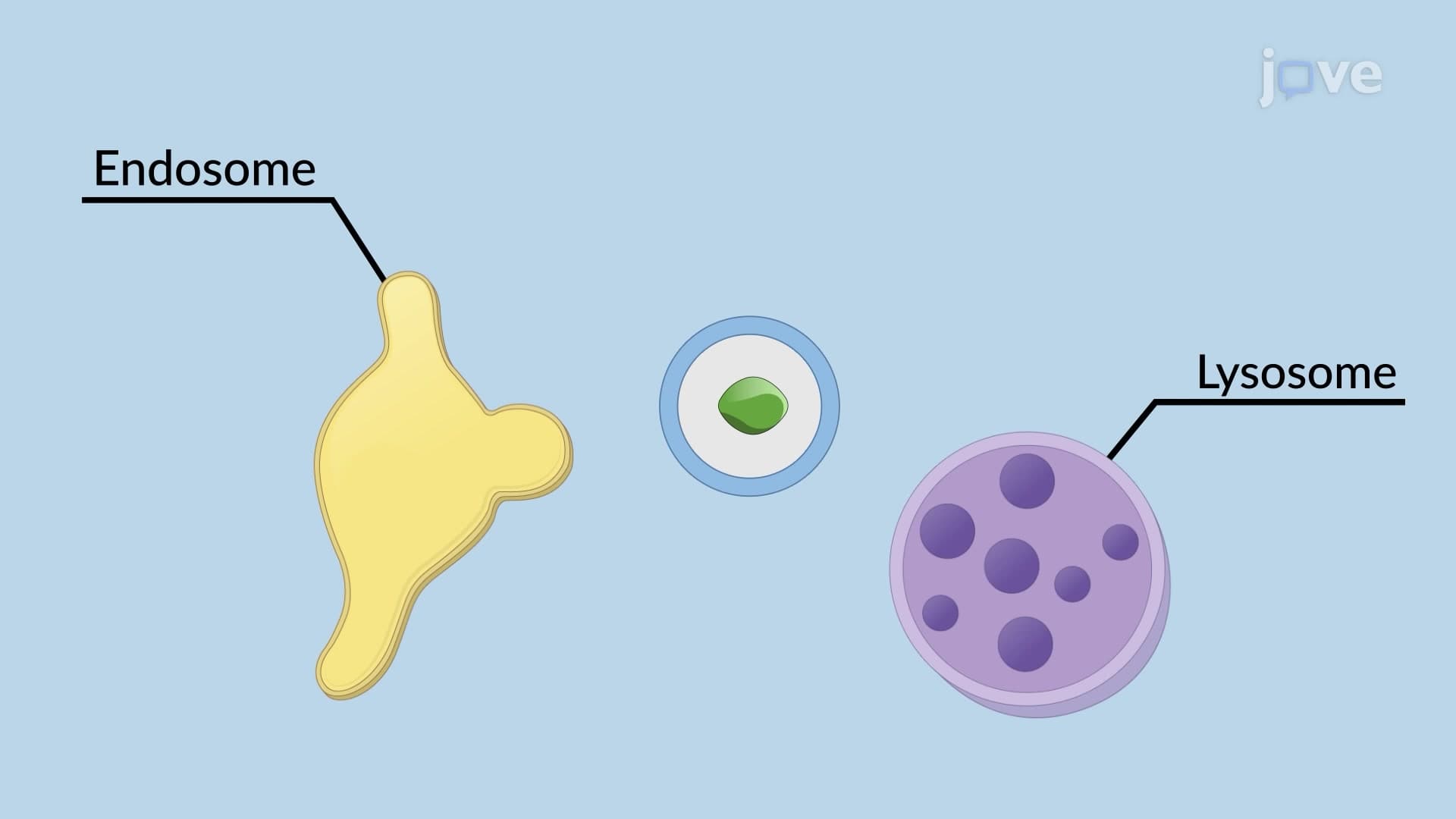
The secretory pathway Golgi represents one of cell biology's most elegant logistics systems. After processing, the trans-Golgi network sorts molecules using molecular "zip codes"-signal sequences that specify destinations like lysosomes, cell membrane, or extracellular space.
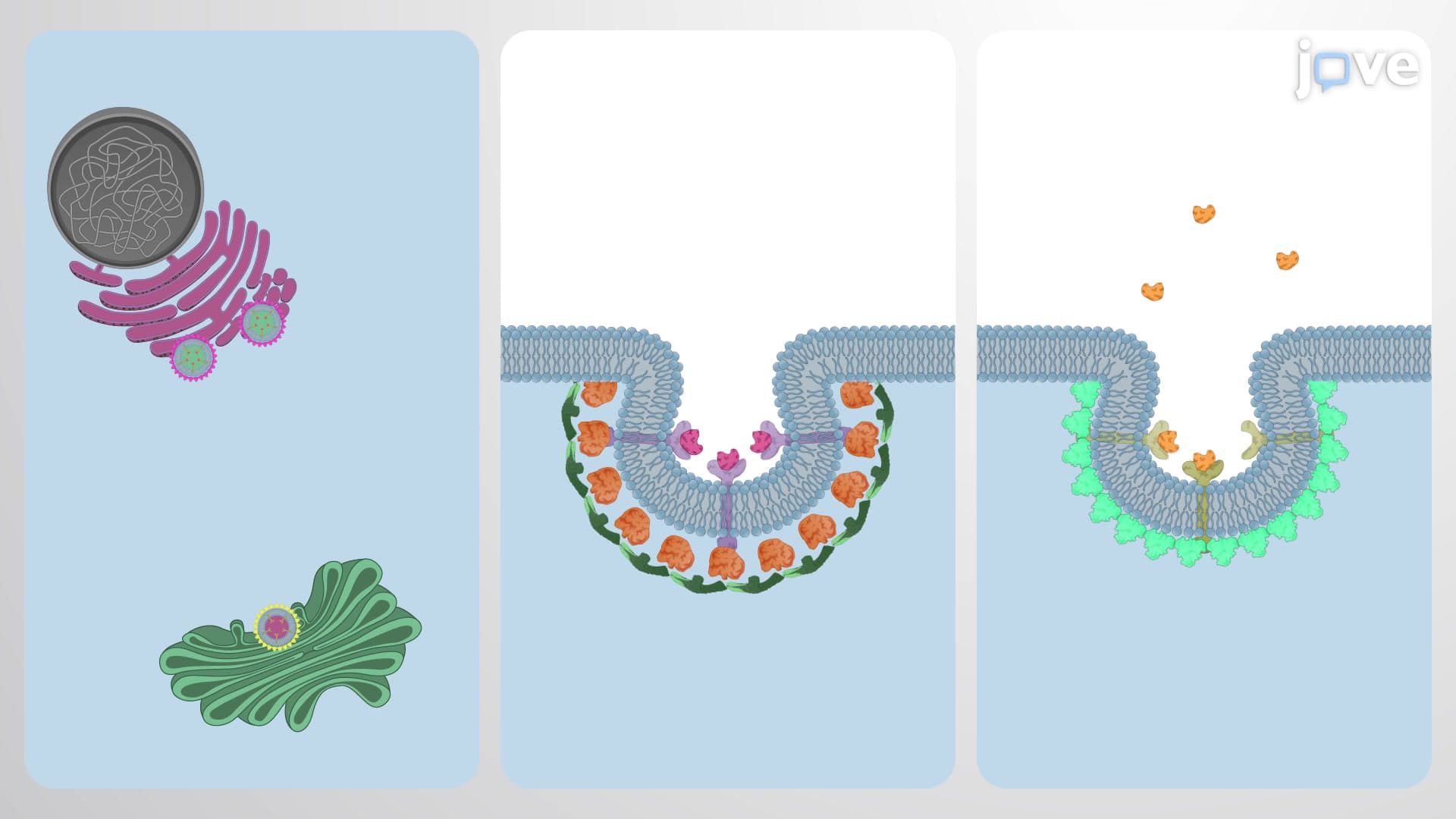
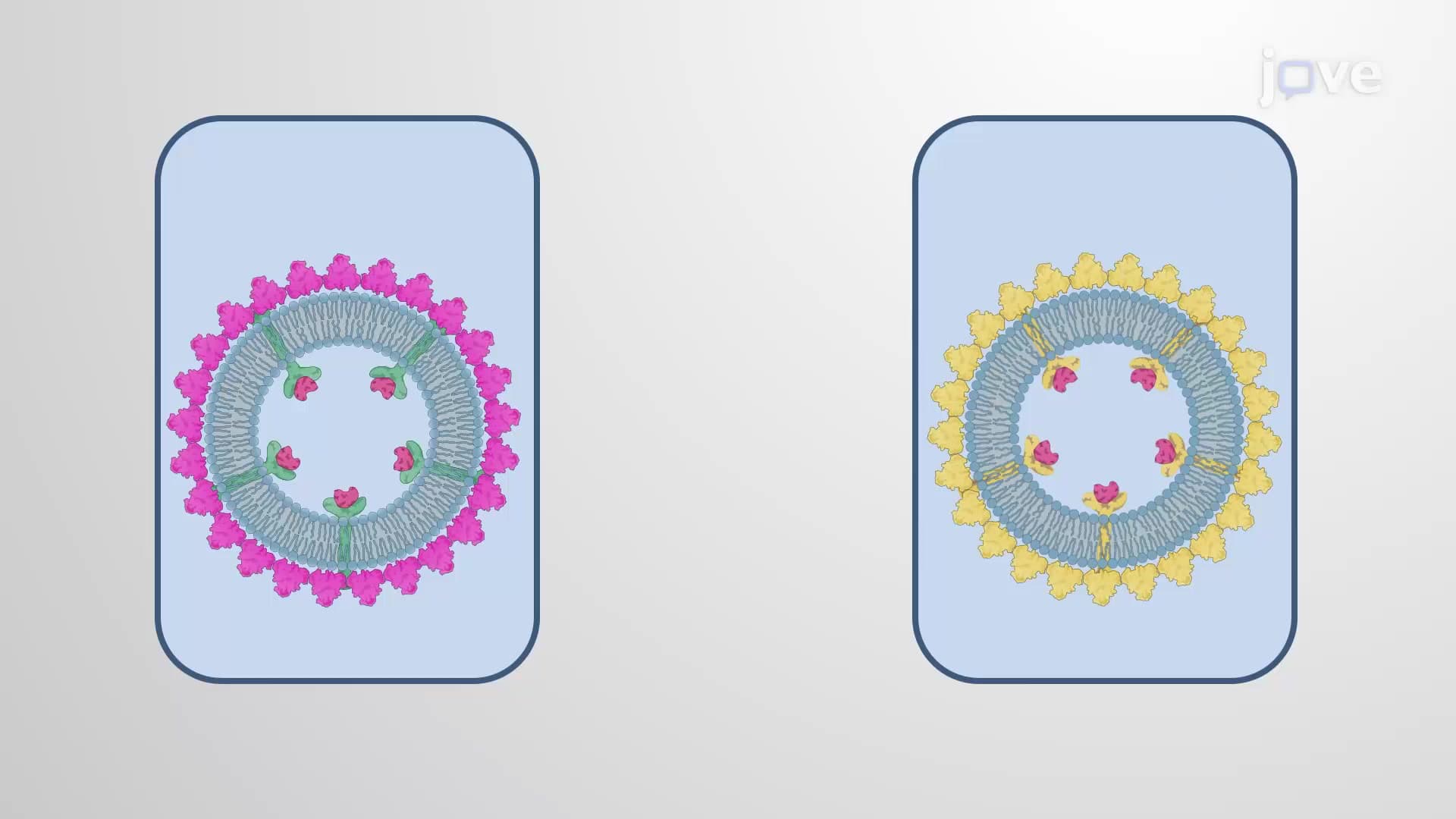
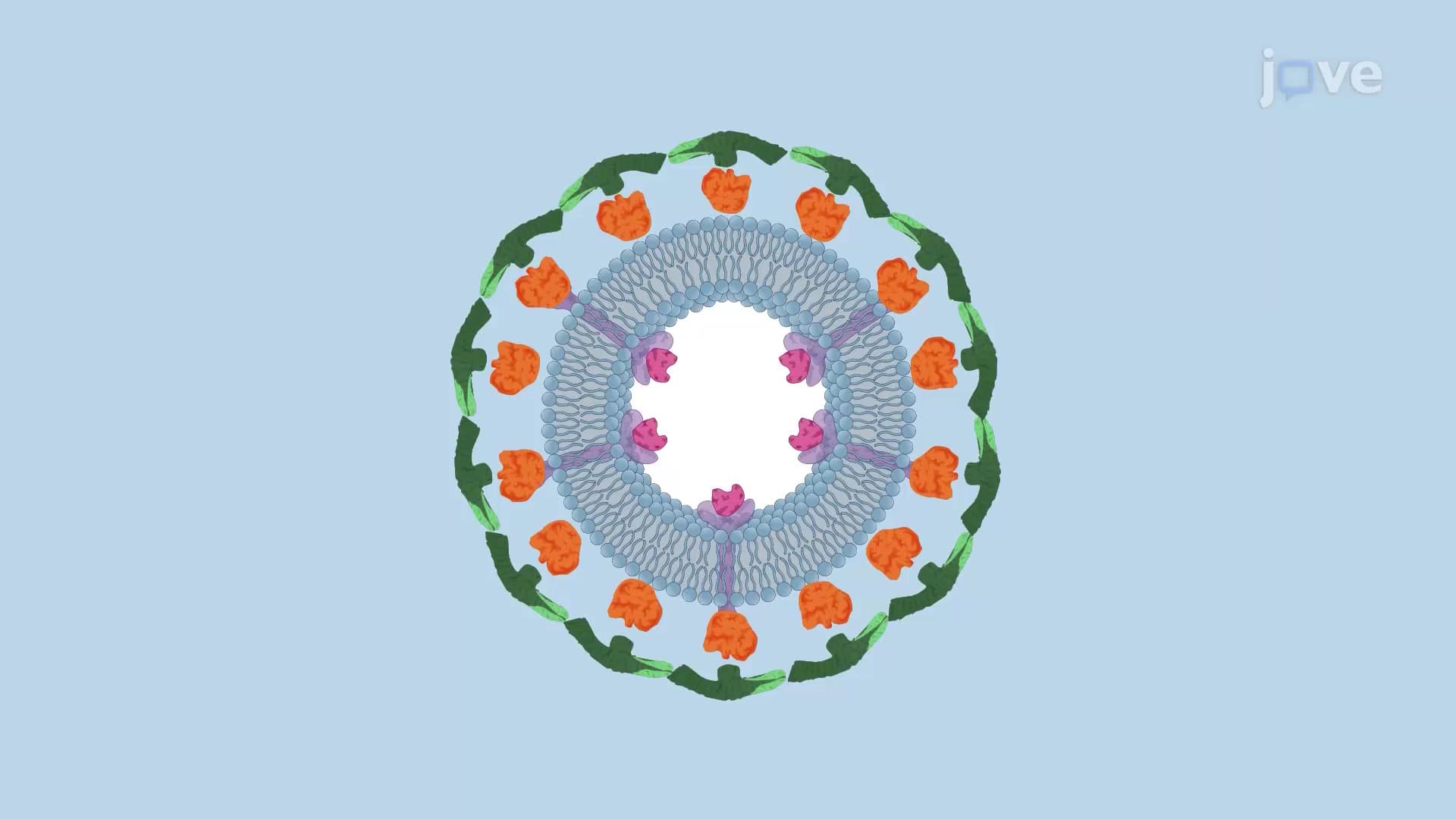
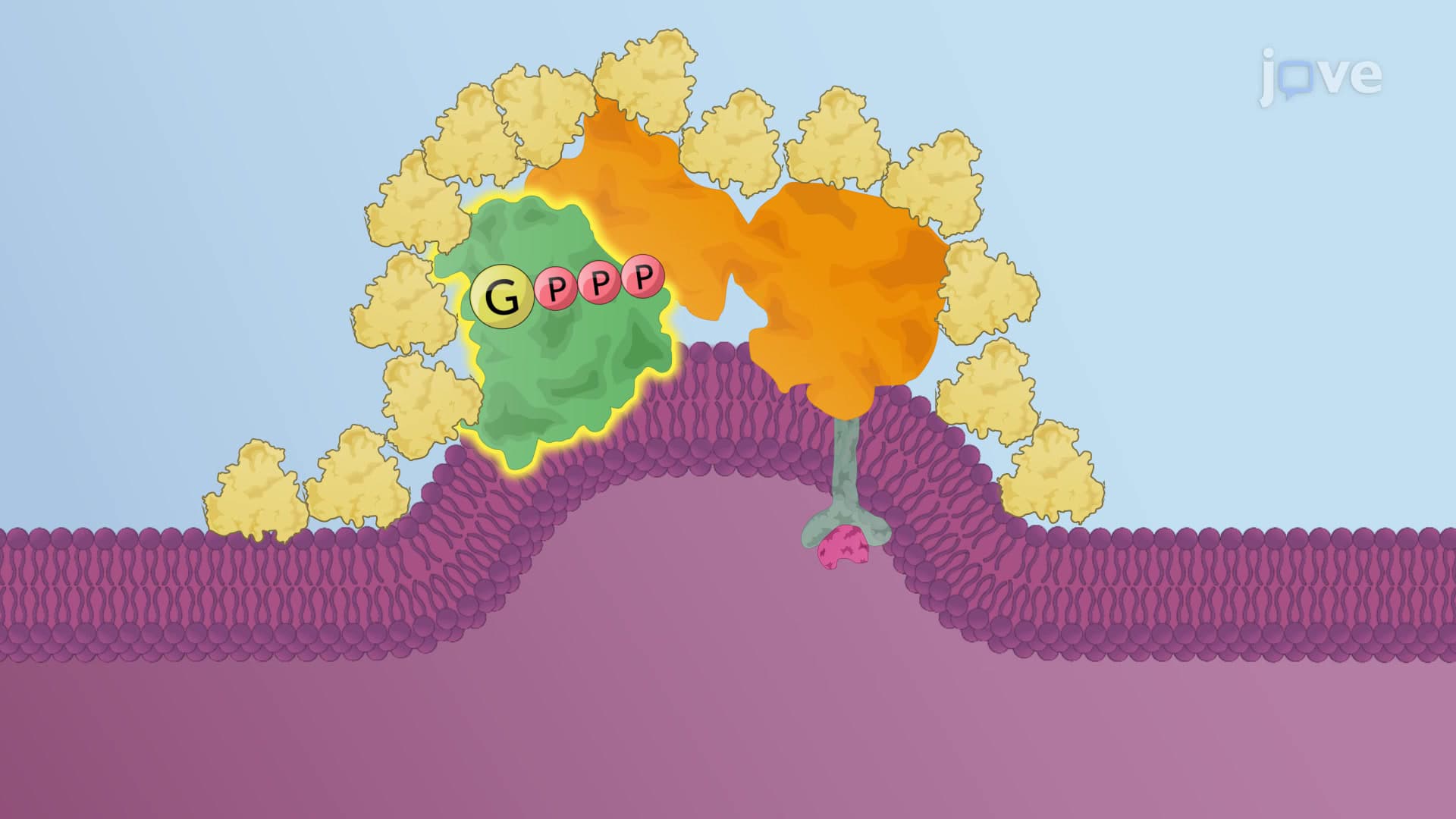
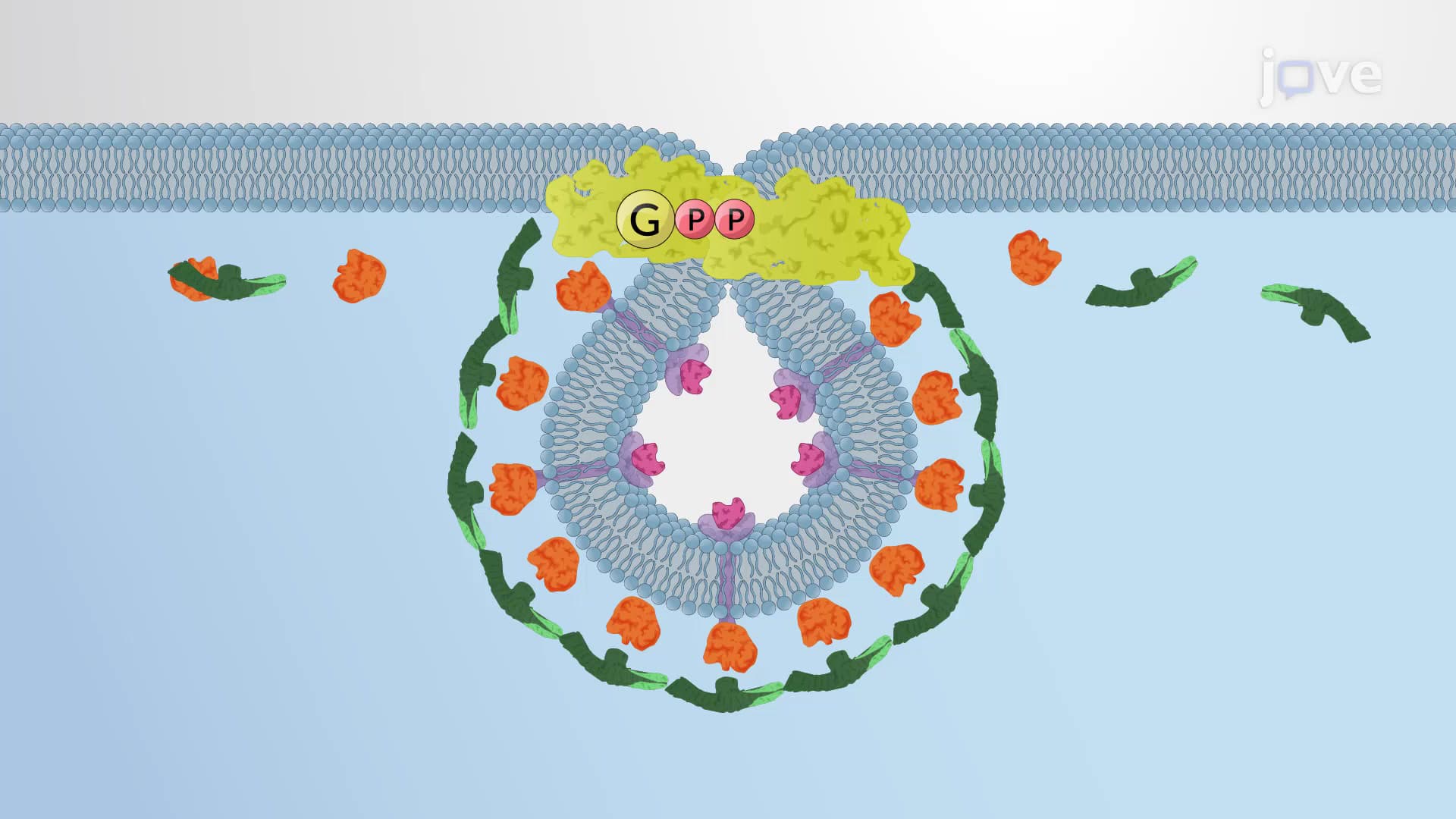
Golgi vesicle transport relies on coat proteins (COPI, COPII, and clathrin) that form transport vesicles. These microscopic "delivery trucks" ensure cargo reaches correct destinations. Disruption of this system causes serious diseases-Alzheimer's disease partly involves Golgi dysfunction affecting protein processing and transport.
Understanding what is the Golgi apparatus and its function proves essential for AP Biology, MCAT preparation, and college cell biology courses. Students frequently encounter Golgi-related questions on standardized tests, particularly regarding protein trafficking and organelle interactions. Medical students studying conditions like I-cell disease learn how Golgi enzyme deficiencies cause severe developmental disorders, highlighting this organelle's critical importance in human health.
Related Micro-courses