Loading subject page…

- Cell Biology
- Intracellular Membrane Traffic
- Introduction to Membrane Traffic
Micro-course: Intracellular Membrane Traffic
157,134 views
Learn key concepts and earn your certificate.





Introduction to Membrane Traffic

00:00
01:44
Video Summary: What Is Membrane Traffic
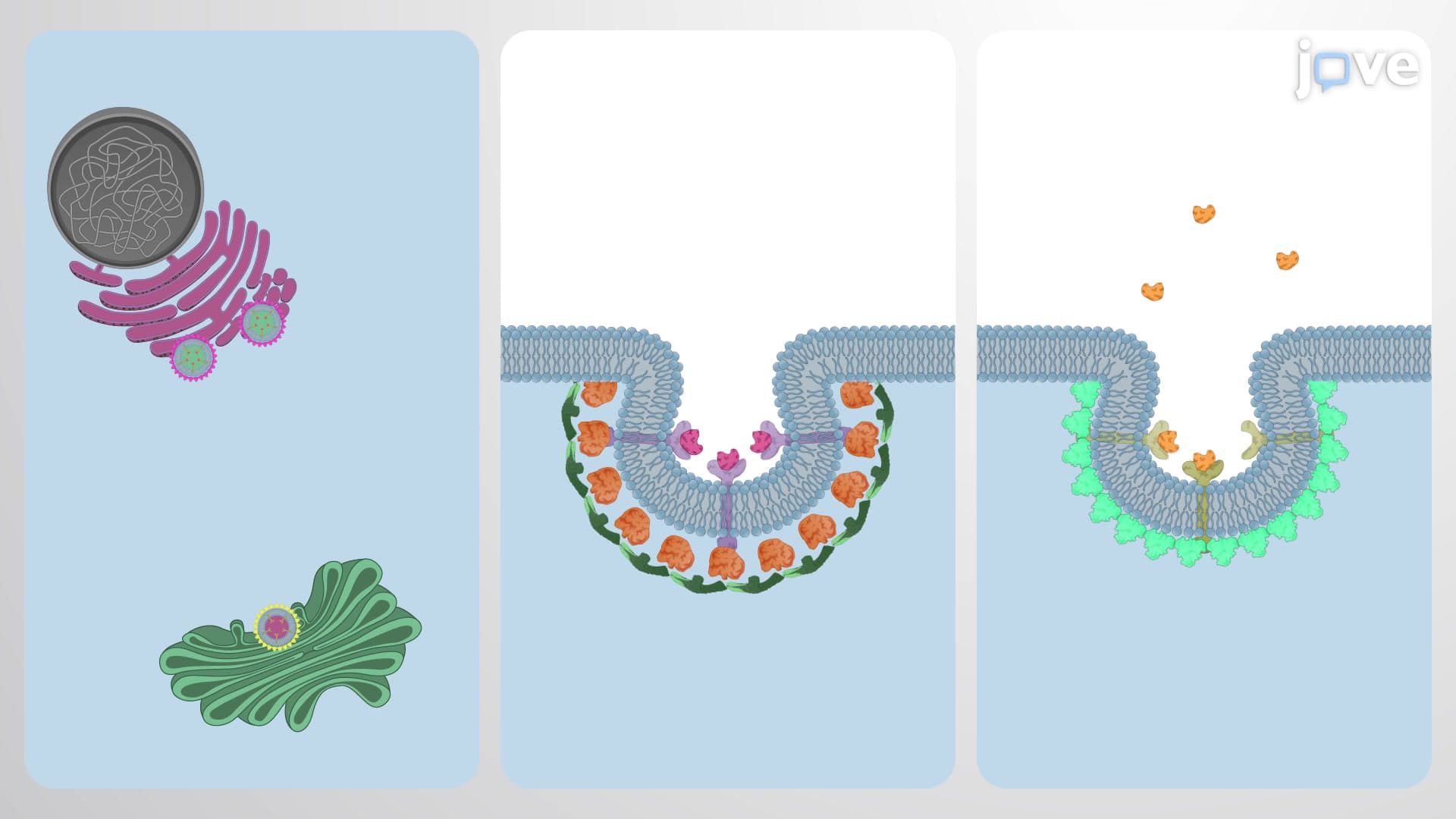
Every second, your body's cells perform an intricate dance of molecular transport that rivals the logistics of Amazon's distribution network. Membrane traffic biology explained reveals how cells use specialized pathways to move essential materials like insulin from pancreatic beta cells to your bloodstream during glucose regulation. What is membrane traffic encompasses three critical processes: the secretory pathway for internal transport, endocytosis for importing materials, and exocytosis for cellular export. Watch the full video on JoVE Coach to master this concept with expert-led visuals and step-by-step explanations.
- Understand what is membrane traffic and how it maintains cellular homeostasis through coordinated transport mechanisms
- Identify the three major categories of membrane trafficking: secretory pathway, endocytosis, and exocytosis
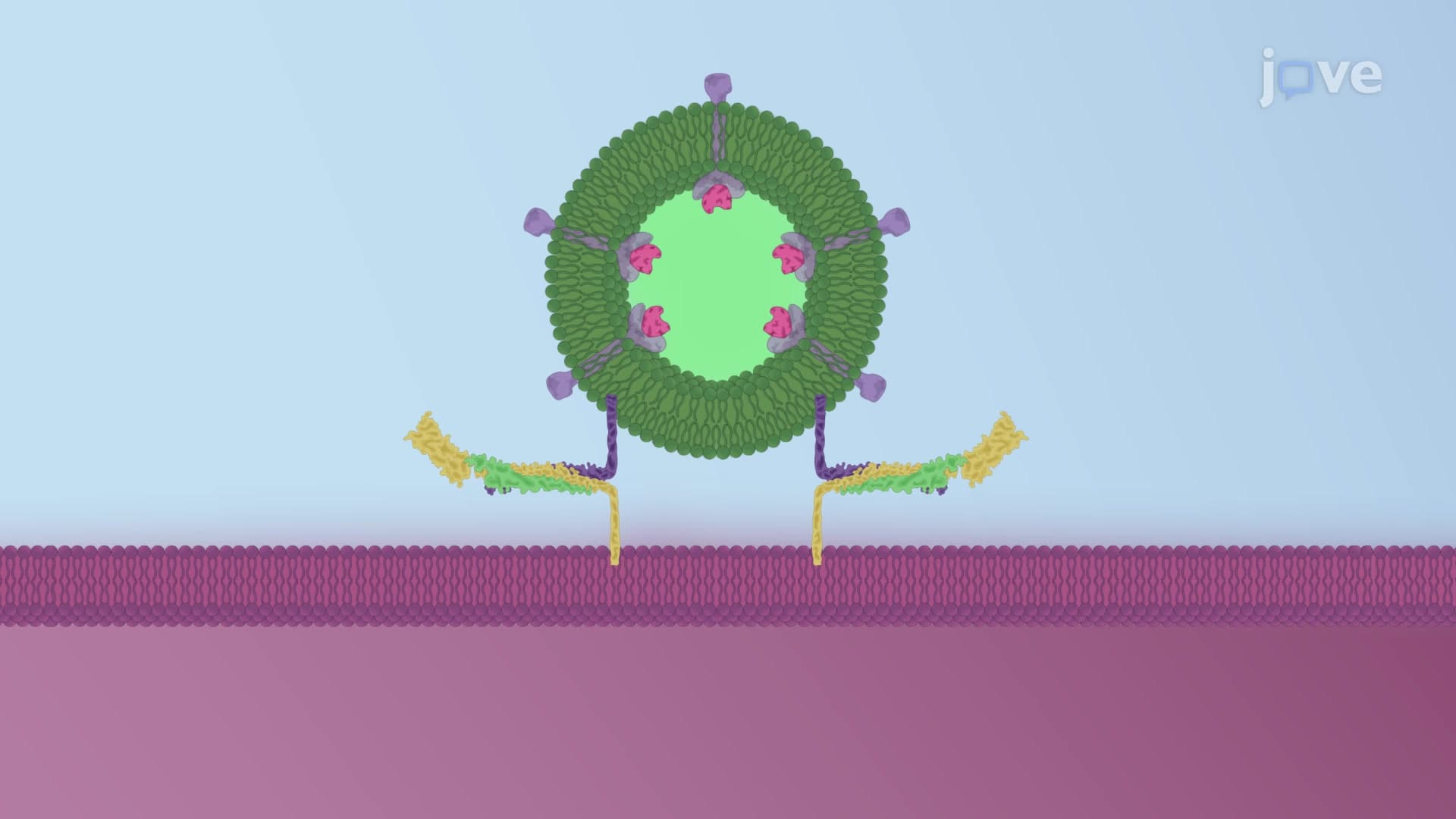
- Analyze the role of SNARE proteins in vesicle docking and membrane fusion processes
- Compare pinocytosis and phagocytosis as distinct forms of endocytic membrane traffic
- Evaluate how vesicle membrane trafficking enables bidirectional material exchange across cellular boundaries
- Apply knowledge of intracellular membrane traffic to explain hormone secretion and nutrient uptake
- Recognize the importance of membrane trafficking pathways in cellular communication and waste removal
- Explore connections between membrane traffic dysfunction and human diseases
Understanding What is Membrane Traffic in Cell Biology
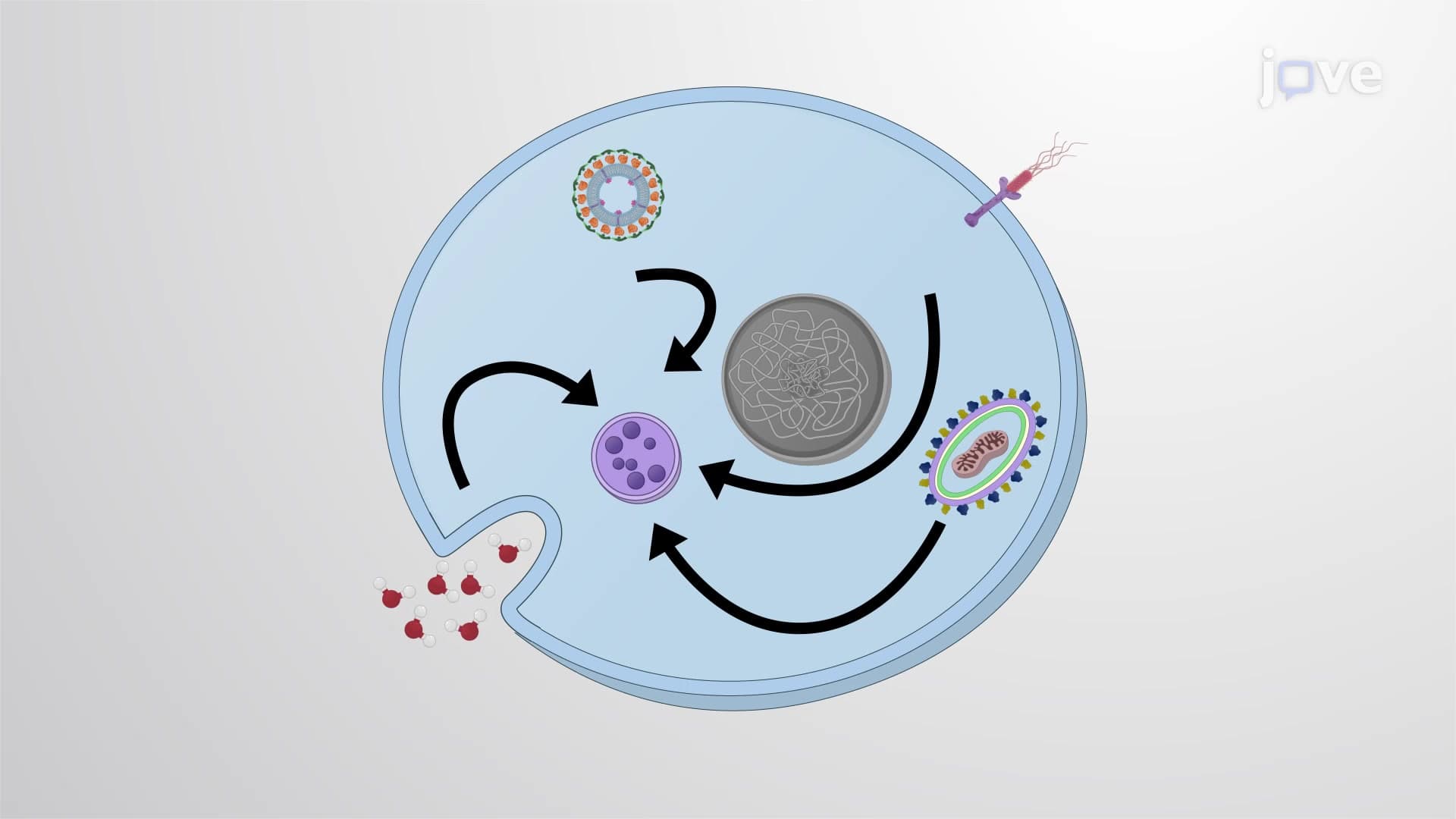
Intracellular membrane traffic represents one of cell biology's most sophisticated transport systems, orchestrating the precise movement of molecules throughout cellular compartments. This process ensures that proteins reach their correct destinations, nutrients enter cells efficiently, and waste products are properly eliminated. From the insulin-producing beta cells in your pancreas to the immune cells patrolling your bloodstream, membrane trafficking governs essential physiological functions.
The Secretory Pathway: Internal Cellular Highway
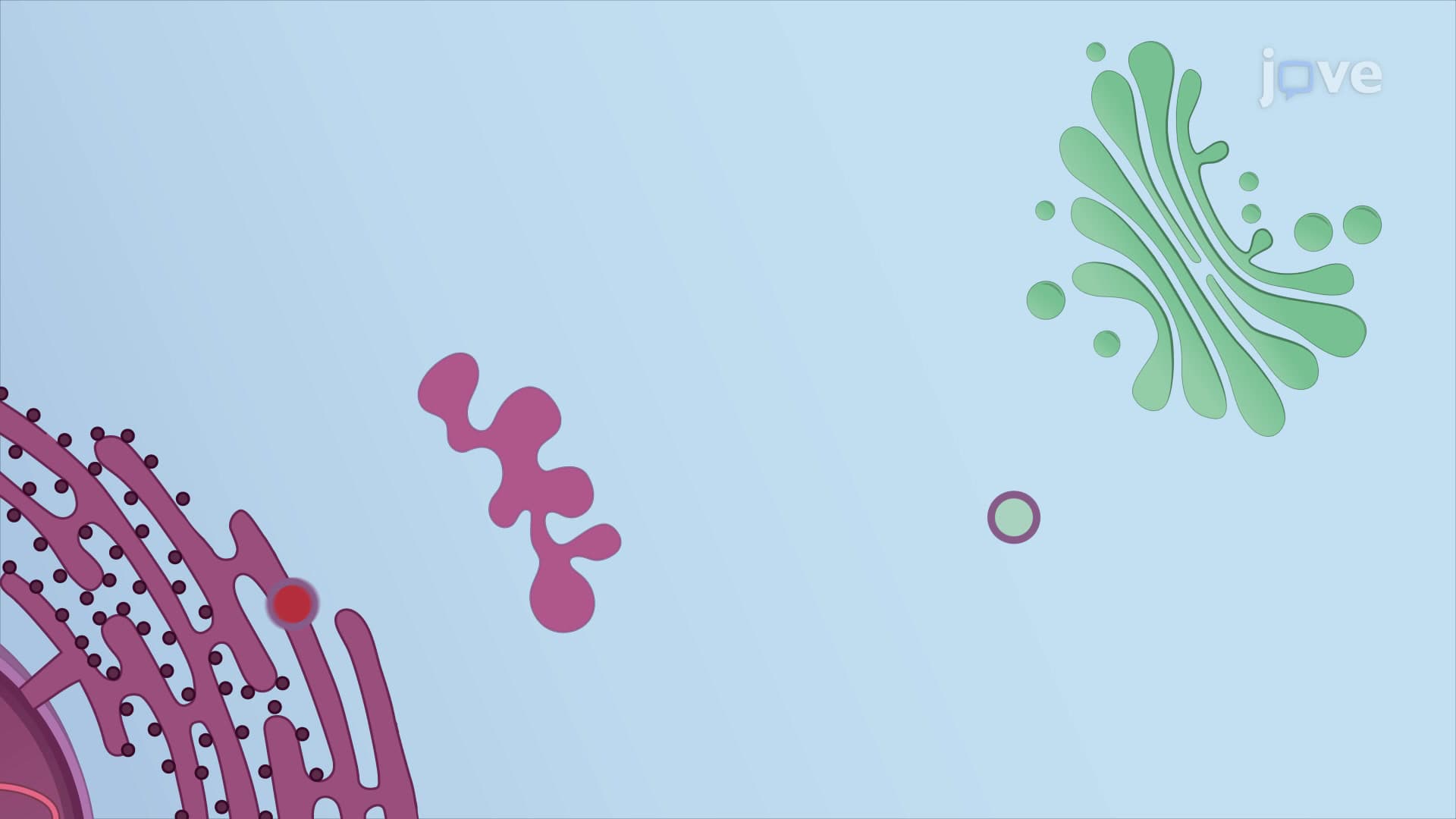
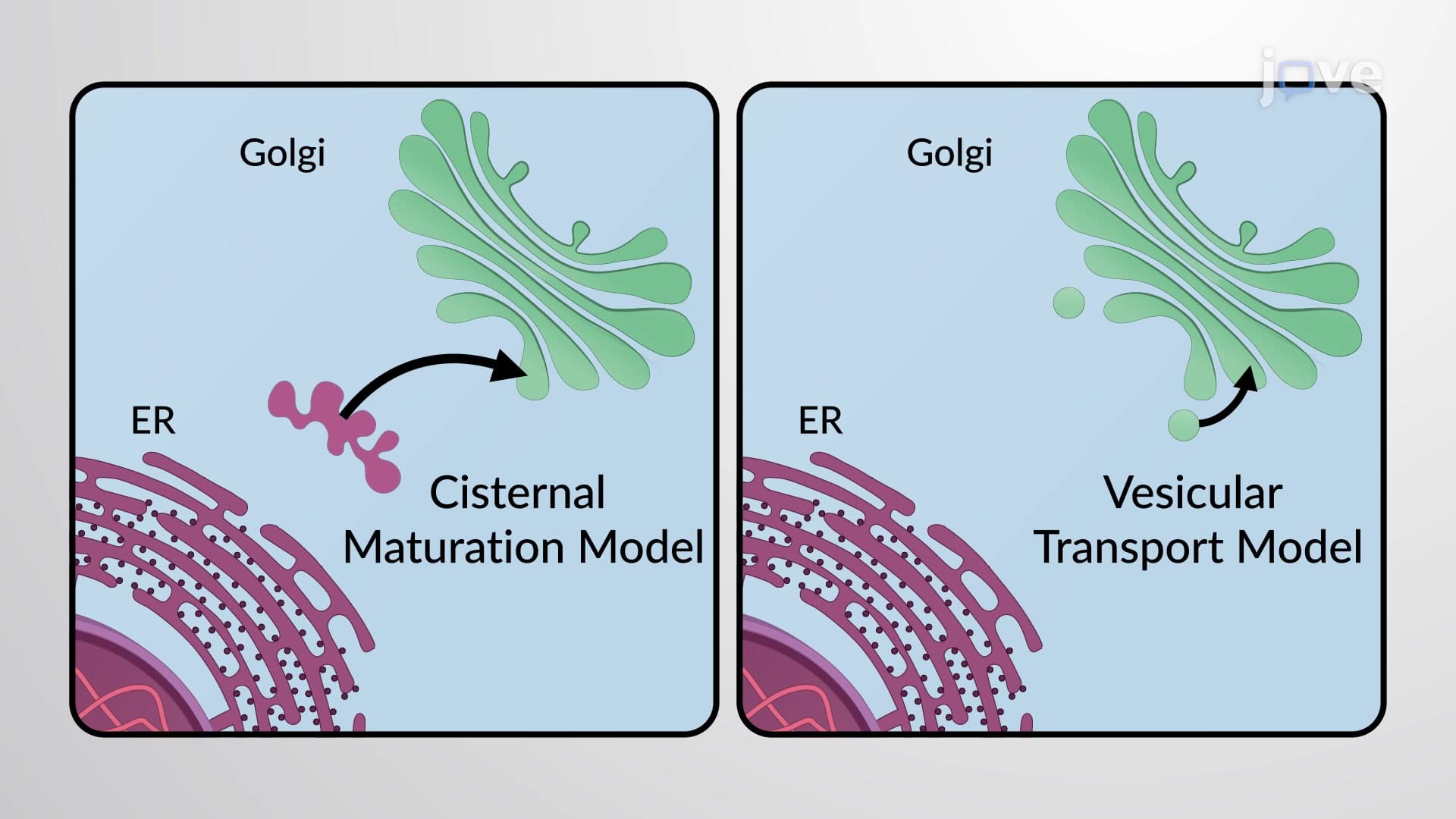
The secretory pathway membrane system functions like a highly organized postal service within cells. Beginning at the endoplasmic reticulum, newly synthesized proteins are packaged into membrane-bound vesicles and transported through the Golgi apparatus for processing and modification. SNARE proteins act as molecular zip codes, ensuring vesicles dock with their intended target membranes. This pathway is crucial for producing digestive enzymes in pancreatic acinar cells and manufacturing antibodies in plasma cells.
Endocytosis and Exocytosis: Cellular Import-Export Operations
Endocytosis exocytosis traffic represents complementary processes that regulate cellular boundaries. During endocytosis, cells internalize materials through receptor-mediated uptake or bulk transport. For example, liver cells use receptor-mediated endocytosis to remove LDL cholesterol from blood circulation. Pinocytosis allows cells to sample their environment by engulfing extracellular fluid, while phagocytosis enables immune cells like macrophages to engulf pathogens and cellular debris.
Conversely, exocytosis releases cellular products into the extracellular environment. Neurotransmitter release at synapses exemplifies this process, where calcium influx triggers vesicle fusion with the presynaptic membrane, enabling neural communication.
Clinical and Academic Relevance
Understanding vesicle membrane trafficking proves essential for AP Biology students tackling cellular processes and MCAT preparation covering cell biology. Medical conditions like cystic fibrosis result from defective membrane trafficking of chloride channels, while botulism toxin disrupts SNARE proteins, preventing neurotransmitter release. College biochemistry courses frequently examine these mechanisms in the context of protein sorting diseases and metabolic disorders.
Frequently Asked Questions
Membrane traffic is the cellular process that transports materials between organelles and across cell boundaries using membrane-bound vesicles. It includes three main pathways: secretory transport (moving materials within cells), endocytosis (importing materials), and exocytosis (exporting materials). This system maintains cellular organization and enables communication with the external environment.
MCAT questions often test vesicle transport mechanisms, SNARE protein function, and disease connections like cystic fibrosis. AP Biology exams focus on comparing endocytosis types, explaining secretory pathway steps, and analyzing membrane trafficking's role in cellular communication. Students should understand both molecular mechanisms and physiological applications.
Membrane trafficking defects cause serious diseases including Alzheimer's (impaired vesicle transport), diabetes (defective insulin secretion), and immune deficiencies (faulty antigen presentation). Cystic fibrosis results from misfolded CFTR protein trafficking, while some cancer cells exploit membrane trafficking to evade immune detection and metastasize.
Basic high school chemistry and introductory biology provide sufficient background for understanding membrane trafficking concepts. While advanced biochemistry enhances comprehension of molecular details, the fundamental principles rely on understanding protein function, membrane structure, and cellular organization taught in standard biology courses.
Create concept maps connecting the three trafficking pathways, practice drawing vesicle transport diagrams, and memorize key proteins like SNAREs and their functions. Use active recall to explain how trafficking defects cause diseases, and solve practice problems involving hormone secretion and nutrient uptake mechanisms.
Membrane trafficking integrates with protein synthesis (secretory pathway), cellular respiration (organelle maintenance), and signal transduction (receptor trafficking). It's essential for understanding enzyme regulation, hormone action, immune responses, and neuronal communication, making it a central theme in advanced biology courses.
Cell biology, biochemistry, and molecular biology courses provide comprehensive coverage of membrane trafficking mechanisms. Medical school curricula examine trafficking in pathology and pharmacology contexts, while graduate programs investigate cutting-edge research in vesicle dynamics and therapeutic targets.
Related Micro-courses
17 Concepts
12 Concepts
7 Concepts