Loading subject page…


157,134 views

Video Summary: What Is Oligosaccharide Assembly
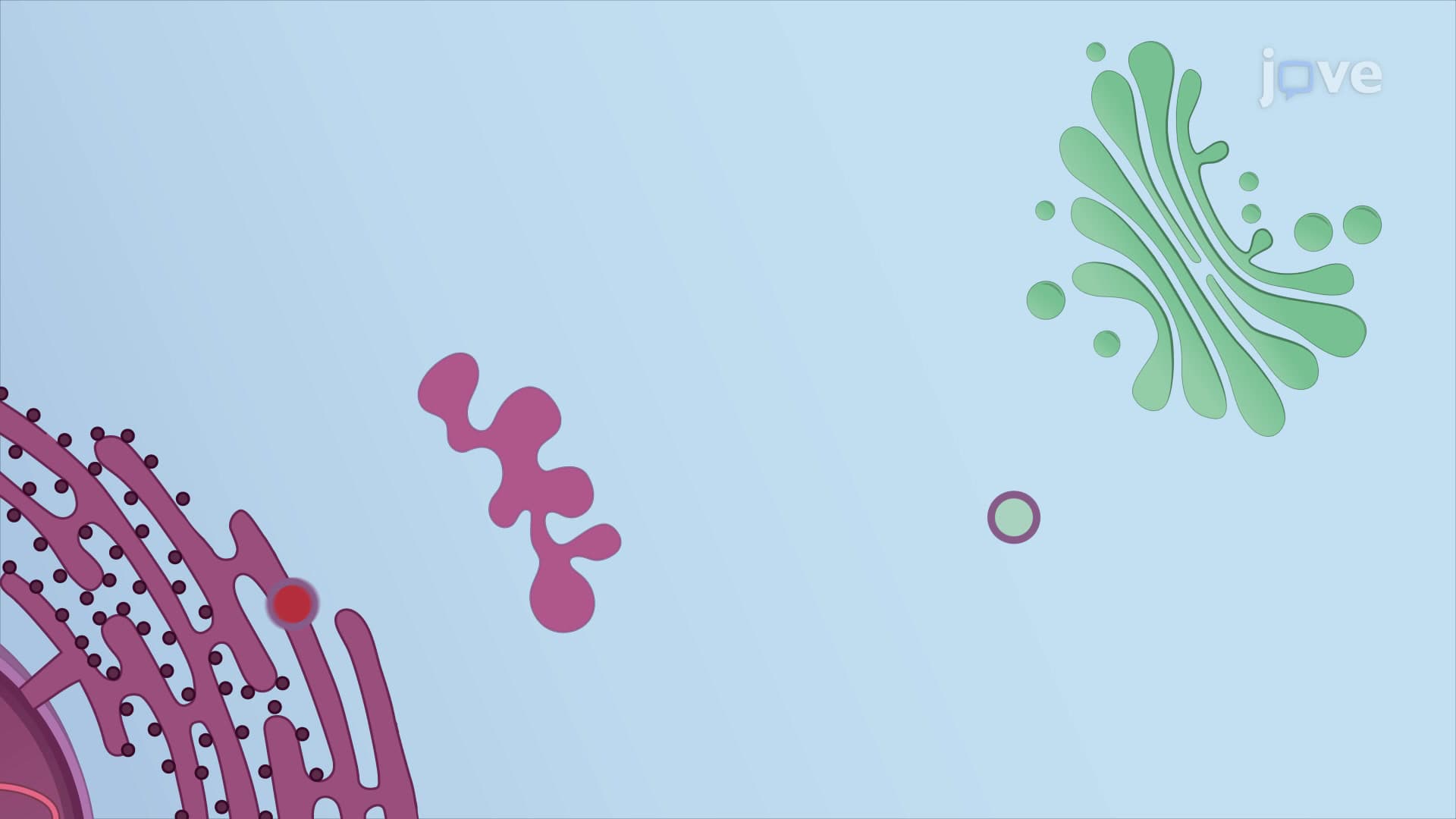
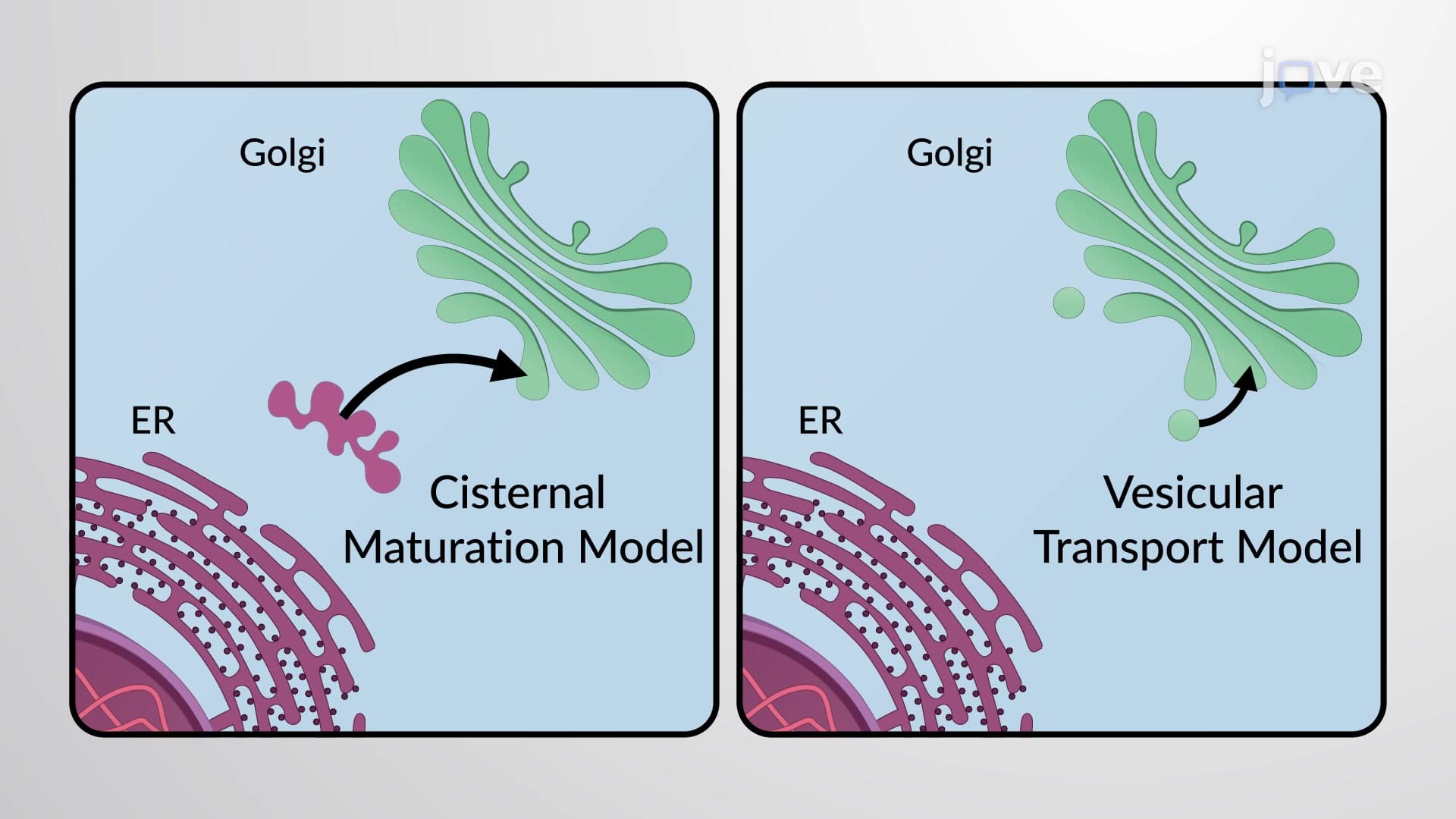
Ever wonder how insulin and other life-saving proteins get their complex sugar decorations? Oligosaccharide assembly is the intricate cellular process where proteins receive elaborate sugar side chains through a carefully orchestrated dance between the endoplasmic reticulum and Golgi apparatus. Take monoclonal antibody drugs like Rituxan, used in cancer treatment-their therapeutic effectiveness depends entirely on proper oligosaccharide assembly. Watch the full video on JoVE Coach to master this concept with expert-led visuals and step-by-step explanations.
Oligosaccharide assembly represents one of the most sophisticated post-translational modifications in cell biology. This process transforms simple proteins into complex glycoproteins through the systematic addition and modification of carbohydrate chains. Unlike basic protein synthesis, oligosaccharide assembly requires the coordinated effort of two major cellular compartments working in precise sequence.
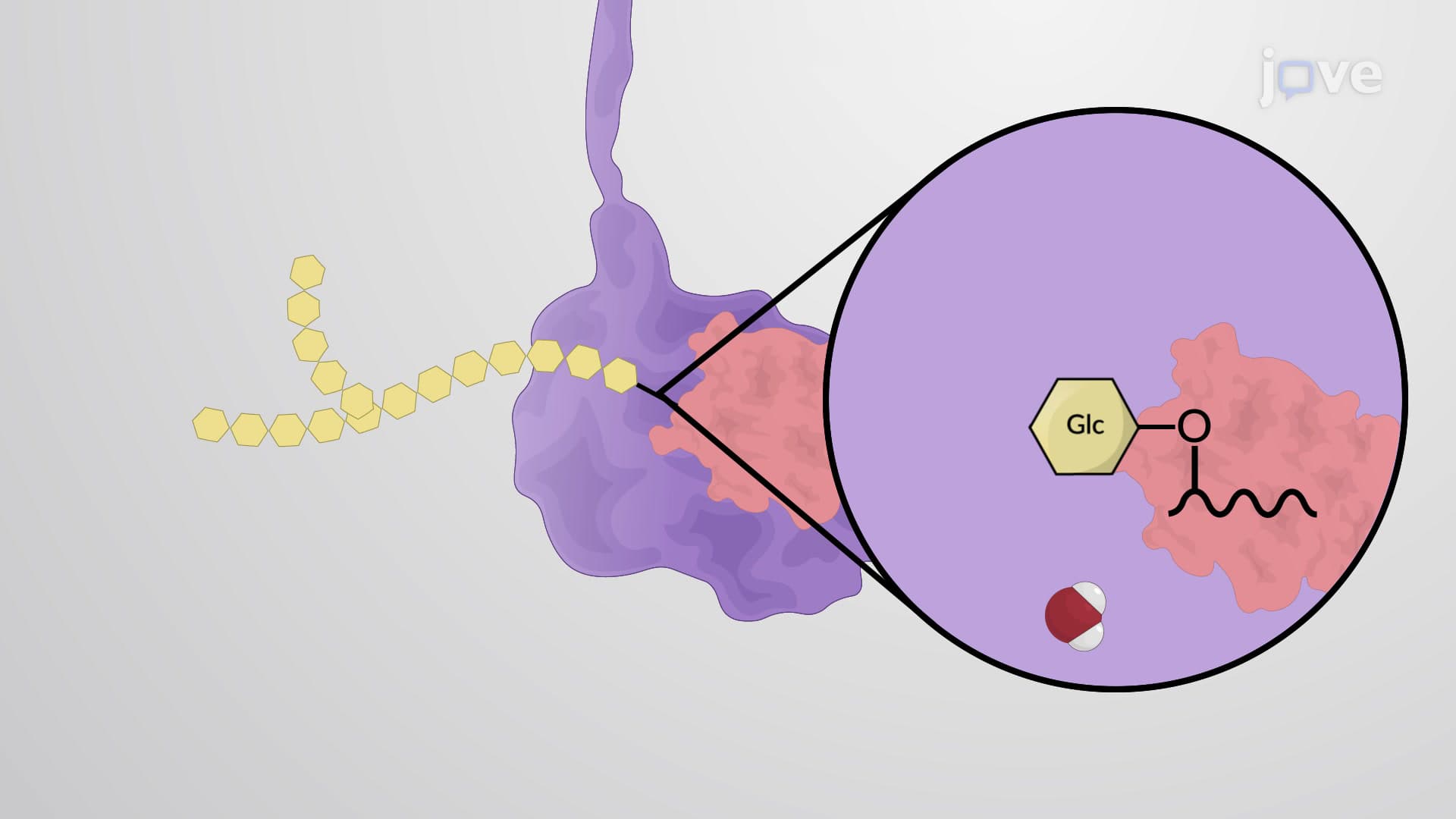
The assembly process begins in the endoplasmic reticulum (ER), where newly synthesized proteins receive their initial oligosaccharide decorations. A pre-formed 14-sugar precursor structure attaches to specific asparagine residues on target proteins through N-linked glycosylation. This process occurs co-translationally, meaning it happens while the protein is still being made.
The ER phase focuses on quality control and initial trimming. Glucosidase I removes the terminal glucose unit, followed by glucosidase II, which removes two additional glucose residues. An ER-specific mannosidase then trims one mannose residue, creating a signal that the protein is ready for transport to the Golgi apparatus. Students preparing for the MCAT should note that this trimming pattern serves as a molecular "passport" for ER exit.
Once proteins reach the Golgi apparatus, the real complexity of oligosaccharide assembly begins. Mannosidase I removes three mannose residues from different branches of the oligosaccharide tree, creating space for new additions. The enzyme works with remarkable specificity, targeting only certain mannose residues while leaving others intact.
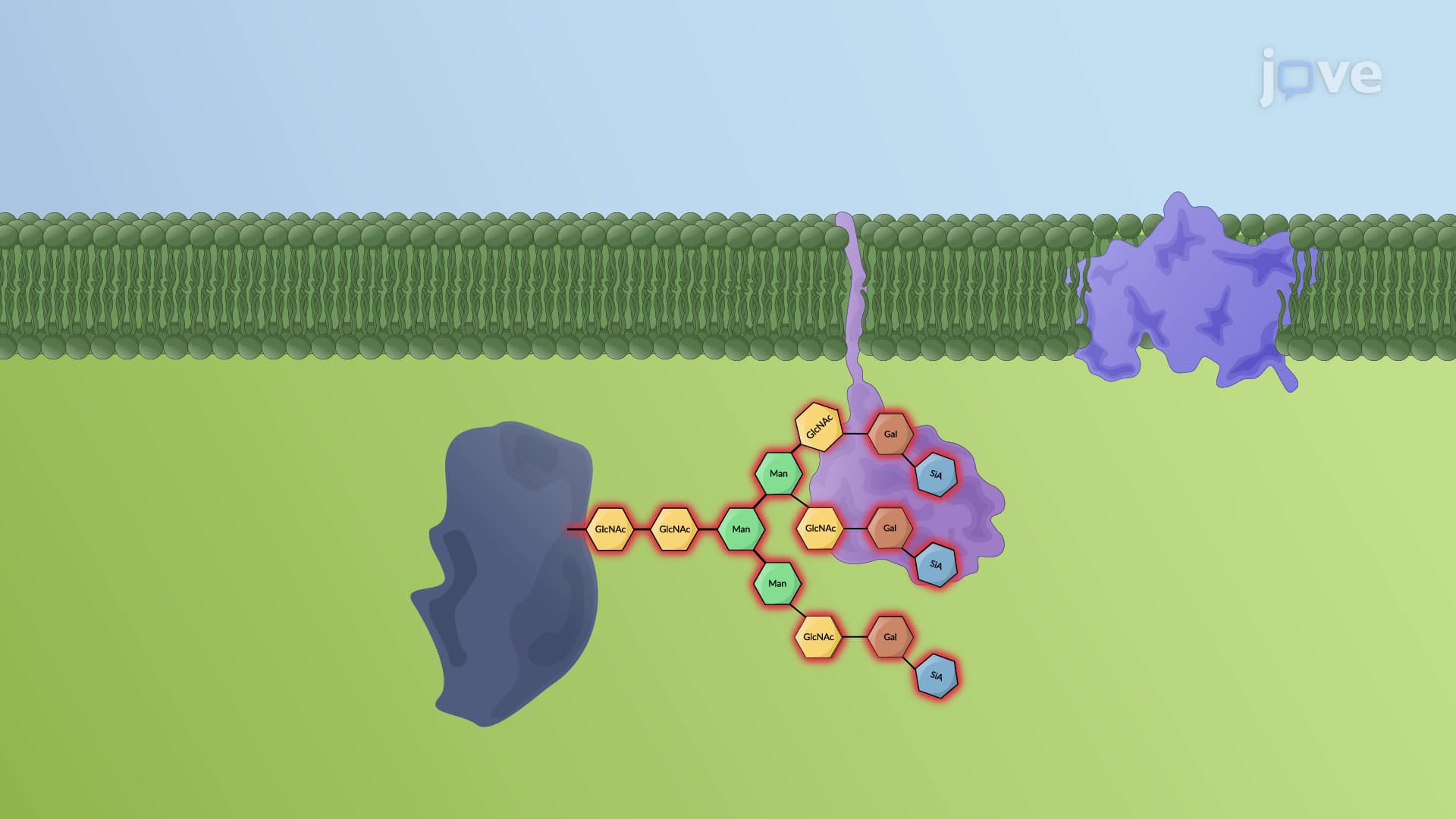
The Golgi's unique environment allows for the addition of diverse sugar units. N-acetylglucosamine transferases add the first building blocks of complex-type oligosaccharides. Mannosidase II then performs final trimming, removing two more mannose residues to create the characteristic three-mannose core found in mature N-linked glycoproteins.
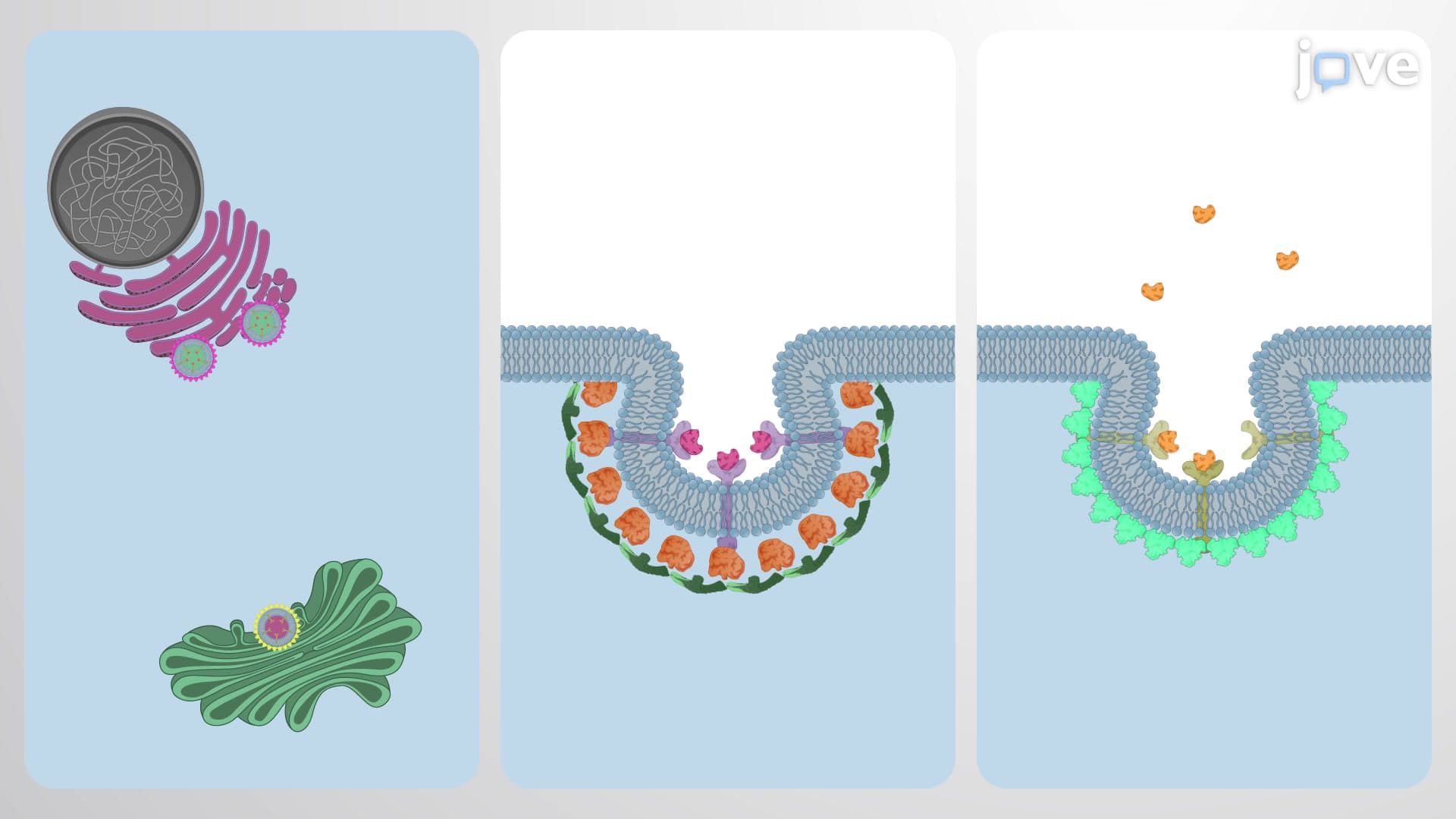
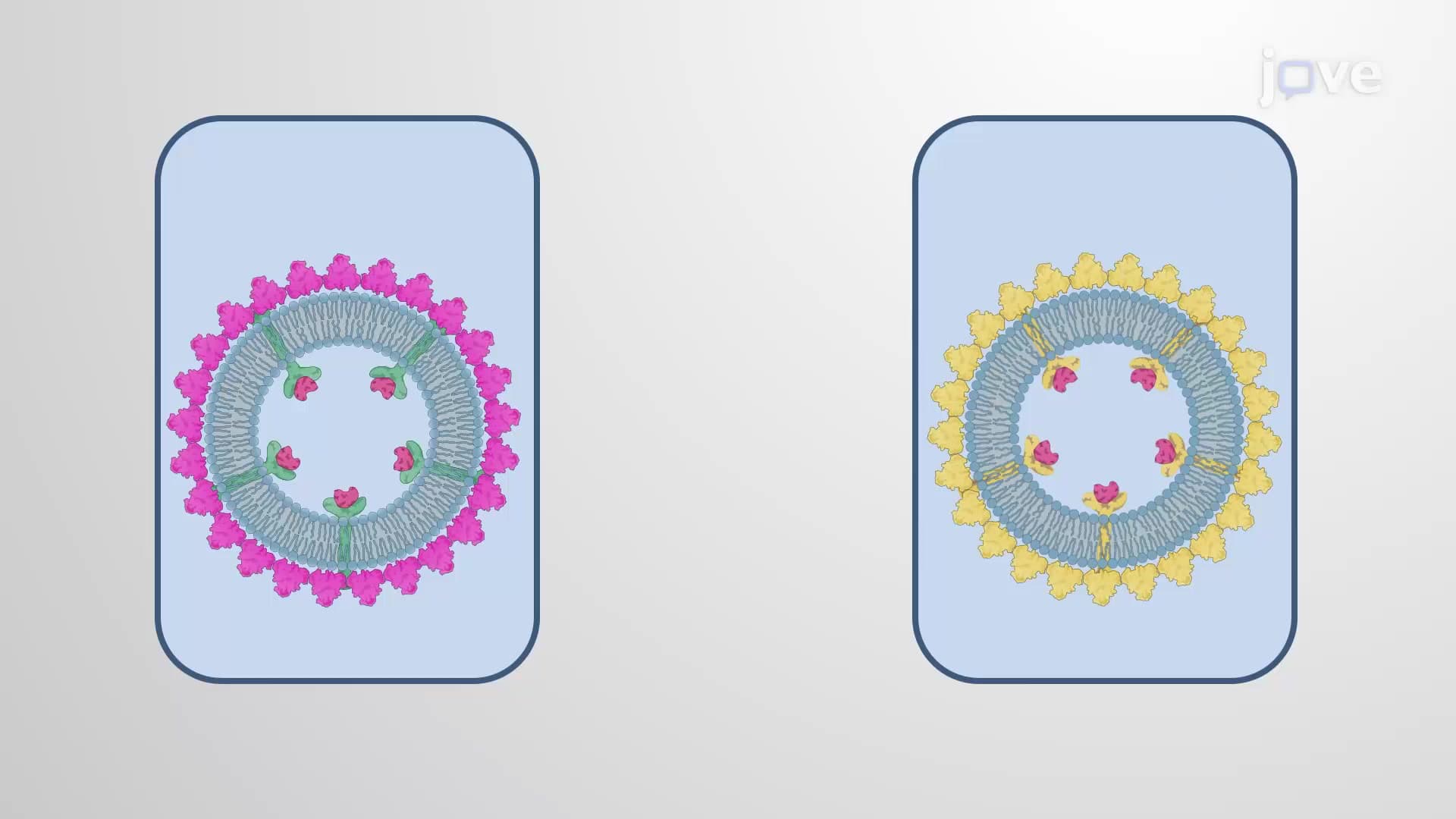
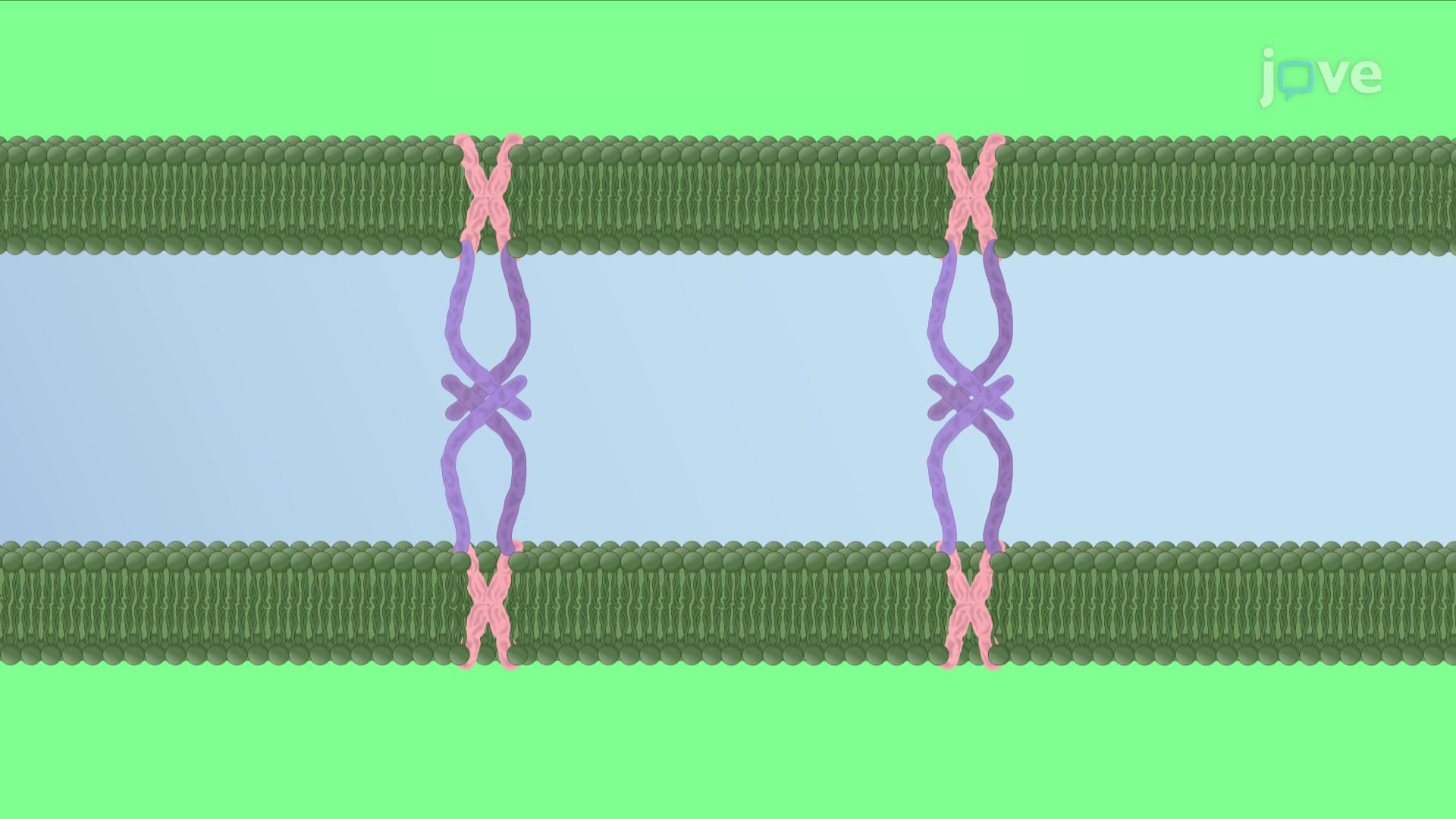
A critical aspect often overlooked in AP Biology courses is the nucleotide sugar transport system. Specialized transporters move activated sugars (like UDP-N-acetylglucosamine) from the cytosol into the Golgi lumen. These transporters operate through an antiport mechanism, exchanging the incoming nucleotide sugar for the nucleotide phosphate byproduct of the previous reaction. This elegant recycling system ensures continuous sugar availability while maintaining proper Golgi chemistry.
The final steps involve adding terminal sugars like galactose and sialic acid, creating the mature complex oligosaccharides essential for protein function. These terminal modifications often determine protein stability, cellular localization, and biological activity-concepts frequently tested on college biochemistry exams.
Related Micro-courses