Loading video…


 21 Concepts
 157.2K views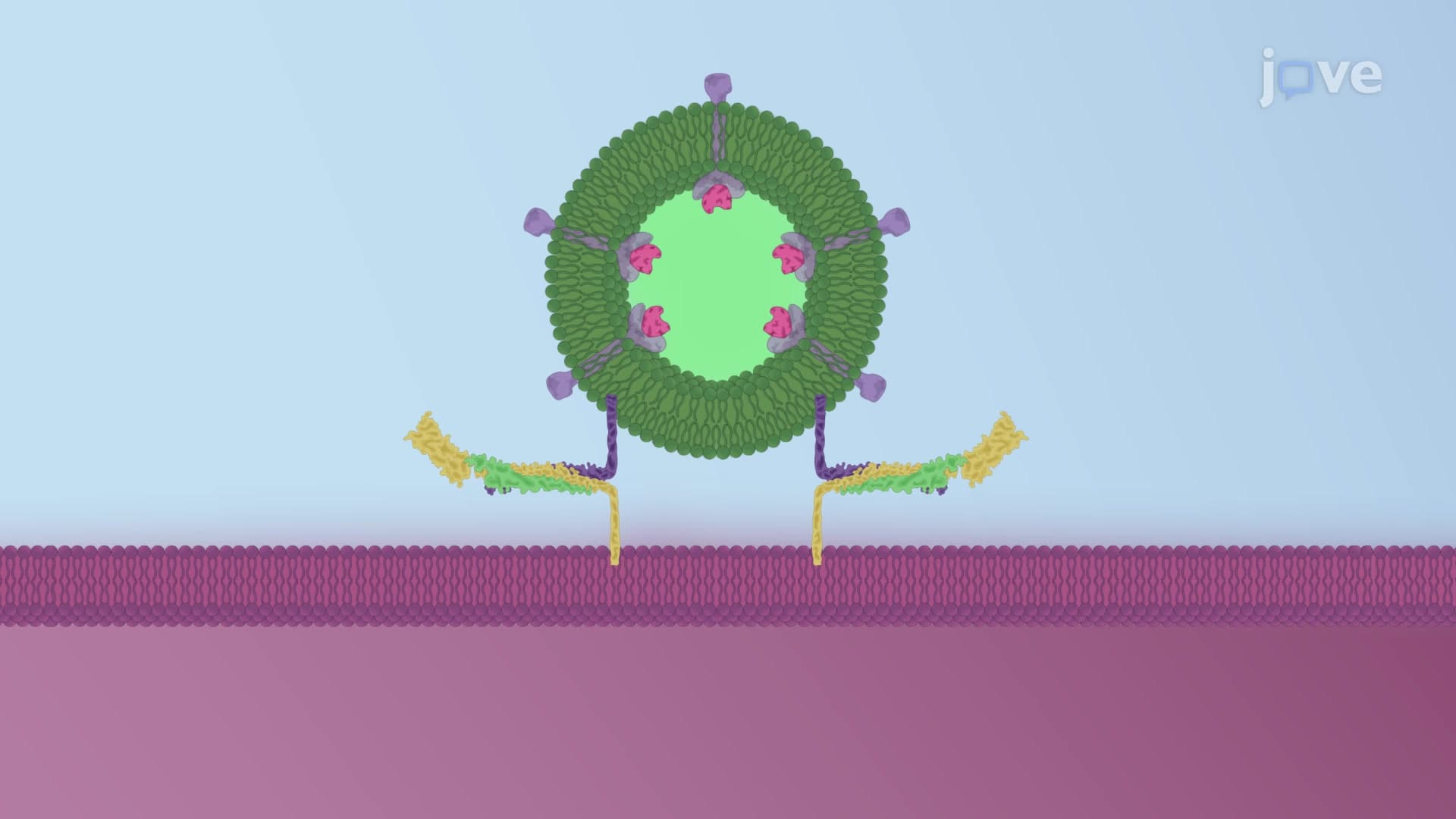

Video Summary: What Is Snares and Membrane Fusion
Ever wondered how your neurons communicate or how insulin gets released from pancreatic cells? Snares and membrane fusion makes these life-sustaining processes possible at the cellular level. In the human brain alone, billions of synaptic vesicles fuse with nerve cell membranes every second to transmit signals. What is Snares And Membrane Fusion involves specialized proteins called SNAREs that act like molecular zippers, bringing cell membranes close enough to merge completely. Watch the full video on JoVE Coach to master this concept with expert-led visuals and step-by-step explanations.
Snares and membrane fusion represents one of the most critical processes in cellular biology, enabling everything from neurotransmitter release to hormone secretion. This sophisticated mechanism allows cellular compartments to exchange materials through the controlled merger of lipid bilayers. The process requires extraordinary precision-membranes must approach within 1.5 nanometers of each other, a distance smaller than most proteins.
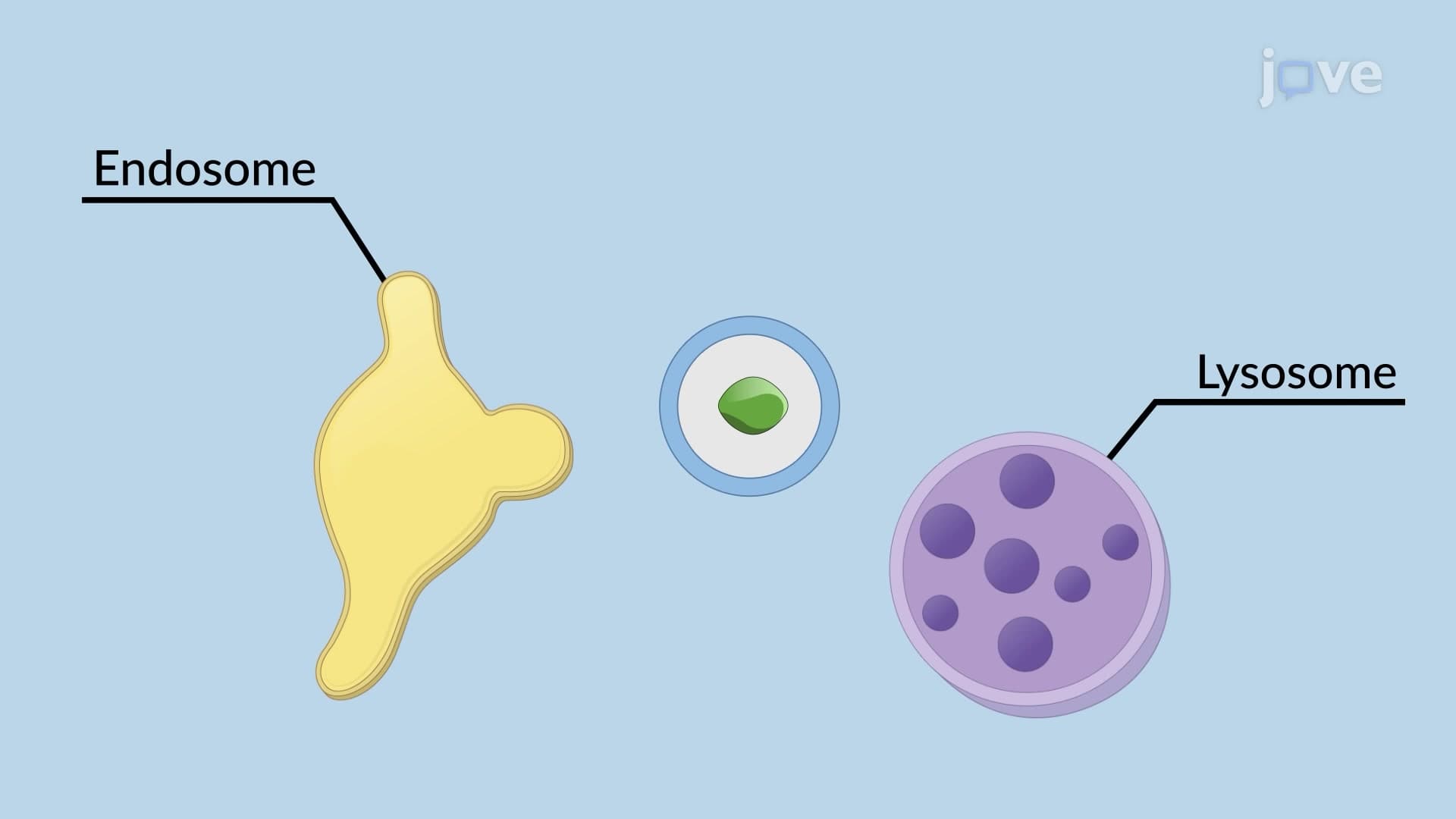
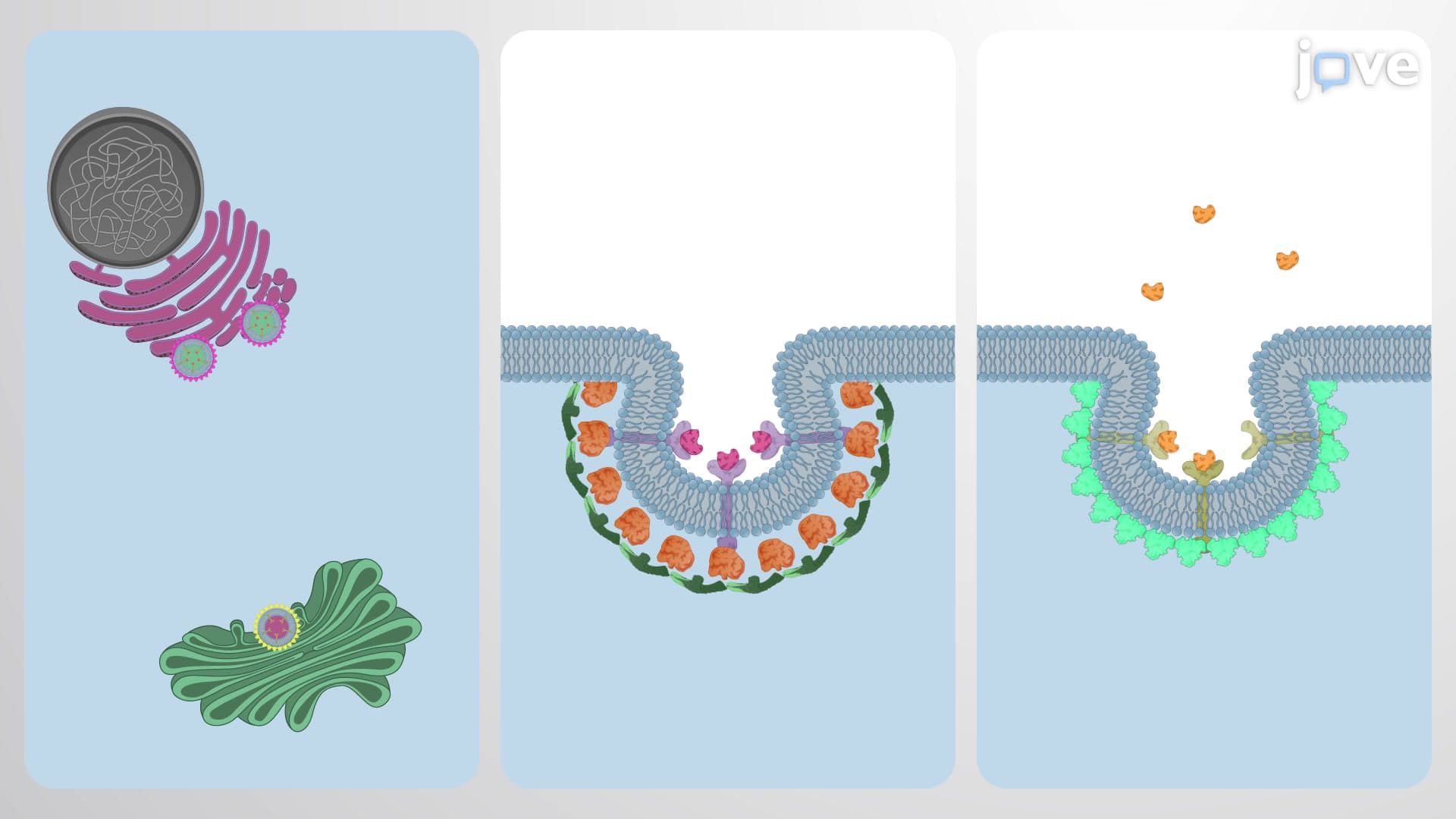
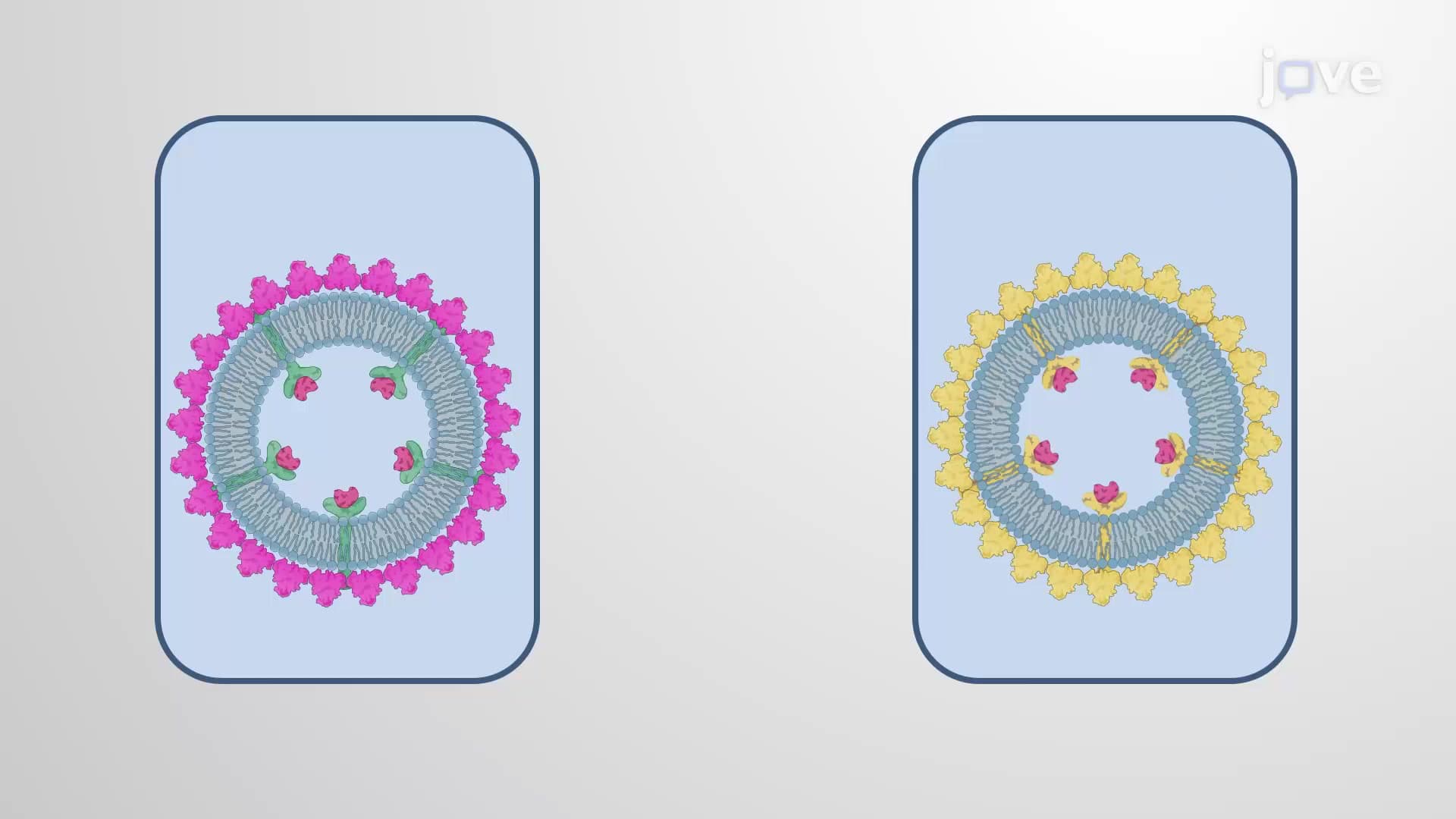
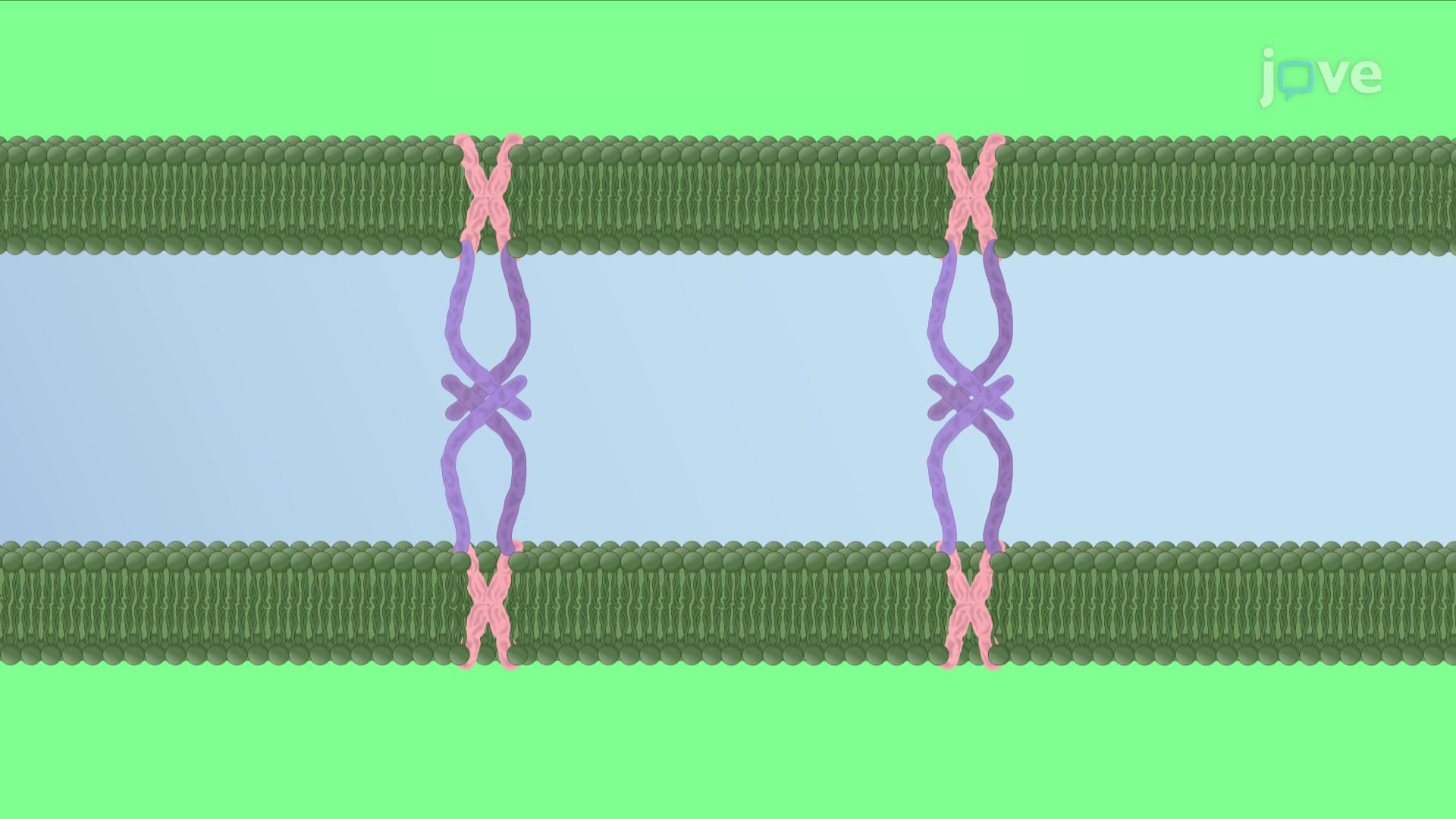
SNARE proteins function as the cellular fusion machinery, existing in two complementary forms. Vesicle SNAREs (v-SNAREs) embed in transport vesicles, while target SNAREs (t-SNAREs) reside in destination membranes like the plasma membrane or organelles. These transmembrane proteins contain characteristic helical domains that serve as molecular recognition sequences. When v-SNAREs and t-SNAREs encounter each other, their helical regions intertwine to form a stable trans-SNARE complex, similar to a molecular zipper drawing two membranes together.
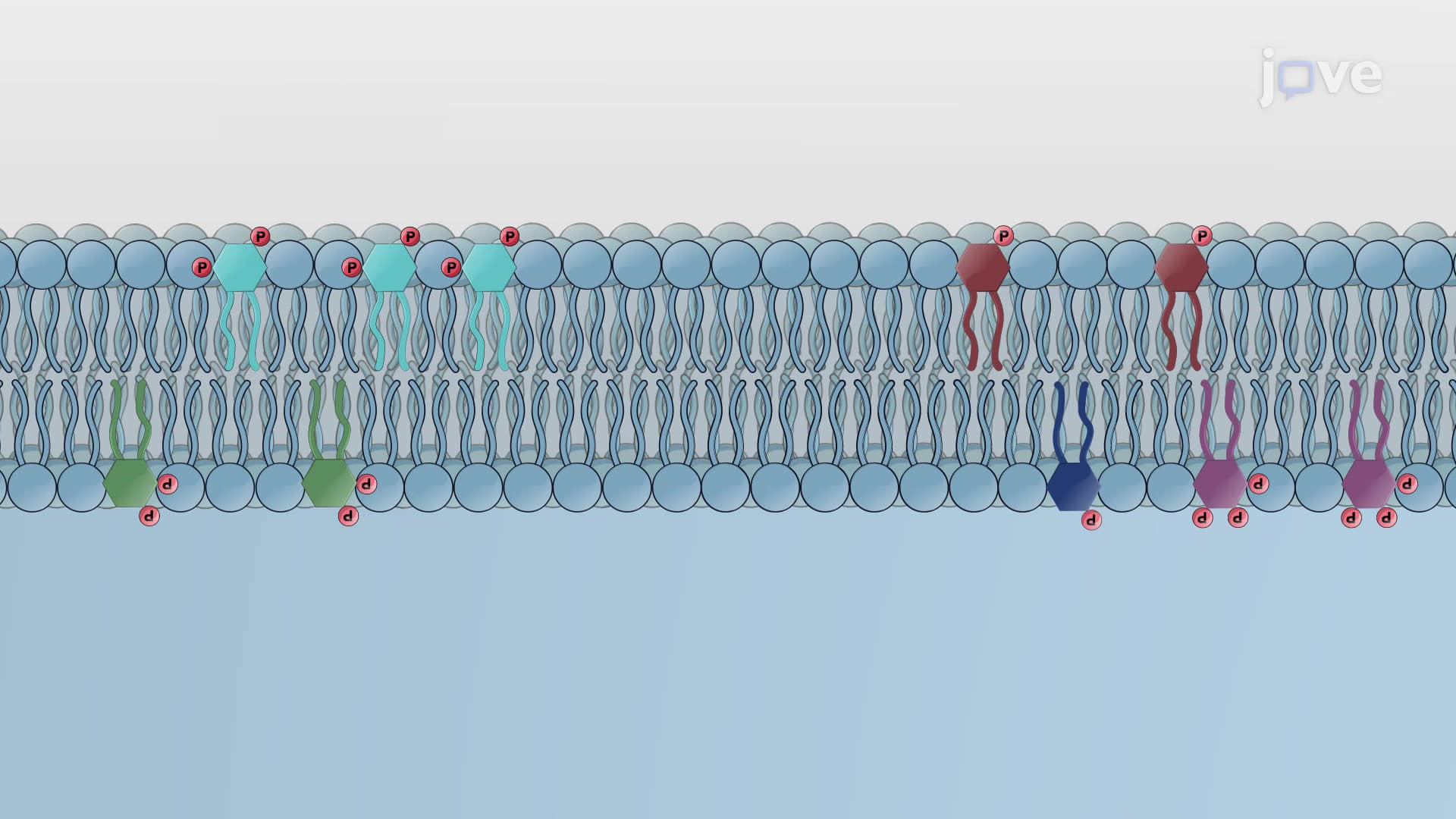
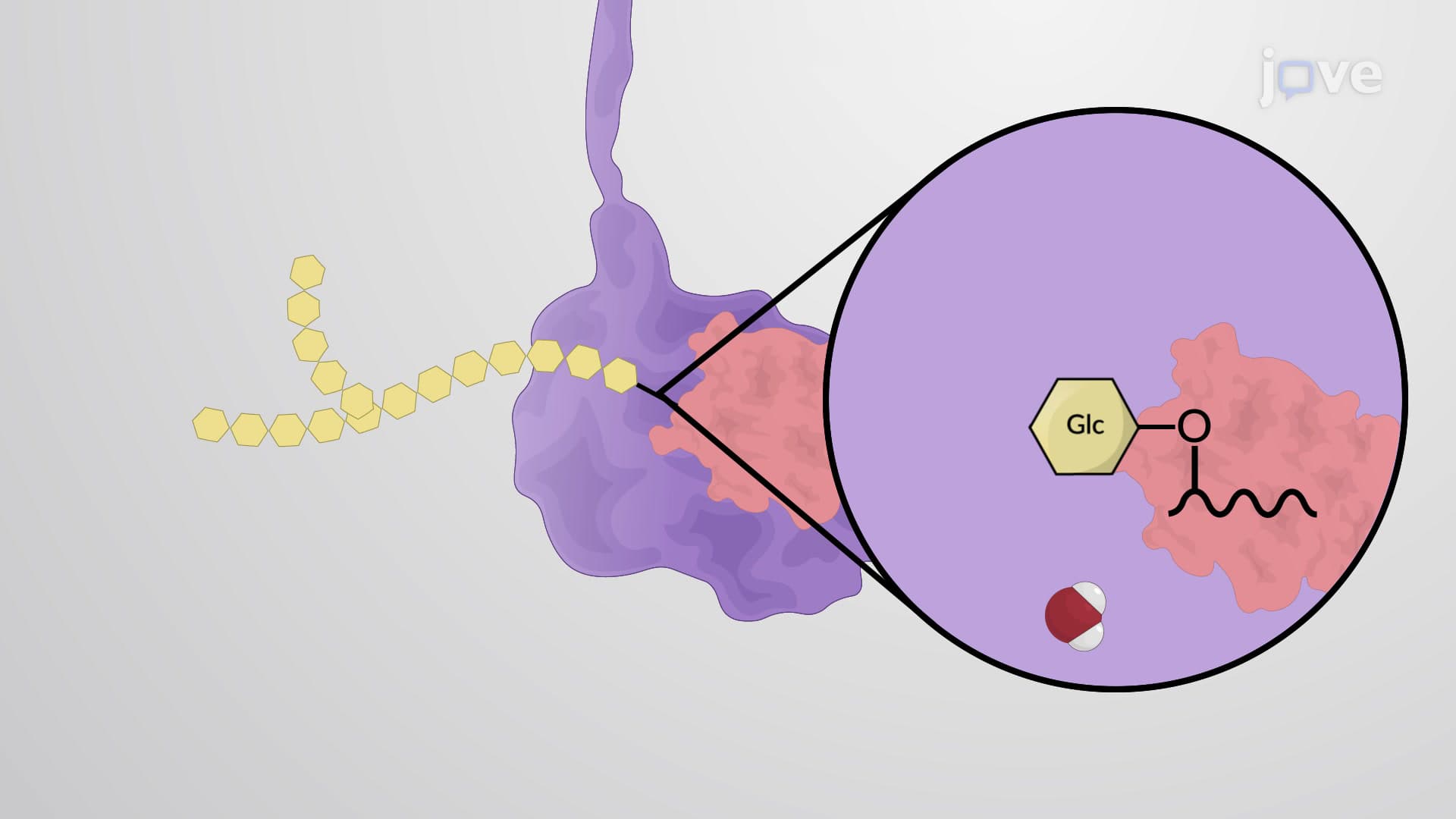
The fusion process overcomes significant thermodynamic barriers. Water molecules naturally hydrate membrane surfaces, creating an energetic penalty for bringing lipid bilayers into direct contact. The trans-SNARE complex formation releases substantial energy-approximately 35 kBT-sufficient to force water displacement and initiate lipid mixing. The process proceeds through distinct stages: initial contact, hemifusion (where only outer leaflets merge), and complete fusion involving inner leaflet merger and pore formation.
Understanding snares and membrane fusion proves essential for students preparing for advanced biology courses and medical entrance exams like the MCAT. This concept appears frequently in AP Biology exams, particularly in questions about cellular transport and communication. Medical students encounter SNARE dysfunction in neurological diseases-botulinum toxin cleaves specific SNARE proteins, preventing neurotransmitter release and causing muscle paralysis. Pharmaceutical research increasingly targets SNARE pathways for treating diabetes, where impaired insulin vesicle fusion contributes to disease progression.
Related Micro-courses