Loading subject page…


157,177 views

Video Summary: What Is Transport Across the Golgi
Did you know that every cell in your body processes thousands of proteins through a cellular assembly line more sophisticated than any Amazon warehouse? Transport across the Golgi involves two competing models that explain how proteins move through this critical organelle. Consider how insulin produced in pancreatic cells must be perfectly modified before reaching diabetic patients-this process depends entirely on understanding what is transport across the Golgi. Watch the full video on JoVE Coach to master this concept with expert-led visuals and step-by-step explanations.
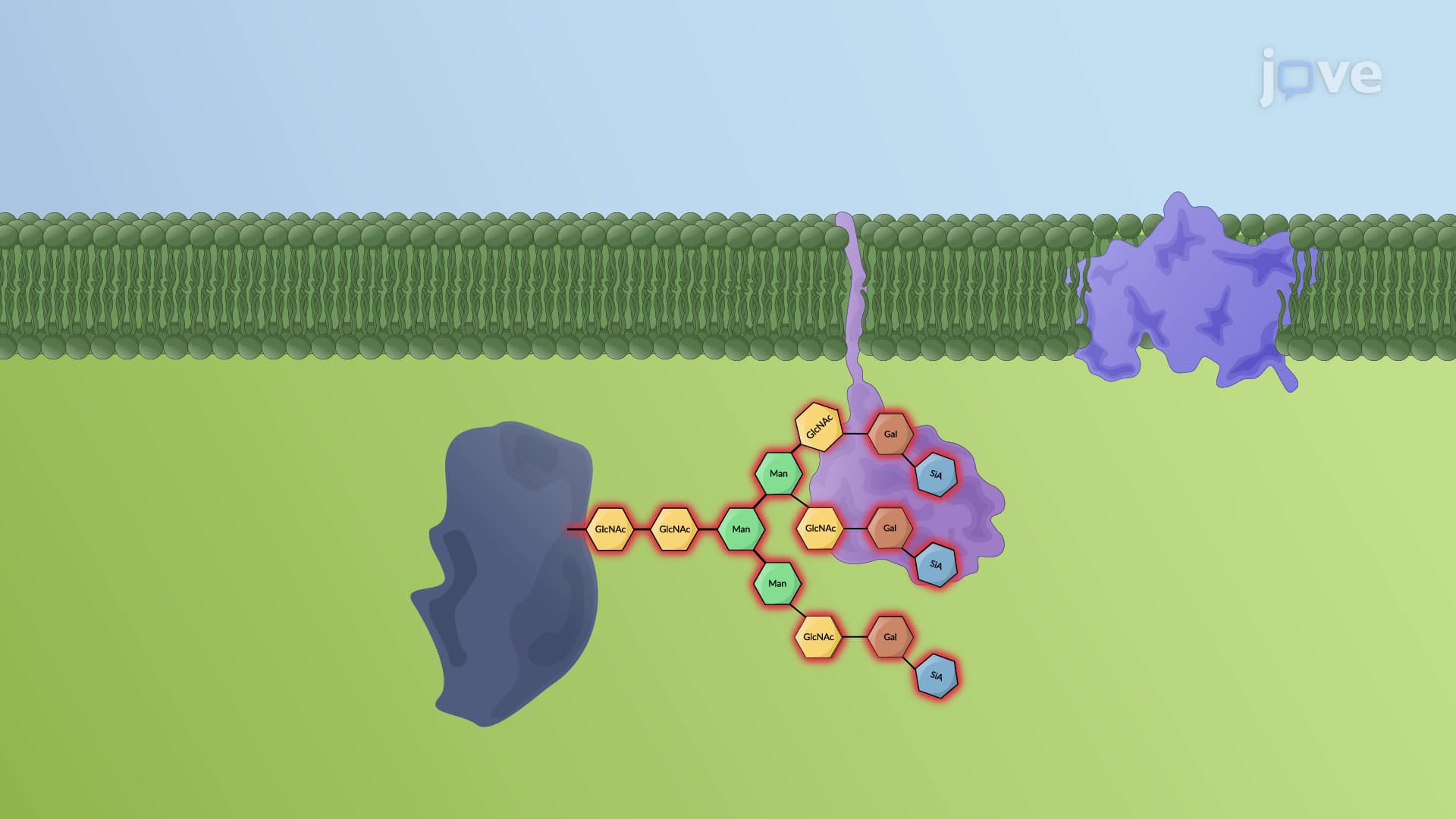
Transport across the Golgi represents one of cell biology's most debated mechanisms, involving how proteins move through the Golgi apparatus's stacked membrane compartments called cisternae. This process is crucial for protein modification, including glycosylation patterns that determine whether insulin works effectively in diabetic patients or whether neurotransmitters function properly in Alzheimer's research.
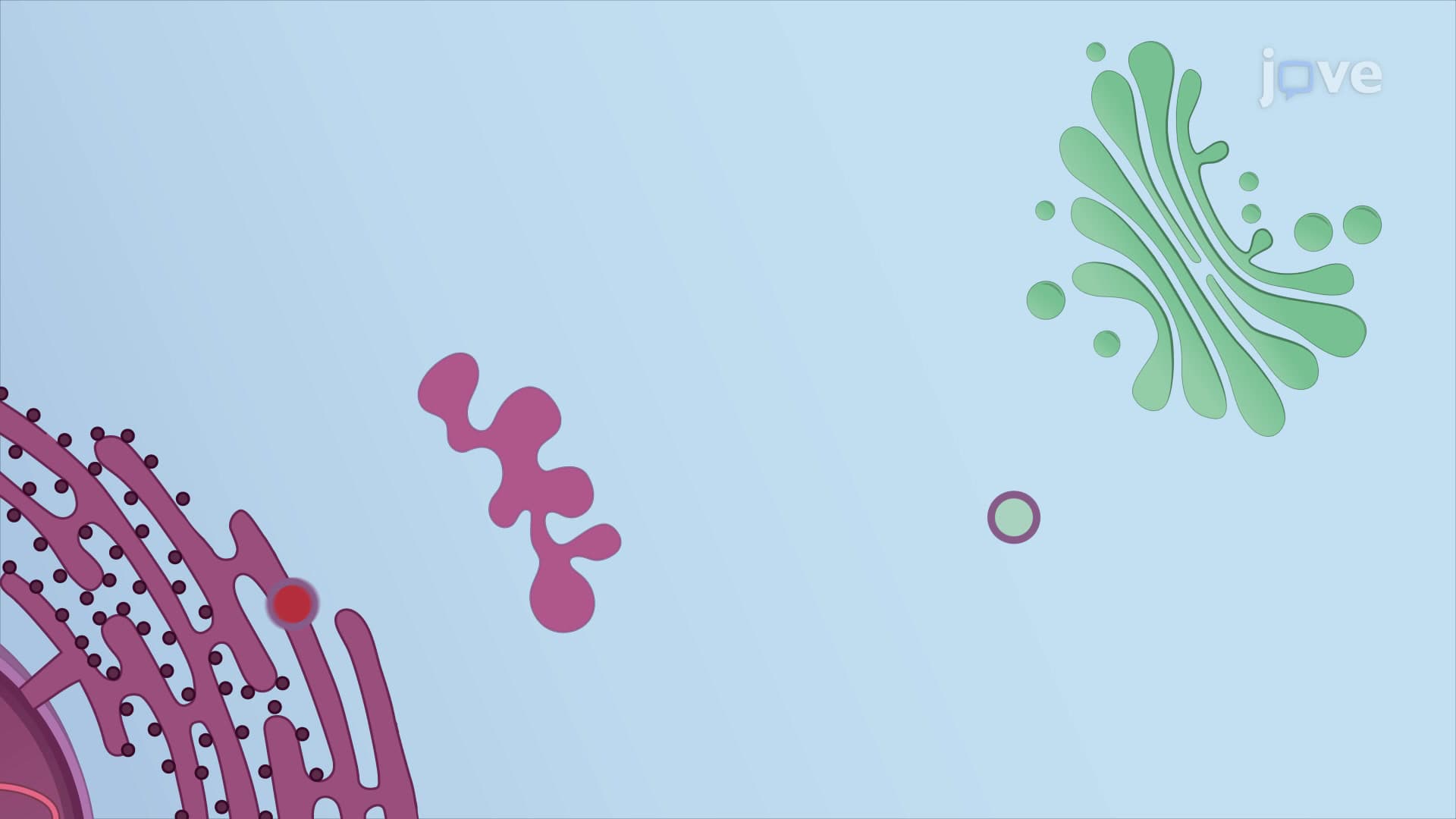
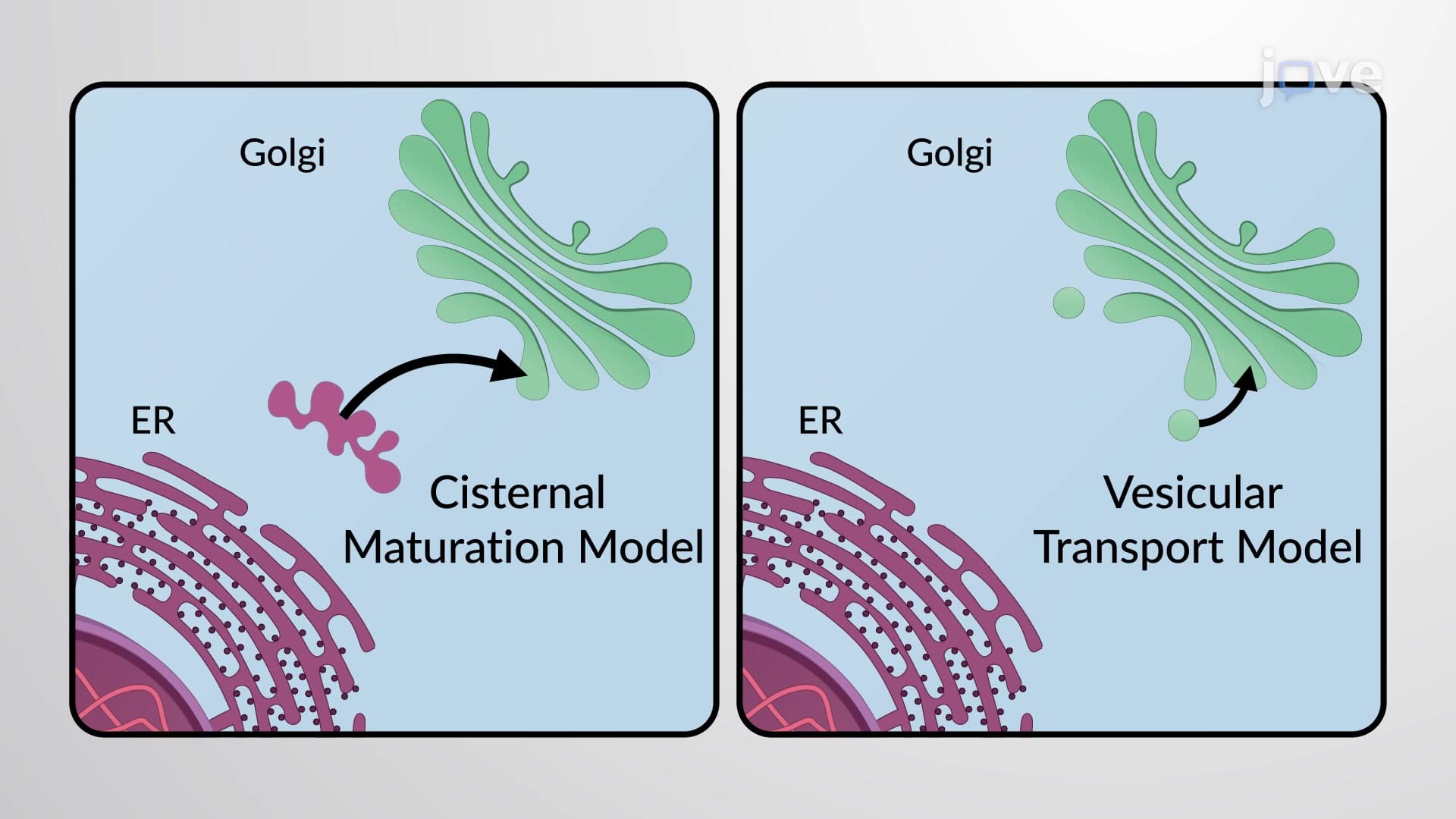
The cisternal maturation model proposes a revolutionary concept-Golgi compartments themselves move and change. Picture a conveyor belt where the belt itself transforms as it carries cargo. Vesicular tubular clusters (VTCs) from the endoplasmic reticulum become cis-cisternae, then progressively mature into medial and trans-cisternae. The enzyme composition changes during maturation, enabling sequential protein modifications. This model explains how large cargo (like collagen fibrils in bone formation) moves through the Golgi despite being too large for vesicular transport.
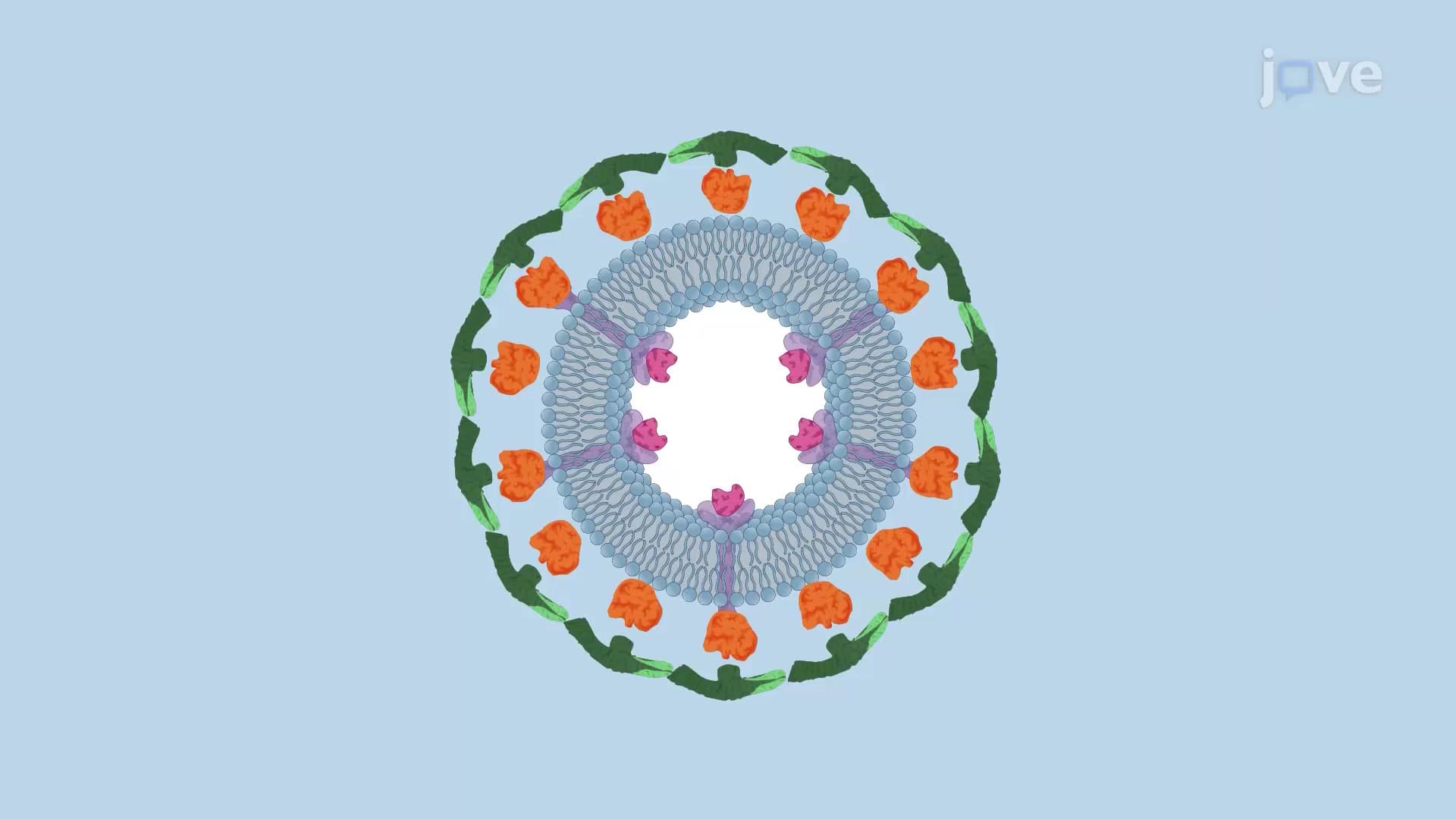
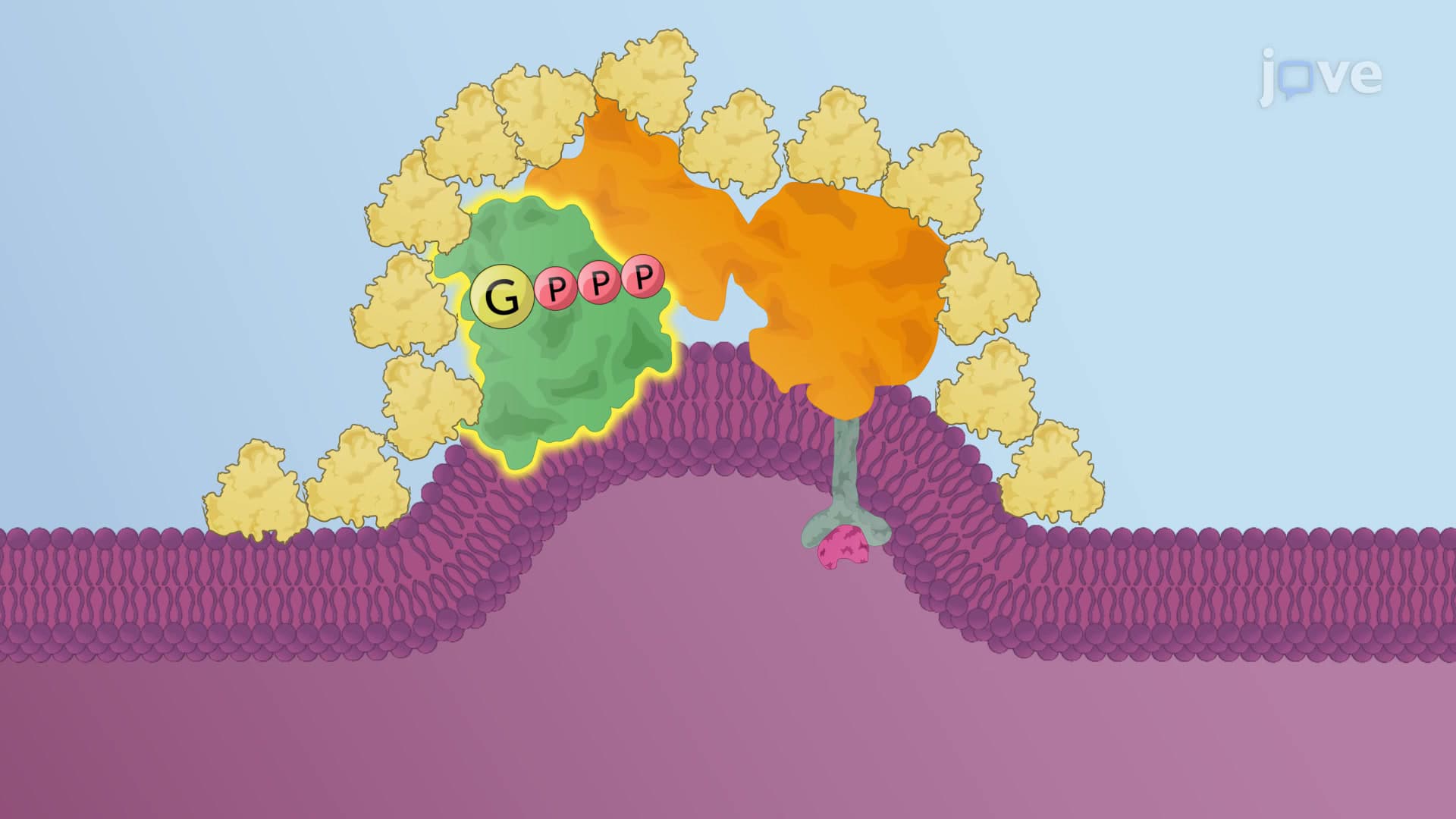
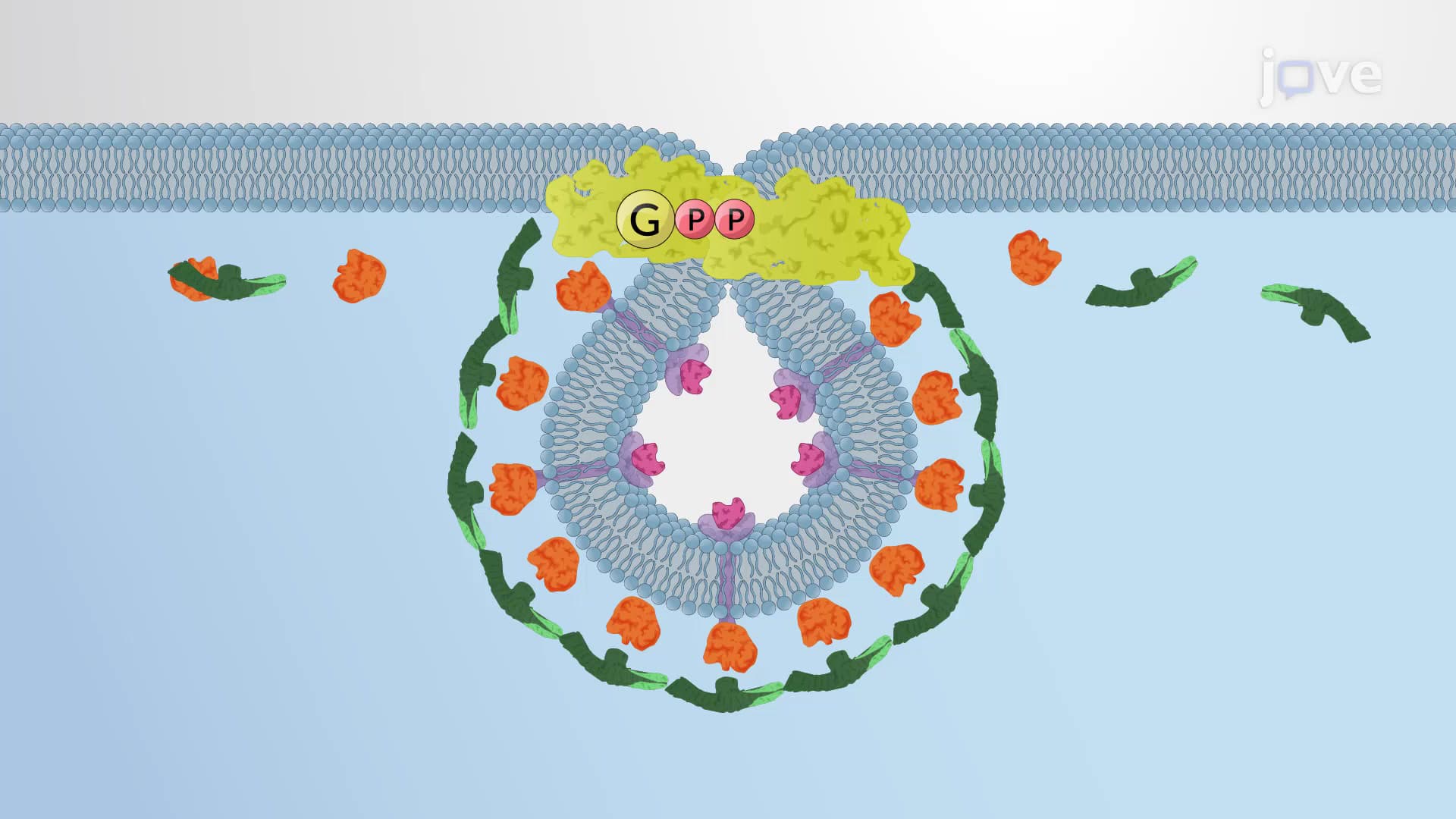
Contrasting sharply, the vesicular transport model maintains that Golgi cisternae are permanent structures with fixed enzyme compositions. COPI vesicles shuttle proteins between stable compartments, similar to packages moving between fixed processing stations. This model efficiently explains rapid transport and recycling of Golgi enzymes back to earlier compartments.
Understanding transport across the Golgi proves essential for MCAT Cell Biology sections and AP Biology Unit 2. Students frequently encounter this topic in college Molecular Biology courses, particularly when studying protein trafficking disorders. Genetic defects affecting Golgi transport cause diseases like congenital disorders of glycosylation (CDG), affecting thousands of American patients annually. Pharmaceutical companies developing protein-based therapeutics must understand these mechanisms to ensure proper drug modification and targeting.
Related Micro-courses