Loading subject page…


37,832 views

Video Summary: Meiosis Definition
Did you know that every human carries approximately 6 billion unique DNA combinations, yet no two people (except identical twins) share the same genetic code? The meiosis definition biology explains this incredible diversity through a specialized cell division process that creates genetically unique reproductive cells. In US fertility clinics, understanding meiosis helps explain why genetic counseling is crucial for couples planning families, as this process determines which traits parents pass to their children. Watch the full video on JoVE Coach to master this concept with expert-led visuals and step-by-step explanations.
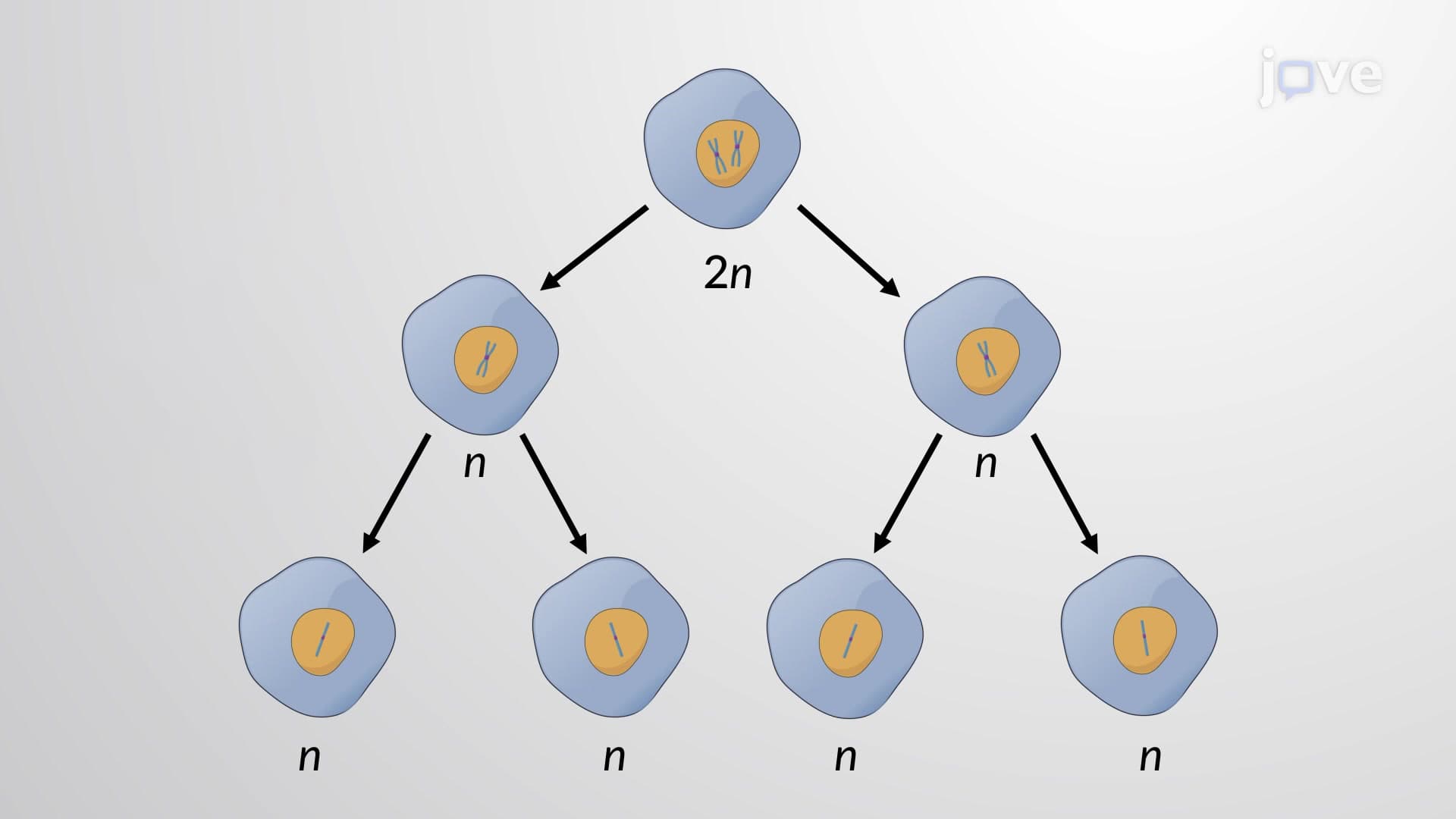
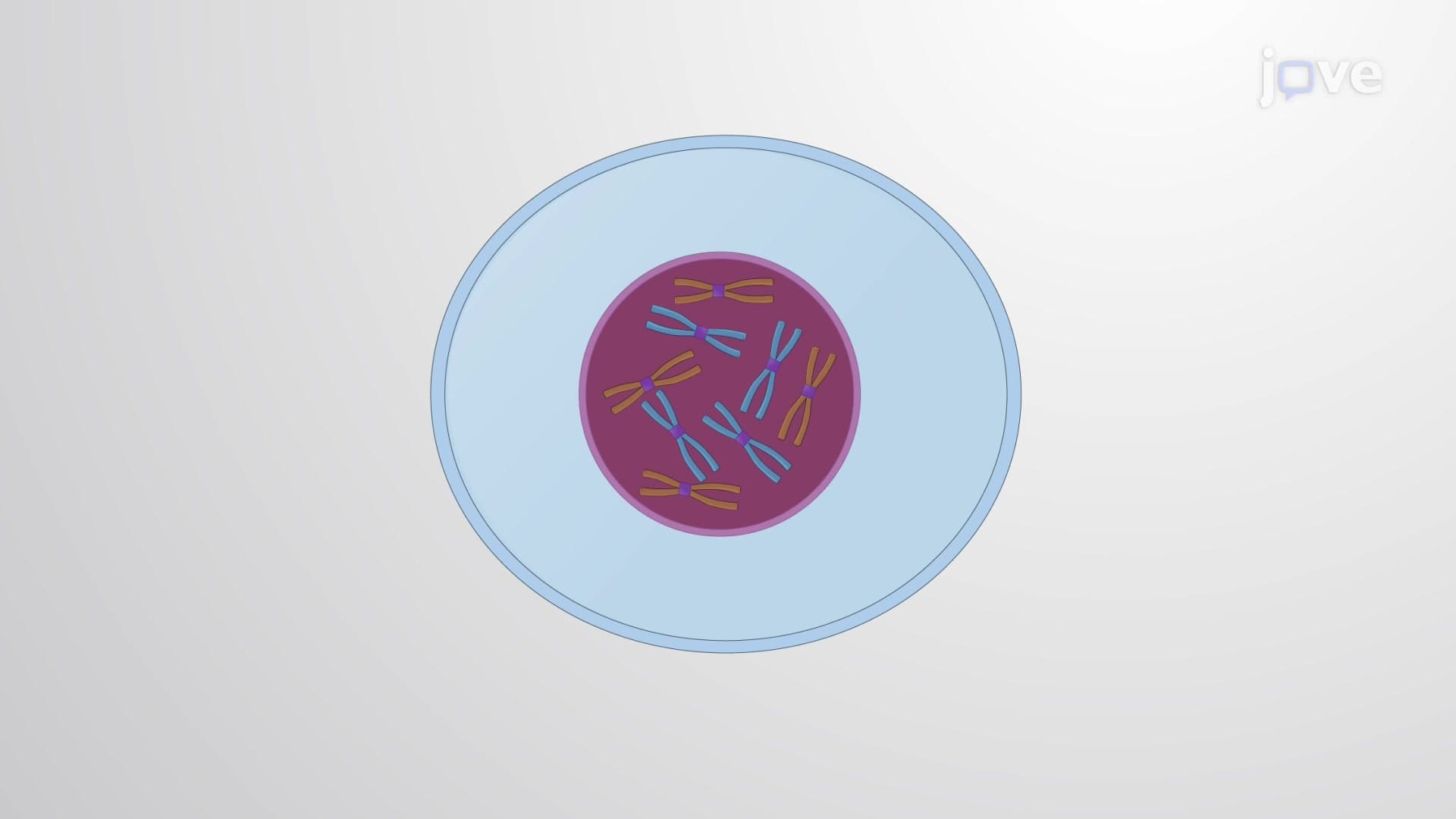
Meiosis definition biology encompasses a specialized type of cell division that reduces chromosome number by half while generating genetic diversity through recombination. Unlike mitosis, which produces identical diploid cells for growth and repair, meiosis creates four genetically unique haploid gametes from a single diploid parent cell. This fundamental process ensures that when sperm and egg unite during fertilization, the resulting offspring maintains the species' characteristic chromosome number while possessing a unique genetic combination.
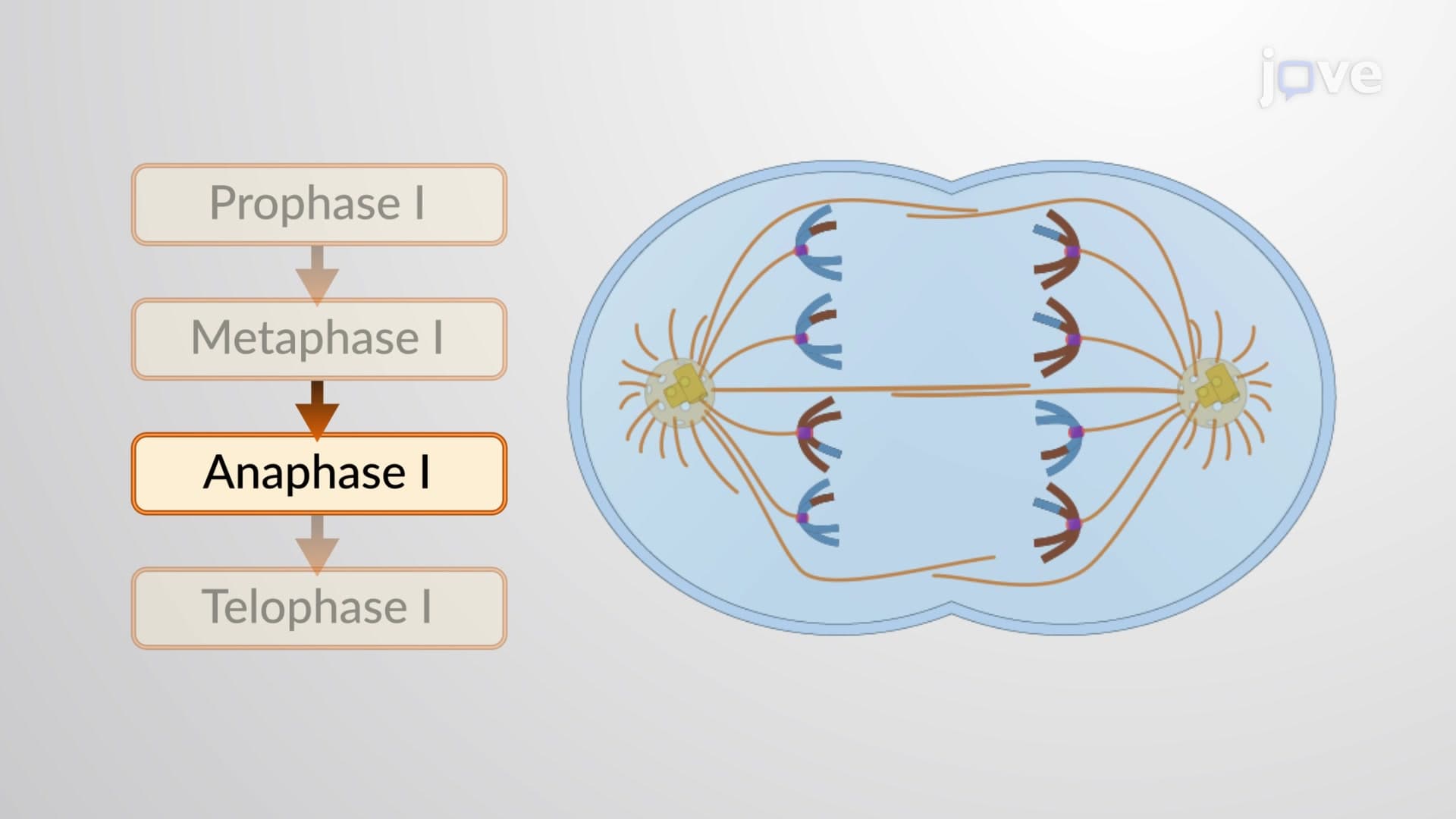
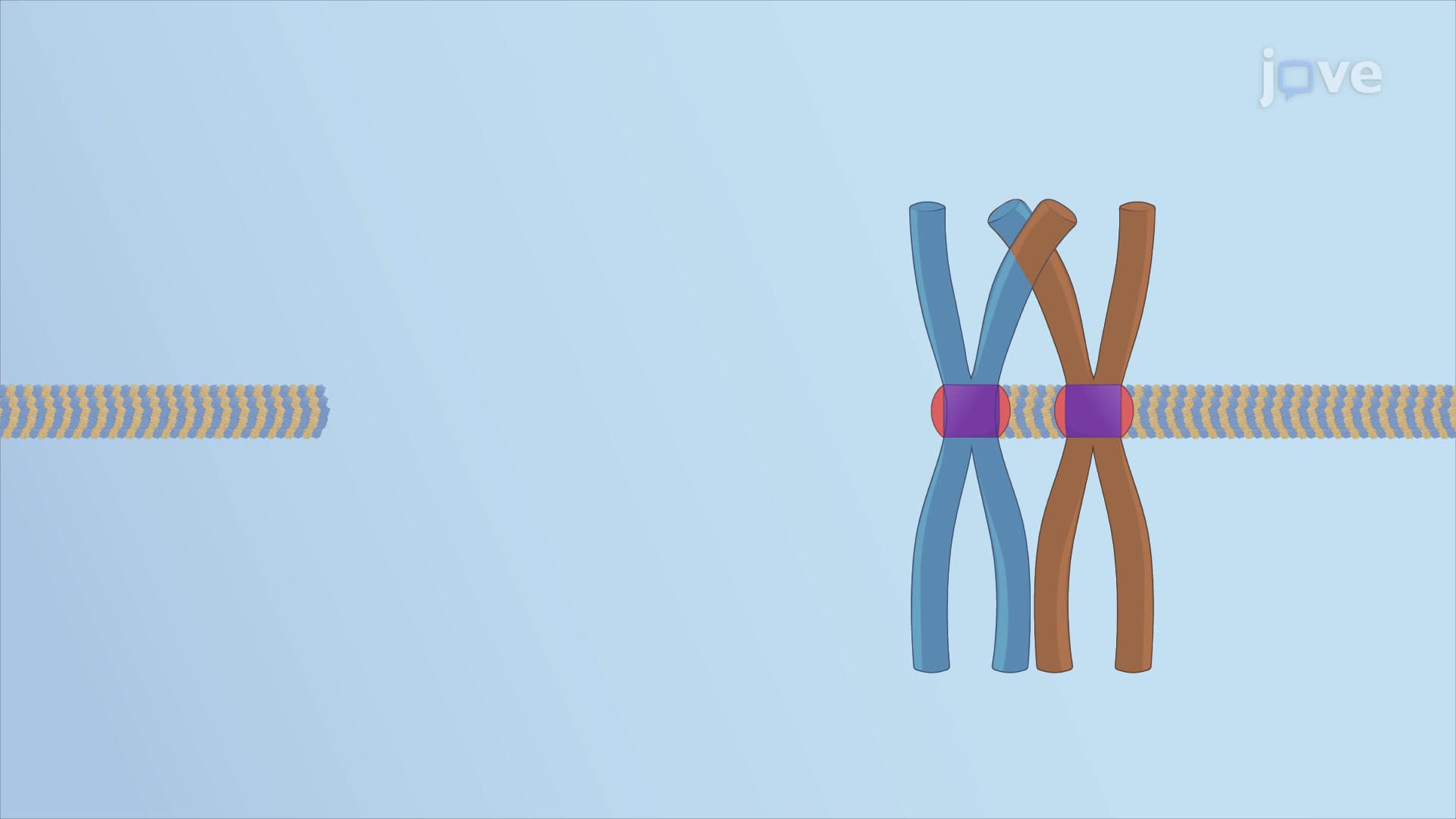
The chromosome reduction division occurs through two sequential phases. Meiosis I, often called the "reduction division," separates homologous chromosome pairs after crossing over exchanges genetic material between maternal and paternal chromosomes. This process creates two haploid cells, each containing duplicated chromosomes (sister chromatids joined at the centromere). Meiosis II, resembling mitosis, separates these sister chromatids, ultimately producing four haploid cells with unduplicated chromosomes.
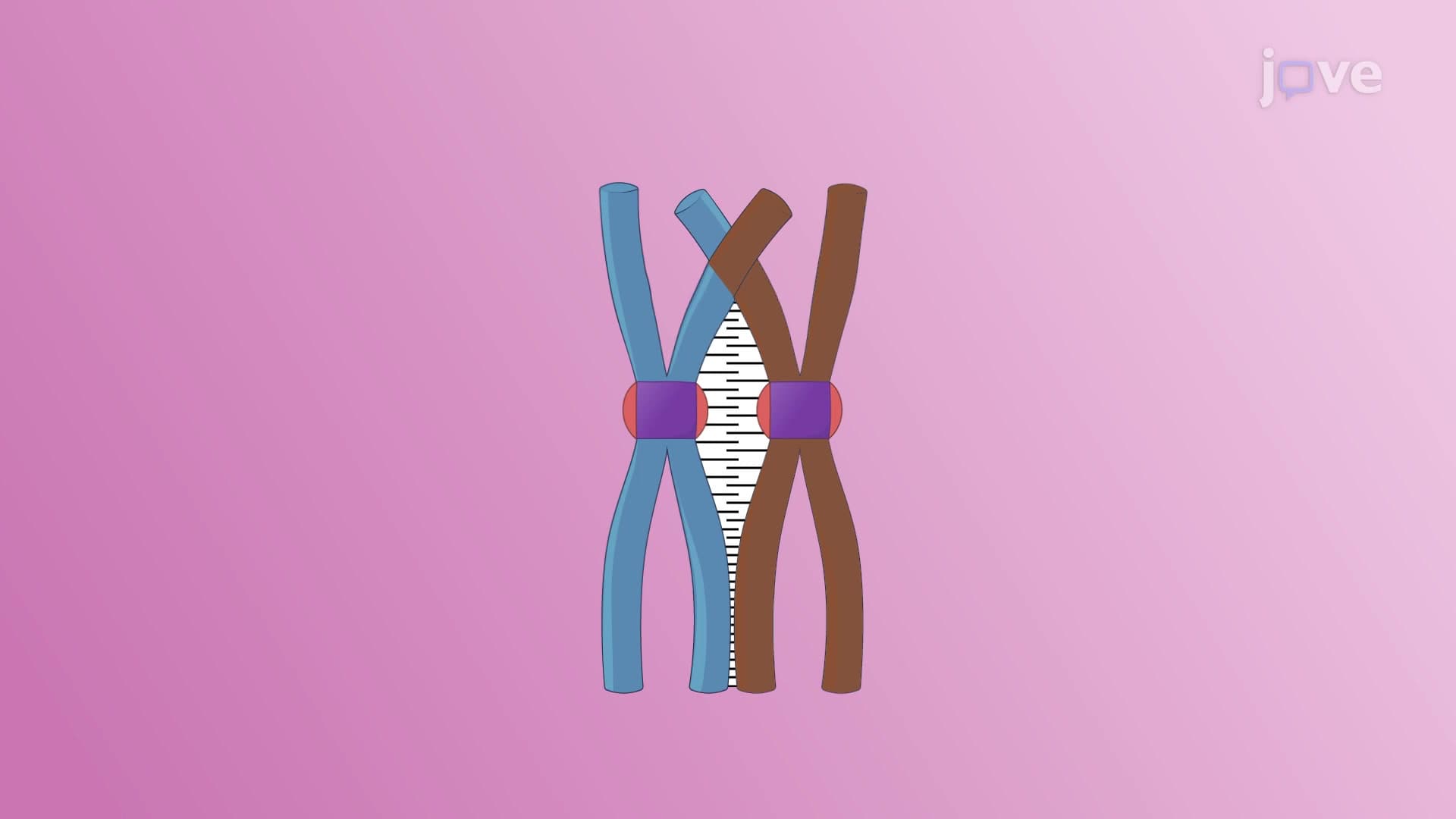
During crossing over in prophase I, corresponding segments of homologous chromosomes exchange genetic material, creating new allele combinations. This mechanism explains why siblings from the same parents can have dramatically different traits-a concept frequently tested on AP Biology exams and college genetics courses.
The gamete formation process differs significantly between males and females. In human males, meiosis produces four functional sperm cells from each diploid spermatocyte within the seminiferous tubules. However, female meiosis creates one large, nutrient-rich ovum and three smaller polar bodies that eventually degenerate. This asymmetric division ensures the egg contains sufficient cytoplasm and organelles to support early embryonic development.
Understanding meiosis proves crucial for pre-medical students preparing for the MCAT, as questions frequently address meiotic errors leading to aneuploidy conditions. For instance, nondisjunction during meiosis I or II can result in gametes with abnormal chromosome numbers, potentially causing conditions like Klinefelter syndrome or trisomy 21 (Down syndrome).
In US medical practice, meiosis understanding guides genetic counseling, fertility treatments, and prenatal diagnosis. Reproductive endocrinologists analyze meiotic competence when evaluating age-related fertility decline, as maternal age correlates with increased meiotic errors. Additionally, preimplantation genetic testing (PGT) used in IVF procedures relies on meiosis principles to screen embryos for chromosomal abnormalities before transfer.
Related Micro-courses