Loading subject page…


37,832 views

Video Summary: What Is Crossing Over
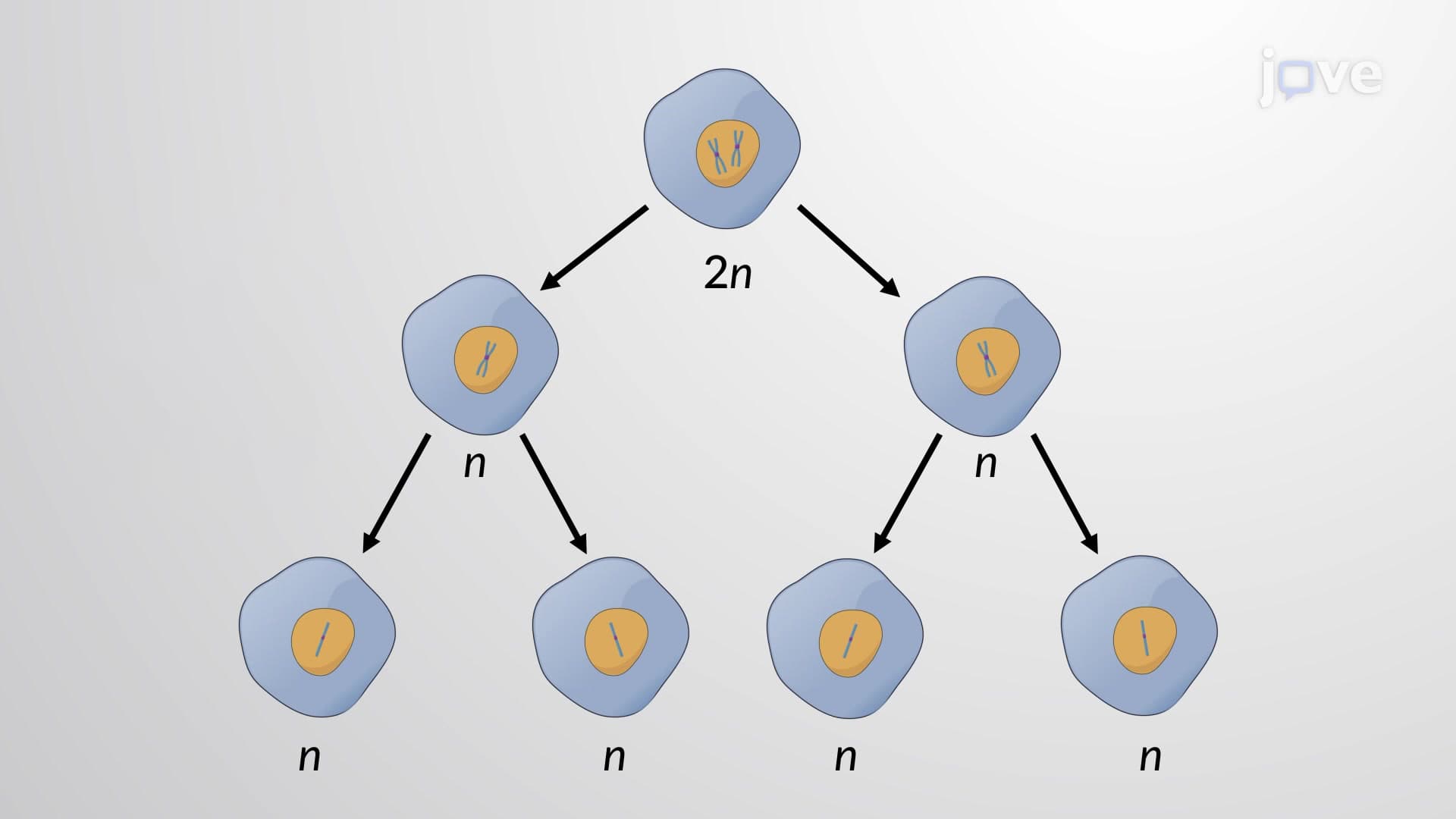
Did you know that crossing over is why no two siblings (except identical twins) share identical DNA, even from the same parents? Crossing over creates the genetic diversity that makes each human unique through chromosomal exchange during meiosis. This process occurs in reproductive cells of both males and females, including those that develop into eggs and sperm in fertility clinics across the United States. Understanding what is crossing over reveals how nature ensures genetic variation in every generation. Watch the full video on JoVE Coach to master this concept with expert-led visuals and step-by-step explanations.
Crossing over represents one of biology's most elegant solutions to genetic monotony. This crossing over definition explained reveals a sophisticated cellular process that shuffles parental genes like cards in a deck, ensuring each offspring receives a unique genetic combination. Unlike simple chromosome separation, crossing over actively creates new gene arrangements that didn't exist in either parent.
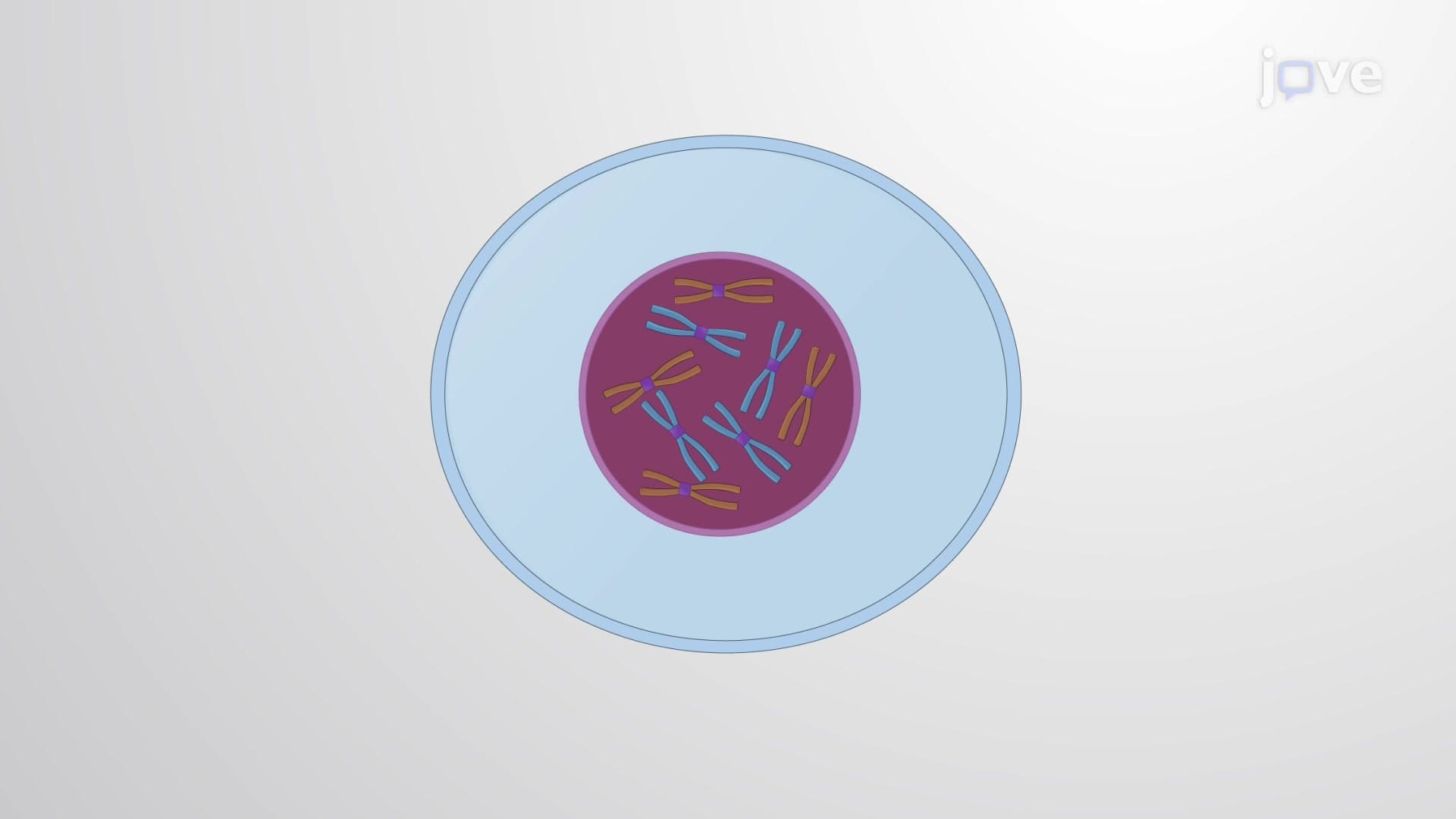
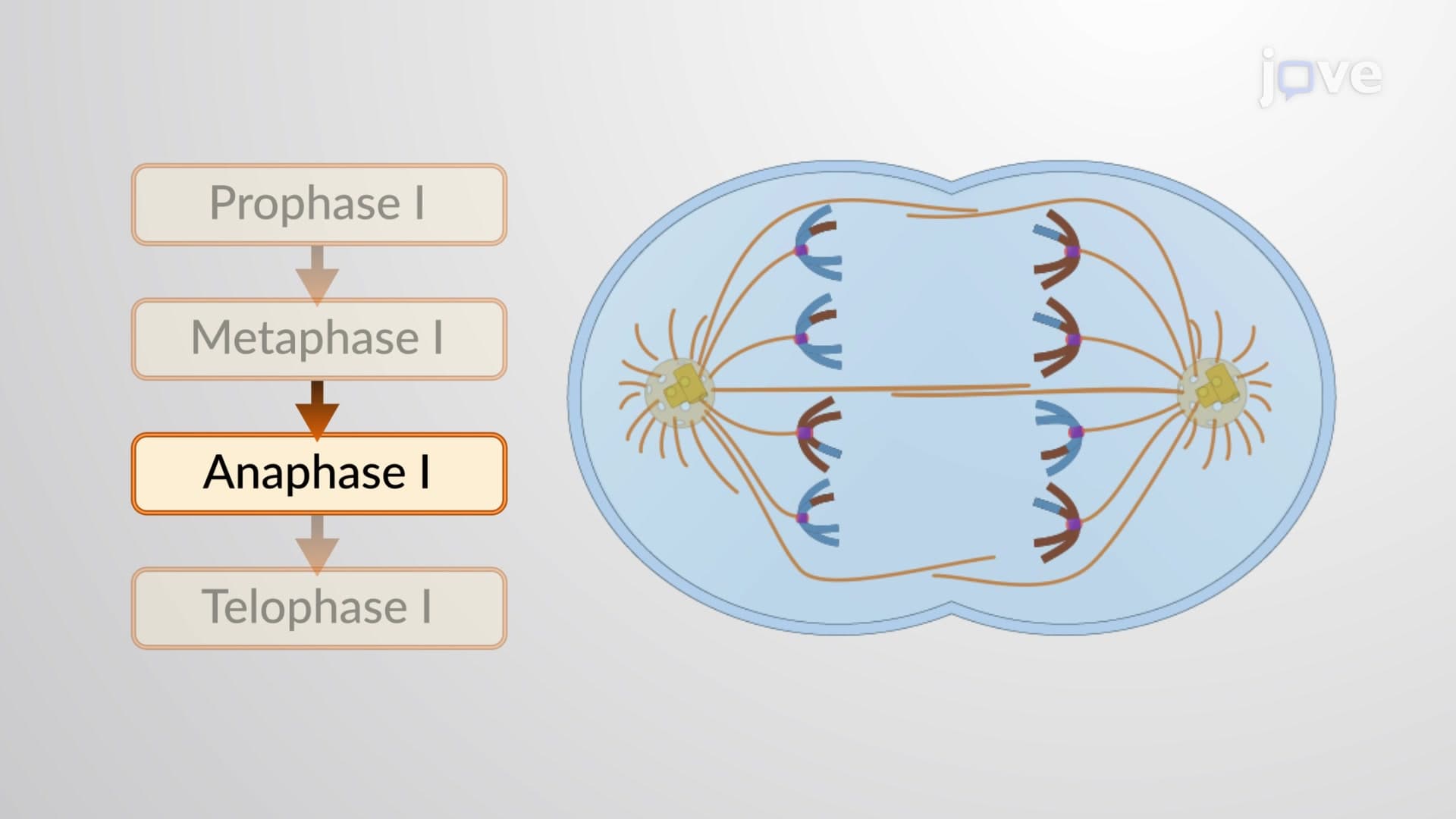
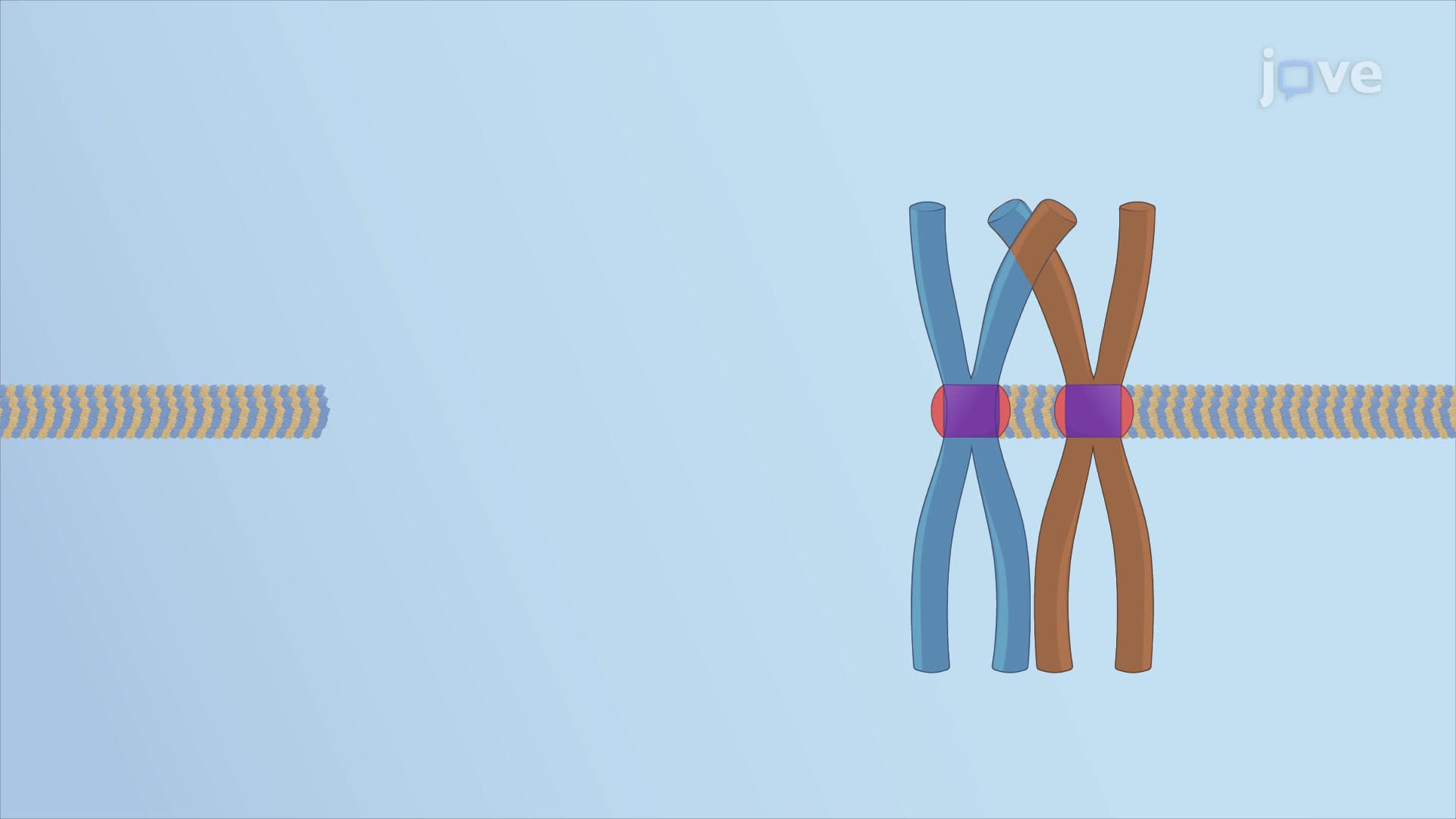
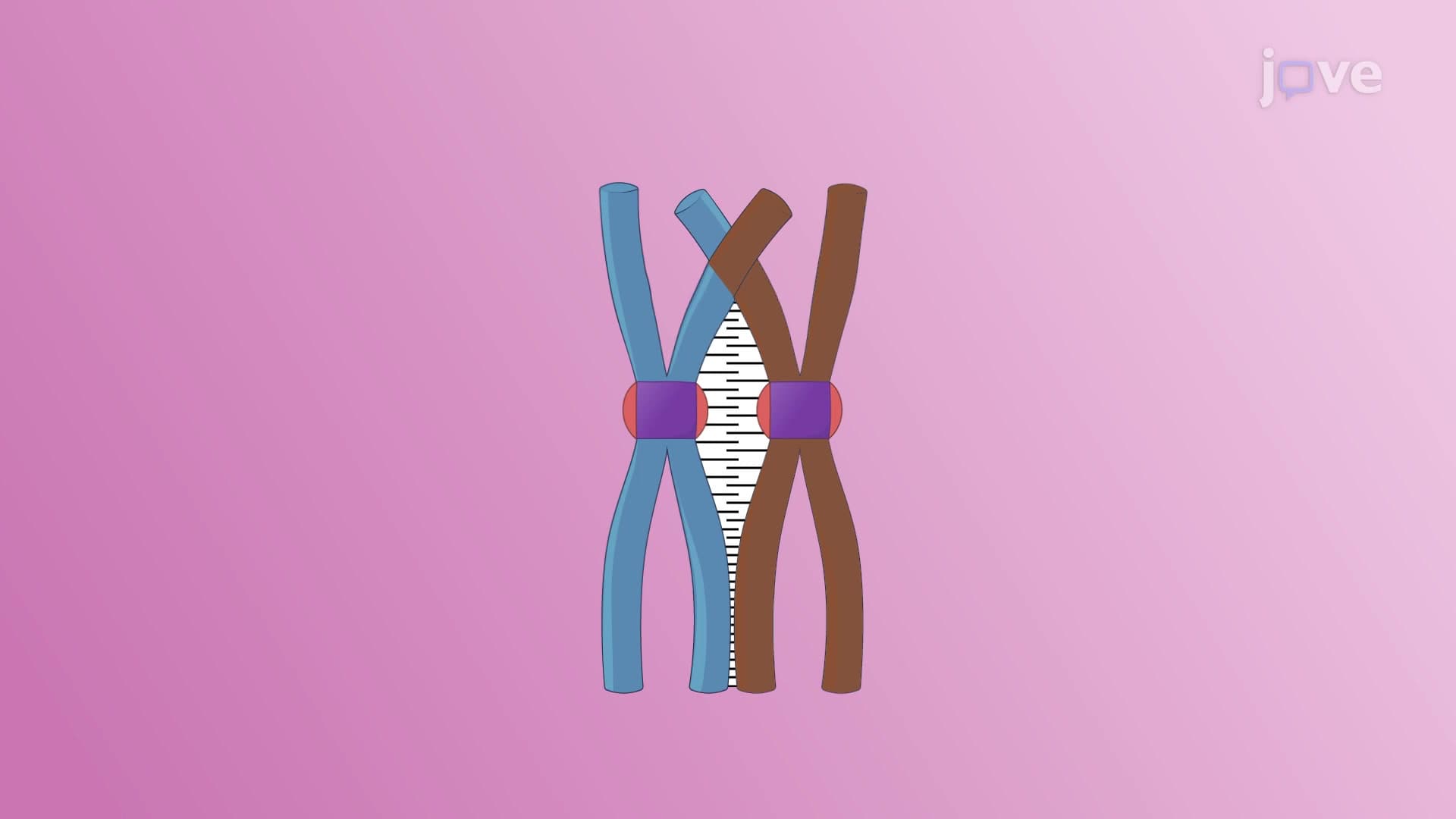
The crossing over process unfolds with remarkable precision during prophase I of meiosis I. Following DNA replication in S phase, chromosomes condense into their characteristic X-shaped structures. Each chromosome consists of two sister chromatids joined at the centromere, containing identical genetic information. When homologous chromosomes-one inherited from each parent-pair up, they form bivalents through the synaptonemal complex, a protein zipper that holds them together.
This crossing over concept explained further reveals how non-sister chromatids from homologous chromosomes physically break and exchange segments. These exchange points, called chiasmata, create hybrid chromosomes containing genes from both maternal and paternal sources. The frequency of crossing over varies by chromosome length and specific regions, with longer chromosomes typically experiencing more crossover events.
In medical genetics laboratories across the United States, understanding crossing over proves essential for genetic counseling and disease risk assessment. For example, genetic counselors at institutions like Johns Hopkins use crossing over principles to explain inheritance patterns of conditions like Huntington's disease or cystic fibrosis. The recombination frequency between genes helps determine their chromosomal proximity-genes that cross over frequently are located farther apart than those that rarely recombine.
Students preparing for AP Biology exams encounter crossing over questions that test both conceptual understanding and quantitative analysis. The College Board frequently includes problems requiring students to calculate recombination frequencies or predict offspring genotype ratios. Similarly, MCAT test-takers must understand how crossing over affects genetic linkage and mapping. Pre-med students at universities like UCLA or University of Michigan study crossing over as foundational knowledge for advanced genetics and molecular biology courses, where this concept connects to topics ranging from evolution to biotechnology applications.
Related Micro-courses