Loading video…


 6 Concepts
 37.8K views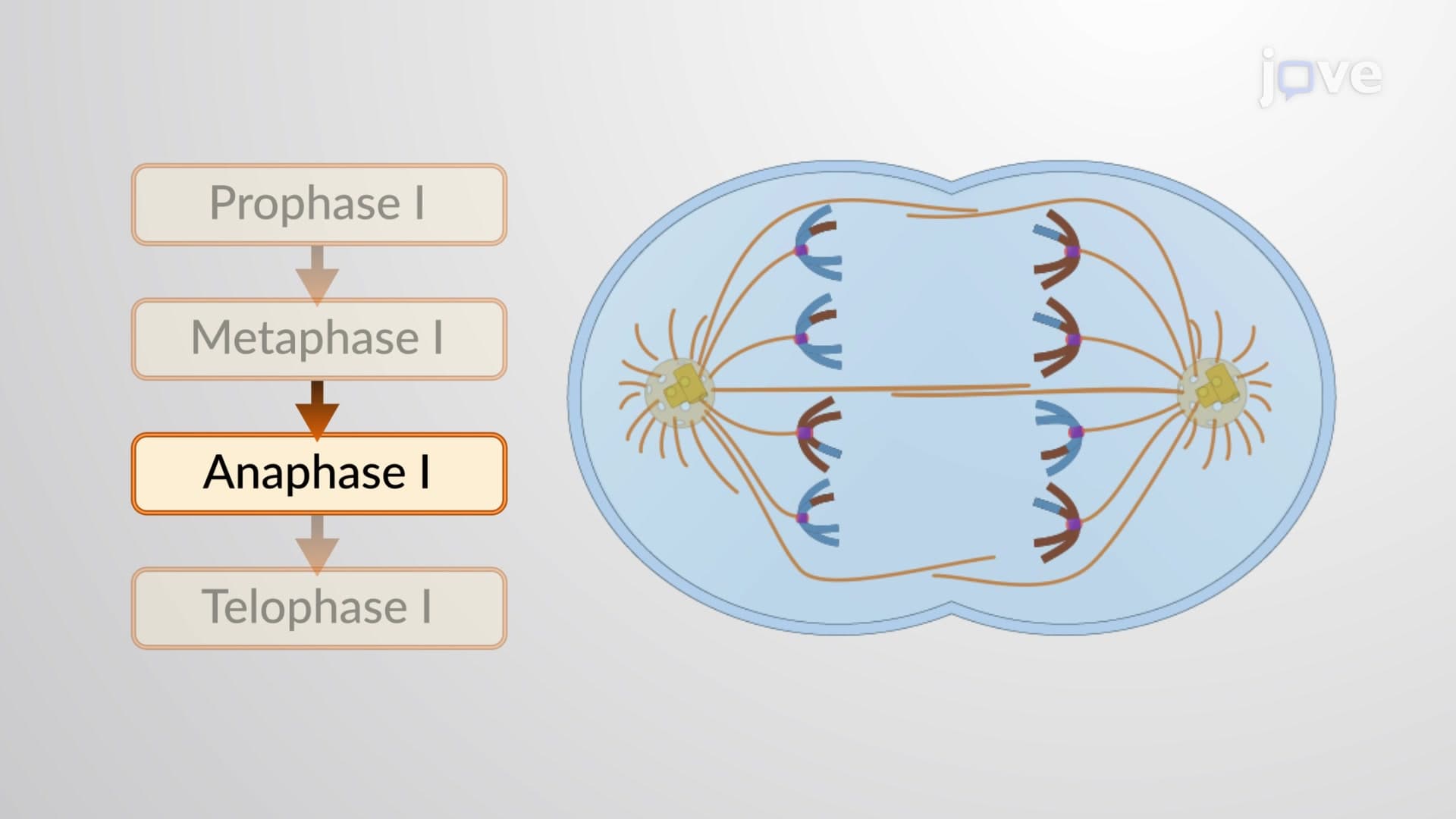

Video Summary: What Is Meiosis I
How does your body create sperm and egg cells with exactly half your genetic material? Meiosis is the specialized cell division that makes this possible, and What is Meiosis I specifically refers to the first critical phase where chromosome number reduces from diploid to haploid. Consider that medical students at Johns Hopkins study meiotic errors like Down syndrome, which often result from mistakes during this very process. This reductional division involves complex chromosome pairing, genetic recombination, and precise segregation mechanisms that ensure genetic diversity in human reproduction. Watch the full video on JoVE Coach to master this concept with expert-led visuals and step-by-step explanations.
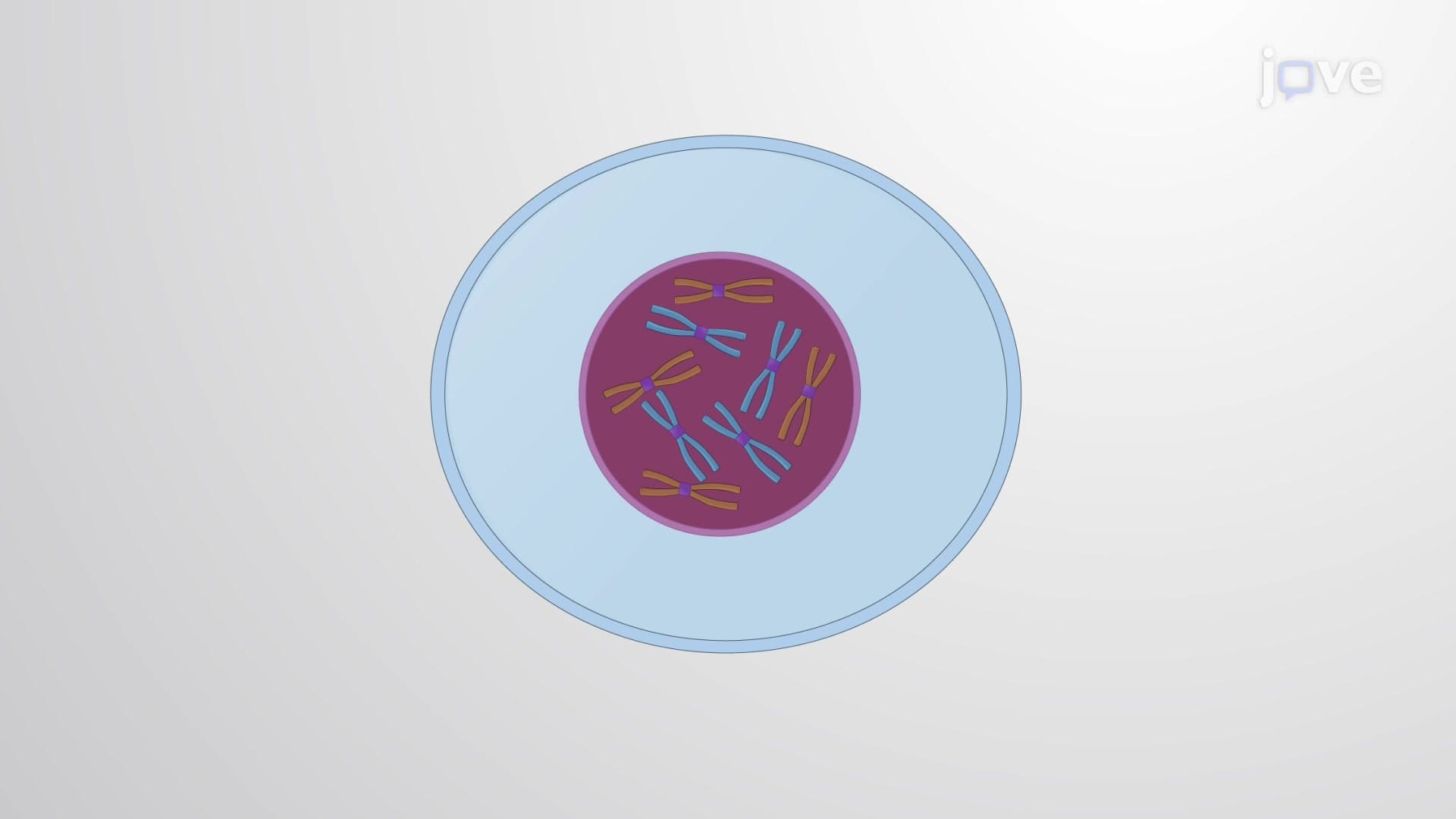
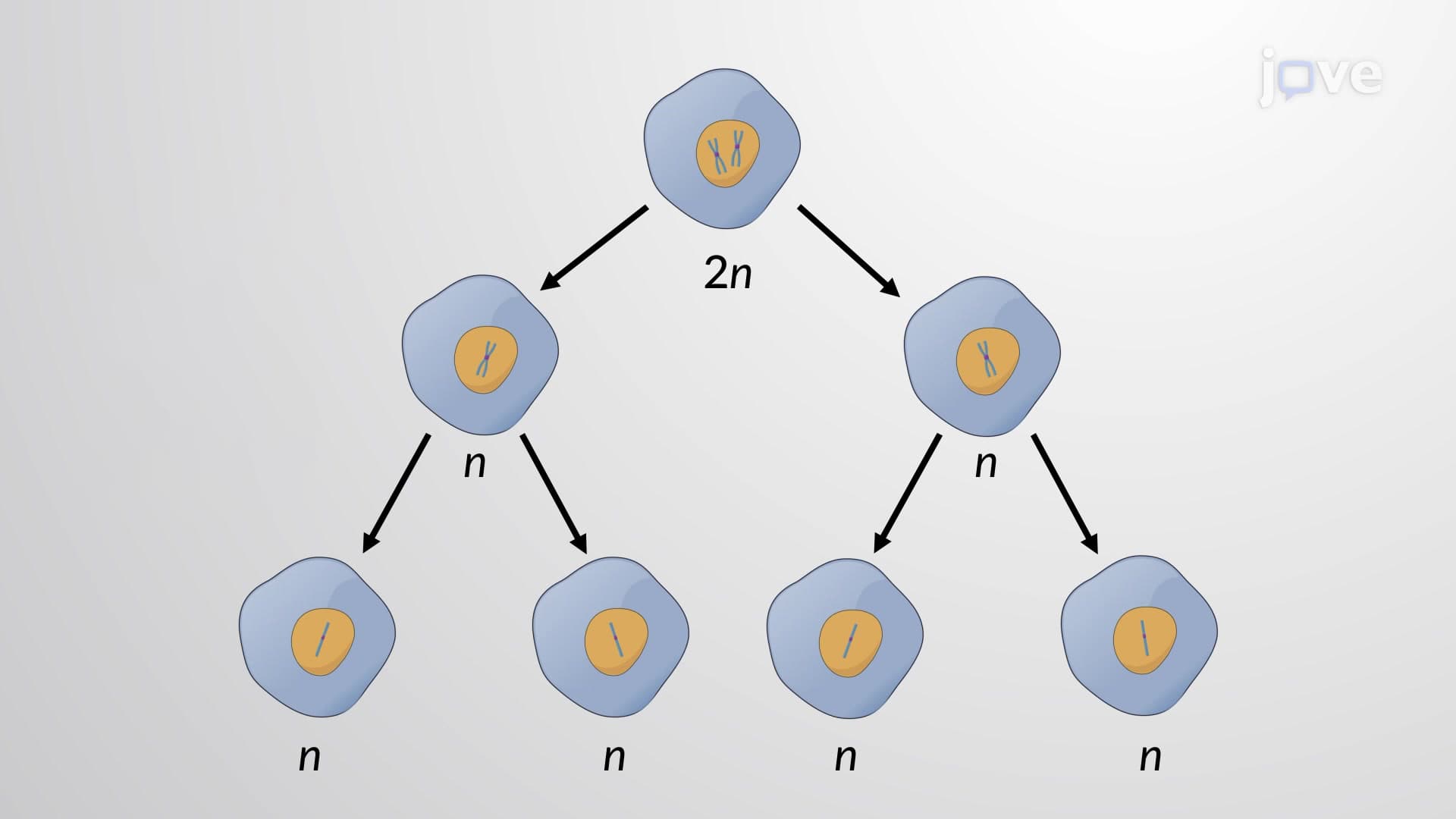
What is Meiosis I represents one of biology's most sophisticated cellular processes, where diploid germ cells begin their transformation into genetically unique haploid gametes. Unlike mitosis, which maintains chromosome number, meiosis I is specifically designed as a reductional division. This process is essential for sexual reproduction-without it, chromosome numbers would double with each generation. Students preparing for the AP Biology exam or MCAT frequently encounter questions about this process because it underlies fundamental concepts in genetics and reproduction.
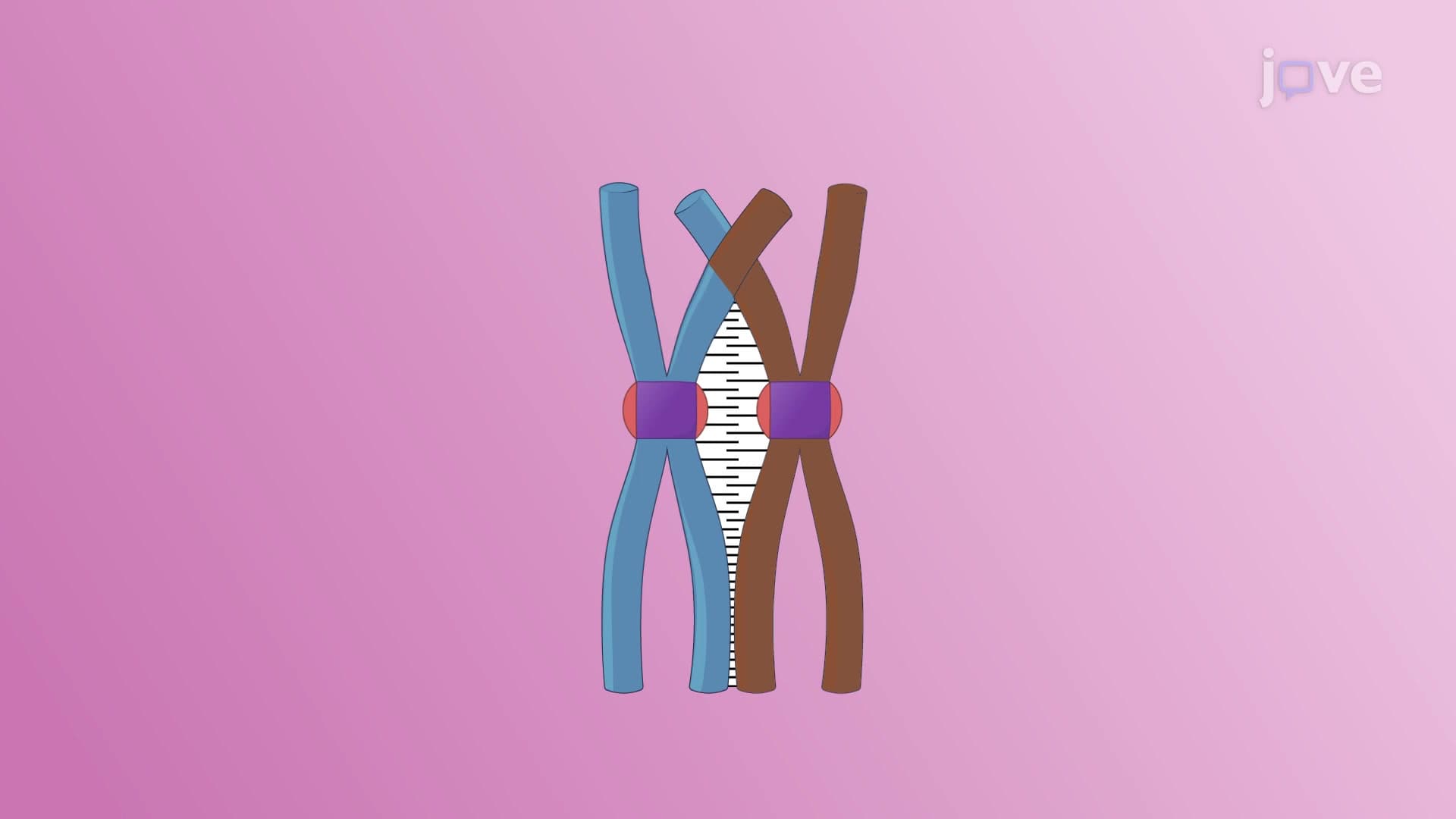
Prophase I stands out as the longest and most complex phase of meiosis. During this stage, homologous chromosomes undergo synapsis, forming intimate connections called tetrads. The synaptonemal complex acts like molecular glue, holding chromosome pairs together while crossing over occurs. This genetic recombination process literally cuts and pastes DNA segments between maternal and paternal chromosomes, creating new gene combinations. Research at institutions like Stanford University has shown that humans experience an average of 1-3 crossover events per chromosome pair, generating over 8 million possible genetic combinations even before random fertilization occurs.
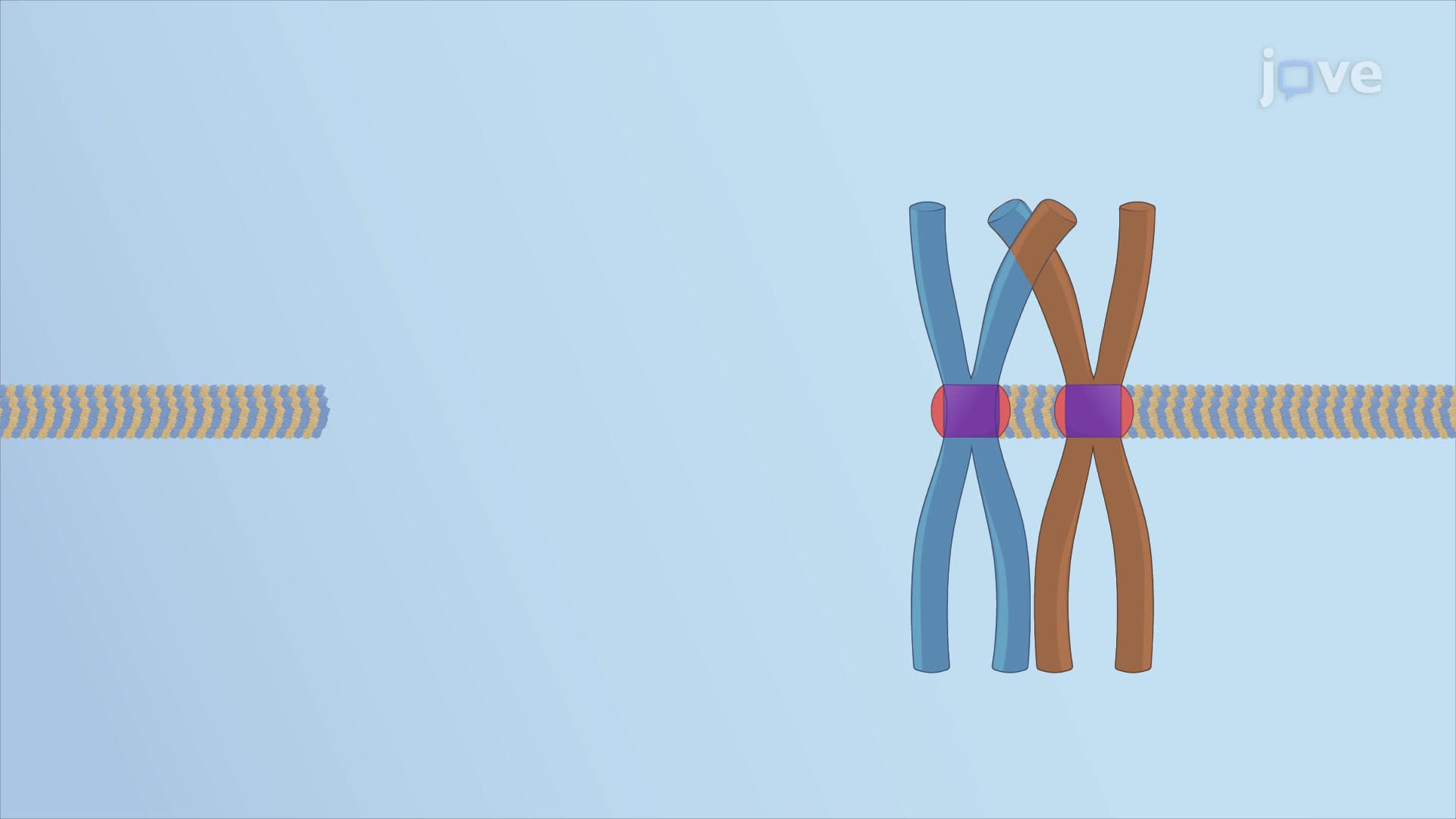
During metaphase I, the meiosis biology explained becomes visually striking as tetrads align along the cell's equatorial plane. Unlike mitosis, where individual chromosomes line up, entire homologous pairs position themselves at the metaphase plate. Anaphase I then orchestrates the separation of homologous chromosomes-not sister chromatids-toward opposite cell poles. This distinction is crucial for students taking the SAT Subject Test in Biology or college genetics courses. The process concludes with telophase I, where two haploid cells form, each containing half the original chromosome number but with sister chromatids still attached.
Understanding meiosis has direct medical relevance in the United States healthcare system. Genetic counselors at institutions like Mayo Clinic regularly explain meiotic nondisjunction to families affected by chromosomal disorders. For instance, 95% of Down syndrome cases result from nondisjunction during maternal meiosis I, with risk increasing significantly after age 35. This knowledge helps healthcare providers counsel patients about reproductive risks and screening options like amniocentesis and chorionic villus sampling.
Related Micro-courses