Loading video…


 6 Concepts
 37.8K views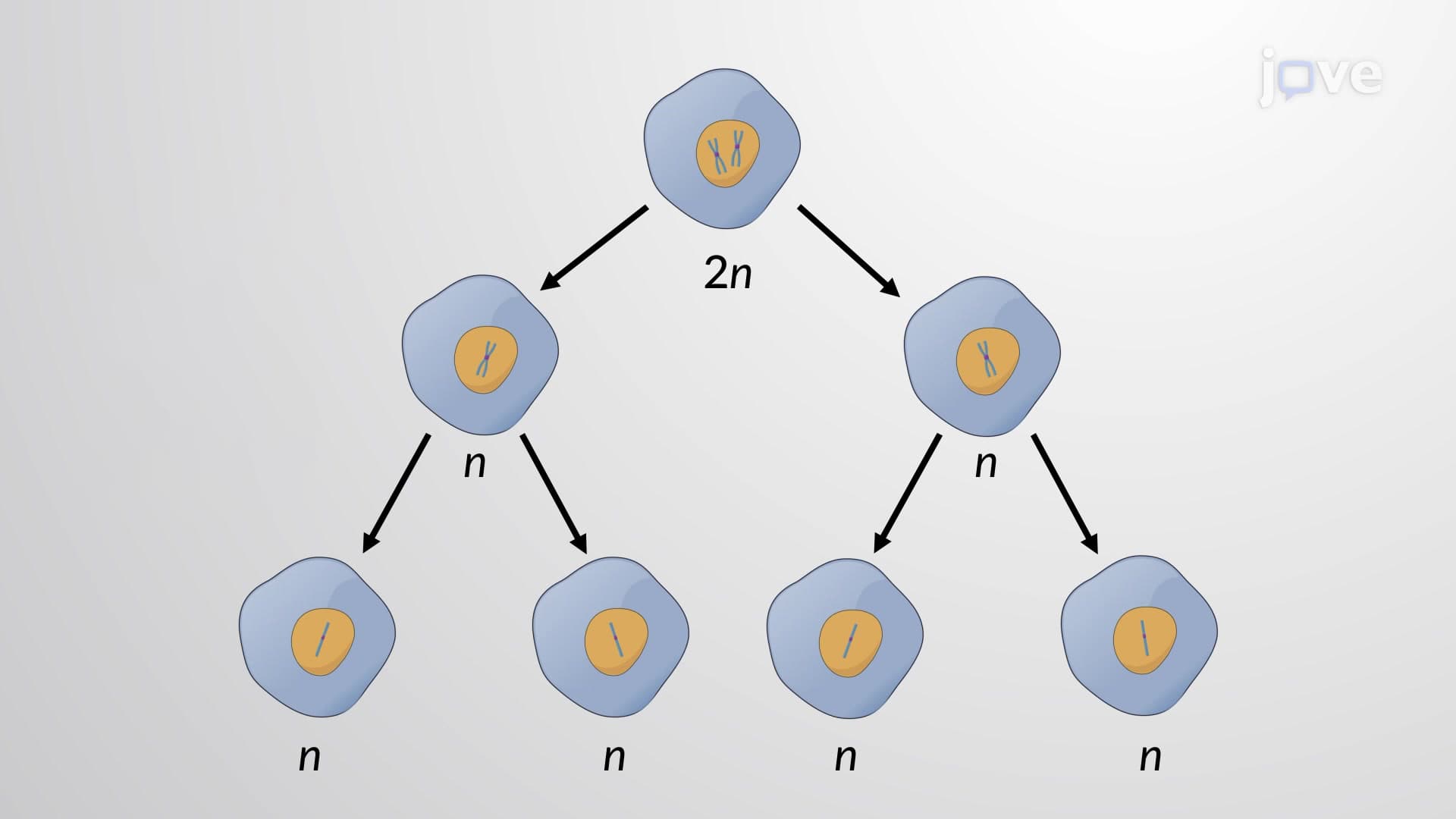

Video Summary: What Is Meiosis Ii
Ever wonder how your body creates exactly 23 chromosomes in each egg or sperm cell? Meiosis orchestrates this cellular division masterpiece through two distinct phases, with meiosis II serving as the final act. Think of it like the precise sorting system at Amazon warehouses-sister chromatids must separate perfectly to ensure each gamete receives one copy of every chromosome. This process directly impacts fertility rates across the United States, where chromosomal abnormalities affect approximately 1 in 150 pregnancies. Watch the full video on JoVE Coach to master this concept with expert-led visuals and step-by-step explanations.
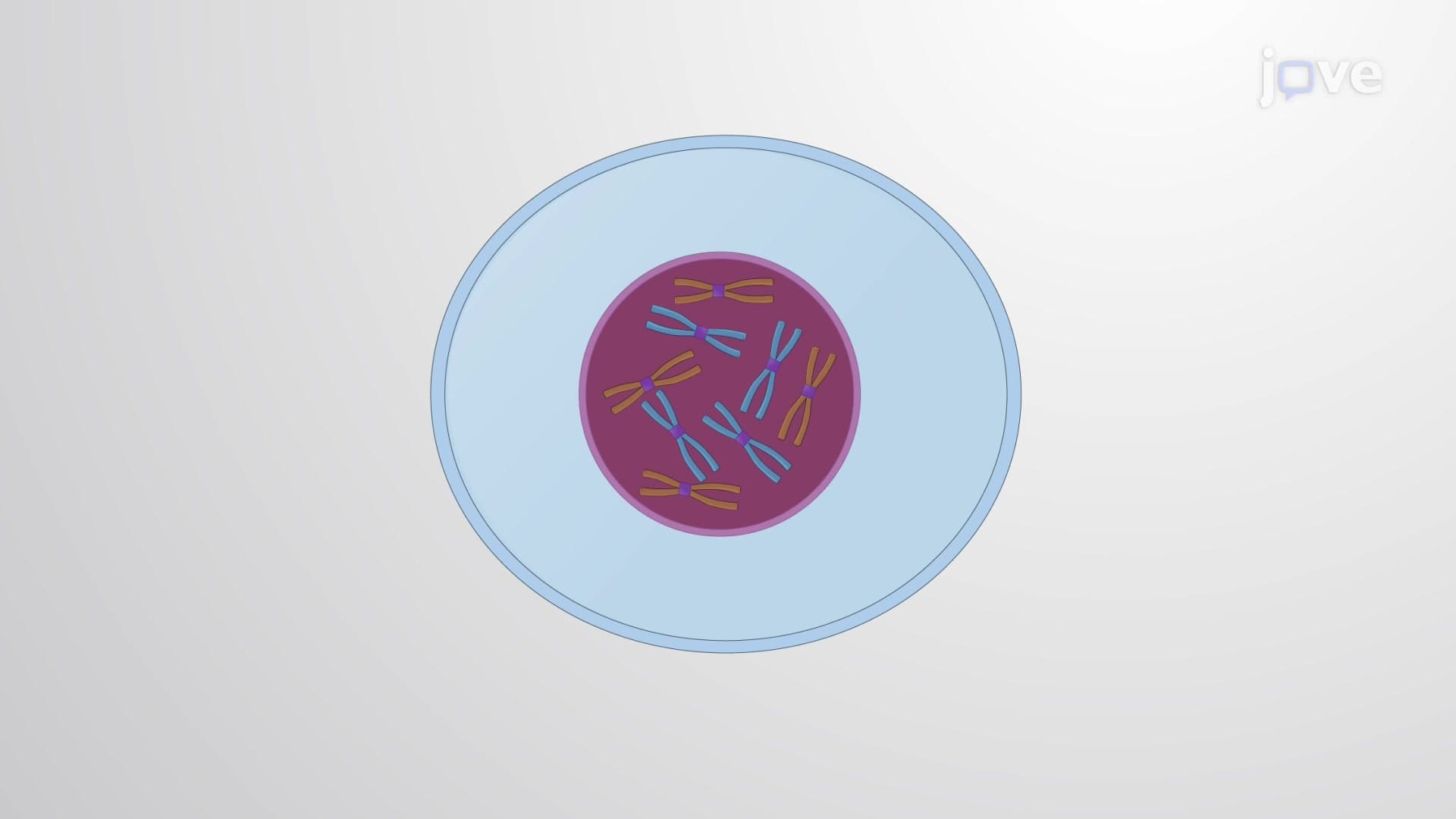
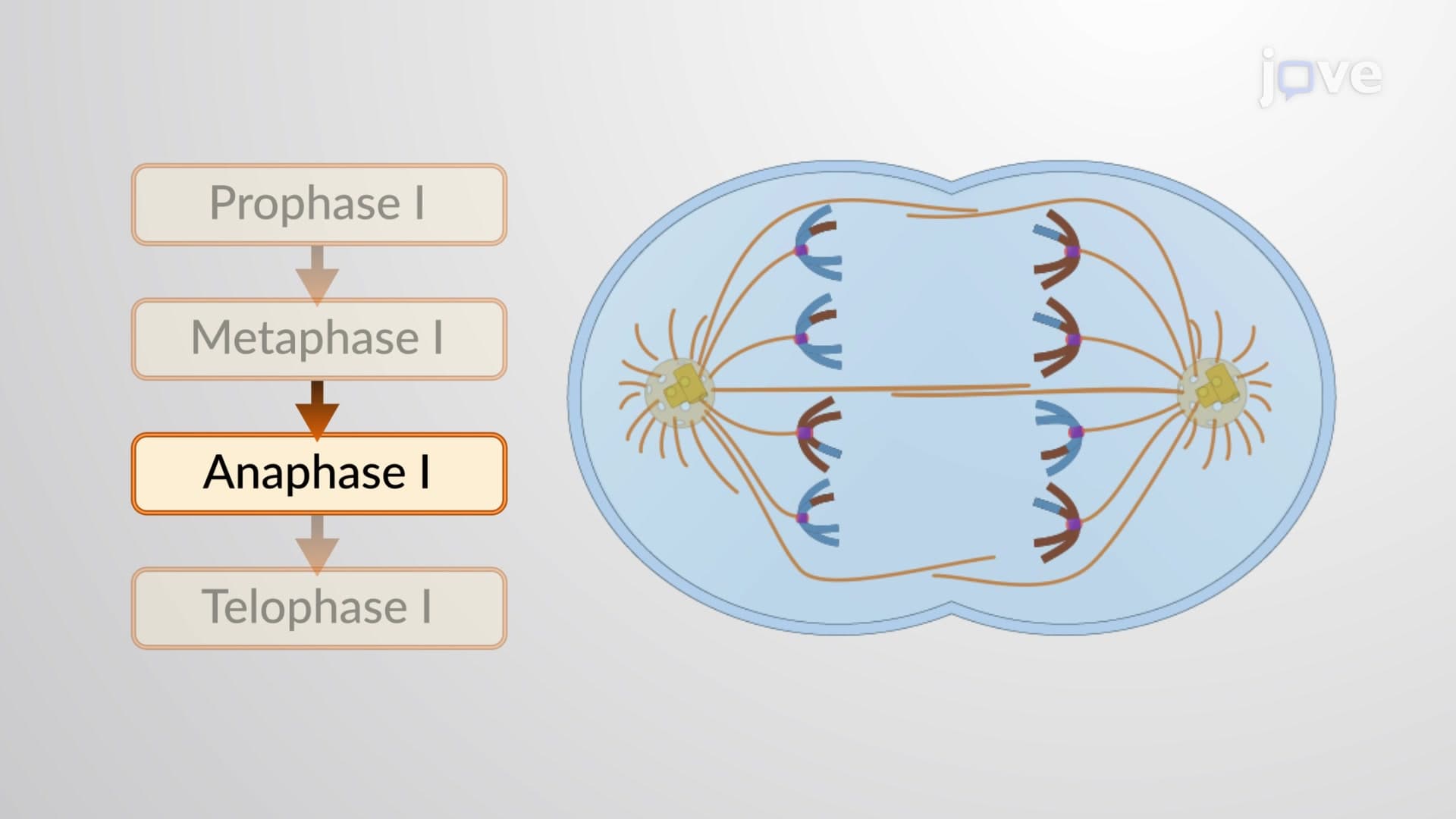
Meiosis II represents the second and final phase of meiotic cell division, fundamentally different from its predecessor meiosis I. While meiosis I reduces chromosome number from diploid to haploid, meiosis II functions as an equational division-similar to mitosis but operating on haploid cells. This phase separates sister chromatids that remained joined after meiosis I, ensuring each resulting gamete contains exactly one copy of each chromosome.
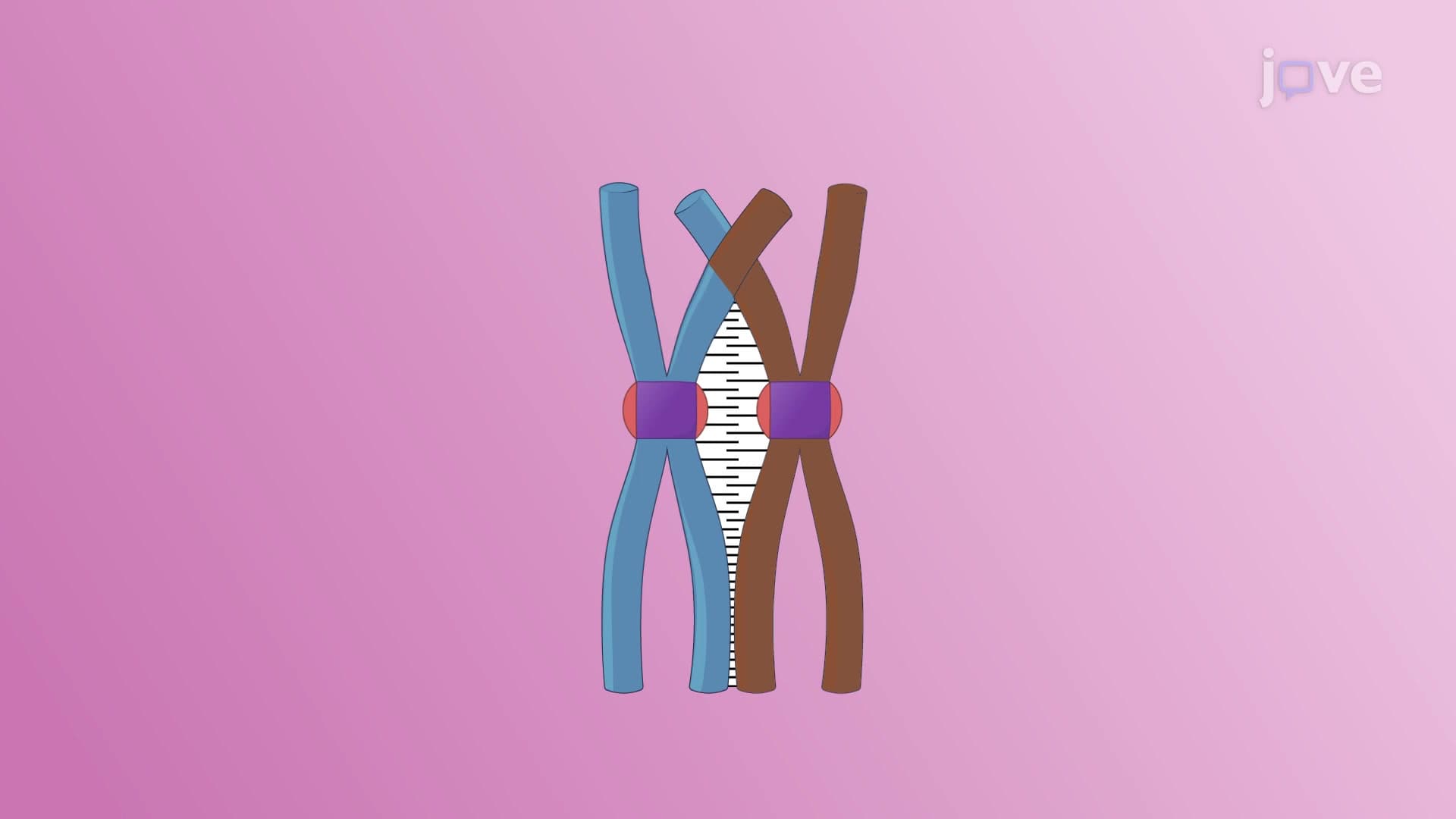
The process begins immediately after meiosis I without an intervening S phase, meaning no DNA replication occurs between these divisions. This timing is crucial because the cells entering meiosis II already contain half the chromosome number but each chromosome still consists of two sister chromatids held together by cohesin proteins.
Prophase II initiates with chromosome condensation in each of the two haploid cells produced by meiosis I. Unlike prophase I, this phase lacks crossing over since homologous chromosomes are no longer paired. The nuclear envelope breaks down, and spindle apparatus forms, preparing for chromosome movement.
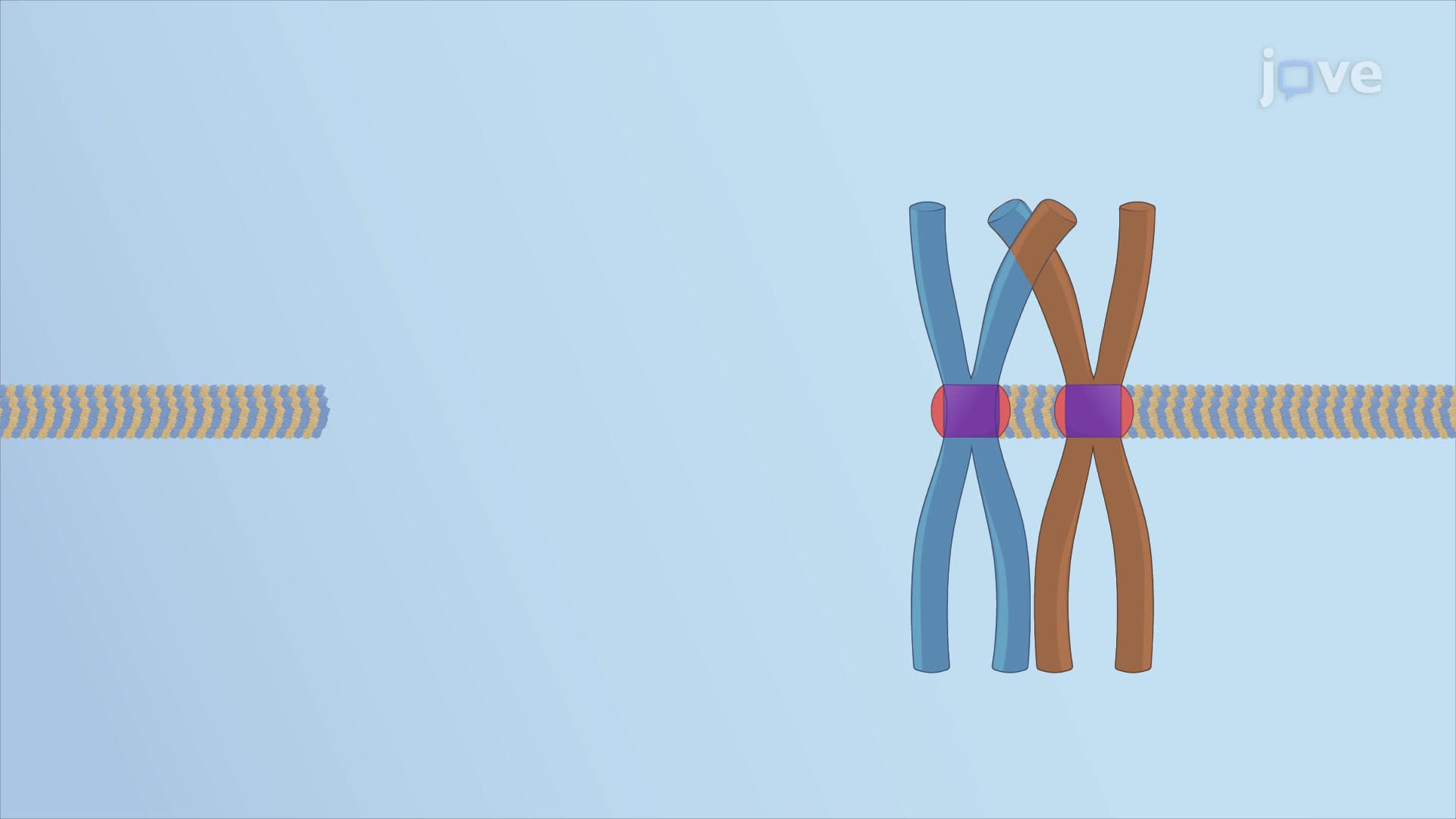
Metaphase II positions chromosomes at the cell's equatorial plane, forming the metaphase plate. Each chromosome, still consisting of two sister chromatids, aligns individually rather than in homologous pairs. This alignment triggers the spindle checkpoint, ensuring all chromosomes are properly attached before proceeding.
Anaphase II marks the critical separation event. Cohesin proteins at centromeres are cleaved by separase enzyme, allowing sister chromatids to separate and move toward opposite spindle poles. This separation mechanism mirrors mitotic anaphase but occurs in haploid cells.
Telophase II completes the division with nuclear envelope reformation around each set of chromosomes, followed by cytokinesis that produces four genetically unique haploid gametes.
Understanding meiosis II proves essential for students preparing for standardized exams like the MCAT, AP Biology, and college-level genetics courses. The College Board's AP Biology curriculum specifically emphasizes meiosis mechanisms, often testing students' ability to distinguish between meiosis I and II phases.
In clinical contexts, meiosis II errors contribute to chromosomal abnormalities. For instance, nondisjunction during anaphase II can produce gametes with incorrect chromosome numbers, leading to conditions like Down syndrome when fertilization occurs. Research at institutions like Johns Hopkins University and the National Institutes of Health continues investigating these mechanisms to improve fertility treatments and genetic counseling.
The process also connects to broader biological concepts including genetic diversity, sexual reproduction, and evolutionary biology. Students studying at universities such as Stanford, MIT, and UC Berkeley encounter meiosis II in courses ranging from introductory biology to advanced cell biology and genetics.
Related Micro-courses