Loading video…


 6 Concepts
 37.8K views

Video Summary: What Is Meiosis Vs Mitosis
Ever wonder why you look like a mix of your parents rather than an exact copy? The difference between meiosis vs mitosis holds the answer to genetic diversity and inheritance patterns that shape all life on Earth. While mitosis creates identical cells for growth and repair, meiosis produces genetically unique gametes essential for sexual reproduction. Consider how errors in meiosis can lead to conditions like Down syndrome, affecting approximately 6,000 babies born annually in the United States. Understanding What is Meiosis VS Mitosis reveals the fundamental mechanisms behind heredity, development, and genetic variation. Watch the full video on JoVE Coach to master this concept with expert-led visuals and step-by-step explanations.
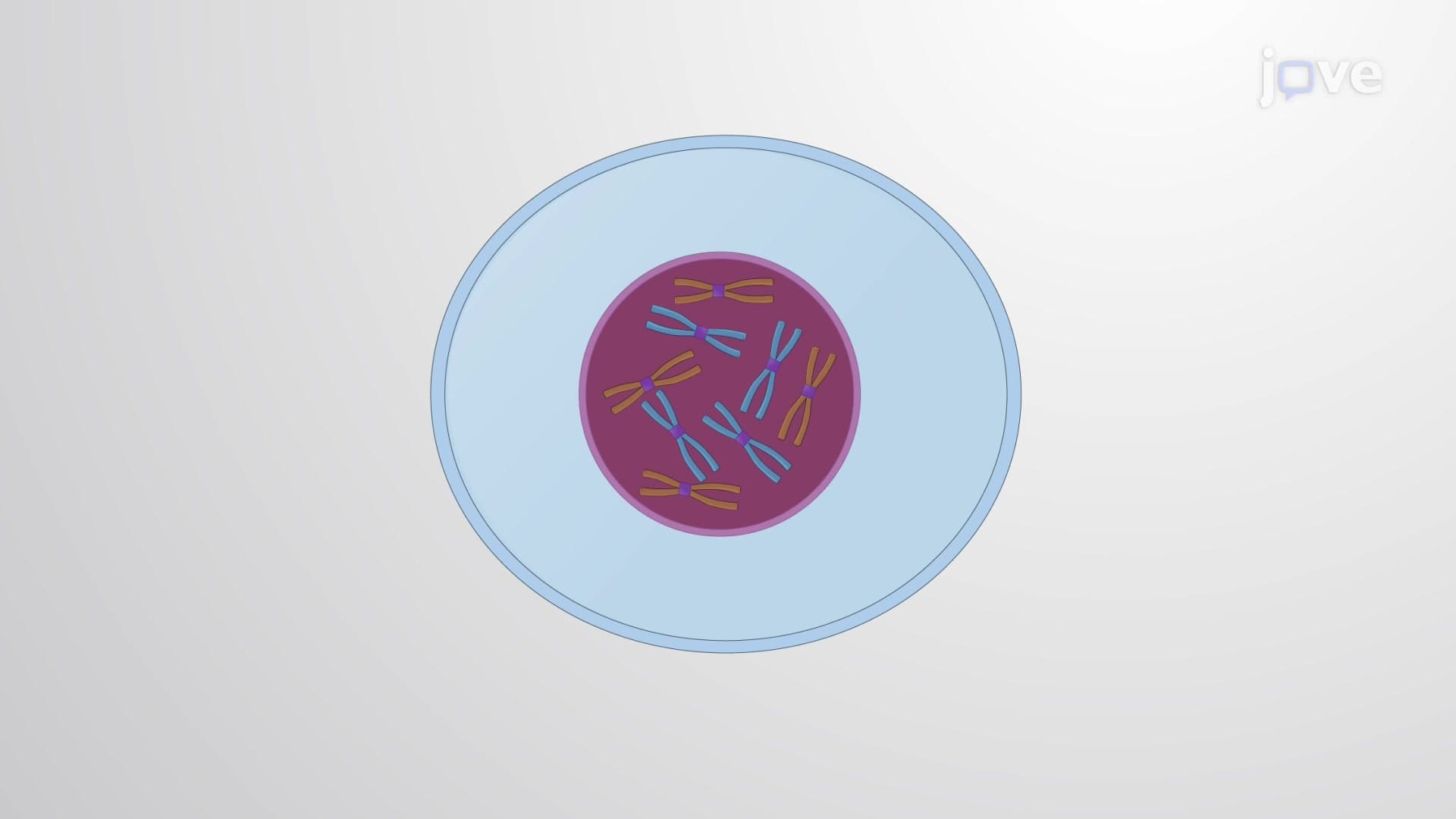
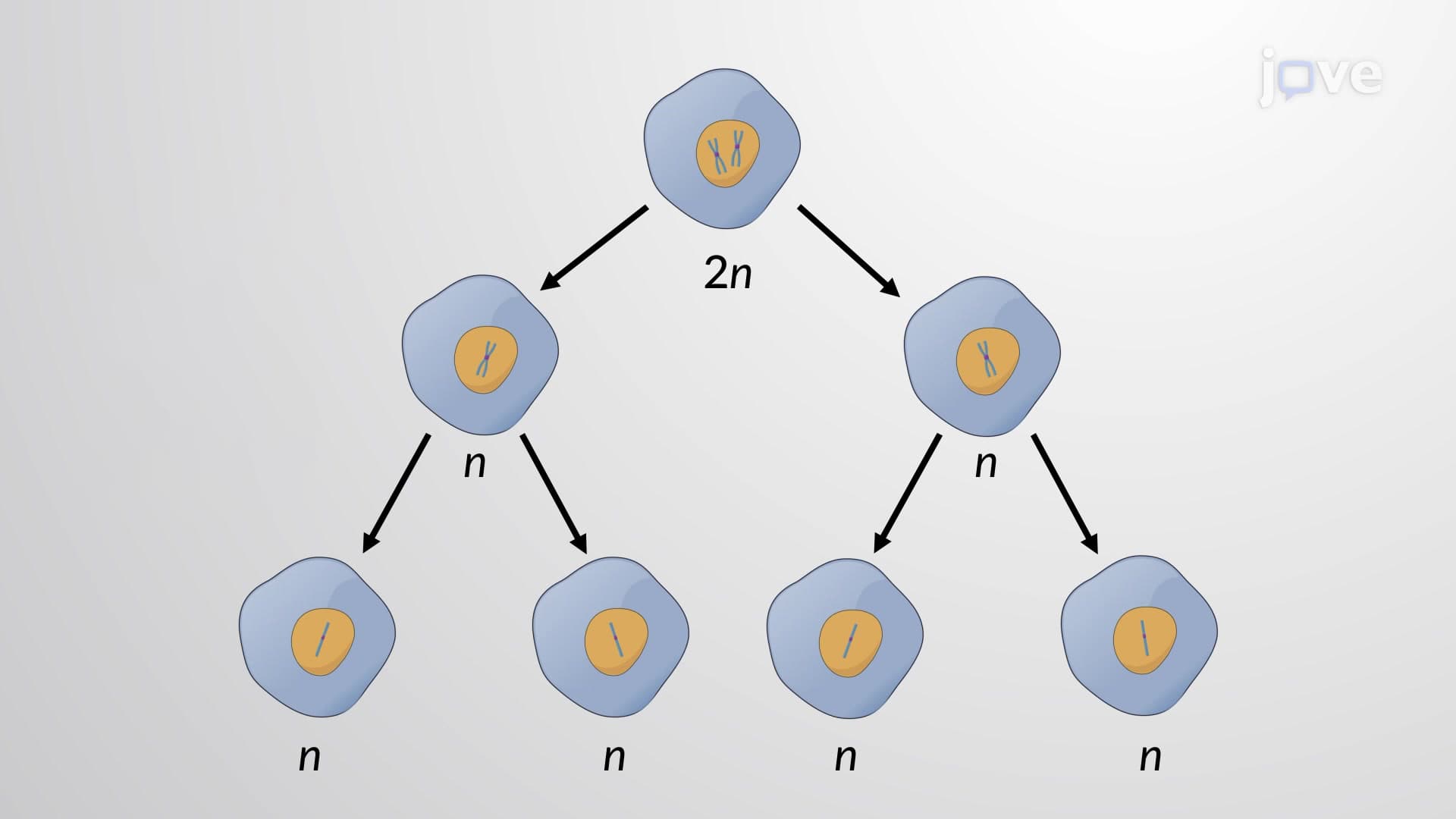
What is Meiosis VS Mitosis fundamentally comes down to their distinct cellular objectives. Mitosis serves as the cellular photocopier, producing two genetically identical diploid daughter cells from a single parent cell. This process maintains chromosome number (2n) and ensures genetic consistency across somatic cells. In contrast, meiosis functions as nature's genetic shuffling mechanism, reducing chromosome number by half to produce four genetically diverse haploid gametes (n) essential for sexual reproduction.
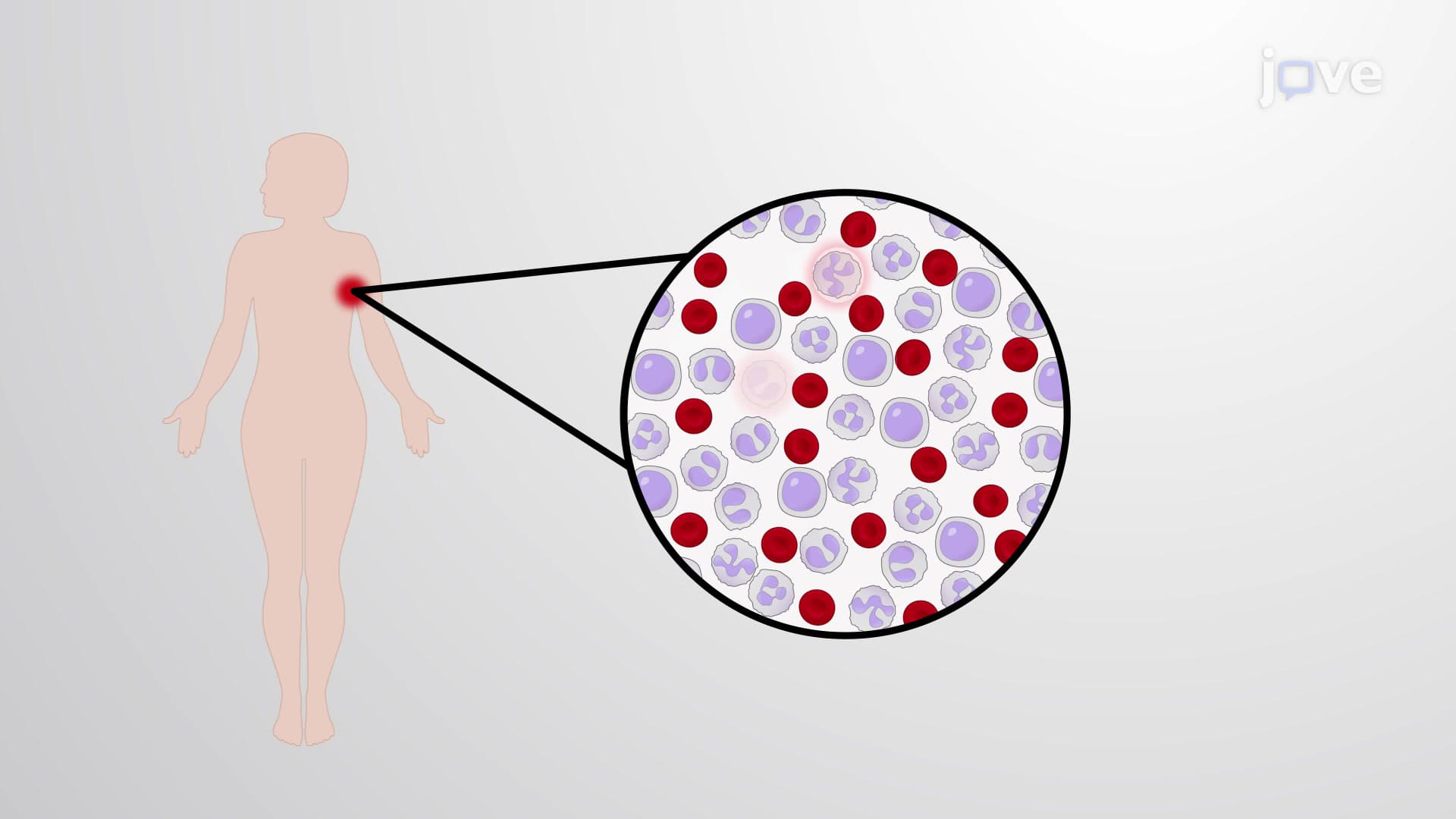
The timing and frequency of these processes differ significantly in human development. Mitosis occurs continuously throughout life in tissues requiring constant renewal-skin cells divide approximately every 2-3 weeks, while intestinal lining cells replace themselves every 3-5 days. Meiosis, however, follows a more restricted schedule: beginning during fetal development in females and starting at puberty in males, continuing throughout reproductive years.
The most striking difference lies in chromosomal behavior during division. Mitosis maintains strict genetic fidelity through independent chromosome segregation, ensuring each daughter cell receives identical genetic material. This precision proves crucial for maintaining tissue integrity and proper organ function throughout an organism's lifetime.
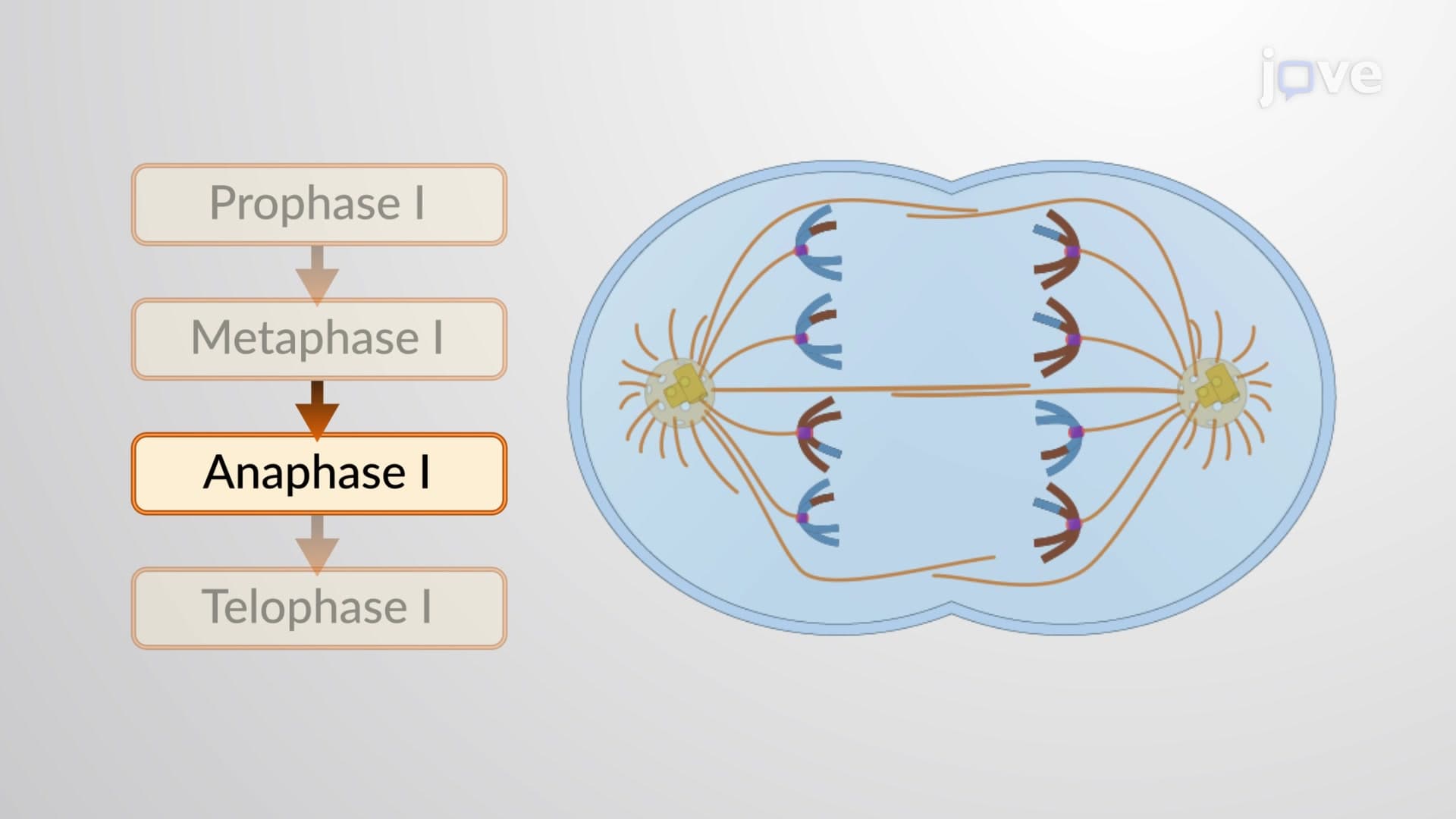
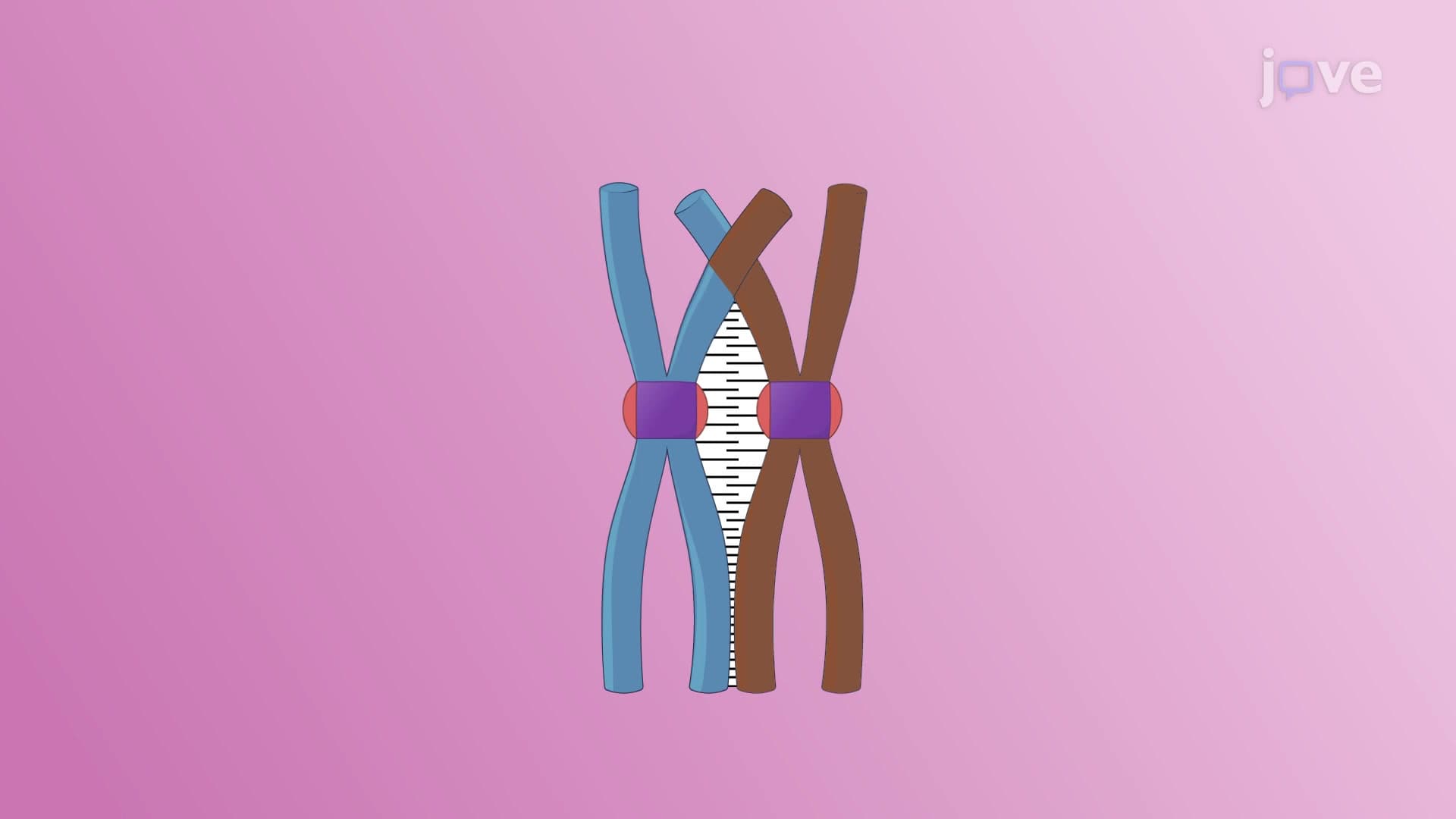
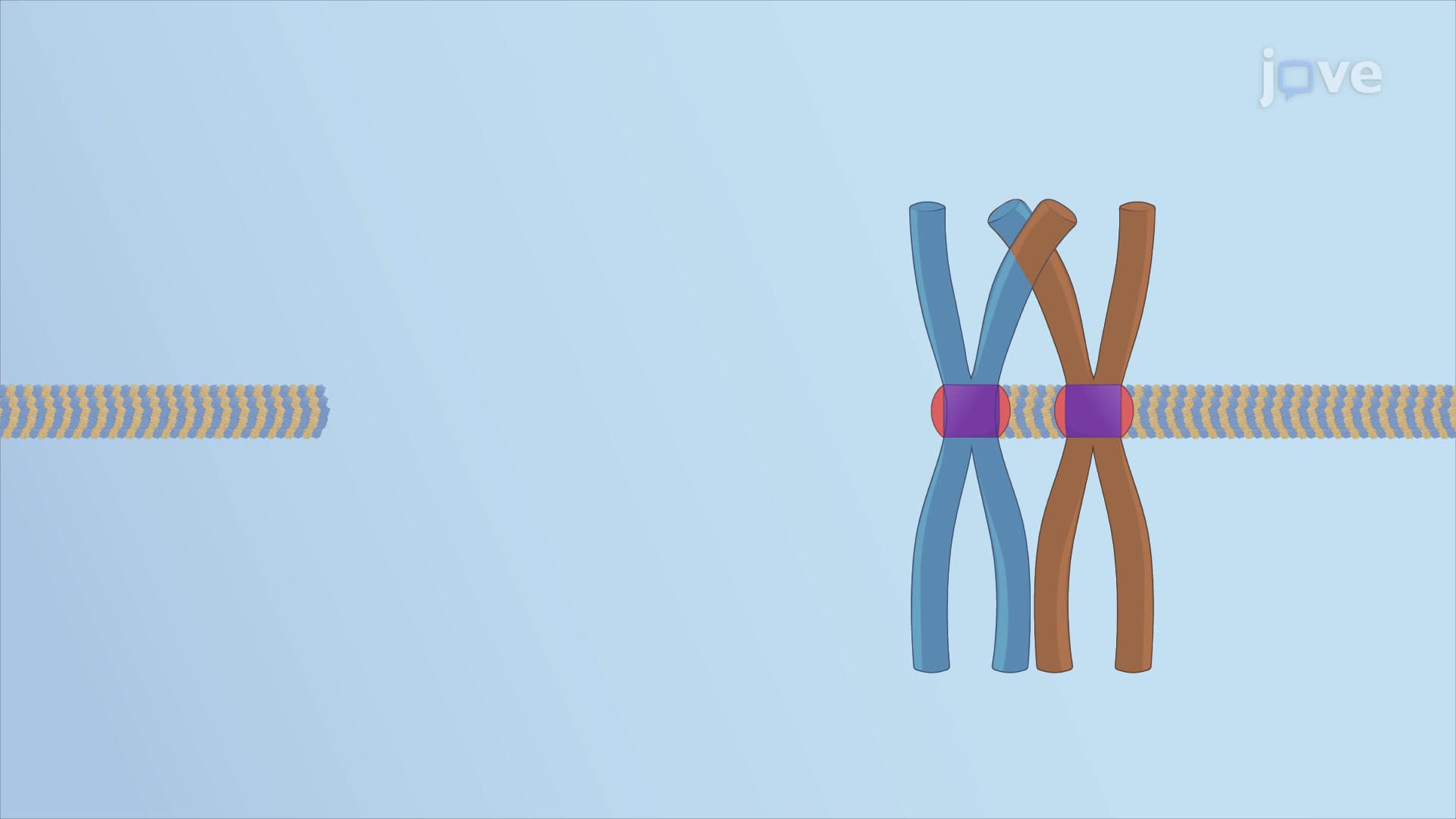
Meiosis introduces controlled genetic chaos through two key mechanisms: crossing over (recombination) and independent assortment. During prophase I, homologous chromosomes pair and exchange genetic segments, creating new allele combinations. Independent assortment during metaphase I randomly distributes maternal and paternal chromosomes, generating approximately 8.4 million possible genetic combinations in human gametes before considering crossing over effects.
Understanding these processes proves essential for AP Biology, college-level genetics courses, and pre-medical studies. The MCAT frequently tests meiosis vs mitosis concepts, particularly regarding genetic disorders and reproductive biology. Medical school curricula emphasize these concepts when studying embryology, genetics, and oncology.
Clinical applications include genetic counseling, where understanding meiotic errors helps predict inheritance risks. Nondisjunction events during meiosis cause chromosomal abnormalities like trisomy 21 (Down syndrome), Turner syndrome, and Klinefelter syndrome. Cancer research heavily focuses on mitotic regulation, as oncogenes and tumor suppressor genes control cell division checkpoints.
Major US research institutions like the National Institutes of Health (NIH) and Centers for Disease Control (CDC) utilize meiosis vs mitosis knowledge in genetic screening programs. The American College of Medical Genetics recommends understanding these processes for healthcare providers involved in genetic counseling and reproductive medicine.
Agricultural biotechnology companies like Monsanto and DowDuPont apply this knowledge in crop development, manipulating meiotic recombination to create desired trait combinations. Understanding cell division mechanics also guides cancer treatment strategies at institutions like MD Anderson Cancer Center and Memorial Sloan Kettering, where researchers develop therapies targeting mitotic checkpoints.
Related Micro-courses