Loading subject page…


37,832 views

Video Summary: What Is Nondisjunction
Did you know that Down syndrome affects approximately 1 in 700 births in the United States due to a single cellular error? Nondisjunction occurs when chromosomes fail to separate properly during meiosis, creating cells with abnormal chromosome numbers called aneuploids. This fundamental genetic mistake can happen during either phase of meiosis and results from defects in proteins like those in the synaptonemal complex or issues with spindle fiber formation. What is nondisjunction becomes crucial when understanding conditions like Klinefelter syndrome and Turner syndrome that impact thousands of Americans annually. Watch the full video on JoVE Coach to master this concept with expert-led visuals and step-by-step explanations.
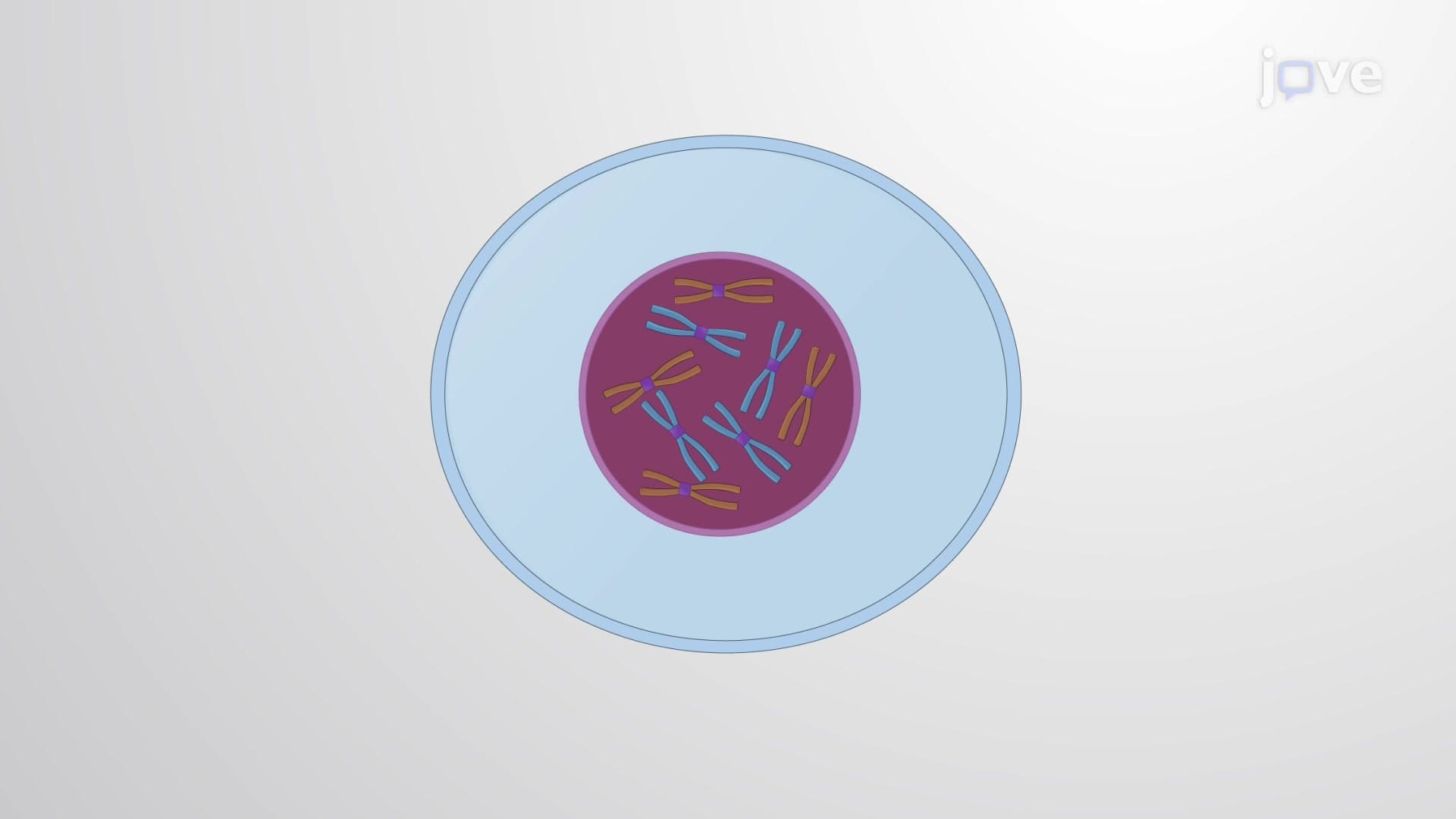
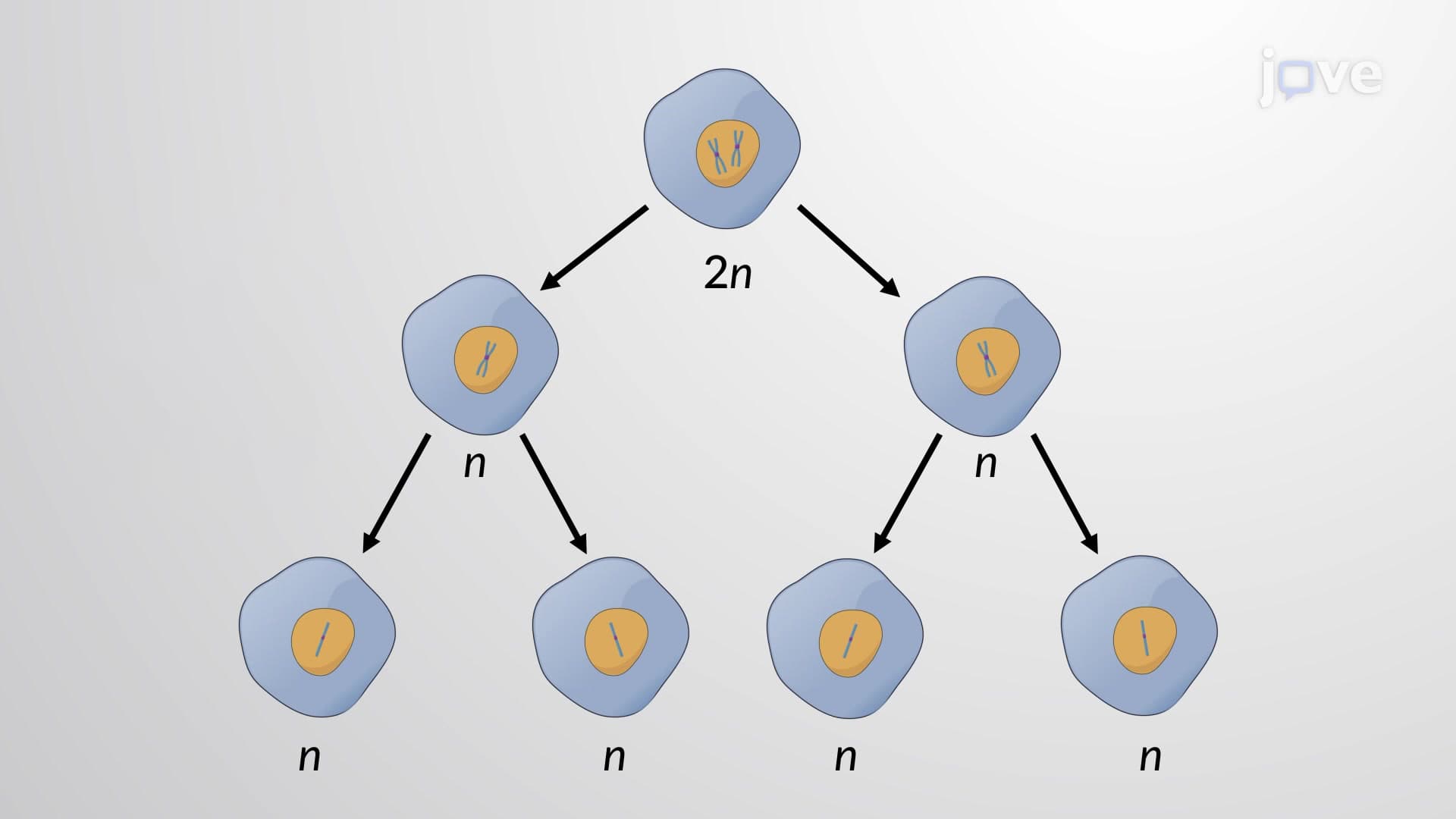
Nondisjunction represents one of the most significant sources of genetic variation and chromosomal abnormalities in human reproduction. This process occurs when paired chromosomes or sister chromatids fail to separate during cell division, fundamentally altering the genetic composition of resulting gametes. For students preparing for AP Biology or college-level genetics courses, mastering this concept is essential for understanding inheritance patterns and genetic disorders.
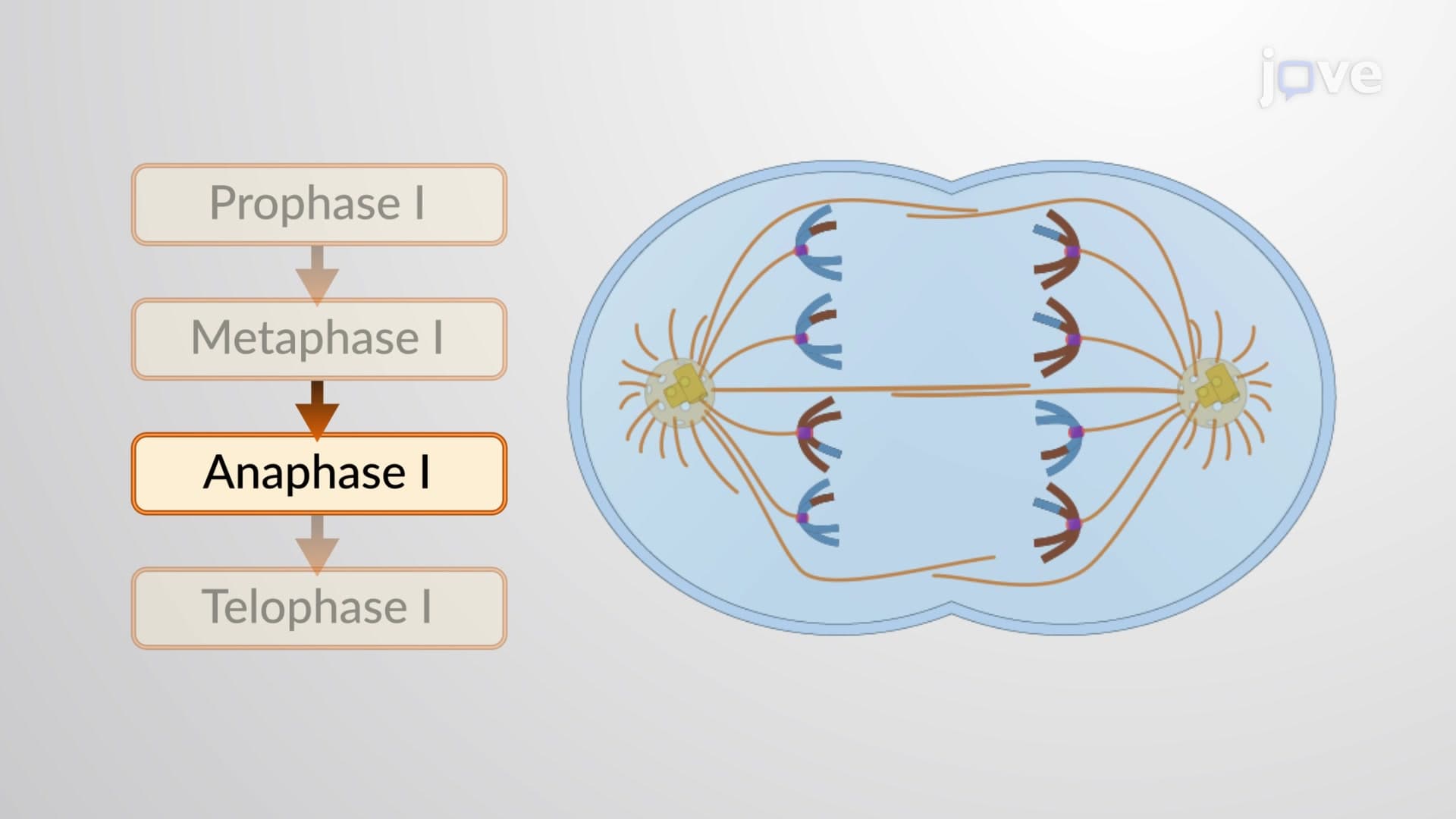
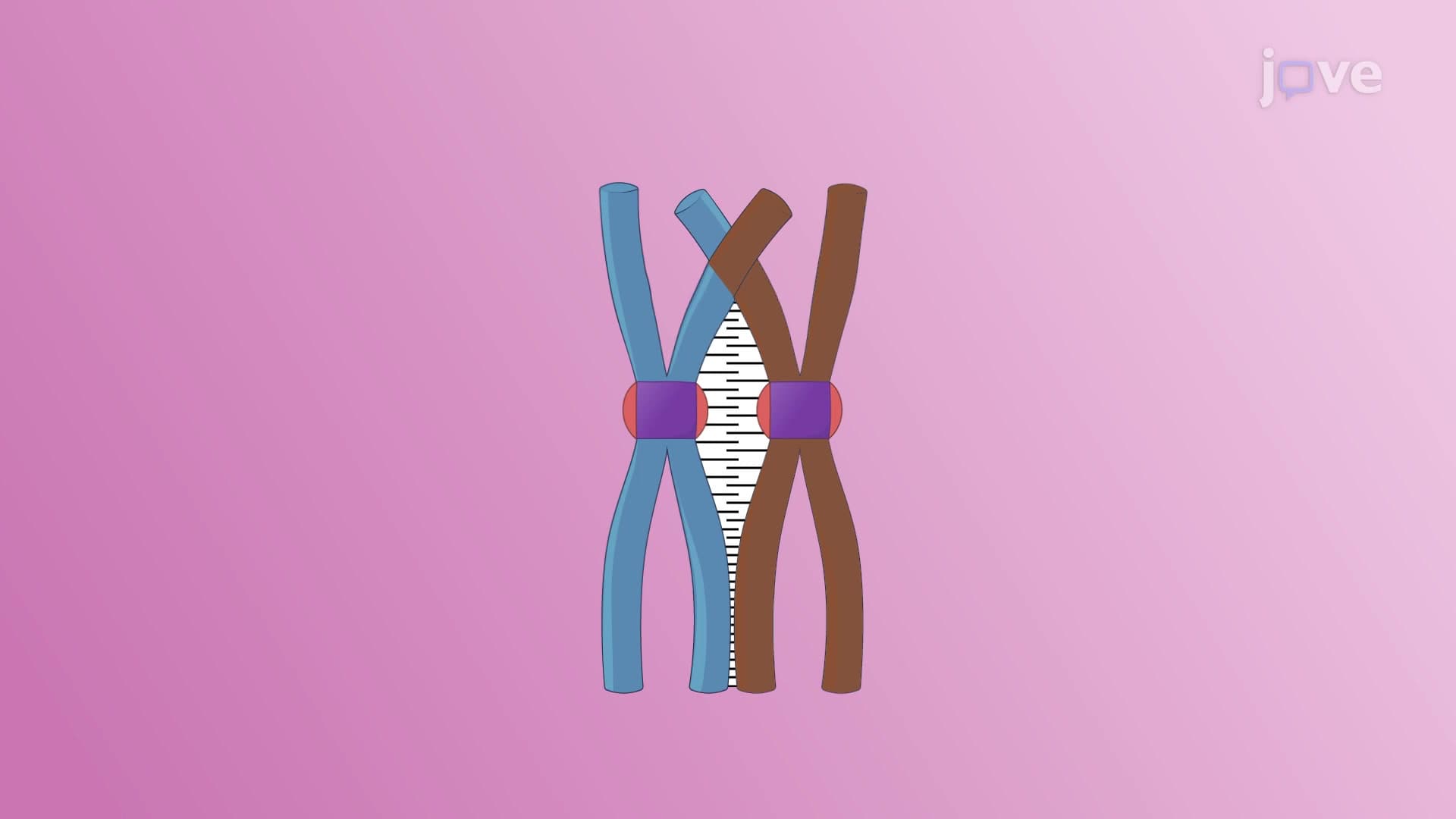
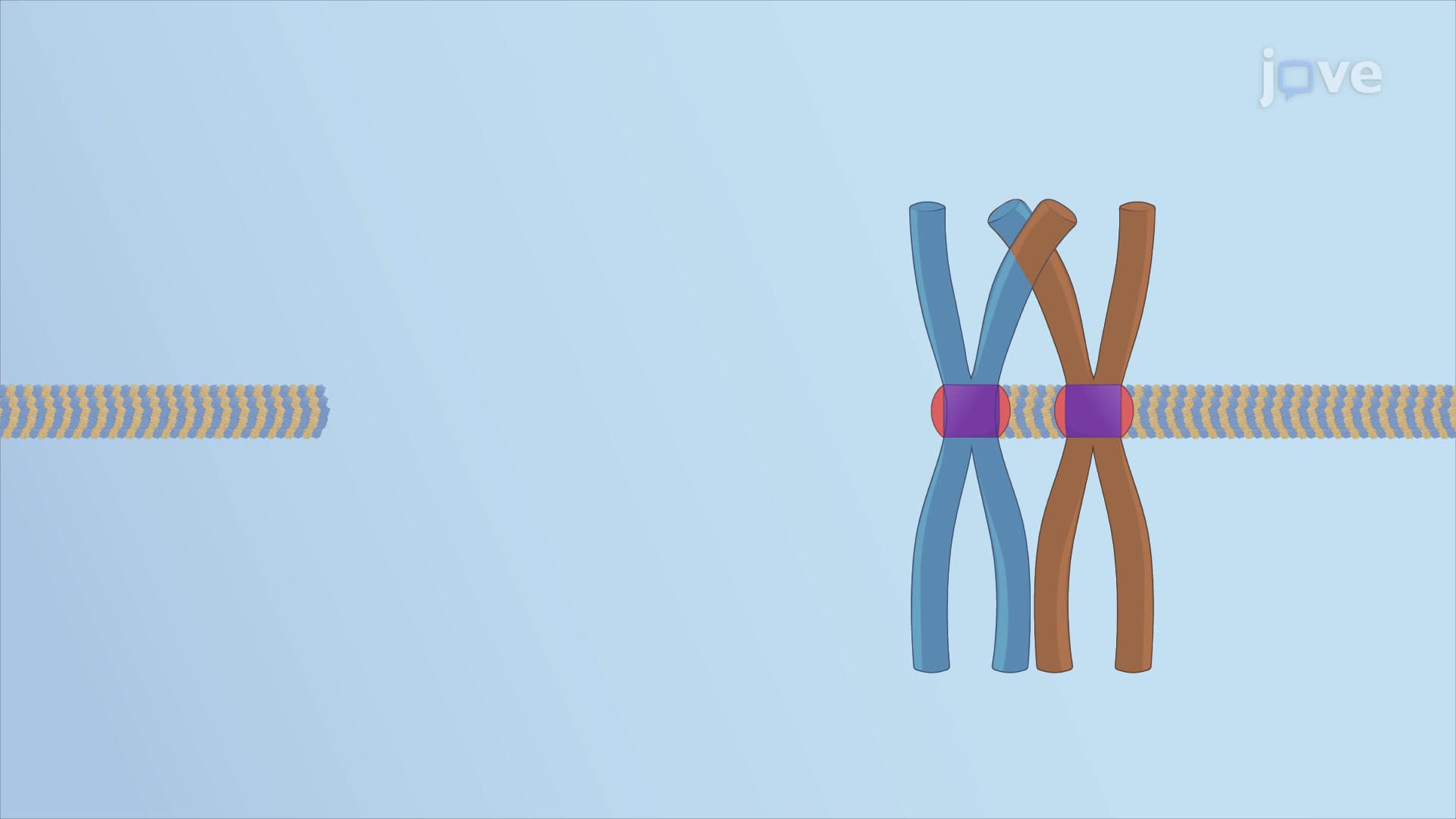
During meiosis I, homologous chromosome pairs should separate and migrate to opposite poles of the cell. However, nondisjunction definition explained reveals that protein complex failures can prevent this separation. The synaptonemal complex, which holds homologous chromosomes together during crossing over, may experience mutations that interfere with proper chromosome release. When this occurs, both chromosomes from a homologous pair travel to the same daughter cell, leaving the other cell without that chromosome entirely.
Students studying for the MCAT should note that spindle fiber asymmetry also contributes to meiosis I nondisjunction. Unequal spindle forces or chromosome misorientation during metaphase I can result in improper chromosome distribution. This creates two daughter cells with an extra chromosome (n+1) and two with a missing chromosome (n-1), all of which are aneuploid.
Nondisjunction overview must include meiosis II errors, which occur when sister chromatids fail to separate during anaphase II. Unlike meiosis I nondisjunction, this error affects only one chromosome type and results from defects in topoisomerase II and condensin proteins. These molecular machines are responsible for resolving chromosome structure and ensuring proper chromatid separation.
In meiosis II nondisjunction, two gametes receive the normal chromosome number while two become aneuploid. This distinction is crucial for college genetics students, as it affects the probability calculations for chromosomal disorders in offspring.
Understanding nondisjunction becomes particularly relevant when examining conditions affecting American populations. Down syndrome (trisomy 21) occurs in approximately 6,000 births annually in the United States, primarily due to maternal meiosis I nondisjunction. The risk increases significantly with maternal age, rising from 1 in 1,500 at age 25 to 1 in 30 at age 45.
For students preparing for healthcare entrance exams like the HESI A2 or TEAS, recognizing that Turner syndrome (45,X) and Klinefelter syndrome (47,XXY) also result from sex chromosome nondisjunction provides practical clinical context. These conditions demonstrate how single cellular errors can have lifelong consequences, emphasizing the importance of accurate meiotic division.
Related Micro-courses