Loading subject page…


48,604 views


Video Summary: Source and Potency of Stem Cells Explained
Did you know that a single fertilized egg cell has the remarkable power to create every tissue in your entire body? The source and potency of stem cells determines their incredible ability to self-renew and transform into specialized cell types. From totipotent cells that can form complete organisms to multipotent adult stem cells used in bone marrow transplants at hospitals like Johns Hopkins, understanding stem cell potency is crucial for grasping regenerative medicine. Watch the full video on JoVE Coach to master this concept with expert-led visuals and step-by-step explanations.
Stem cell potency represents nature's most sophisticated cellular organization system, determining how cells progress from ultimate flexibility to specialized function. This hierarchical system governs everything from embryonic development to adult tissue repair, making it essential knowledge for students pursuing careers in medicine, biotechnology, or biomedical research.
At the apex of stem cell potency lie totipotent cells, possessing the extraordinary ability to create entire organisms. The fertilized human egg (zygote) exemplifies totipotency, containing the genetic blueprint and cellular machinery to generate all 220+ human cell types plus extraembryonic tissues like the placenta. During the first few cell divisions, each blastomere retains totipotent characteristics. This concept frequently appears on Advanced Placement Biology exams, where students must distinguish between totipotent and pluripotent capabilities.
Pluripotent stem cells, including embryonic stem cells and induced pluripotent stem cells (iPSCs), represent the next tier of potency. While they can differentiate into nearly all body cell types, they cannot independently form complete organisms because they lack the ability to create extraembryonic tissues. iPSCs, pioneered by researchers like Shinya Yamanaka, revolutionized stem cell research by demonstrating that adult cells (such as skin fibroblasts) can be reprogrammed to pluripotent states using specific transcription factors. This breakthrough, recognized with the 2012 Nobel Prize, bypasses ethical concerns surrounding embryonic stem cell research while maintaining therapeutic potential.
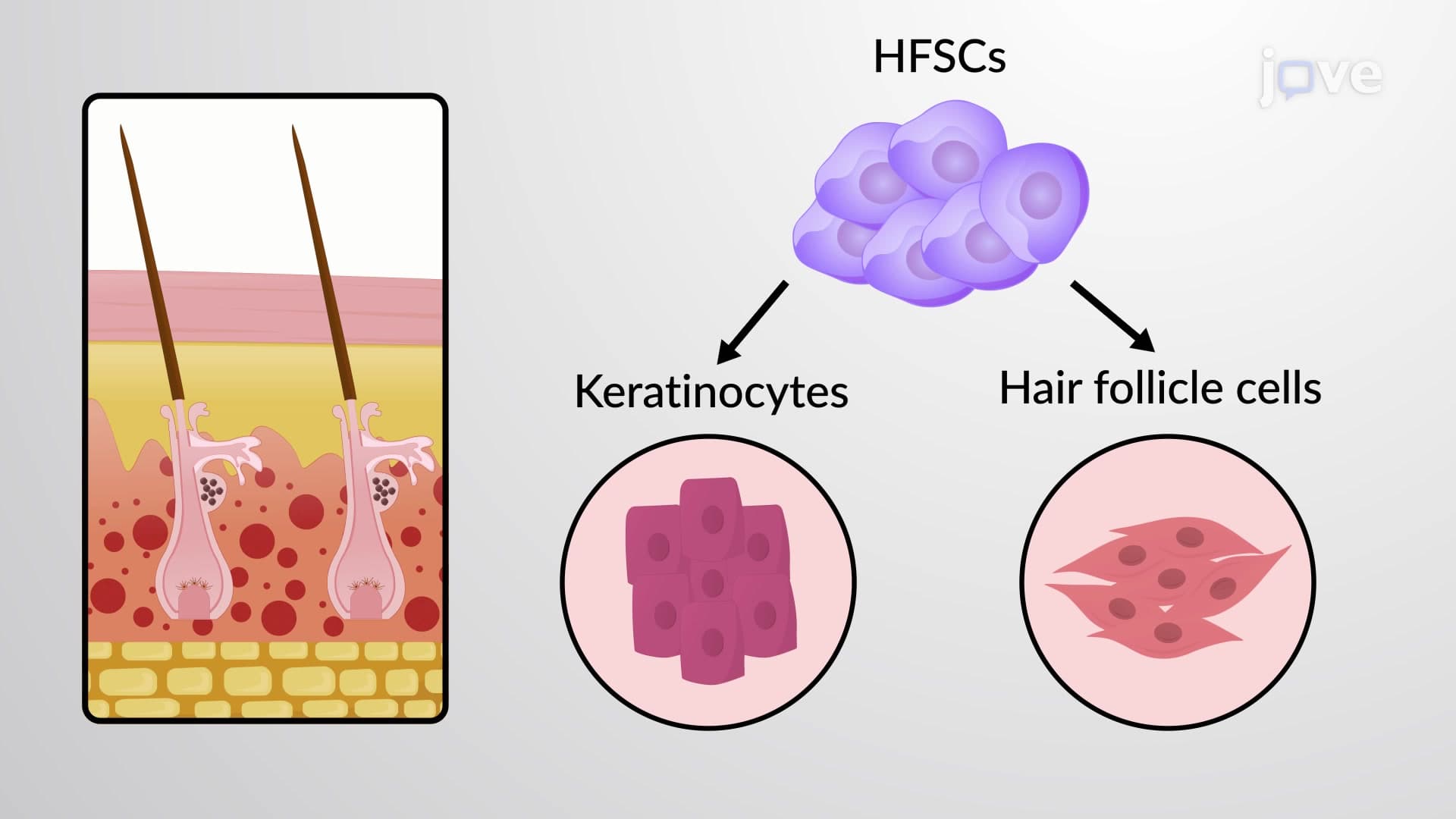
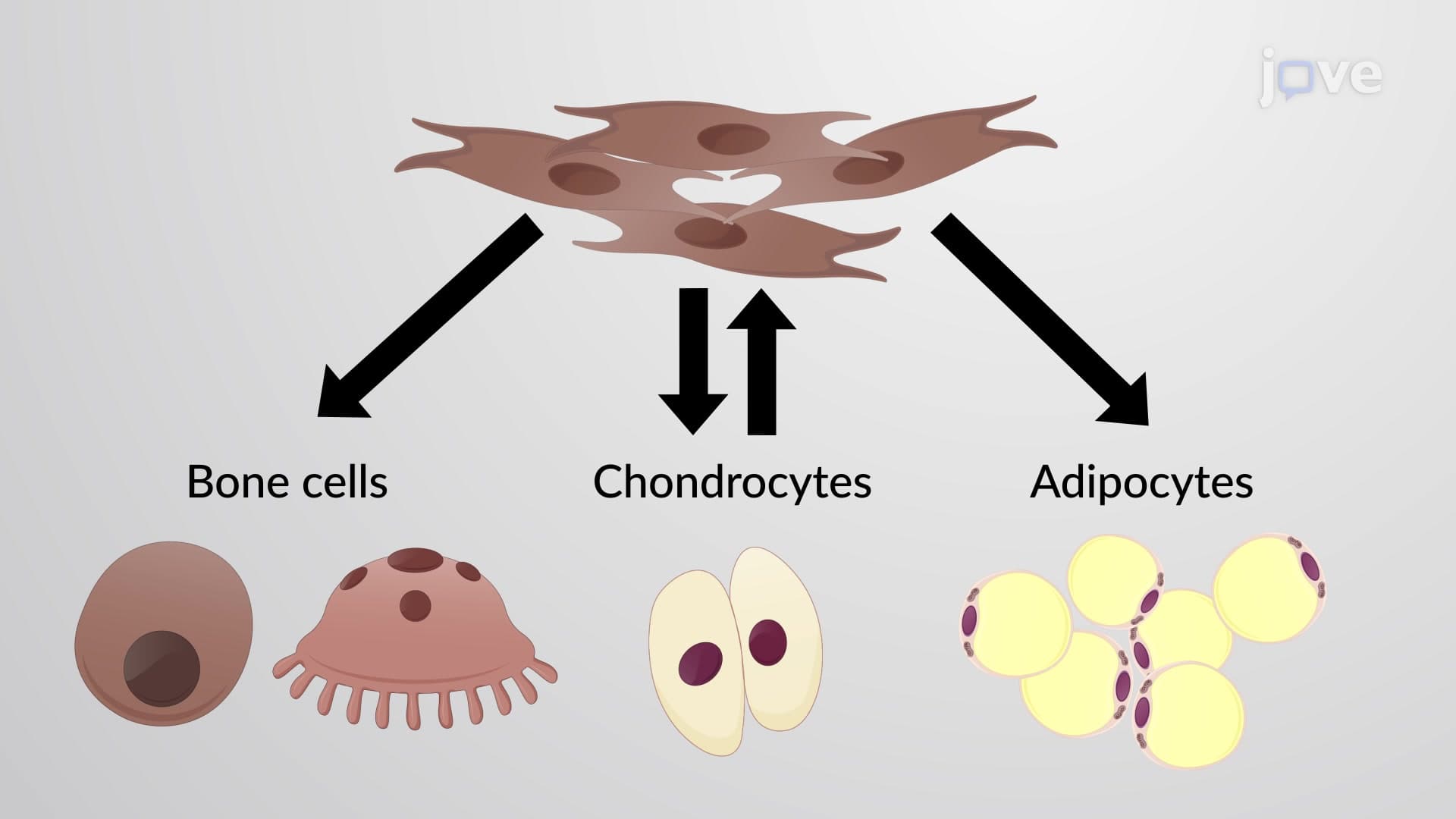
Multipotent adult stem cells demonstrate more restricted differentiation potential, typically generating cell types within specific tissue lineages. Mesenchymal stem cells (MSCs) exemplify this category, differentiating into bone cells (osteoblasts), muscle cells (myocytes), fat cells (adipocytes), and cartilage cells (chondrocytes). However, they cannot cross lineage boundaries to produce neurons or blood cells. Hematopoietic stem cells in bone marrow follow similar principles, generating all blood cell types but remaining confined to the hematopoietic lineage. These concepts are crucial for MCAT preparation, particularly in biological sciences sections.
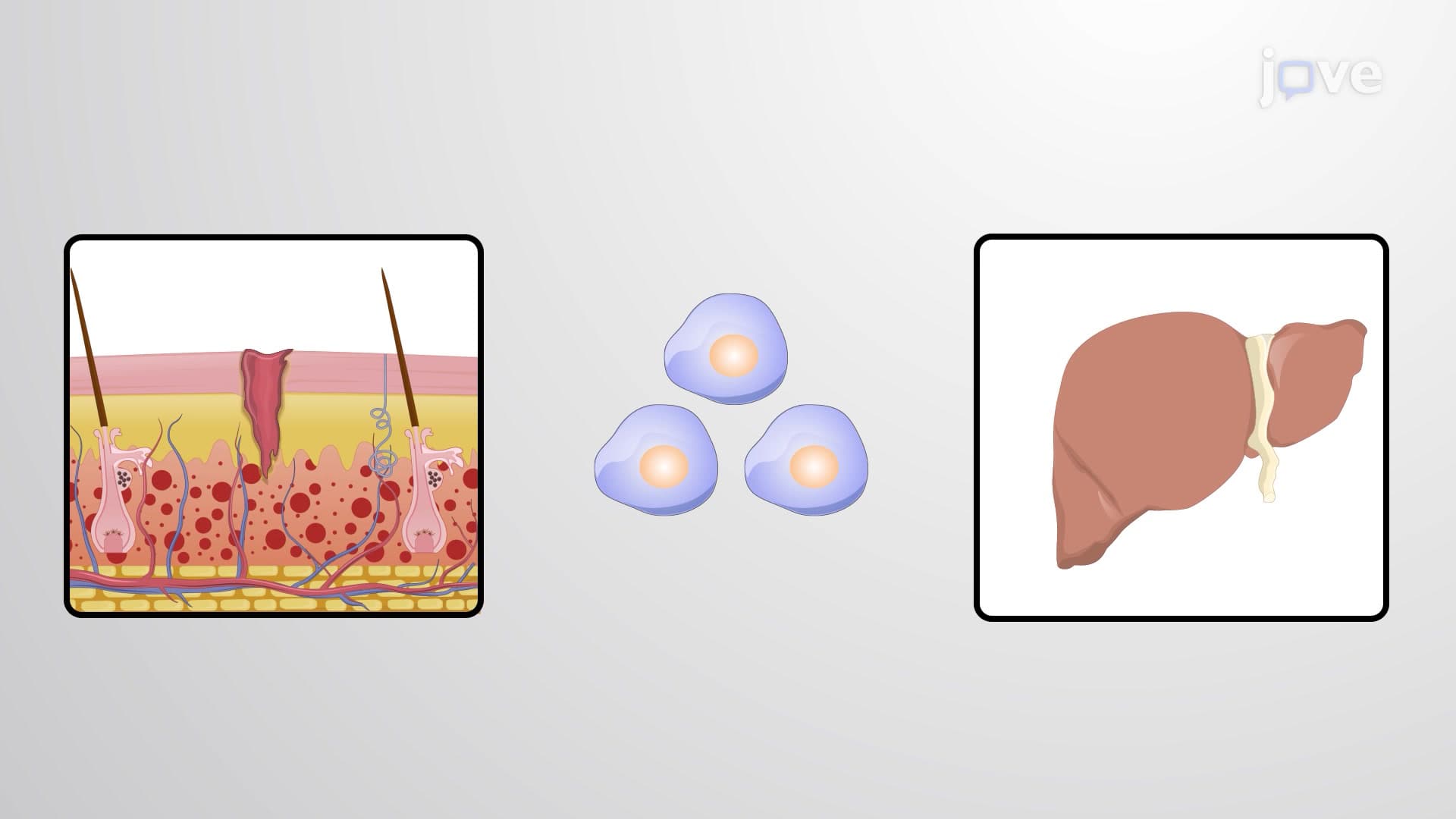
Understanding stem cell potency directly impacts therapeutic applications across American healthcare systems. Multipotent hematopoietic stem cell transplants treat leukemia patients at major medical centers like MD Anderson Cancer Center and Memorial Sloan Kettering. Meanwhile, researchers at Stanford University and Harvard Medical School investigate iPSC applications for treating neurodegenerative diseases, leveraging their pluripotent characteristics for neural tissue regeneration. The FDA's careful regulation of stem cell therapies reflects the critical importance of matching stem cell potency to therapeutic needs.
Related Micro-courses