Loading video…


 13 Concepts
 48.6K views

Video Summary: What are Unrenewable Cells
Did you know that certain cells in your body, once damaged, can never be replaced? Unrenewable cells are specialized cells that lack the ability to regenerate through stem cell activity, making any damage potentially permanent. For example, when American veterans return from combat with hearing loss due to explosive blast exposure, their damaged auditory hair cells cannot regenerate, often resulting in lifelong hearing impairment. Understanding what are unrenewable cells helps explain why conditions like age-related macular degeneration and noise-induced hearing loss are irreversible. Watch the full video on JoVE Coach to master this concept with expert-led visuals and step-by-step explanations.
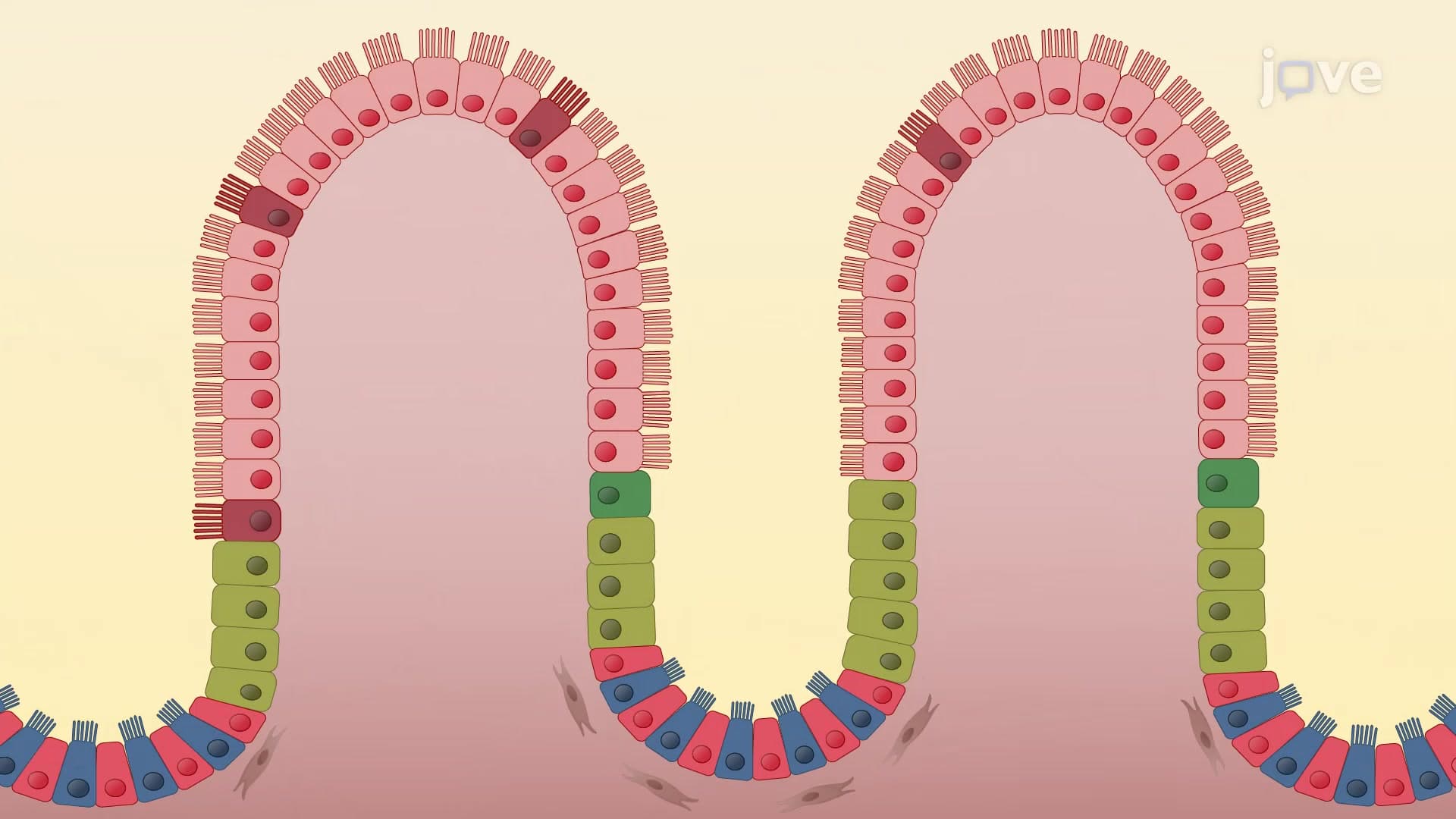
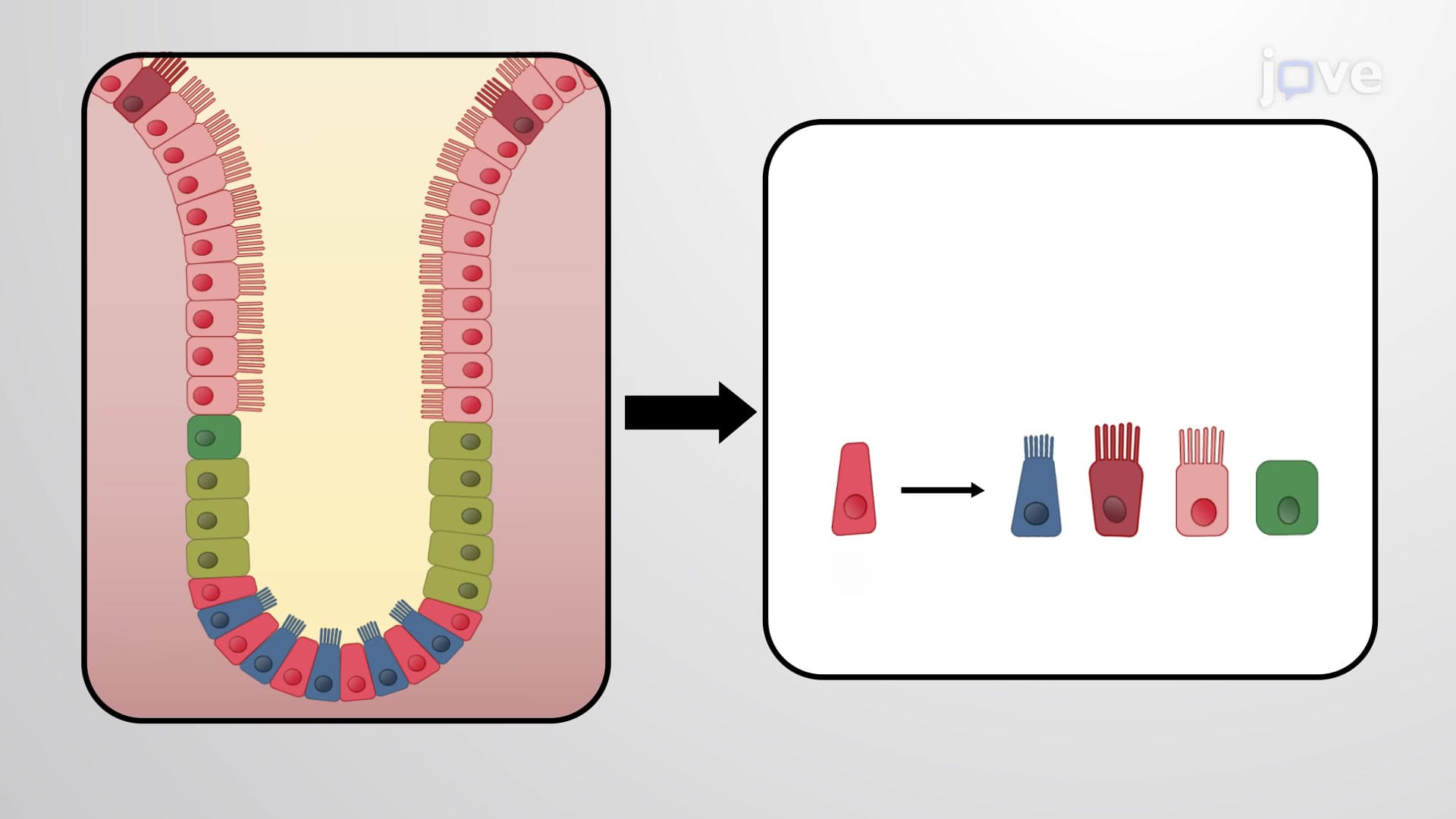
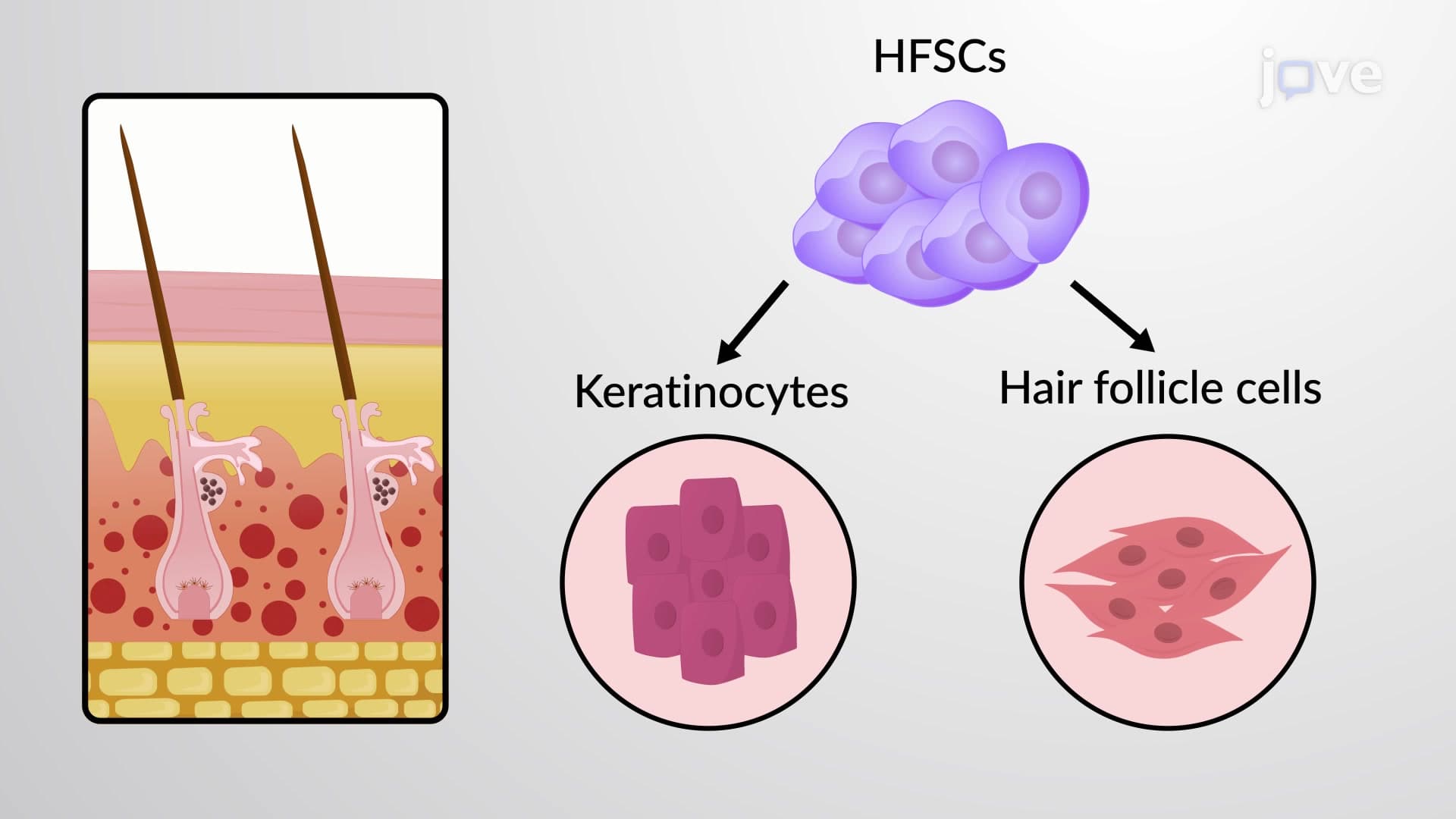
Unrenewable cells represent a unique category of specialized cells in the human body that lack the regenerative capacity found in most other tissues. Unlike renewable cells that can be replaced through stem cell division and differentiation, unrenewable cells exist in tissues where stem cells are either absent or inactive. This characteristic makes them particularly vulnerable to permanent damage, with significant implications for human health and disease.
The human body contains two primary examples of types of unrenewable cells: photoreceptors in the retinal epithelium and sensory hair cells in the auditory epithelium. Photoreceptors, including rods and cones, are responsible for converting light into electrical signals that the brain interprets as vision. These cells are particularly susceptible to damage from intense light exposure, oxidative stress, and age-related degeneration. Once damaged, they cannot be replaced, leading to permanent vision loss.
Similarly, sensory hair cells in the inner ear function as mechanoreceptors that convert sound waves and head movements into neural signals. These delicate structures can be damaged by excessive noise exposure, ototoxic medications, or age-related changes. The Occupational Safety and Health Administration (OSHA) recognizes noise-induced hearing loss as one of the most common occupational injuries in the United States, precisely because these unrenewable cells cannot regenerate once damaged.
Understanding the unrenewable cells concept is crucial for comprehending various degenerative conditions. Age-related macular degeneration (AMD), the leading cause of blindness in Americans over 50, results from the progressive loss of photoreceptors in the macula. Similarly, presbycusis, or age-related hearing loss, affects approximately one-third of adults between 65 and 75 years old due to the gradual deterioration of auditory hair cells.
Usher syndrome, a genetic disorder affecting both vision and hearing, exemplifies the devastating impact of unrenewable cell loss. Patients with this condition experience progressive vision loss due to retinitis pigmentosa and hearing loss due to damaged hair cells, with no possibility of natural regeneration.
The study of unrenewable cells has significant implications for regenerative medicine and therapeutic development. Current research focuses on stem cell therapies, gene therapy, and tissue engineering approaches to potentially restore function to these irreplaceable cells. For students preparing for the MCAT or advanced biology courses, understanding why certain cells cannot regenerate provides insight into the complexity of human development and the challenges facing modern medicine.
Related Micro-courses