Loading video…


 13 Concepts
 48.6K views


Video Summary: What Is Stem Cell Culture
Did you know that scientists can grow millions of stem cells from just a tiny sample in a lab dish? Stem cell culture is the controlled laboratory process of growing these remarkable cells outside the body, enabling groundbreaking treatments like those used at Mayo Clinic for spinal cord injuries. What is stem cell culture involves creating optimal conditions where stem cells can multiply while maintaining their unique ability to become any type of cell in the human body. Watch the full video on JoVE Coach to master this concept with expert-led visuals and step-by-step explanations.
Stem cell culture represents one of the most sophisticated techniques in modern biomedical research, serving as the foundation for regenerative medicine breakthroughs. This process involves creating controlled laboratory environments where stem cells can proliferate while retaining their unique characteristics. Unlike regular cell culture, stem cell cultivation requires precise conditions to prevent these versatile cells from spontaneously differentiating into specialized cell types.
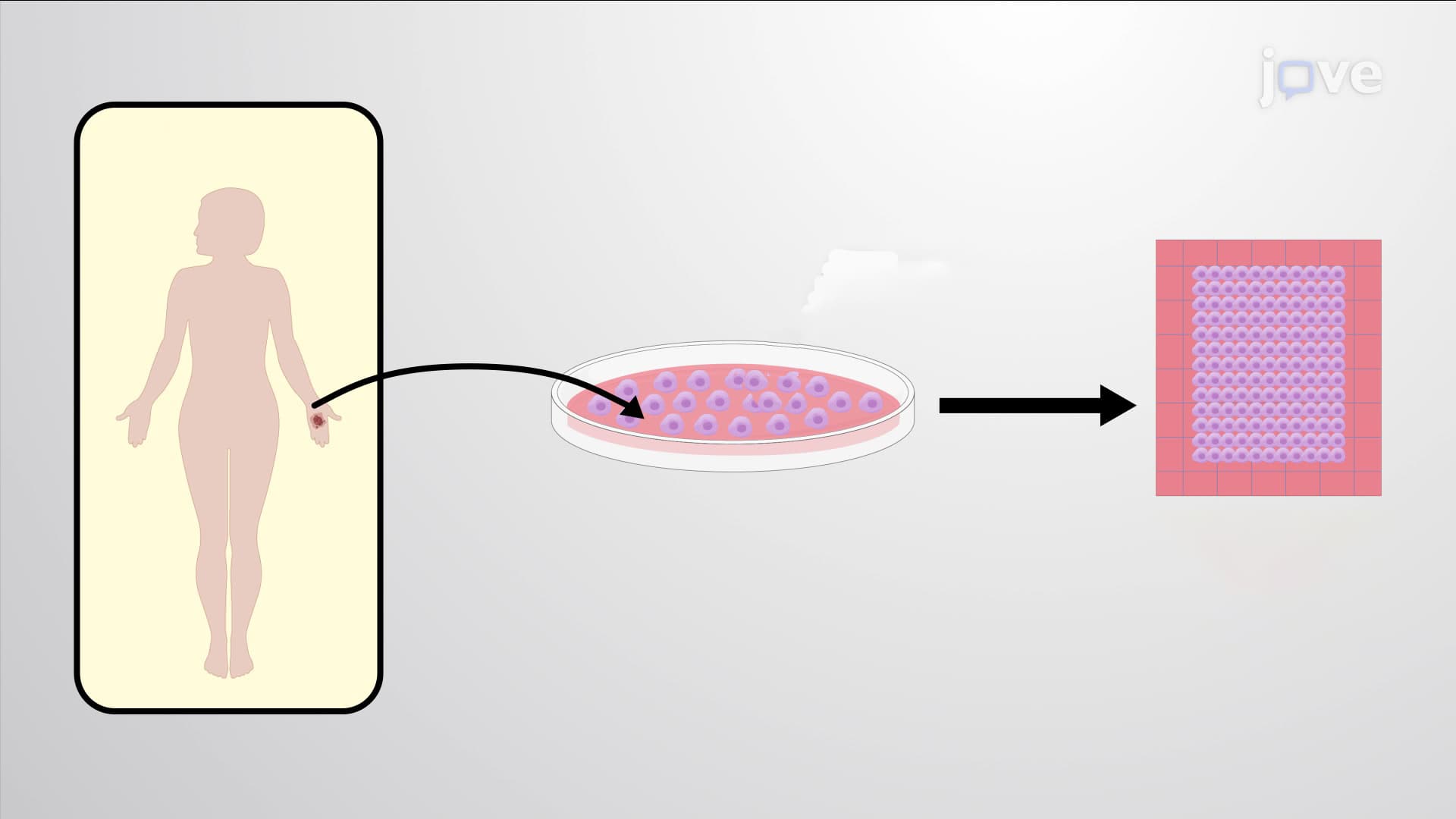
The stem cell culture definition encompasses multiple critical steps beginning with sample collection. Researchers typically extract stem cells from adult tissues like bone marrow or adipose tissue, or from embryonic sources under strict ethical guidelines. These samples are then placed in specially prepared plastic culture dishes coated with feeder layers-often inactivated mouse embryonic fibroblasts that provide essential cellular signals and nutrients.
The culture medium plays a crucial role, containing growth factors, hormones, and nutrients that support cellular division while maintaining stemness. As students preparing for the MCAT or AP Biology exams should understand, this delicate balance prevents unwanted differentiation while promoting healthy cell division. The cells form colonies that can be observed under microscopes, creating the characteristic clustered growth patterns that researchers monitor closely.
What is stem cell culture in detail includes understanding the passage process-a technique where growing colonies are carefully removed and replated onto fresh culture dishes. This subculturation process can be repeated multiple times, eventually establishing stable cell lines capable of producing millions of identical stem cells. For students studying cell biology at institutions like Stanford University or Johns Hopkins, this concept frequently appears in coursework and laboratory exercises.
The stem cell culture overview wouldn't be complete without discussing real-world applications. Companies like Geron Corporation and research centers at Harvard Medical School use these techniques to develop treatments for Parkinson's disease, diabetes, and spinal cord injuries. The ability to freeze cultured stem cells for future use has revolutionized personalized medicine approaches, allowing patients to potentially use their own cells for treatment years after initial collection.
Understanding this technology is essential for students pursuing careers in biotechnology, medicine, or research, as stem cell culture continues expanding into new therapeutic areas across American healthcare systems.
Related Micro-courses