Loading video…


 13 Concepts
 48.6K views

Video Summary: What Is Stem Cell Niche
Did you know that your body's stem cells live in specialized "neighborhoods" that control when they spring into action? The stem cell niche is a crucial microenvironment that keeps stem cells dormant until your body needs repairs, like when you scrape your knee and new skin cells must rapidly regenerate. These cellular neighborhoods, found in places like bone marrow and intestinal tissue, use complex signaling to maintain the perfect balance between stem cell storage and tissue repair. Watch the full video on JoVE Coach to master this concept with expert-led visuals and step-by-step explanations.
The stem cell niche represents one of biology's most elegant regulatory systems-a specialized tissue microenvironment that maintains stem cells in a carefully controlled state of readiness. Unlike freely circulating cells, stem cells reside in these anatomically defined locations where supporting cells, extracellular matrix components, and signaling molecules work together to preserve stem cell identity while enabling rapid response to tissue damage.
This concept is fundamental to understanding regenerative medicine and appears frequently on the MCAT Biology section, particularly in passages about tissue homeostasis and cellular differentiation. College-level cell biology courses at institutions like UCLA and Johns Hopkins emphasize how niche dysfunction contributes to diseases ranging from cancer to premature aging.
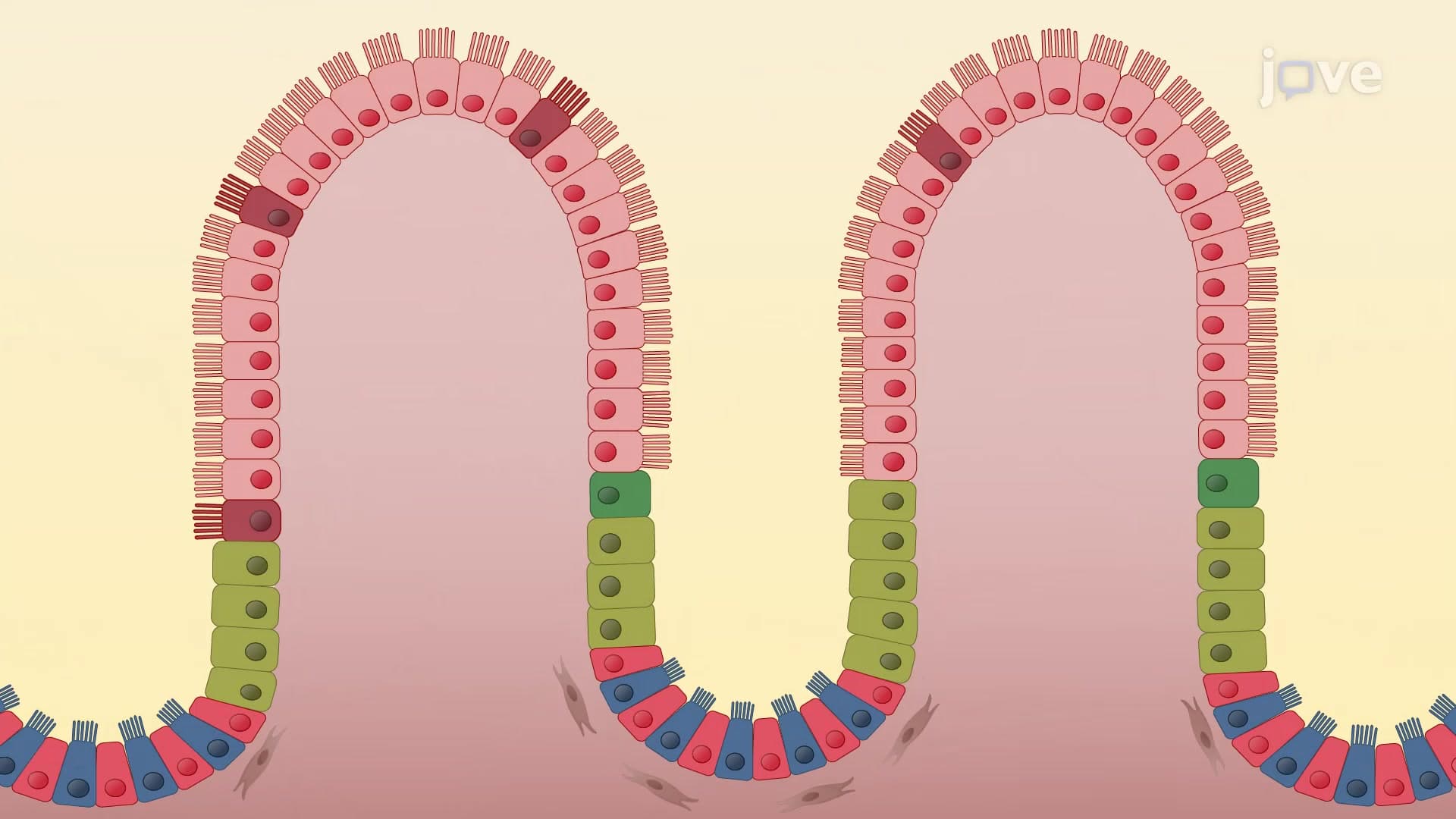
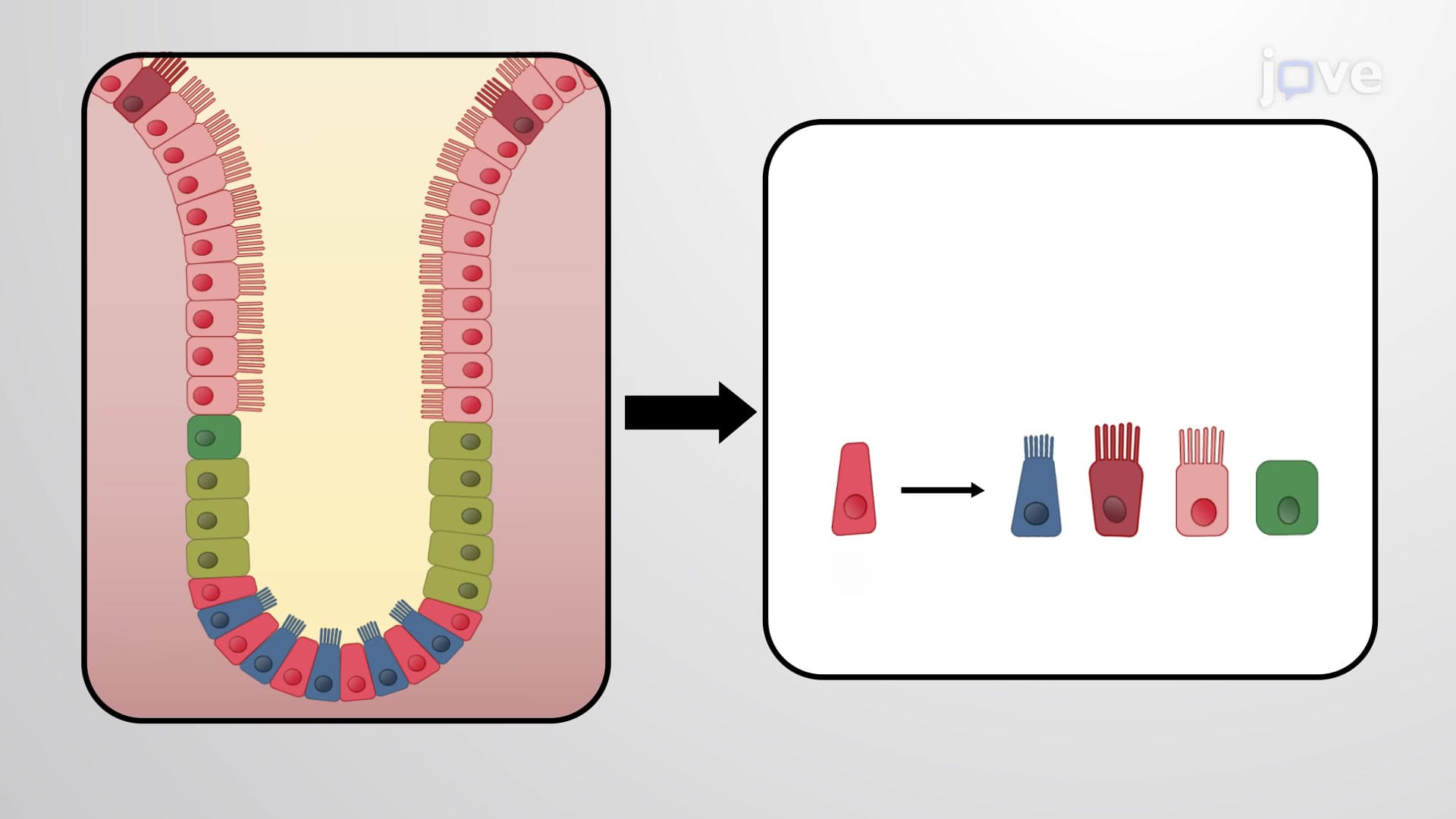
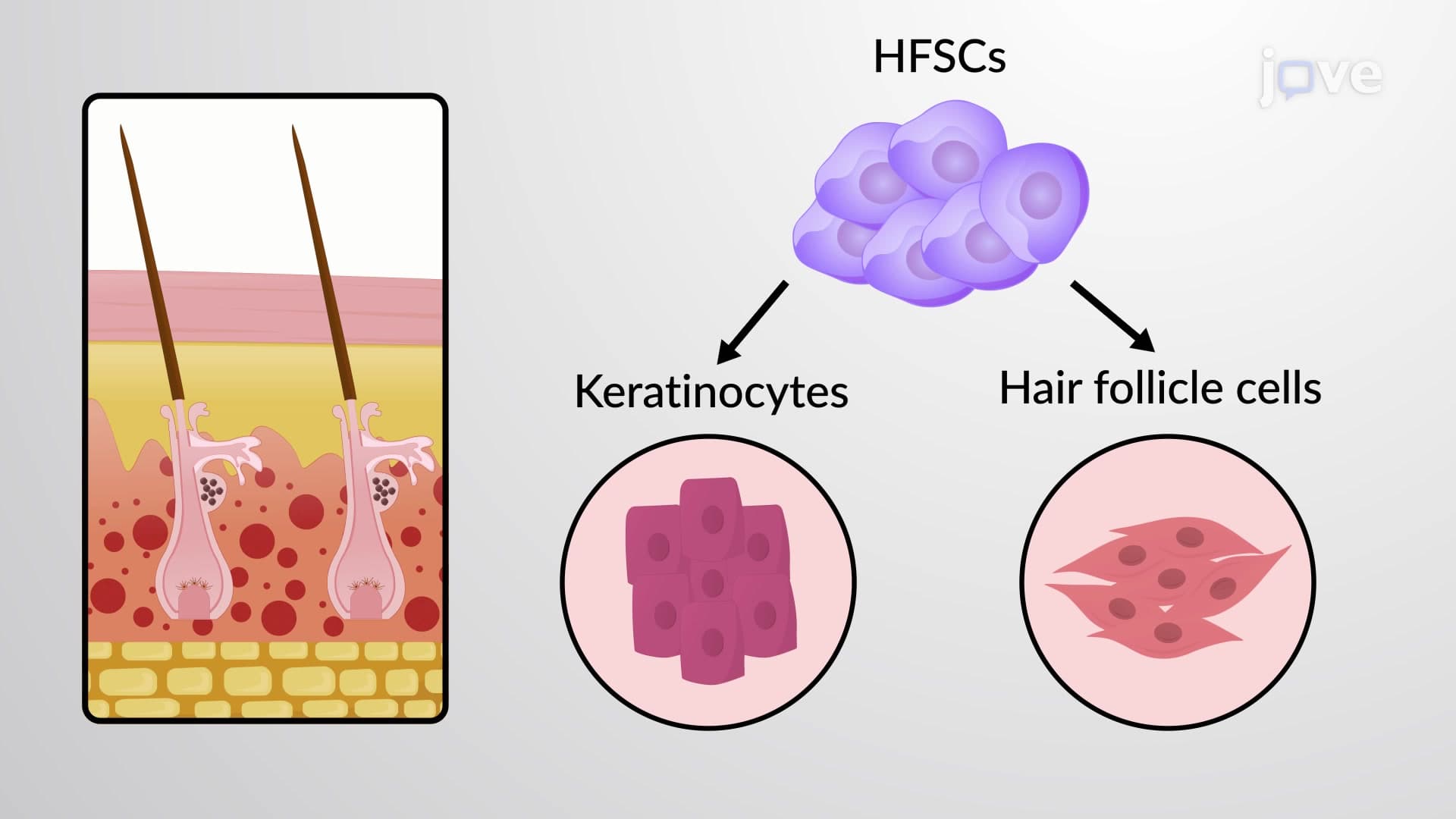
Within each niche, supporting cells play specialized roles in stem cell maintenance. In bone marrow, stromal cells provide structural support and secrete factors that keep hematopoietic stem cells dormant. The small intestine showcases another classic example: Paneth cells at the base of intestinal crypts produce antimicrobial peptides and growth factors that maintain intestinal stem cells. Similarly, keratinocytes in hair follicle bulges create the niche environment for epidermal stem cells responsible for skin and hair renewal.
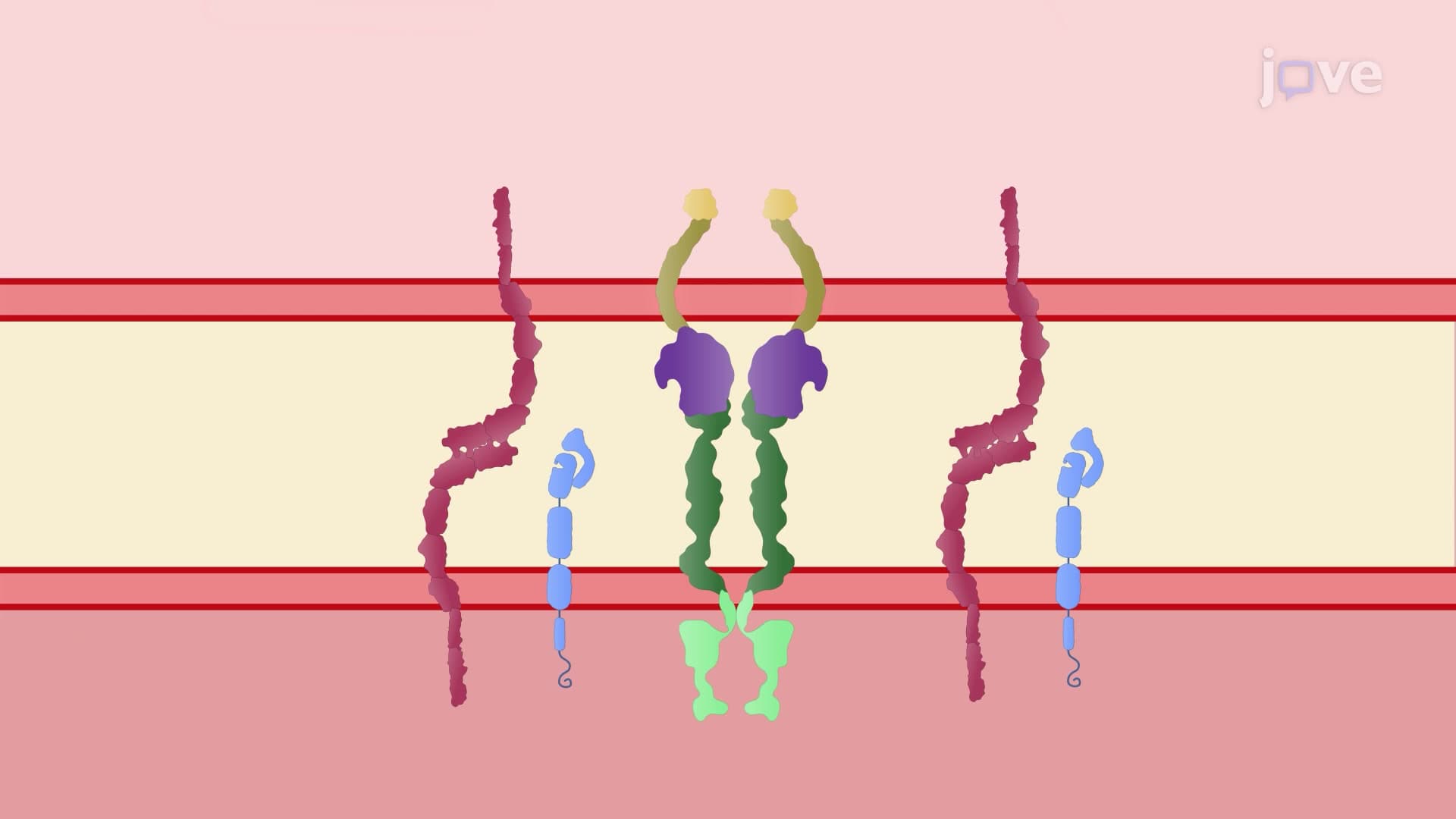
These supporting cells don't work alone-they're embedded in a complex extracellular matrix that provides both physical scaffolding and biochemical cues. Matrix proteins like laminin and collagen interact with stem cell surface receptors, transmitting signals about the cell's position and local conditions.
The niche operates through interconnected signaling pathways that students encounter repeatedly in advanced biology coursework. The Notch pathway, often tested on AP Biology exams, maintains stem cell identity through direct cell-to-cell contact. Wnt signaling promotes self-renewal and appears in cancer biology questions on the MCAT. Meanwhile, BMP (Bone Morphogenetic Protein) signaling typically promotes differentiation, creating a molecular tug-of-war that keeps stem cells poised for action.
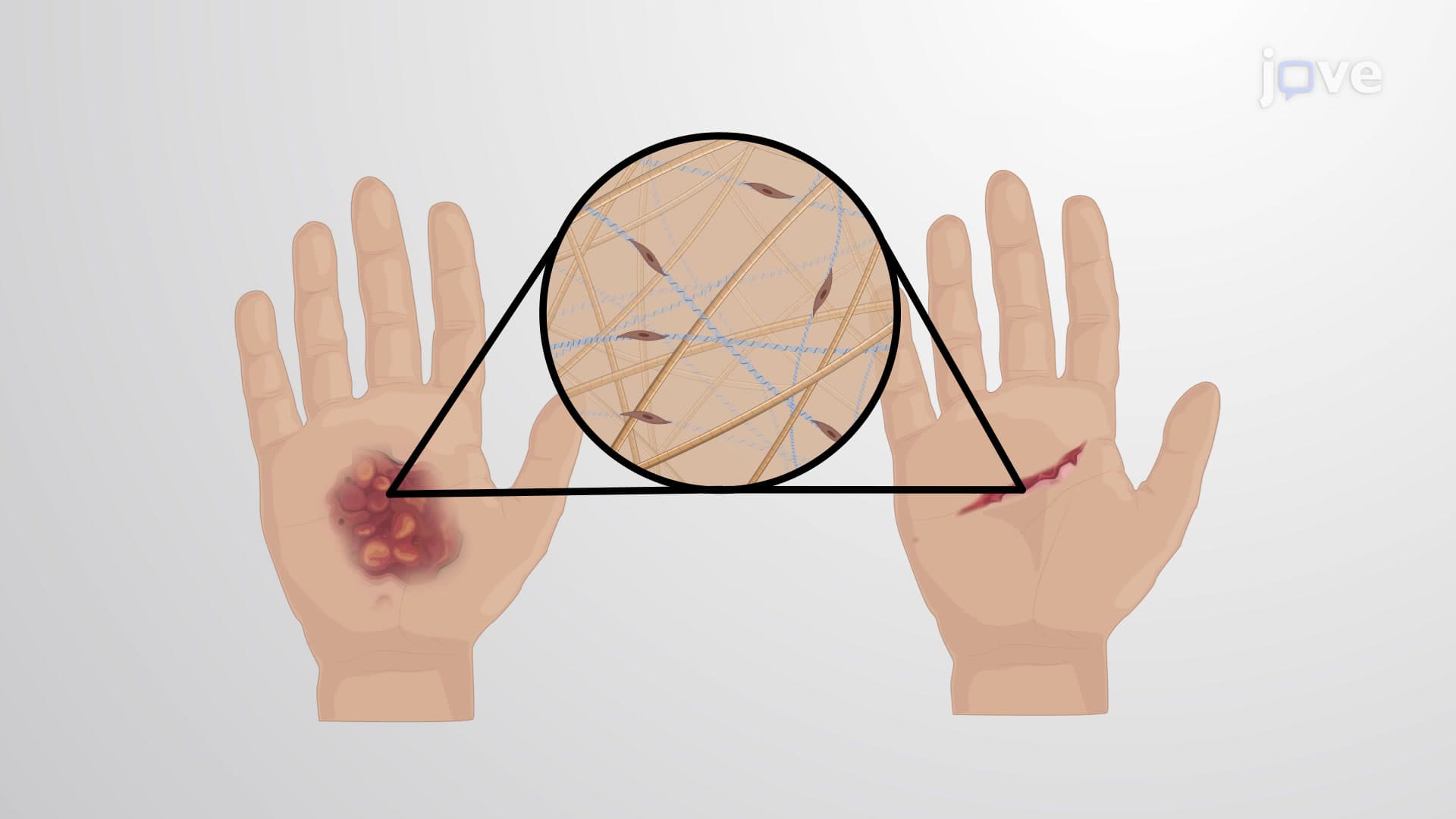
When tissue injury occurs-such as a bone fracture treated at Mayo Clinic or wound healing at Cleveland Clinic-cytokines like TNF-alpha and interleukins disrupt this signaling balance. Stem cells respond by undergoing asymmetric division, producing one daughter cell that remains a stem cell and another that begins differentiating into specialized cell types.
Niche disruption has profound medical implications studied extensively at research hospitals like Johns Hopkins and Stanford Medicine. During aging, accumulated reactive oxygen species damage both stem cells and their supporting environment, reducing regenerative capacity. In cancer, oncogenes can hijack niche signaling, causing uncontrolled proliferation while simultaneously exhausting the stem cell pool-a concept central to understanding cancer stem cell theory in medical school pathology courses.
Related Micro-courses