Loading subject page…


48,600 views


Video Summary: Zygotic Development and Stem Cell Formation Explained
Every human started as a single cell with the remarkable ability to become any tissue in the body-from brain neurons to heart muscle. Zygotic development and stem cell formation represents the fundamental process by which one fertilized egg transforms into the trillions of specialized cells that make up an adult organism. Consider that stem cell research at institutions like Stanford University has revolutionized treatments for conditions ranging from Parkinson's disease to spinal cord injuries, all building on these basic developmental principles. Watch the full video on JoVE Coach to master this concept with expert-led visuals and step-by-step explanations.
Zygotic development and stem cell formation begins with one of biology's most remarkable transformations. When sperm meets egg during fertilization, the resulting zygote contains all the genetic information necessary to create an entire organism. This single cell possesses totipotency-the ultimate stem cell property that allows it to generate every cell type in the body, including the supportive tissues needed for development.
The first few mitotic divisions create a cluster of eight cells, each maintaining totipotent characteristics. At this stage, researchers have demonstrated that individual cells can still develop into complete organisms if separated-a principle that explains how identical twins form naturally. This totipotency distinguishes early embryonic cells from all other stem cell types and makes them invaluable for research at leading US institutions like Harvard Medical School and the University of California system.
By the 64-cell stage, the developing embryo has formed a blastocyst with two distinct regions. The outer trophectoderm (TE) consists of tightly connected cells that will eventually form the placenta and other extraembryonic structures essential for pregnancy. The inner cell mass (ICM) contains pluripotent stem cells-slightly more restricted than totipotent cells but still capable of forming any tissue in the developing organism. This architectural organization represents the first major cell fate decision in development.
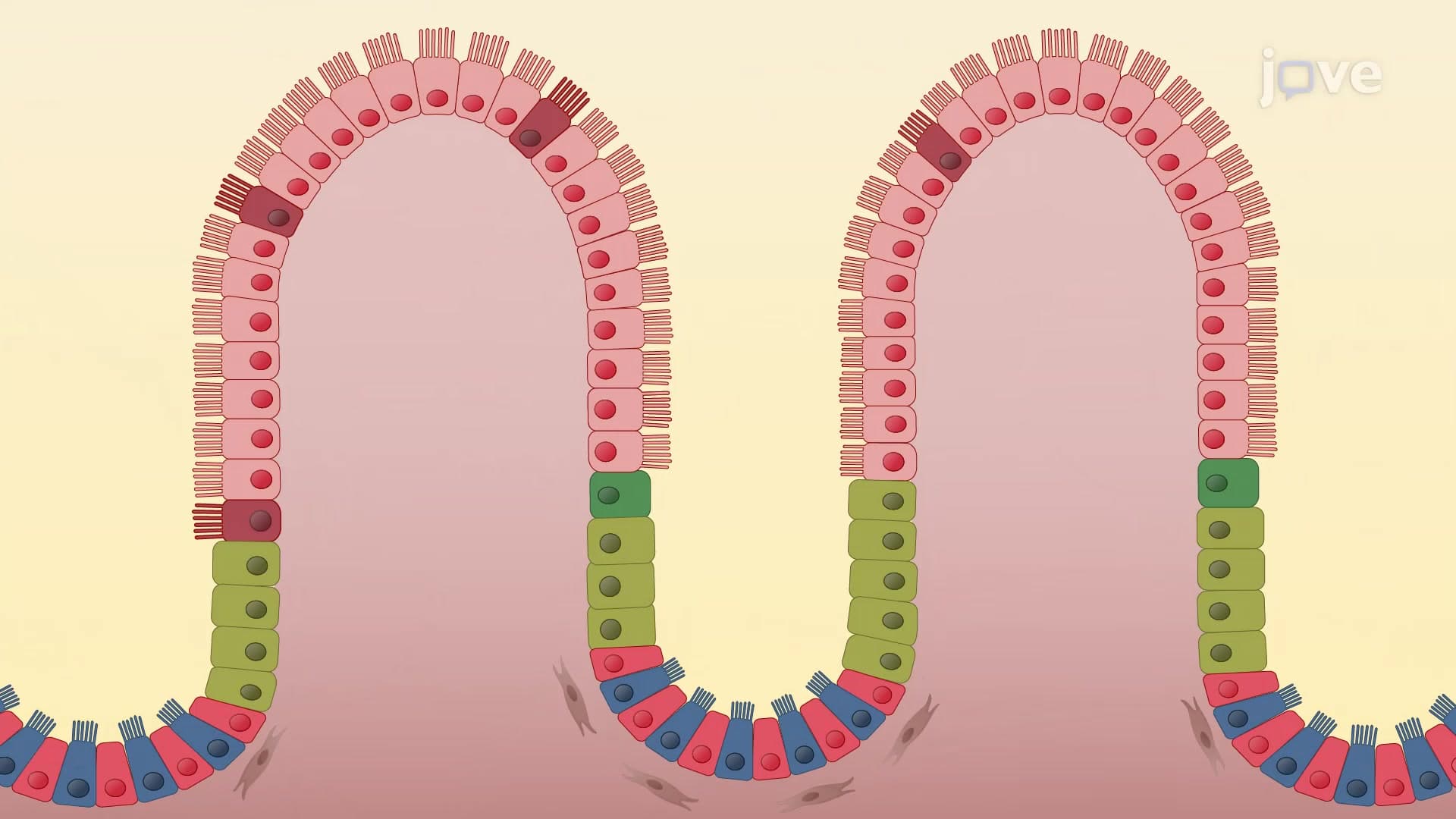
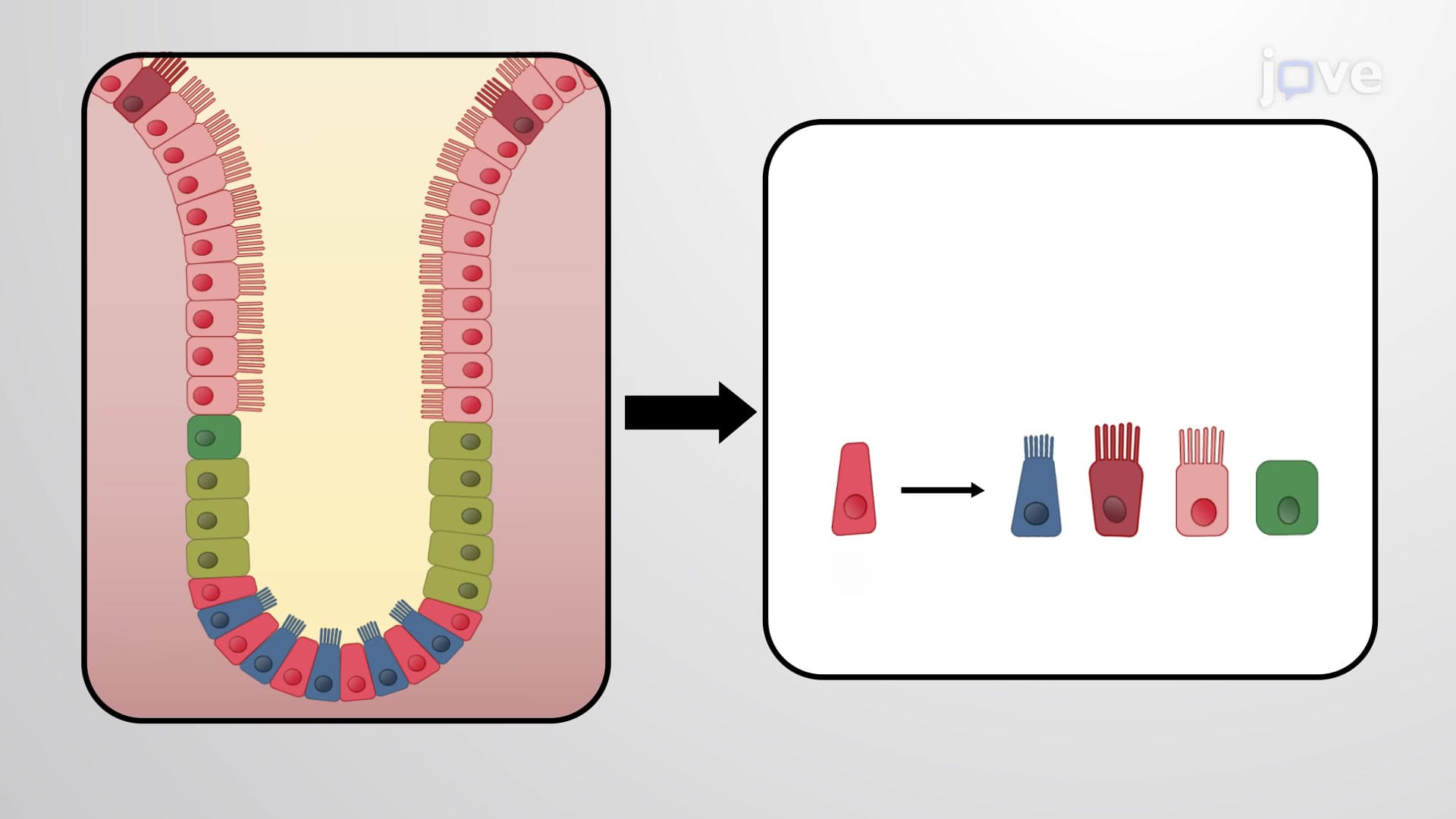
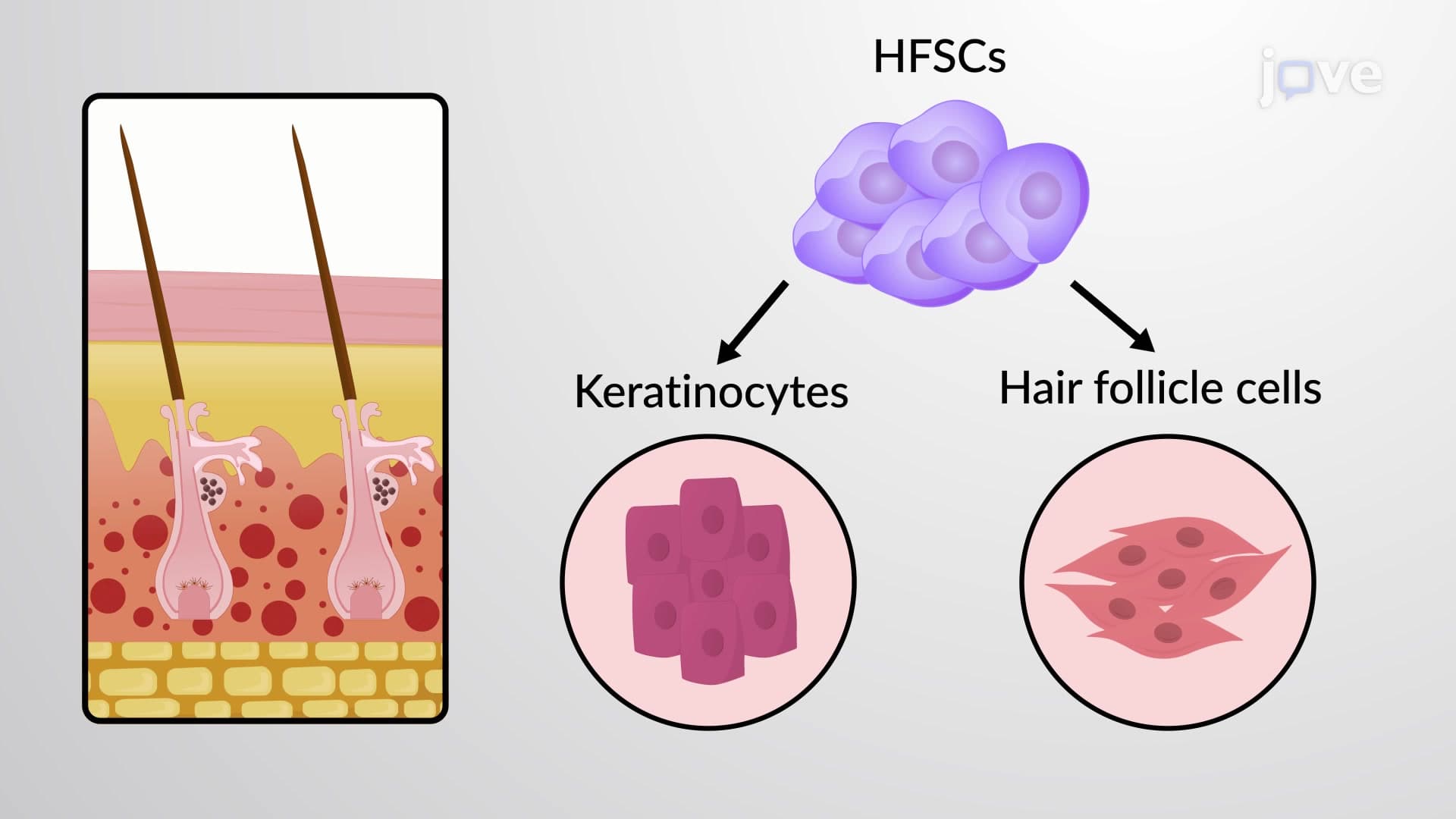
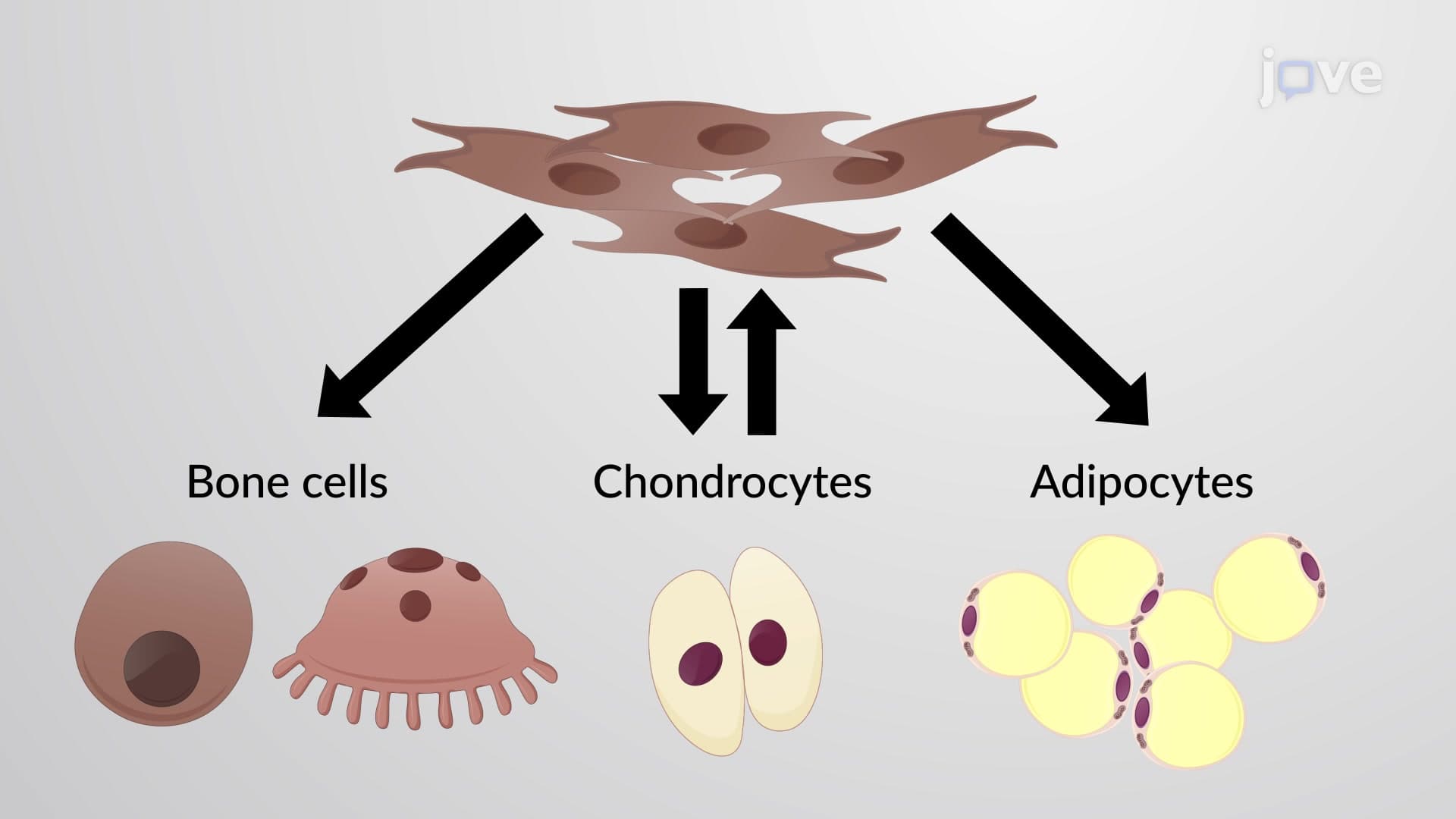
As organisms mature, most stem cells become increasingly specialized. Adult stem cells, found in tissues like bone marrow, skin, and the intestinal lining, maintain multipotent properties-they can form multiple cell types within their specific tissue but cannot cross tissue boundaries. For example, hematopoietic stem cells in bone marrow can produce all blood cell types but cannot become neurons or muscle cells. Understanding these limitations is crucial for AP Biology students and appears frequently on MCAT examinations, particularly in passages about regenerative medicine and cancer biology.
Related Micro-courses