Loading subject page…


18,855 views
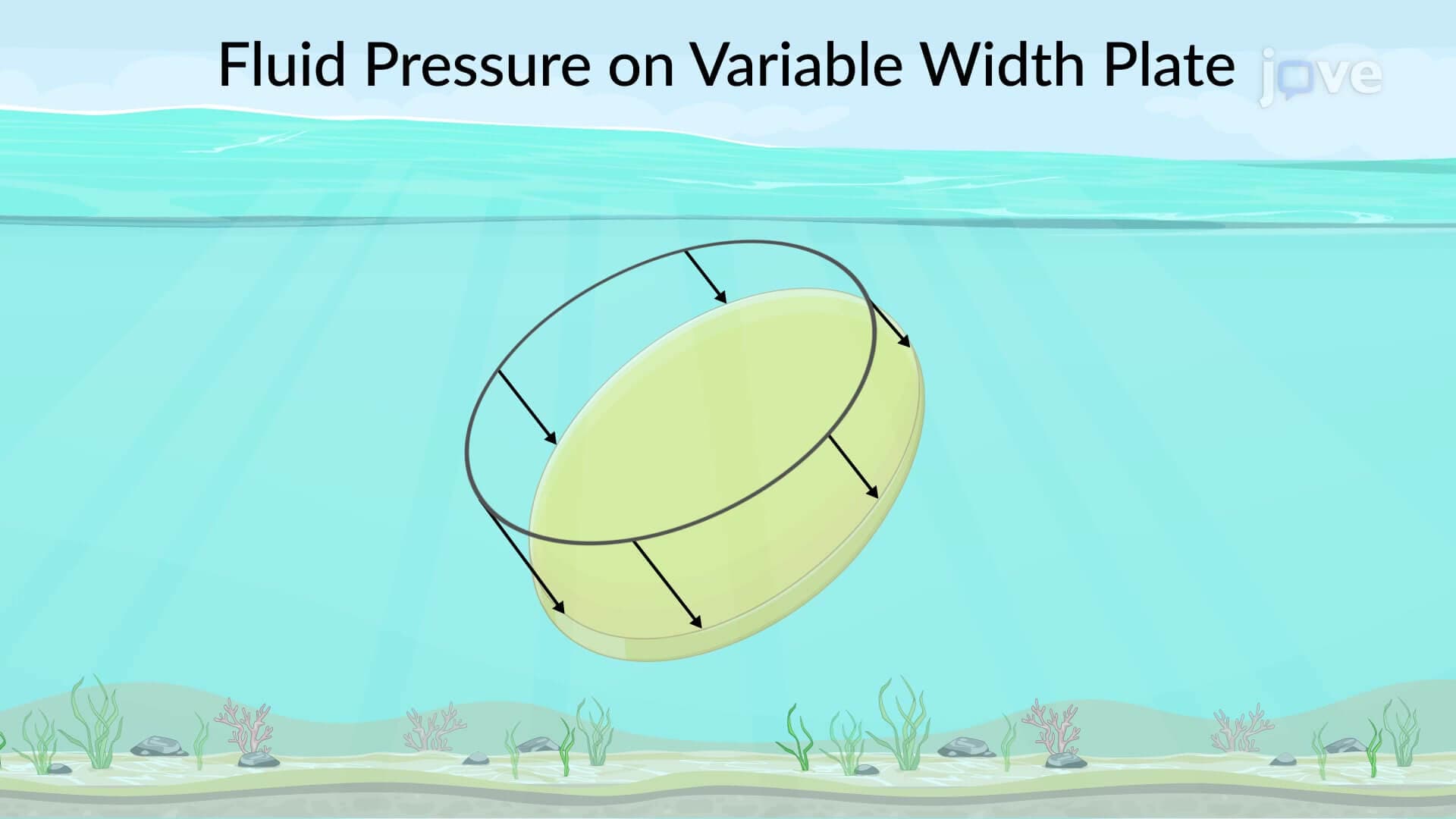

Video Summary: Fluid Pressure on a Flat Plate with Variable Width
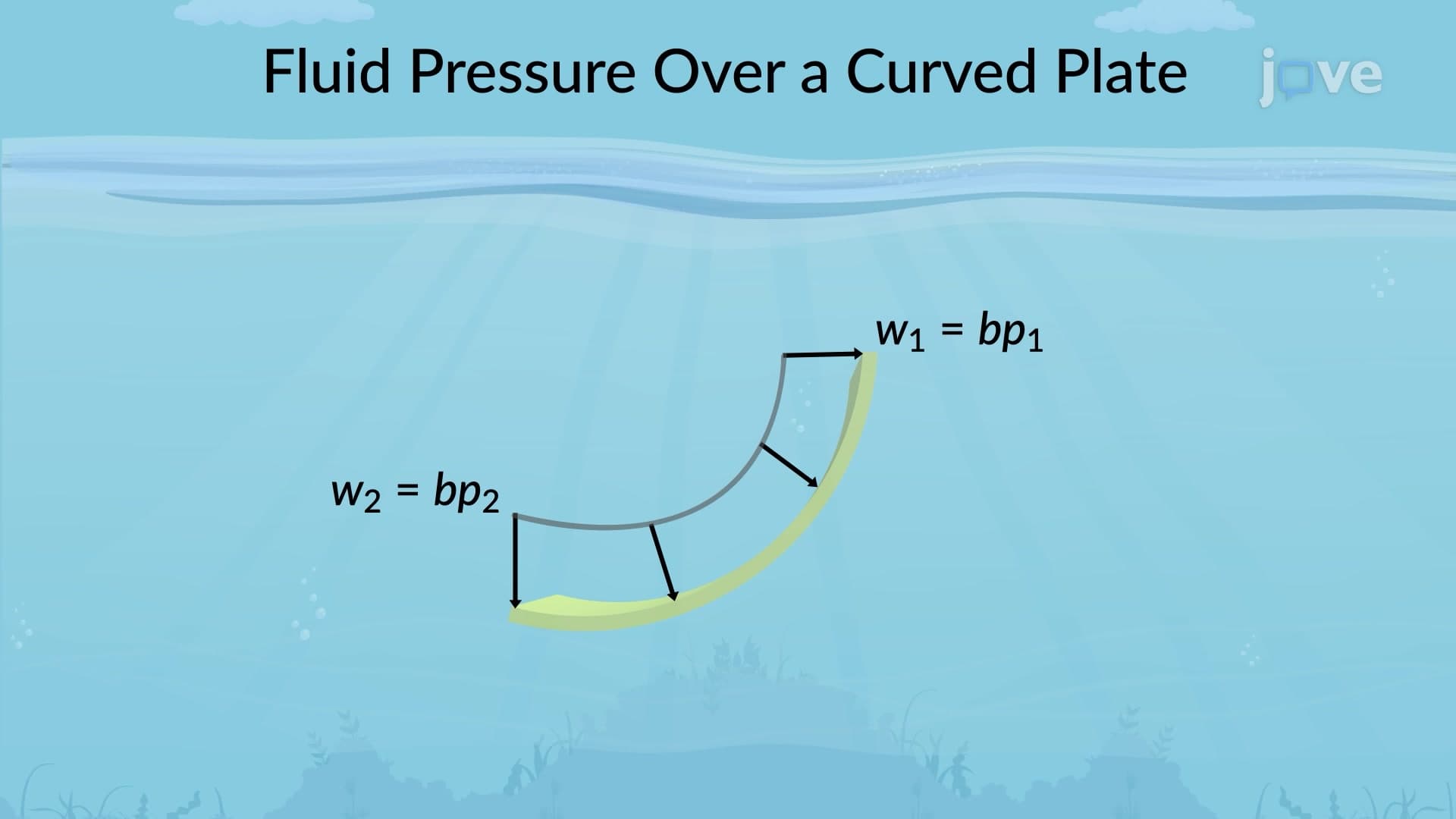
Ever wondered why dam walls are thicker at the bottom? Understanding fluid pressure on a flat plate with variable width reveals the answer-water pressure increases dramatically with depth, creating enormous forces on submerged structures. Consider the Hoover Dam, where engineers must calculate precise pressure distributions across its curved concrete face to prevent catastrophic failure. This fundamental concept explains how pressure varies across submerged plates of changing width, from simple rectangular gates to complex curved surfaces. Watch the full video on JoVE Coach to master this concept with expert-led visuals and step-by-step explanations.
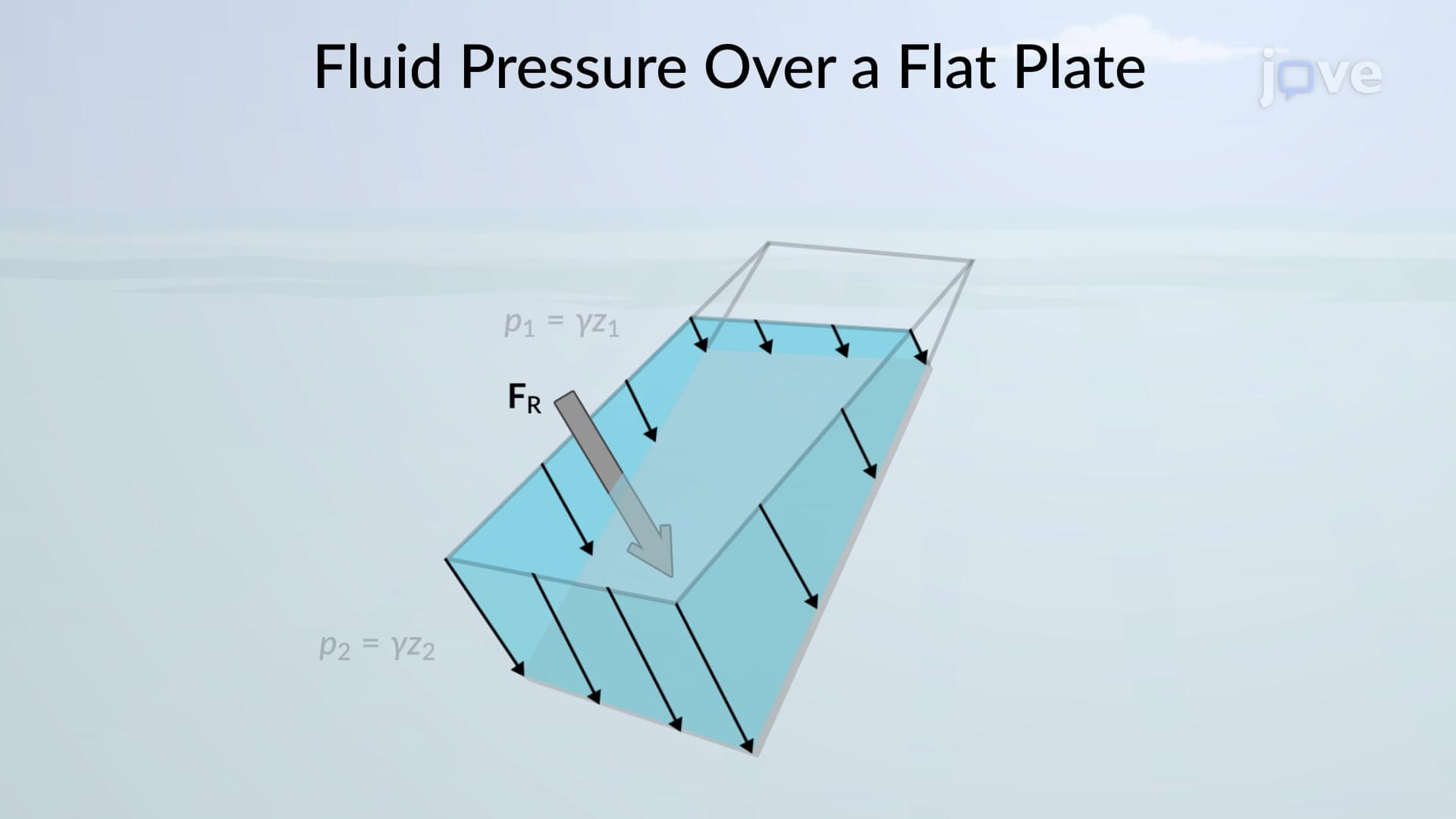
When engineers design underwater structures like dam spillway gates or submarine hulls, they must master fluid pressure on a flat plate with variable width. Unlike uniform rectangular plates where calculations are straightforward, variable-width plates present complex challenges because pressure varies with both depth and changing plate geometry.
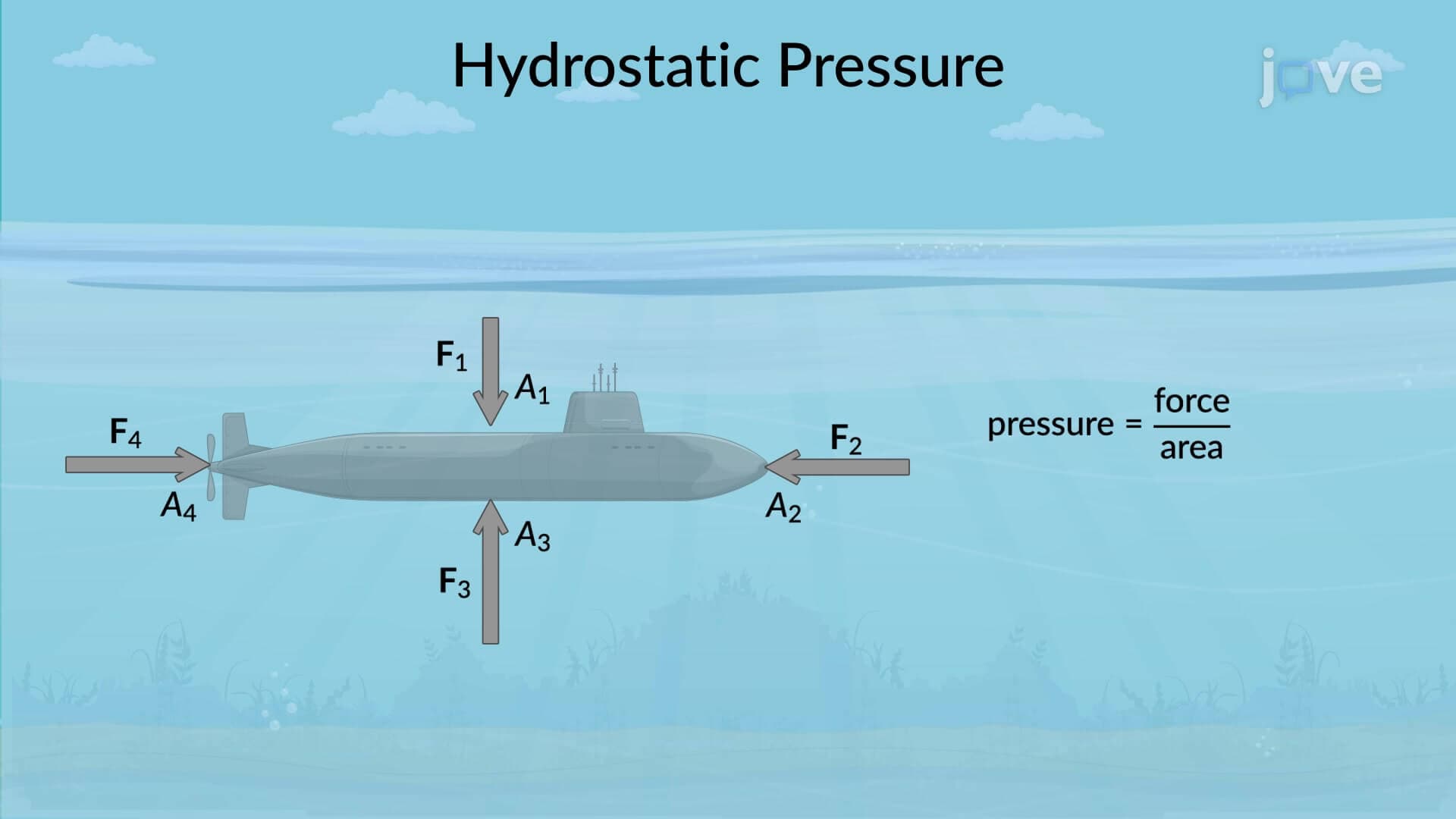
The foundation of this concept lies in hydrostatic pressure: P = ρgh, where ρ is fluid density, g is gravitational acceleration, and h is depth below the surface. For any submerged plate, pressure increases linearly with depth, creating a triangular or trapezoidal pressure distribution pattern. This principle appears frequently on AP Physics exams and college fluid mechanics courses, where students must visualize how pressure "pushes" harder on deeper portions of submerged objects.
Consider the Folsom Dam in California-its tainter gates experience maximum pressure at the bottom edge where water depth is greatest. Engineers calculate forces by dividing the gate into horizontal strips, determining the pressure at each strip's center, then integrating across the entire surface area.
The differential force on any horizontal strip equals dF = P × dA, where P is pressure and dA is the differential area element. For variable-width plates, the area element changes as dA = w(y) × dy, where w(y) represents width as a function of vertical position y. Integration yields the total force: F = ∫P × w(y) dy.
This integration process, commonly tested on MCAT physics sections and engineering qualifying exams, reveals that the resultant force equals the plate's total area multiplied by pressure at the centroidal depth. This elegant relationship simplifies complex calculations-instead of integrating across irregular shapes, engineers can locate the geometric centroid and evaluate pressure at that single point.
A crucial distinction emerges between the geometric centroid (area center) and center of pressure (force center). For variable-width plates, these points rarely coincide because pressure distribution weight shifts toward deeper regions where forces are stronger. The center of pressure always lies below the geometric centroid, creating important implications for structural stability and moment calculations in hydraulic engineering applications.
Related Micro-courses