Loading video…


 13 Concepts
 18.9K views

Video Summary: Pappus Guldinus Theorems Applications
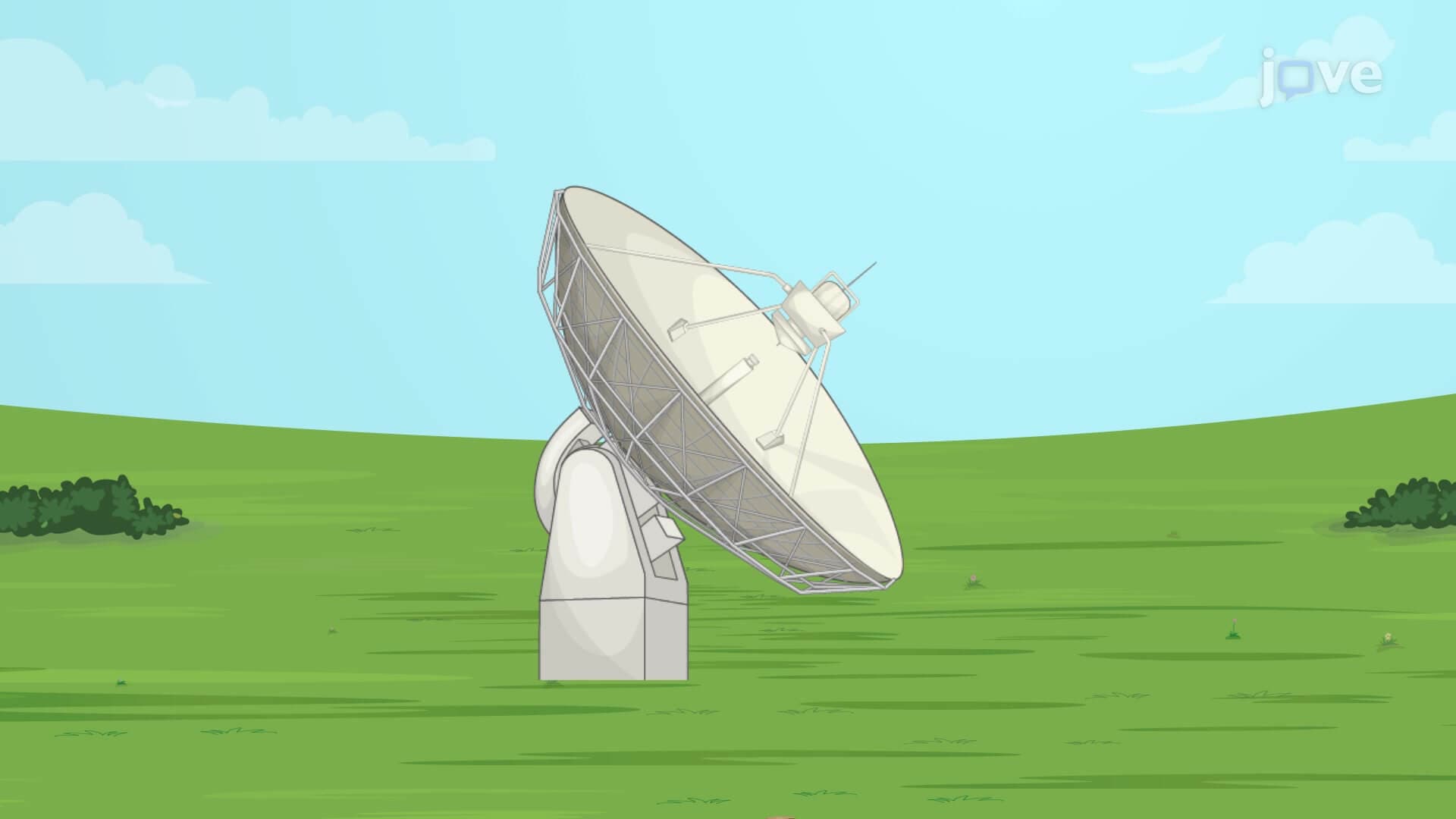
Ever wonder how engineers calculate the surface area of a satellite dish or the volume of a water tank without complex integration? Pappus-Guldinus theorems: applications provide elegant shortcuts for finding surface areas and volumes of revolution by using centroid distances. These powerful theorems simplify calculations for structures like the Gateway Arch in St. Louis, where traditional calculus would be cumbersome. Watch the full video on JoVE Coach to master this concept with expert-led visuals and step-by-step explanations.
The Pappus-Guldinus theorems: applications represent one of mathematics' most elegant solutions to complex geometric problems. Named after ancient Greek mathematician Pappus of Alexandria and Swiss mathematician Paul Guldin, these theorems transform challenging calculus problems into straightforward multiplication exercises. For students preparing for AP Calculus or college-level engineering courses, mastering these applications provides both computational efficiency and conceptual clarity.
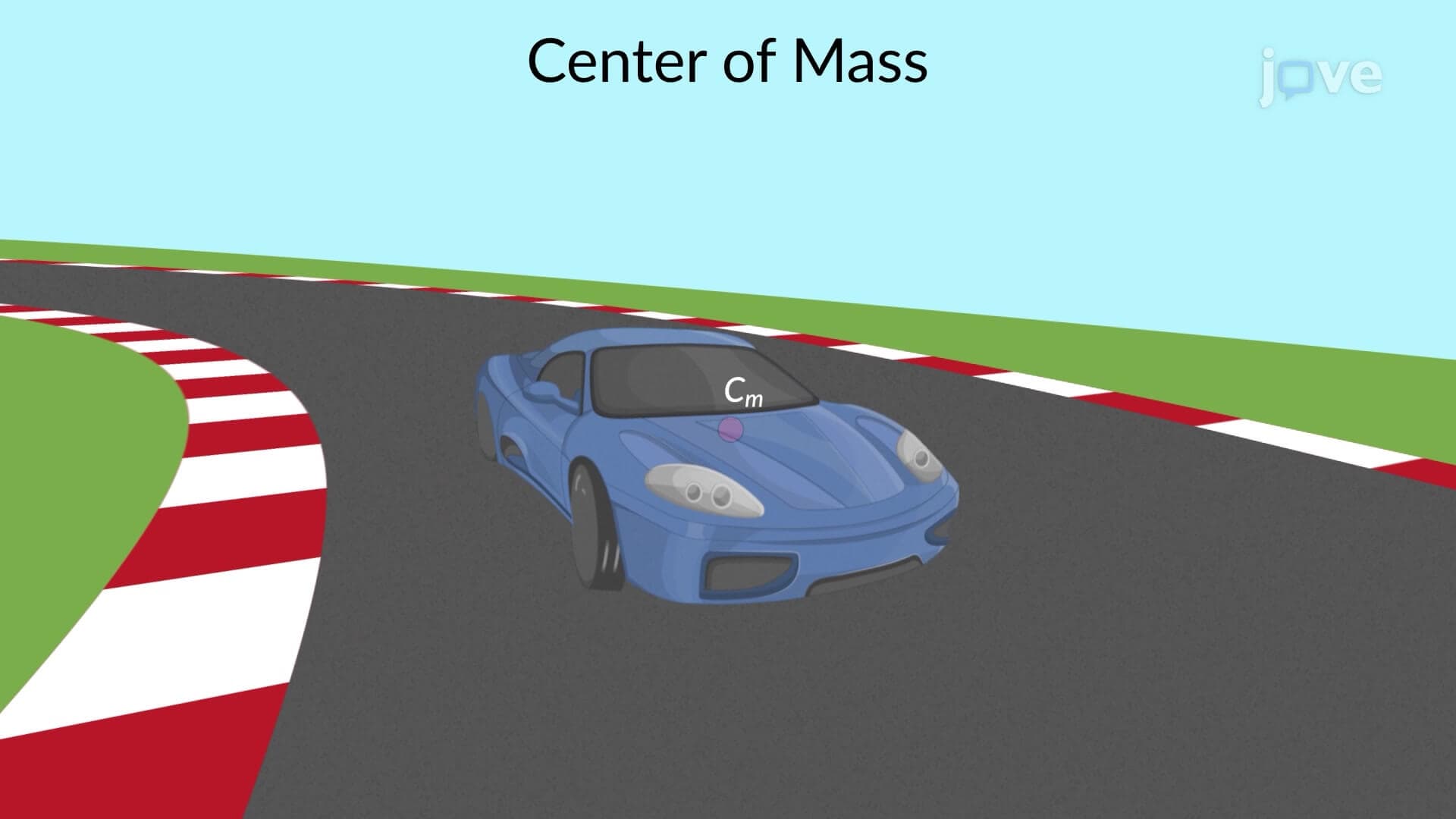
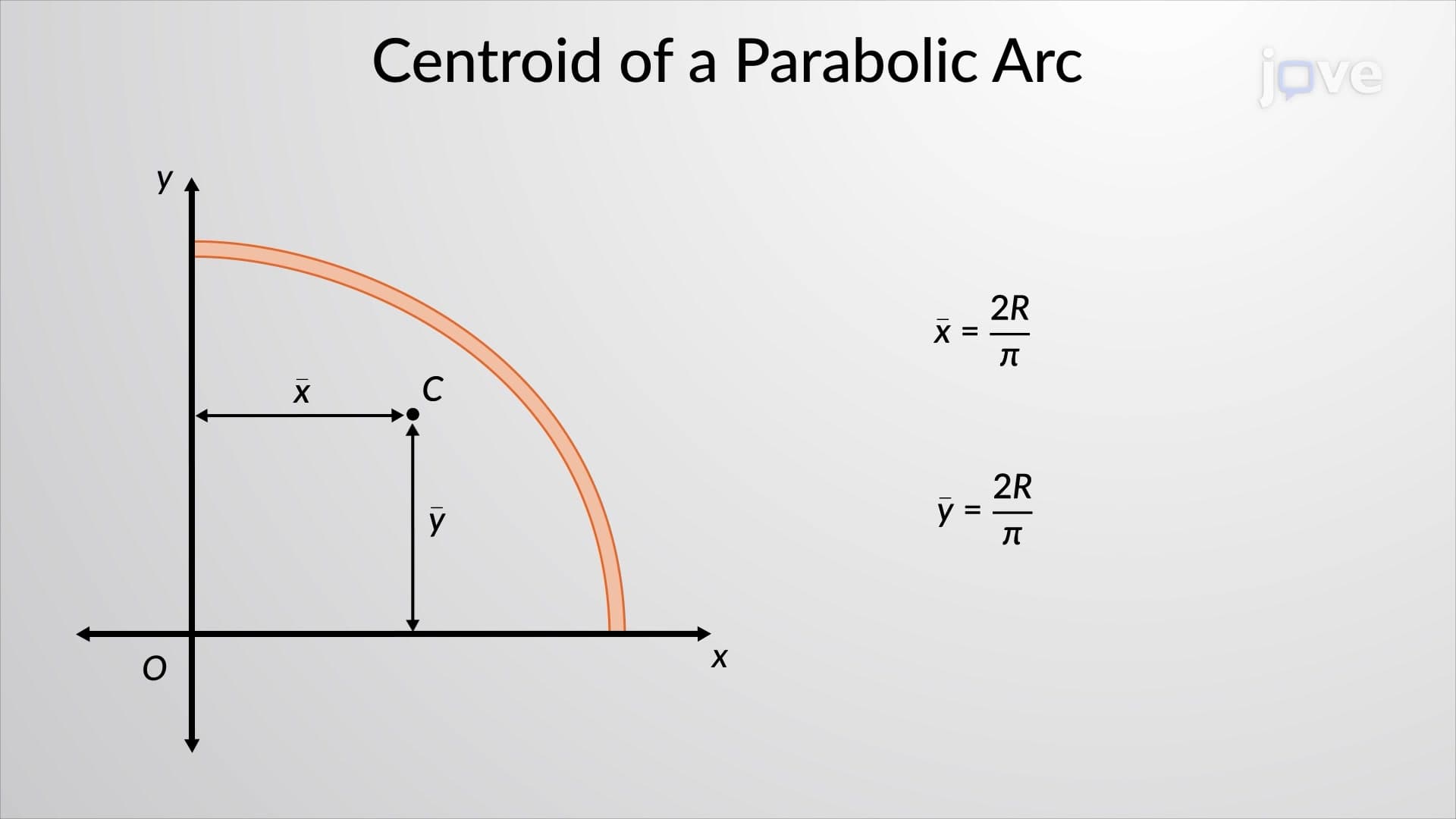
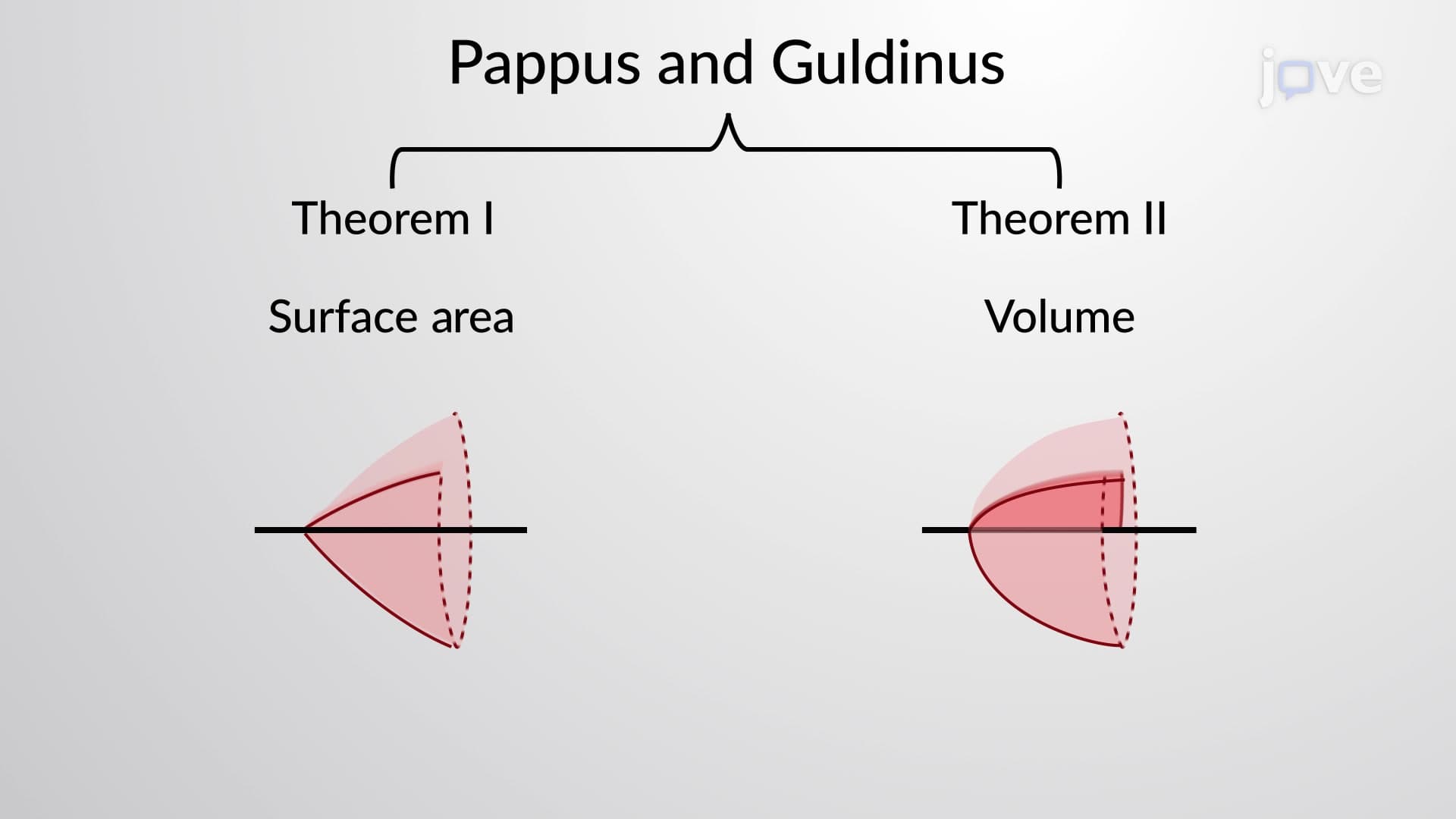
The first Pappus-Guldinus theorem states that the surface area of a revolution equals the product of the generating curve's length and the distance traveled by its centroid. This application proves invaluable in designing curved surfaces like automotive body panels or architectural domes. For instance, when Ford engineers design the curved surface of a car hood, they can use this theorem instead of setting up complex surface integrals. The centroid of the generating curve traces a circular path, and multiplying this path length by the original curve length yields the total surface area.
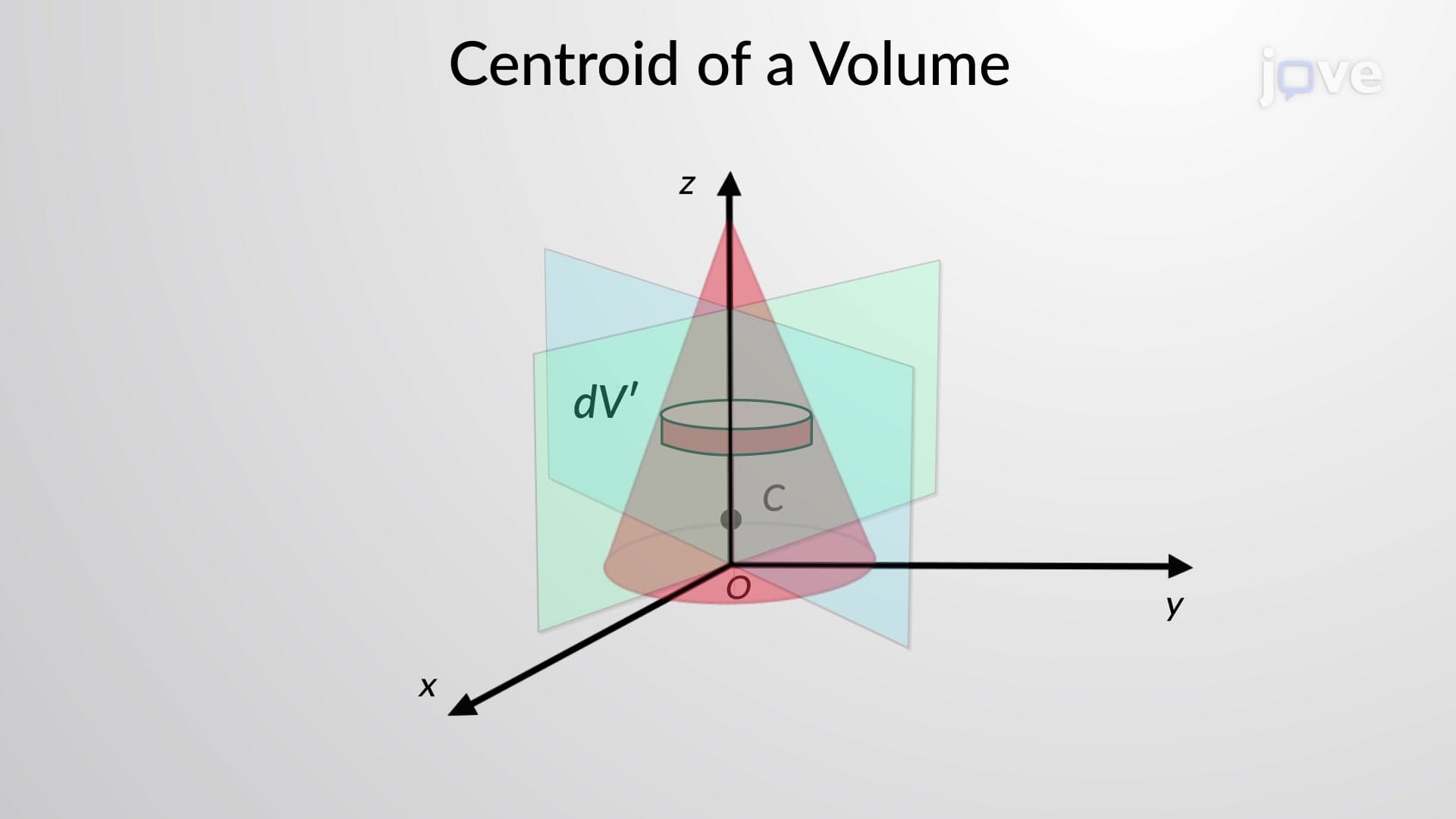
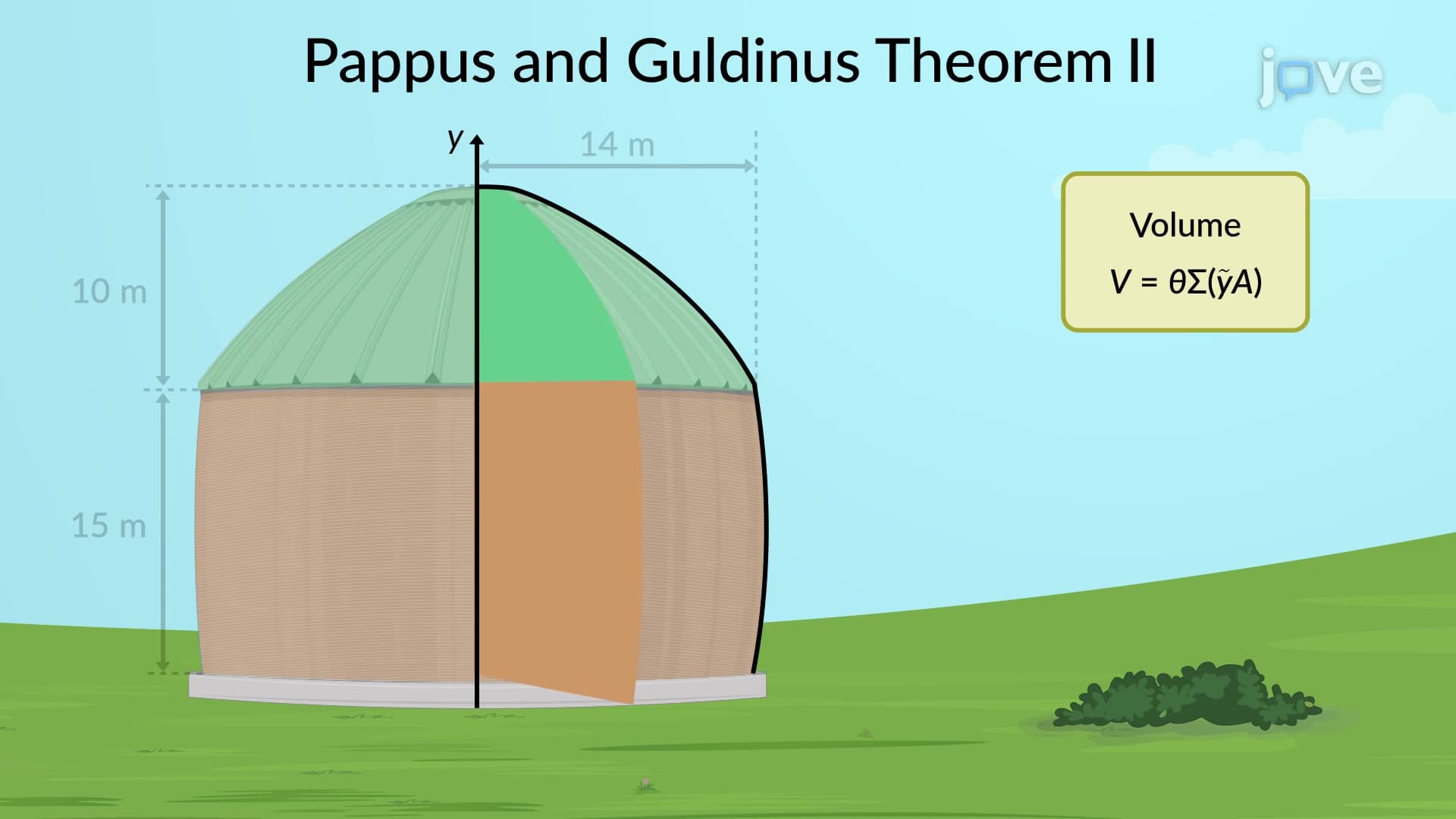
The second theorem addresses volume calculations, stating that a body of revolution's volume equals the generating area multiplied by the centroid's travel distance. This application appears frequently in manufacturing and construction. Consider designing cylindrical storage tanks for oil refineries in Texas, engineers use this theorem to calculate volumes efficiently. Rather than integrating circular cross-sections, they multiply the cross-sectional area by the circumference of the circle traced by the area's centroid.
For standardized tests like the AP Calculus exam or college engineering assessments, these theorems offer significant time-saving advantages. Students encounter problems involving rotating regions bounded by curves around various axes. The key strategy involves identifying the generating element (curve or area), locating its centroid, and calculating the centroid's travel distance. Common applications include finding volumes of toroids (donut shapes), surface areas of spheres generated by semicircles, and volumes of complex architectural features.
The theorems prove particularly useful when dealing with composite shapes or when the axis of rotation doesn't coincide with a coordinate axis. Students should practice identifying centroids of common shapes and understanding how partial rotations affect the calculations, as these variations frequently appear in both homework assignments and exam questions.
Related Micro-courses