Loading video…


 13 Concepts
 18.9K views

Video Summary: What Is Fluid Pressure
Ever wonder why your ears pop when diving deep into a swimming pool? Fluid pressure increases dramatically with depth-just 10 feet underwater doubles the pressure on your eardrums compared to the surface. This fundamental physics concept explains how forces distribute through liquids like the water in California's Hetch Hetchy Reservoir, where engineers must account for immense pressures at the dam's base. What is Fluid Pressure becomes clearer when you understand that pressure acts equally in all directions at any given point, following Pascal's law. Watch the full video on JoVE Coach to master this concept with expert-led visuals and step-by-step explanations.
Fluid pressure represents one of the most essential concepts in physics and engineering, defined as the magnitude of force exerted per unit area within a liquid or gas. Unlike solids where forces act in specific directions, fluids transmit pressure uniformly in all directions-a principle that revolutionized hydraulic engineering and enables everything from car brakes to massive construction equipment.
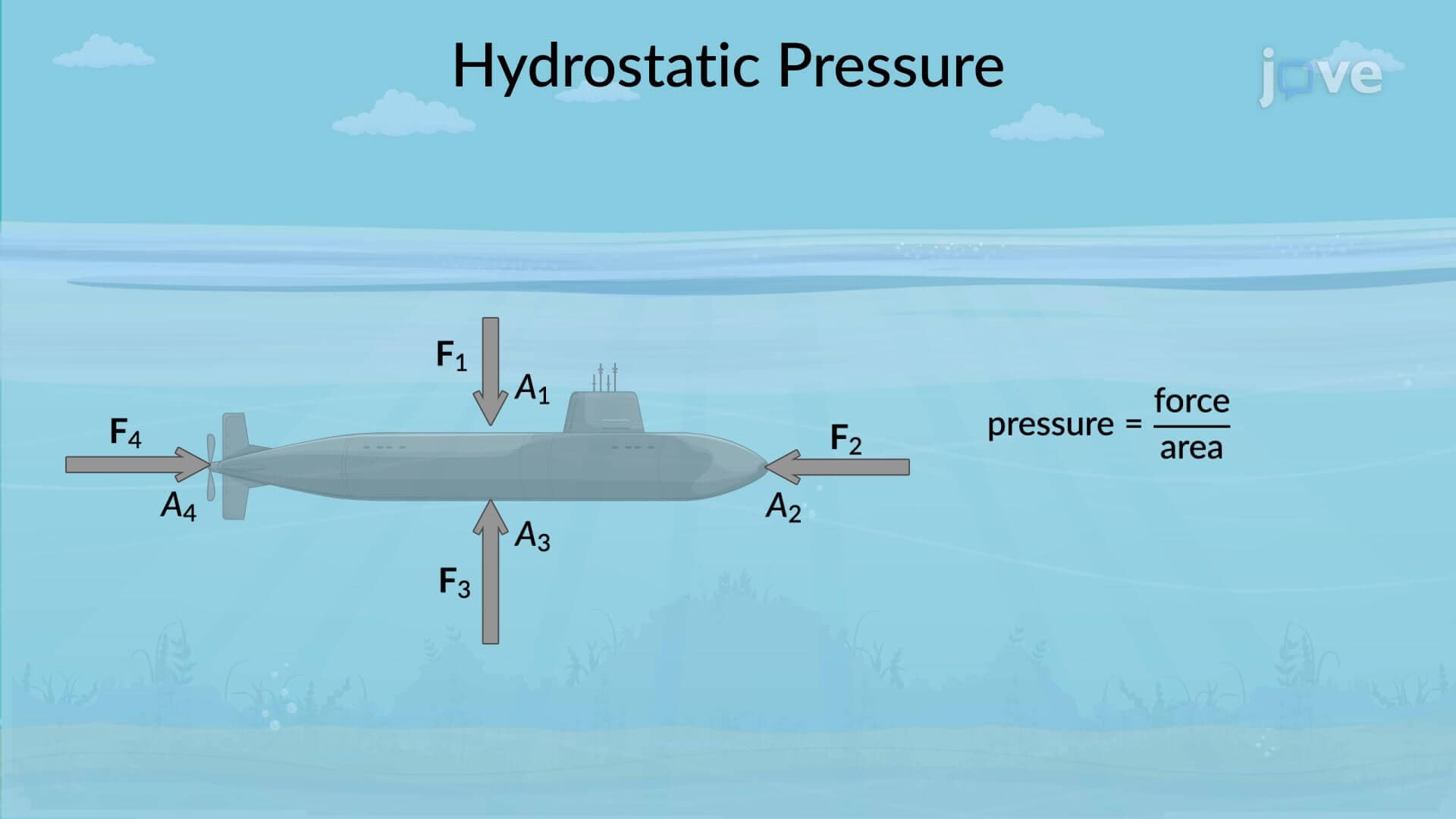
The mathematical relationship is elegantly simple: Pressure = Force/Area, typically measured in pascals (Pa) or pounds per square inch (psi) in the United States. This fundamental equation appears frequently on AP Physics exams and college-level fluid mechanics courses, making it crucial for students pursuing STEM careers.
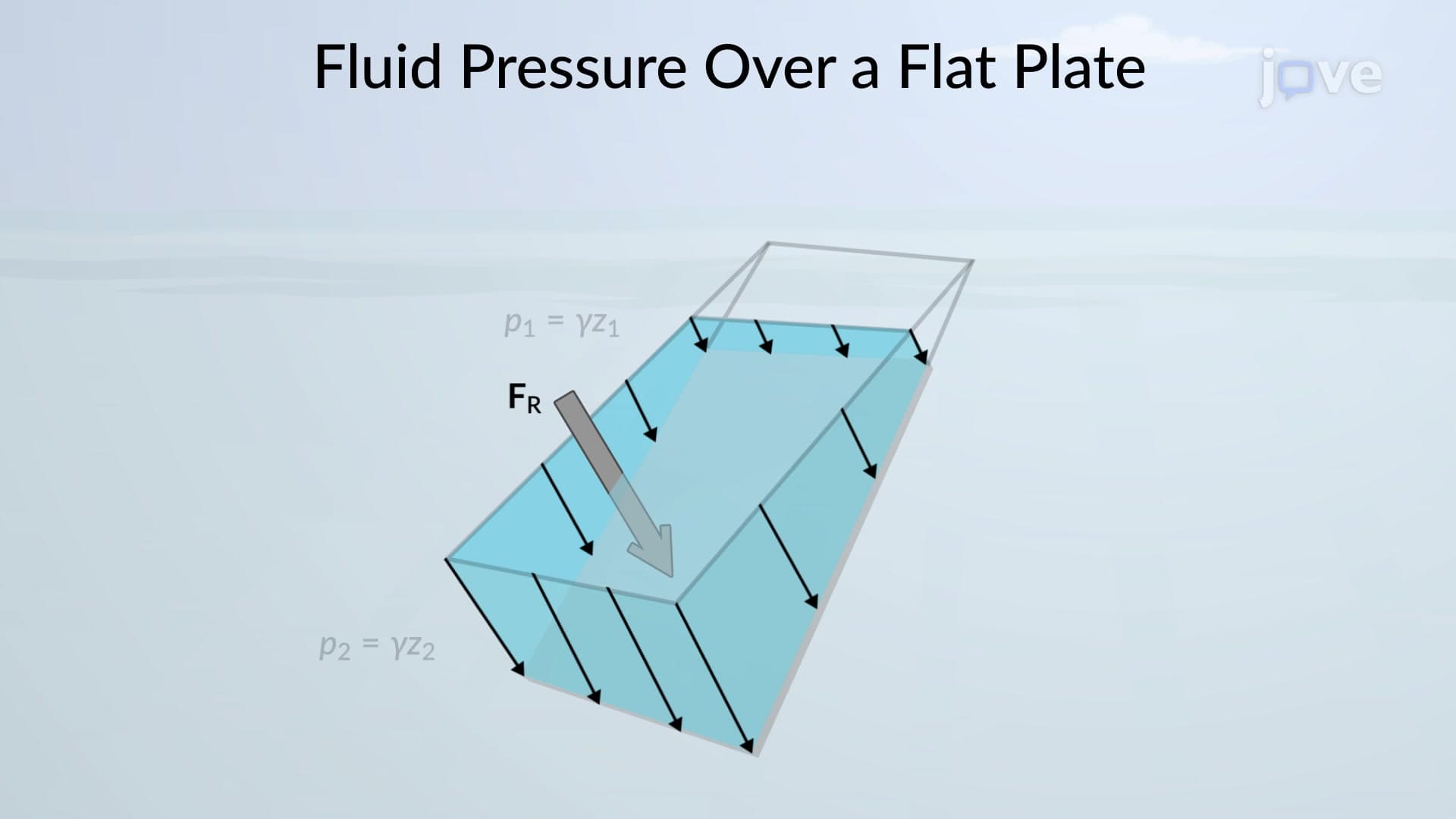
In static fluids, pressure increases linearly with depth due to the weight of fluid above any given point. The Hoover Dam exemplifies this principle perfectly-engineers designed the concrete structure thicker at the base because water pressure at the bottom of Lake Mead reaches approximately 660 kPa (96 psi), compared to atmospheric pressure at the surface.
The pressure formula becomes: P = P₀ + ρgh, where P₀ represents atmospheric pressure, ρ is fluid density, g is gravitational acceleration, and h represents depth. This equation frequently appears on MCAT physics sections and engineering fundamentals exams, requiring students to calculate pressure at specific depths in tanks, reservoirs, or even blood vessels in medical applications.
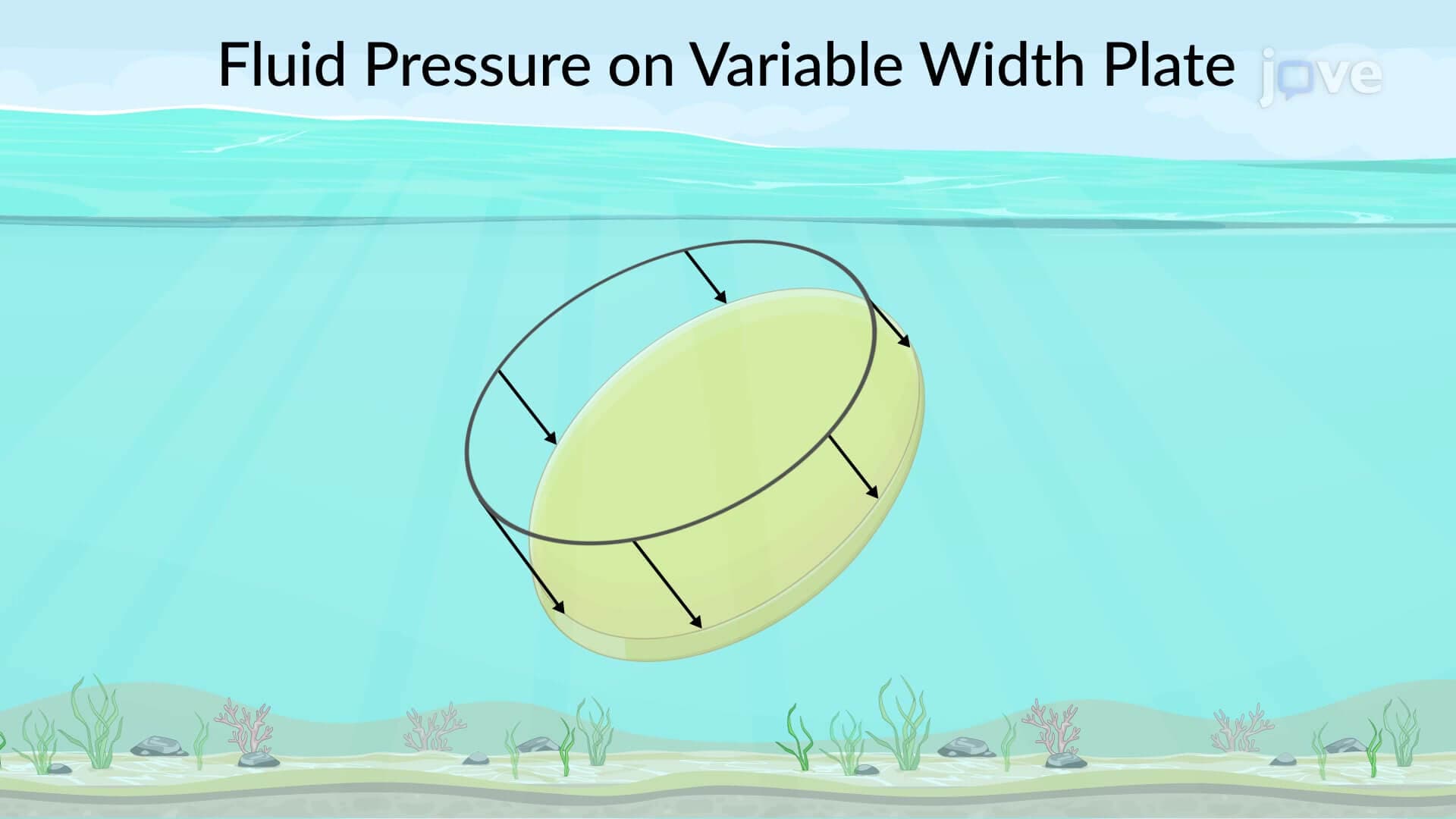
Blaise Pascal's groundbreaking discovery that pressure at any point in a static fluid acts equally in all directions forms the foundation of hydraulic systems. Consider a hydraulic car lift at any American auto shop-applying force to a small piston creates pressure that transmits uniformly throughout the hydraulic fluid, lifting vehicles weighing several tons.
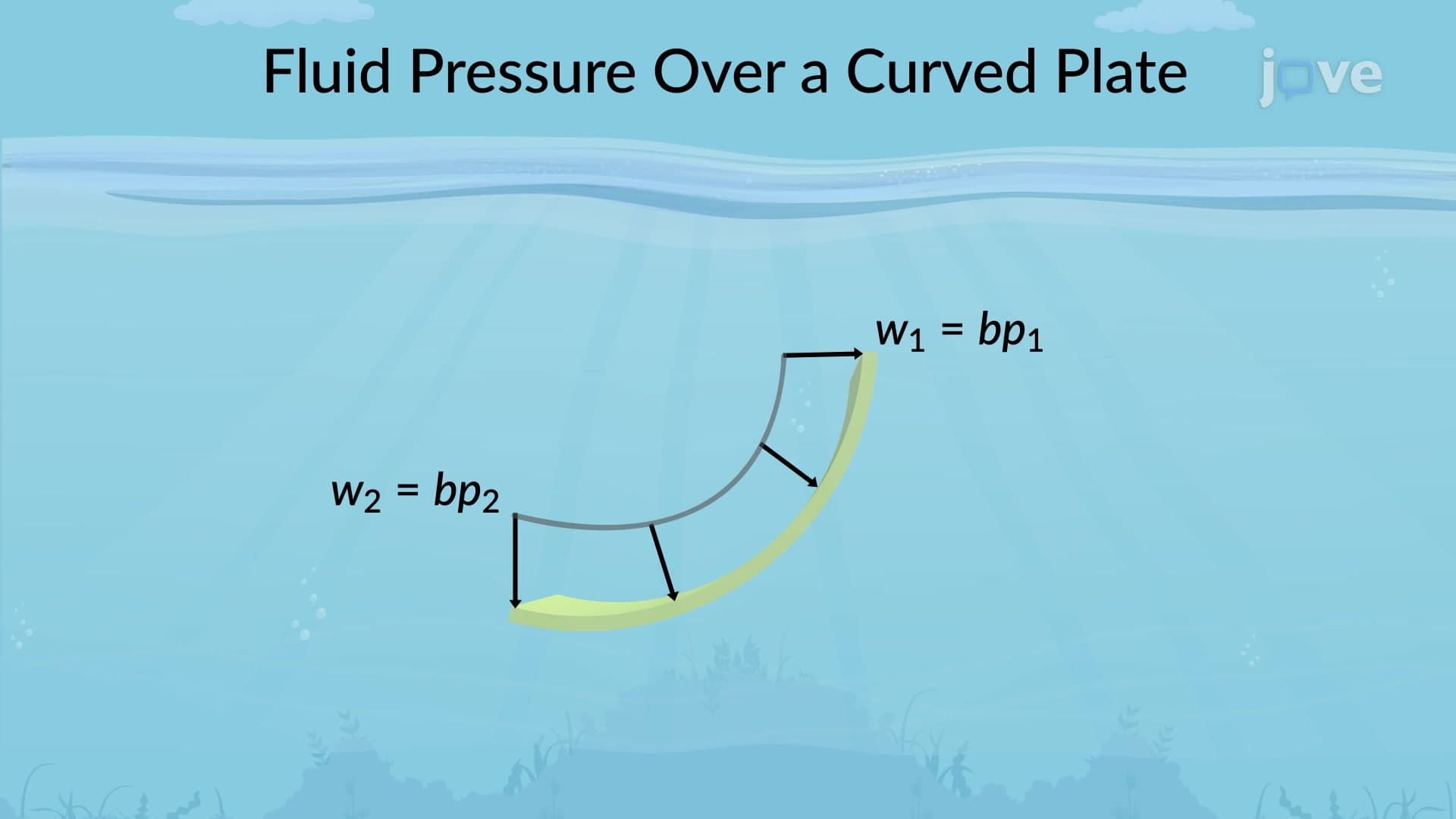
This principle explains why submarines maintain spherical or cylindrical shapes rather than angular designs. The USS Virginia-class submarines utilize this understanding, as pressure from the Atlantic Ocean at 800-foot depths (approximately 350 psi) acts uniformly on the hull's curved surface, preventing catastrophic structural failure.
Fluid pressure principles govern countless American industries. Water treatment facilities rely on pressure calculations to design pipeline systems, while medical professionals use blood pressure measurements (expressed in mmHg) to assess cardiovascular health. The oil industry applies these concepts when drilling wells, where engineers must account for formation pressures exceeding 10,000 psi in deep Texas and North Dakota shale formations.
Related Micro-courses