Loading subject page…
- Medical Surgical Nursing
- Genitourinary Tract Diagnostic Procedures
- Imaging Studies III: Computed Tomography
Micro-course: Genitourinary Tract Diagnostic Procedures
4,623 views
Learn key concepts and earn your certificate.

Imaging Studies III: Computed Tomography

00:00
01:27
Video Summary: Imaging Studies Iii Computed Tomography Guide
Did you know that CT scans can detect kidney stones as small as 1-2 millimeters, smaller than a pencil eraser tip? Imaging studies III computed tomography revolutionizes how healthcare providers diagnose genitourinary conditions with remarkable precision. At major medical centers like Johns Hopkins Hospital, CT scans help emergency physicians quickly identify kidney stones in patients experiencing severe flank pain. This Imaging Studies III Computed Tomography Guide covers essential pre-scan preparation, contrast administration protocols, and post-procedure monitoring techniques. Watch the full video on JoVE Coach to master this concept with expert-led visuals and step-by-step explanations.
- Understand the fundamental principles and clinical applications of Imaging Studies III Computed Tomography for genitourinary system evaluation
- Identify essential pre-procedure preparations including NPO requirements, allergy screening, and renal function assessment
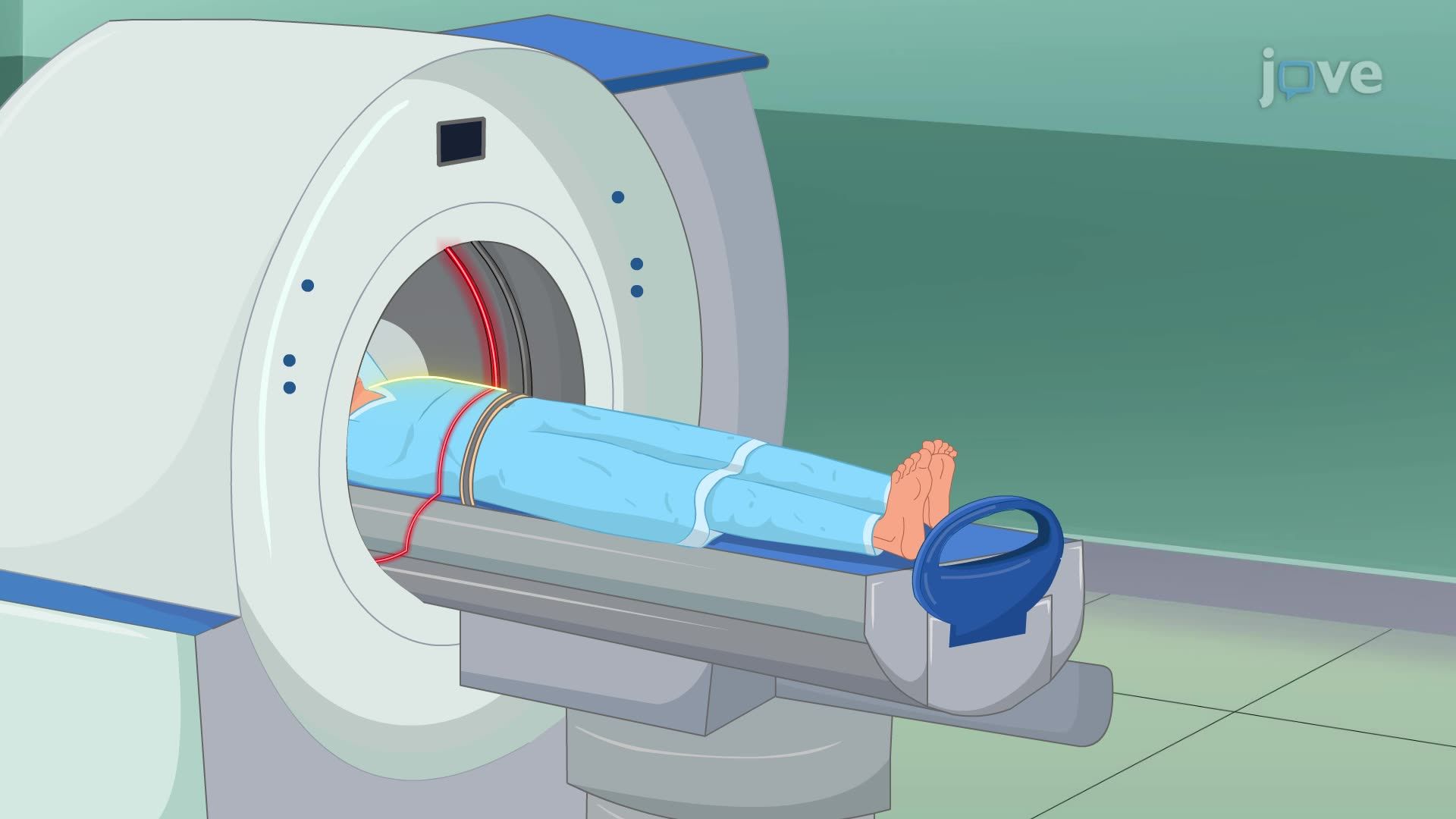
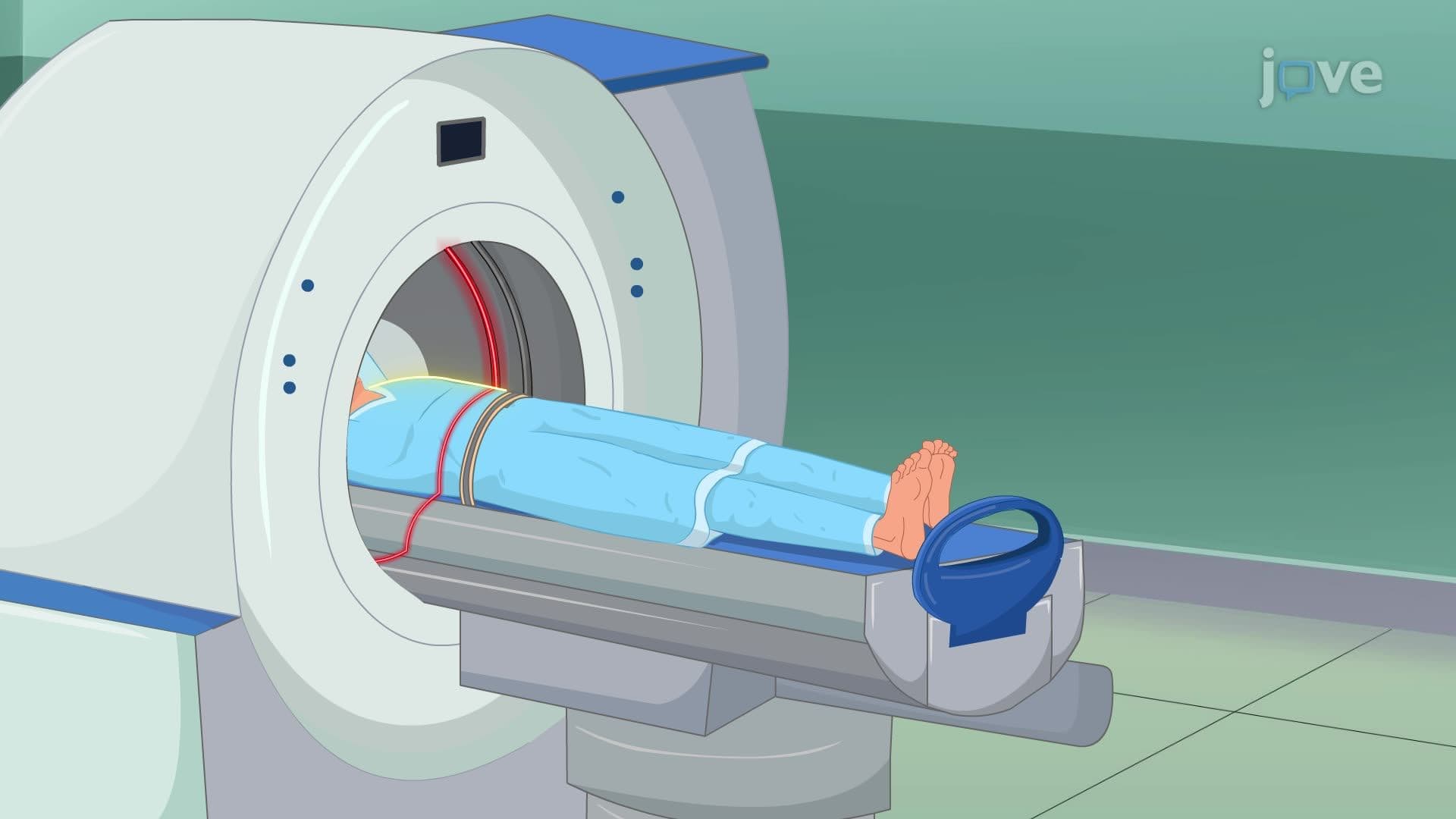
- Analyze the step-by-step CT scanning process from patient positioning to image acquisition
- Compare contrast-enhanced versus non-contrast CT protocols and their specific diagnostic advantages
- Evaluate post-procedure monitoring requirements and potential complications following contrast administration
- Apply knowledge of CT imaging indications for detecting kidney stones, tumors, cysts, and traumatic injuries
- Recognize the importance of patient safety measures including metallic object removal and breath-holding techniques
- Explore how CT findings guide treatment decisions in emergency and outpatient clinical settings
Understanding Imaging Studies III Computed Tomography Fundamentals
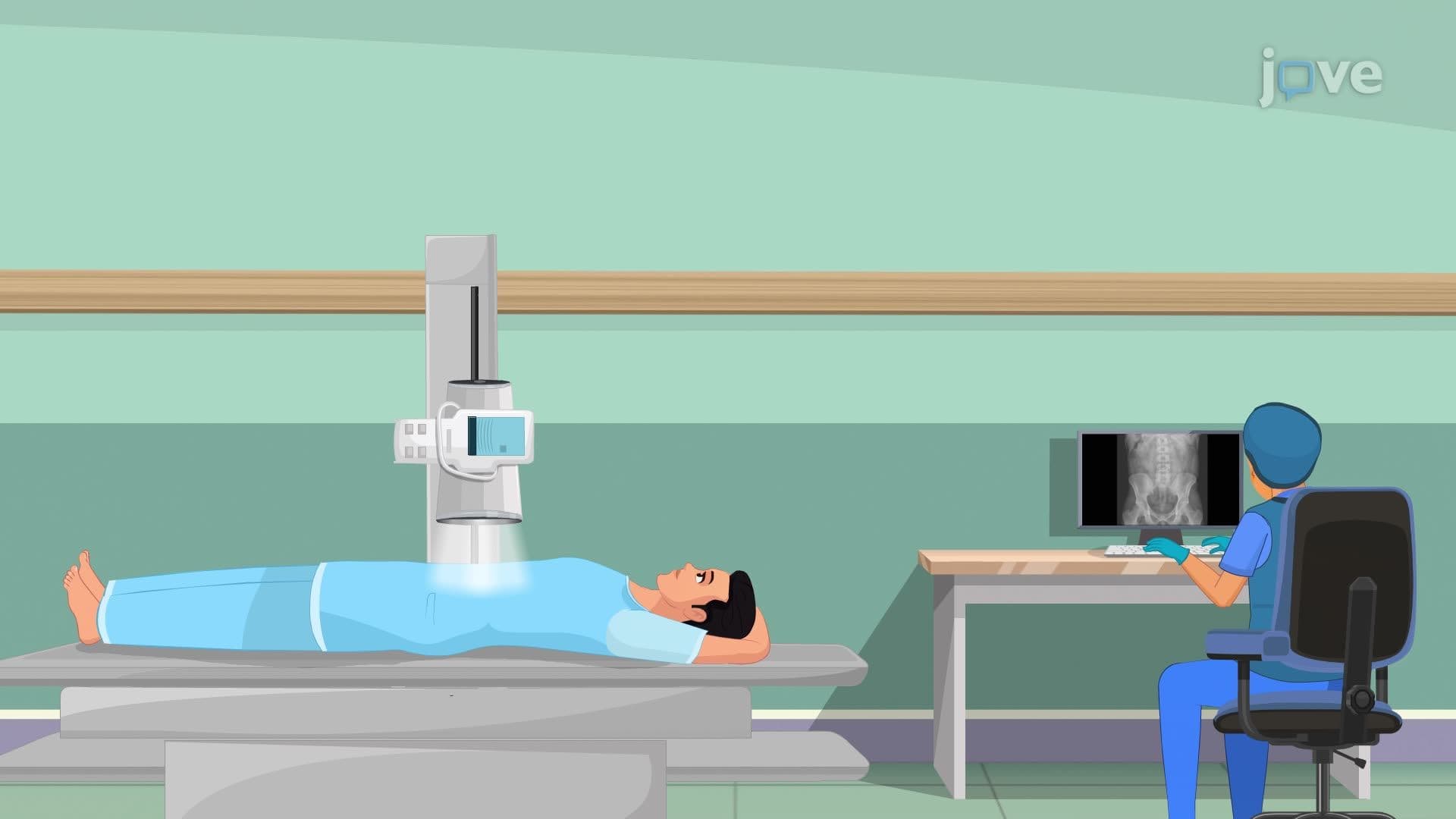
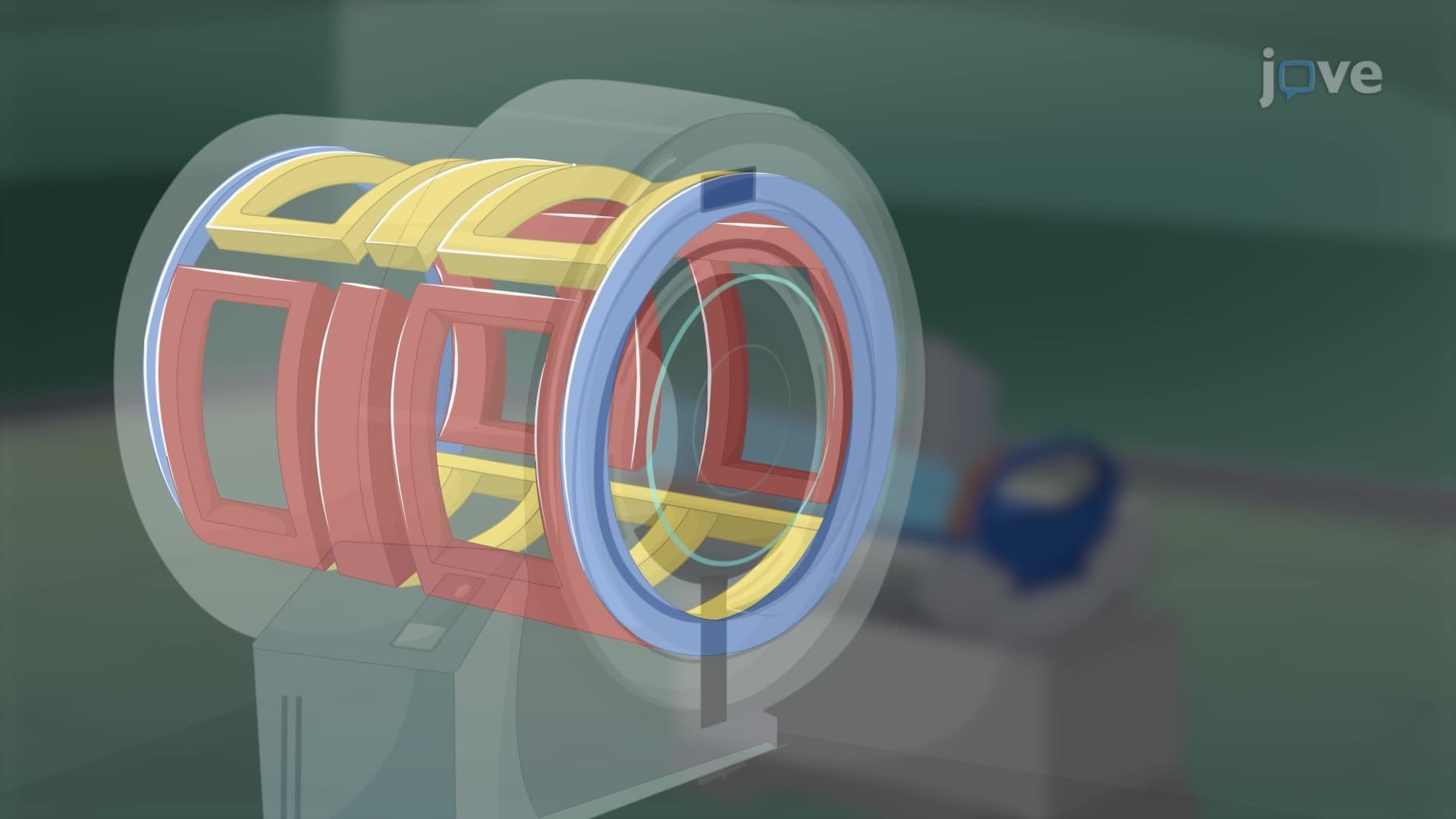
Imaging Studies III Computed Tomography represents a cornerstone diagnostic tool in modern genitourinary medicine. Unlike traditional X-rays that provide two-dimensional images, CT scanners utilize advanced computer processing to create detailed cross-sectional images of internal structures. The technology employs X-ray beams that rotate 360 degrees around the patient, capturing multiple image slices that computers reconstruct into comprehensive three-dimensional views.
Pre-Procedure Protocols and Patient Safety
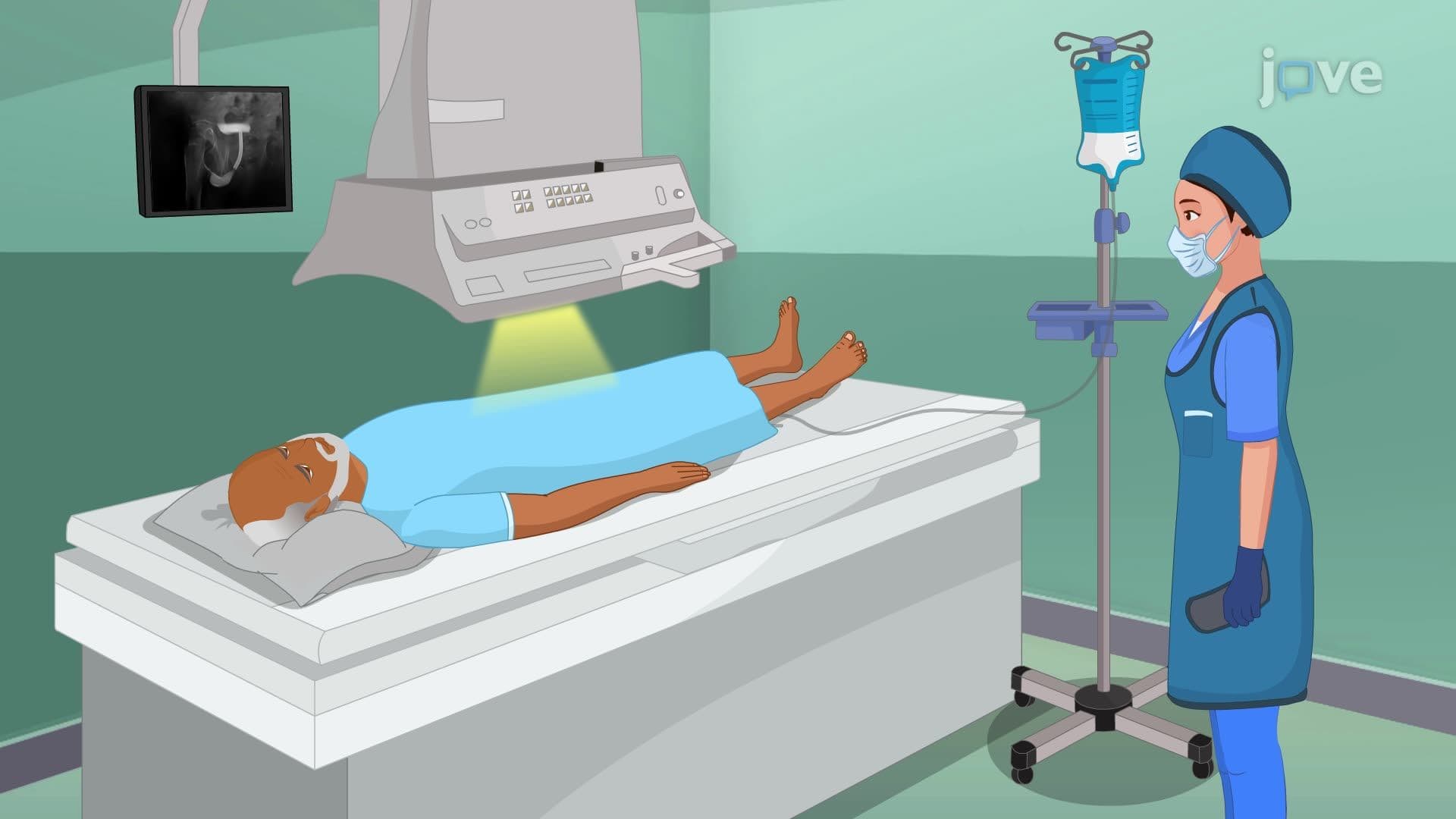
Successful CT imaging begins with thorough patient preparation. Healthcare providers must meticulously review medical histories, particularly focusing on iodine or contrast agent allergies and renal function status. The four-hour NPO (nothing by mouth) requirement ensures patient safety during potential contrast reactions. At leading medical institutions like Mayo Clinic, standardized protocols require written informed consent, emphasizing potential risks including contrast-induced nephropathy and allergic reactions. Students preparing for the MCAT should understand these safety protocols, as medical school curricula emphasize patient safety as a fundamental principle.
Contrast Enhancement and Image Quality Optimization
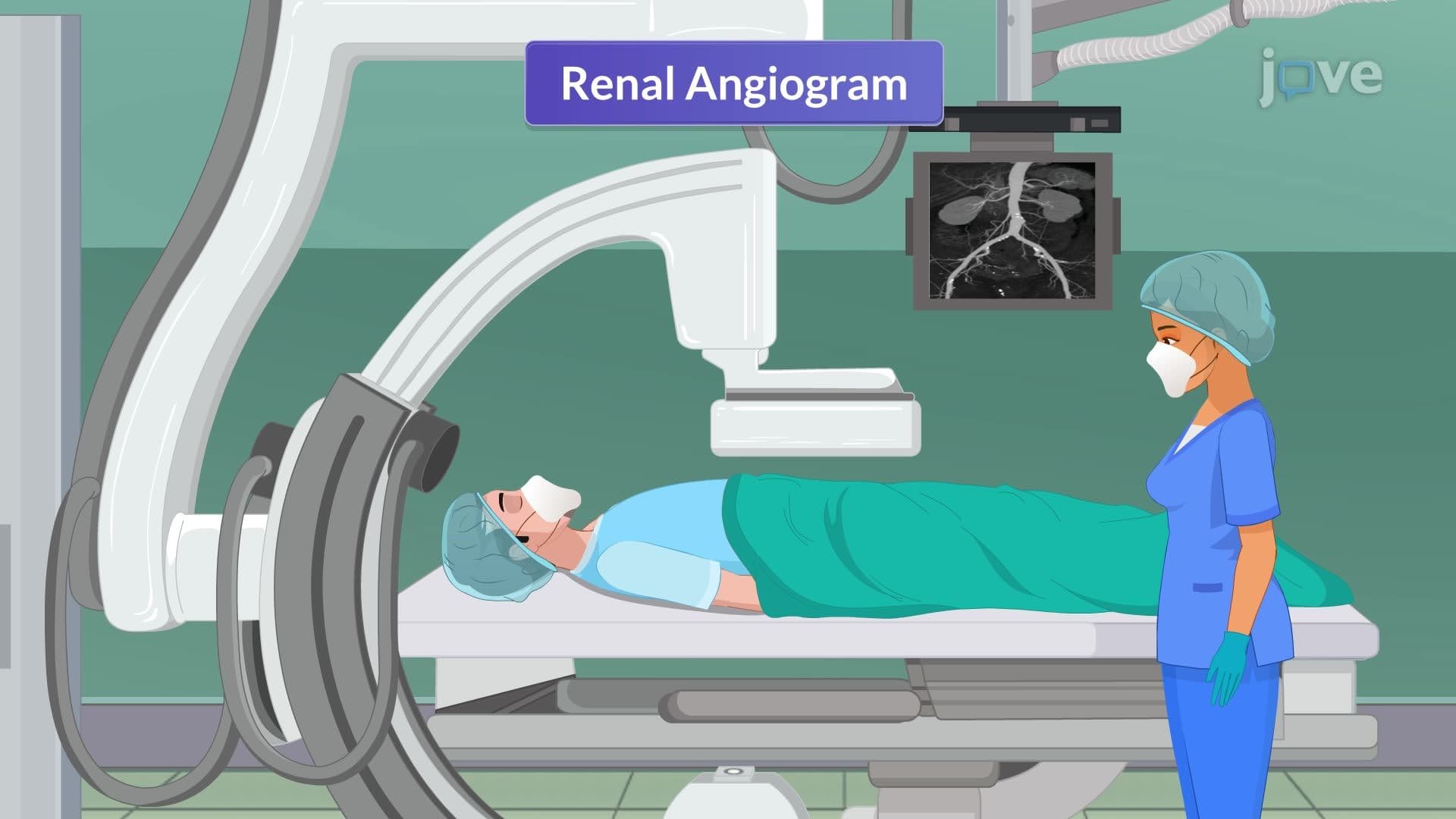
Contrast-enhanced CT scans provide superior diagnostic capability compared to non-contrast studies. Intravenous contrast agents, typically iodine-based solutions, enhance vascular structures and improve organ visualization. This enhancement proves particularly valuable when evaluating renal blood flow, identifying vascular abnormalities, or differentiating between solid masses and fluid-filled cysts. Advanced nursing students studying for the NCLEX-RN examination should recognize that post-contrast monitoring includes observing for delayed allergic reactions and ensuring adequate hydration to prevent nephrotoxicity.
Clinical Applications and Diagnostic Capabilities
CT imaging excels in diagnosing diverse genitourinary conditions. Kidney stones appear as high-density objects on non-contrast CT scans, making this the gold standard for stone detection. Renal cell carcinomas demonstrate characteristic enhancement patterns on contrast-enhanced studies. At trauma centers like those in the American College of Surgeons Trauma Center Network, CT scans rapidly assess kidney and bladder injuries following motor vehicle accidents. College students in pre-health programs should understand that CT's ability to provide rapid, accurate diagnoses makes it invaluable in emergency medicine, where timely treatment decisions directly impact patient outcomes.
Frequently Asked Questions
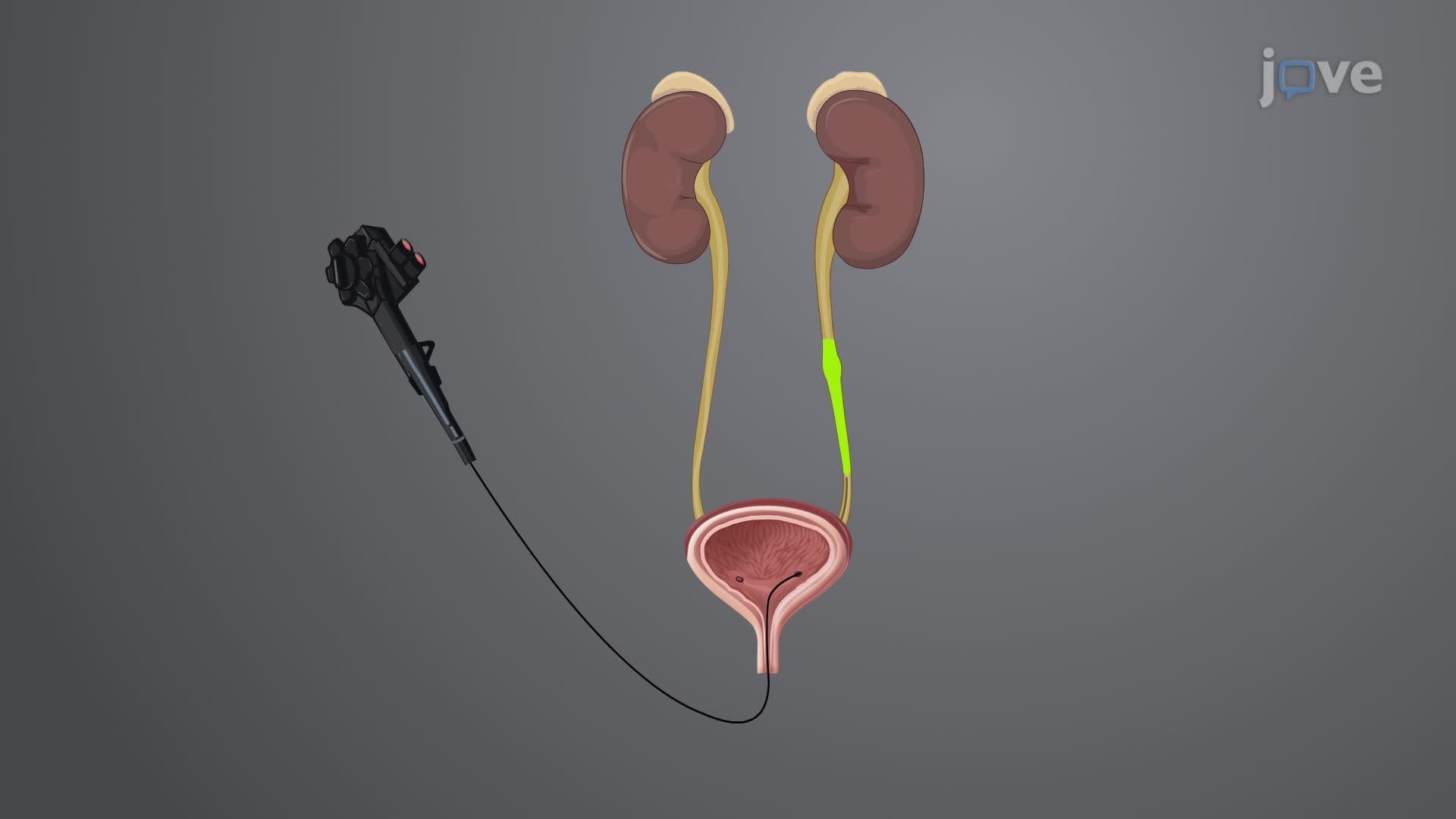
Imaging studies III computed tomography is an advanced X-ray technique that creates detailed cross-sectional images of the genitourinary system using computer processing. The CT scanner rotates X-ray beams around the patient while detectors measure radiation absorption, allowing computers to reconstruct precise images of kidneys, ureters, bladder, and adrenal glands. This non-invasive procedure provides superior diagnostic information compared to traditional X-rays.
Focus on understanding pre-procedure requirements like NPO status, contrast contraindications, and renal function assessment. MCAT passages often test knowledge of contrast-induced nephropathy prevention and patient safety protocols. Review the differences between contrast-enhanced and non-contrast studies, emphasizing when each technique is most appropriate for specific clinical scenarios.
NCLEX questions emphasize patient safety, including pre-procedure allergy screening and post-procedure monitoring. Expect questions about recognizing contrast reaction symptoms, maintaining IV access, and encouraging fluid intake after contrast administration. Understanding the nurse's role in patient education and informed consent is crucial for exam success.
Human anatomy and physiology courses introduce basic imaging concepts, while medical imaging technology programs provide comprehensive CT education. Pre-health students often encounter CT applications in pathophysiology and clinical medicine courses. Biomedical engineering programs explore the technical aspects of image reconstruction and radiation physics.
Emergency departments at major trauma centers like those at UCLA Medical Center use CT scans to rapidly diagnose kidney stones in patients with severe flank pain. In trauma cases, CT imaging quickly identifies internal bleeding, kidney lacerations, or bladder ruptures following motor vehicle accidents. This rapid diagnosis capability often determines whether patients require emergency surgery or conservative treatment.
Basic understanding of CT principles requires only high school-level math and physics concepts. While the computer algorithms involve complex mathematical calculations, students need to focus on clinical applications rather than technical computations. Understanding radiation exposure principles and image interpretation requires more conceptual than mathematical knowledge.
Create visual study aids comparing normal versus abnormal CT findings, particularly for common conditions like kidney stones and renal masses. Practice identifying anatomical structures on sample CT images and memorize standard pre-procedure and post-procedure protocols. Focus on understanding clinical indications for CT versus other imaging modalities like ultrasound or MRI.
Consider studying MRI principles and applications, which provide superior soft tissue contrast without ionizing radiation. Explore nuclear medicine techniques like renal scintigraphy for functional kidney assessment. Advanced students might investigate emerging technologies like dual-energy CT and artificial intelligence applications in medical imaging interpretation.
Related Micro-courses