Loading subject page…

4,623 views
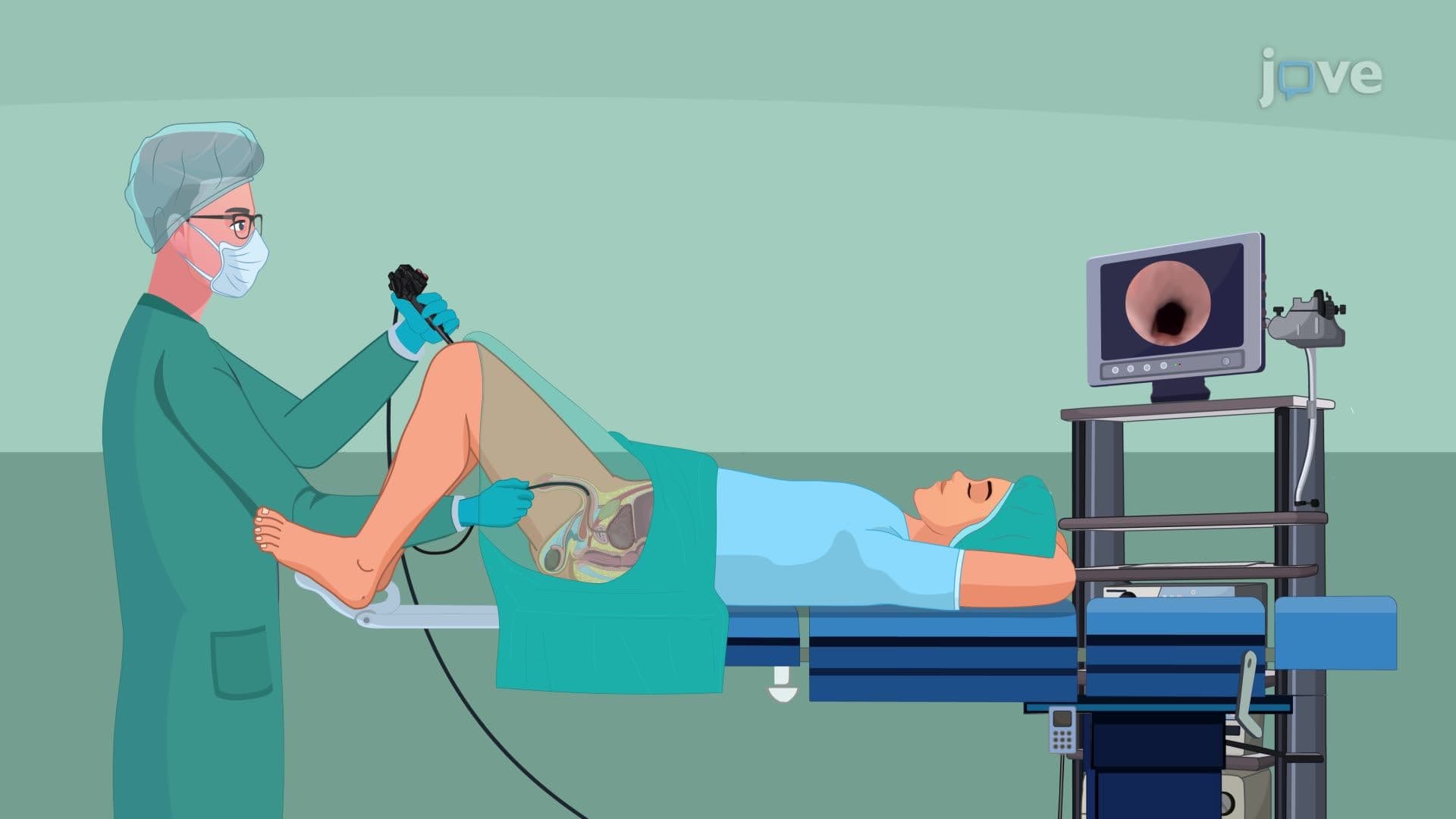

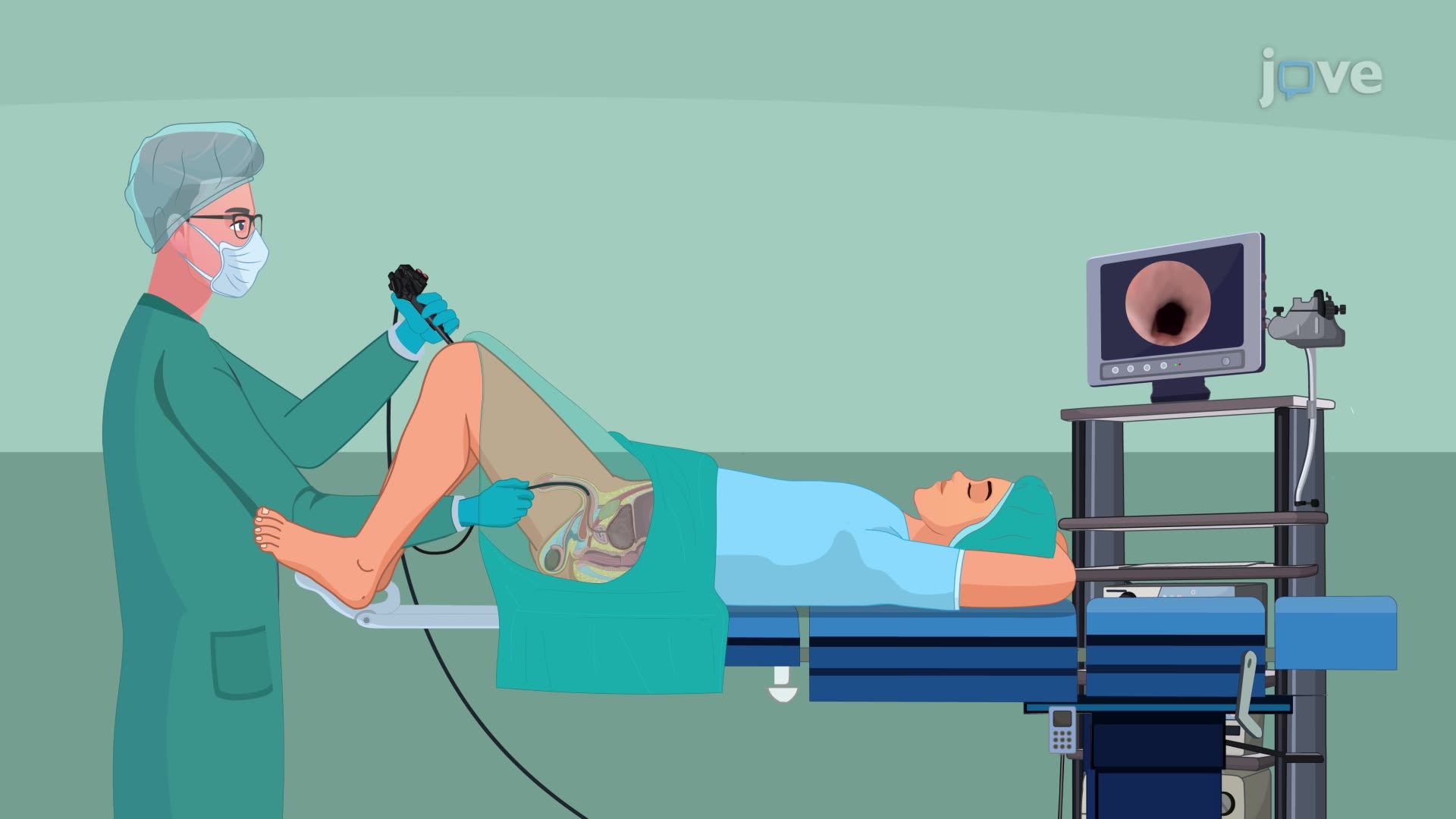
Video Summary: Urologic Endoscopic Procedure Cystoscopic Examination Guide
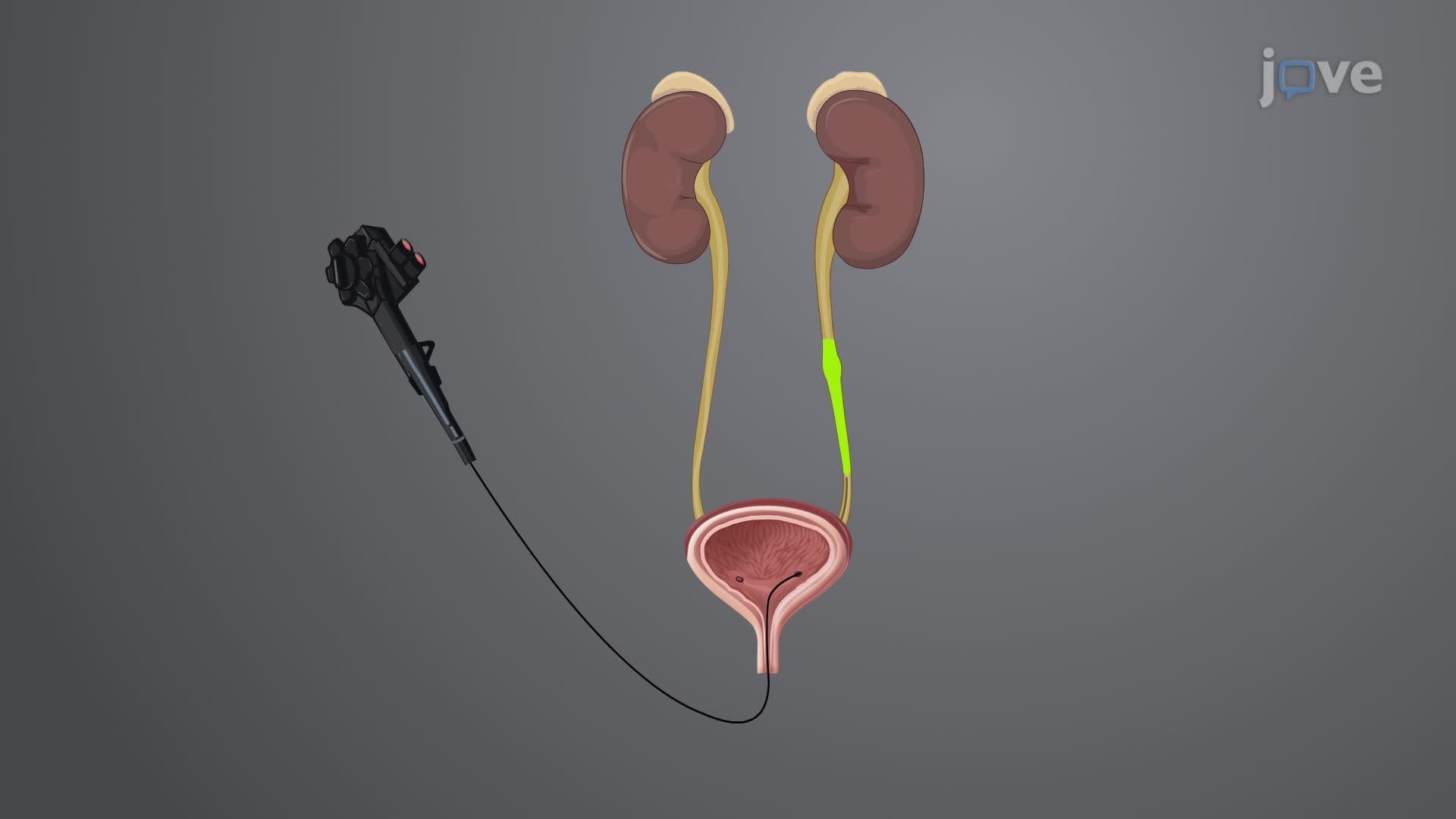
Did you know that over 2 million Americans undergo cystoscopy annually to diagnose bladder conditions? A urologic endoscopic procedure cystoscopic examination uses a specialized camera-equipped tube to visualize the inside of the urethra and bladder, helping doctors at institutions like Johns Hopkins detect everything from infections to tumors. This minimally invasive diagnostic tool has revolutionized urologic care by providing real-time internal imaging without major surgery. Watch the full video on JoVE Coach to master this concept with expert-led visuals and step-by-step explanations.
Cystoscopy represents a cornerstone diagnostic tool in modern urology, allowing healthcare providers to directly visualize the lower urinary tract without invasive surgical procedures. This urologic endoscopic procedure cystoscopic examination has become standard practice at major medical centers including Mayo Clinic, Cleveland Clinic, and university hospitals nationwide. The procedure's versatility makes it invaluable for both diagnostic evaluation and therapeutic interventions.
Two primary cystoscopic approaches serve different clinical needs. Flexible cystoscopy, performed under local anesthesia with lidocaine gel, offers patient comfort and office-based convenience. This approach works well for routine surveillance and initial diagnostic evaluation. Rigid cystoscopy, conducted under general or spinal anesthesia, provides superior visualization and enables therapeutic procedures like biopsy collection or stone removal. The choice depends on patient factors, clinical indication, and procedural complexity.
Healthcare providers utilize cystoscopic examination to investigate numerous urologic conditions. Hematuria (blood in urine) represents the most common indication, potentially revealing bladder cancer, stones, or inflammatory conditions. Recurrent urinary tract infections, especially in women, may indicate structural abnormalities requiring cystoscopic evaluation. The procedure also diagnoses urinary retention causes, bladder outlet obstruction, and monitors patients with previous bladder cancer history.
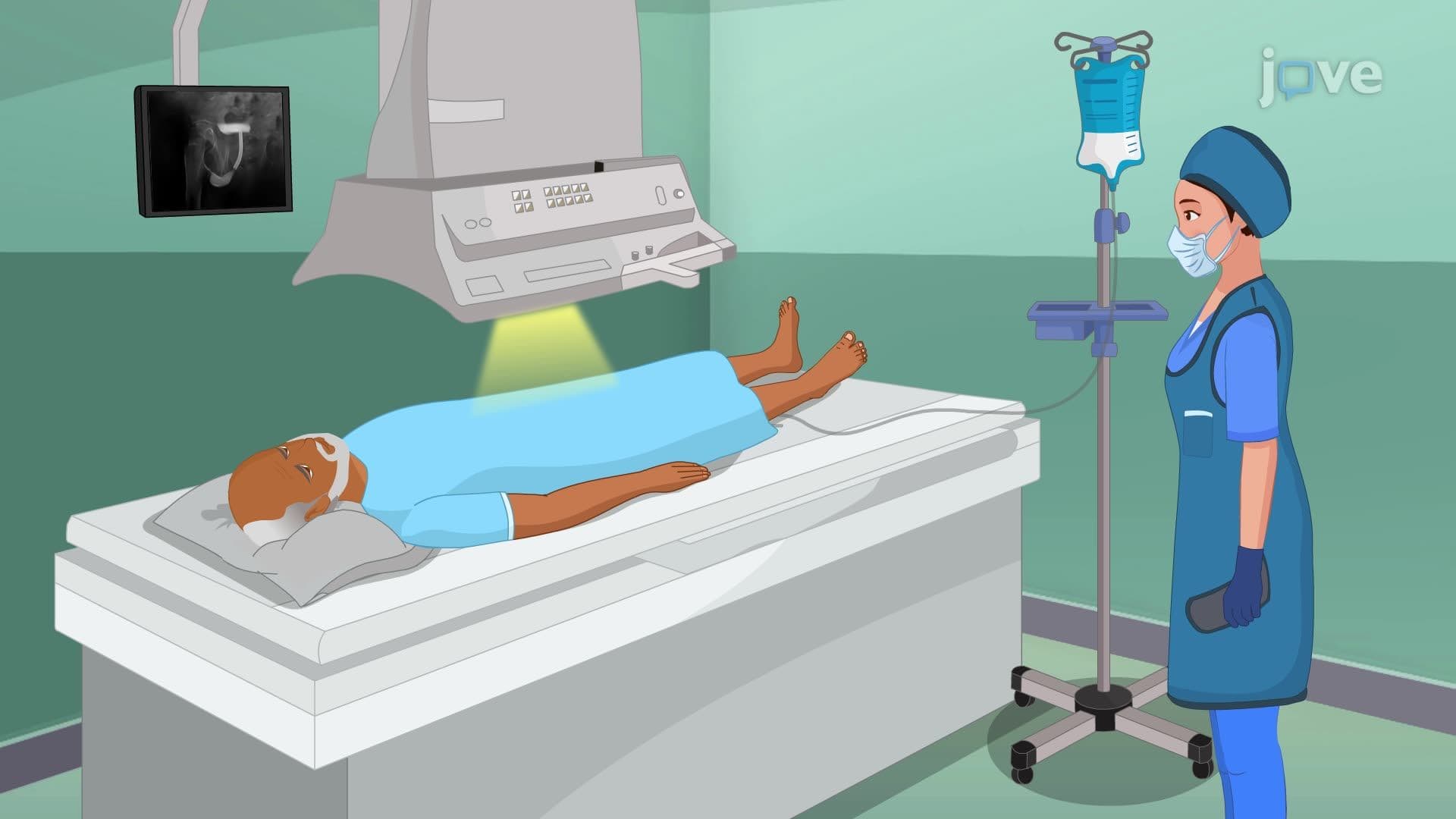
The examination follows strict protocols ensuring patient safety and diagnostic accuracy. Pre-procedure preparation includes patient education, informed consent, and appropriate fasting if general anesthesia is planned. During the procedure, proper patient positioning in lithotomy position, sterile technique, and gentle instrument insertion minimize complications. Bladder distension with sterile saline optimizes visualization while maintaining patient comfort. Post-procedure monitoring focuses on vital signs, urinary bleeding assessment, and pain management.
Students preparing for healthcare careers should understand that cystoscopy knowledge appears frequently on MCAT questions related to genitourinary systems, NCLEX-RN examinations for nursing students, and medical school coursework in urology rotations. This procedure exemplifies the integration of anatomy, physiology, and clinical practice essential for healthcare professional competency.
Related Micro-courses