Loading subject page…

4,623 views

Video Summary: What Is Urine Studies I Urinalysis
Every day, your kidneys filter approximately 120-150 quarts of blood, producing about 1-2 quarts of urine that contains critical health information. Urine studies I urinalysis is a comprehensive laboratory test that examines urine's physical, chemical, and microscopic properties to diagnose conditions ranging from diabetes to kidney disease. At major US medical centers like Johns Hopkins, urinalysis serves as one of the most frequently ordered diagnostic tests, helping detect everything from urinary tract infections to metabolic disorders. Watch the full video on JoVE Coach to master this concept with expert-led visuals and step-by-step explanations.
What is urine studies I urinalysis represents one of medicine's oldest yet most valuable diagnostic tools. This comprehensive laboratory examination provides healthcare providers with a non-invasive window into the body's metabolic processes, kidney function, and overall health status. The test's significance extends far beyond simple screening-it serves as a cornerstone diagnostic tool in emergency departments, primary care clinics, and specialized nephrology practices across the United States.
The physical assessment of urine reveals immediate clues about patient health through observable characteristics. Normal urine color ranges from pale straw to deep amber, determined primarily by urochrome concentration. Dehydration typically produces darker amber urine, while excessive fluid intake creates nearly colorless specimens. Pathological colors carry specific diagnostic significance: red or pink suggests hematuria (blood in urine), brown indicates possible liver dysfunction or muscle breakdown, and green-blue tints may signal certain medications or bacterial infections.
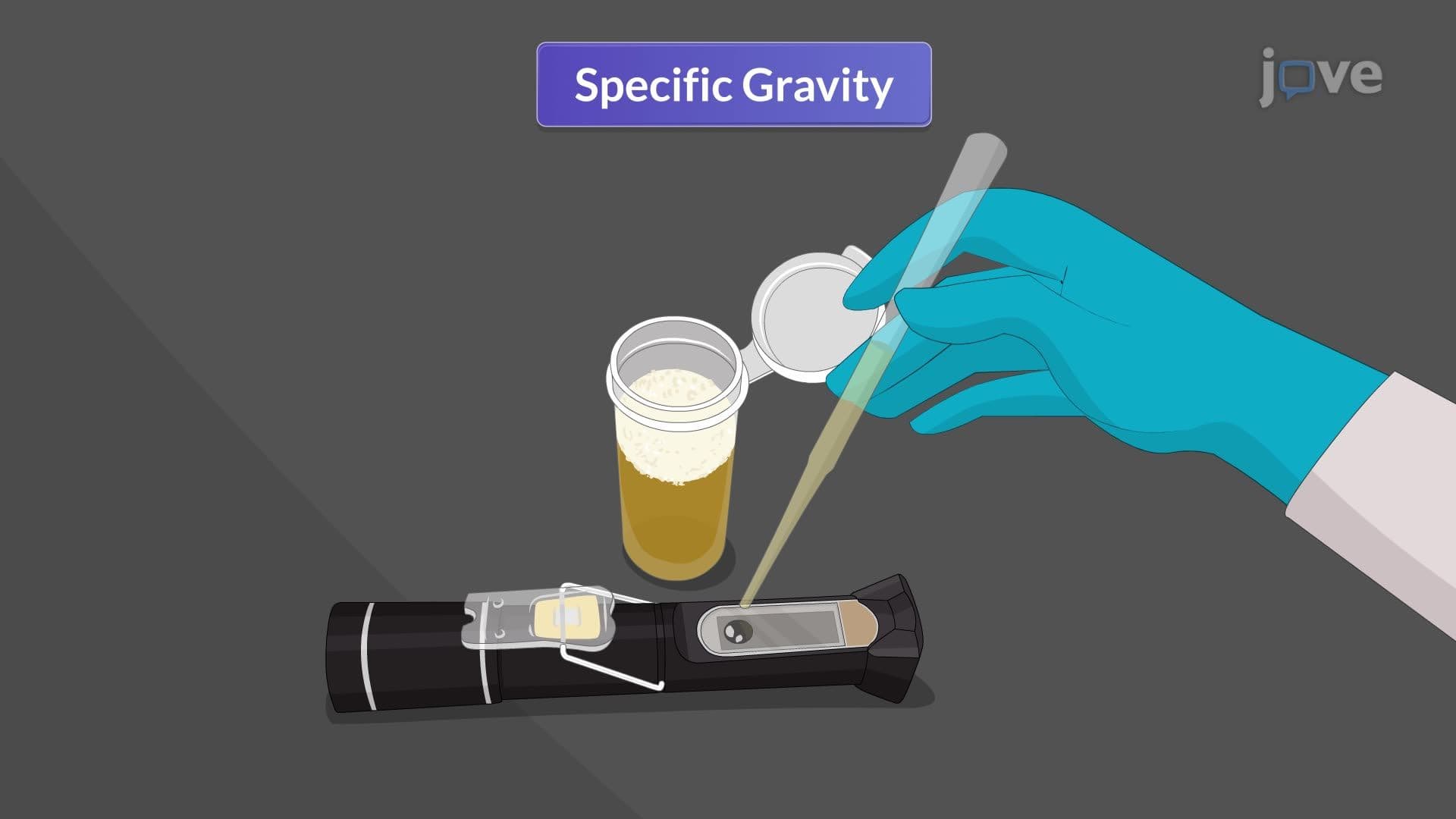
Clarity assessment distinguishes between clear, slightly cloudy, cloudy, and turbid specimens. Fresh normal urine should appear clear to slightly hazy. Cloudiness often indicates the presence of cells, crystals, or bacteria-particularly significant in diagnosing urinary tract infections. The specific gravity measurement (normal range: 1.005-1.030) evaluates the kidney's concentrating ability, with values above 1.025 suggesting dehydration and values below 1.010 indicating dilute urine or potential kidney dysfunction.
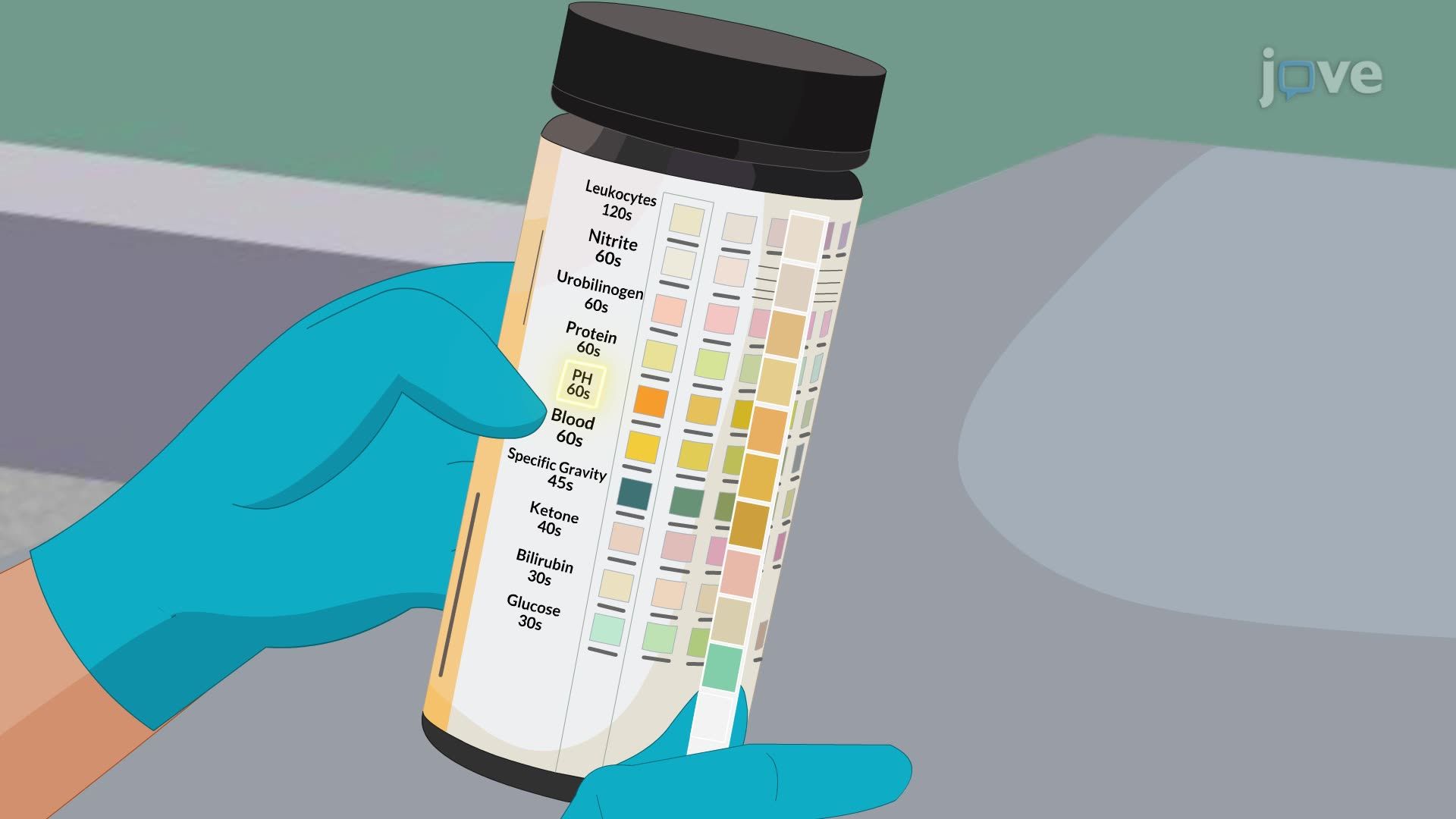
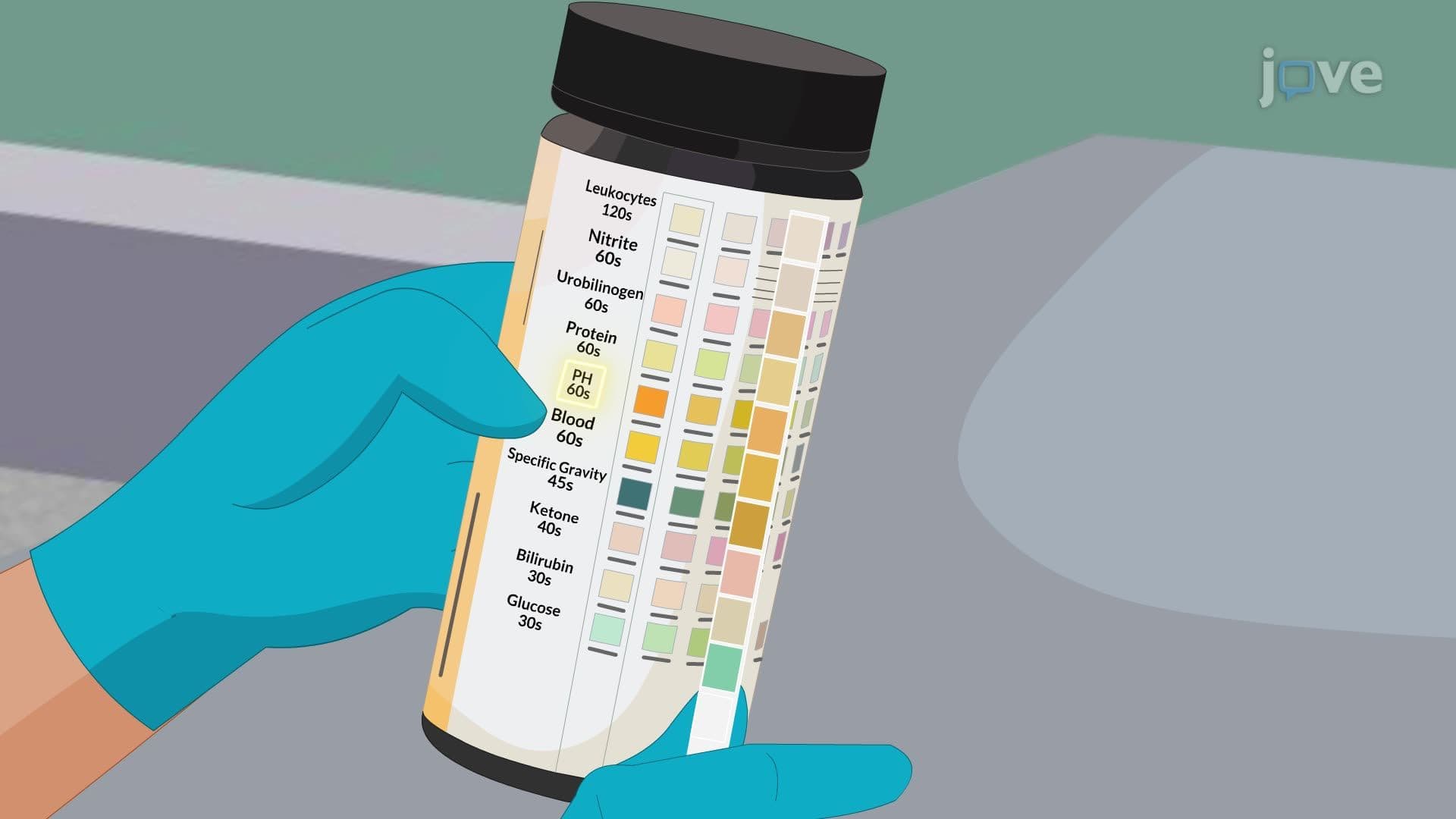
Modern urinalysis employs sophisticated dipstick technology to detect multiple chemical parameters simultaneously. Protein detection (normally <30 mg/dL) serves as an early indicator of kidney damage, with persistent proteinuria warranting further nephrology evaluation. Glucose presence in urine (normally absent) suggests diabetes mellitus when blood glucose exceeds the renal threshold of approximately 180 mg/dL.
Ketone detection proves crucial for diagnosing diabetic ketoacidosis, a potentially life-threatening complication requiring immediate medical intervention. Bilirubin and urobilinogen measurements help assess liver function and bile duct patency. The presence of nitrites indicates bacterial conversion of dietary nitrates, strongly suggesting urinary tract infection, while leukocyte esterase detects white blood cell enzymes, confirming inflammatory responses.
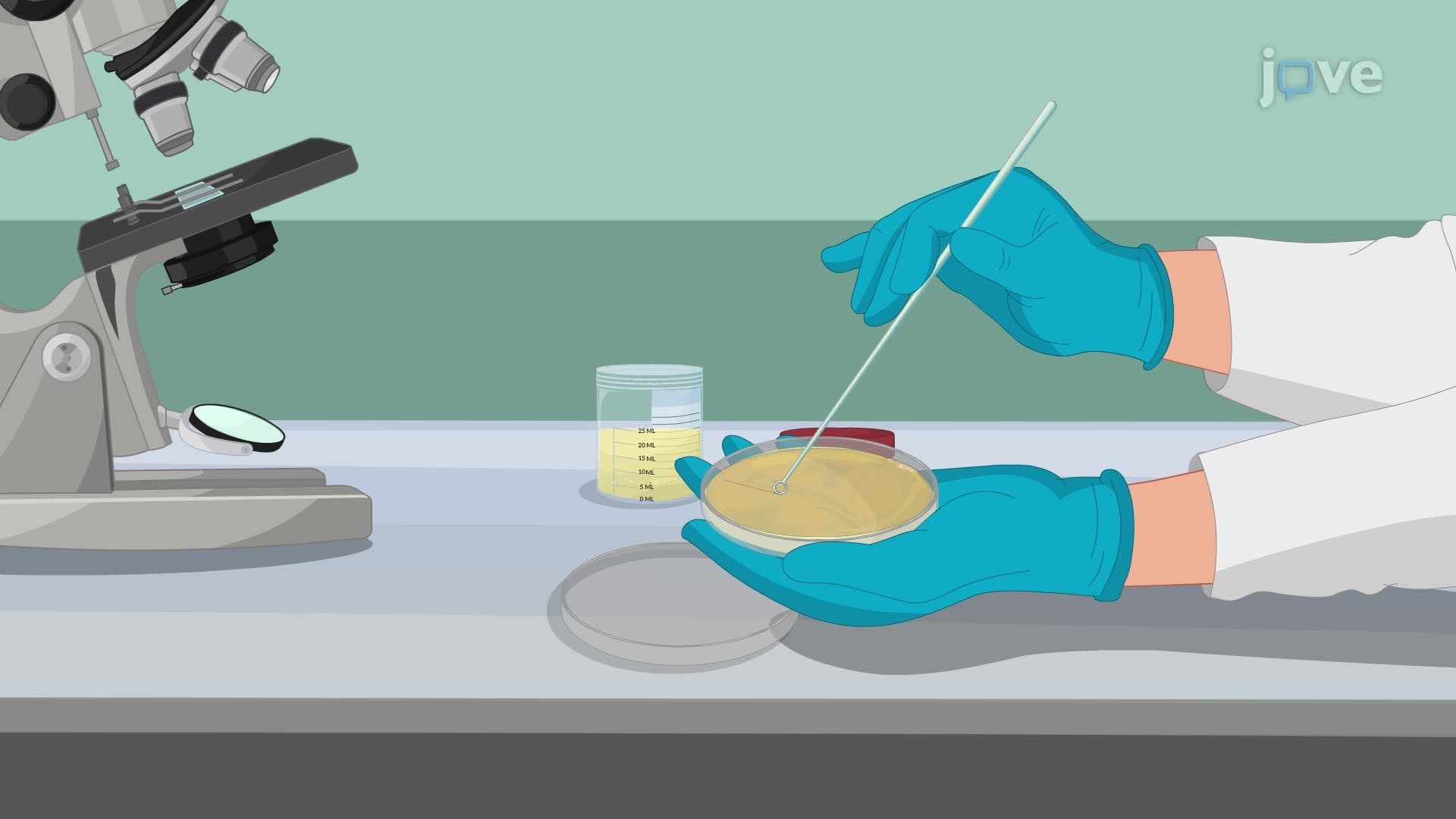
Microscopic analysis provides the most detailed diagnostic information through cellular and crystalline element identification. Red blood cell counts exceeding 2-3 per high-power field suggest hematuria, potentially indicating trauma, infection, stones, or malignancy. White blood cell elevation (>5 per high-power field) confirms inflammatory processes, typically urinary tract infections.
Epithelial cell analysis distinguishes between normal sloughing and pathological tubular damage. Crystal identification helps predict kidney stone formation, with calcium oxalate, uric acid, and struvite crystals each carrying specific clinical implications. For students preparing for the MCAT or AP Biology exams, understanding these microscopic findings proves essential for clinical reasoning questions and laboratory interpretation scenarios.
Related Micro-courses