Loading subject page…

4,623 views

Video Summary: What Is Urodynamic Studies Uroflowmetry
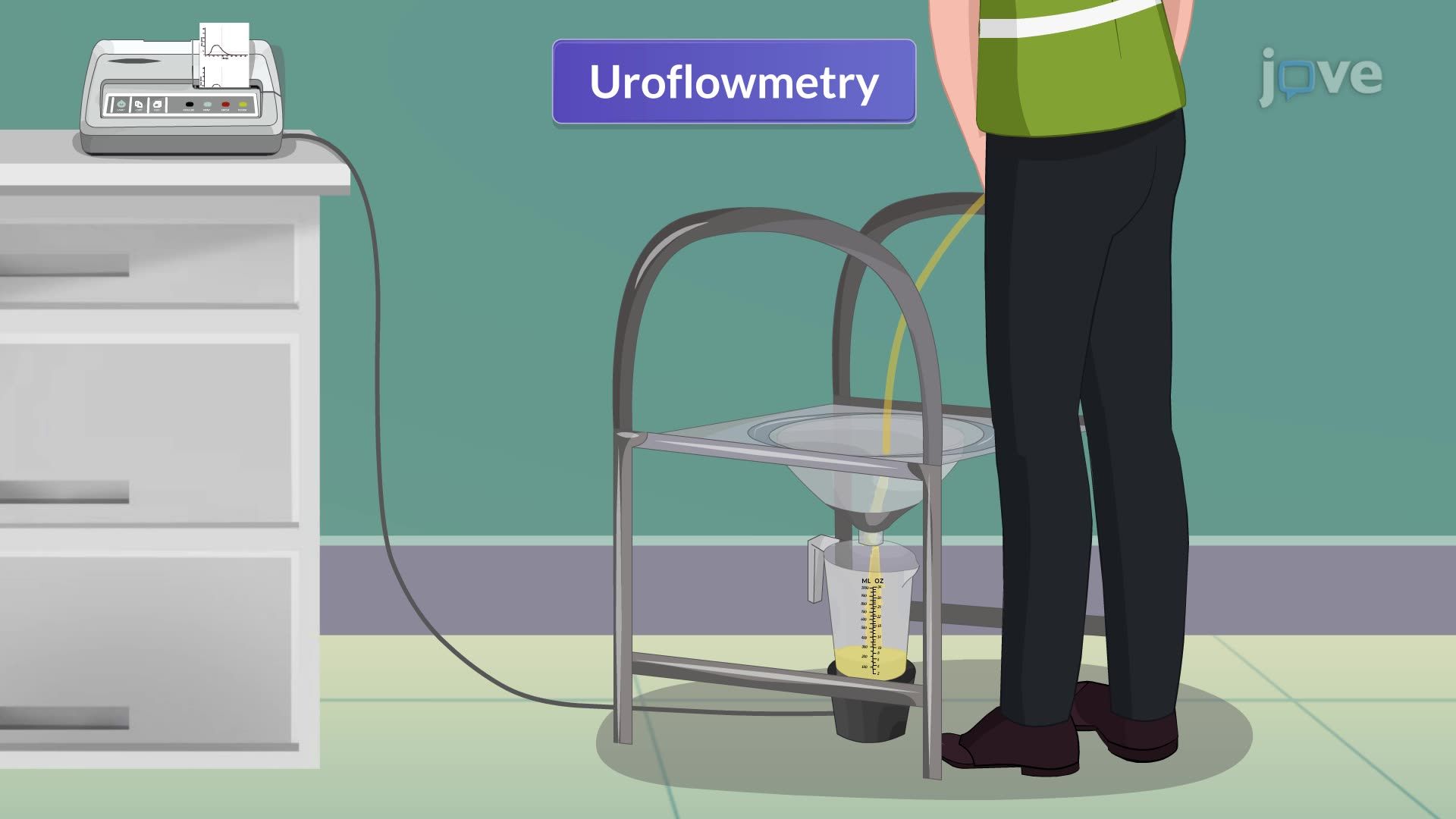
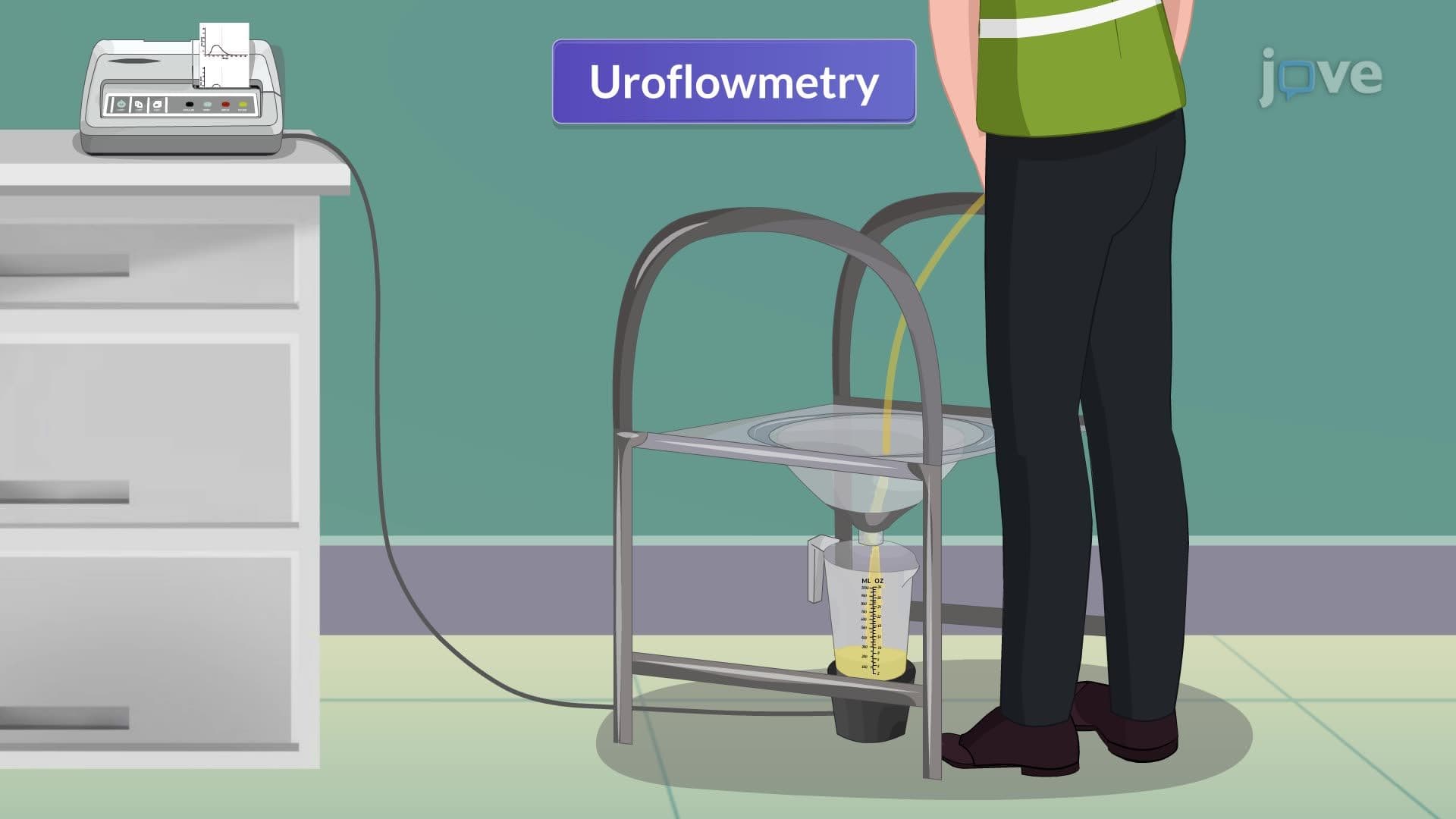
Every year, over 25 million Americans experience urinary problems, yet many don't understand the simple test that could diagnose their condition. Urodynamic studies uroflowmetry is a painless diagnostic procedure that measures how well your bladder empties by analyzing urine flow patterns. At major US hospitals like Johns Hopkins, this test helps doctors identify bladder outlet obstructions and dysfunction in just minutes. Watch the full video on JoVE Coach to master this concept with expert-led visuals and step-by-step explanations.
Urodynamic studies uroflowmetry represents a cornerstone of modern urological assessment, providing objective measurements of bladder function through non-invasive monitoring. This diagnostic technique transforms subjective patient complaints into quantifiable data that clinicians can analyze systematically. In the United States, urologists rely heavily on uroflowmetry as a first-line diagnostic tool before considering more invasive procedures.
The uroflowmeter captures five critical parameters that paint a complete picture of bladder emptying. Maximum flow rate (Qmax) typically ranges from 15-25 mL/second for healthy adults, while values below 10 mL/second may indicate obstruction. Average flow rate provides insight into overall voiding efficiency throughout the entire process. Time to maximum flow reveals how quickly the bladder reaches peak performance, with prolonged times suggesting detrusor weakness. Voiding time encompasses the complete duration of urination, and voided volume represents the total urine expelled.
Major medical centers like the Mayo Clinic and Cleveland Clinic integrate uroflowmetry into routine urological evaluations. For instance, men experiencing benign prostatic hyperplasia at VA hospitals undergo uroflowmetry to determine treatment necessity. College health centers use this test to evaluate young adults with recurrent urinary tract infections. The test's simplicity makes it ideal for outpatient settings across the US healthcare system.
Students preparing for the MCAT encounter uroflowmetry concepts within renal physiology sections, particularly regarding bladder innervation and voiding reflexes. AP Biology students study this as an example of homeostatic mechanisms in excretory systems. Pre-med students in college physiology courses analyze uroflowmetry curves to understand normal versus pathological voiding patterns. USMLE Step 1 questions frequently test interpretation of uroflowmetry results alongside clinical presentations of urological disorders.
Related Micro-courses