Loading subject page…

2,341 views

Video Summary: Acute Kidney Injury I Introduction Explained
Every 24 minutes, someone in the United States starts dialysis due to kidney failure, but many cases begin with acute kidney injury i introduction scenarios that could be prevented with early recognition. Acute kidney injury i introduction covers the rapid decline in kidney function that develops within hours to days, affecting millions of Americans annually. From dehydration after marathon running to sepsis in hospital ICUs, understanding how the RIFLE classification system stages kidney damage-from Risk to complete Failure-is crucial for healthcare students and practitioners. Watch the full video on JoVE Coach to master this concept with expert-led visuals and step-by-step explanations.
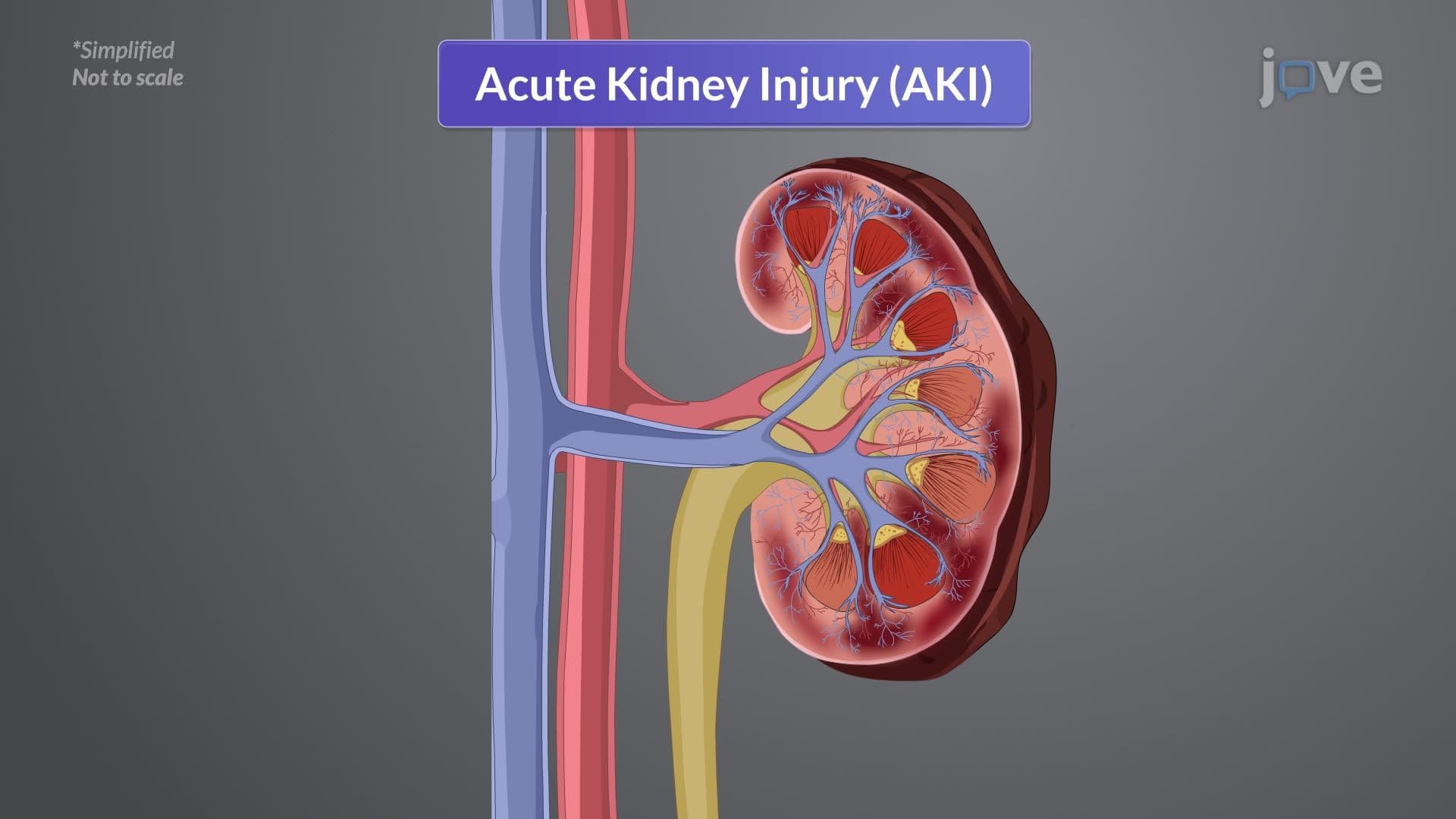
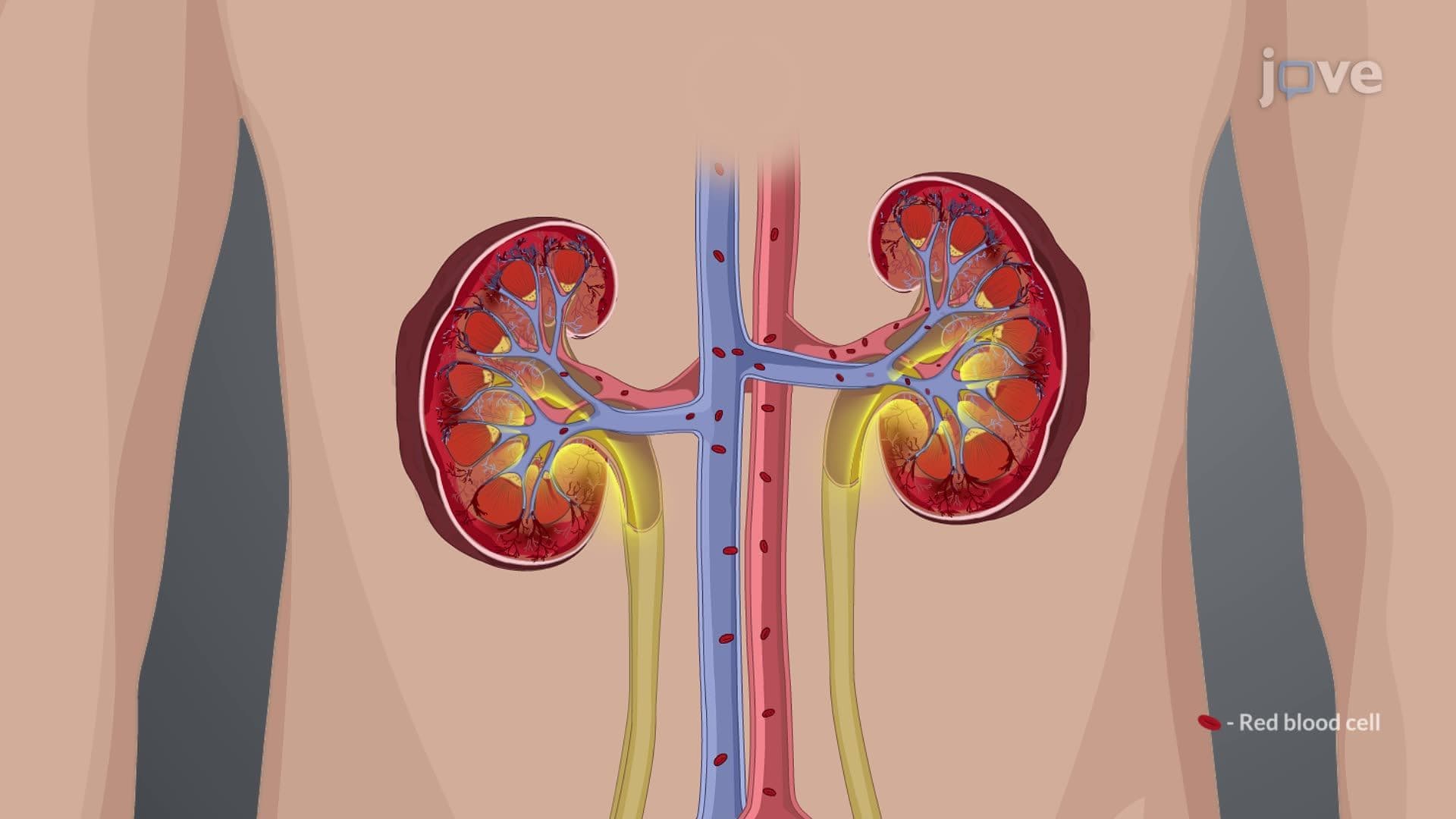
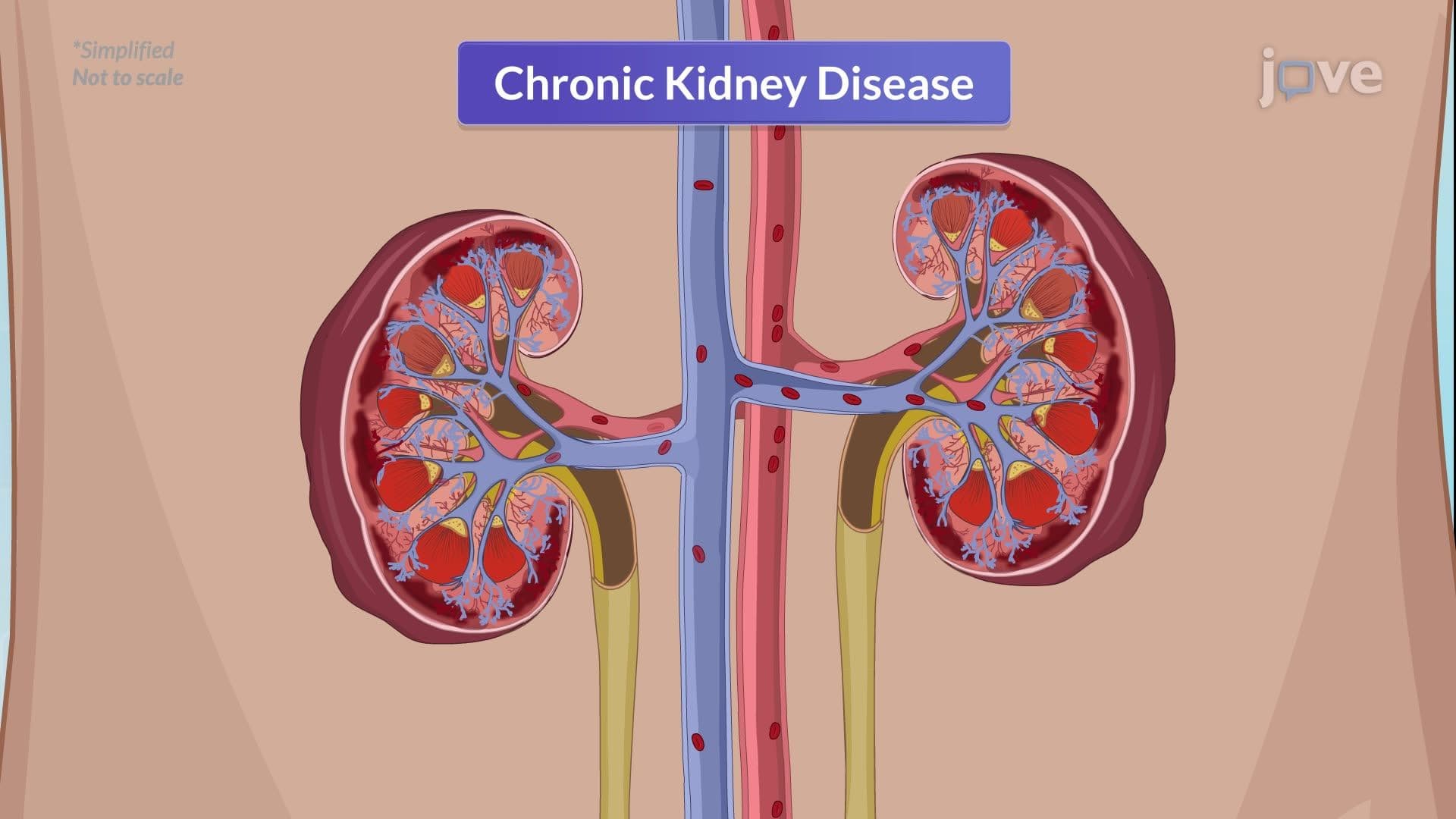
Acute kidney injury represents one of the most critical emergency conditions in modern healthcare, affecting approximately 20% of hospitalized patients in the United States. Unlike chronic kidney disease that develops gradually over years, AKI strikes rapidly, often catching patients and families off-guard. The condition fundamentally disrupts the kidney's ability to filter waste products, regulate fluid balance, and maintain electrolyte homeostasis-functions essential for survival.
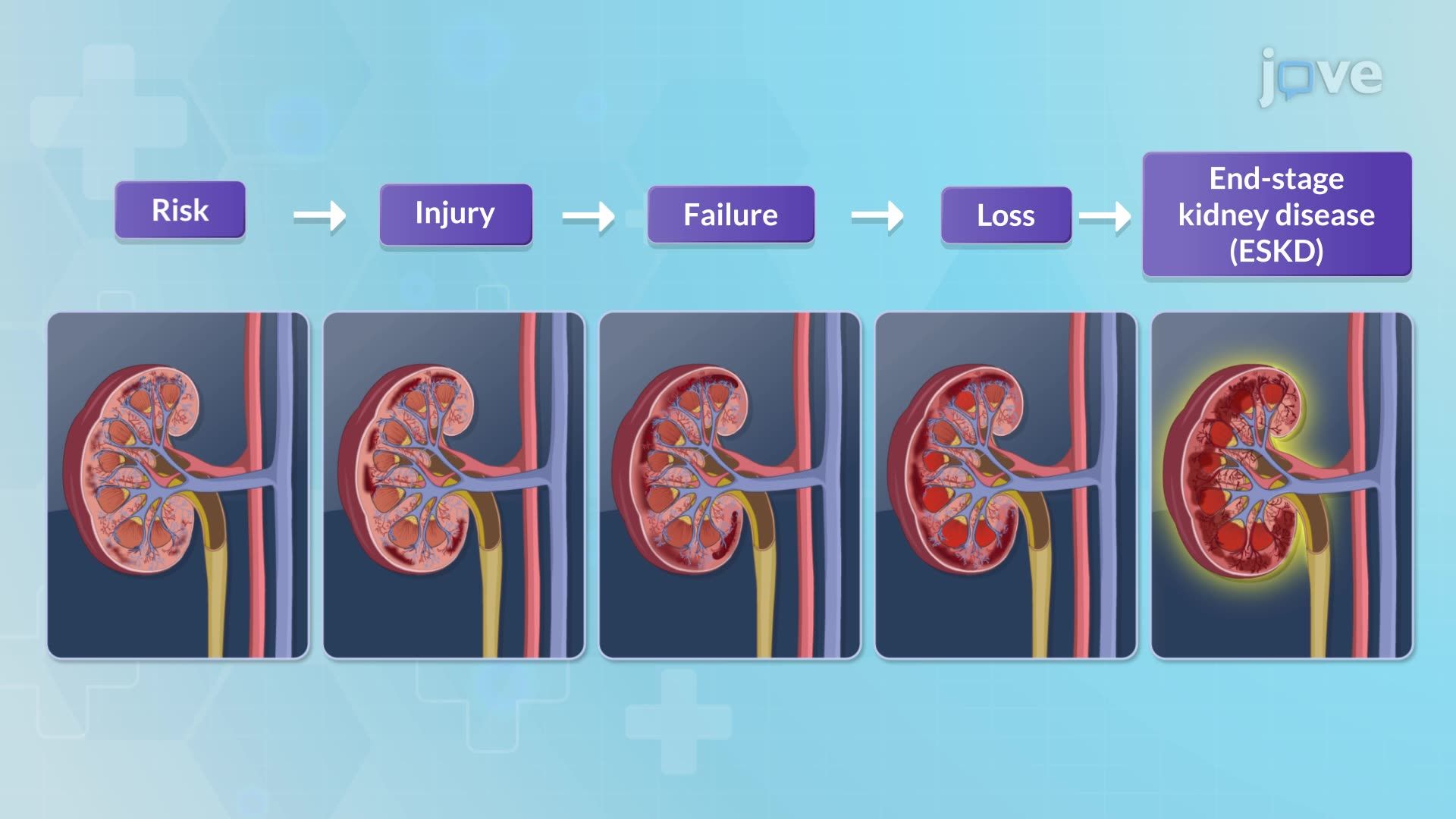
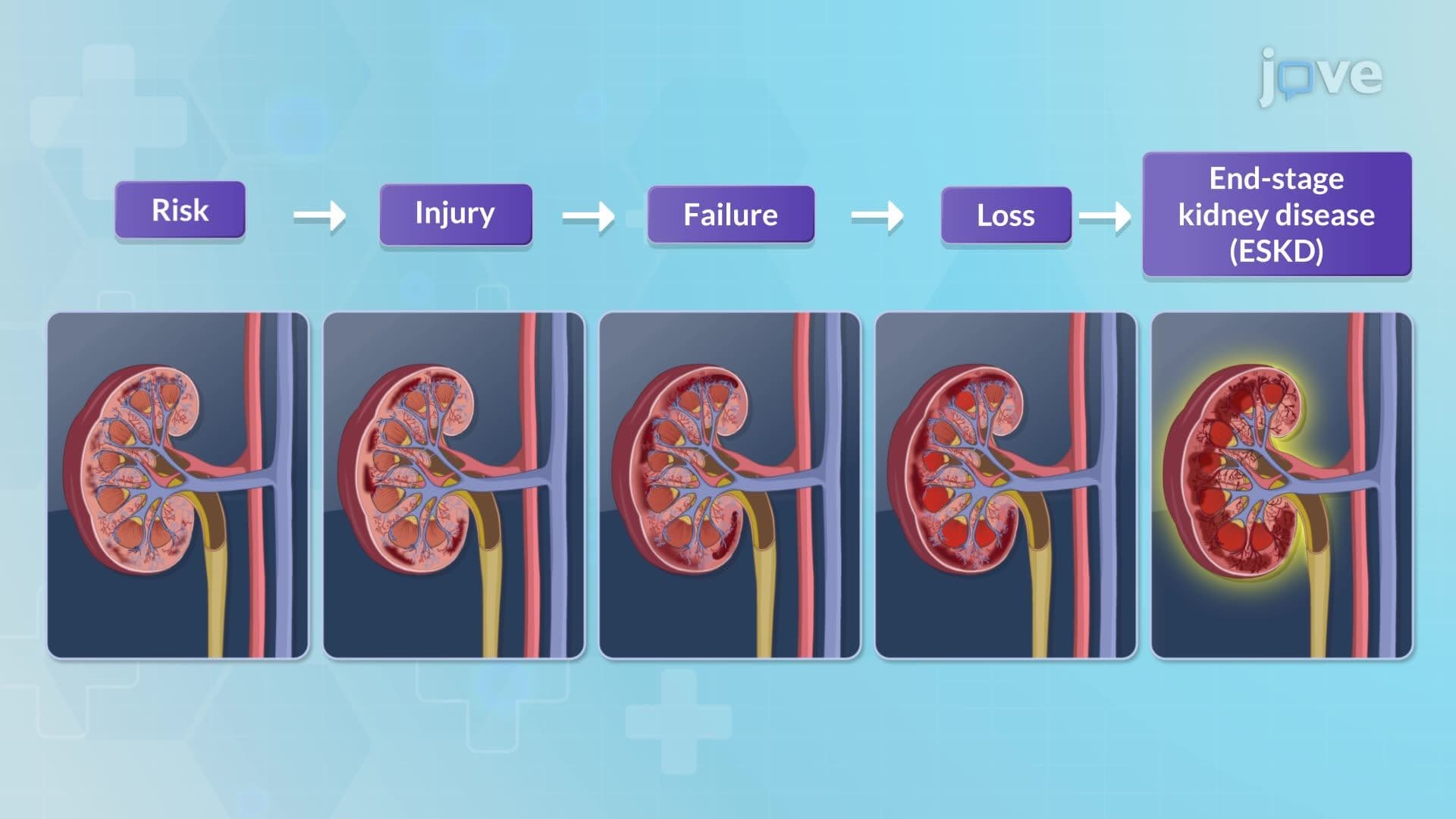
Healthcare professionals rely on the RIFLE system to standardize AKI diagnosis and treatment decisions across American hospitals. This evidence-based framework uses two key biomarkers: serum creatinine levels and glomerular filtration rate (GFR). The Risk stage signals early kidney stress with a 1.5-fold creatinine increase or 25% GFR reduction. Injury indicates moderate damage with doubled creatinine or 50% GFR loss. Failure represents severe dysfunction with tripled creatinine or 75%+ GFR reduction. These classifications directly impact treatment protocols in emergency departments from Johns Hopkins to UCLA Medical Center.
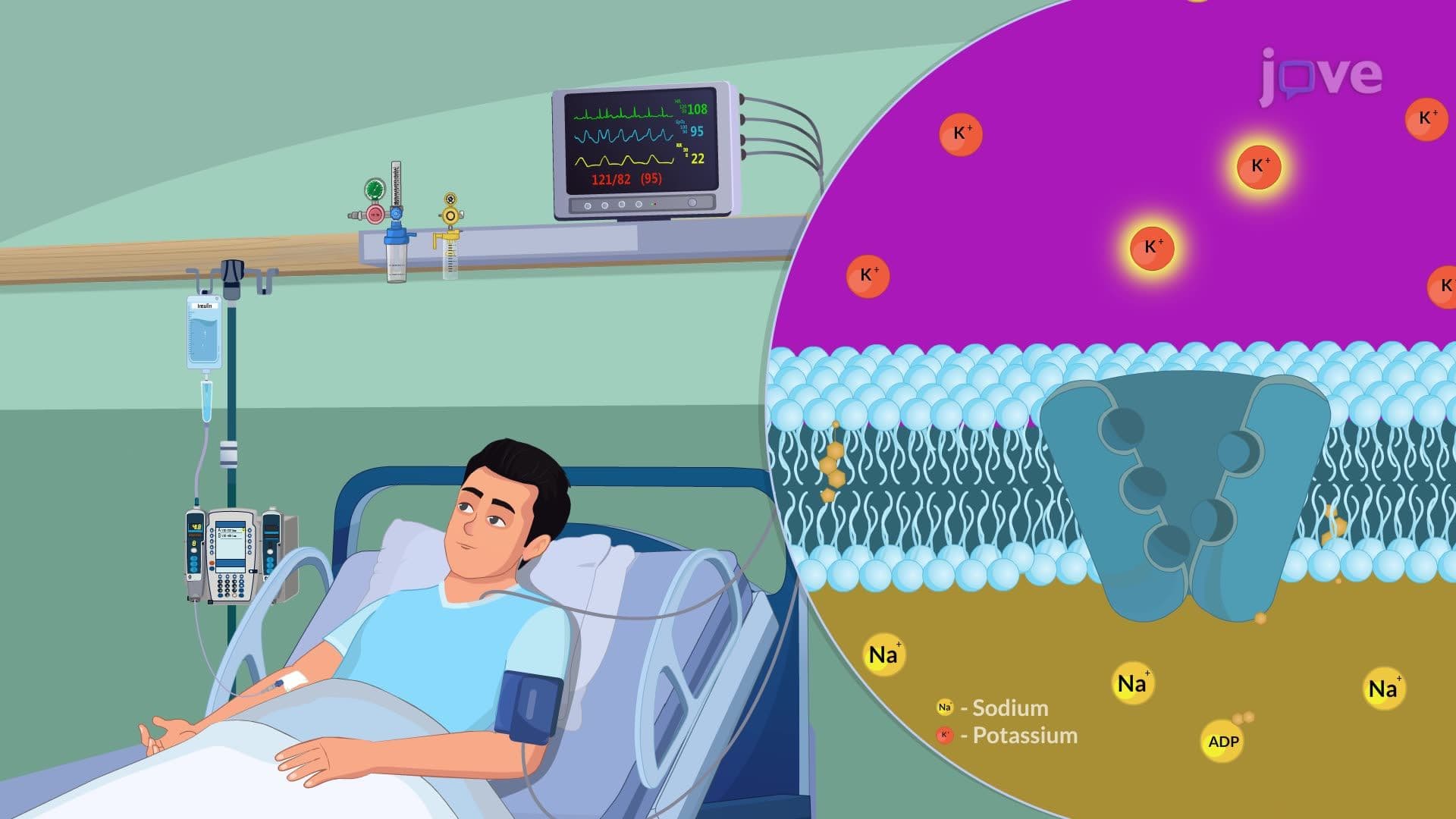
Dehydration remains the leading preventable cause of AKI in young adults, particularly affecting college athletes during intense training or outdoor workers in states like Arizona and Texas. Sepsis-induced AKI frequently occurs in intensive care units, where systemic infection overwhelms kidney function. Nephrotoxic medications-including common pain relievers like ibuprofen when used excessively-can trigger acute kidney damage, especially in patients with underlying conditions.
The progression from acute injury to permanent damage represents a critical turning point in patient outcomes. Loss describes sustained kidney dysfunction exceeding four weeks, while ESKD indicates complete kidney failure lasting over three months. At this stage, patients require life-sustaining interventions: dialysis or kidney transplantation. Understanding these timeframes helps healthcare students recognize the urgency of early intervention and the devastating consequences of delayed treatment.
For students preparing for the MCAT or nursing licensure exams like NCLEX, mastering AKI concepts proves essential, as these topics frequently appear in clinical reasoning questions and case studies.
Related Micro-courses