Loading subject page…

2,341 views

Video Summary: Acute Kidney Injury Ii Pathophysiology Explained
Every minute, your kidneys filter about 120 milliliters of blood-but what happens when this critical process fails? Understanding acute kidney injury ii pathophysiology reveals how three distinct mechanisms can rapidly compromise kidney function within hours to days. From the dehydrated marathon runner in Phoenix to the heart failure patient at Johns Hopkins Hospital, these pathways explain why approximately 13% of hospitalized Americans develop some form of kidney dysfunction. Acute Kidney Injury II Pathophysiology Explained breaks down the prerenal, intrarenal, and postrenal causes that medical professionals encounter daily. Watch the full video on JoVE Coach to master this concept with expert-led visuals and step-by-step explanations.
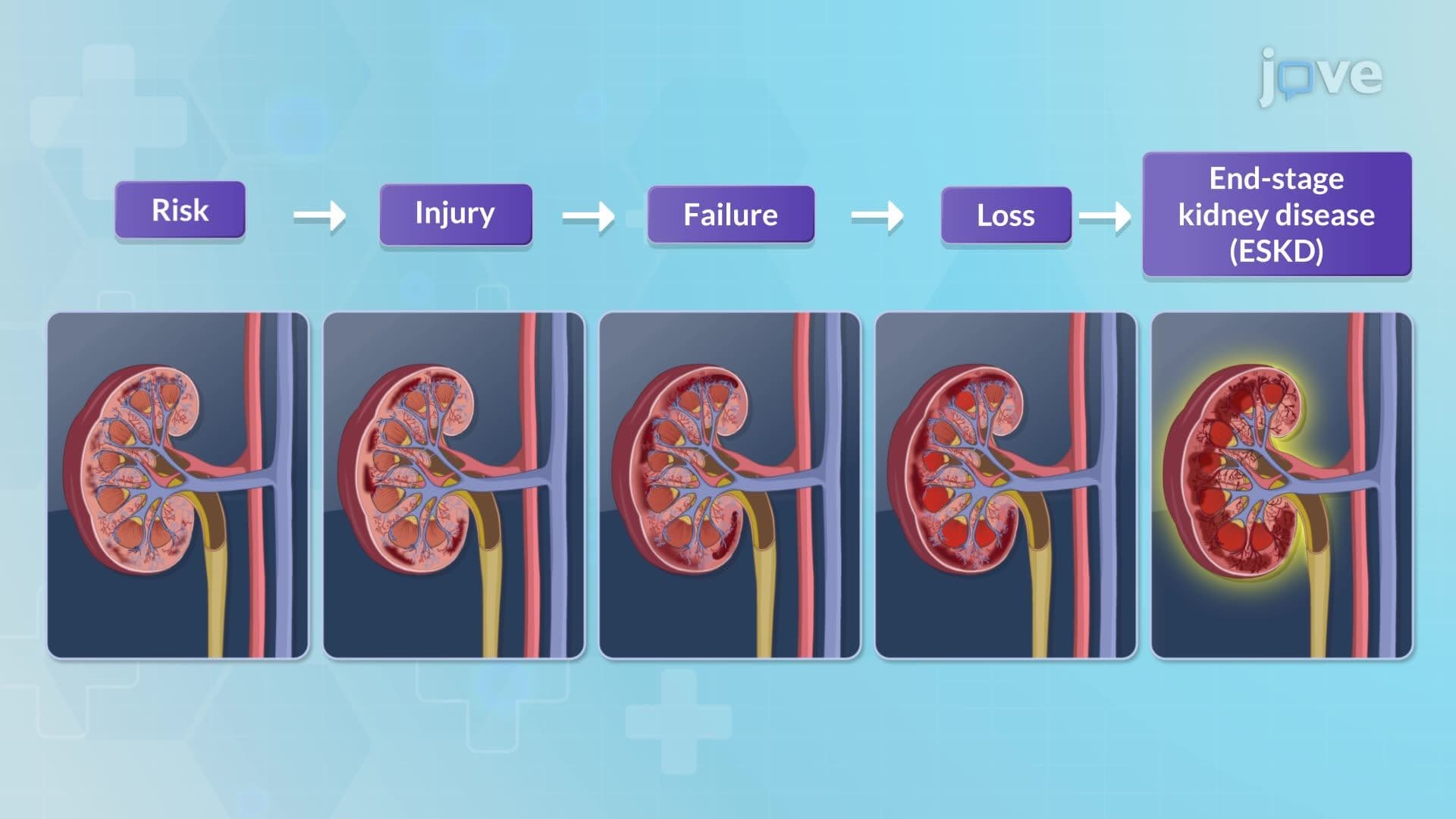
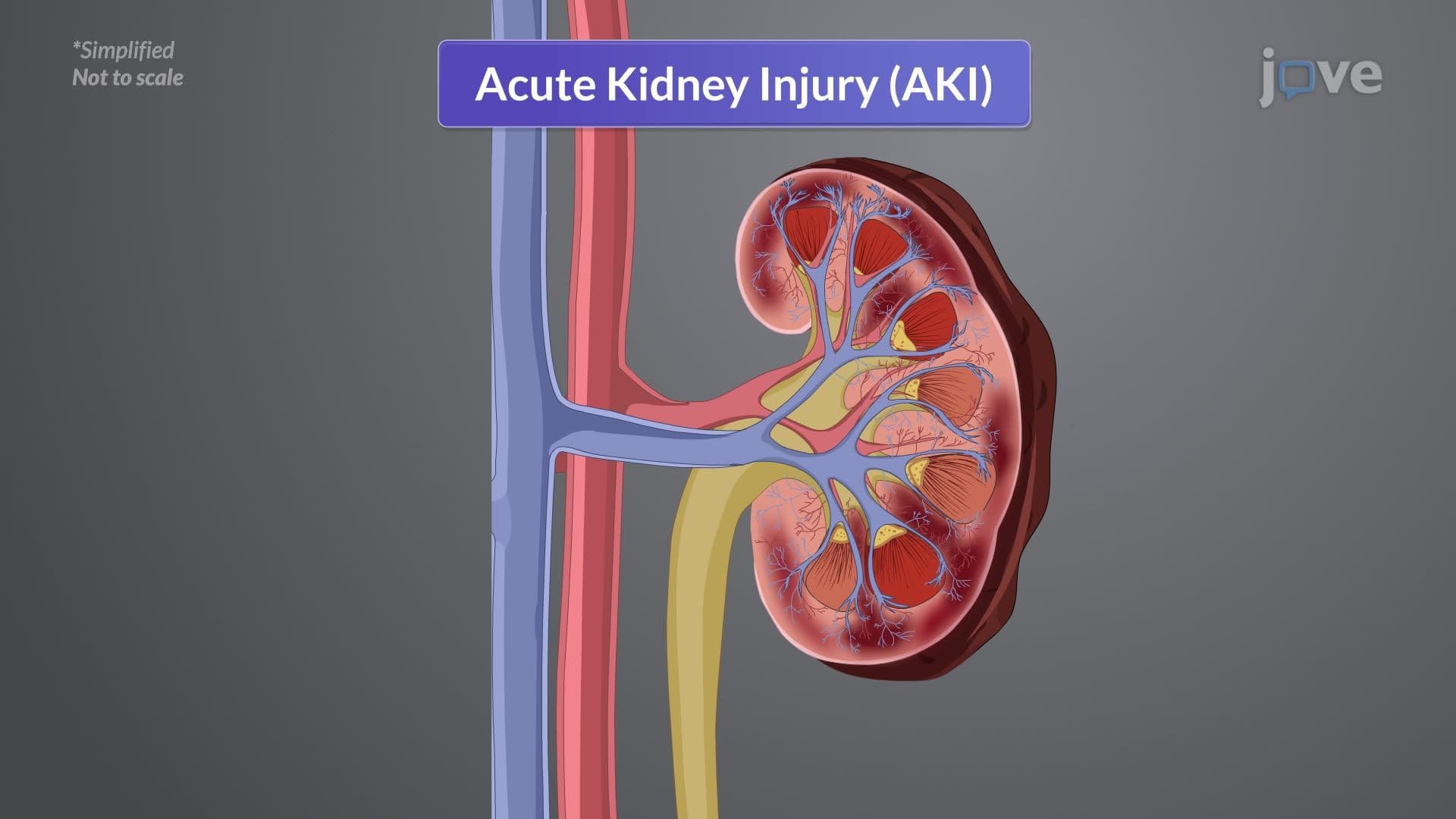
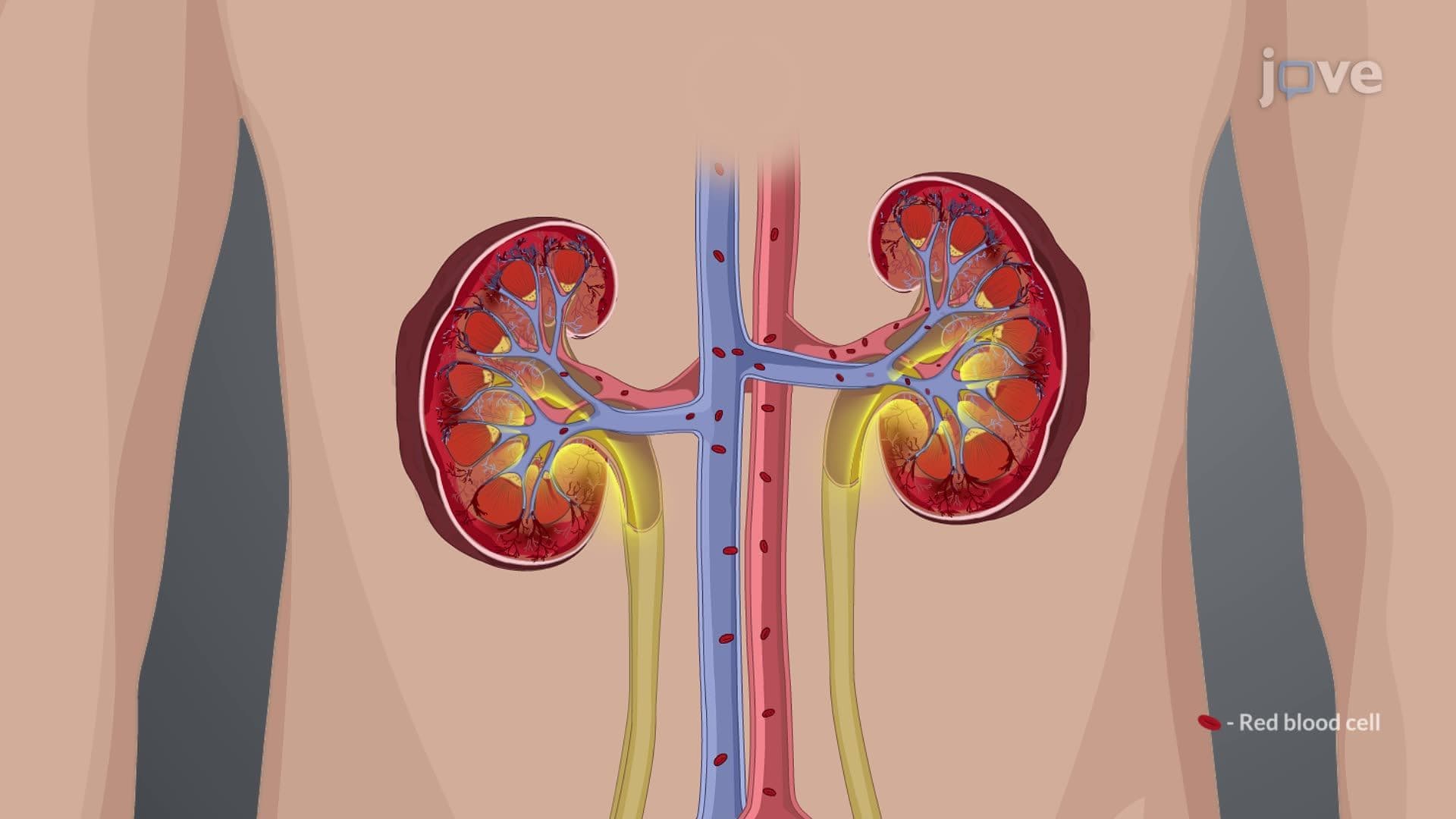
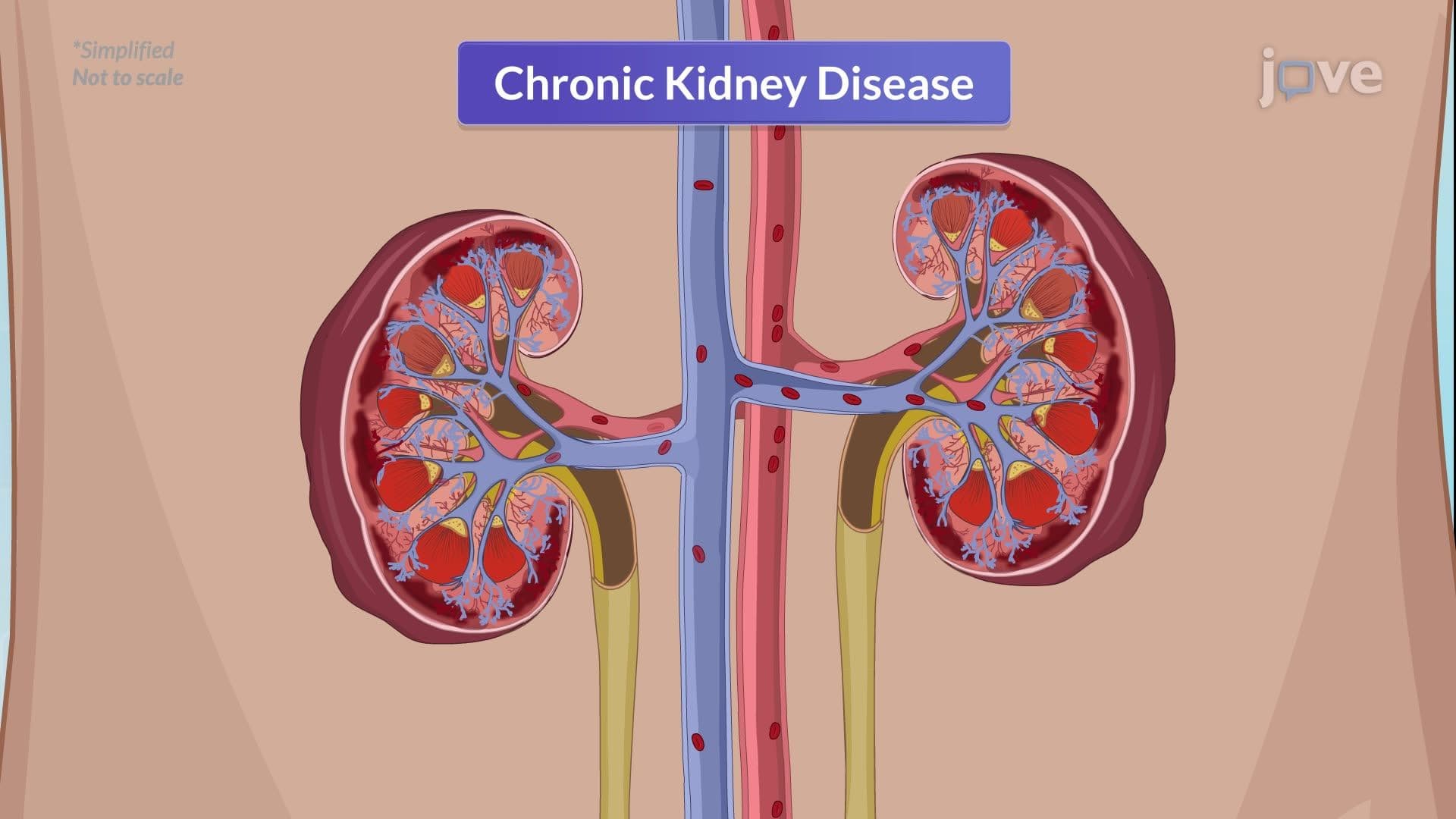
The systematic approach to acute kidney injury classification provides healthcare professionals with a logical framework for diagnosis and treatment. Unlike chronic kidney disease, which develops over months to years, AKI represents a rapid decline in kidney function that can occur within hours. This classification system-prerenal, intrarenal, and postrenal-helps clinicians quickly identify the underlying cause and implement appropriate interventions.
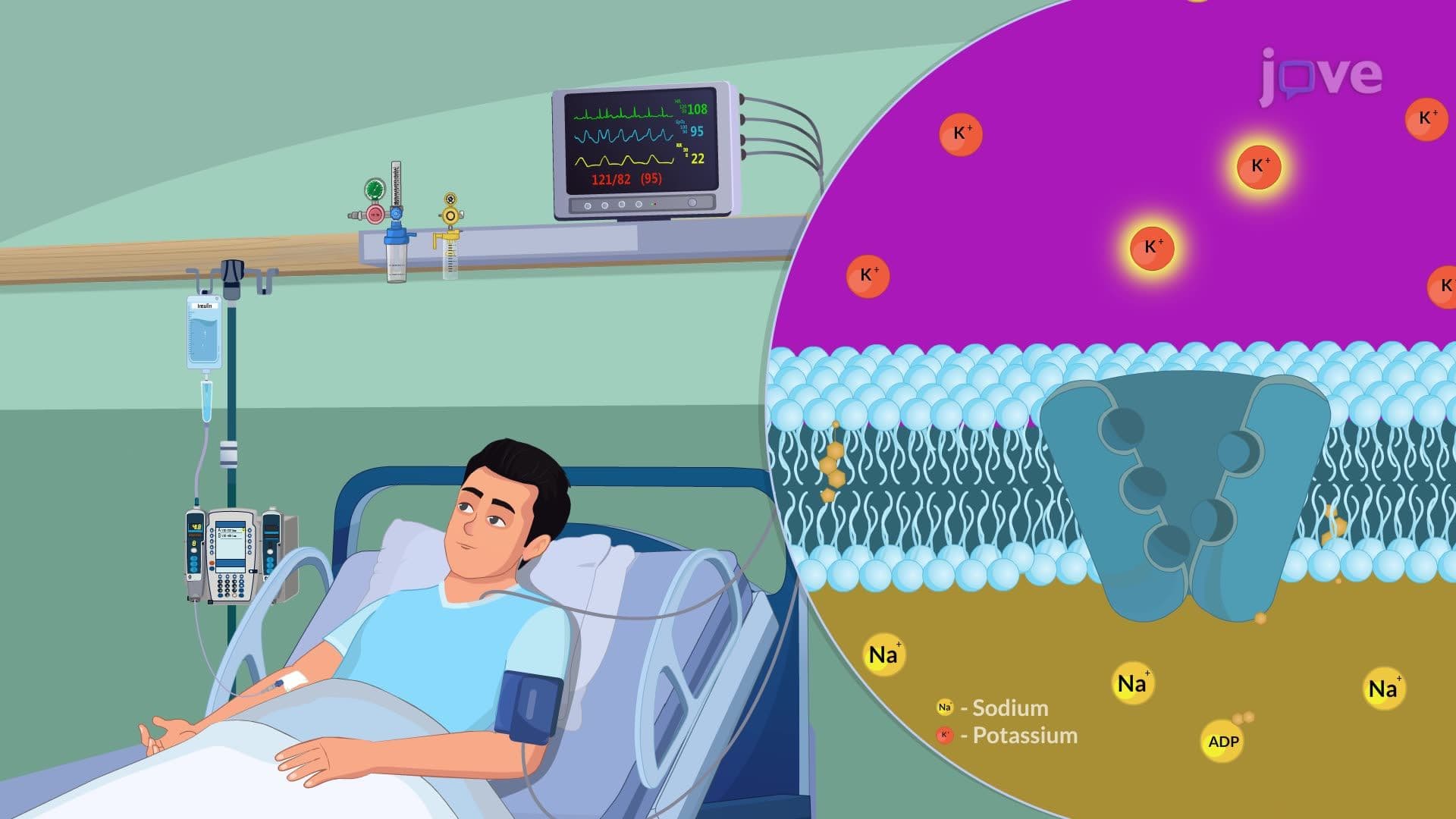
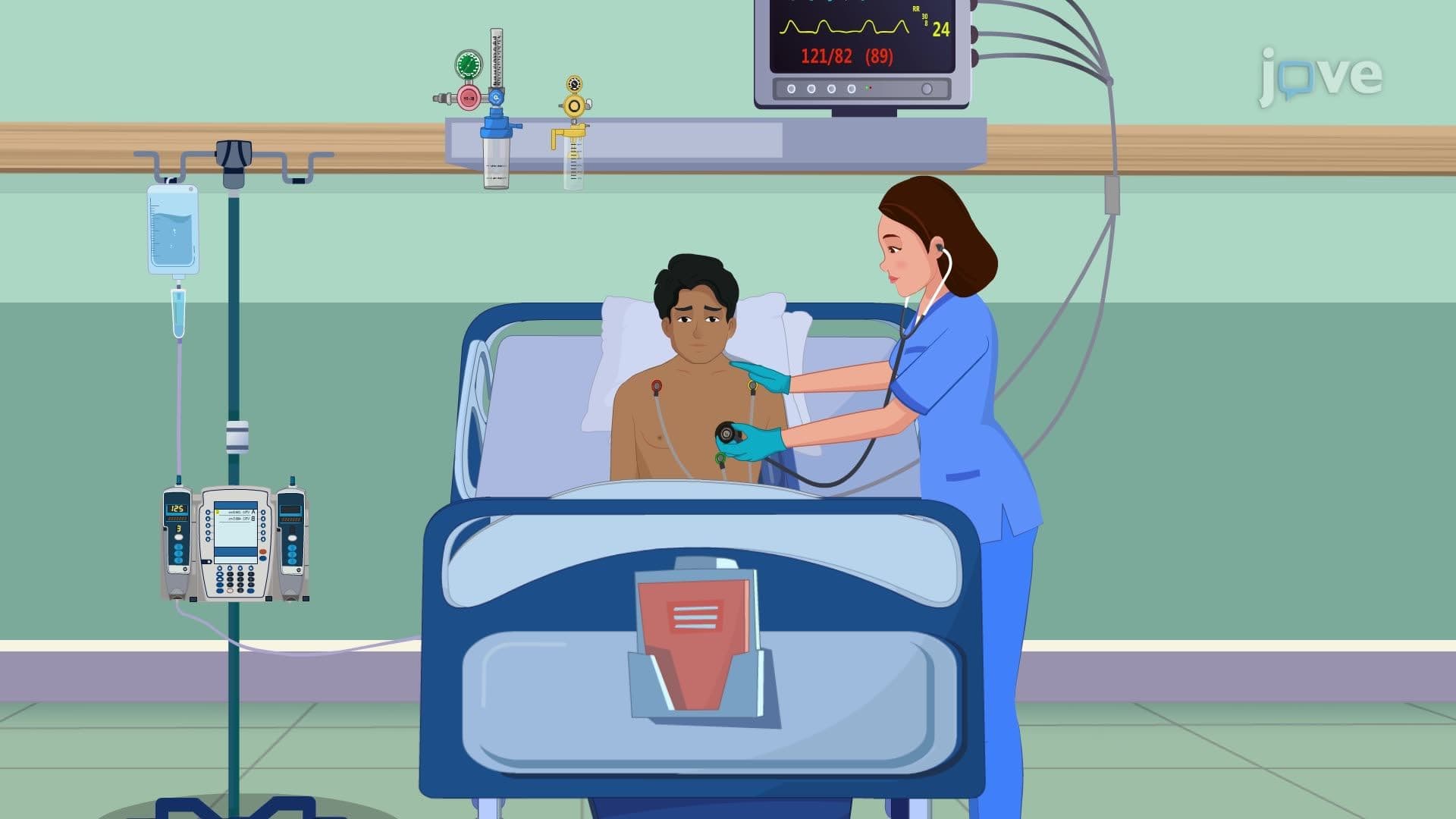
Prerenal acute kidney injury accounts for approximately 60-70% of all AKI cases in hospitalized patients. The mechanism centers on inadequate blood delivery to otherwise healthy kidneys. Consider a patient with severe dehydration from food poisoning-their kidneys remain structurally normal, but reduced blood volume means insufficient pressure to drive filtration. Common causes include hemorrhage (like trauma patients at Level I trauma centers), cardiogenic shock from myocardial infarction, and distributive shock from sepsis. The key insight: if blood flow restoration occurs quickly, kidney function typically returns to baseline without permanent damage.
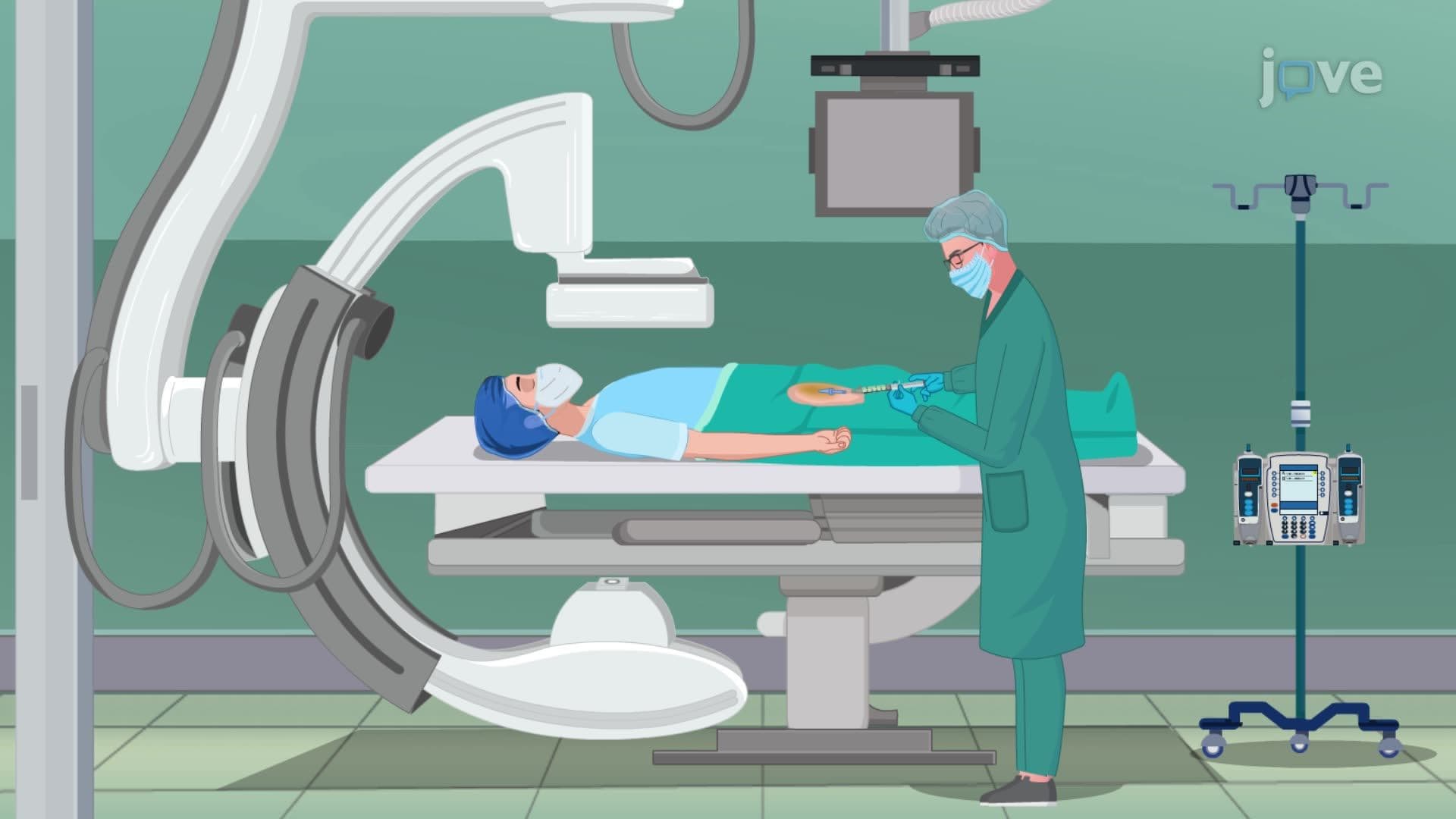
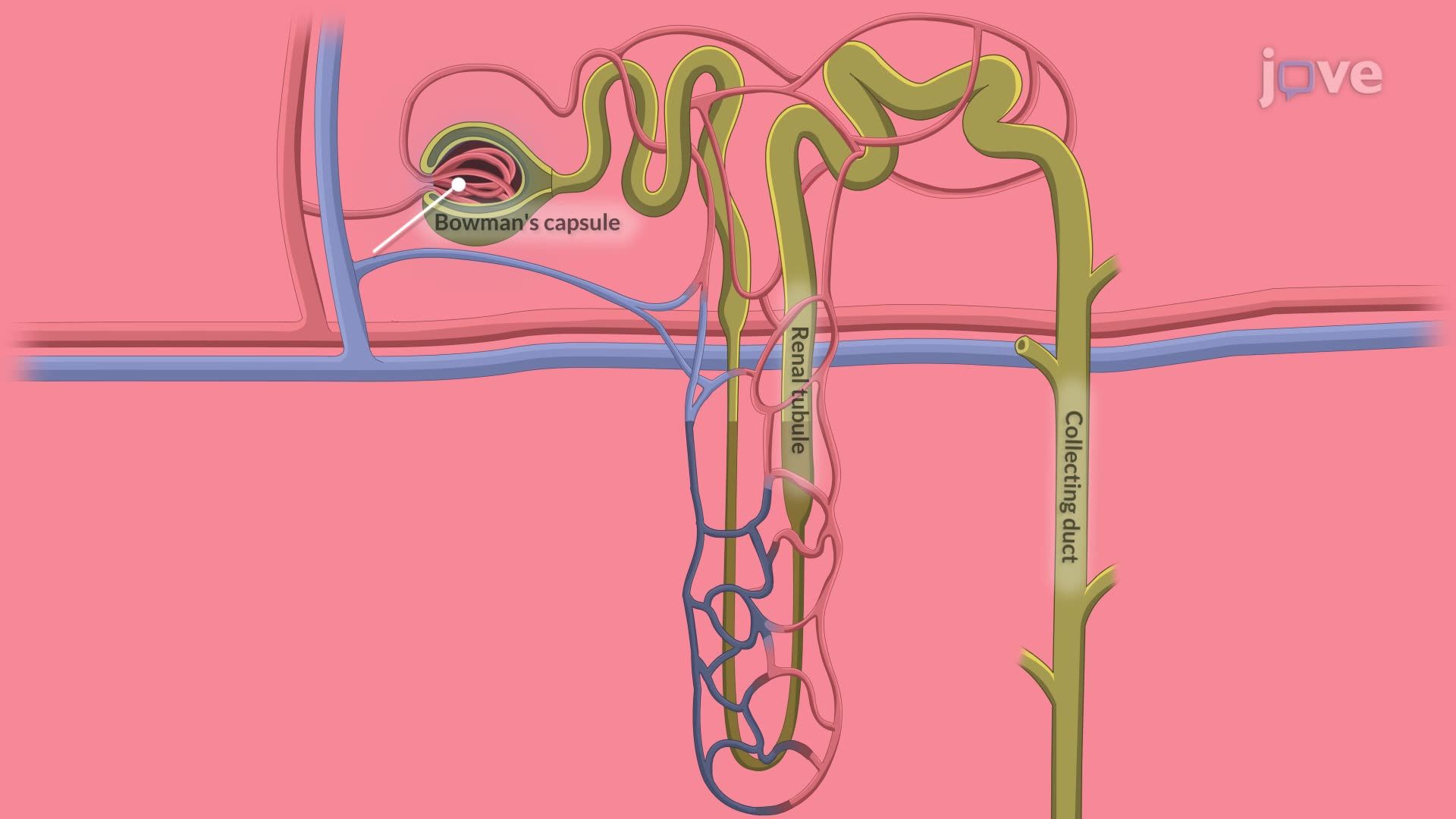
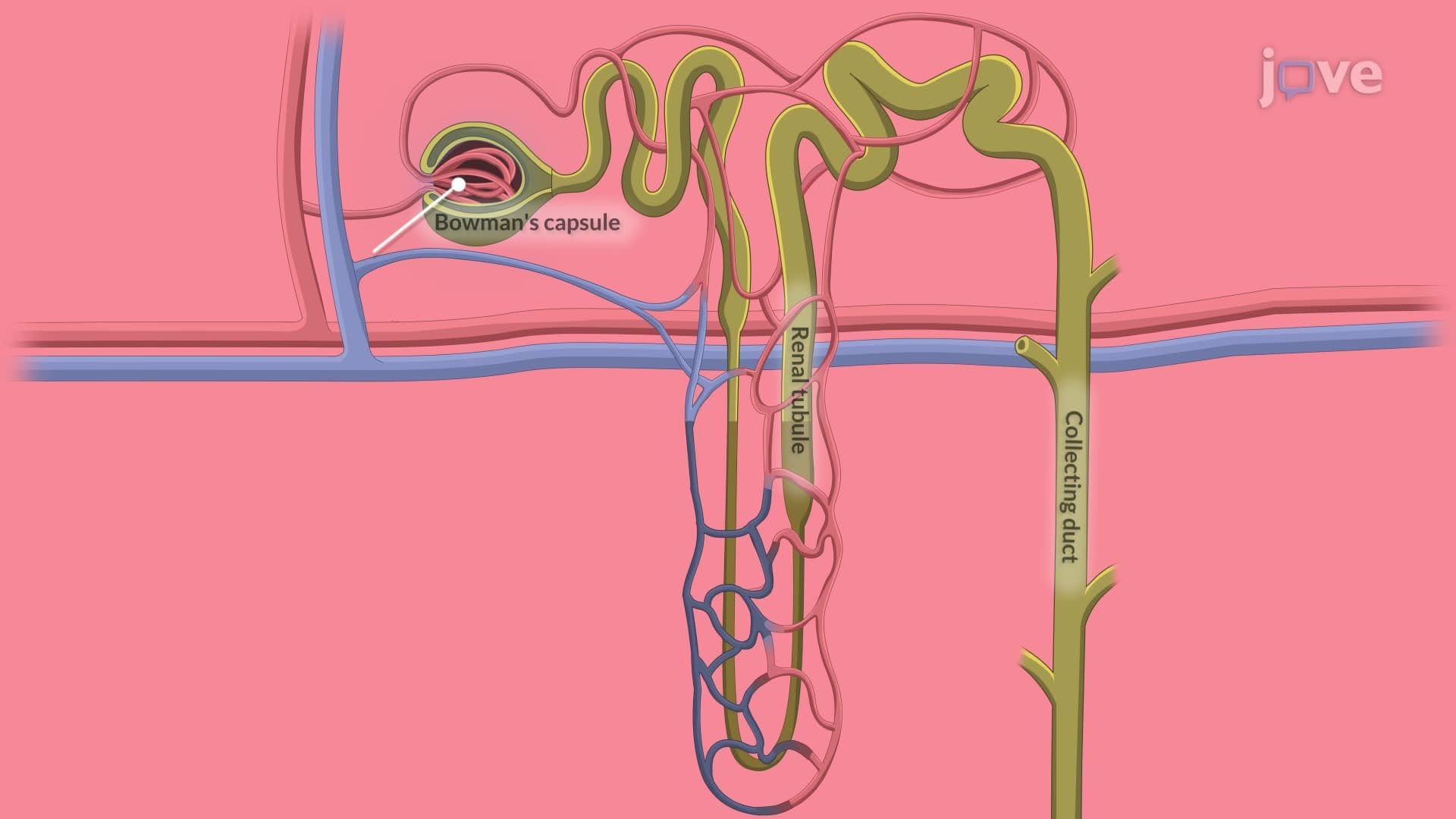
Intrarenal or intrinsic AKI involves direct damage to kidney structures-glomeruli, tubules, interstitium, or blood vessels. Acute tubular necrosis (ATN) represents the most common form, often resulting from prolonged prerenal conditions or nephrotoxic medications like aminoglycoside antibiotics or contrast agents used in cardiac catheterizations. For example, a diabetic patient receiving high-dose gentamicin for a serious infection might develop ATN from direct tubular cell toxicity. The damaged cells slough into tubular lumens, creating casts that further obstruct urine flow and worsen kidney function.
Postrenal AKI results from urinary tract obstruction anywhere from the renal pelvis to the urethra. In elderly men, benign prostatic hyperplasia commonly causes this condition, while kidney stones can obstruct at multiple levels. The pathophysiology involves increased pressure in the collecting system that eventually reduces glomerular filtration pressure. A patient with bilateral ureteral stones experiences rising intratubular pressure that overwhelms normal filtration gradients. Time becomes critical-prompt obstruction relief usually restores function, but prolonged pressure can cause irreversible tubular damage.
This classification system appears frequently on MCAT questions and USMLE examinations, where students must differentiate between categories based on clinical presentations and laboratory findings.
Related Micro-courses