Loading video…

 10 Concepts
 2.3K views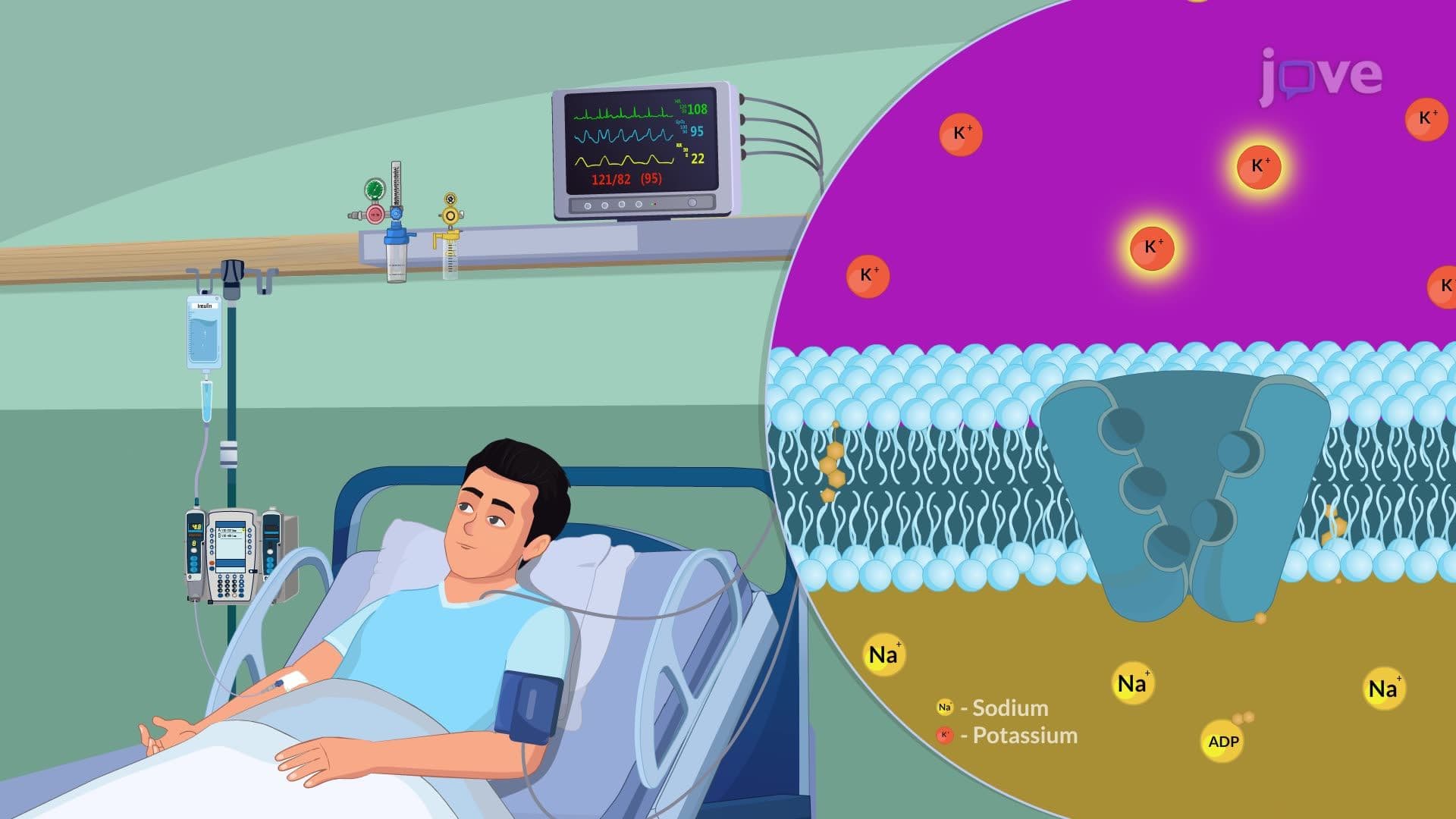

Video Summary: Acute Kidney Injury V Interprofessional Care Explained
Did you know that over 13 million Americans develop acute kidney injury annually, with survival rates dramatically improving through coordinated team care? Acute kidney injury v interprofessional care represents the collaborative medical approach where nephrologists, nurses, pharmacists, and dietitians work together to manage this life-threatening condition. For instance, at Johns Hopkins Hospital, this team-based strategy has reduced mortality rates by 30% through precise fluid management, medication adjustments, and timely dialysis decisions. Watch the full video on JoVE Coach to master this concept with expert-led visuals and step-by-step explanations.
Acute kidney injury v interprofessional care represents a paradigm shift from traditional physician-centered treatment to a coordinated team approach that significantly improves patient outcomes. This model recognizes that AKI management requires expertise from multiple disciplines working in synchronized harmony. The framework emerged from landmark studies at Cleveland Clinic and Mayo Clinic, which demonstrated that patients receiving interprofessional care experienced 25% fewer complications and shorter hospital stays compared to conventional care models.
The nephrologist serves as the clinical leader, making critical decisions about dialysis timing and renal replacement therapy options. However, the pharmacist plays an equally crucial role by conducting medication reconciliation and adjusting dosages for drugs with renal elimination pathways. For instance, digoxin toxicity-a common complication in AKI patients-requires precise dose reduction calculations based on creatinine clearance estimates.
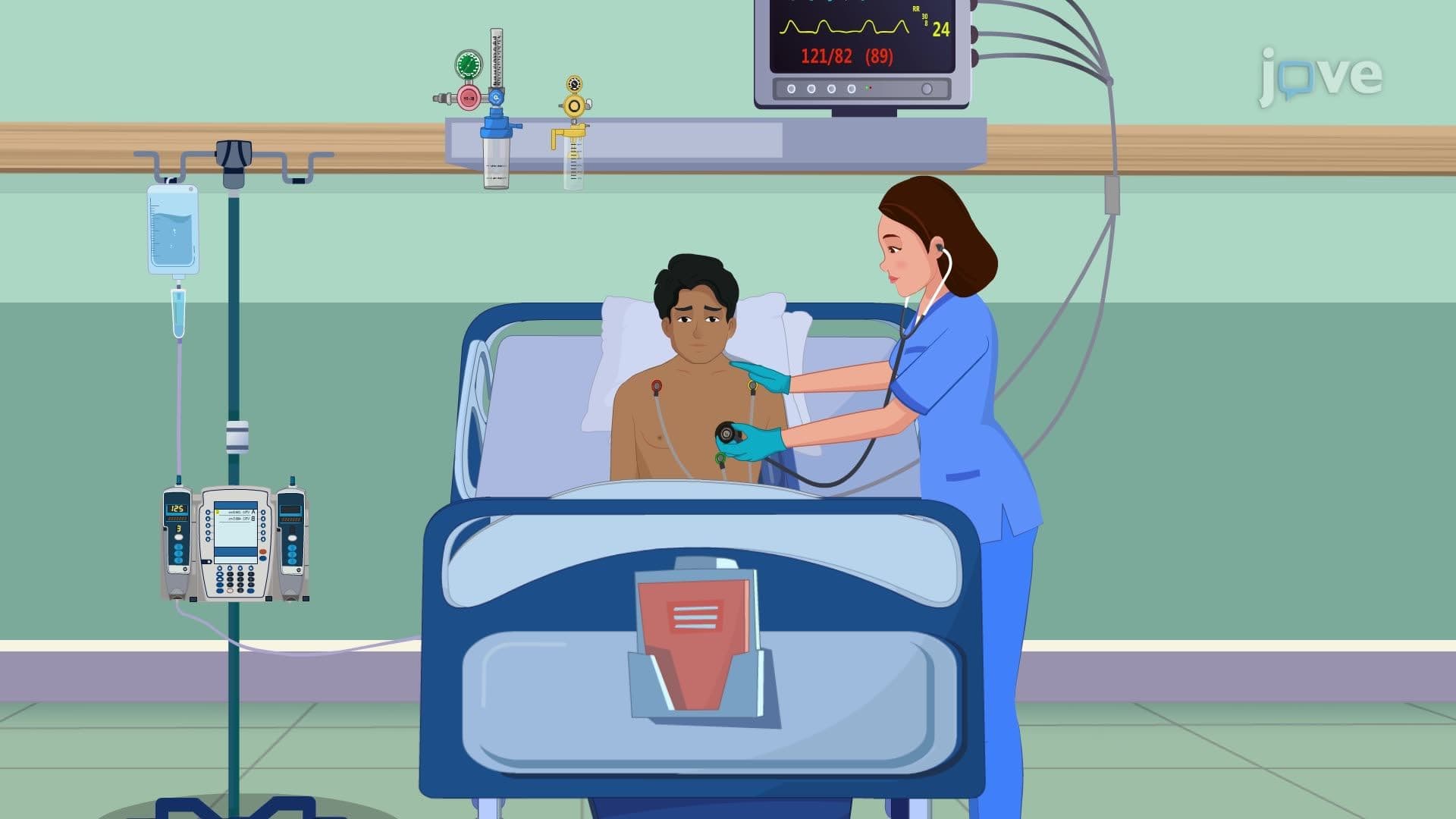
Nurses provide continuous monitoring of fluid balance, electrolyte levels, and early recognition of complications like hyperkalemia. Their role extends beyond bedside care to patient education about dietary restrictions and medication compliance. Meanwhile, registered dietitians calculate specific nutritional requirements: 30-35 kilocalories per kilogram daily with protein adjustments based on dialysis status (0.6-1.0 g/kg for non-dialysis patients versus 1.2-1.3 g/kg for dialysis patients).
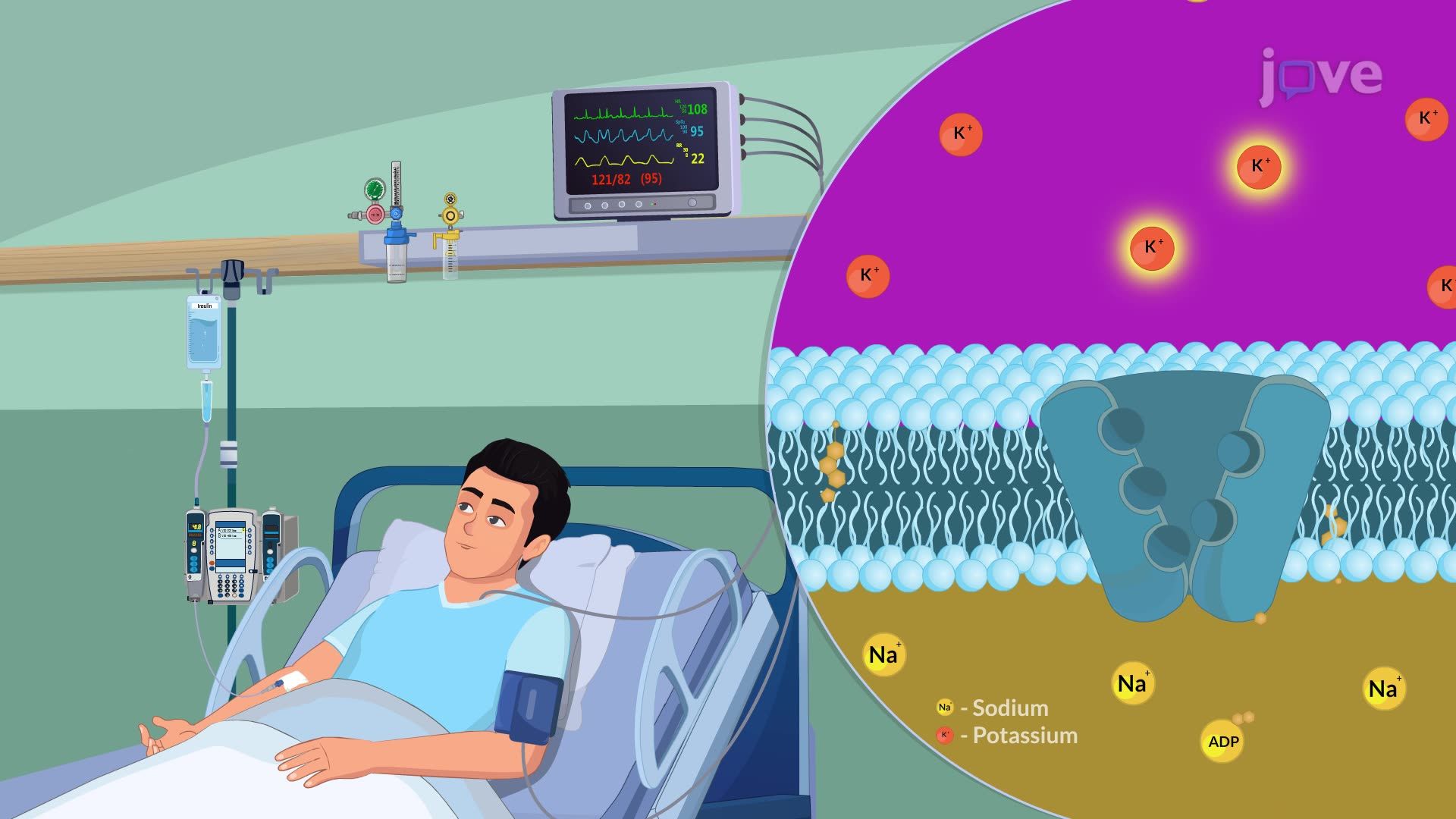
The interprofessional team must rapidly assess and respond to life-threatening complications. Hyperkalemia management exemplifies this coordination: while the physician orders calcium gluconate for immediate cardiac membrane stabilization, the nurse administers insulin with glucose to promote cellular potassium uptake, and the pharmacist ensures proper patiromer dosing for ongoing management.
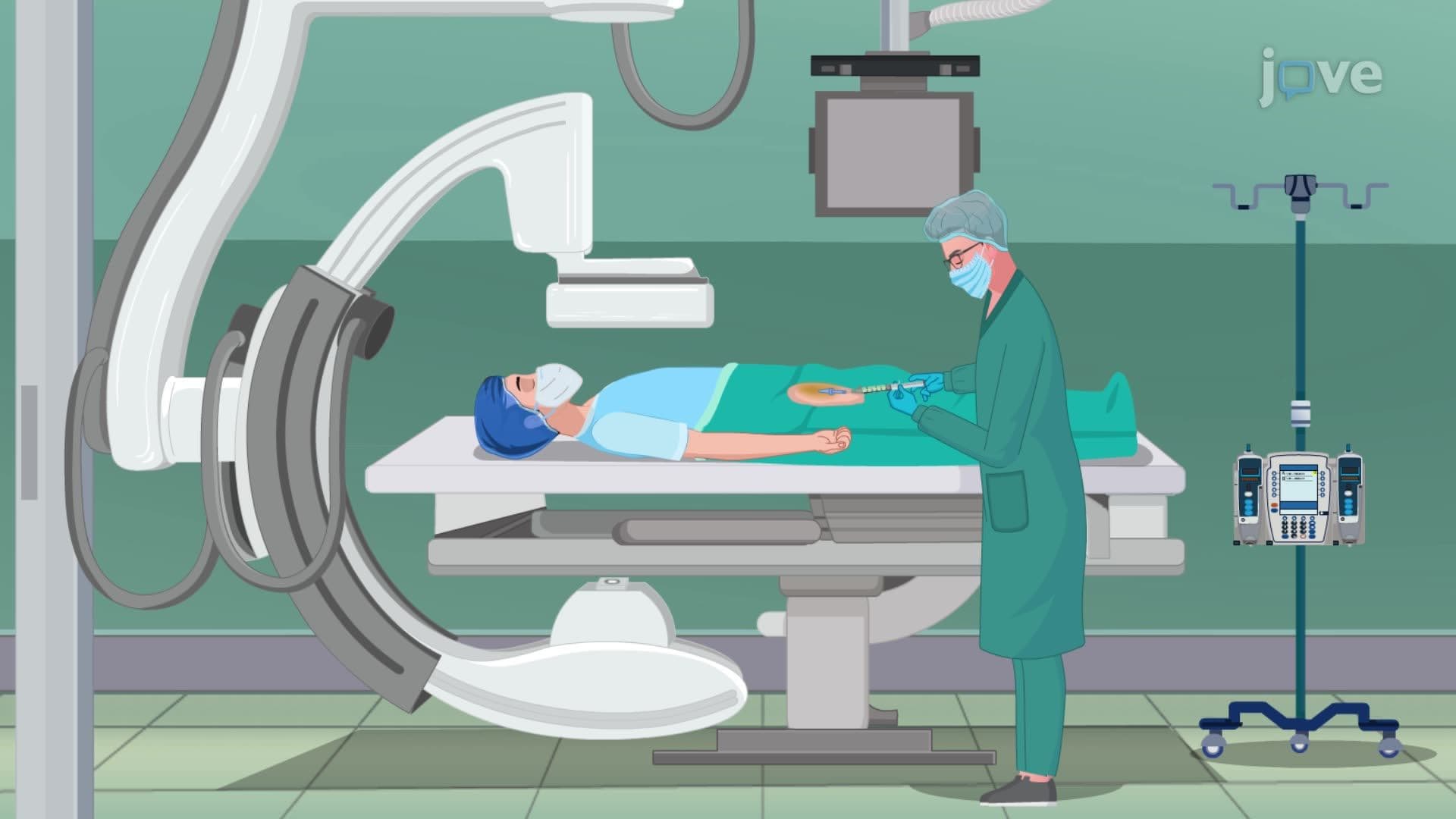
Dialysis decisions require comprehensive evaluation of multiple factors including fluid overload severity, electrolyte imbalances, and metabolic acidosis. The team considers three primary modalities: hemodialysis for rapid correction, peritoneal dialysis for hemodynamically unstable patients, and continuous renal replacement therapy for critically ill patients requiring gradual fluid removal.
This interprofessional approach directly correlates with MCAT passages on healthcare delivery systems and appears frequently in NCLEX-RN questions about delegation and collaboration. Nursing students preparing for HESI A2 exams should understand how team communication prevents medication errors, while pre-med students studying for the MCAT should recognize how this model addresses healthcare quality improvement initiatives discussed in behavioral sciences sections.
Related Micro-courses