Loading video…


 10 Concepts
 2.3K views

Video Summary: Acute Kidney Injury Vi Nursing Management Explained
Did you know that acute kidney injury affects nearly 7 million hospitalized patients annually in the United States, with survival often depending on rapid nursing intervention? Acute kidney injury VI nursing management requires systematic assessment of patient history, physical examination findings like oliguria and edema, and implementation of targeted interventions to restore fluid balance and prevent life-threatening complications such as hyperkalemia. For example, nurses at Cleveland Clinic monitor ECG changes and position patients strategically to optimize breathing. Watch the full video on JoVE Coach to master this concept with expert-led visuals and step-by-step explanations.
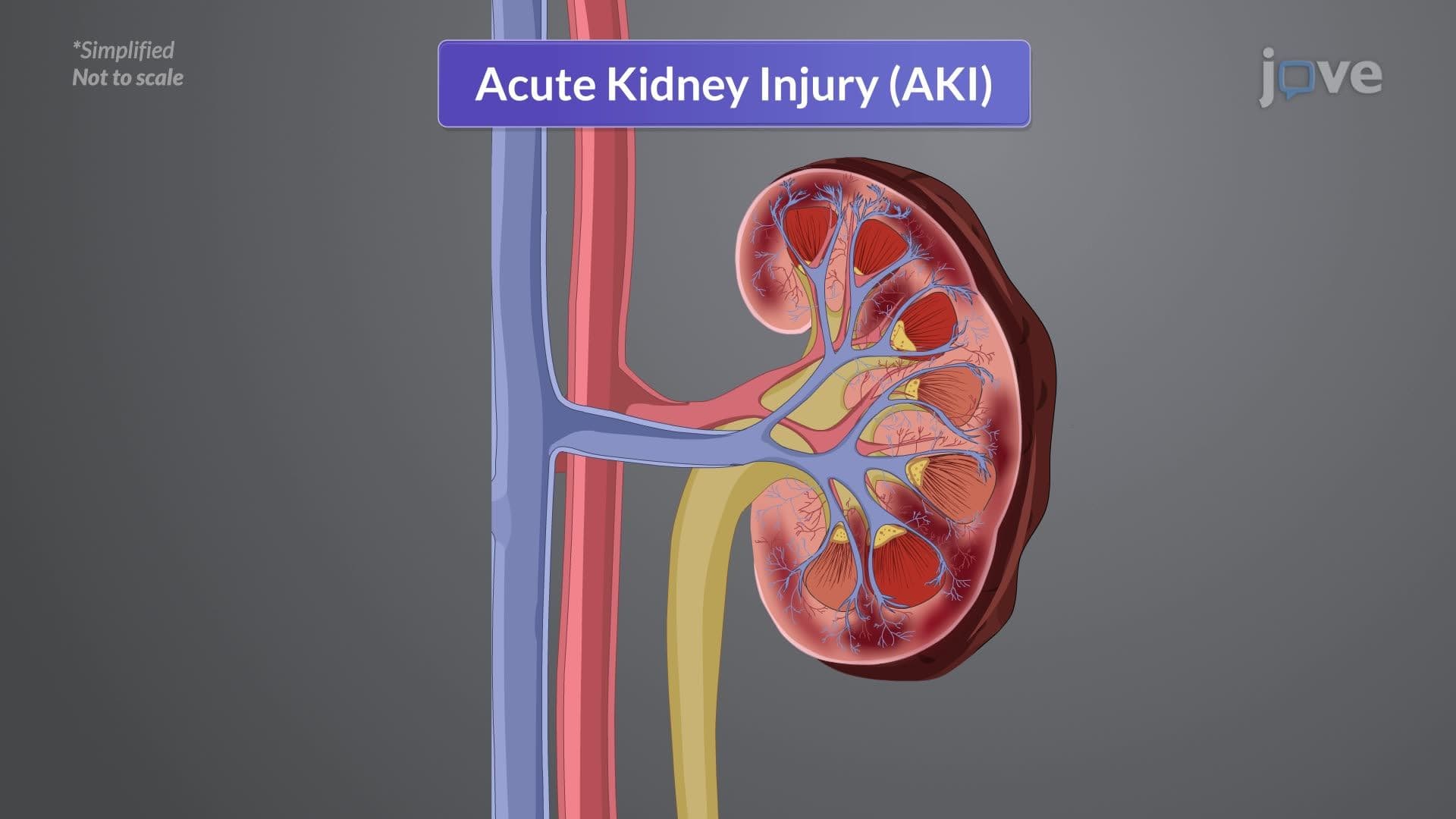
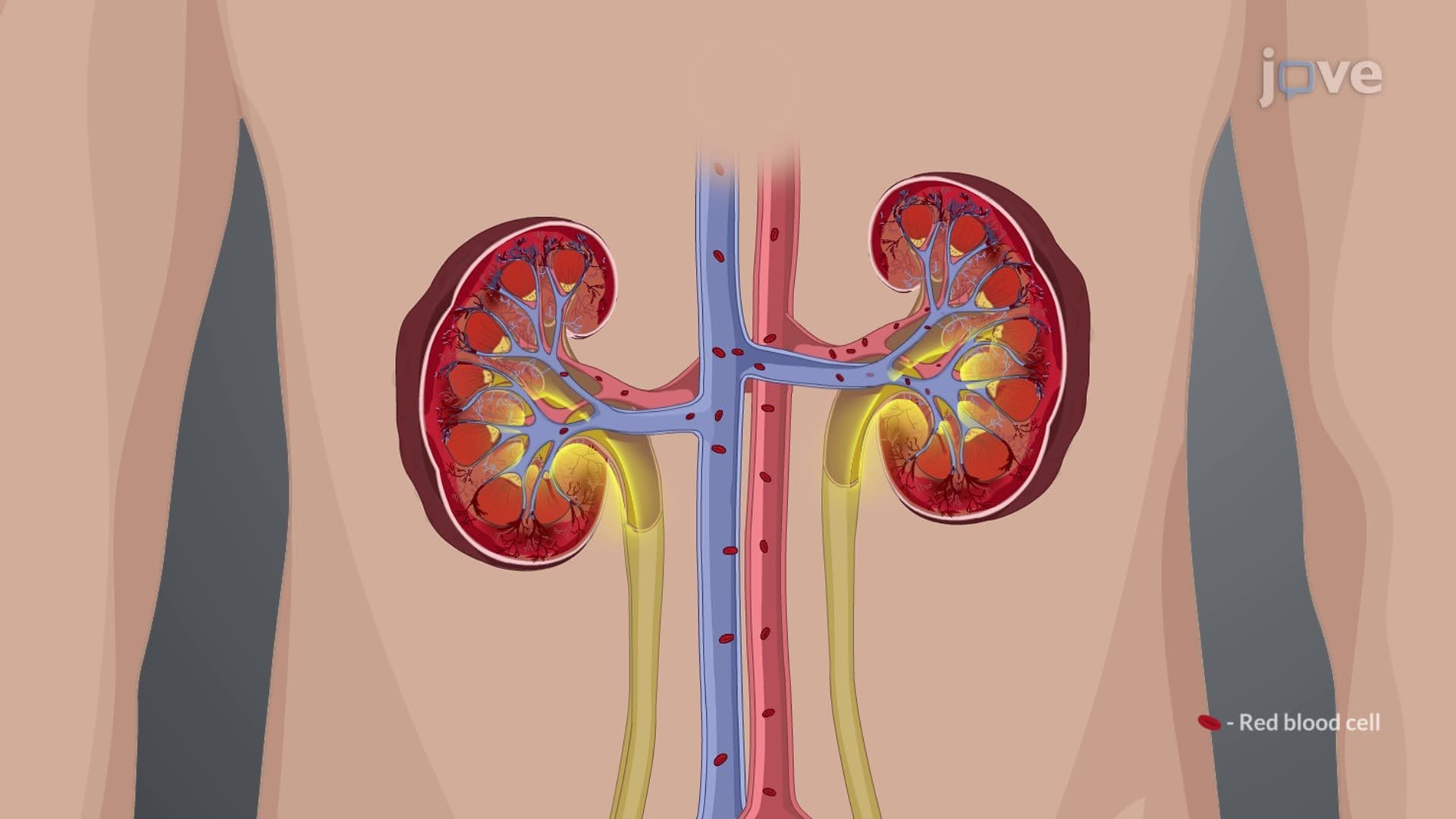
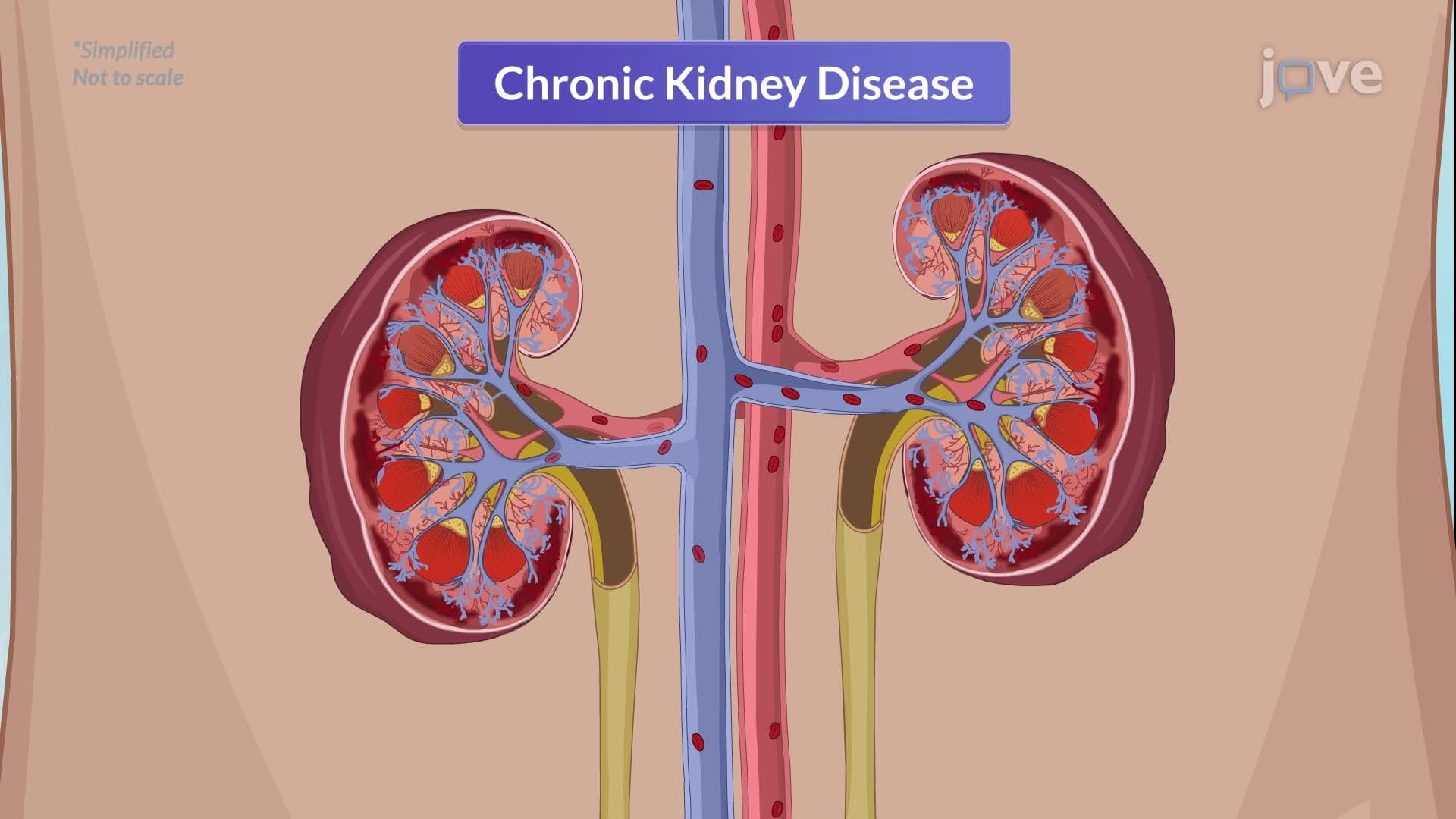
Acute kidney injury VI nursing management represents a critical competency for healthcare professionals, encompassing systematic assessment, diagnosis, and intervention strategies for patients experiencing sudden kidney function decline. This management approach integrates pathophysiology knowledge with clinical decision-making skills essential for preventing life-threatening complications.
The nursing process begins with comprehensive history-taking, focusing on recent infections, nephrotoxic drug exposure (including NSAIDs, contrast dyes, and certain antibiotics), and comorbid conditions like diabetes or hypertension. For instance, nurses at Johns Hopkins Hospital routinely screen patients receiving vancomycin or gentamicin for early signs of nephrotoxicity, as these medications can cause acute tubular necrosis.
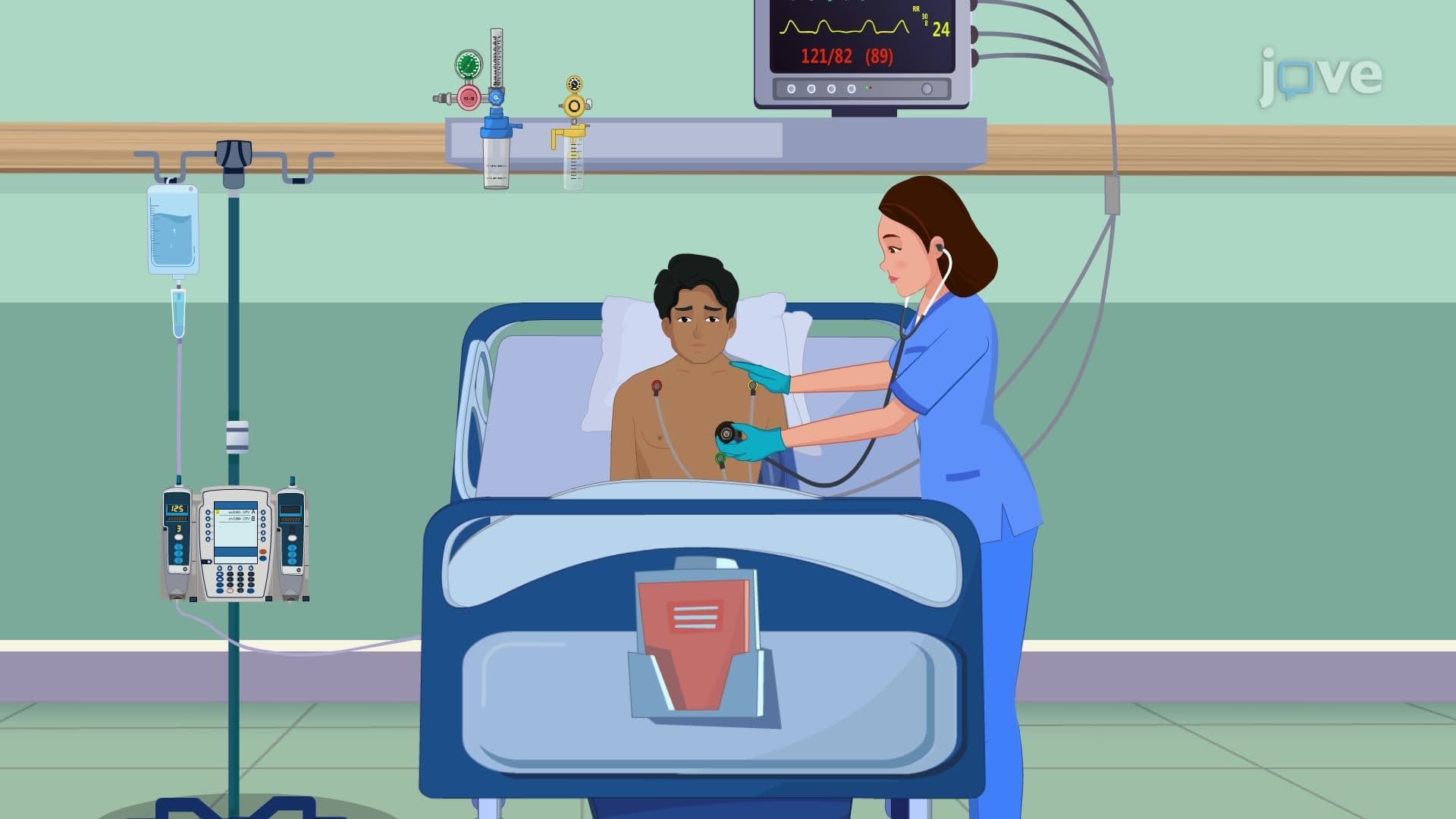
Physical examination reveals characteristic signs of kidney dysfunction and fluid retention. Oliguria (urine output less than 400 mL/day) often represents the first measurable sign, while peripheral edema indicates sodium and water retention. Cardiovascular assessment may reveal jugular vein distension and hypertension, reflecting fluid overload. Respiratory examination frequently identifies lung crackles, suggesting pulmonary edema development.
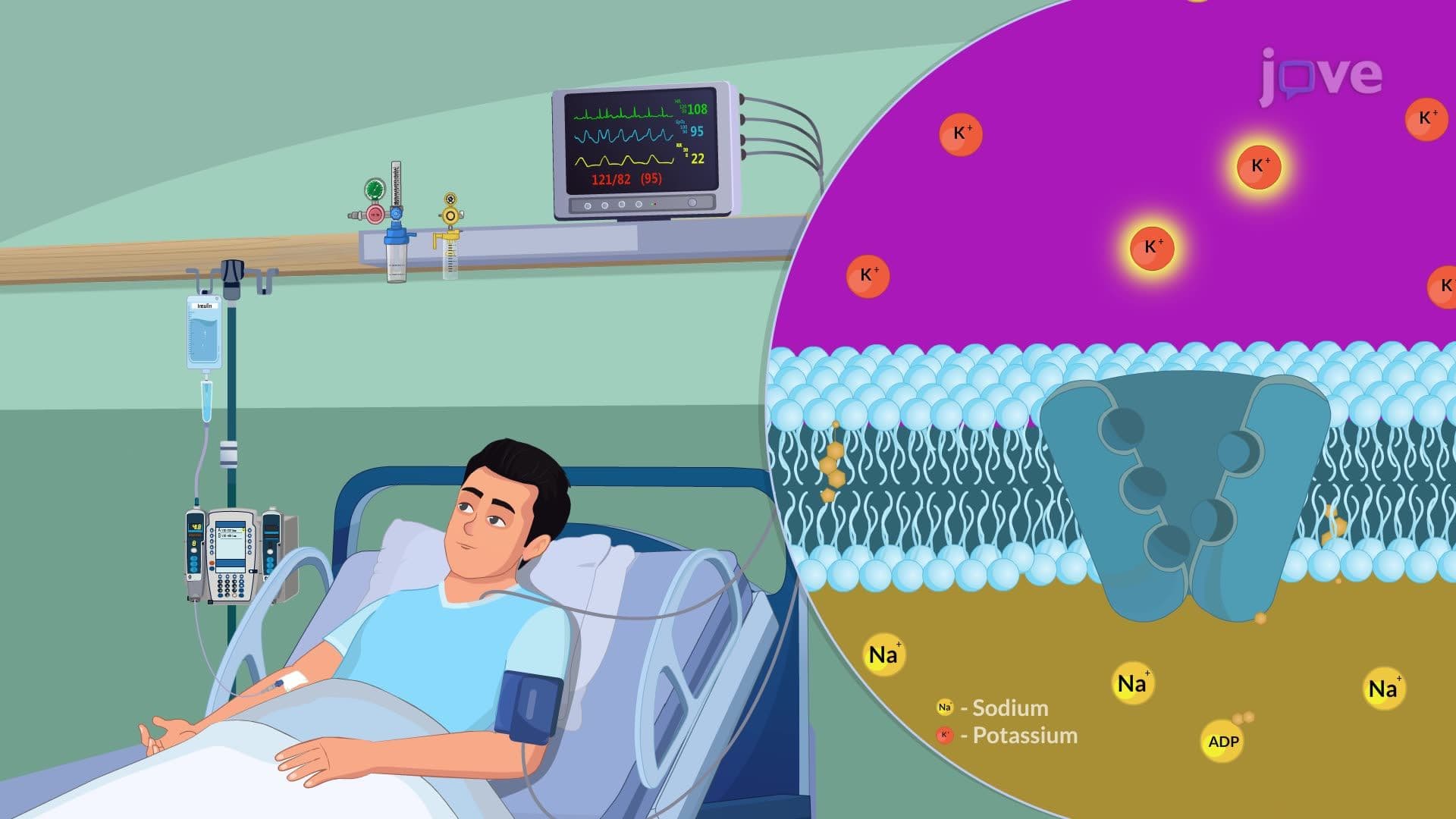
Electrocardiographic monitoring becomes crucial as hyperkalemia develops, manifesting as peaked T waves, widened QRS complexes, and potentially fatal arrhythmias. At Mayo Clinic, nurses immediately alert physicians when serum potassium exceeds 5.5 mEq/L, as this threshold indicates increased cardiac risk.
Evidence-based nursing diagnoses guide intervention planning. "Excess fluid volume related to impaired kidney function" addresses the primary pathophysiologic consequence, while "Impaired gas exchange related to pulmonary fluid accumulation" targets respiratory complications. These diagnoses appear frequently on NCLEX examinations and nursing school clinical evaluations.
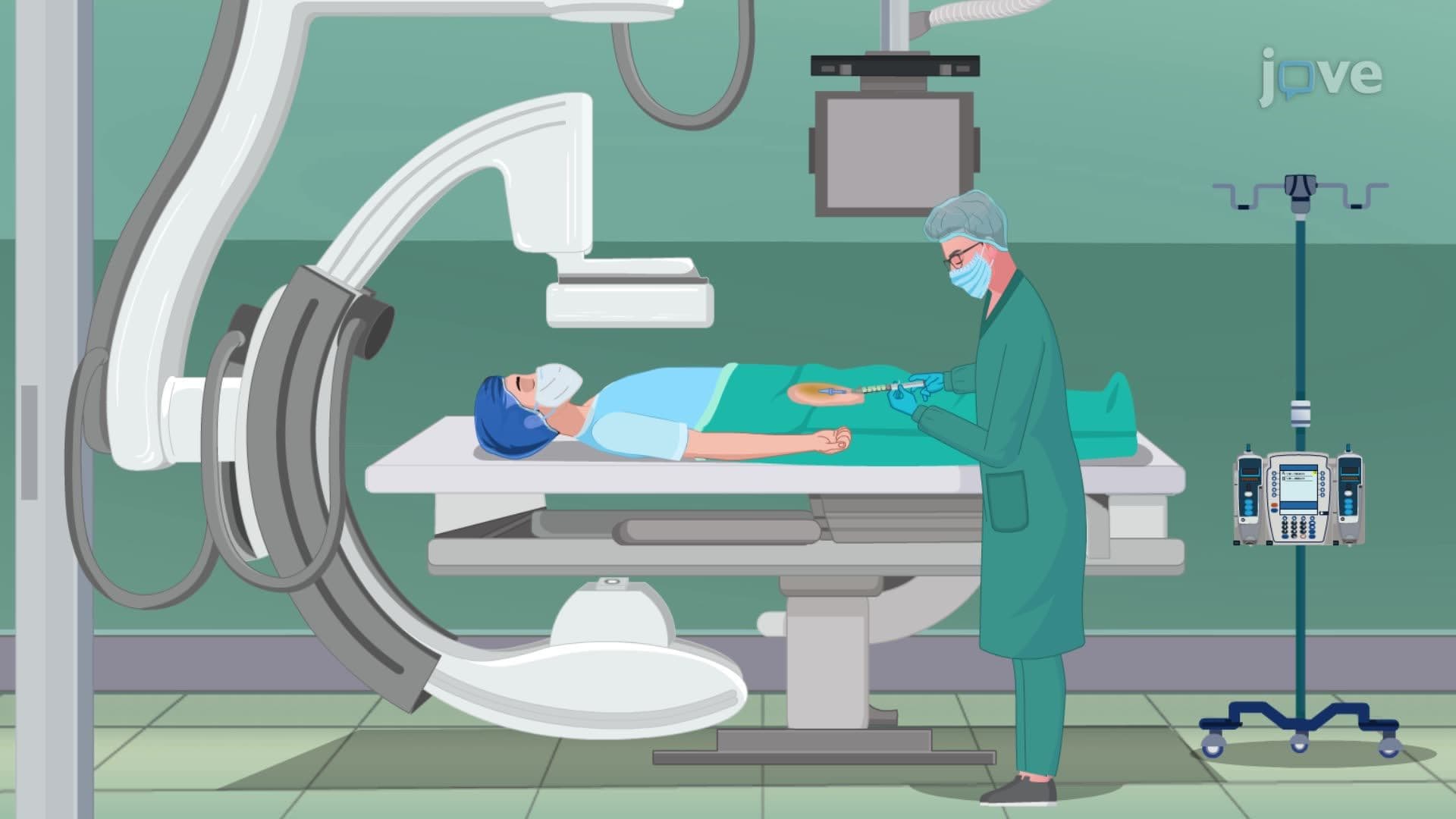
Therapeutic interventions include precise fluid intake and output monitoring, strategic patient positioning, and medication administration. Semi-Fowler's positioning (30-45 degree head elevation) promotes venous return and reduces respiratory work. Diuretic therapy, when prescribed, requires careful monitoring for electrolyte imbalances and further kidney damage.
Patient education focuses on dietary sodium restriction, medication adherence, and recognition of worsening symptoms. Nurses teach patients to monitor daily weights and report gains exceeding 2-3 pounds, as this often indicates fluid retention before clinical symptoms appear. This educational component frequently appears in HESI A2 and TEAS examinations, emphasizing its importance in nursing education.
Related Micro-courses