Loading subject page…

2,341 views

Video Summary: Chronic Kidney Disease I Introduction Explained
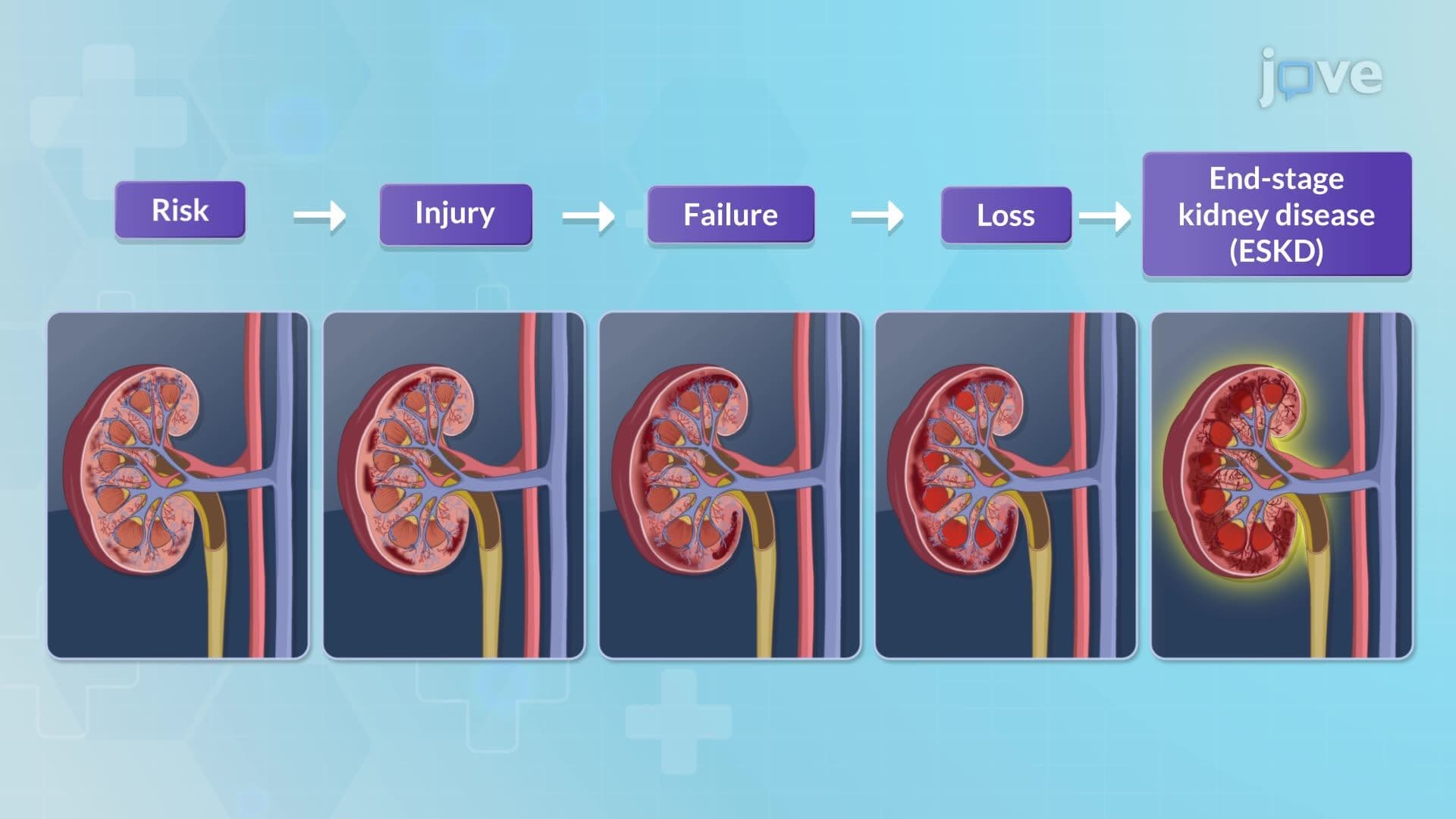
Nearly 37 million Americans unknowingly live with chronic kidney disease i introduction, often experiencing no symptoms until 90% of kidney function is lost. Chronic Kidney Disease I Introduction explains how this silent epidemic progresses from initial nephron damage to end-stage renal disease, affecting patients like those at Mayo Clinic who require dialysis or transplantation. Understanding the pathophysiology behind diabetes and hypertension-induced kidney damage helps explain why CKD has become the 9th leading cause of death in the United States. Watch the full video on JoVE Coach to master this concept with expert-led visuals and step-by-step explanations.
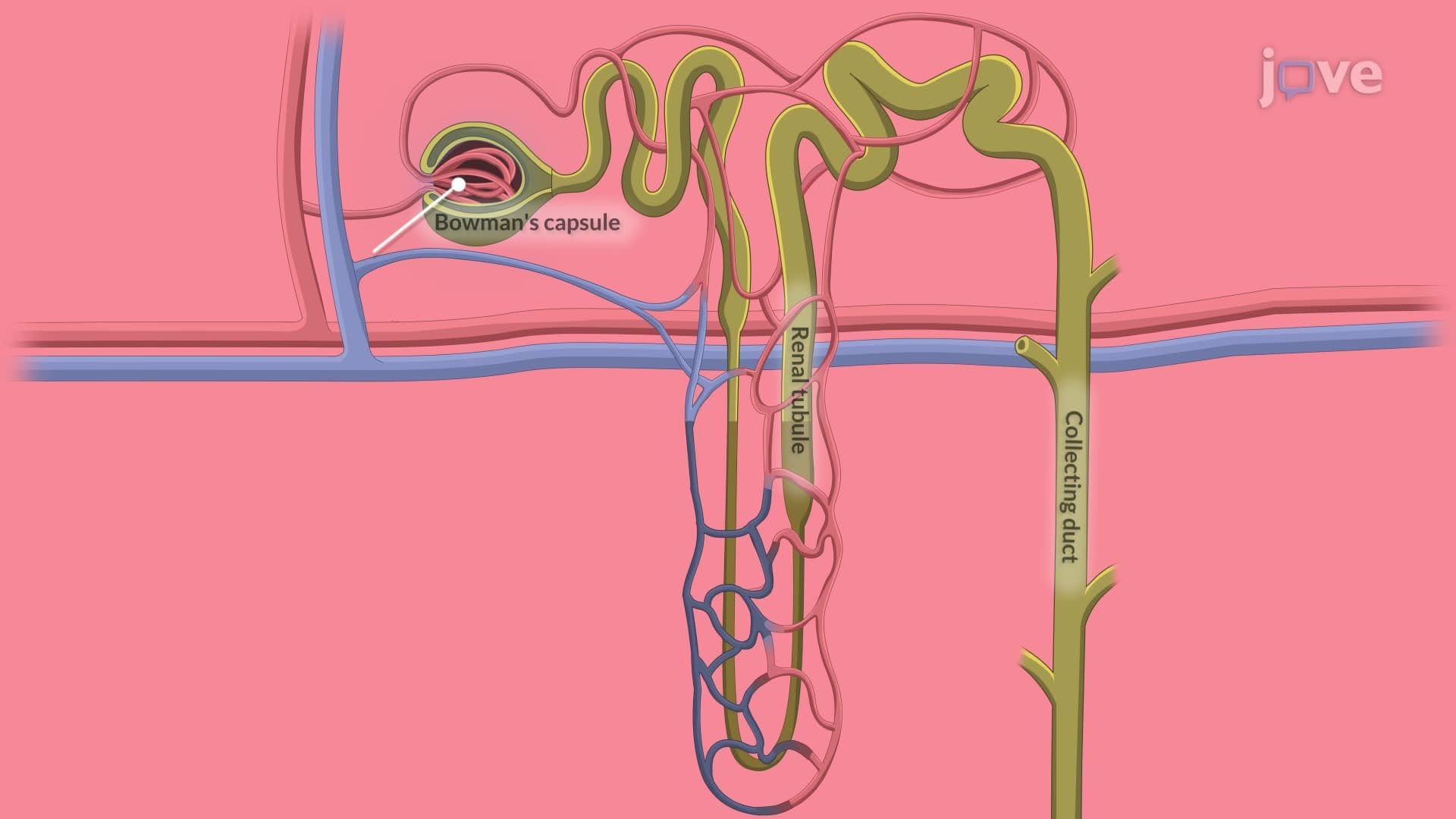
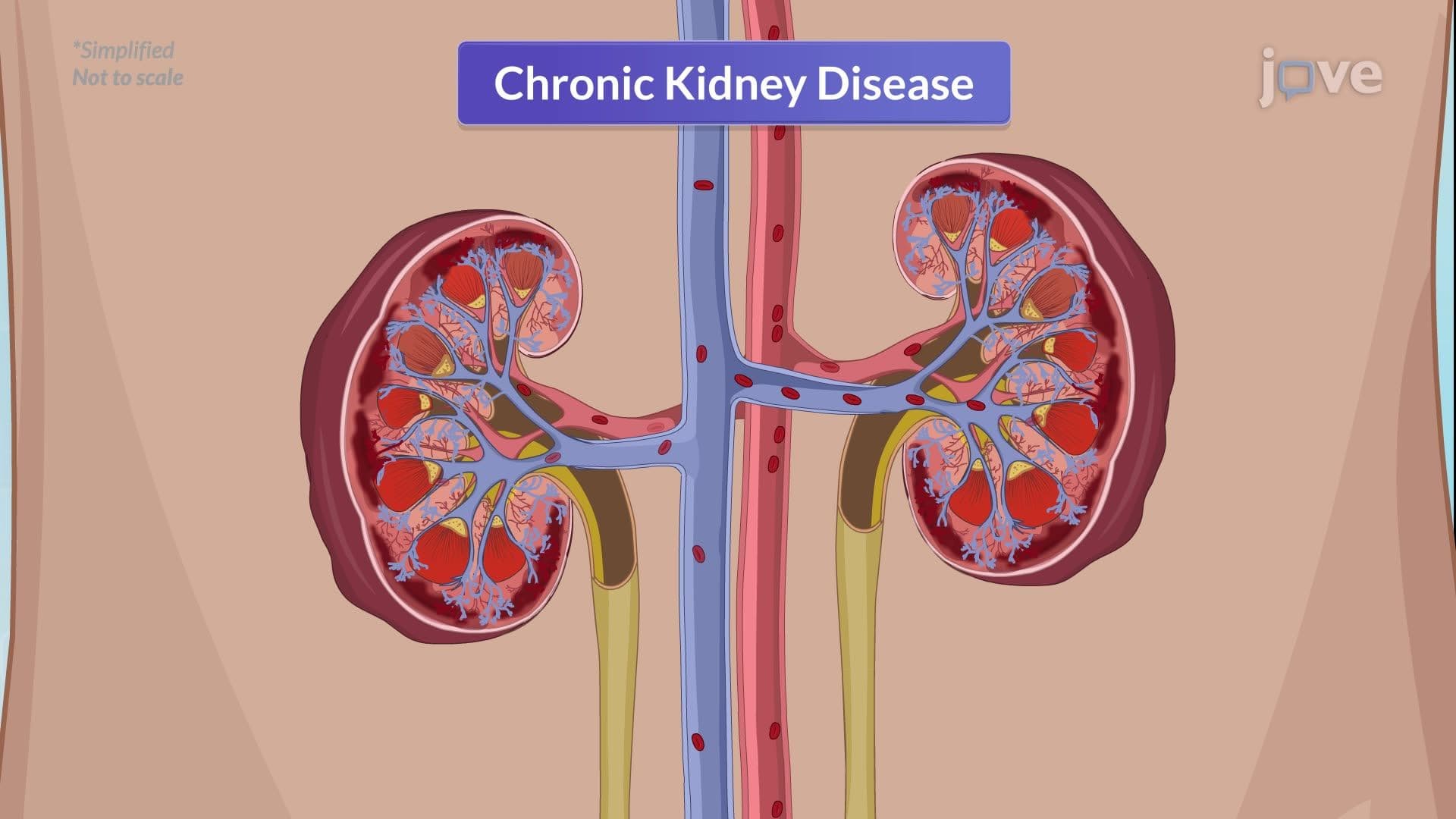
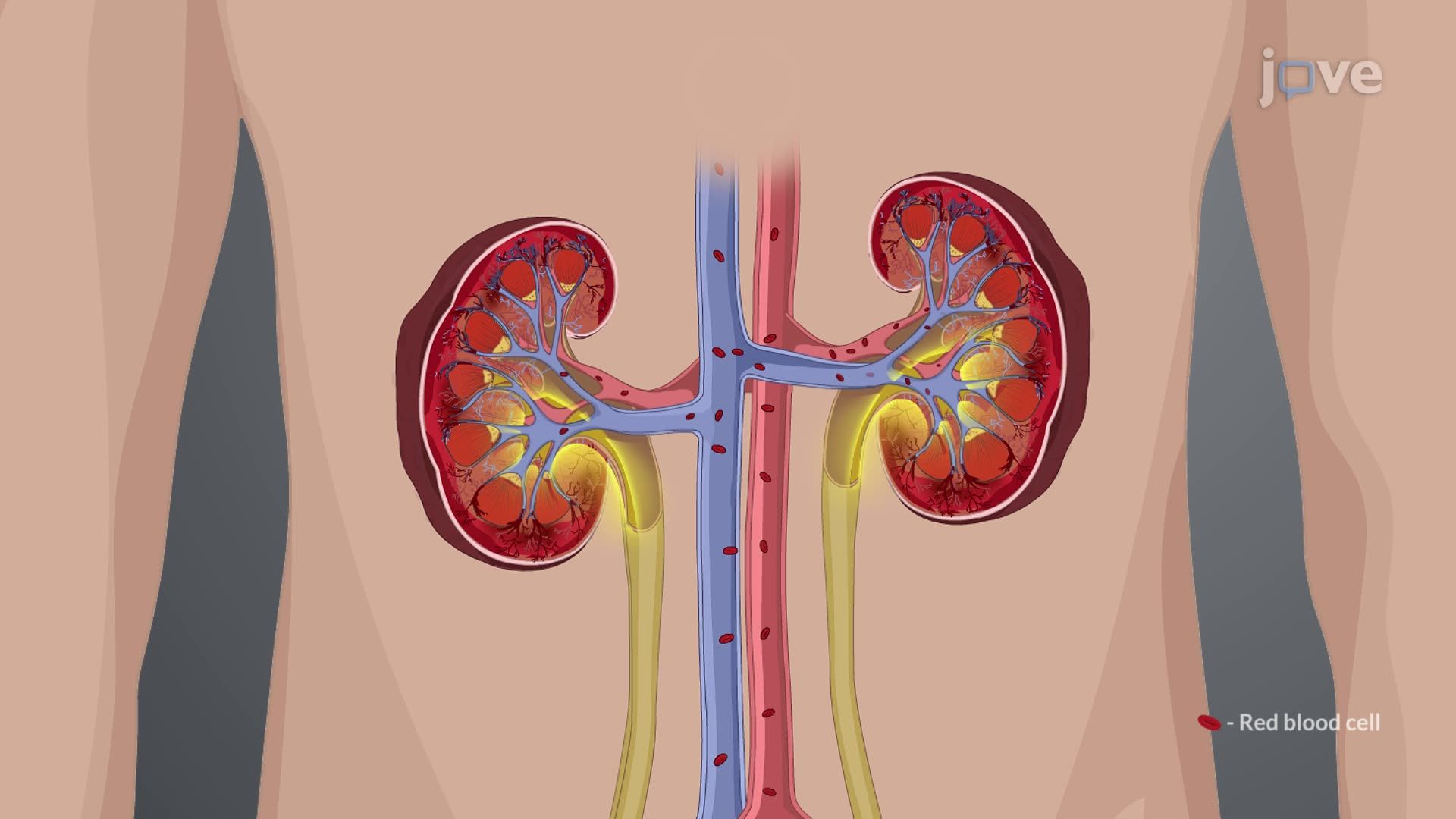
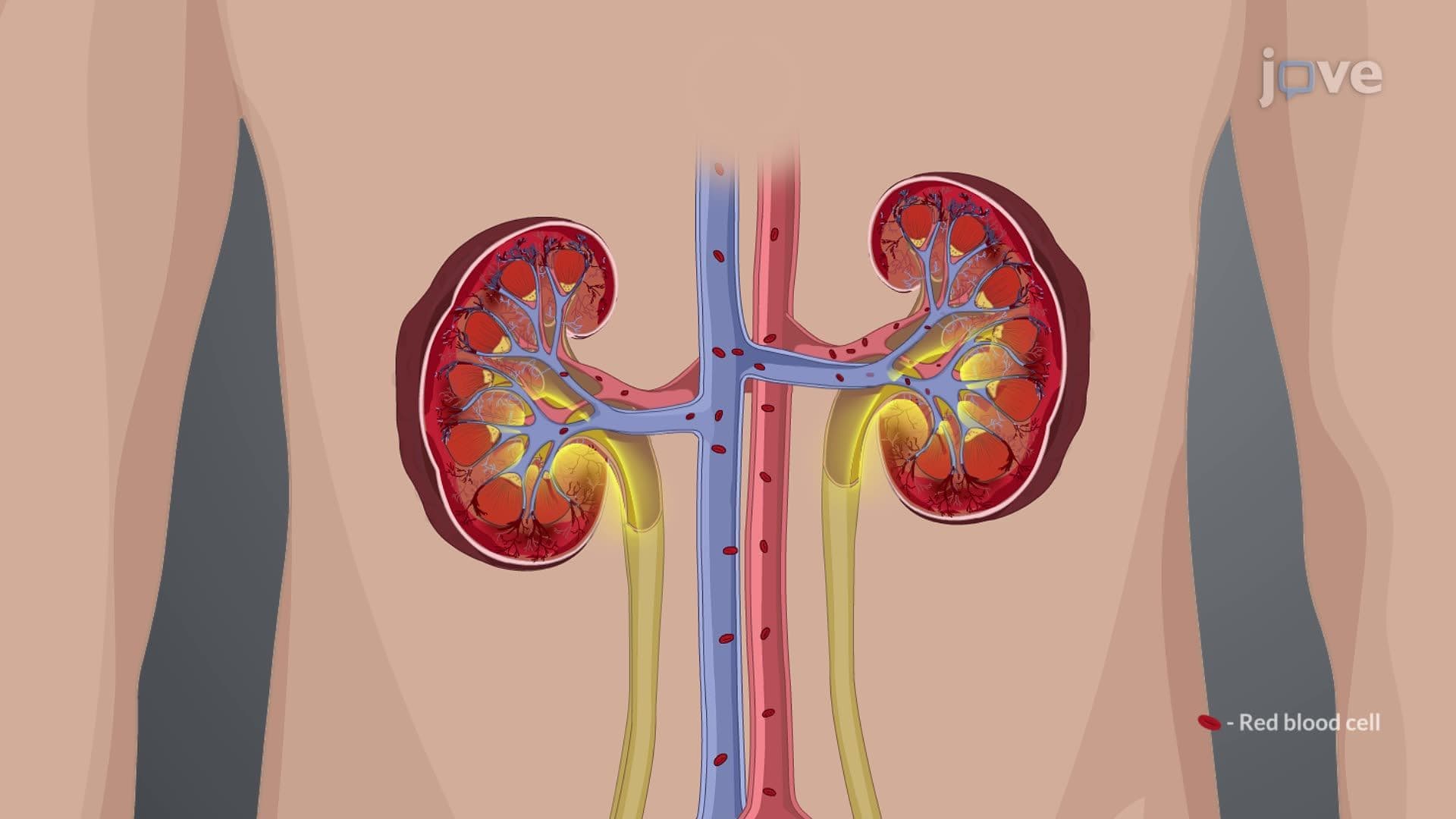
Chronic Kidney Disease I Introduction represents one of medicine's most insidious conditions, affecting approximately 15% of US adults according to the National Kidney Foundation. Unlike acute kidney injury, CKD develops gradually over months to years, making early detection particularly challenging for healthcare providers. The disease's progressive nature stems from the kidney's inability to regenerate nephrons-the functional filtering units that number approximately 1 million per kidney at birth.
The kidney's remarkable compensatory ability initially masks CKD progression. When nephrons become damaged, remaining functional units undergo hyperfiltration and hypertrophy to maintain glomerular filtration rate (GFR). This adaptive response explains why patients with 50% nephron loss may still demonstrate normal serum creatinine levels. However, this compensation comes at a cost-increased workload on remaining nephrons accelerates their deterioration, creating a self-perpetuating cycle of kidney damage.
The transition from compensated to decompensated kidney function typically occurs when GFR falls below 60 mL/min/1.73m², corresponding to CKD Stage 3. At this point, uremic toxins like blood urea nitrogen (BUN) and creatinine begin accumulating, leading to systemic complications affecting cardiovascular, hematologic, and skeletal systems.
Diabetes mellitus accounts for approximately 44% of new CKD cases in the United States, with diabetic nephropathy developing in roughly 40% of patients with type 1 diabetes and 30% with type 2 diabetes. Chronic hyperglycemia damages glomerular capillaries through advanced glycation end products and increased oxidative stress, leading to progressive sclerosis and proteinuria.
Hypertension represents both a cause and consequence of CKD, creating a bidirectional relationship that accelerates disease progression. Elevated blood pressure damages glomerular capillaries directly while CKD impairs sodium excretion, further elevating blood pressure. This explains why aggressive blood pressure control (target <130/80 mmHg per American Heart Association guidelines) significantly slows CKD progression.
Understanding CKD pathophysiology proves essential for MCAT preparation, particularly in nephrology and pathology sections. AP Biology students encounter CKD when studying homeostasis and organ system integration, while college anatomy and physiology courses emphasize the relationship between structure and function in kidney disease. Pre-med students preparing for USMLE Step 1 must master concepts of glomerular filtration, tubular function, and the renin-angiotensin-aldosterone system's role in CKD progression.
Related Micro-courses