Loading video…


 10 Concepts
 2.3K views
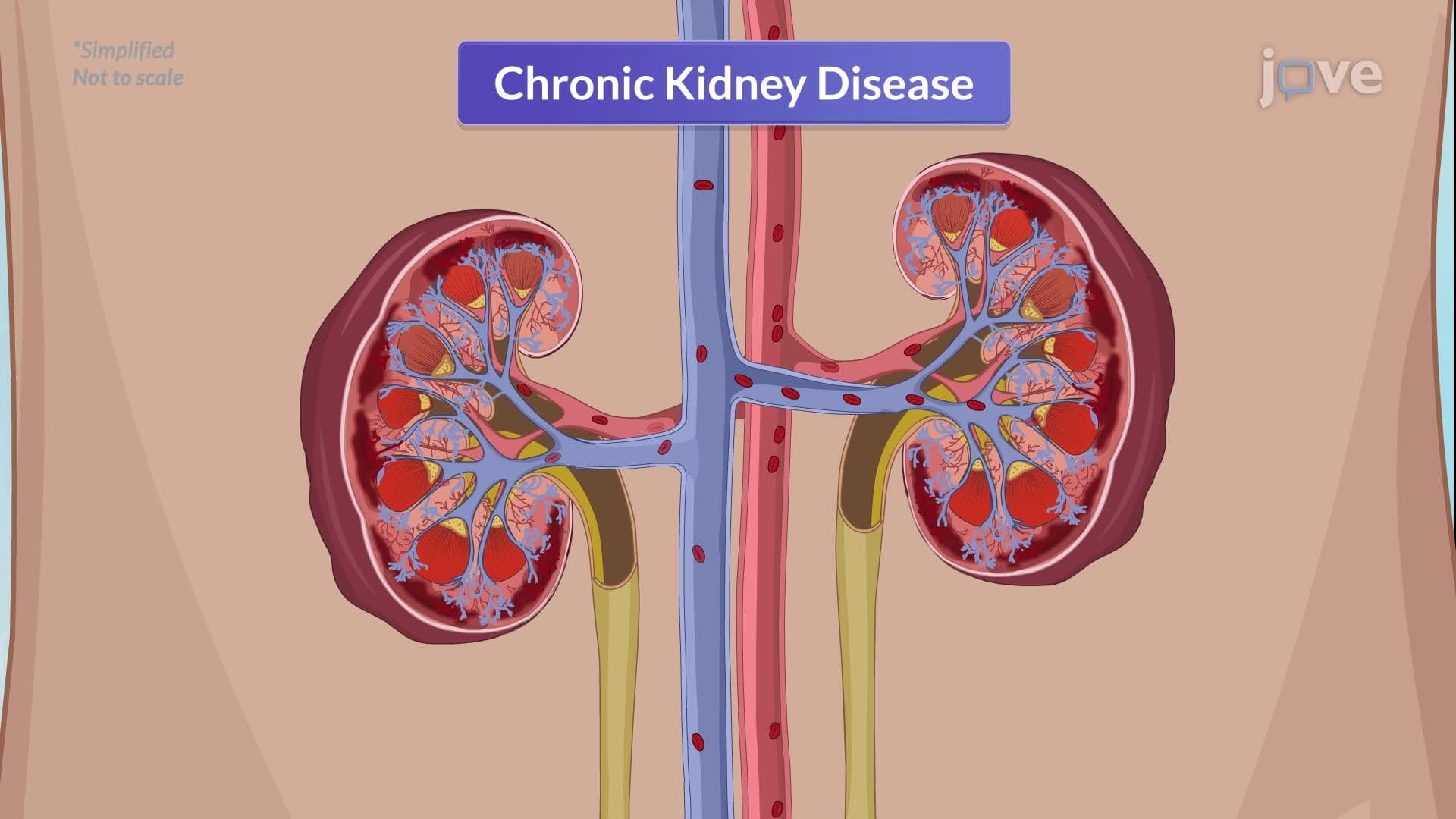

Video Summary: Chronic Kidney Disease Ii Clinical Manifestations Explained
Did you know that chronic kidney disease affects over 37 million Americans, yet many don't recognize the warning signs until it's too late? Chronic kidney disease II clinical manifestations span multiple body systems, creating a cascade of symptoms from neurologic confusion to cardiovascular complications. Consider a patient at Johns Hopkins who initially presented with fatigue and itchy skin, only to discover advanced kidney dysfunction affecting their heart, lungs, and bone health. Understanding these interconnected symptoms is crucial for early detection and management. Watch the full video on JoVE Coach to master this concept with expert-led visuals and step-by-step explanations.
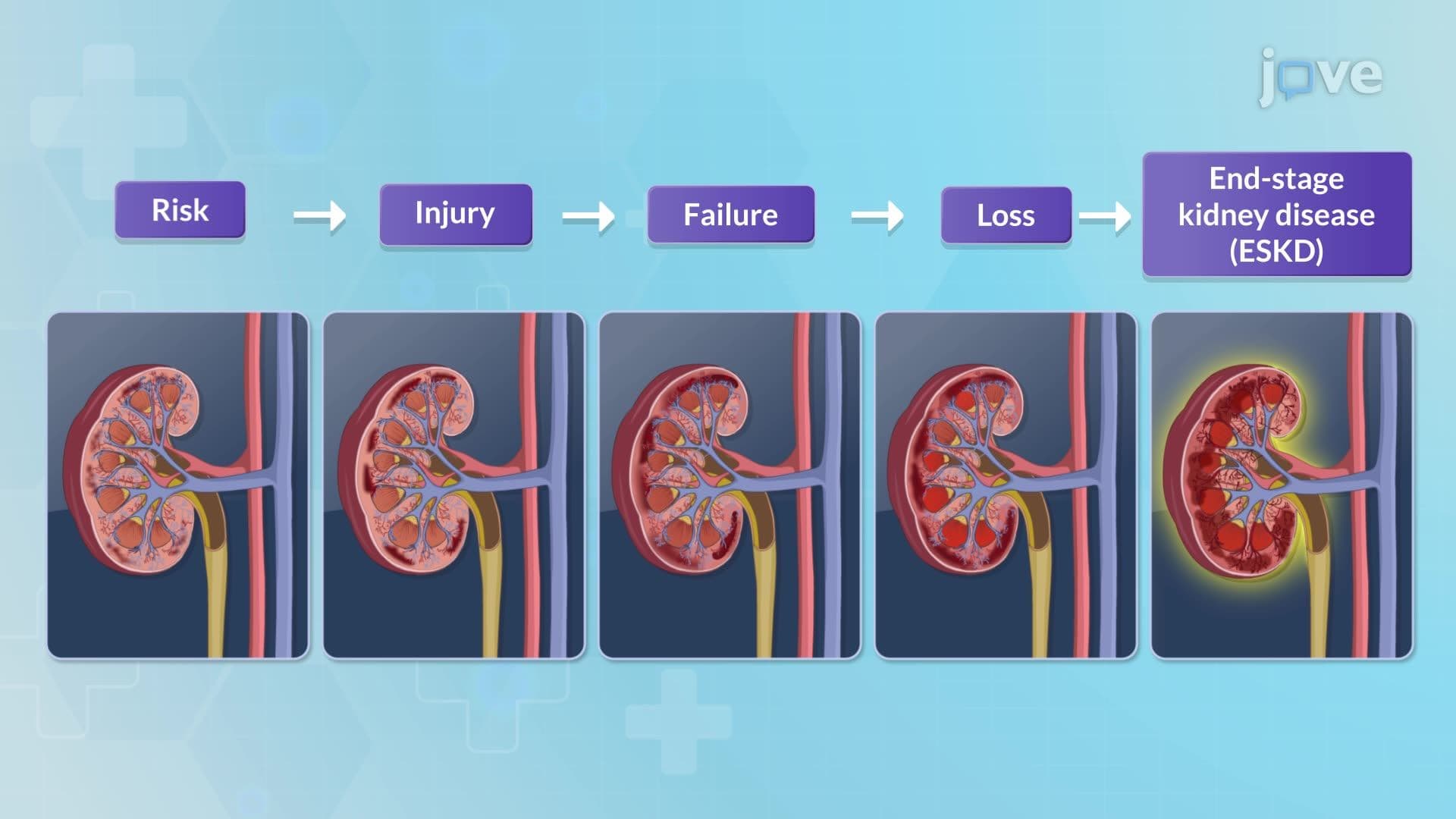
Chronic kidney disease stage II represents a critical point where patients begin experiencing multi-system symptoms while maintaining relatively preserved kidney function. Unlike stage I, where symptoms are minimal, stage II chronic kidney disease clinical manifestations become apparent across neurologic, cardiovascular, and other organ systems. This progression reflects the kidney's diminishing ability to filter toxins, regulate fluid balance, and maintain homeostasis.
The nervous system often provides the first recognizable signs of kidney dysfunction. Patients frequently report persistent fatigue that doesn't improve with rest, headaches that resist typical pain relievers, and episodes of confusion that worsen over time. More concerning neurologic symptoms include seizures and paresthesias (tingling sensations), particularly in the extremities. Restless leg syndrome becomes increasingly common, disrupting sleep patterns and quality of life.
Skin changes accompany these neurologic symptoms, creating visible evidence of internal dysfunction. The characteristic dry, itchy skin results from uremic toxin accumulation, while easy bruising (ecchymosis) reflects platelet dysfunction. Advanced cases develop a distinctive gray-bronze skin hue, particularly noticeable in patients at major medical centers like Mayo Clinic, where nephrology specialists track these progression markers.
Cardiovascular manifestations represent some of the most life-threatening aspects of chronic kidney disease progression. Hypertension develops as kidneys lose their blood pressure regulation capacity, often requiring multiple medications for control. Heart failure follows as fluid retention overwhelms cardiac function, while coronary artery disease accelerates due to uremic toxins and mineral imbalances.
Pericarditis, inflammation of the heart's protective sac, creates chest pain and can progress to pericardial effusion requiring emergency intervention. Students preparing for the MCAT or USMLE should understand how these cardiovascular changes interconnect with kidney function decline.
Pulmonary symptoms mirror cardiovascular stress, with dyspnea (shortness of breath) becoming progressively worse during daily activities. Pulmonary edema develops when fluid accumulates in lung tissue, while uremic pleuritis causes chest pain and breathing difficulties. Kussmaul respirations-deep, rapid breathing patterns-indicate severe metabolic acidosis requiring immediate medical attention.
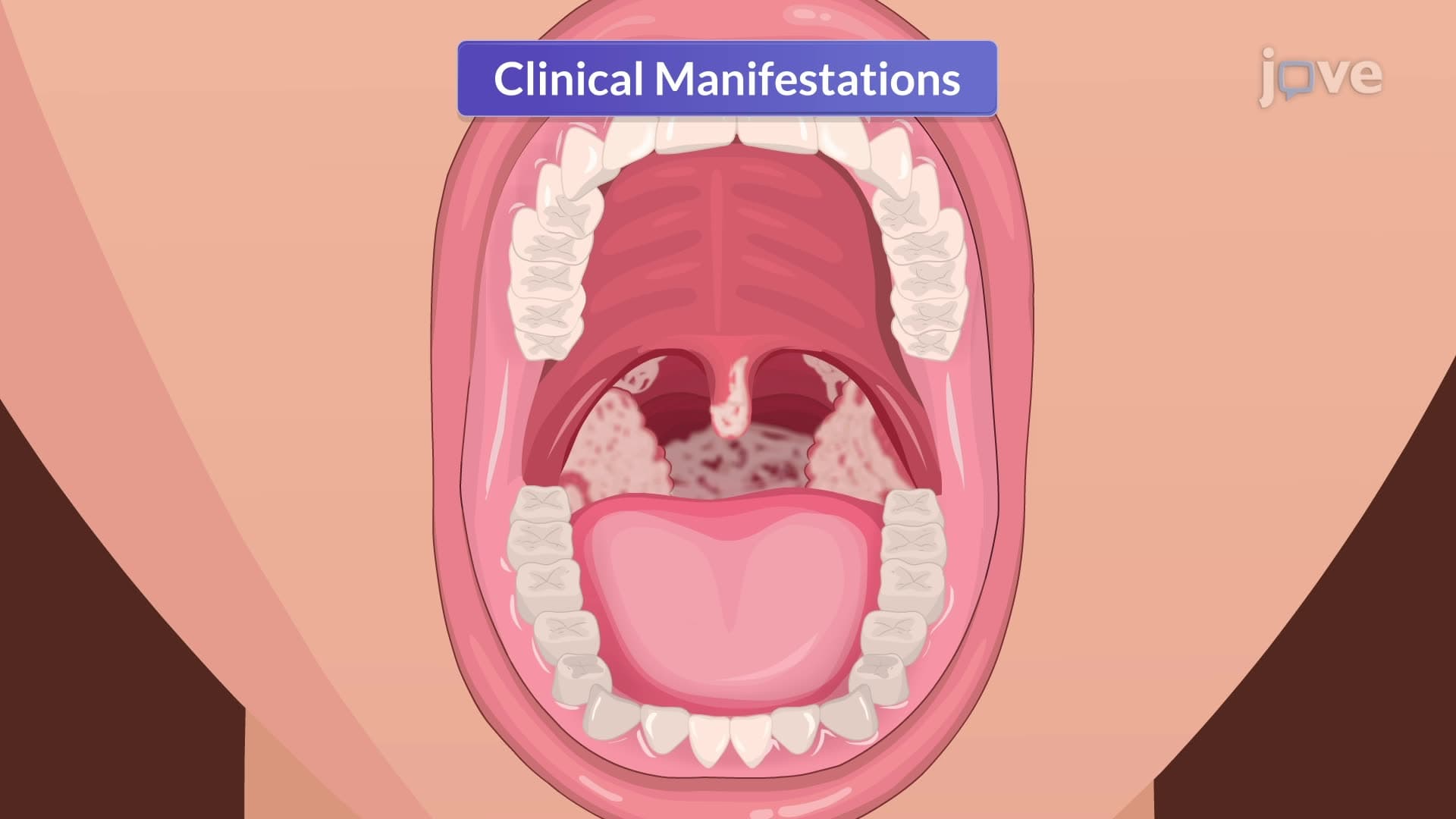
The gastrointestinal system reflects uremic toxin accumulation through distinctive symptoms. Patients develop persistent nausea and vomiting, often accompanied by a metallic taste that makes eating unpleasant. Uremic fetor, a characteristic ammonia-like breath odor, becomes noticeable to family members and healthcare providers. Gastritis and gastrointestinal bleeding represent serious complications requiring careful monitoring at facilities like Cleveland Clinic's nephrology departments.
Hematologic changes significantly impact patient outcomes. Anemia develops as kidneys produce less erythropoietin, the hormone stimulating red blood cell production. Thrombocytopenia (low platelet count) increases bleeding risk, while immune system dysfunction raises infection susceptibility. These changes explain why chronic kidney disease patients require comprehensive care teams including hematologists and infectious disease specialists.
Related Micro-courses