Loading video…


 10 Concepts
 2.3K views

Video Summary: Chronic Kidney Disease Iv Nursing Management Explained
Did you know that over 37 million Americans live with chronic kidney disease, yet 9 out of 10 don't even know they have it? Chronic kidney disease IV nursing management becomes critical when patients reach advanced stages requiring complex interventions. At major medical centers like Johns Hopkins, nurses managing stage IV CKD patients must expertly balance fluid monitoring, cardiac assessments, and medication protocols to prevent life-threatening complications. Watch the full video on JoVE Coach to master this concept with expert-led visuals and step-by-step explanations.
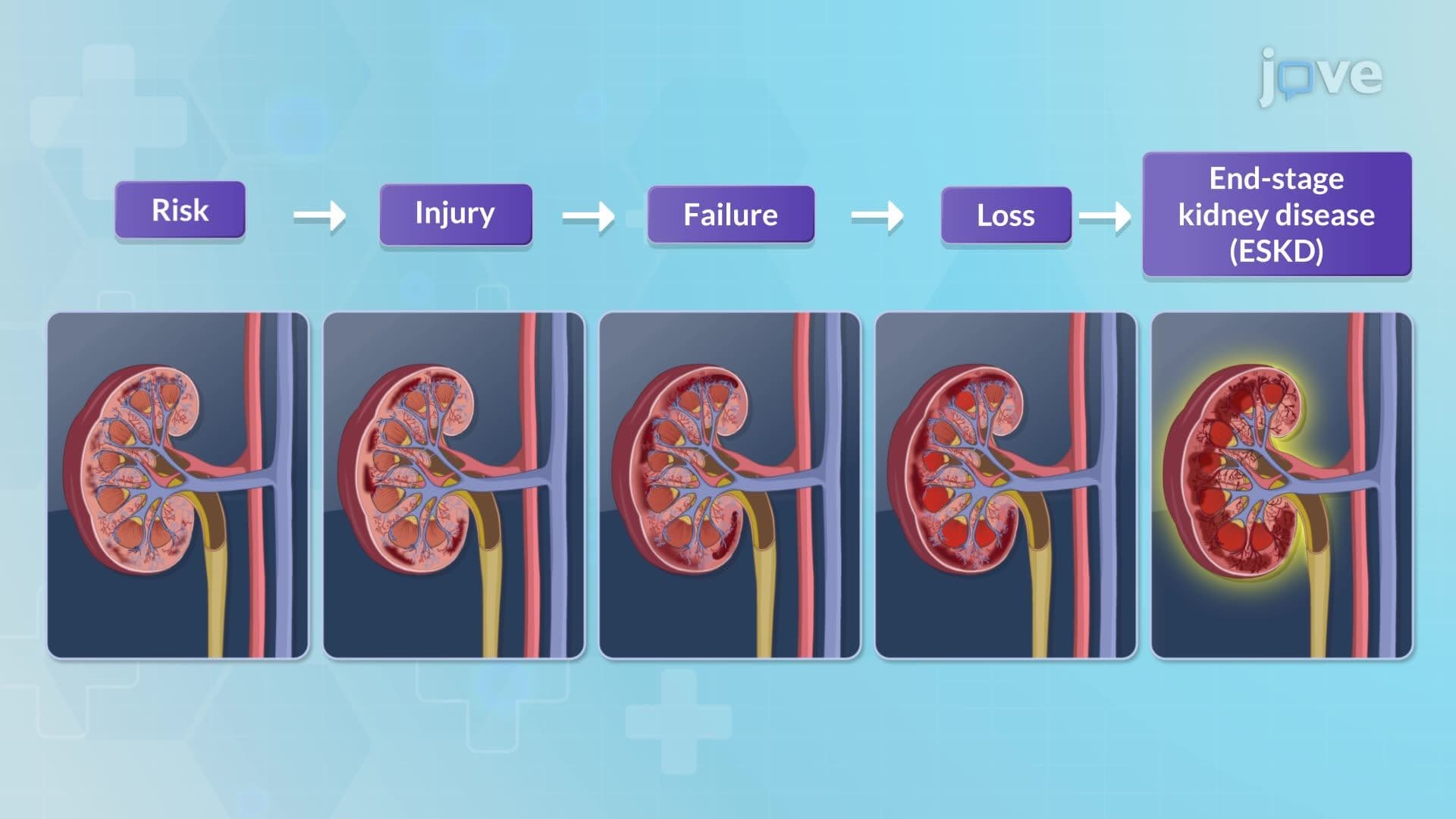
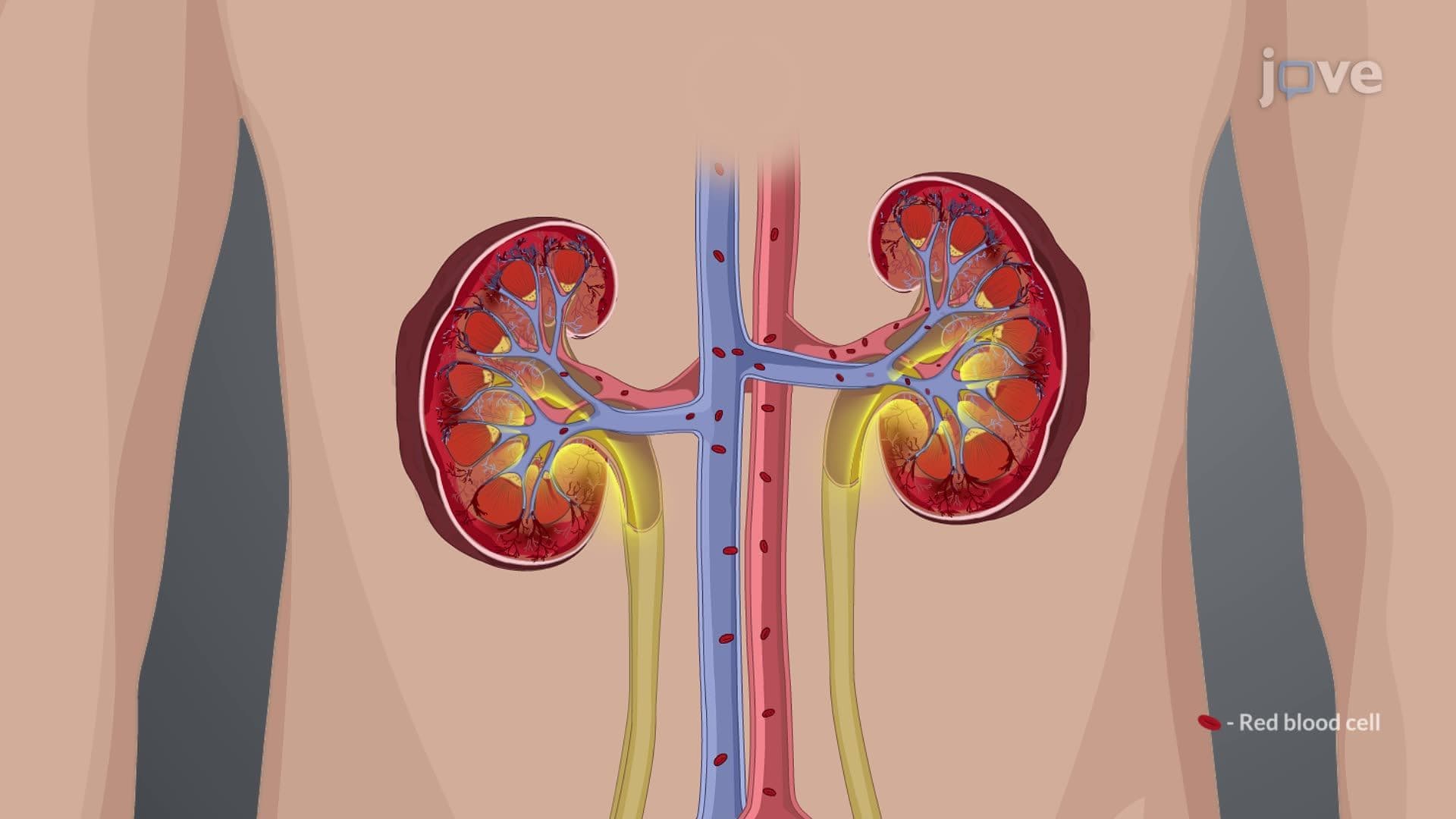
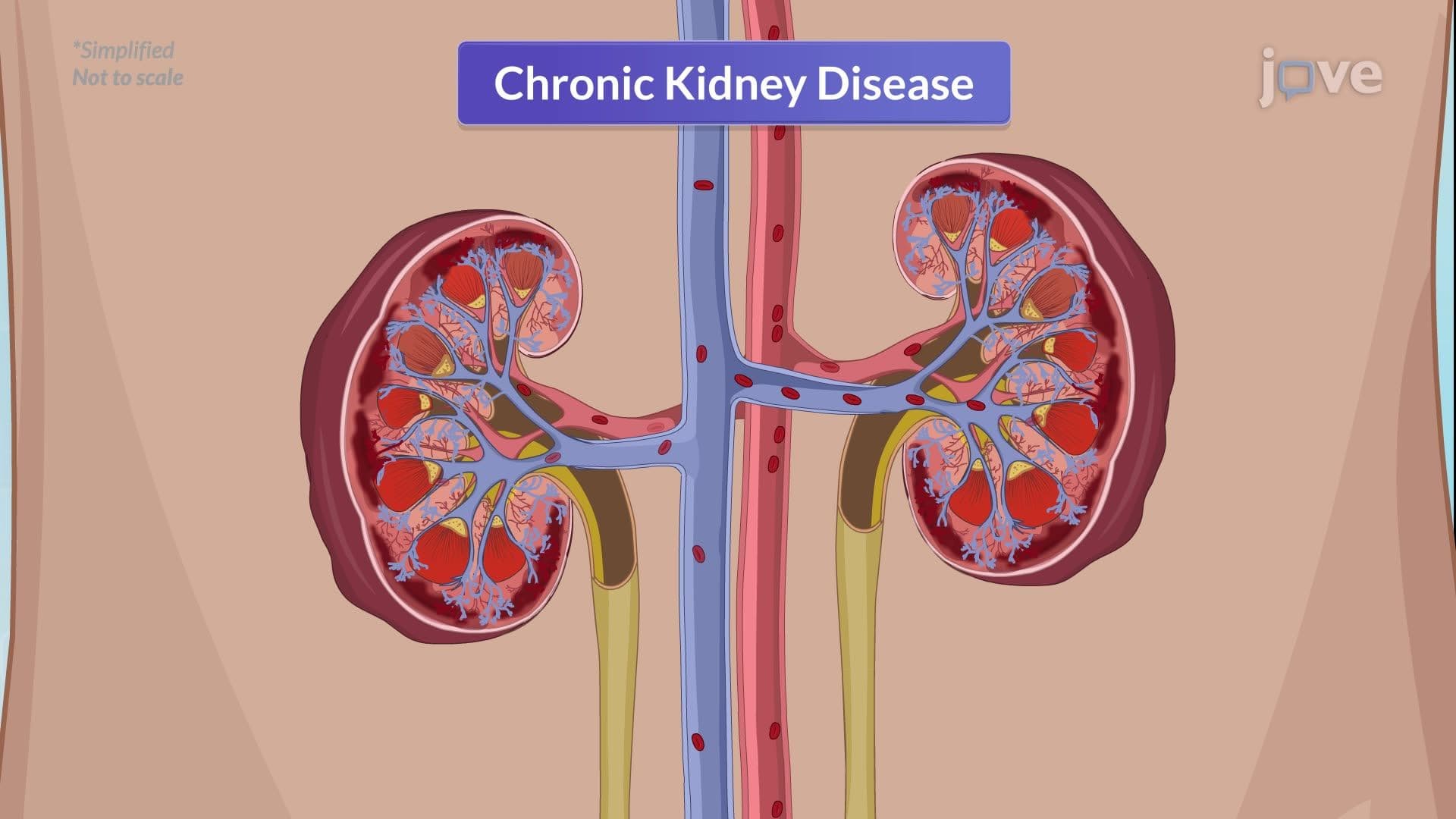
Chronic kidney disease IV nursing management represents one of the most complex challenges in modern healthcare nursing. Stage IV CKD, also known as severe chronic kidney disease, occurs when kidney function drops to 15-29% of normal capacity. At this advanced stage, patients face imminent kidney failure and require intensive nursing surveillance to prevent life-threatening complications.
The nursing management process begins with comprehensive patient history assessment, focusing on diabetes mellitus and hypertension-the two leading causes of kidney disease in the United States. According to the CDC, these conditions account for nearly 70% of all CKD cases. Nurses must also investigate exposure to nephrotoxic medications, including NSAIDs, certain antibiotics, and contrast agents commonly used in medical imaging.
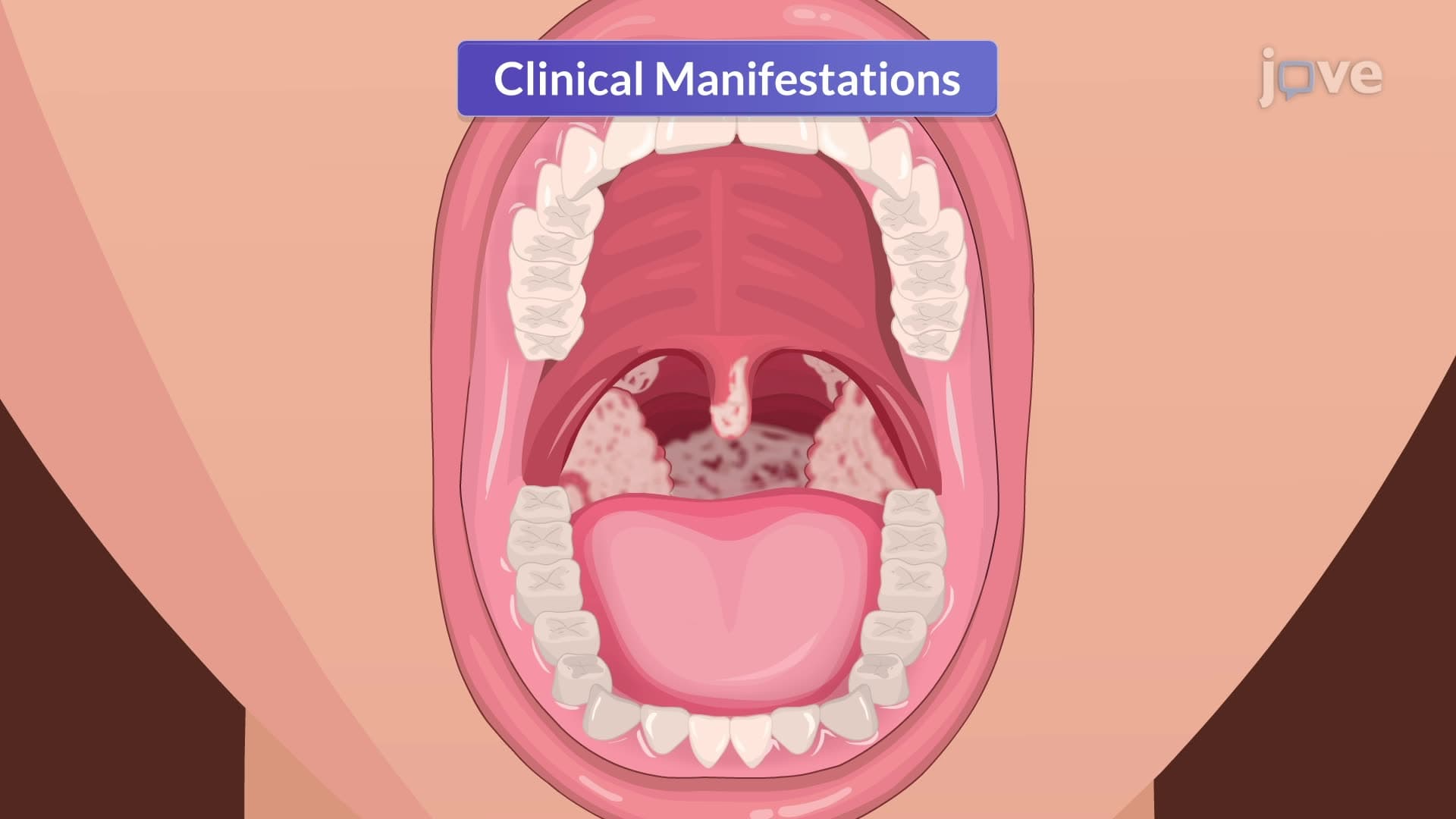
Physical examination skills become paramount in stage IV CKD management. Nurses systematically assess for peripheral edema, starting from the ankles and progressing upward to evaluate fluid retention severity. Uremic symptoms-including persistent fatigue, severe itching (pruritus), and metallic taste-indicate dangerous toxin accumulation that healthy kidneys would normally filter.
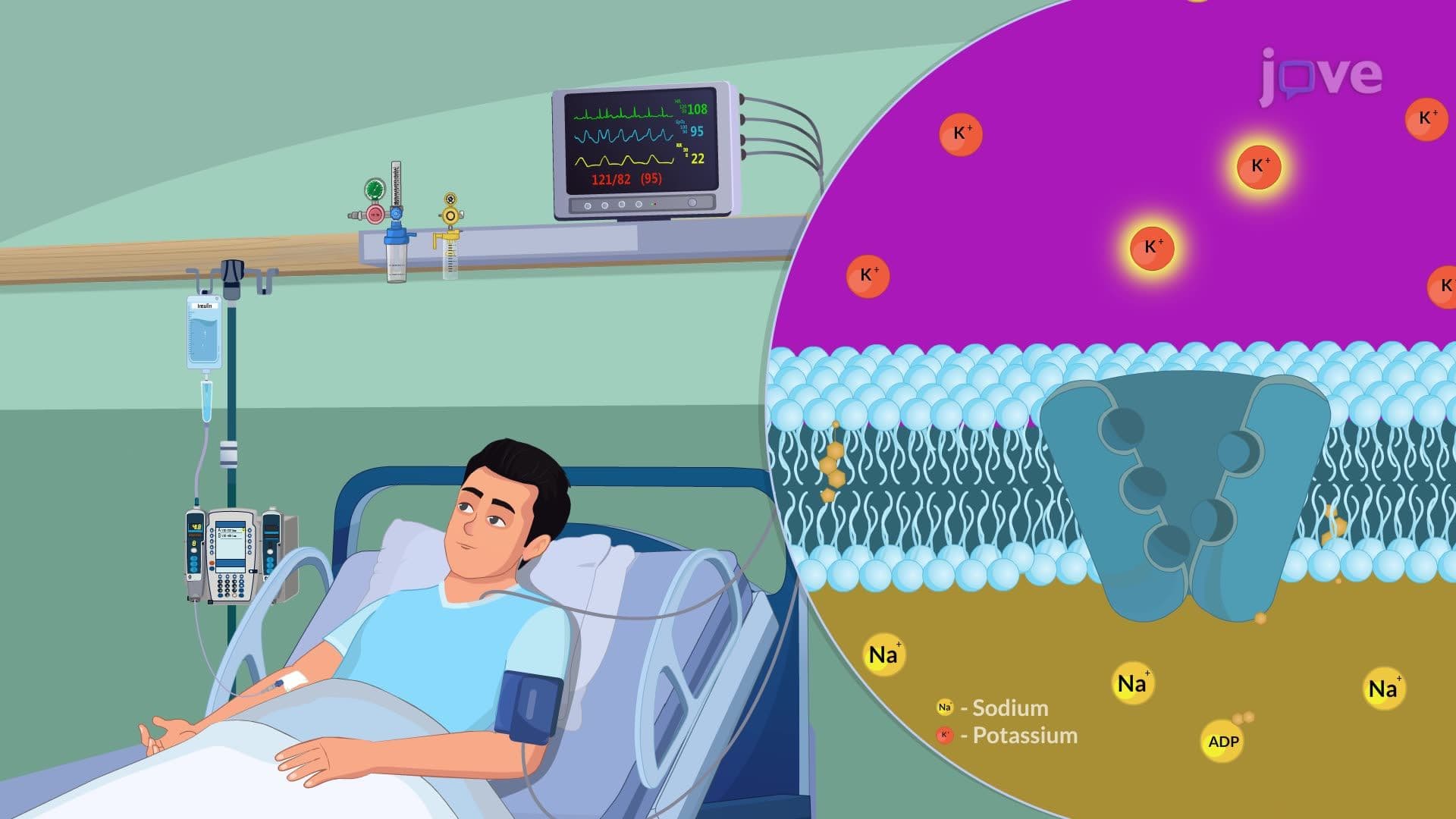
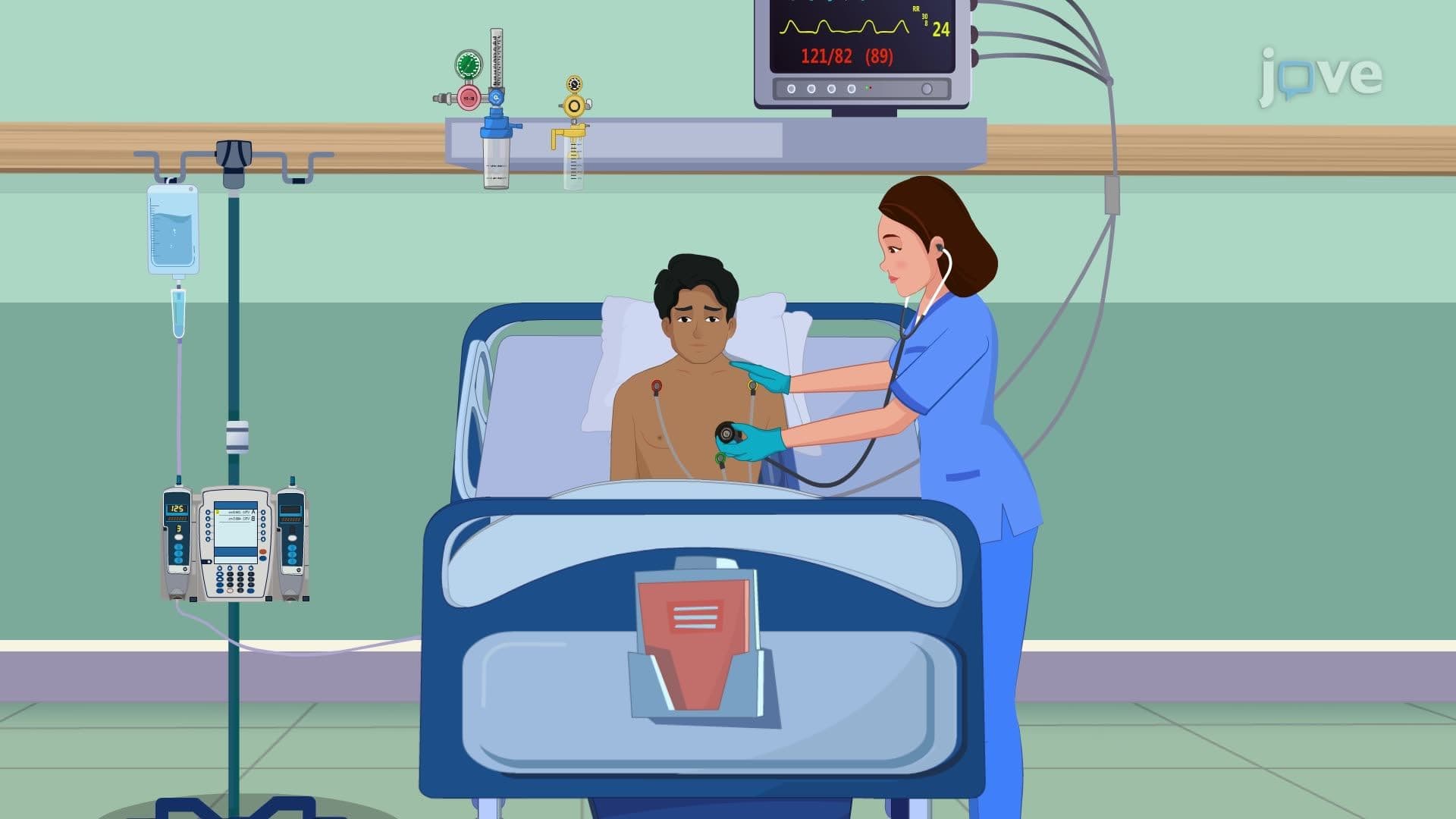
Cardiovascular assessment takes priority due to the high risk of sudden cardiac events. Nurses monitor for jugular vein distension, which indicates right heart failure from fluid overload. Pulmonary crackles suggest fluid accumulation in the lungs, while specific ECG changes signal immediate danger. Peaked T waves and widened QRS complexes indicate hyperkalemia, a potentially fatal condition requiring emergency intervention.
Successful chronic kidney disease IV nursing management relies on precise fluid balance monitoring. Nurses track daily weights, intake and output ratios, and laboratory values including serum creatinine and estimated glomerular filtration rate (eGFR). Patient education focuses on low-sodium diet adherence-typically restricting intake to less than 2,300 mg daily-and proper medication timing to optimize therapeutic effects.
This content frequently appears on the NCLEX-RN examination, particularly in questions addressing prioritization and delegation. MCAT passages often incorporate CKD pathophysiology, while nursing school examinations test students' ability to recognize early warning signs and implement appropriate interventions. Understanding these concepts also proves valuable for pre-med students taking the HESI A2 or TEAS exams.
Related Micro-courses