Loading subject page…


421,325 views


Video Summary: Chromatin Structure Regulates Pre Mrna Processing Explained
Did you know that defective chromatin organization contributes to over 70% of cancer cases in the United States? Understanding how chromatin structure regulates pre mRNA processing reveals why nucleosome positioning and histone modifications are crucial for proper gene expression. When these regulatory mechanisms fail at institutions like Johns Hopkins, researchers observe increased intron retention leading to disease-causing mutations. Watch the full video on JoVE Coach to master this concept with expert-led visuals and step-by-step explanations.
The intricate relationship between chromatin organization and RNA processing represents one of molecular biology's most elegant regulatory systems. In eukaryotic cells, chromatin structure regulates pre mRNA processing through a sophisticated interplay of nucleosome positioning, histone modifications, and chromatin remodeling complexes that work together to ensure accurate gene expression.
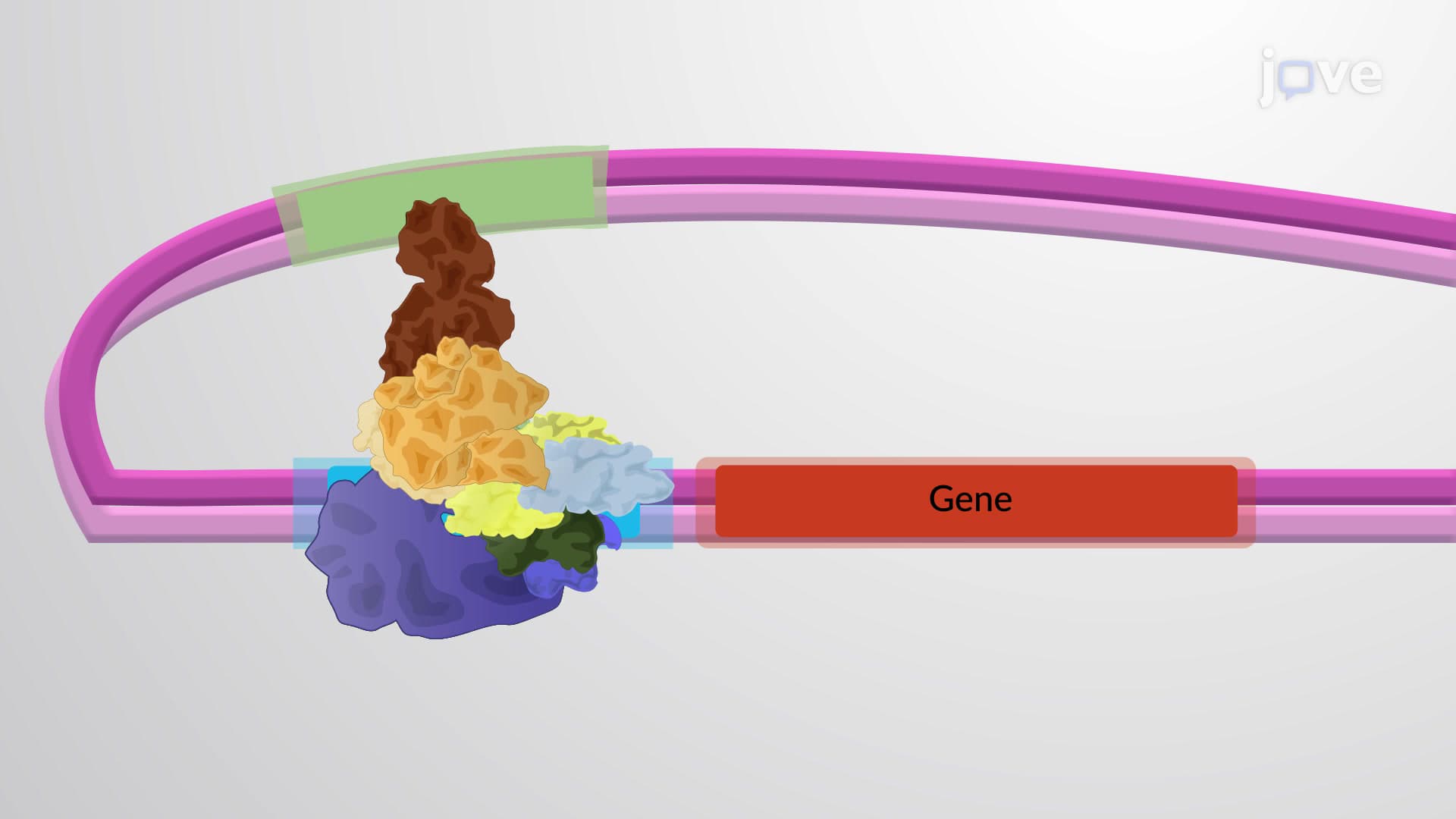
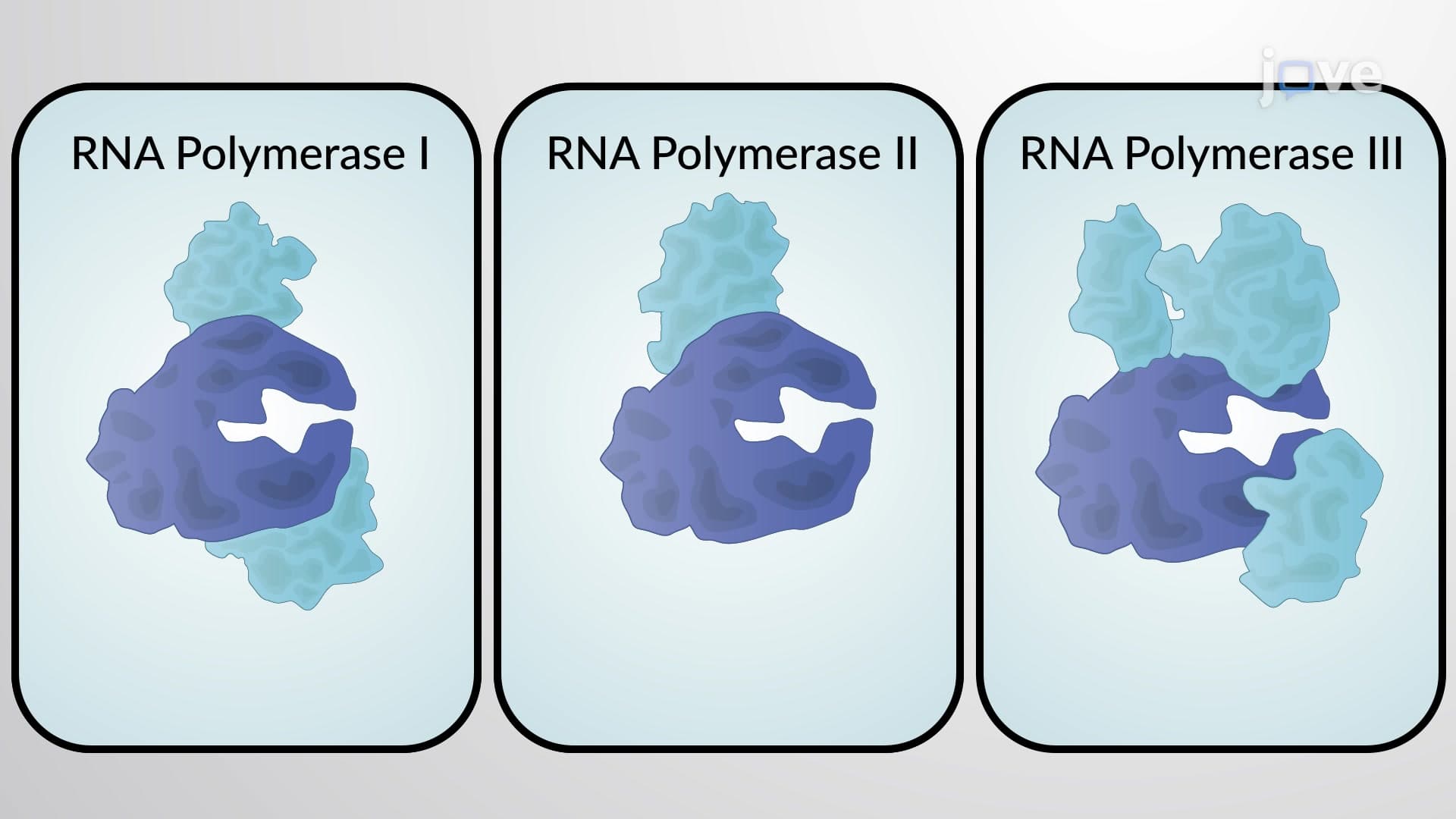
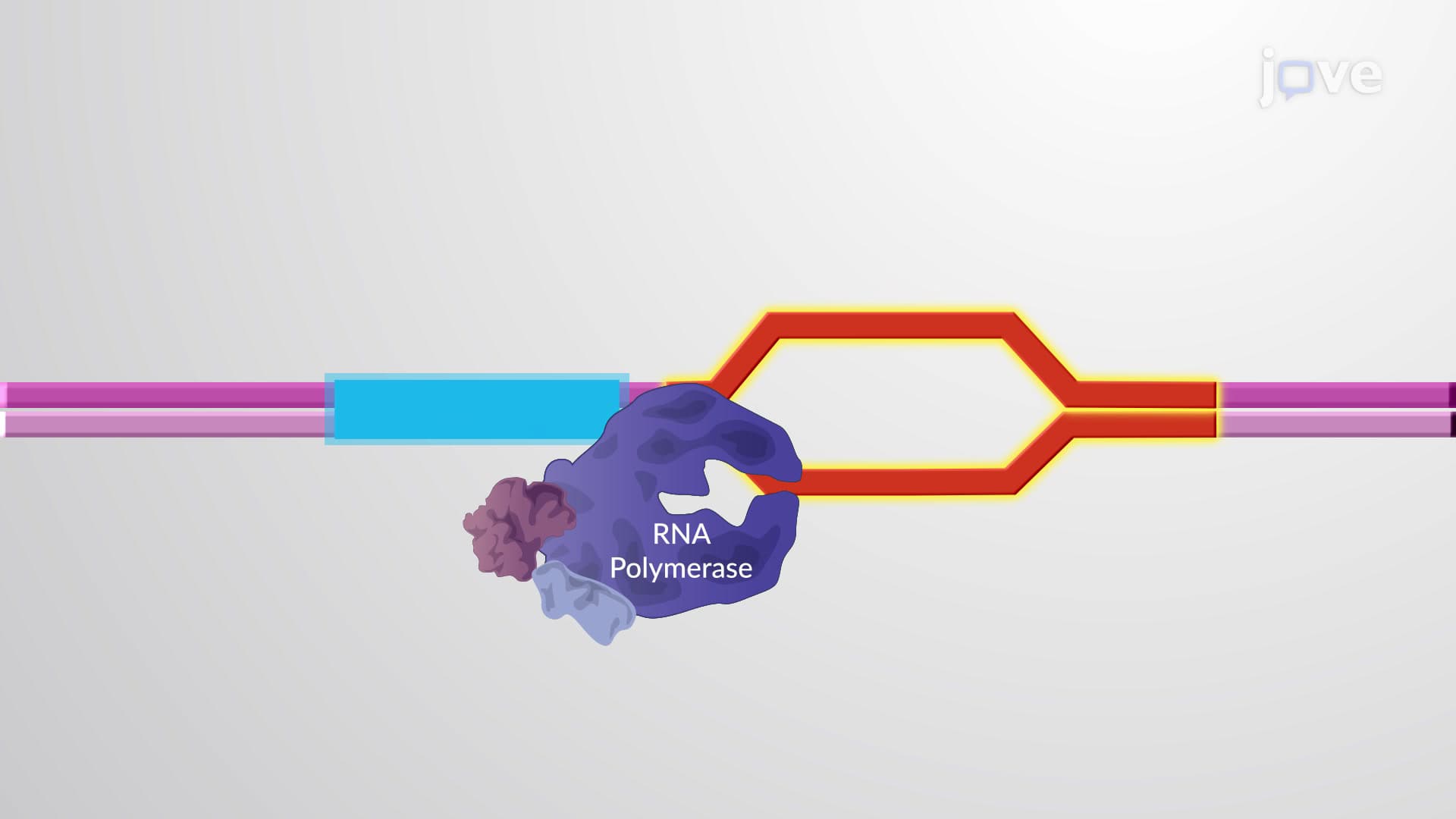
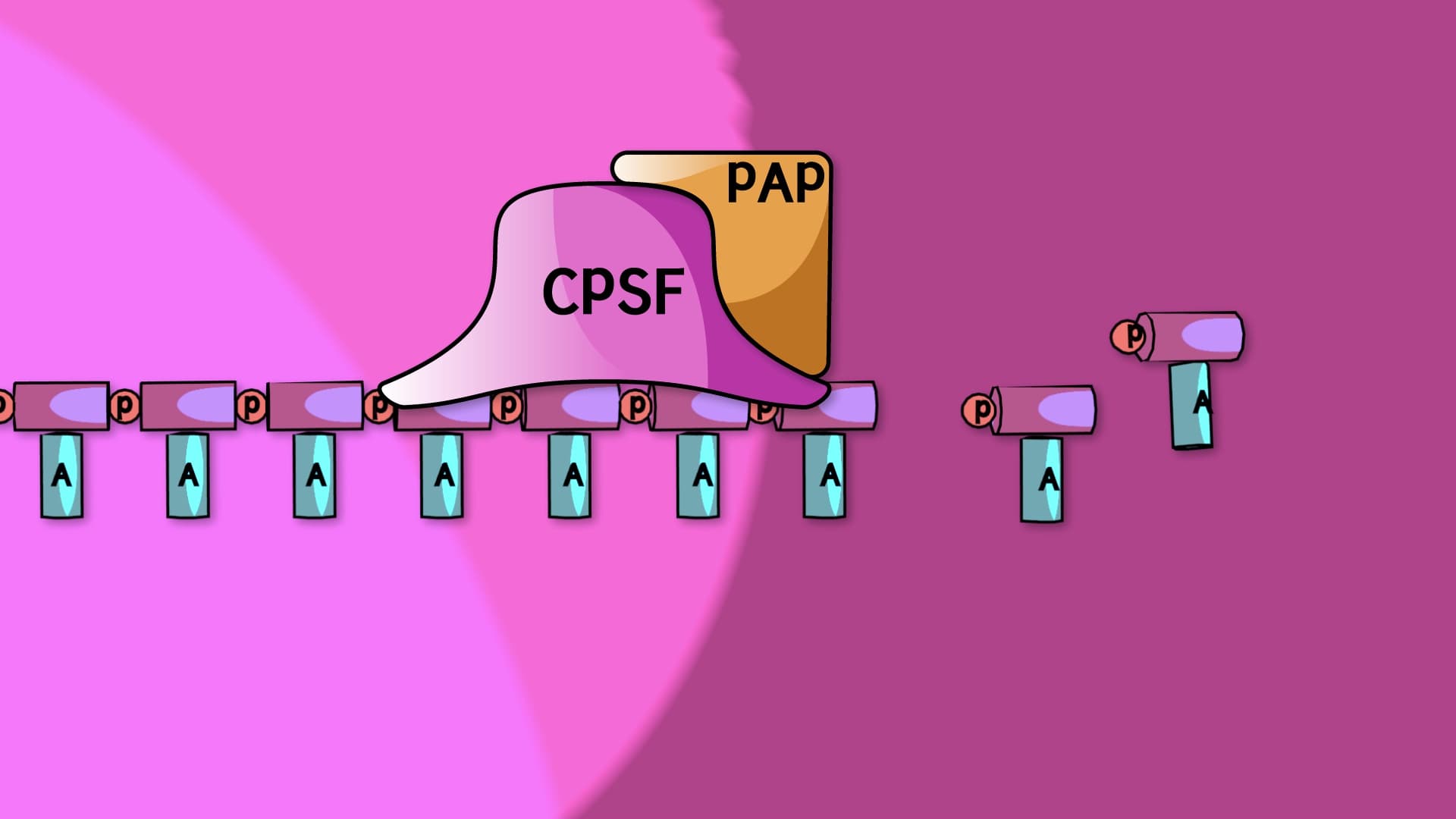
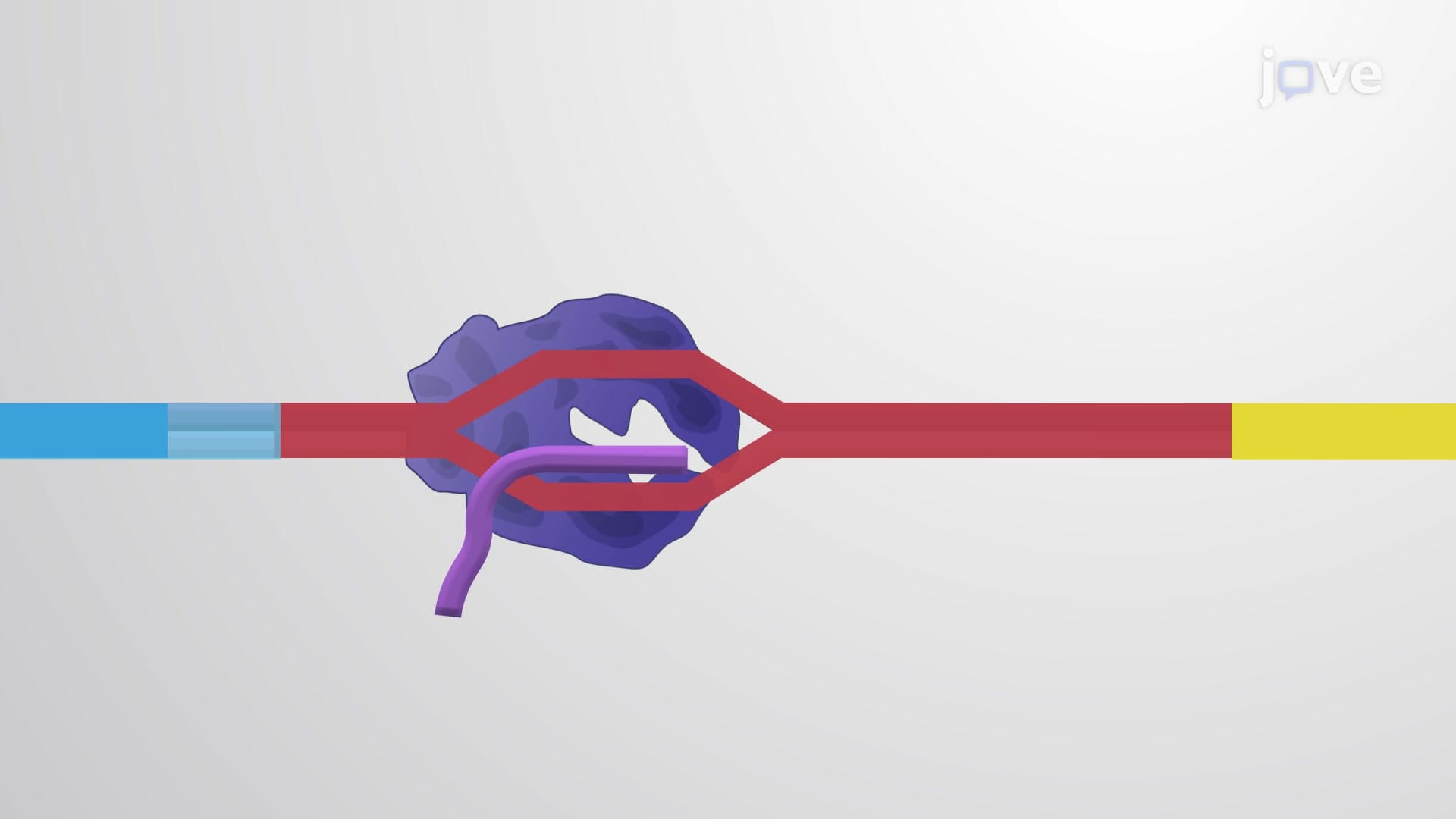
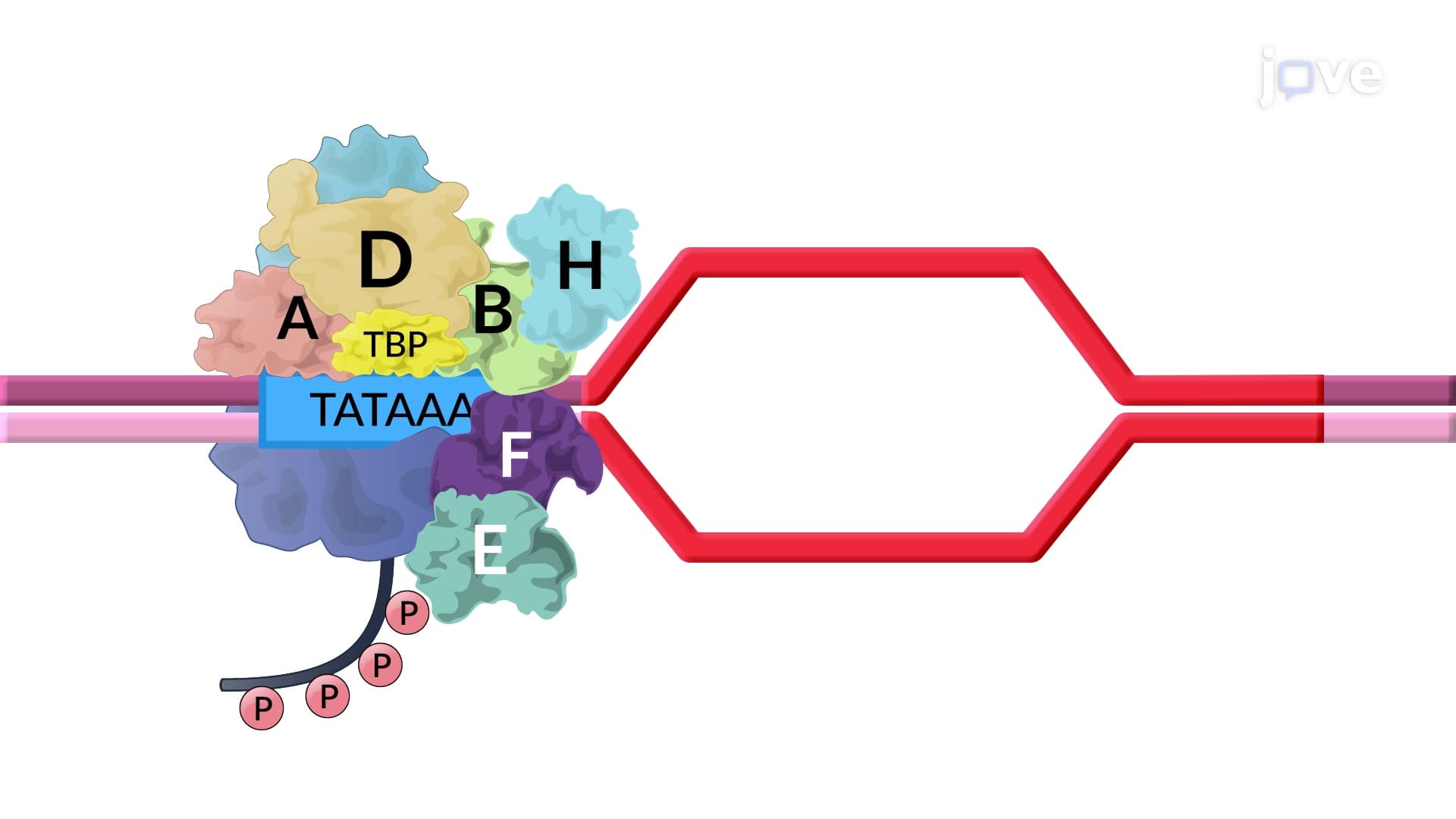
Unlike prokaryotes where transcription and translation occur simultaneously, eukaryotic cells have evolved a complex nuclear processing system. The chromatin landscape directly influences RNA polymerase II progression, creating regulatory checkpoints that coordinate transcription with RNA processing events including 5' capping, splicing, and 3' polyadenylation.
Nucleosomes function as dynamic regulatory elements rather than simple DNA packaging units. Research at Stanford University has demonstrated that nucleosome positioning follows predictable patterns across human genes, with specific placement at promoter-proximal regions creating natural pause sites for RNA polymerase II.
This strategic positioning serves multiple functions. The promoter-proximal nucleosome creates a transcriptional checkpoint, allowing time for elongation factor assembly and chromatin remodeling complex recruitment. During this pause, cells recruit capping enzymes that add the 5' methyl-guanosine cap essential for mRNA stability and nuclear export.
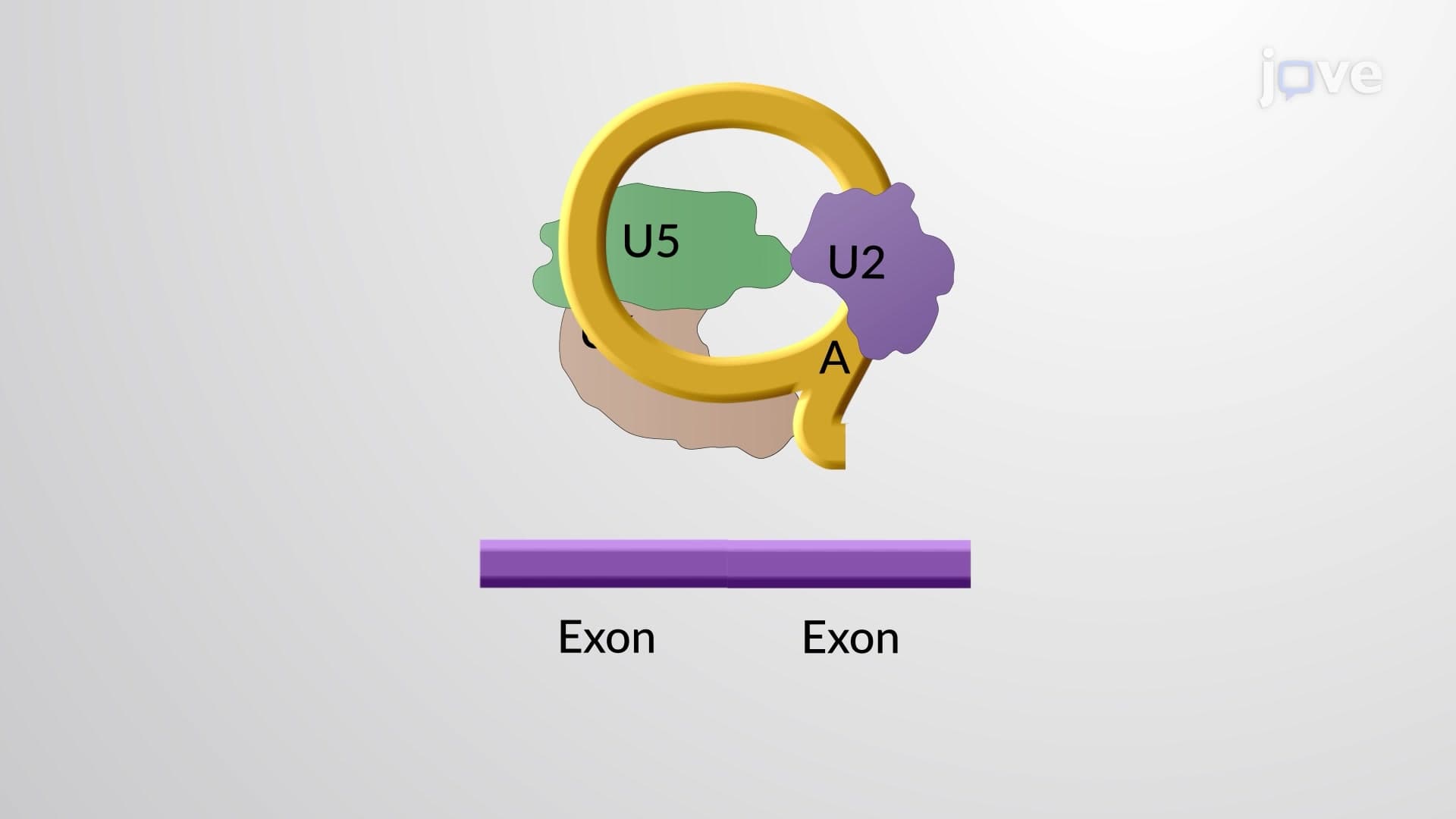
Exon-intron boundaries also show distinctive nucleosome patterns. Exons preferentially associate with positioned nucleosomes, while introns often contain nucleosome-depleted regions. This organization facilitates co-transcriptional splicing by providing platforms for spliceosome assembly directly on the chromatin template.
Histone modifications create a sophisticated signaling system that recruits specific RNA processing factors. H3K36 trimethylation, deposited by the SETD2 methyltransferase during transcription elongation, serves as a recruitment platform for splicing regulators including the PSIP1 protein complex.
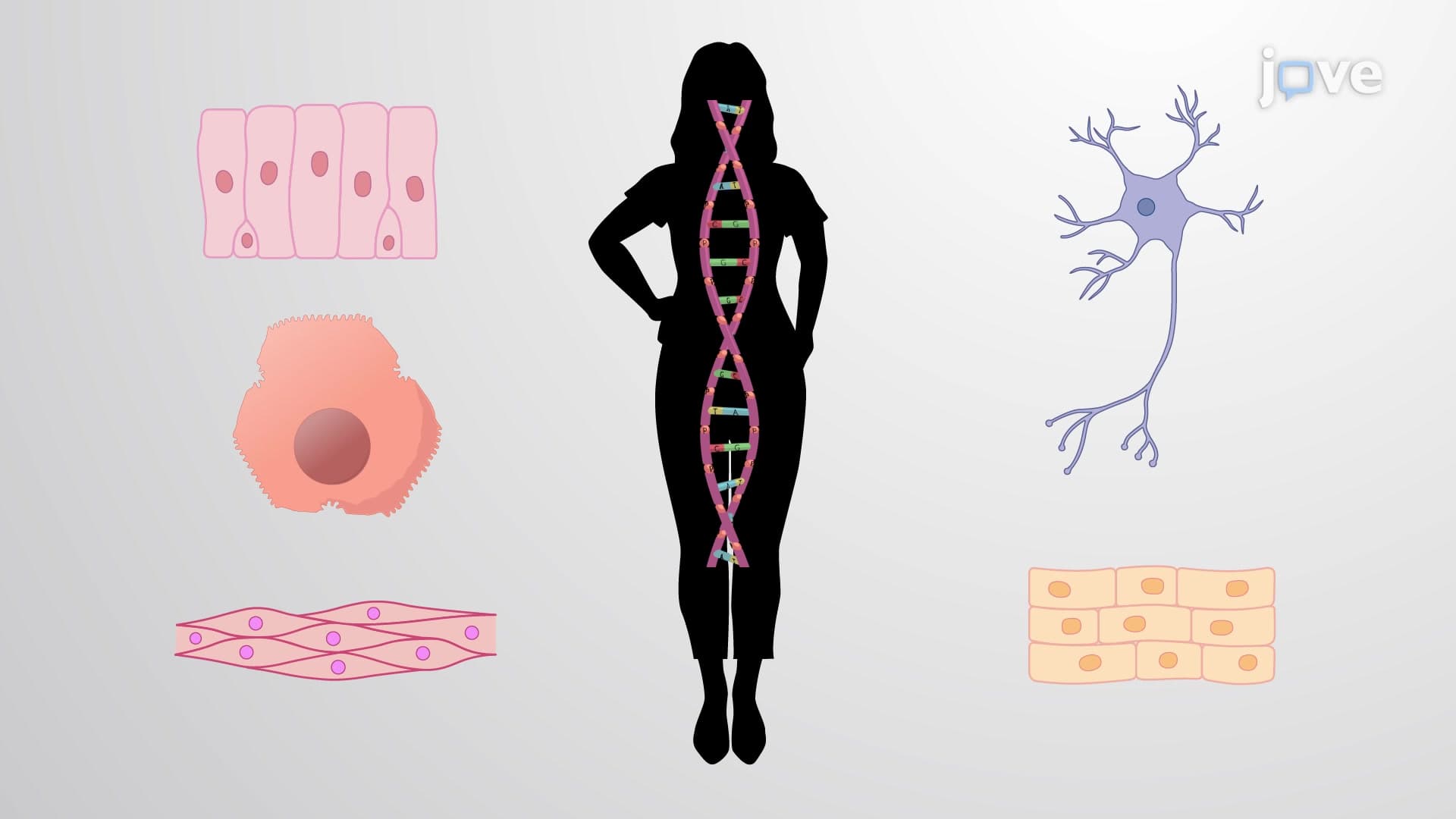
Different modification patterns influence exon selection during alternative splicing. H3K27 acetylation promotes inclusion of weak exons by recruiting splicing enhancer proteins, while H3K9 methylation can promote exon skipping through heterochromatin protein recruitment. These modifications provide the cell with fine-tuned control over isoform production, enabling tissue-specific and developmental-stage-specific gene expression programs.
Students preparing for AP Biology or college-level molecular biology courses should understand that these modifications represent reversible regulatory mechanisms, unlike DNA sequence changes. This reversibility allows cells to rapidly respond to environmental changes or developmental cues.
Disrupted chromatin-RNA processing coupling underlies numerous human diseases studied at major US medical centers. Mutations in chromatin remodeling complexes like SWI/SNF components cause cancer predisposition syndromes, while defective histone modifications contribute to neurodegenerative diseases including Alzheimer's and Huntington's disease.
Intron retention, resulting from faulty chromatin regulation, triggers nonsense-mediated decay pathways that eliminate aberrant transcripts. However, some retained introns escape this quality control, producing proteins with altered functions that contribute to disease pathogenesis.
Related Micro-courses