Loading subject page…


421,325 views

Video Summary: Gene Expression Definition
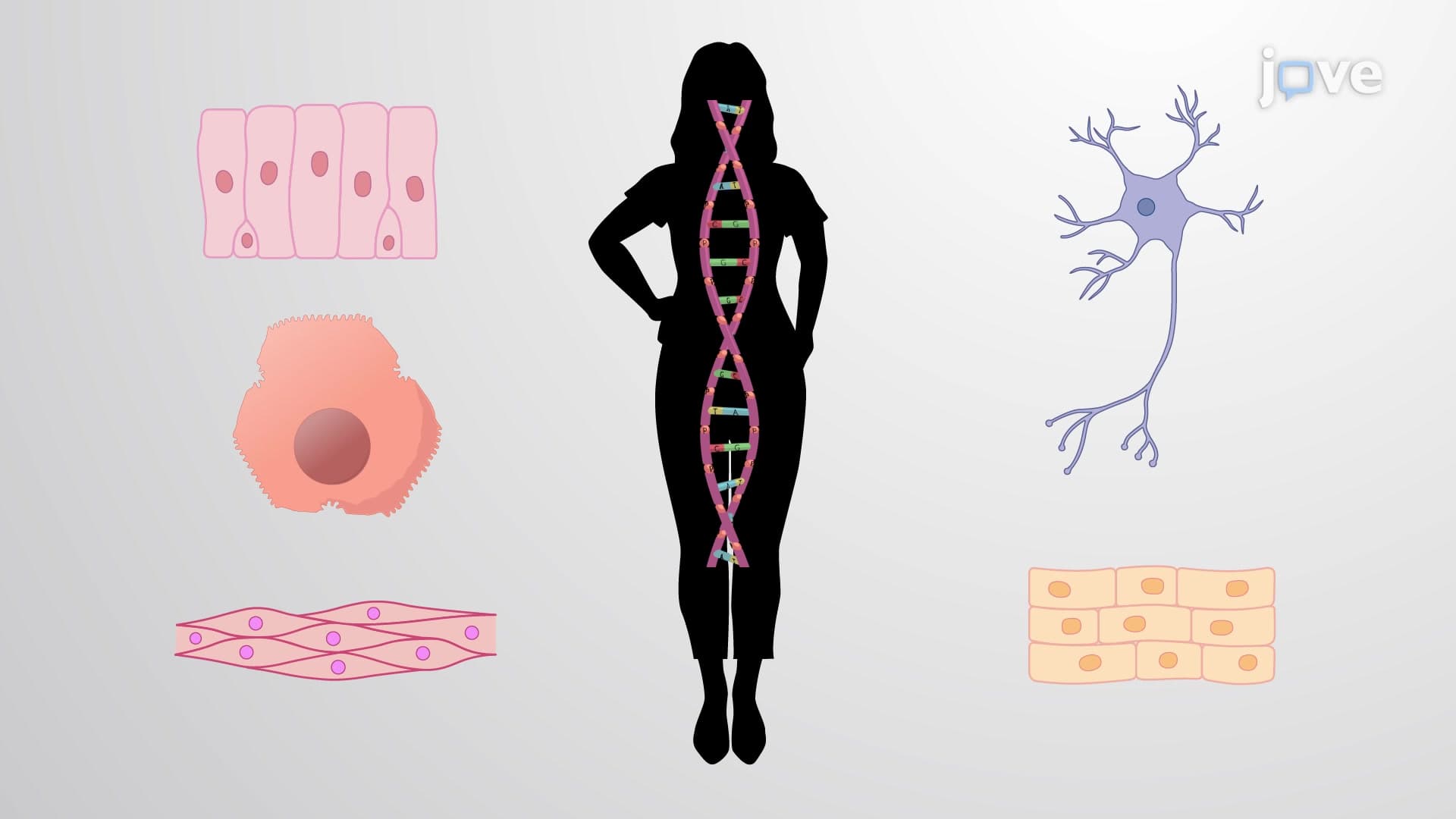
Did you know that every cell in your body contains the same DNA, yet muscle cells look nothing like brain cells? This remarkable diversity stems from gene expression, the process by which genetic information transforms into functional proteins that define each cell's unique identity. Consider how insulin-producing cells in your pancreas activate specific genes to manufacture this life-saving hormone while your skin cells remain completely unaffected. The gene expression definition encompasses the multi-step journey from DNA to RNA to protein, forming the foundation of cellular function and regulation. Watch the full video on JoVE Coach to master this concept with expert-led visuals and step-by-step explanations.
Gene expression represents one of biology's most fundamental processes, transforming the static information stored in DNA into dynamic, functional proteins that drive cellular life. This intricate system allows a single genome to create hundreds of distinct cell types, each performing specialized functions essential for human health and development.
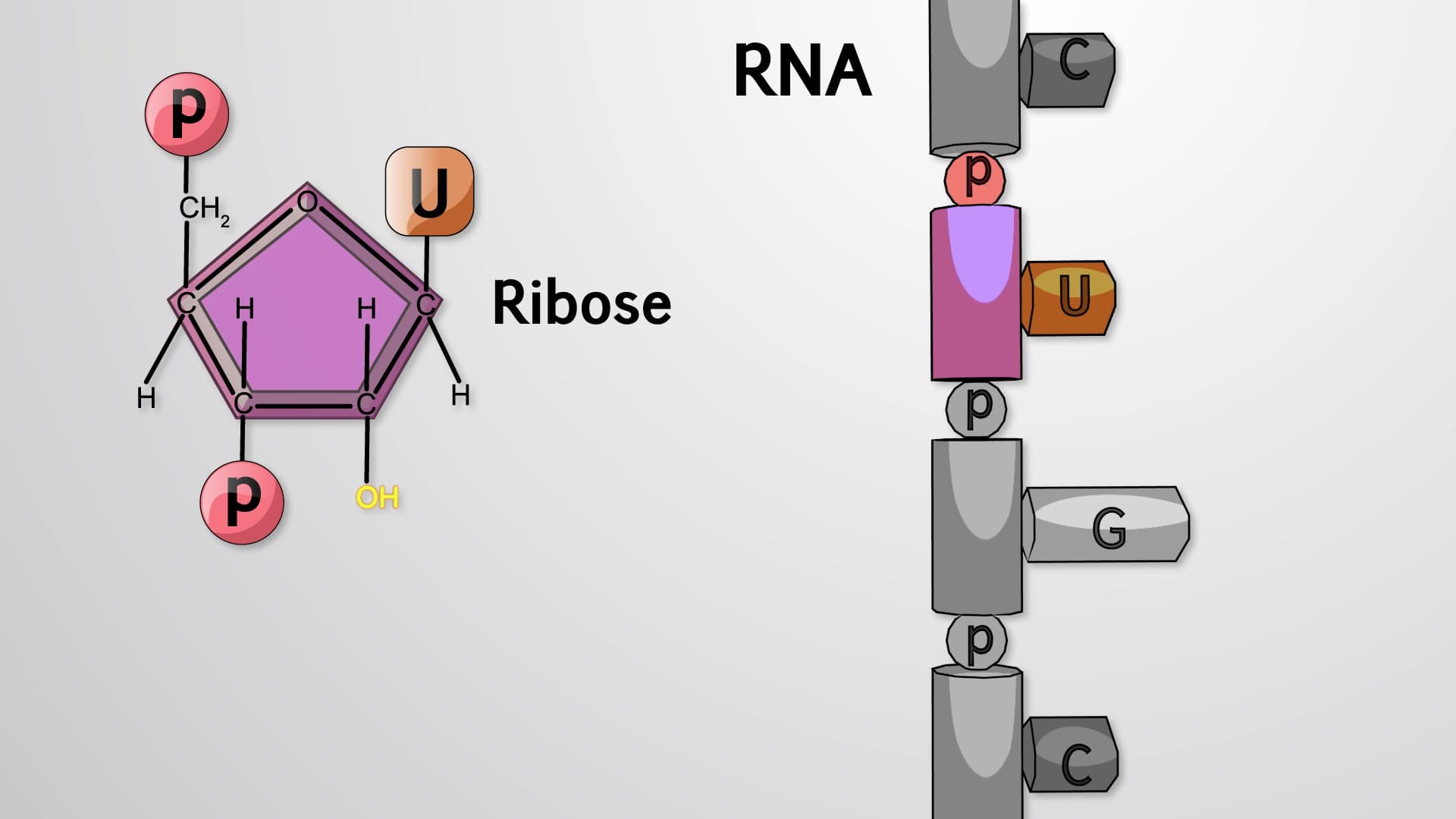
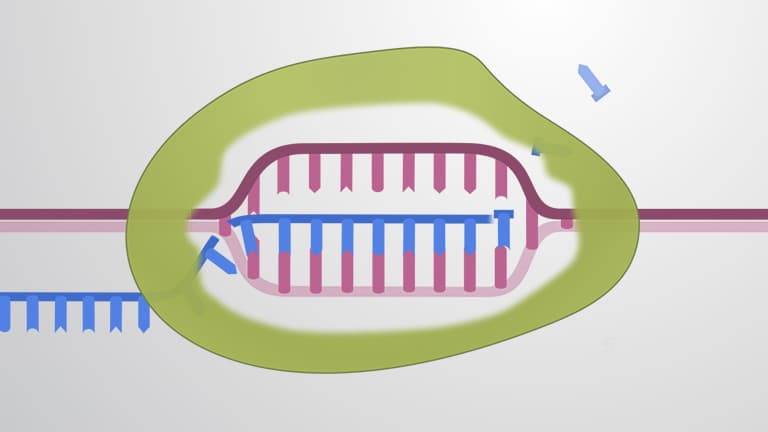
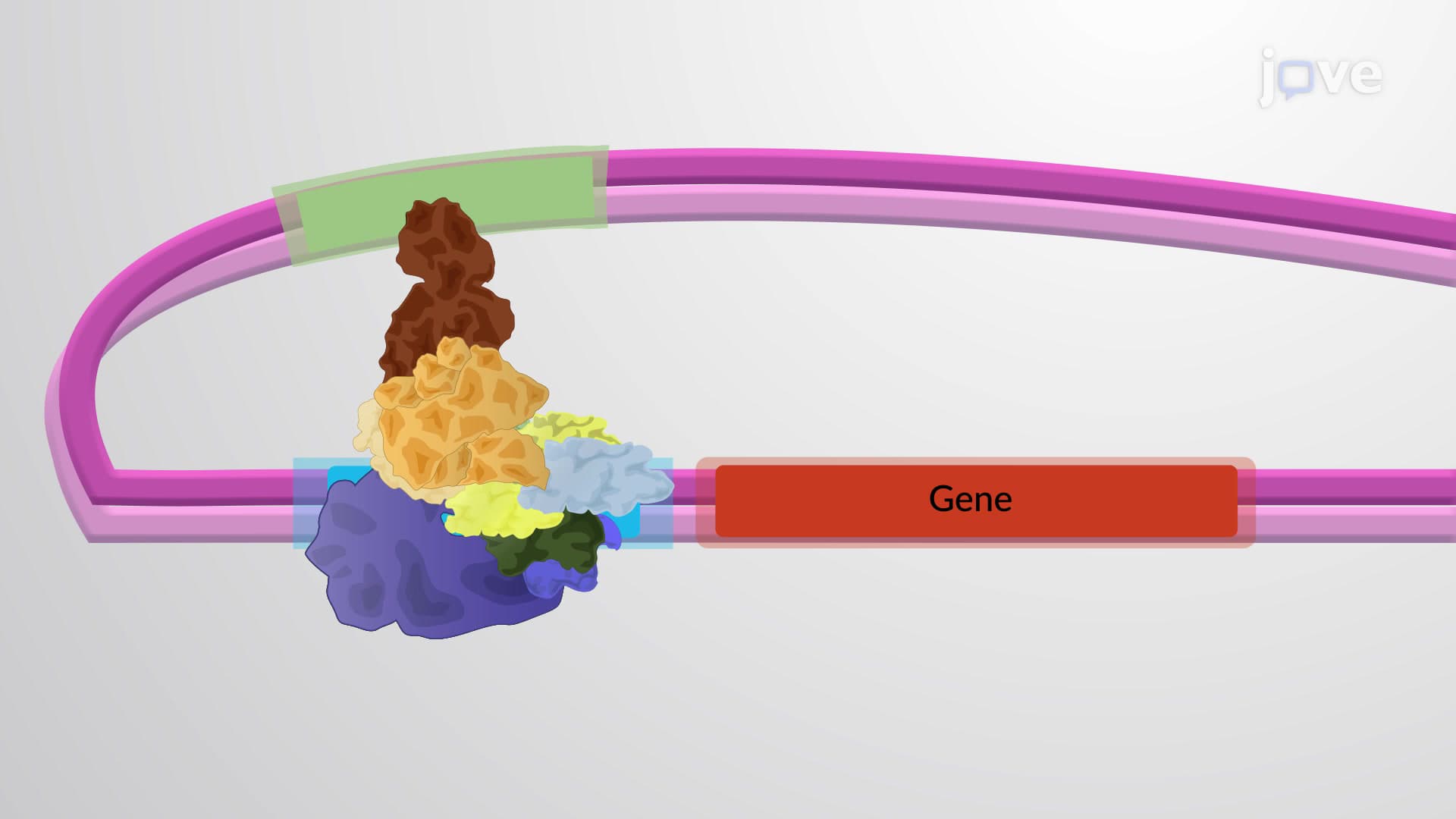
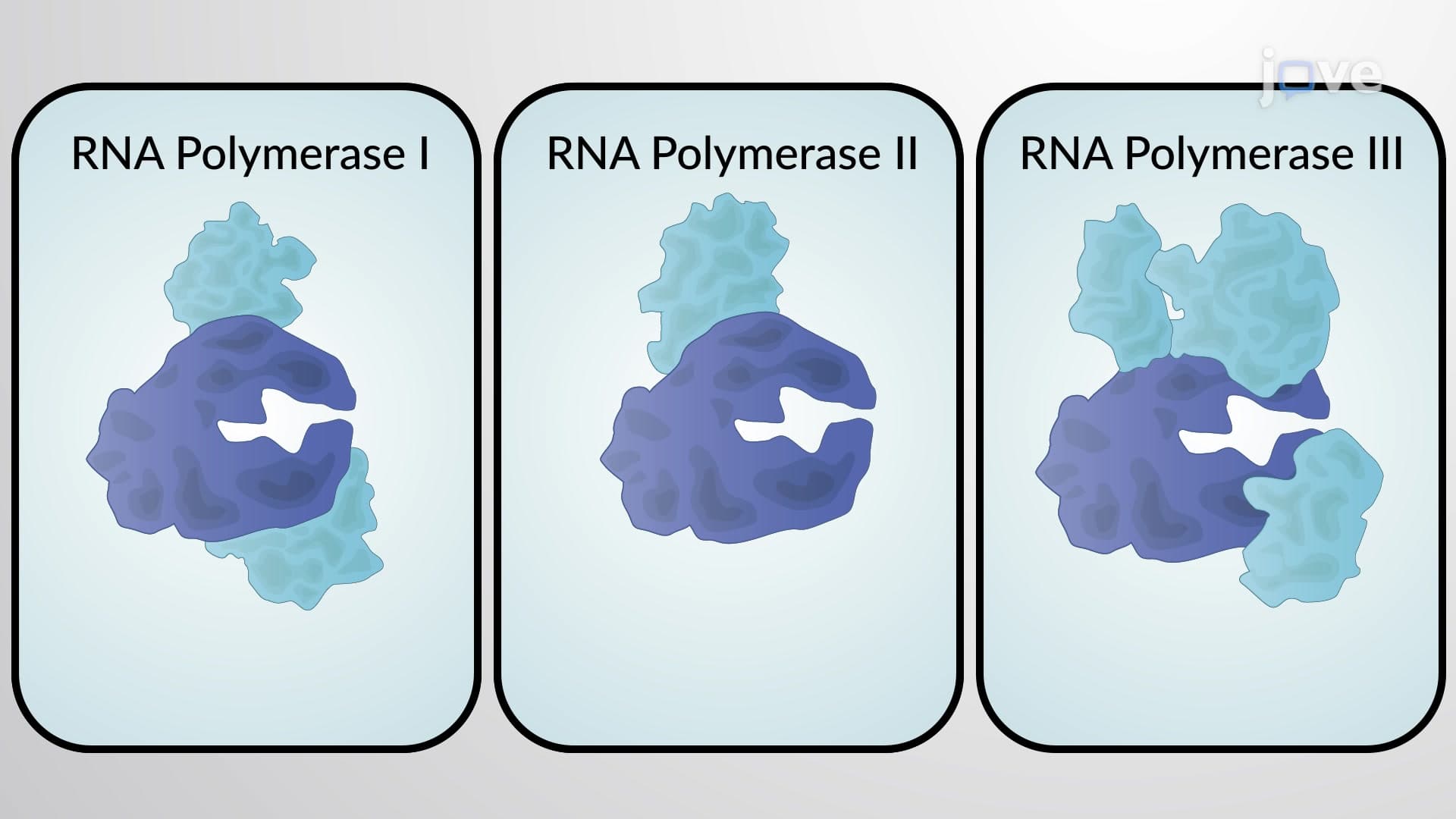
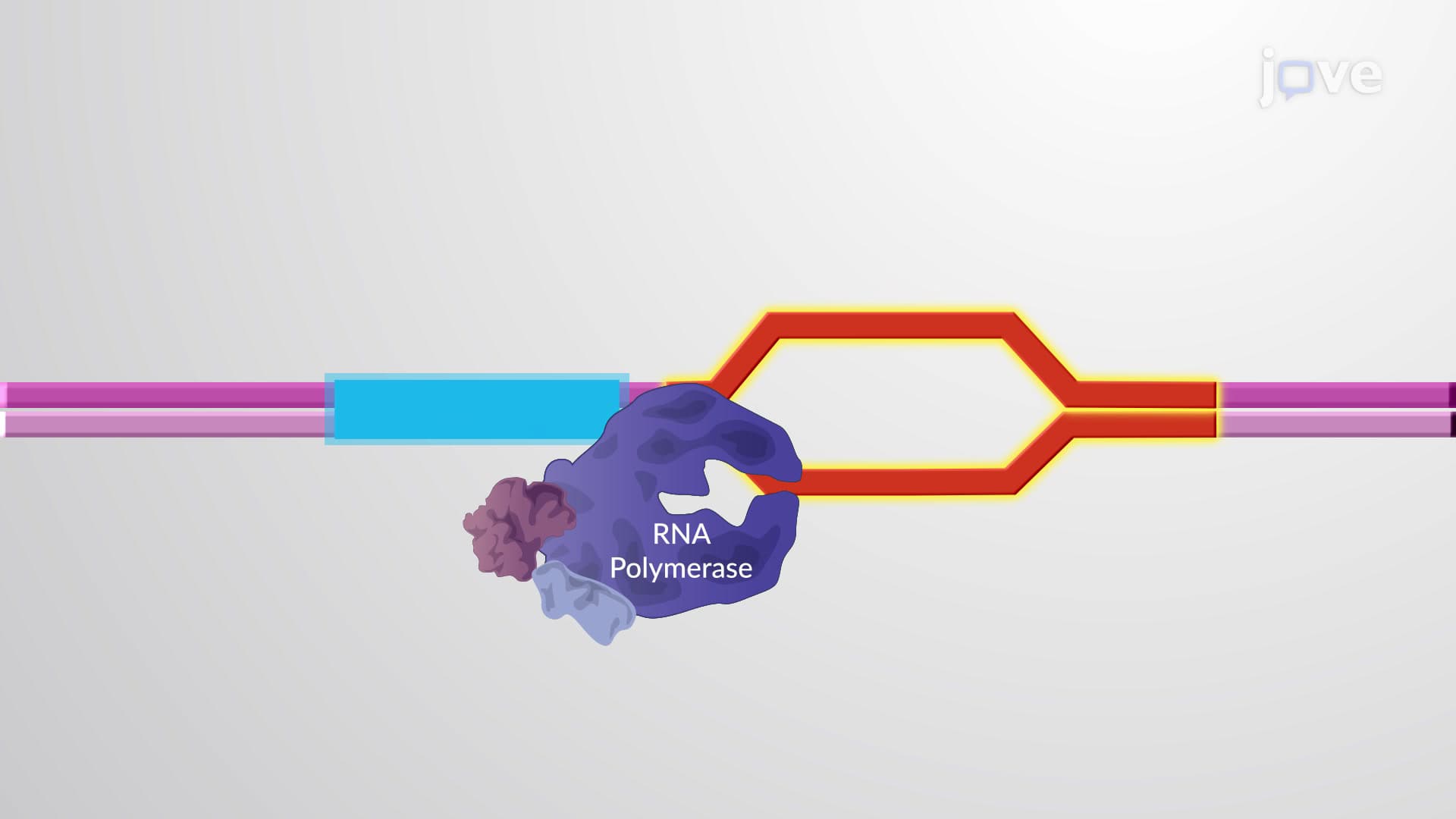
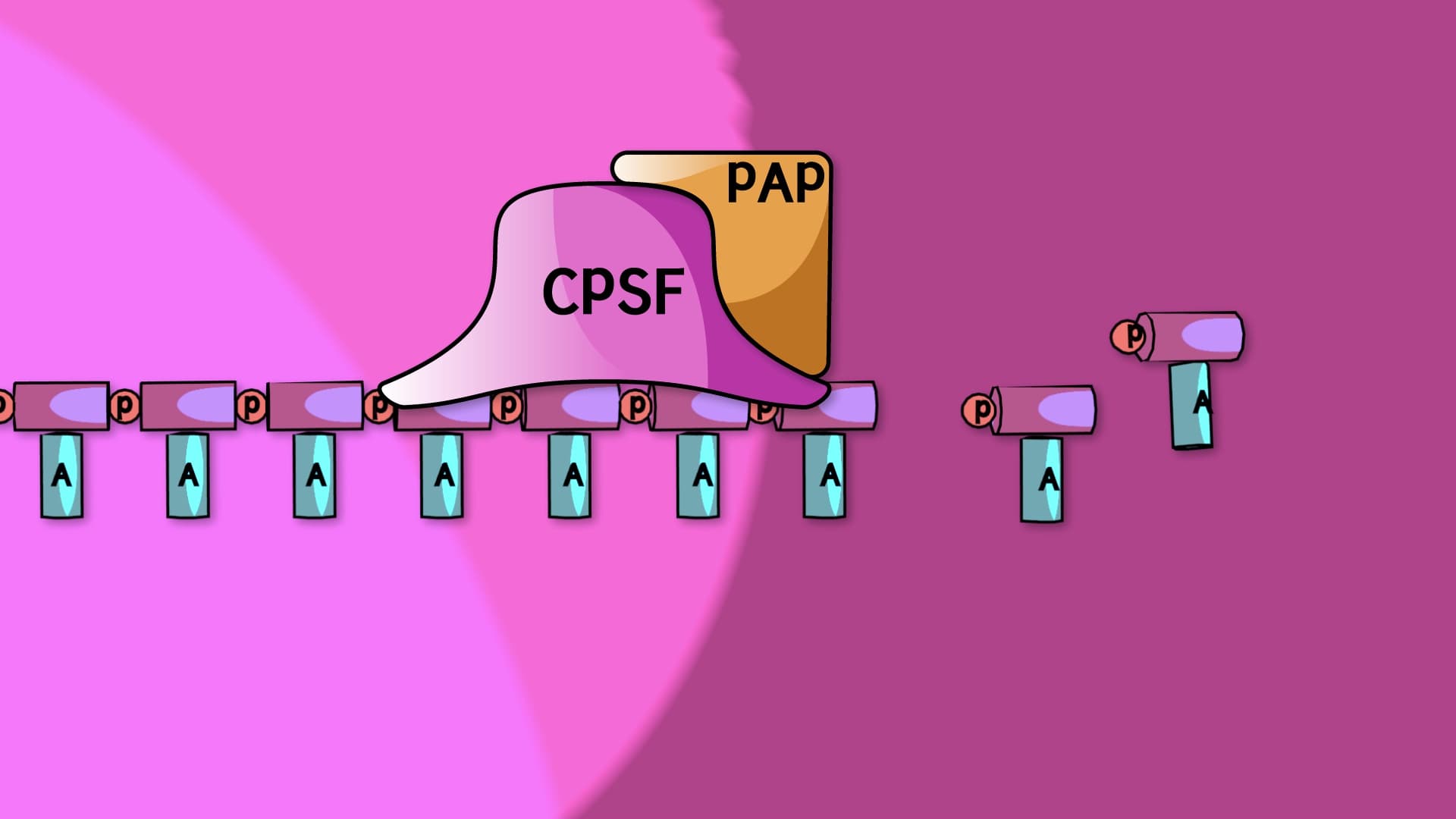
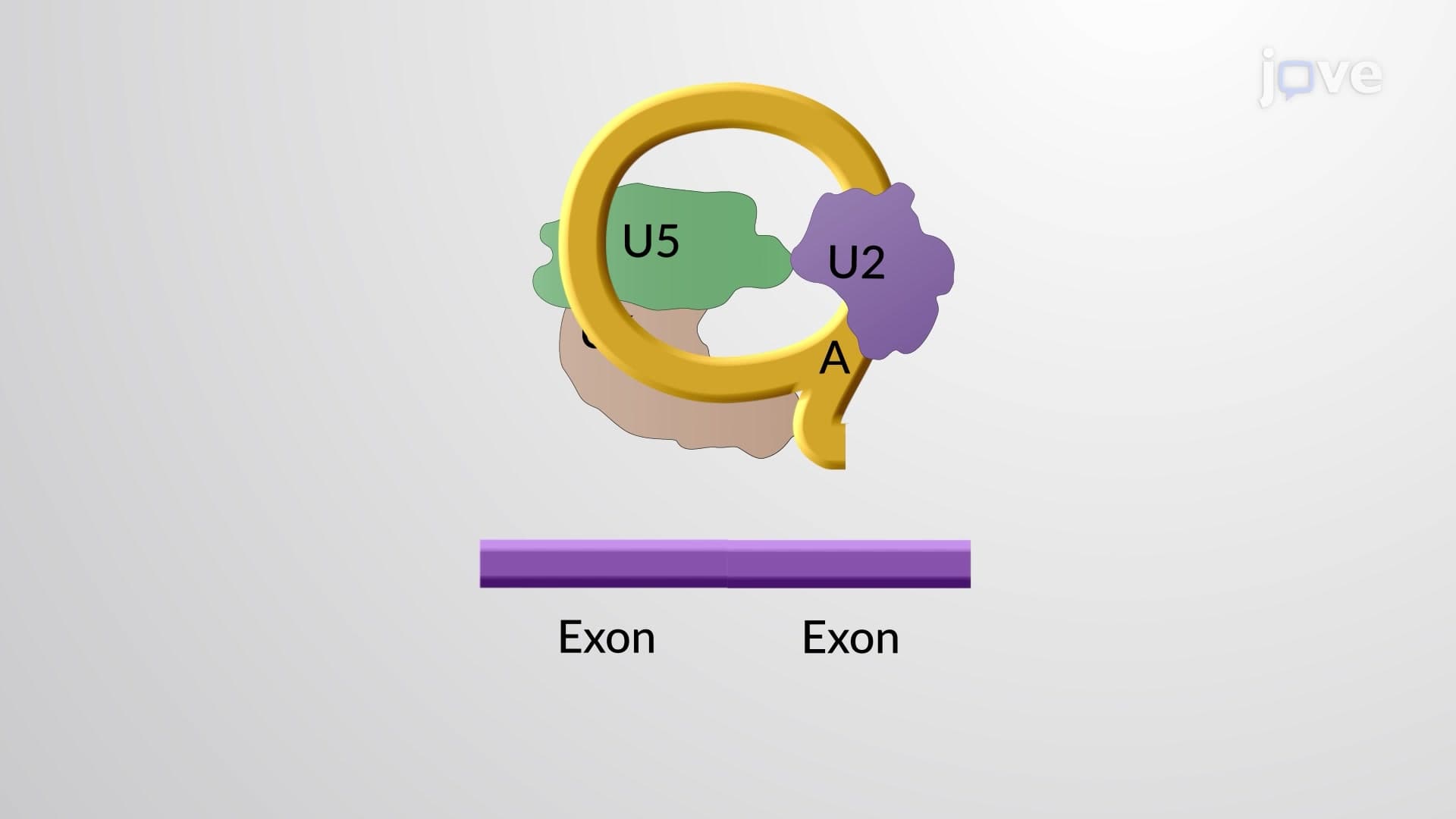
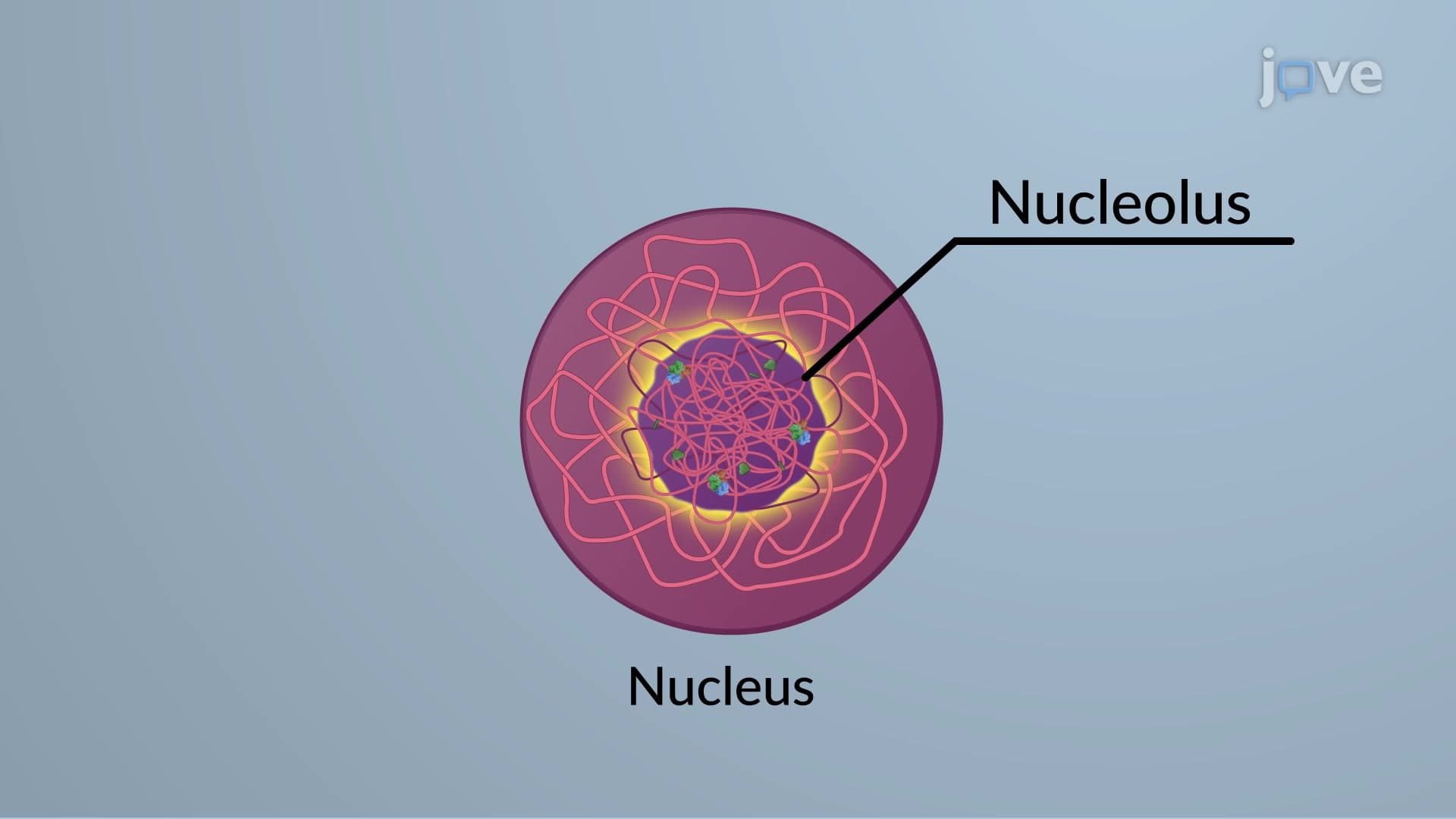
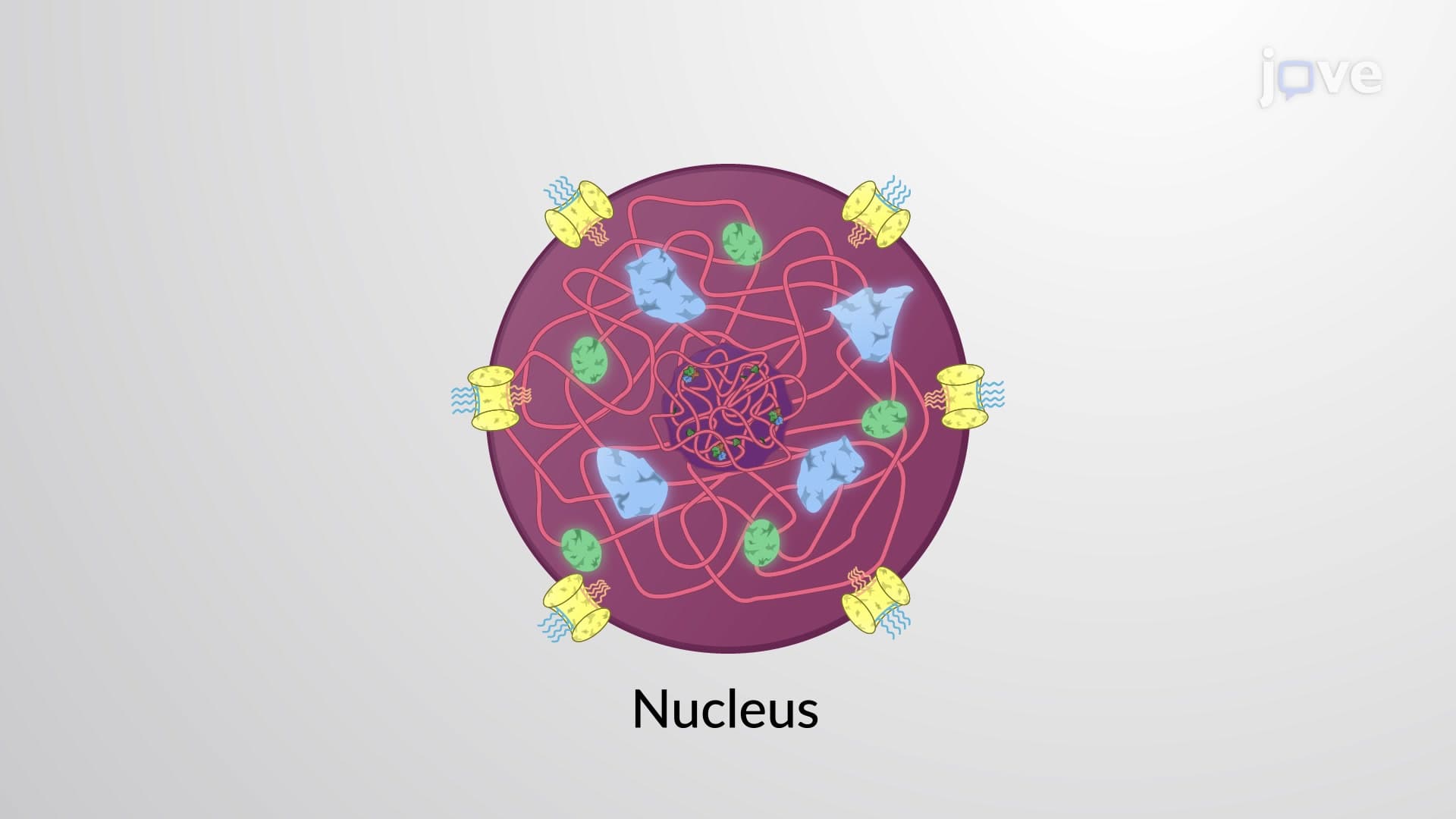
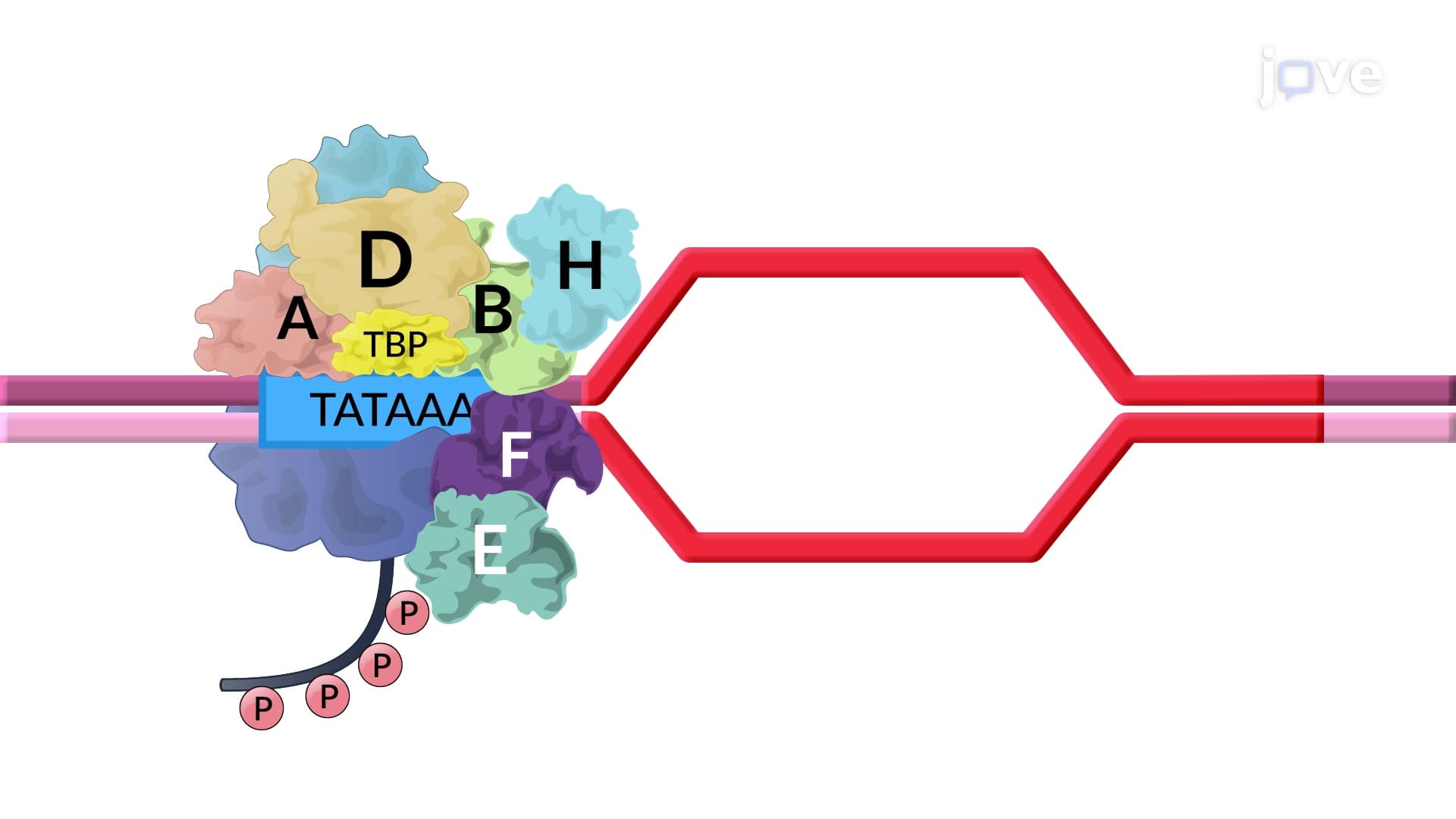
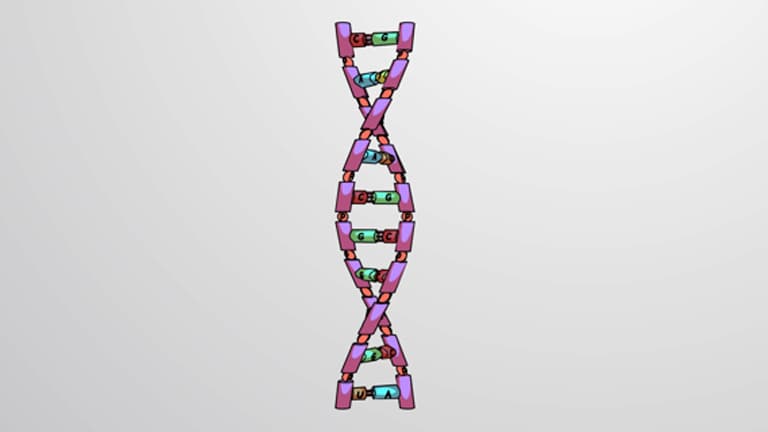
The journey begins with transcription, where RNA polymerase enzymes read DNA sequences and synthesize complementary RNA molecules. In eukaryotic cells, this process occurs within the nucleus, where primary RNA transcripts undergo extensive processing. The resulting mature mRNA molecules carry genetic instructions to ribosomes for protein synthesis. This transcriptional stage serves as the primary control point for gene expression, with transcription factors acting as molecular switches that determine which genes activate under specific conditions.
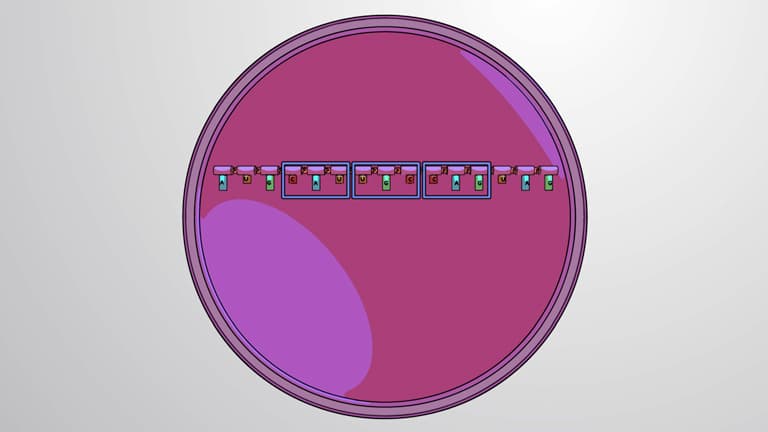
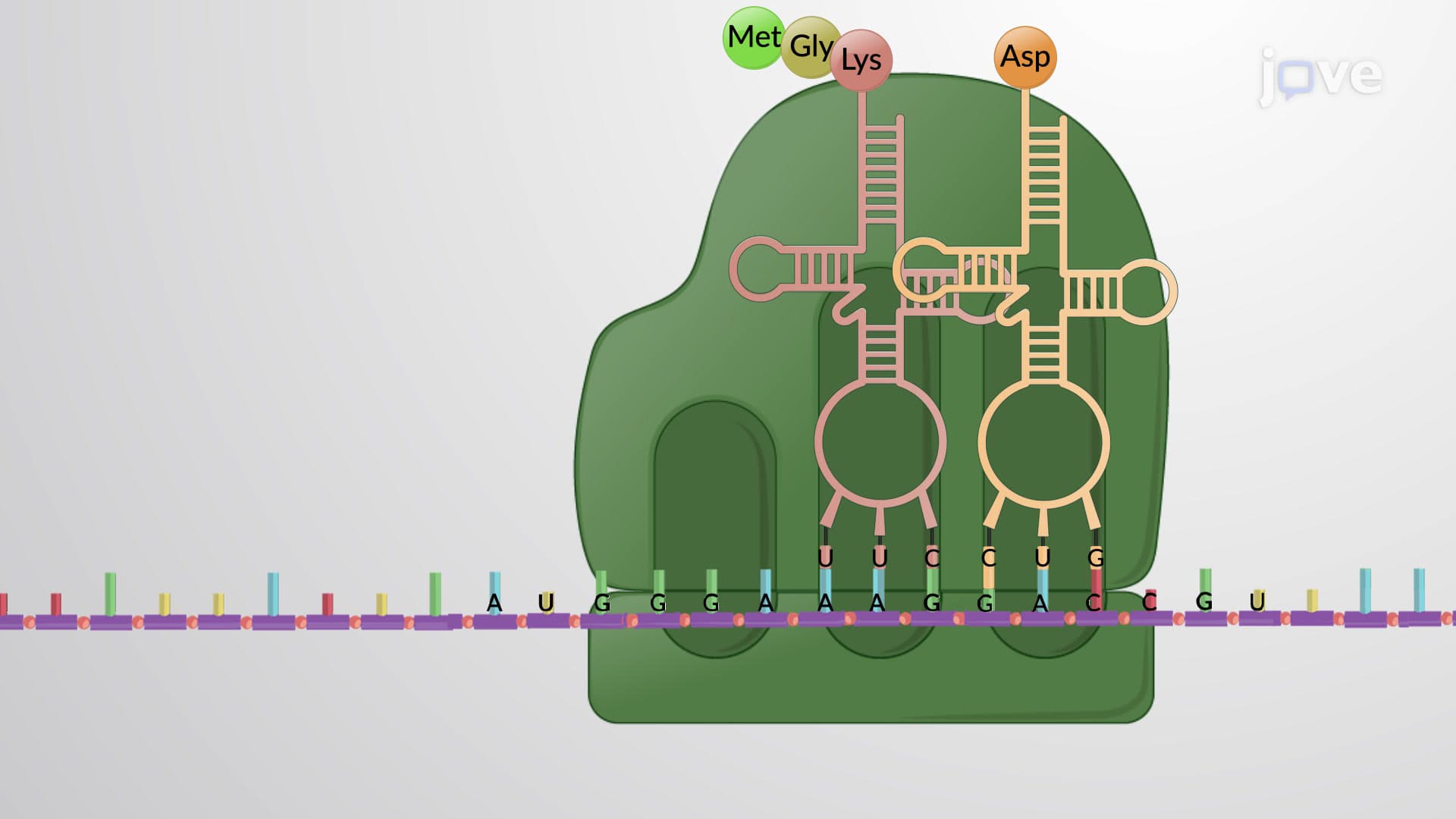
During translation, ribosomes decode mRNA sequences using transfer RNA (tRNA) molecules to assemble amino acids into functional proteins. This process involves multiple quality control mechanisms, including ribosome binding site recognition and codon-anticodon pairing accuracy. Post-translational modifications further refine protein function through phosphorylation, methylation, and other chemical changes that influence protein activity, localization, and stability.
Understanding gene expression proves crucial for addressing medical challenges facing Americans today. Cancer research relies heavily on gene expression analysis to identify therapeutic targets, while personalized medicine uses expression profiling to tailor treatments for individual patients. Agricultural biotechnology companies like Monsanto and DowDuPont engineer crops with modified expression patterns to enhance nutritional content and disease resistance.
For students preparing for standardized exams, gene expression concepts appear frequently on the AP Biology exam, MCAT, and college-level molecular biology courses. The College Board specifically emphasizes transcriptional regulation and the central dogma as essential knowledge areas, making this topic fundamental for pre-med and biology majors at institutions like Harvard, Stanford, and state universities nationwide.
Related Micro-courses