Loading subject page…


421,325 views

Video Summary: RNA Polymerase Ii Accessory Proteins Explained
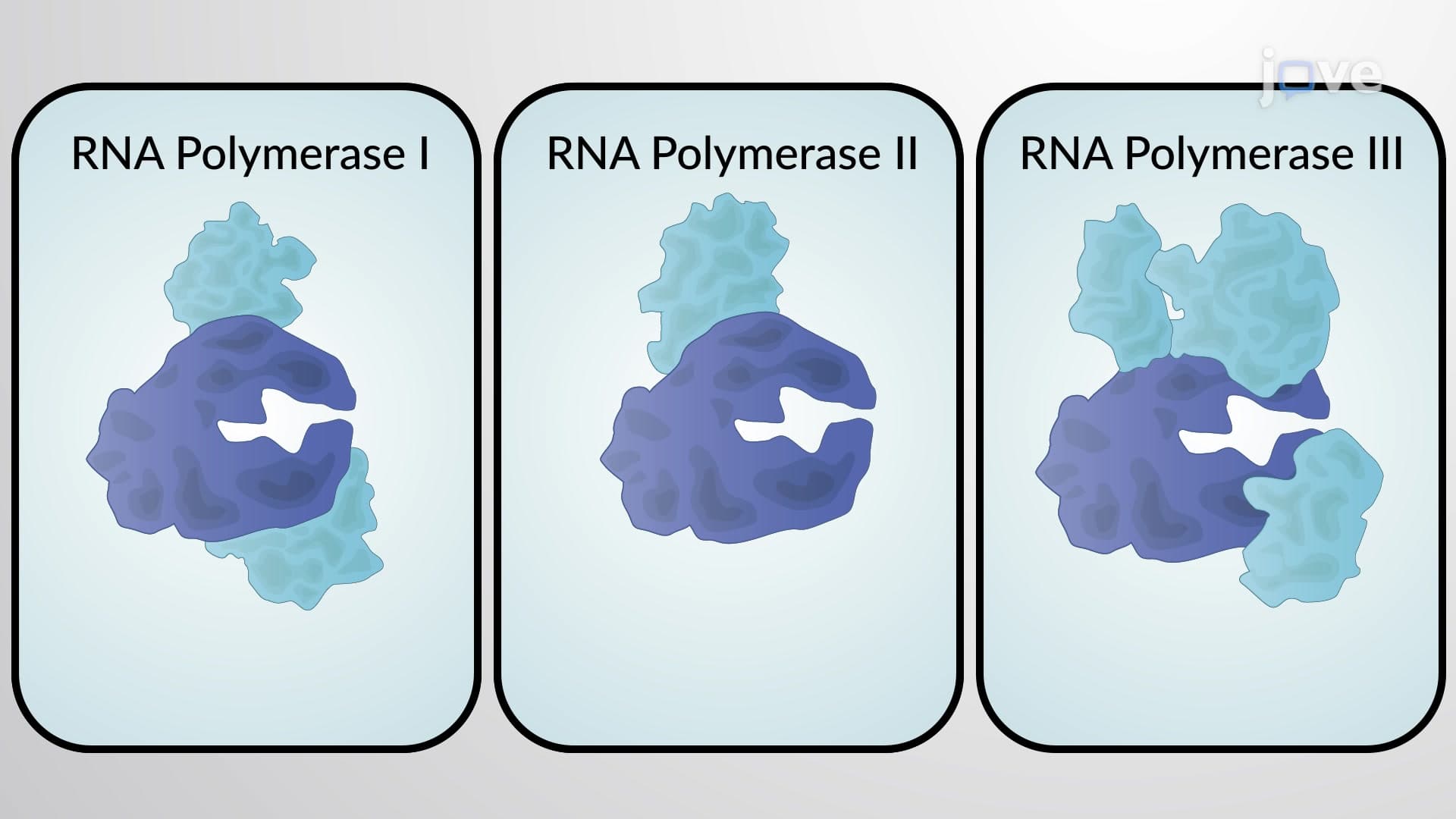
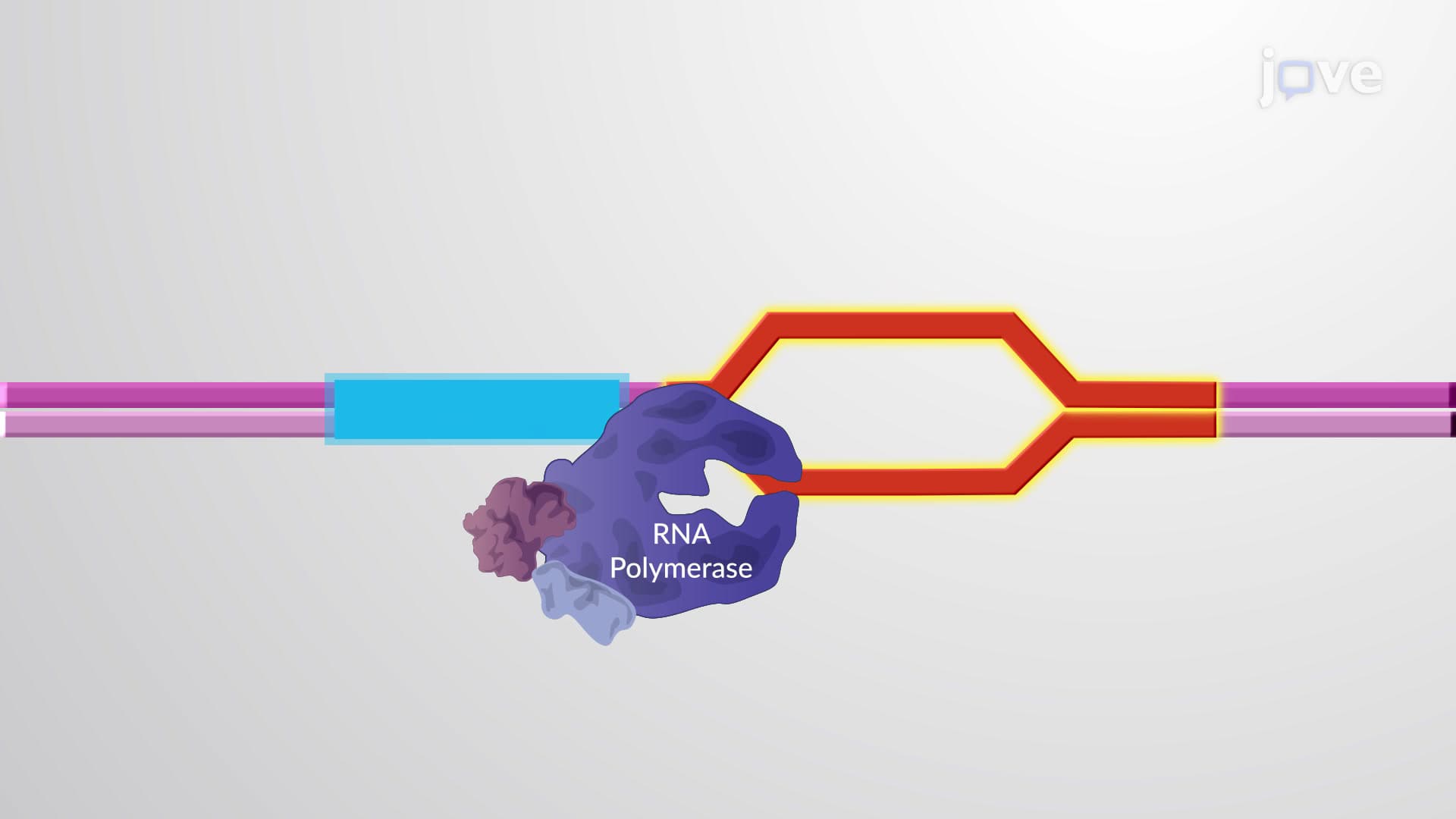
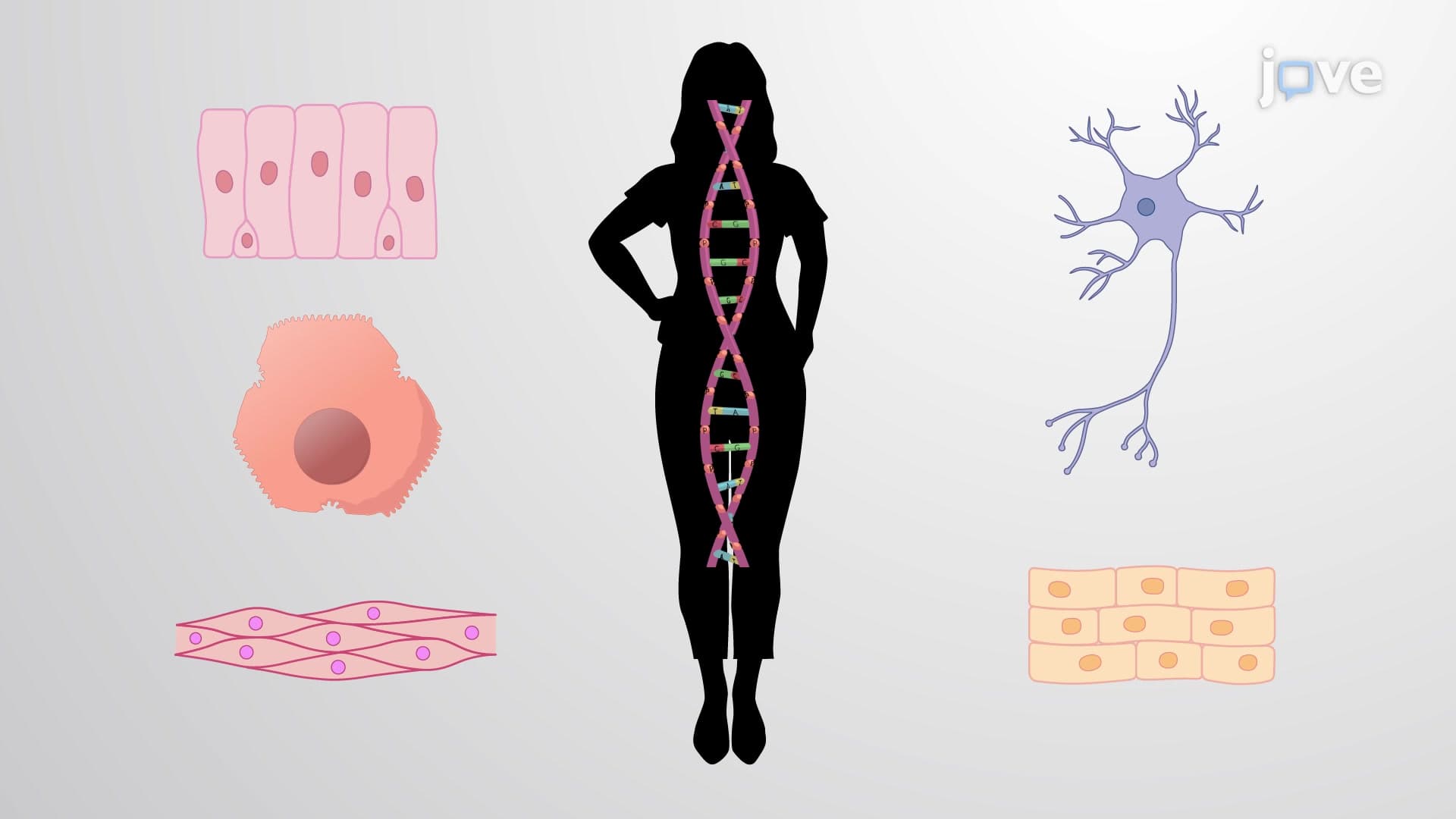
Ever wonder how a single human cell knows when to activate thousands of different genes at exactly the right moment? RNA polymerase II accessory proteins orchestrate this molecular symphony, working alongside transcription factors to control gene expression in eukaryotic cells. These regulatory proteins, including enhancers, activators, repressors, and the mediator complex, determine whether genes like insulin in pancreatic cells get transcribed at high levels or remain silent. Understanding RNA Polymerase II Accessory Proteins Explained reveals how cellular identity and function emerge from precise molecular coordination. Watch the full video on JoVE Coach to master this concept with expert-led visuals and step-by-step explanations.
RNA polymerase II accessory proteins form an intricate regulatory network that controls when, where, and how much of each gene gets transcribed in eukaryotic cells. Unlike prokaryotic transcription, which relies on simpler regulatory mechanisms, eukaryotic gene expression requires sophisticated coordination between multiple protein complexes and DNA elements. This complexity enables the precise control necessary for multicellular organism development and specialized cell function.
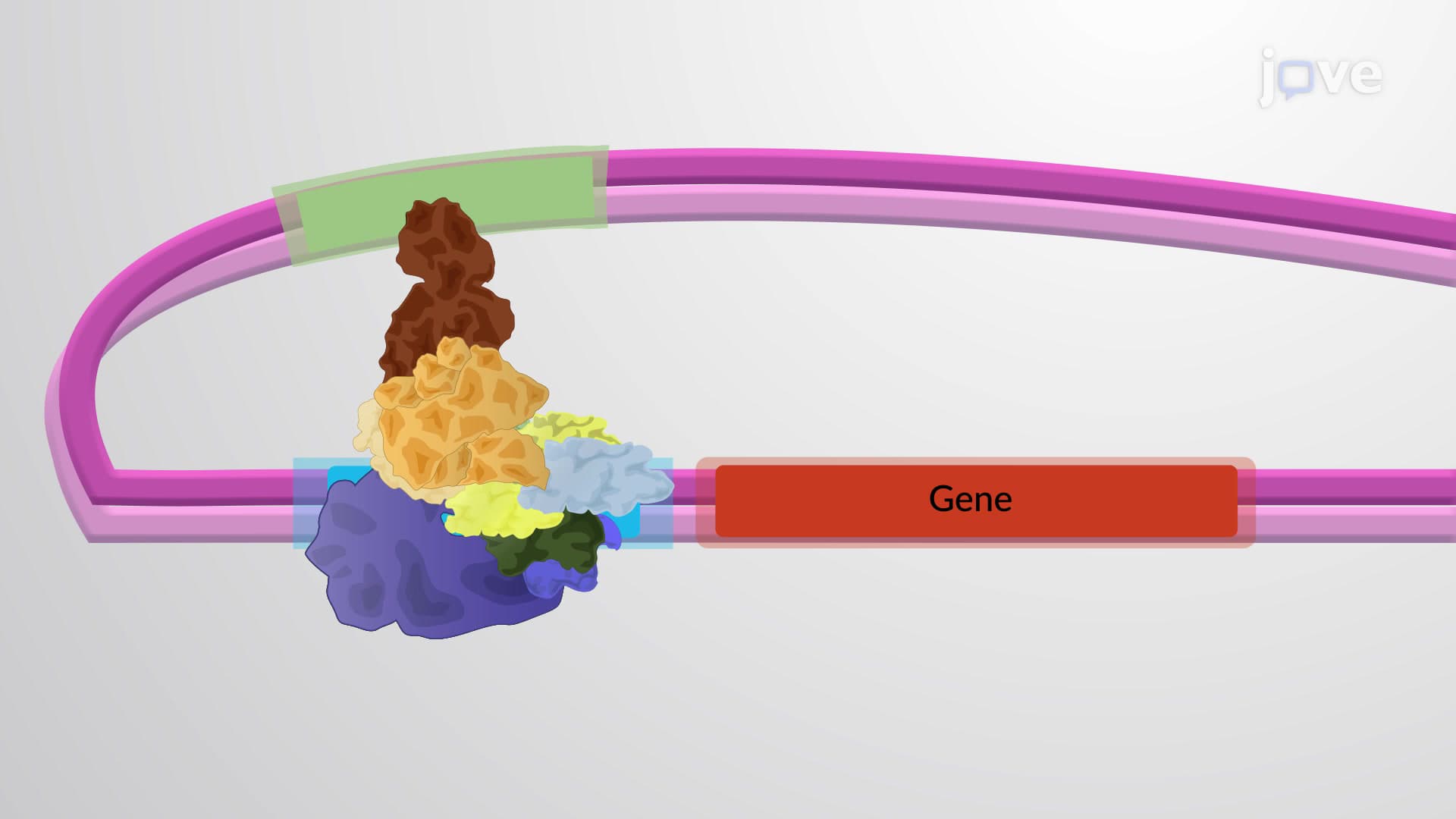
Enhancer sequences represent one of the most fascinating aspects of eukaryotic gene regulation. These 50-200 base pair DNA segments function as regulatory control centers, containing multiple binding sites for transcriptional activators. What makes enhancers remarkable is their position independence-they can regulate genes from thousands of base pairs away, even when located downstream or within introns. For example, the enhancer controlling insulin gene expression in pancreatic beta cells can function regardless of its distance from the insulin promoter. This flexibility allows for complex regulatory patterns essential in organisms like humans, where different cell types must express distinct gene sets from identical DNA.
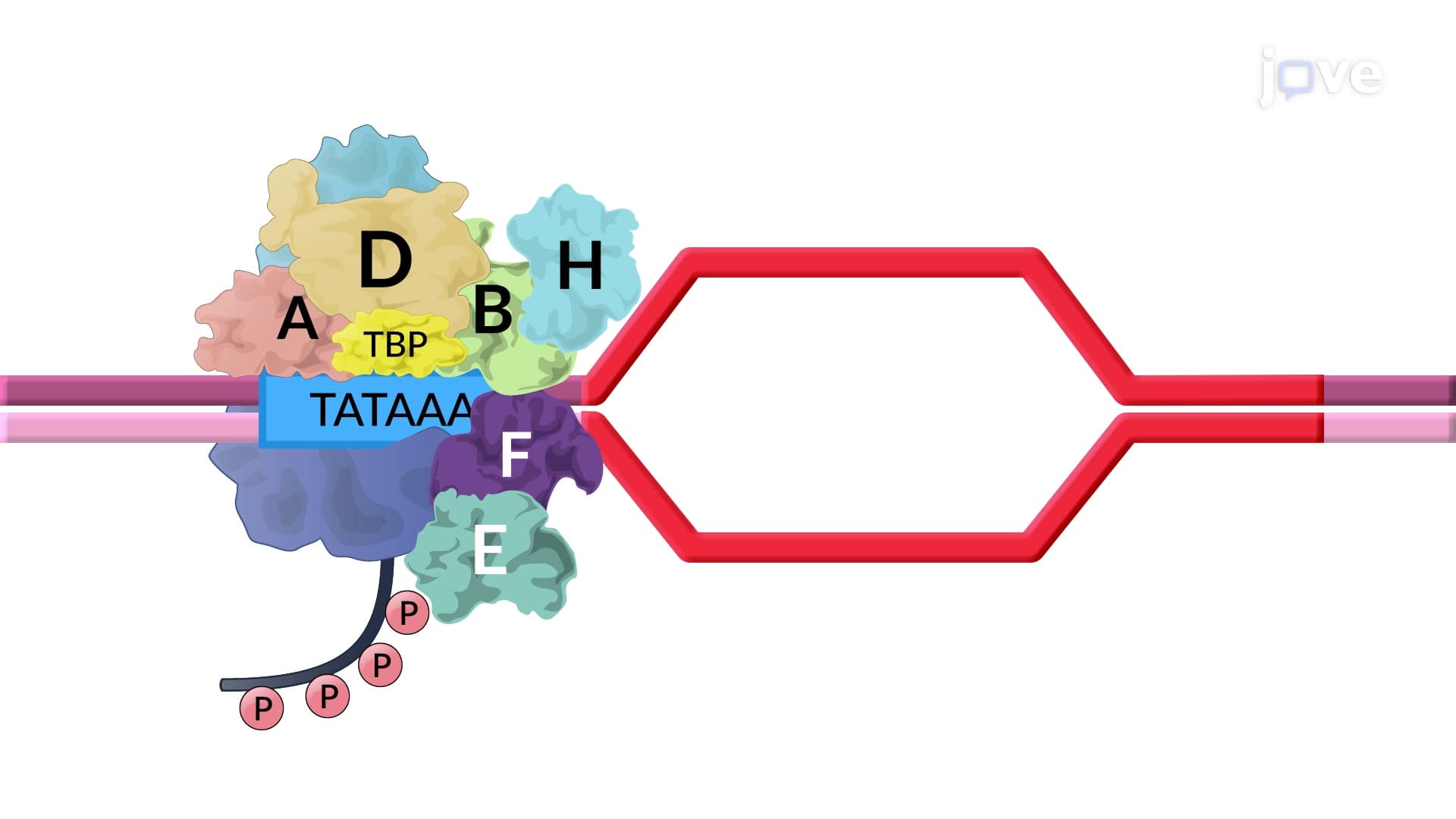
Transcriptional activators exemplify modular protein design, featuring distinct DNA-binding and activation domains. The DNA-binding domain provides sequence-specific recognition of enhancer elements, while the activation domain communicates with the transcriptional machinery. However, this communication requires the mediator complex-a multi-subunit protein bridge that relays regulatory signals to RNA polymerase II and general transcription factors. The mediator's structural flexibility allows it to integrate signals from multiple activators simultaneously, enabling the combinatorial control essential for proper gene expression. Students preparing for AP Biology or college biochemistry courses should understand how this modular organization allows cells to achieve precise transcriptional control.
Transcriptional repressors employ three distinct strategies to inhibit gene expression. Active repressors interfere directly with general transcription factor binding, while competitive repressors occupy enhancer sites to prevent activator binding. Steric repressors physically block RNA polymerase or transcription factor access to promoter regions. This multi-layered repression system ensures that genes remain silent when not needed-crucial for preventing inappropriate gene expression that could disrupt cellular function or cause disease.
Related Micro-courses