Loading subject page…


421,325 views

Video Summary: What are Additional Subnuclear Structures
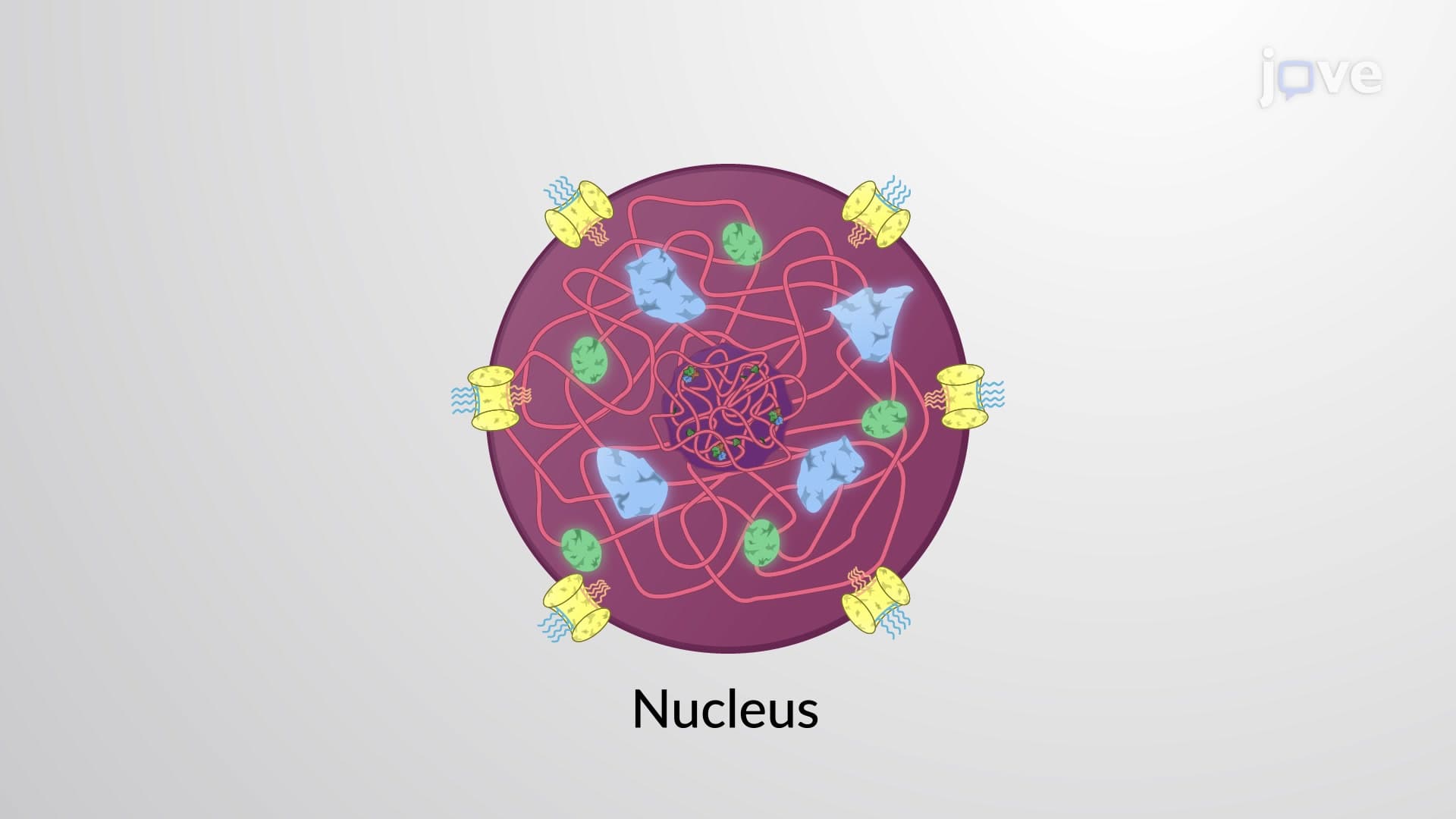
Did you know that inside every cell nucleus in your body, there are specialized "factories" working around the clock to process genetic information? Additional subnuclear structures are membrane-free compartments within the nucleus that perform critical cellular functions beyond the well-known nucleolus. For instance, researchers at Harvard Medical School have identified these structures as key players in genetic diseases when they malfunction. Watch the full video on JoVE Coach to master this concept with expert-led visuals and step-by-step explanations.
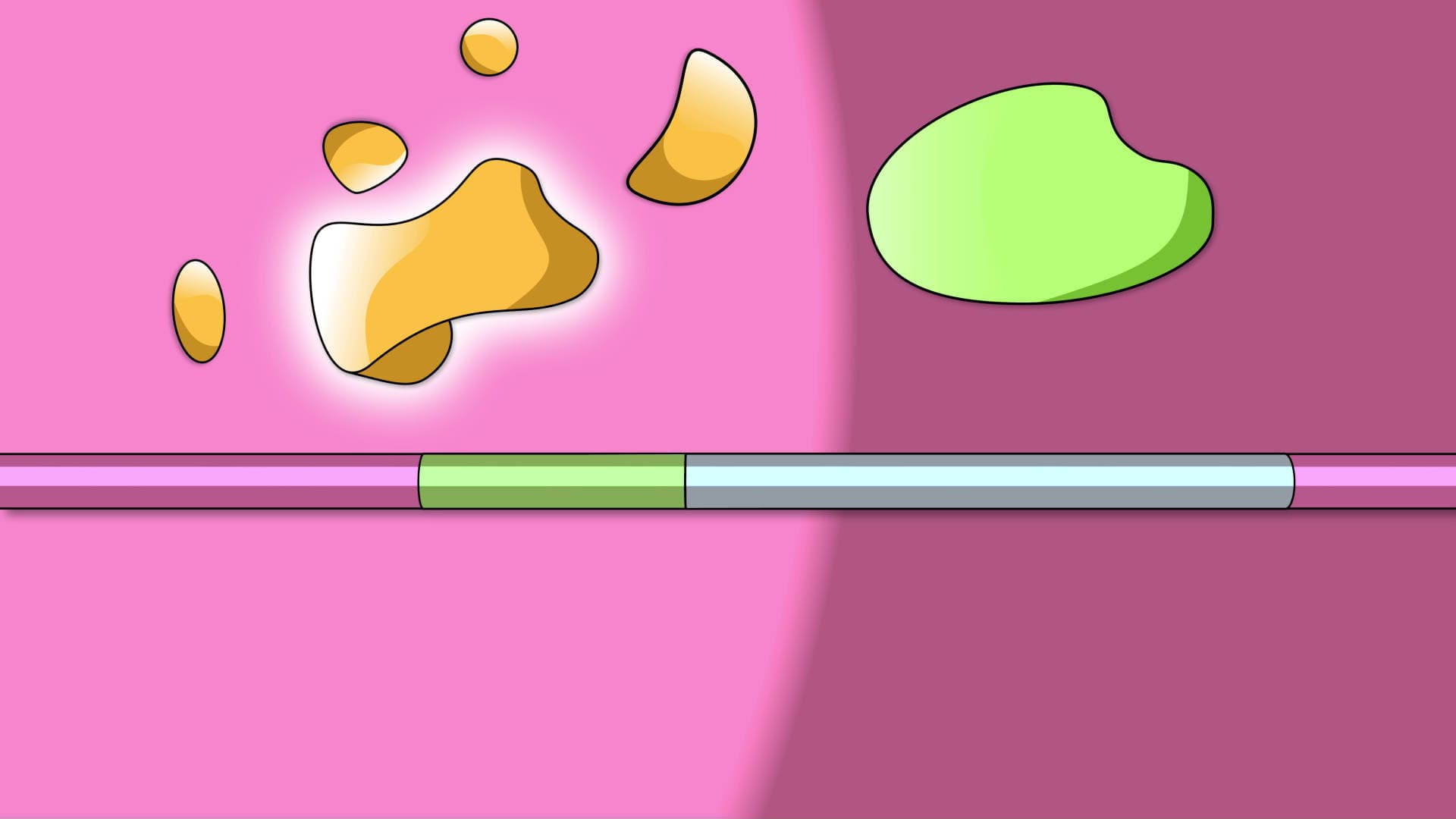
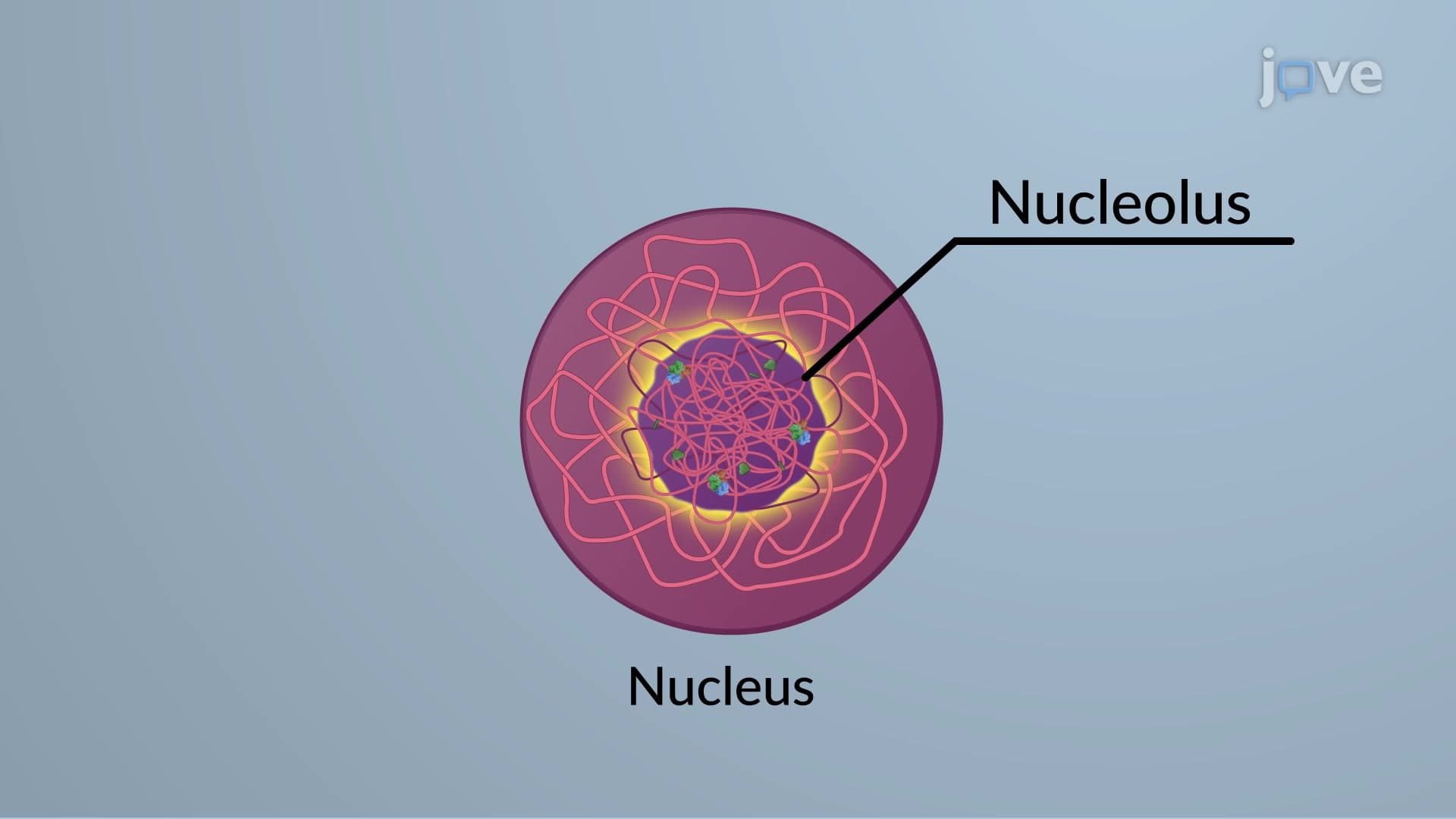
What are additional subnuclear structures? These are specialized, membrane-free compartments within the eukaryotic nucleus that organize and facilitate specific cellular processes. While the nucleolus gets most of the attention in introductory biology courses, these additional structures play equally critical roles in gene expression and RNA processing. Think of them as dedicated workstations within the cellular "headquarters", each optimized for specific tasks that keep your cells functioning properly.
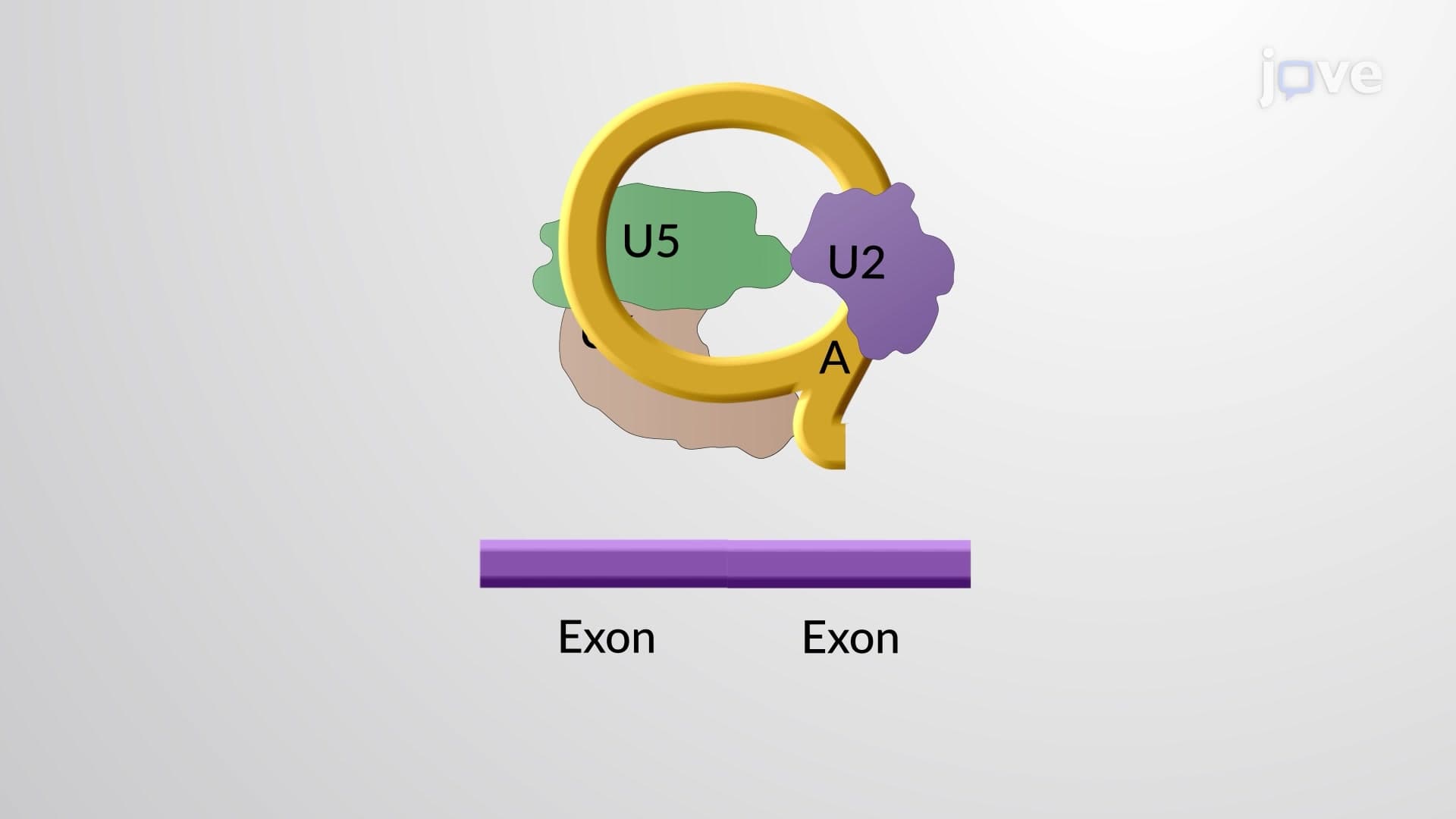
Cajal bodies represent one of the most important additional subnuclear structures, functioning as sophisticated assembly centers for small nuclear ribonucleoproteins (snRNPs). Named after Spanish neuroscientist Santiago Ramón y Cajal, these spherical structures concentrate the proteins and RNAs needed for snRNP biogenesis. This process is crucial because snRNPs form the core machinery of spliceosomes, the cellular complexes that remove introns from pre-mRNA transcripts.
Within Cajal bodies, specialized guide RNAs called scaRNAs (small Cajal body-associated RNAs) perform post-transcriptional modifications on snRNAs. These modifications, including pseudouridylation and methylation, are essential for snRNP stability and function. When these modifications go wrong, serious genetic disorders can result, including spinal muscular atrophy, a condition studied extensively at institutions like Johns Hopkins University.
Interchromatin granule clusters, also called nuclear speckles, serve as storage and supply centers for mature snRNPs and other RNA processing components. Unlike the organized spherical structure of Cajal bodies, speckles appear as irregular, amorphous regions scattered throughout the nucleoplasm. These structures demonstrate remarkable plasticity, changing size and composition based on the cell's transcriptional activity and cell cycle stage.
Understanding additional subnuclear structures is increasingly important for students pursuing careers in medicine, biotechnology, and research. The MCAT frequently includes questions about nuclear organization, and AP Biology students encounter these concepts when studying gene expression. Medical students at institutions like the University of California system learn how dysfunction in these structures contributes to diseases ranging from cancer to neurodegenerative disorders.
The concentration principle exhibited by these structures, where high local concentrations of components facilitate rapid assembly and transport, represents a fundamental concept in cell biology that appears across multiple biological systems. This principle helps explain how cells achieve remarkable efficiency in complex biochemical processes despite the chaotic nature of the cellular environment.
Related Micro-courses