Loading subject page…


421,326 views

Video Summary: What are Eukaryotic RNA Polymerases
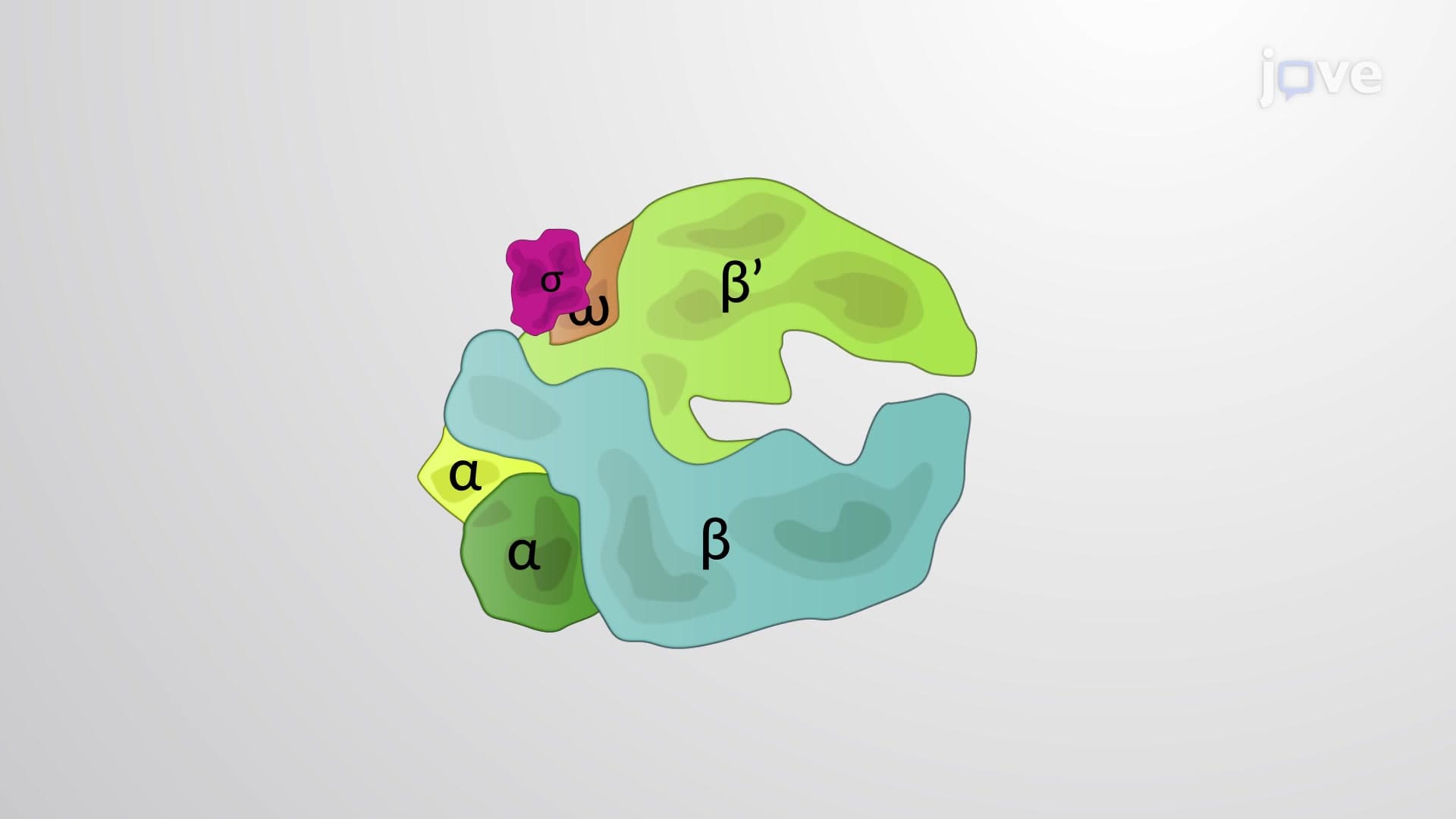
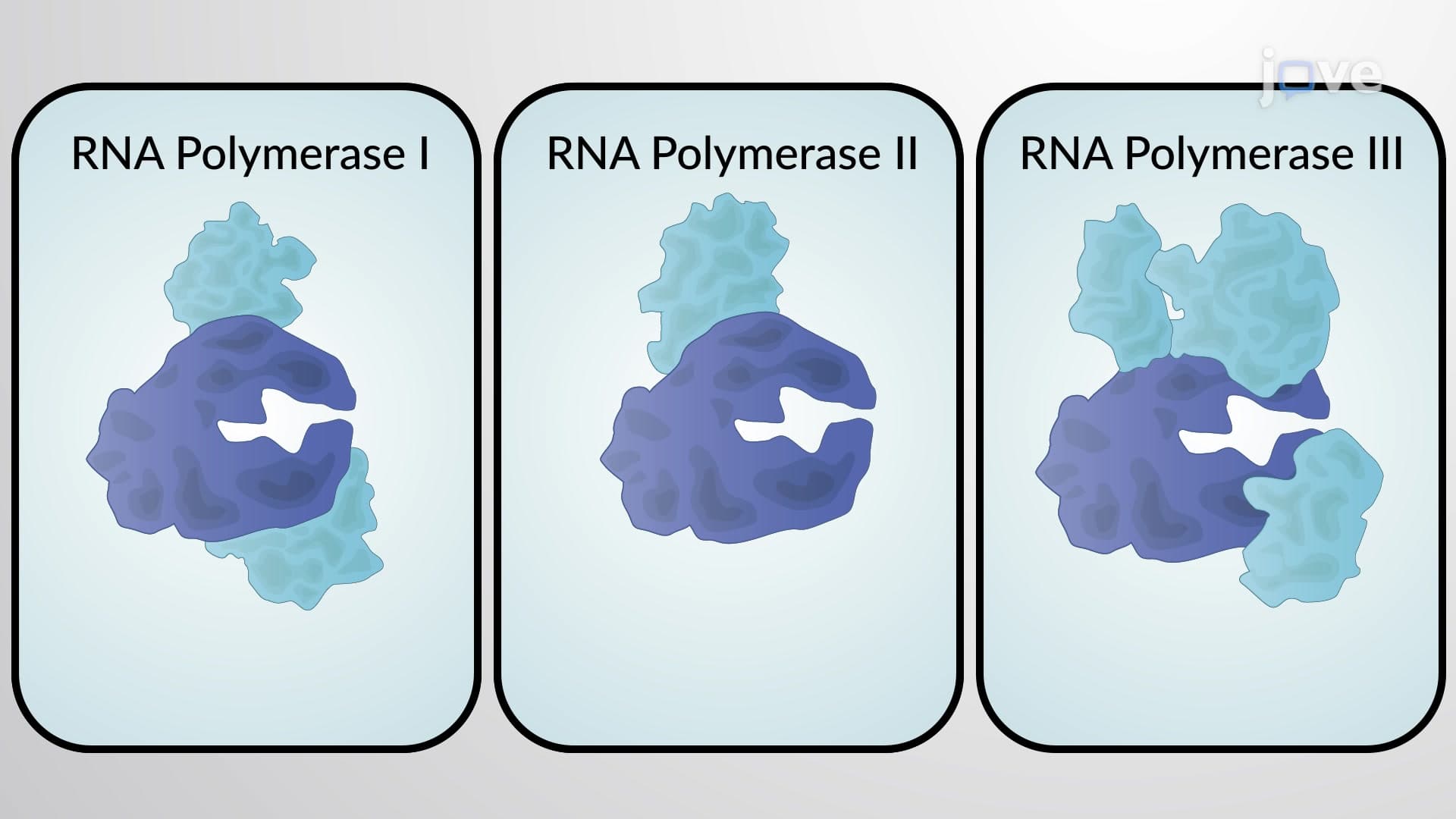
Did you know that while bacteria use just one RNA polymerase to transcribe all their genes, human cells require three distinct RNA polymerases to handle different cellular tasks? Eukaryotic RNA polymerases are specialized molecular machines that work like assembly lines in pharmaceutical companies such as Pfizer, where different production lines manufacture different types of medications. Understanding what are eukaryotic RNA polymerases reveals how cells organize complex gene expression processes through RNA Polymerase I, II, and III, each with unique roles in transcription. Watch the full video on JoVE Coach to master this concept with expert-led visuals and step-by-step explanations.
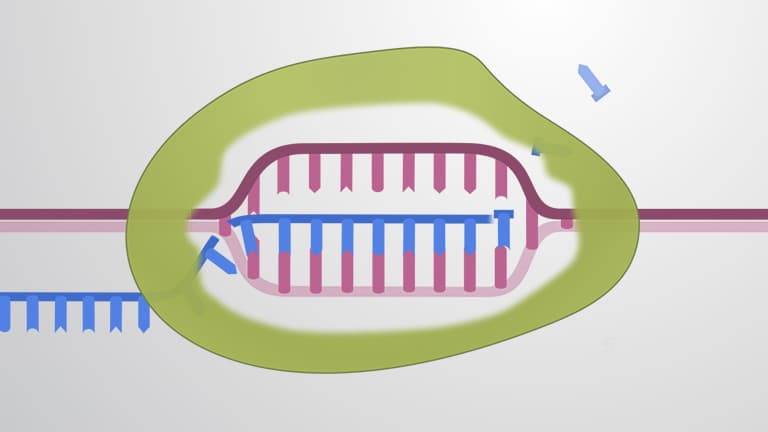
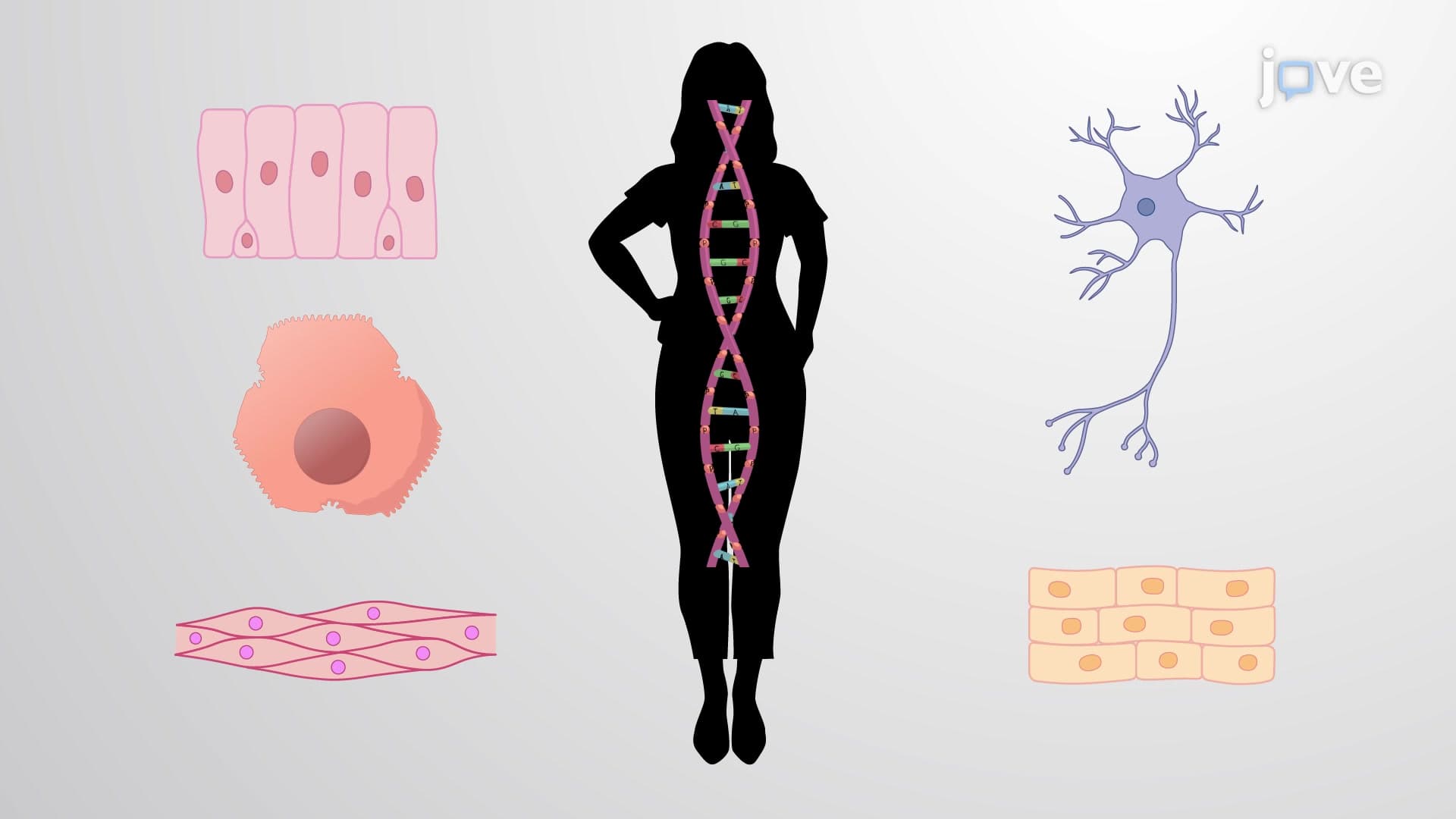
Eukaryotic RNA polymerases represent one of evolution's most elegant solutions to managing complex gene expression. Unlike prokaryotes that rely on a single RNA polymerase, eukaryotic cells employ three specialized enzymes-RNA Polymerase I, II, and III-each fine-tuned for specific transcriptional tasks. This specialization allows human cells to coordinate the production of over 20,000 different proteins while maintaining precise control over gene expression.
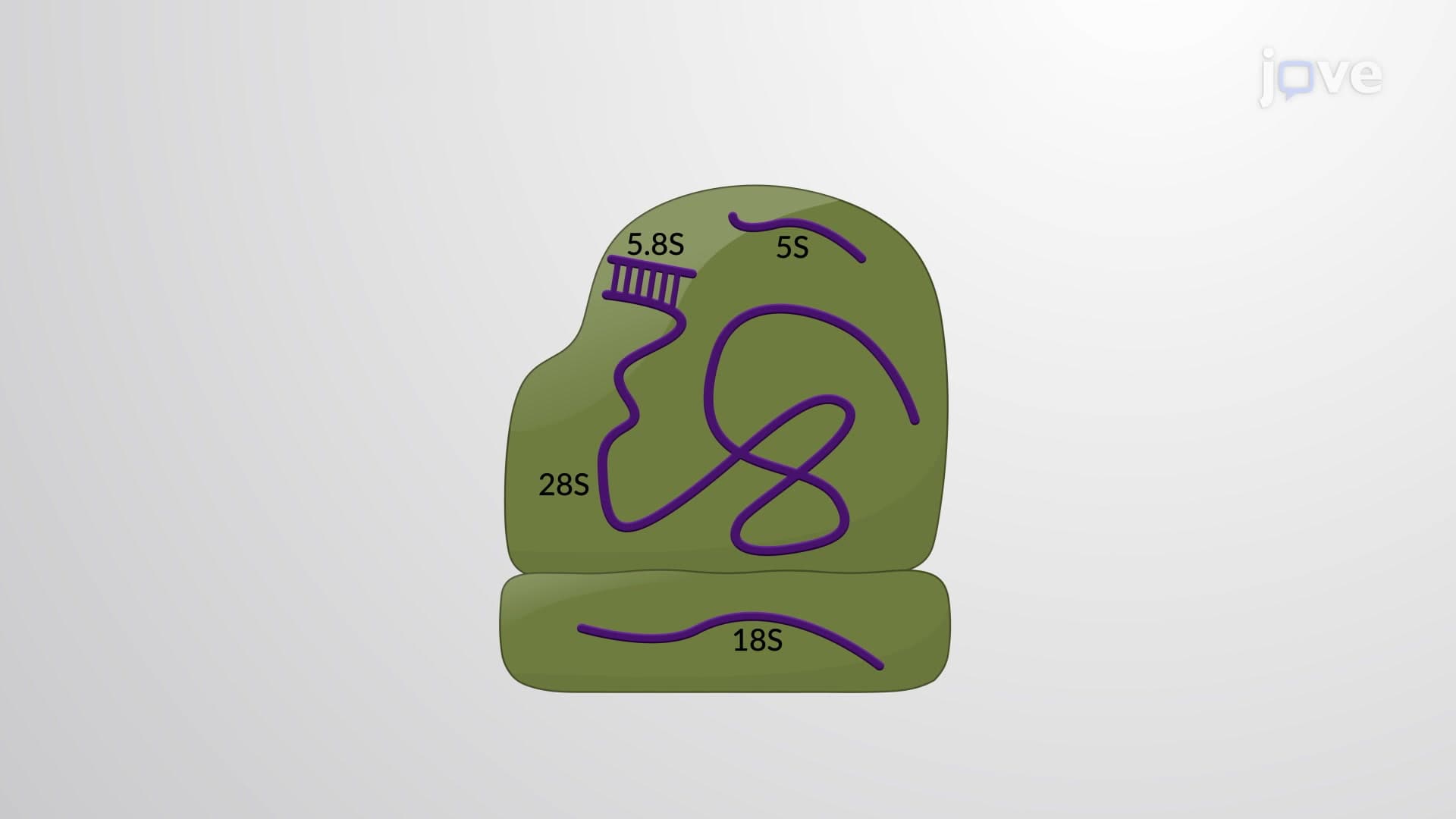
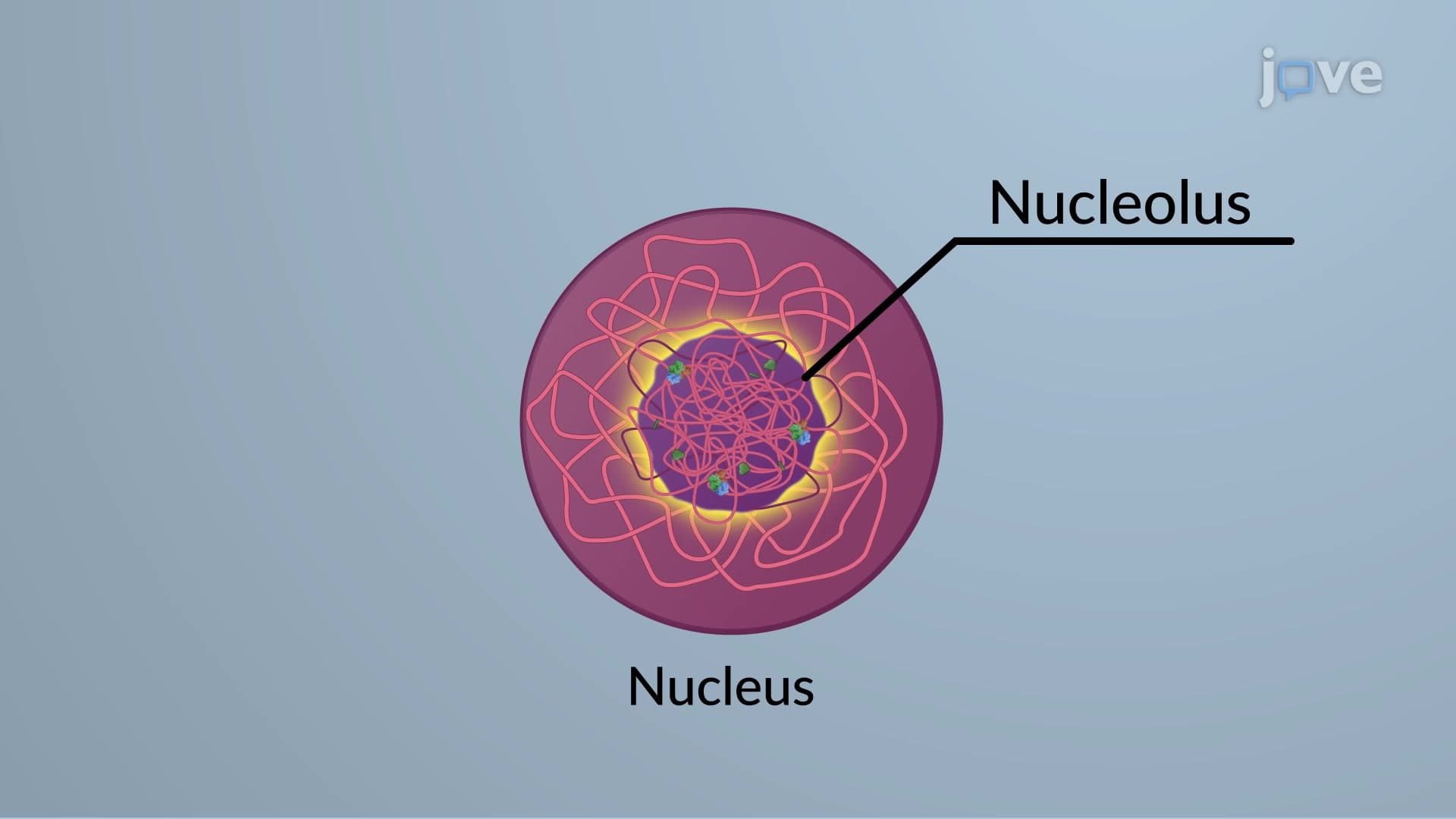
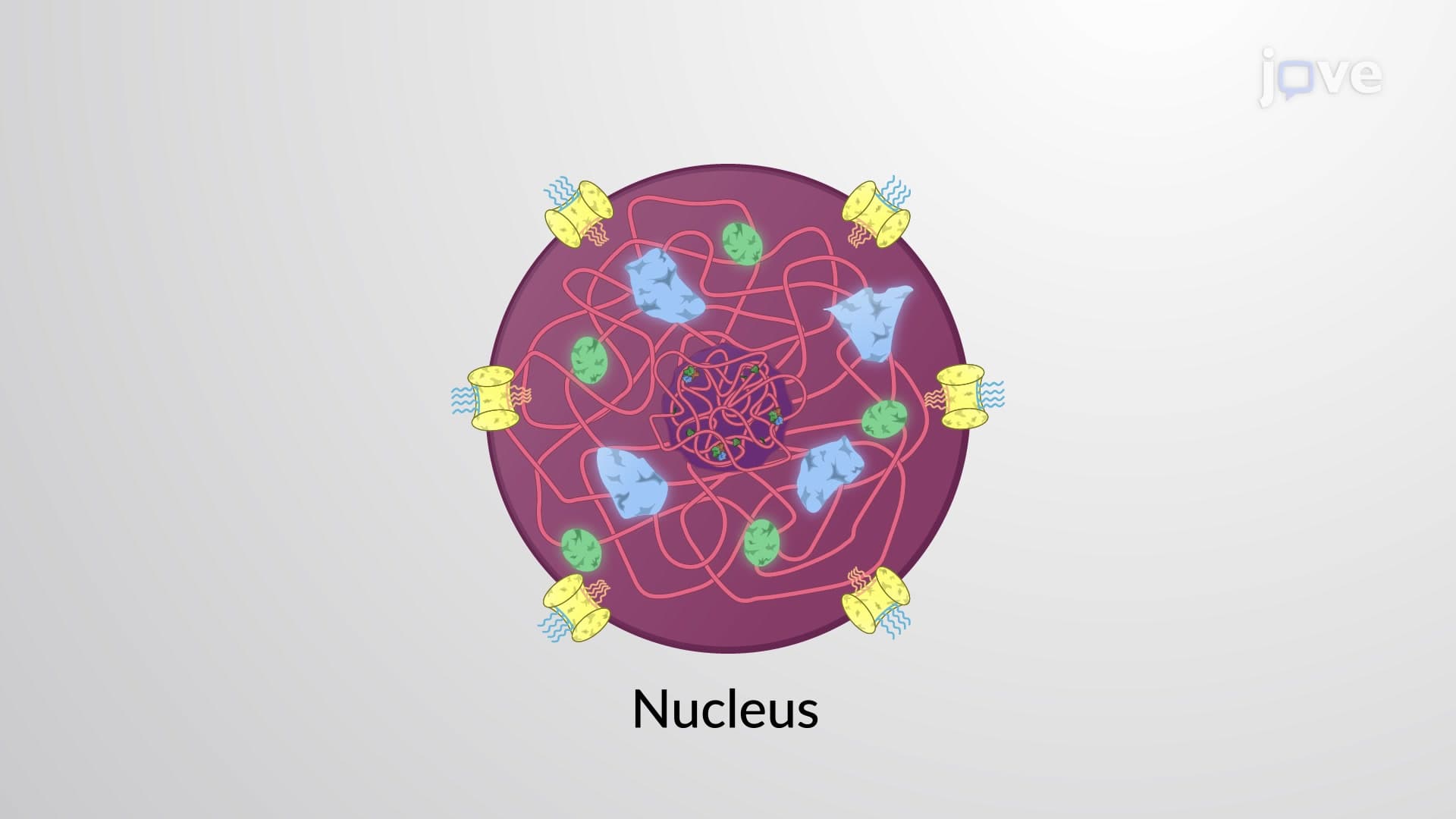
RNA Polymerase I (Pol I) functions as the cell's ribosome production specialist, transcribing most ribosomal RNA (rRNA) genes. These rRNA molecules form the structural and catalytic core of ribosomes, the protein-making machines found in every cell. In rapidly dividing cells, such as those in bone marrow or intestinal lining, Pol I works overtime to meet the massive demand for ribosomes. Students preparing for the MCAT or AP Biology exam should understand that Pol I transcription occurs in the nucleolus, a distinct nuclear compartment where ribosome assembly begins.
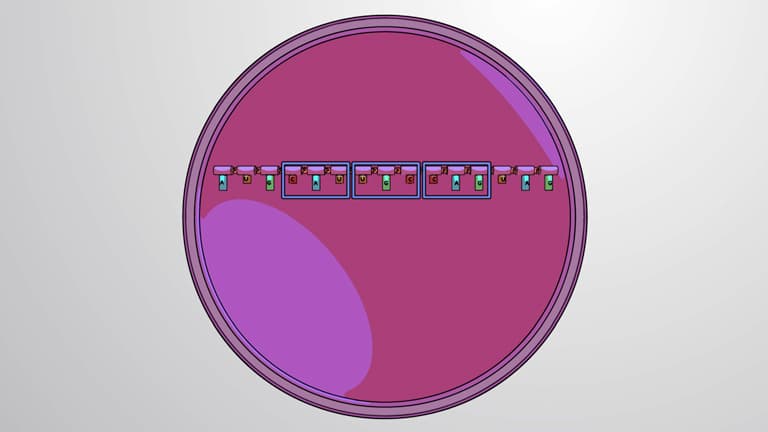
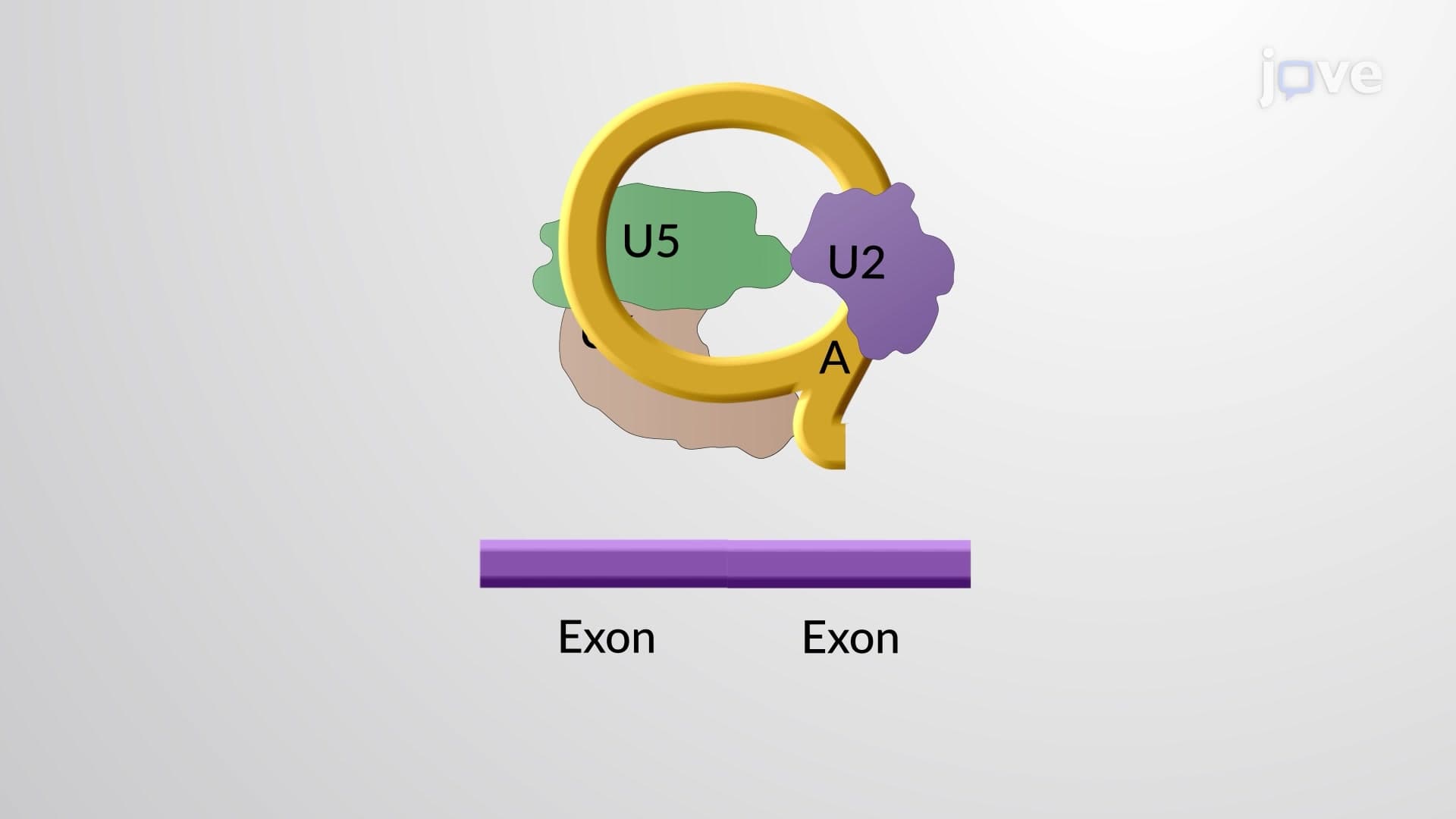
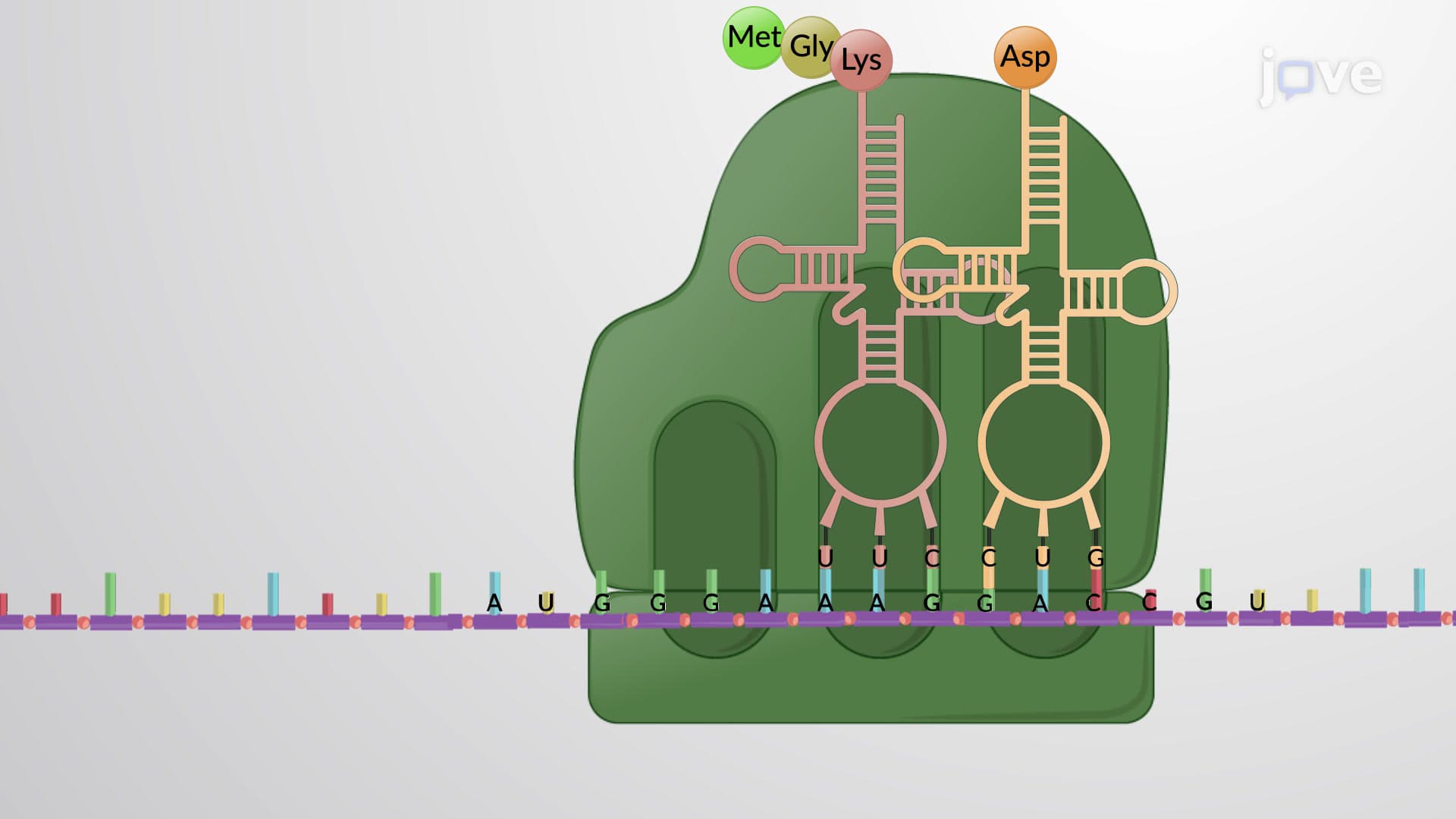
RNA Polymerase III (Pol III) handles the transcription of transfer RNA (tRNA) genes, along with other small RNA molecules including some small nuclear RNAs (snRNAs) involved in RNA processing. Each tRNA molecule acts like a molecular adapter, bringing specific amino acids to ribosomes during protein synthesis. The human genome contains approximately 500 tRNA genes, and Pol III must transcribe these efficiently to support protein production. This polymerase also transcribes U6 snRNA, a critical component of the spliceosome machinery that removes introns from pre-mRNA.
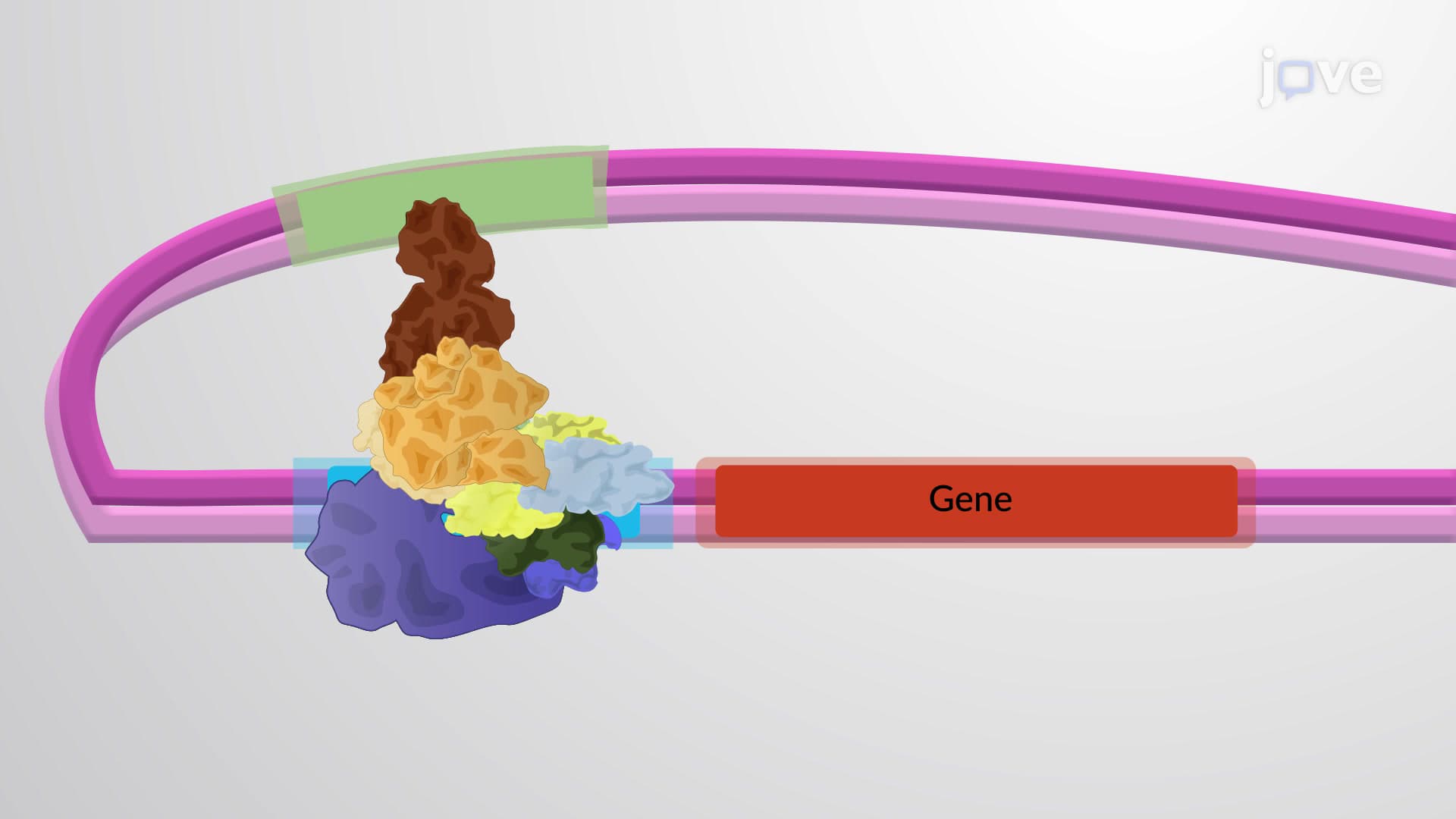
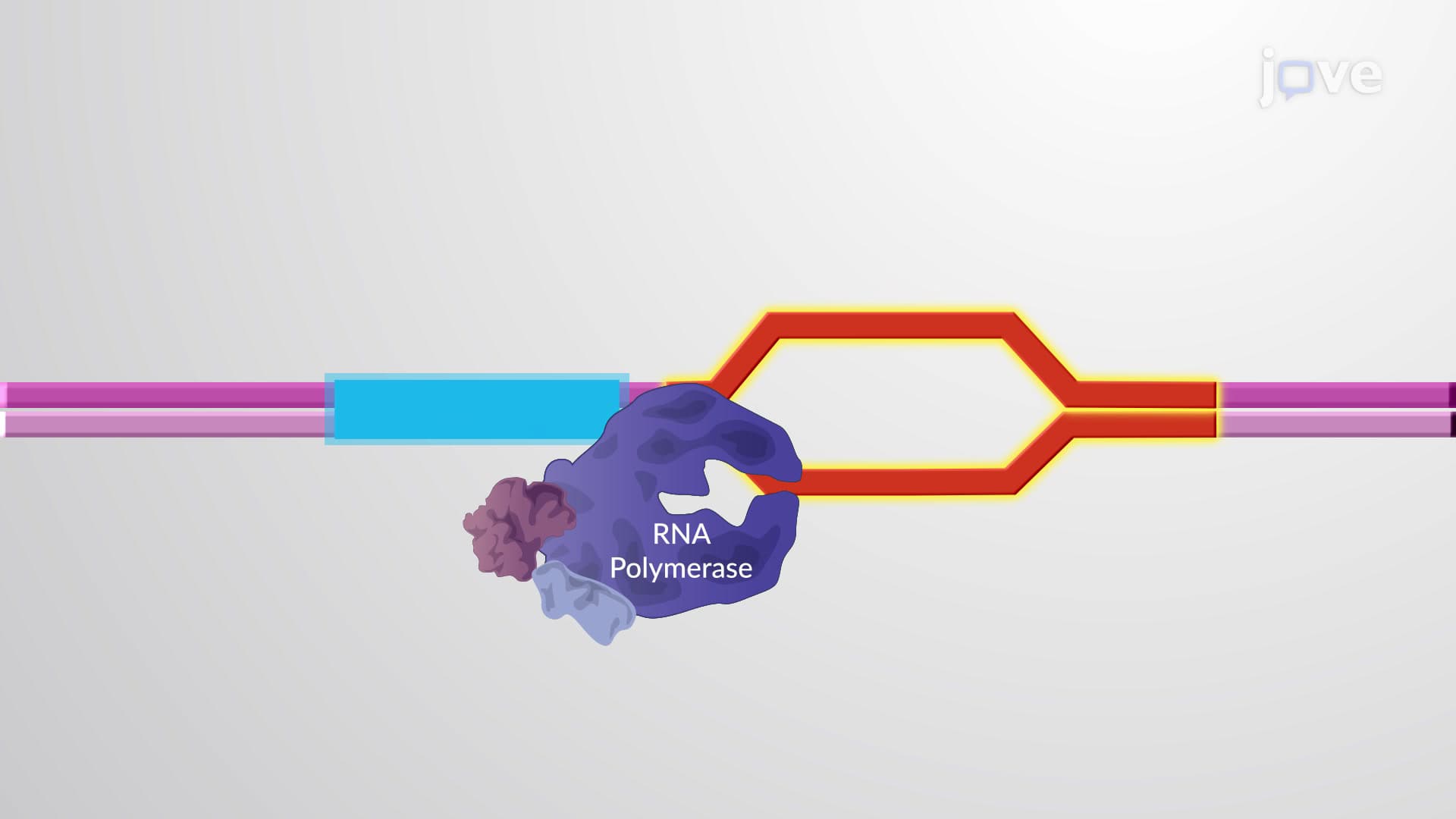
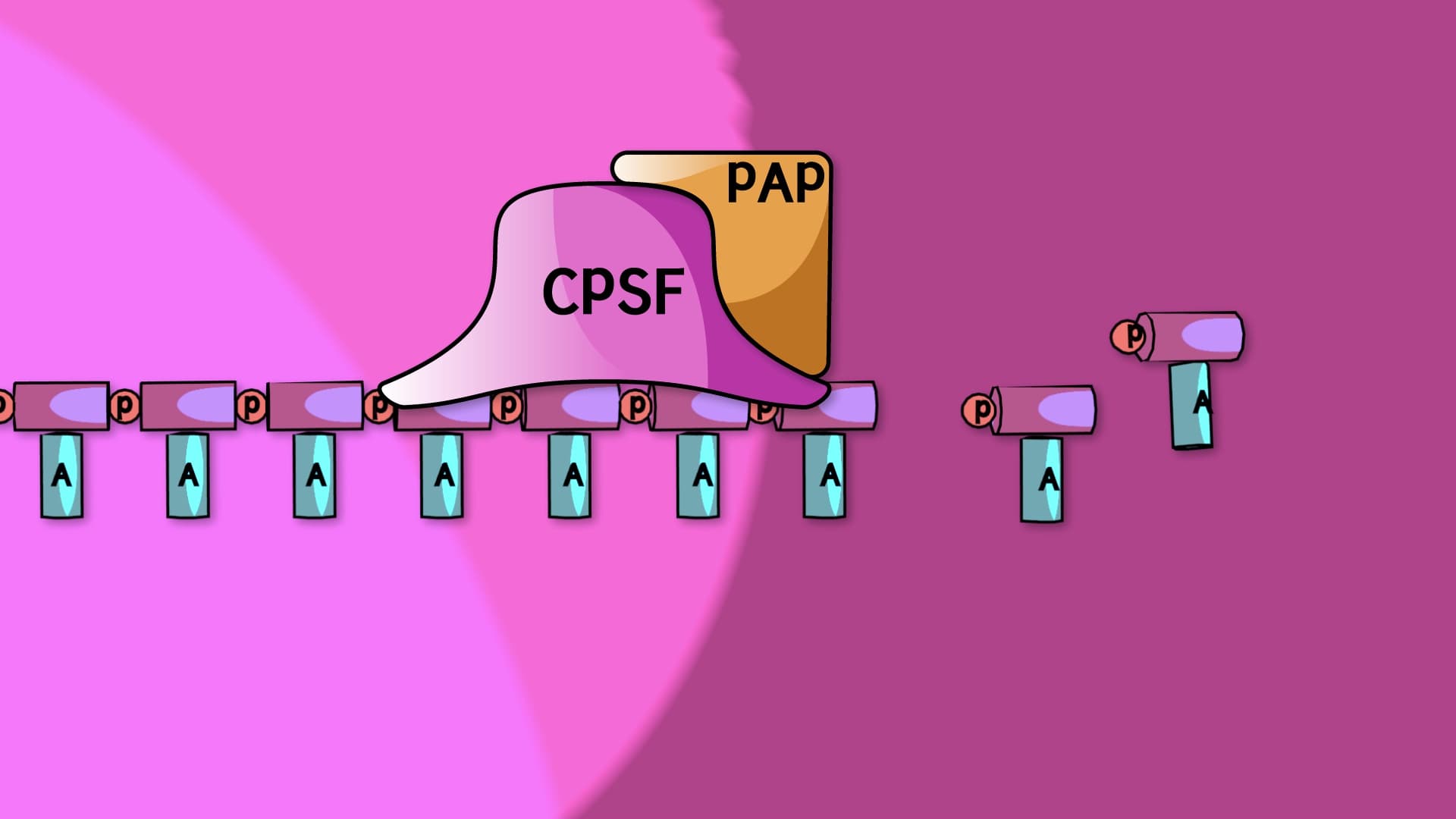
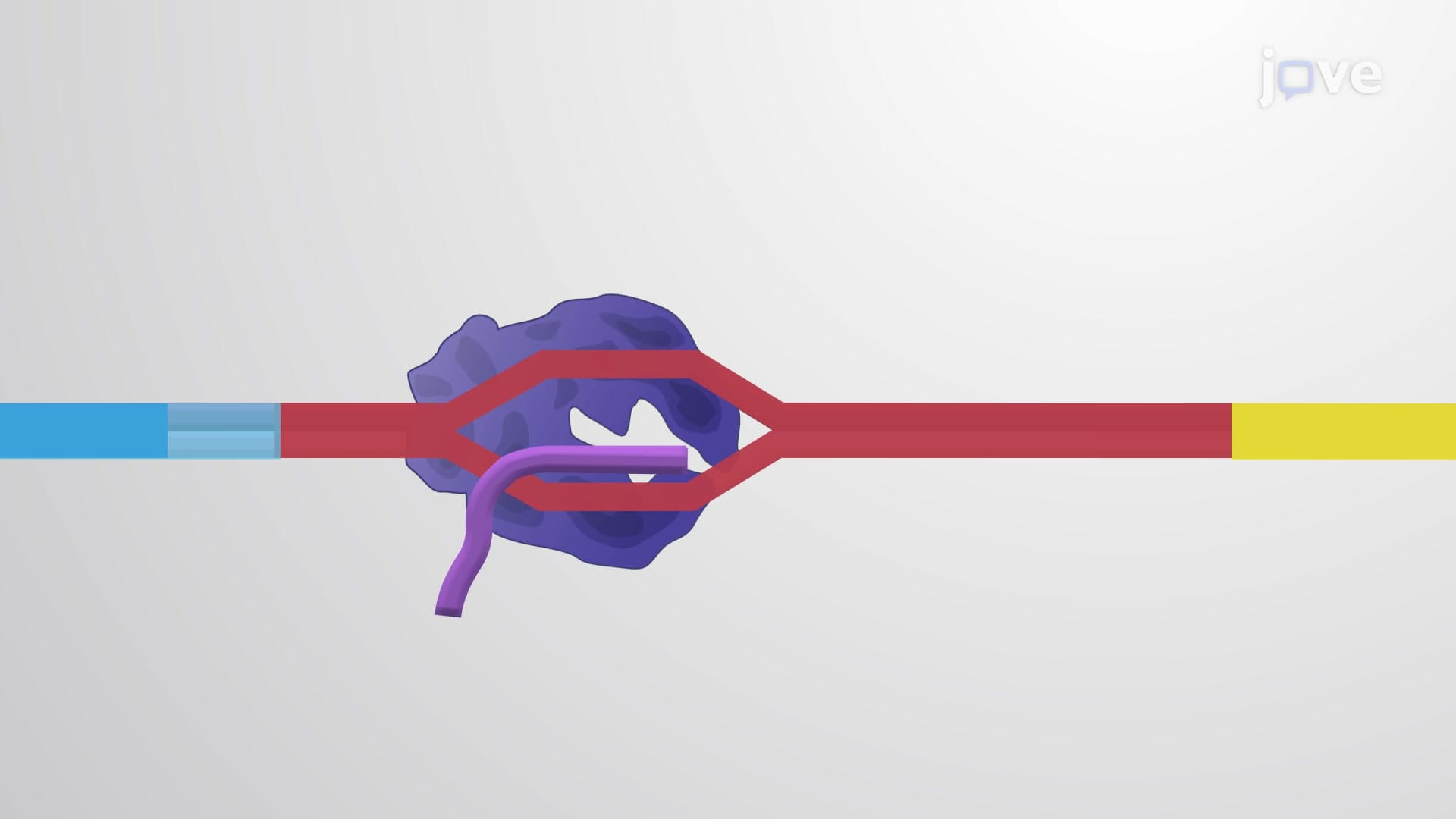
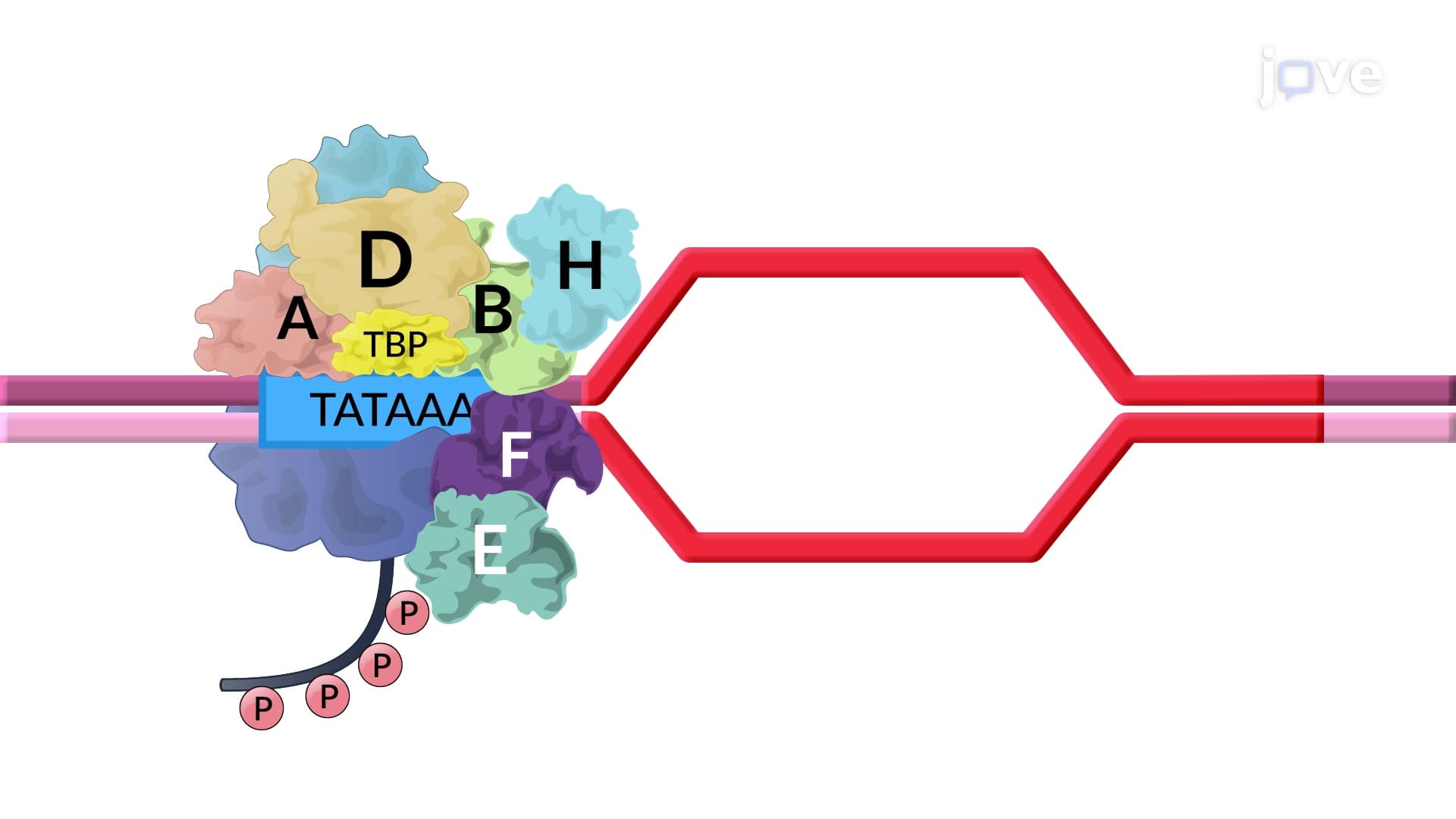
RNA Polymerase II (Pol II) handles the most complex transcriptional job: transcribing all protein-coding genes into messenger RNA (mRNA). Its carboxy-terminal domain (CTD) contains multiple repeats of a seven-amino-acid sequence that serves as a landing platform for various transcription factors and RNA processing enzymes. The phosphorylation pattern of this CTD determines which factors bind and when, creating a sophisticated regulatory system. For college biochemistry courses, understanding CTD phosphorylation cycles is crucial for grasping how cells coordinate transcription with mRNA capping, splicing, and polyadenylation.
This three-polymerase system exemplifies cellular division of labor, allowing eukaryotic cells to fine-tune gene expression with remarkable precision-a concept frequently tested in advanced biology coursework and standardized exams.
Related Micro-courses