Loading video…


 21 Concepts
 421.3K views

Video Summary: What are Types of RNA
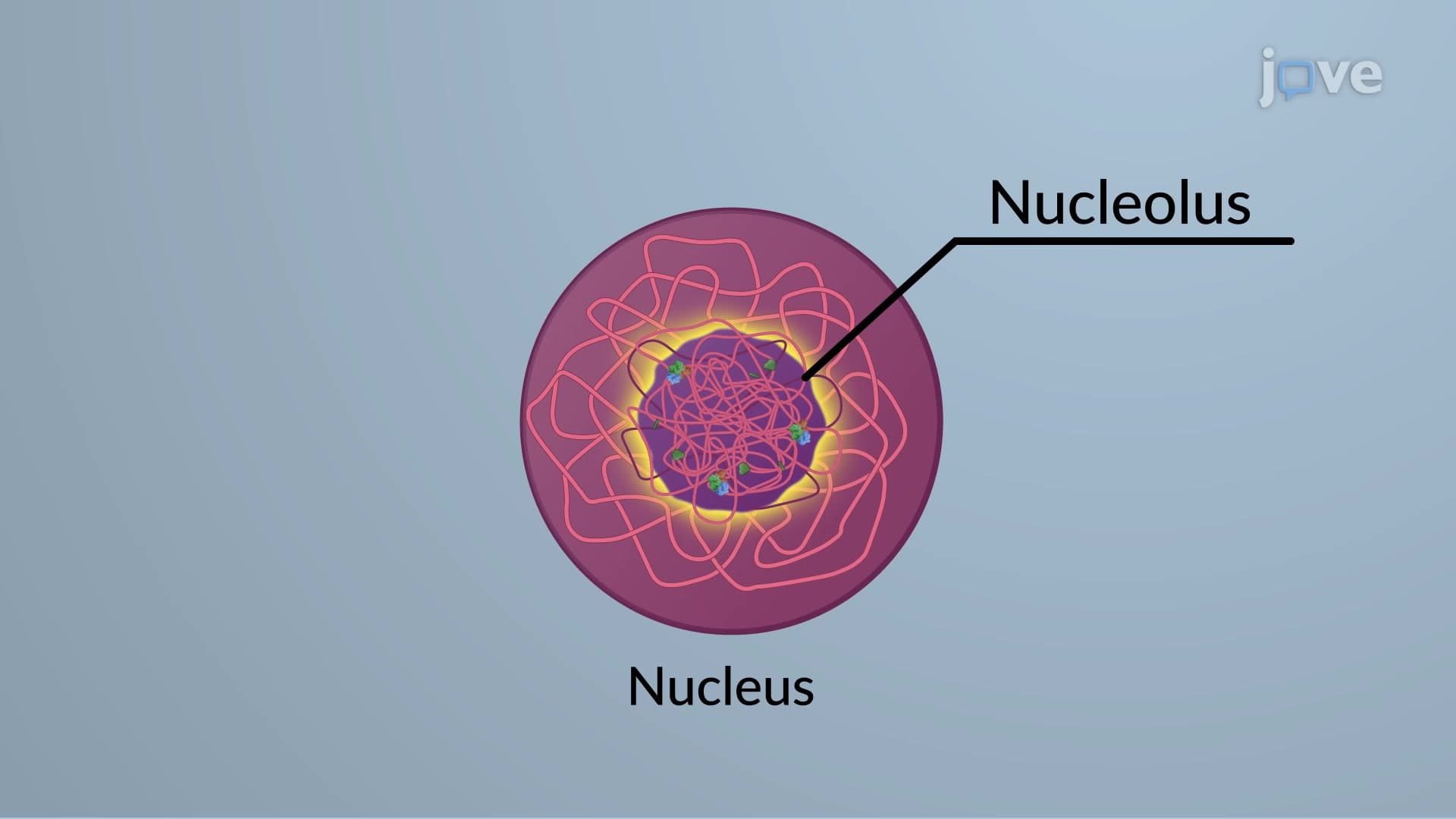
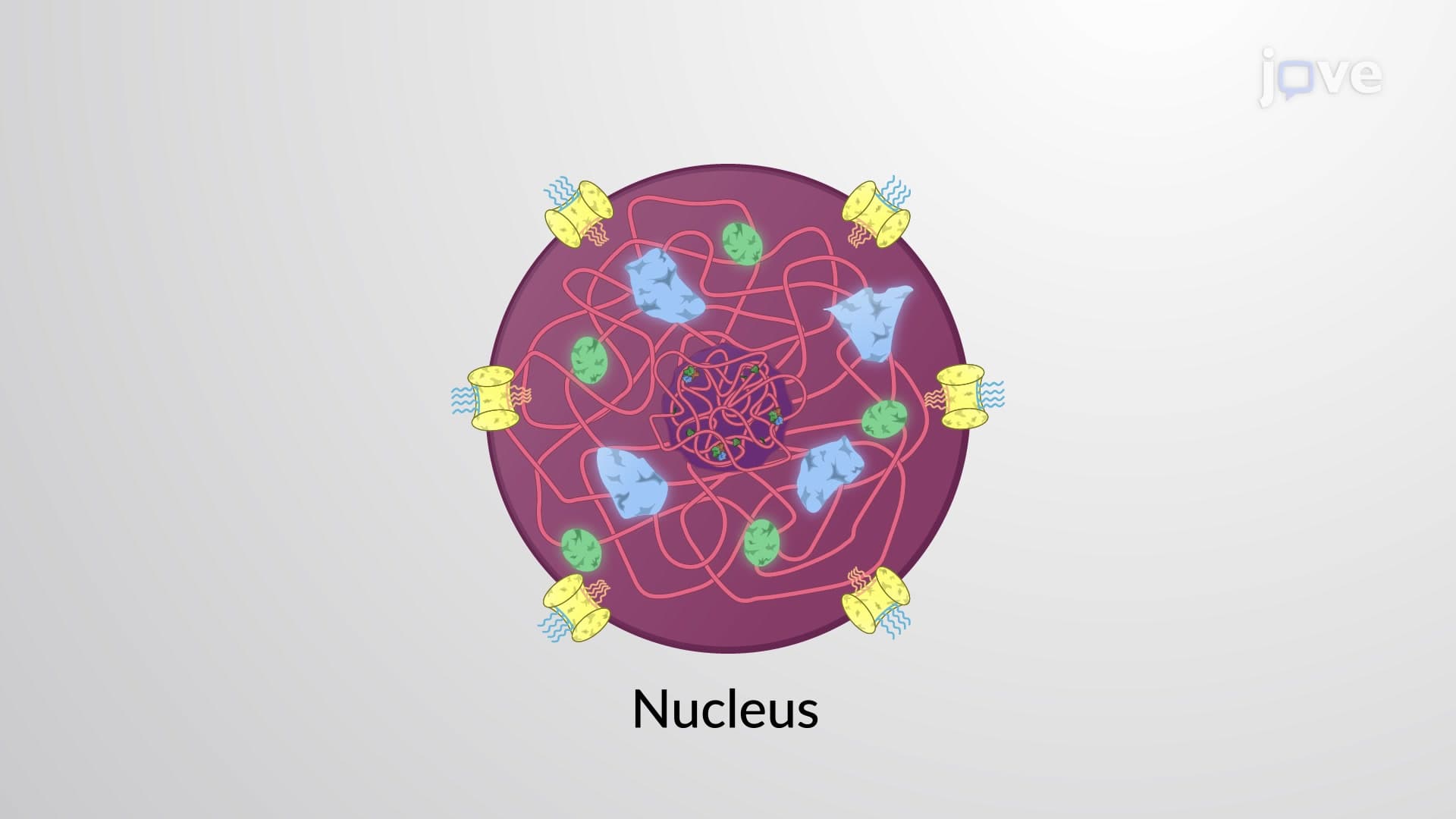
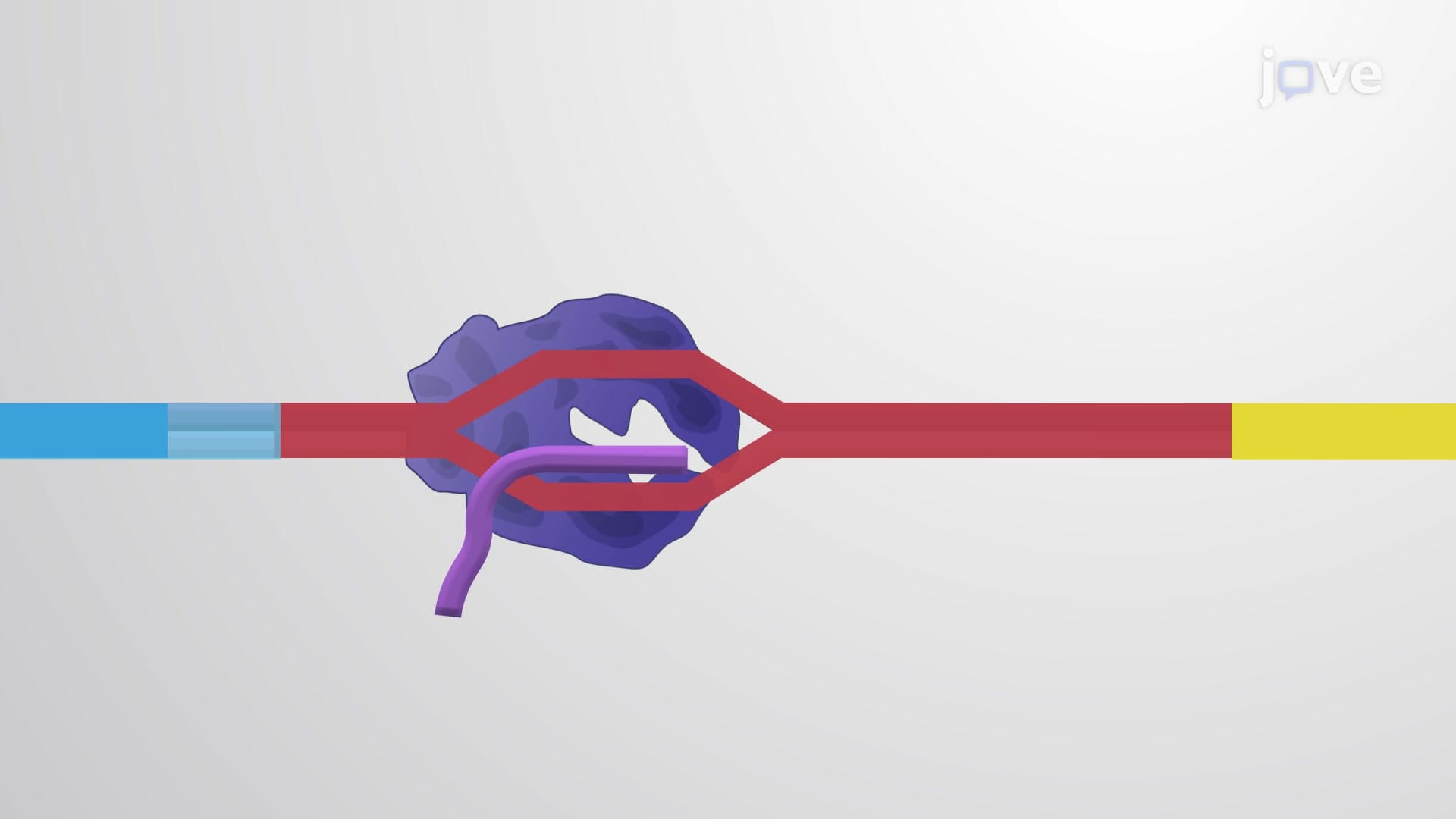
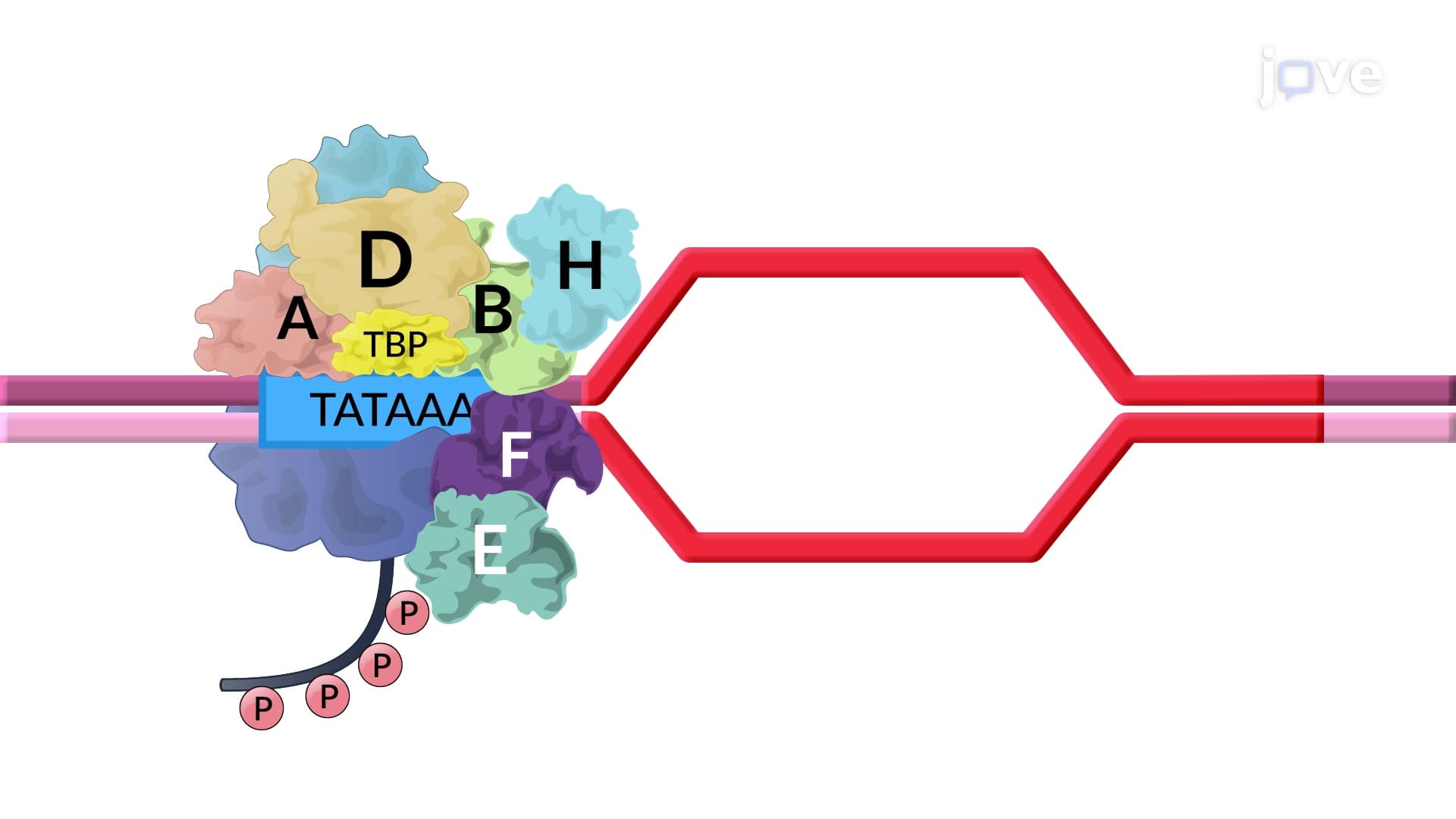
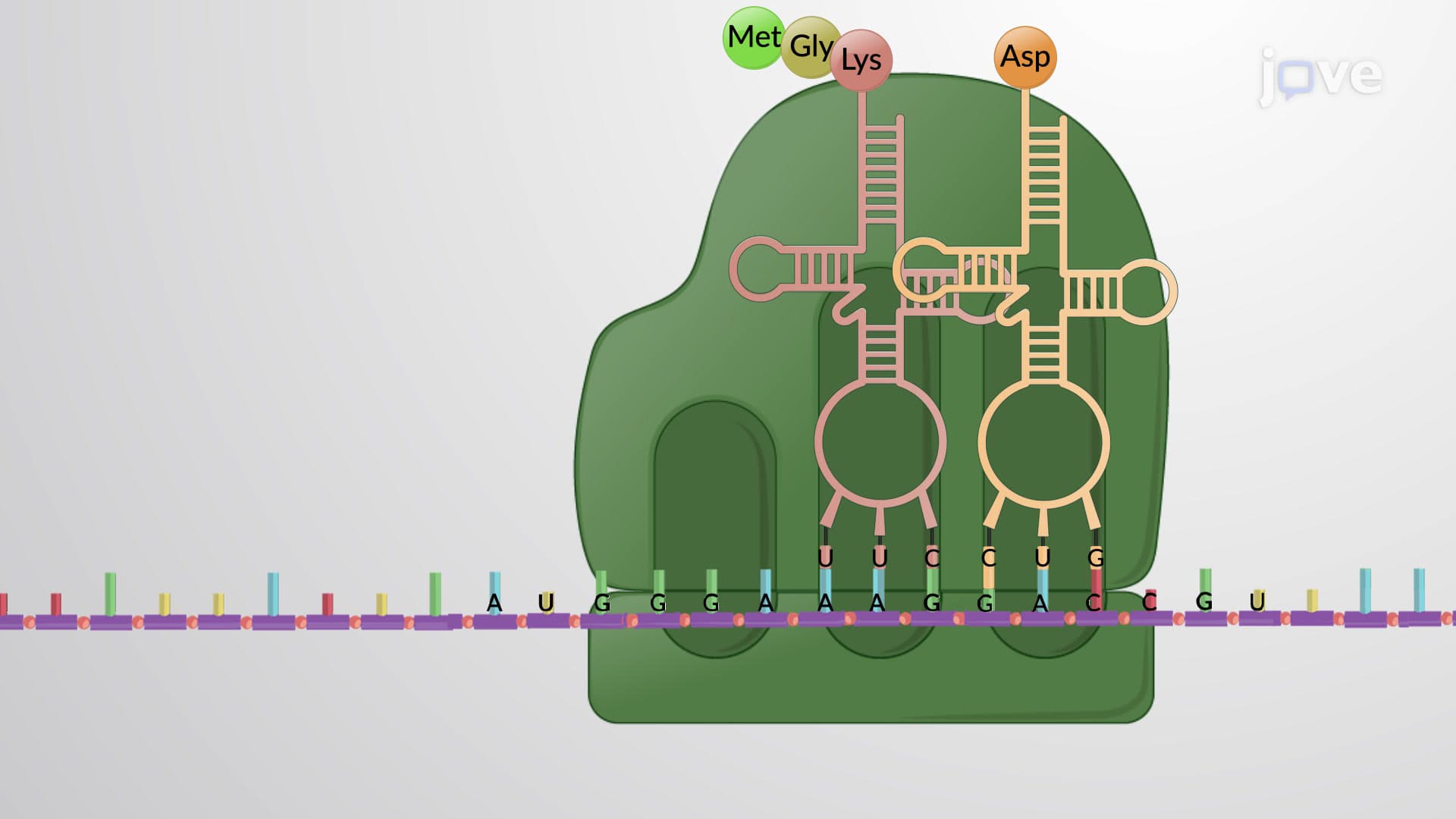
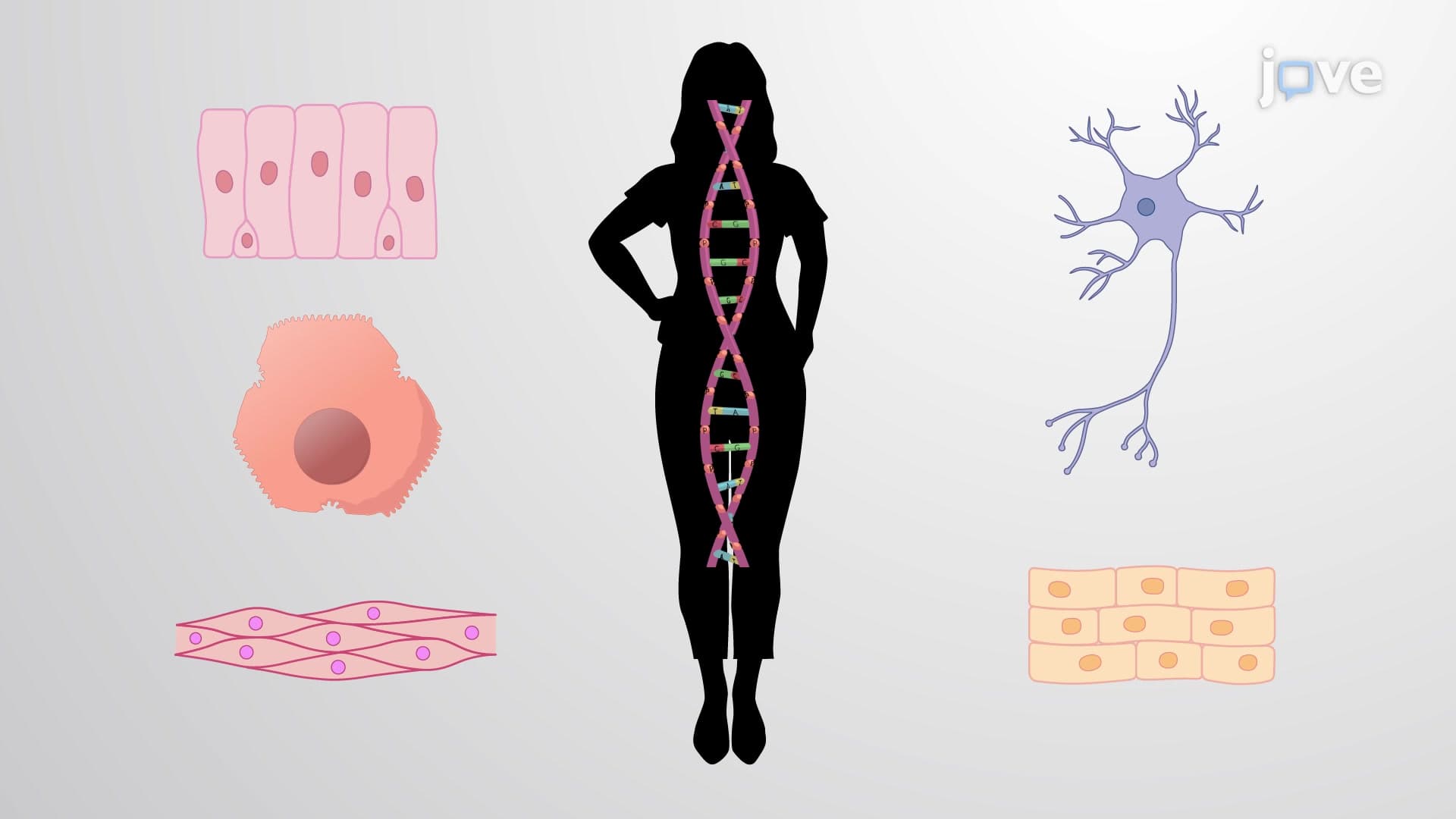
Did you know that while DNA gets all the credit, RNA molecules are actually the workhorses performing most cellular tasks? The types of RNA explained reveal a sophisticated cellular machinery where messenger RNA (mRNA) delivers genetic instructions, transfer RNA (tRNA) assembles proteins, and ribosomal RNA (rRNA) builds the protein factories themselves. Beyond these core players, regulatory RNAs like microRNA control gene expression-critical knowledge for understanding diseases like cancer where RNA regulation goes awry, as seen in FDA-approved RNA therapeutics. Watch the full video on JoVE Coach to master this concept with expert-led visuals and step-by-step explanations.
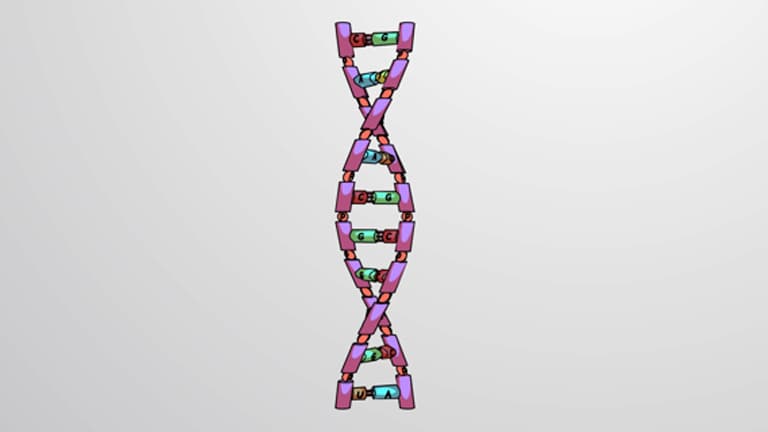
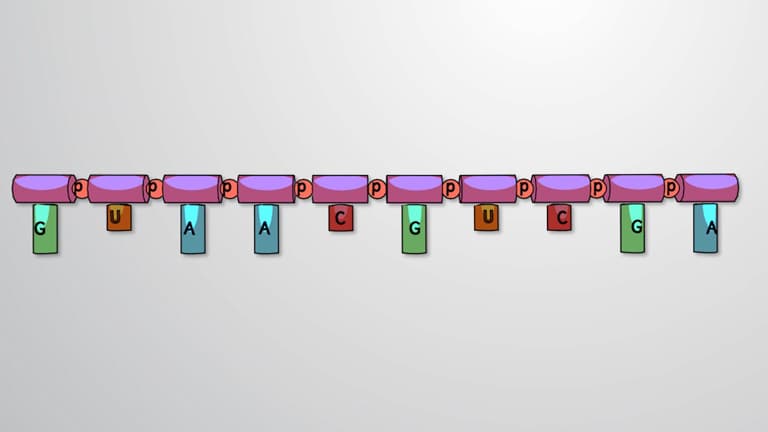
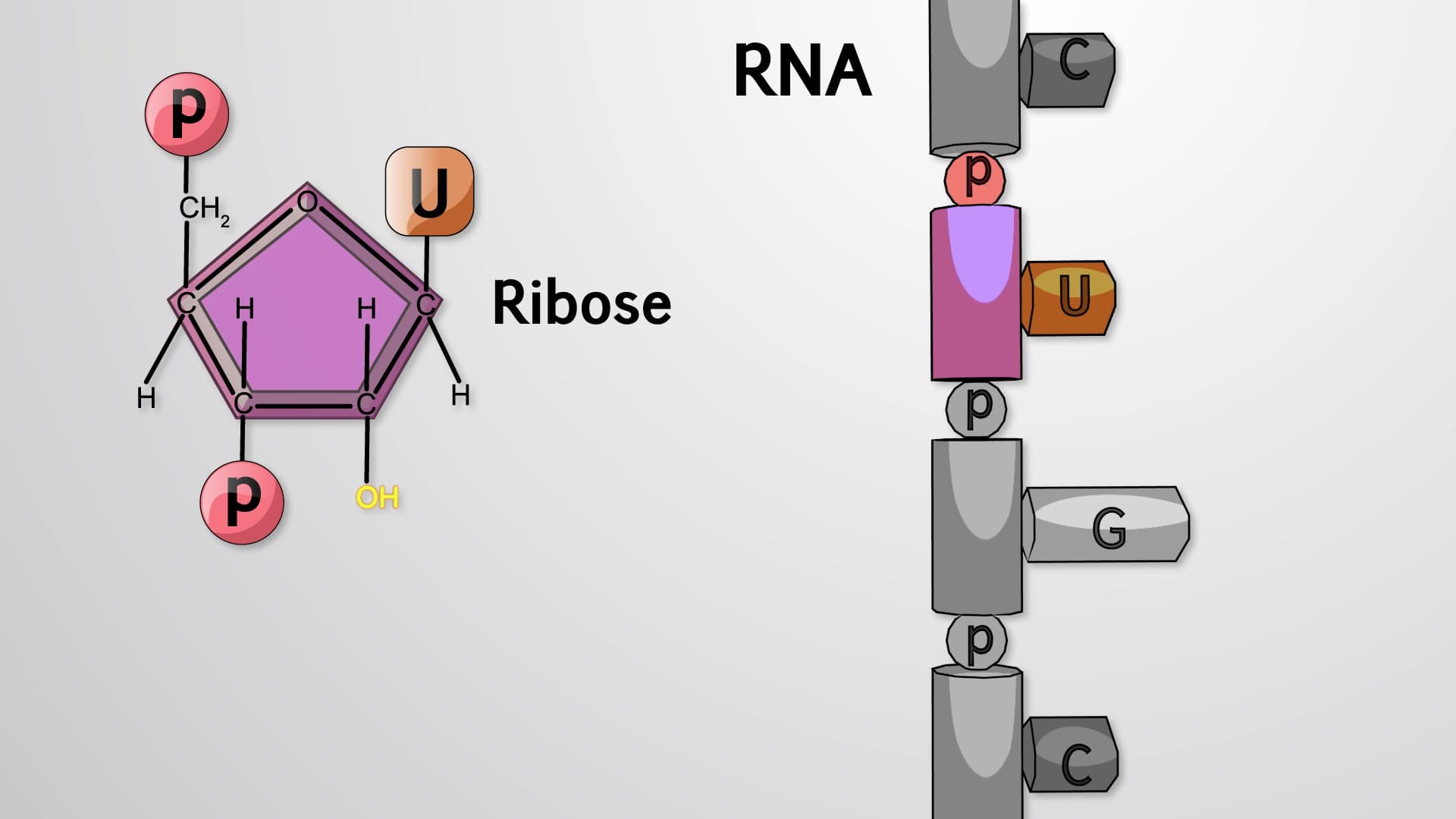
RNA types and functions biology encompasses a diverse family of molecules that serve as the intermediaries between genetic information storage and cellular function. Unlike DNA's stable double helix, RNA's single-stranded structure allows for remarkable functional versatility, enabling it to serve as messenger, adapter, catalyst, and regulator within cells.
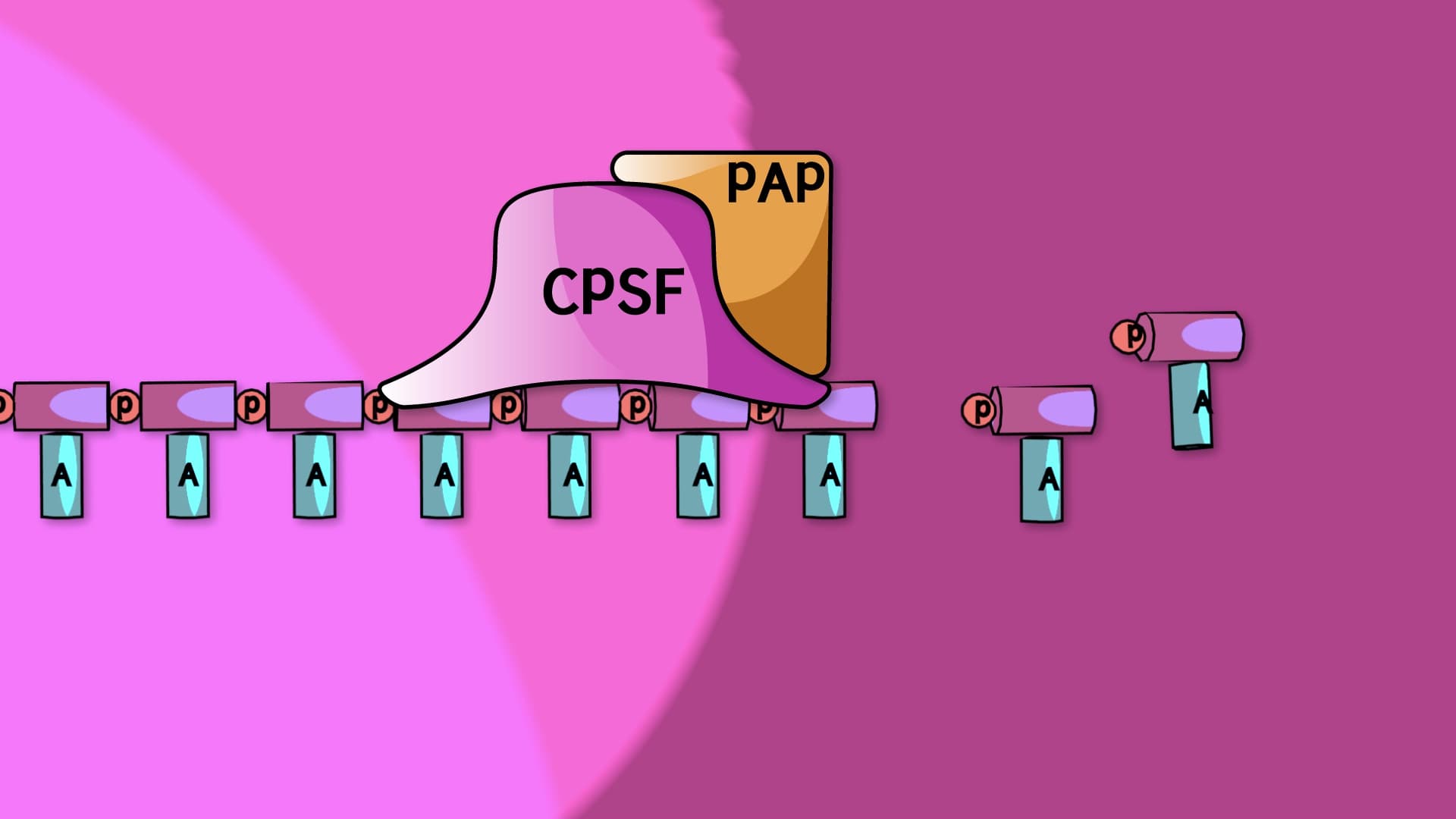
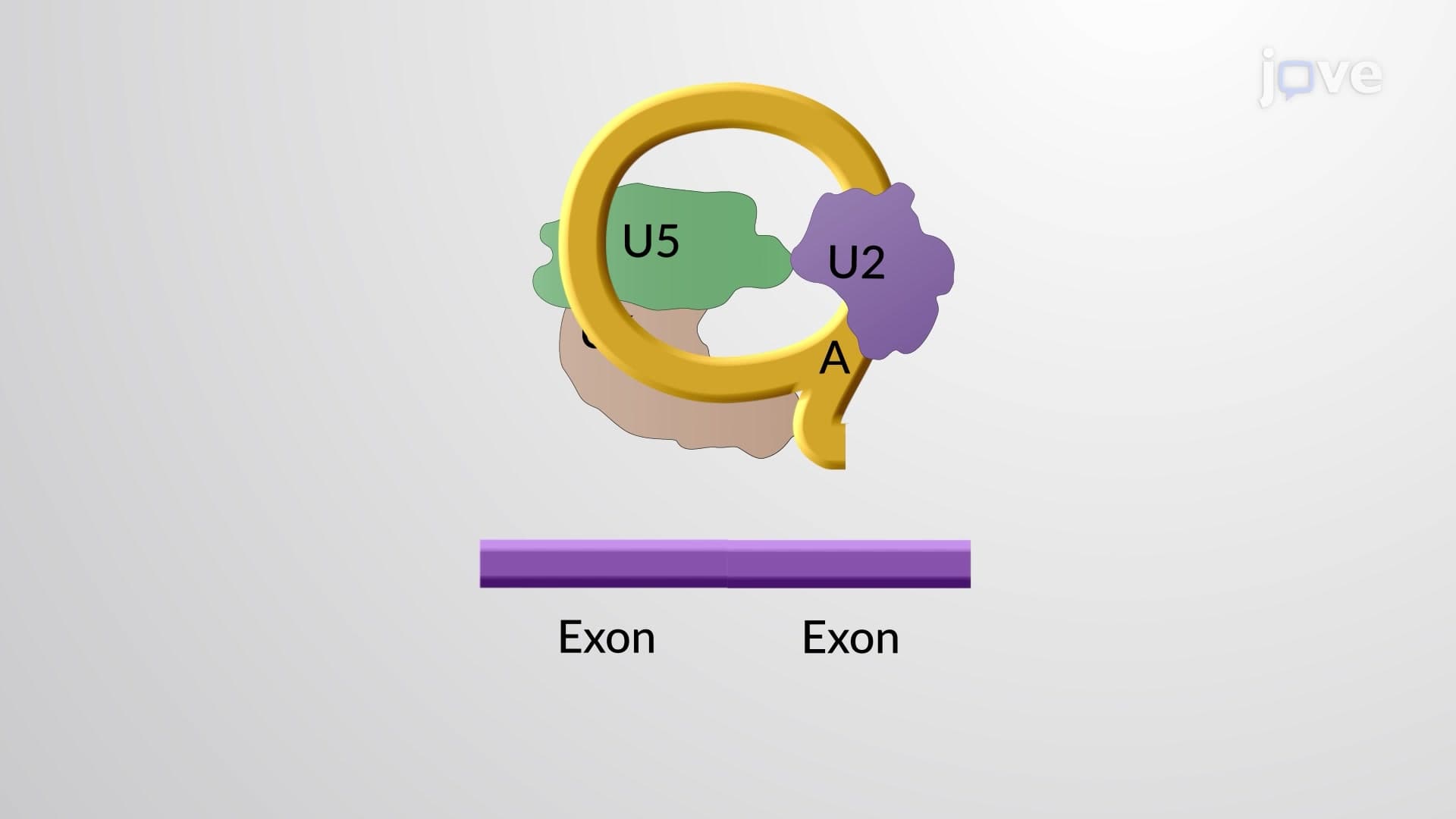
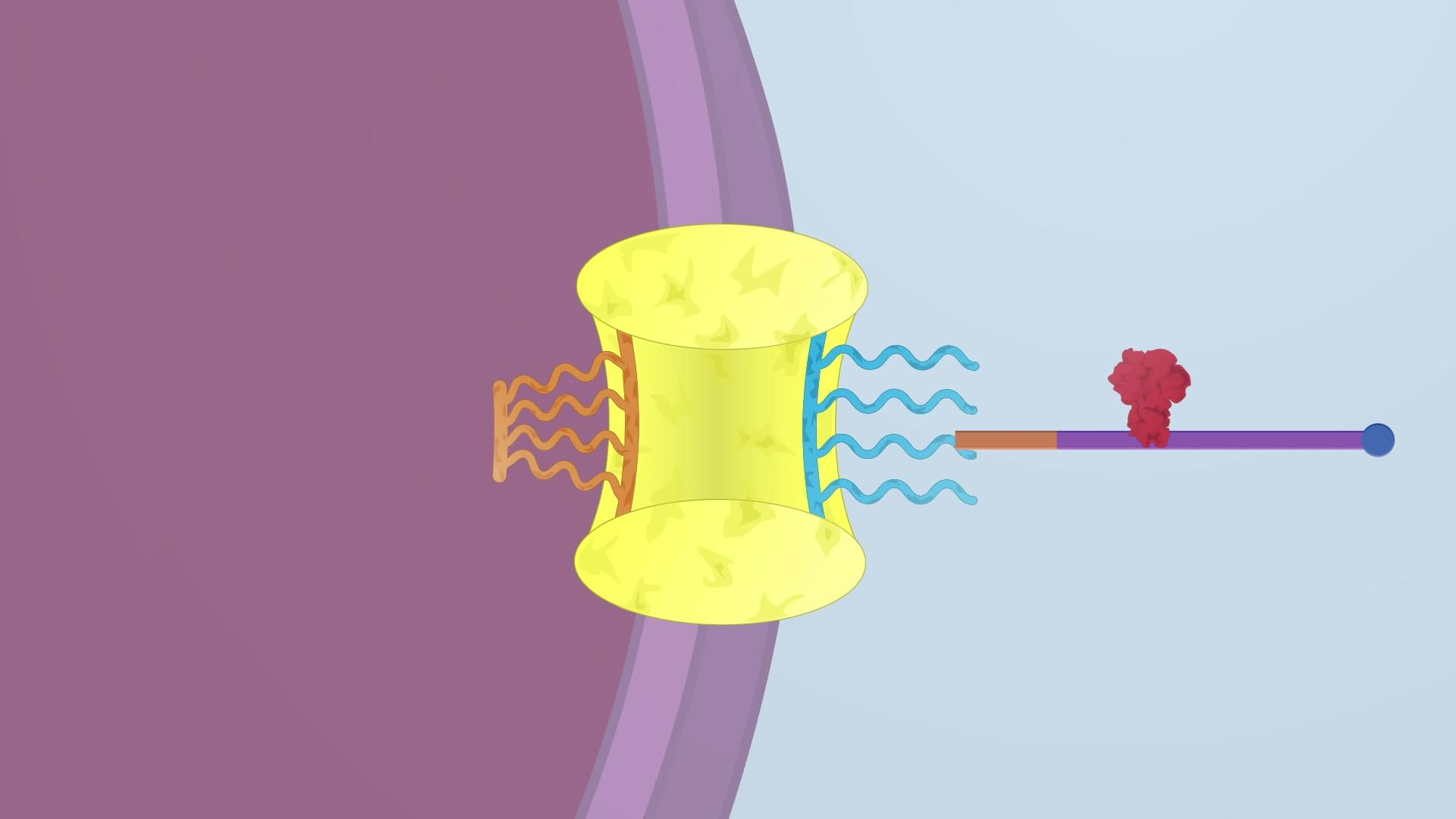
The foundation of RNA diversity biology rests on three essential players. Messenger RNA (mRNA) acts as the cellular courier, carrying genetic instructions from nuclear DNA to cytoplasmic ribosomes. In humans, mRNA molecules undergo extensive processing, including 5' capping and 3' polyadenylation, which became crucial knowledge when developing COVID-19 mRNA vaccines like Pfizer-BioNTech and Moderna.
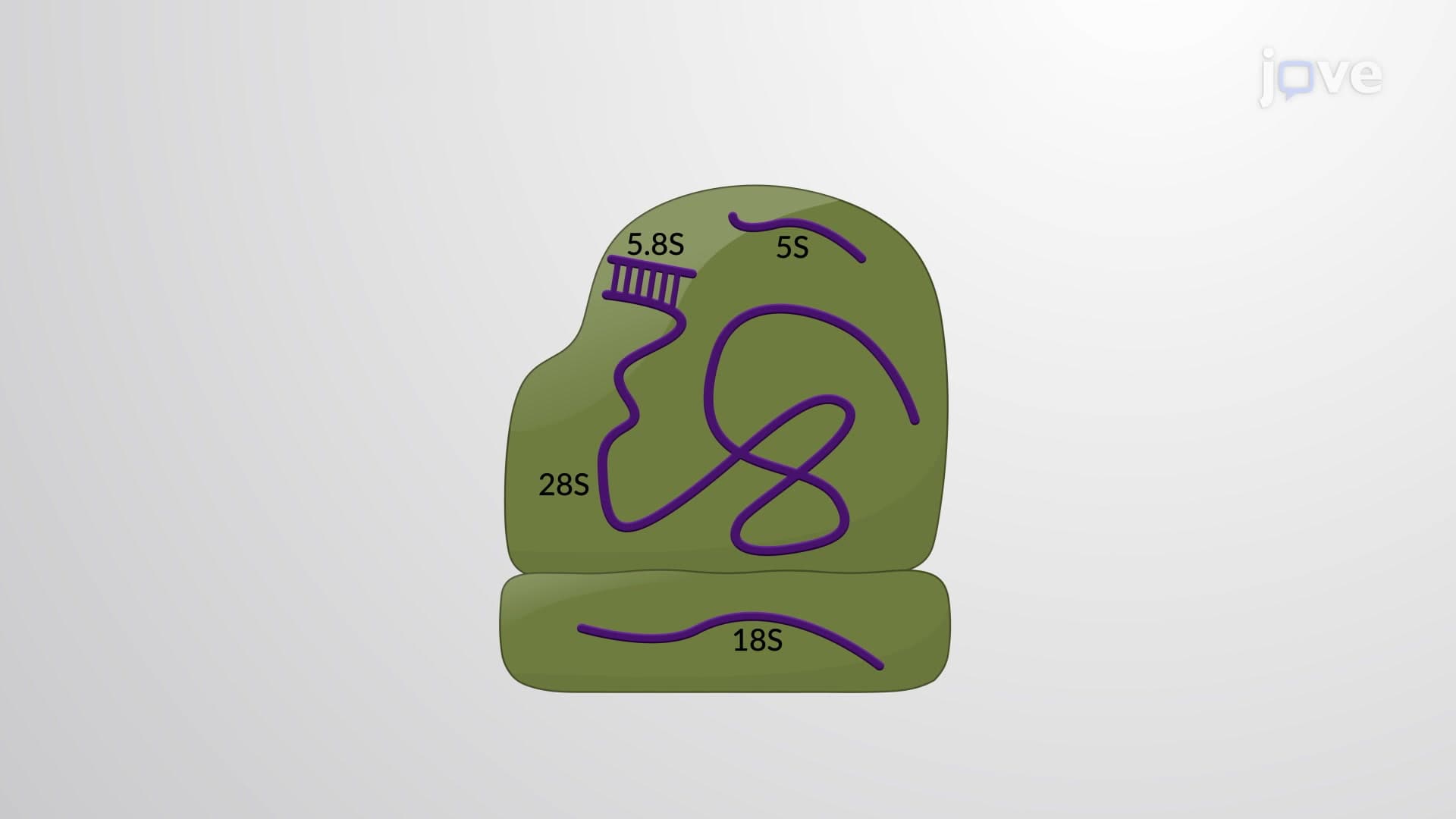
Ribosomal RNA (rRNA) comprises the structural backbone of ribosomes, the cellular protein factories. Rather than merely providing scaffolding, rRNA possesses catalytic properties-the ribosome's peptidyl transferase center is entirely composed of rRNA, making it a ribozyme. This discovery revolutionized our understanding of early evolution and RNA world hypothesis.
Transfer RNA (tRNA) serves as the cellular translator, matching genetic codons with their corresponding amino acids. Each tRNA molecule's distinctive cloverleaf secondary structure folds into an L-shaped tertiary structure, allowing precise recognition of both mRNA codons and specific amino acids. Students preparing for AP Biology or college biochemistry exams should focus on understanding the wobble base pairing that allows some tRNAs to recognize multiple codons.
Beyond protein-coding support, non-coding RNA types provide sophisticated gene regulation. MicroRNAs (miRNAs), typically 20-24 nucleotides long, fine-tune protein production by binding to complementary sequences in mRNA molecules. The discovery that miRNAs regulate approximately 30% of human genes has transformed cancer research-many oncogenes and tumor suppressors are miRNA targets.
Small interfering RNAs (siRNAs) defend against viral infections and regulate gene expression through the RNA interference pathway. Long non-coding RNAs (lncRNAs), exceeding 200 nucleotides, perform diverse regulatory roles from chromatin modification to serving as molecular scaffolds. Understanding these mechanisms proves essential for MCAT preparation and advanced molecular biology coursework.
The therapeutic potential of messenger ribosomal transfer RNA knowledge extends far beyond academic study. FDA-approved treatments like Onpattro (patisiran) use siRNA to treat hereditary transthyretin amyloidosis, while antisense oligonucleotides target specific RNA sequences to treat spinal muscular atrophy. These breakthroughs demonstrate how fundamental RNA biology directly translates to life-saving medical interventions.
Related Micro-courses