Loading subject page…


421,326 views


Video Summary: What Is Alternative RNA Splicing
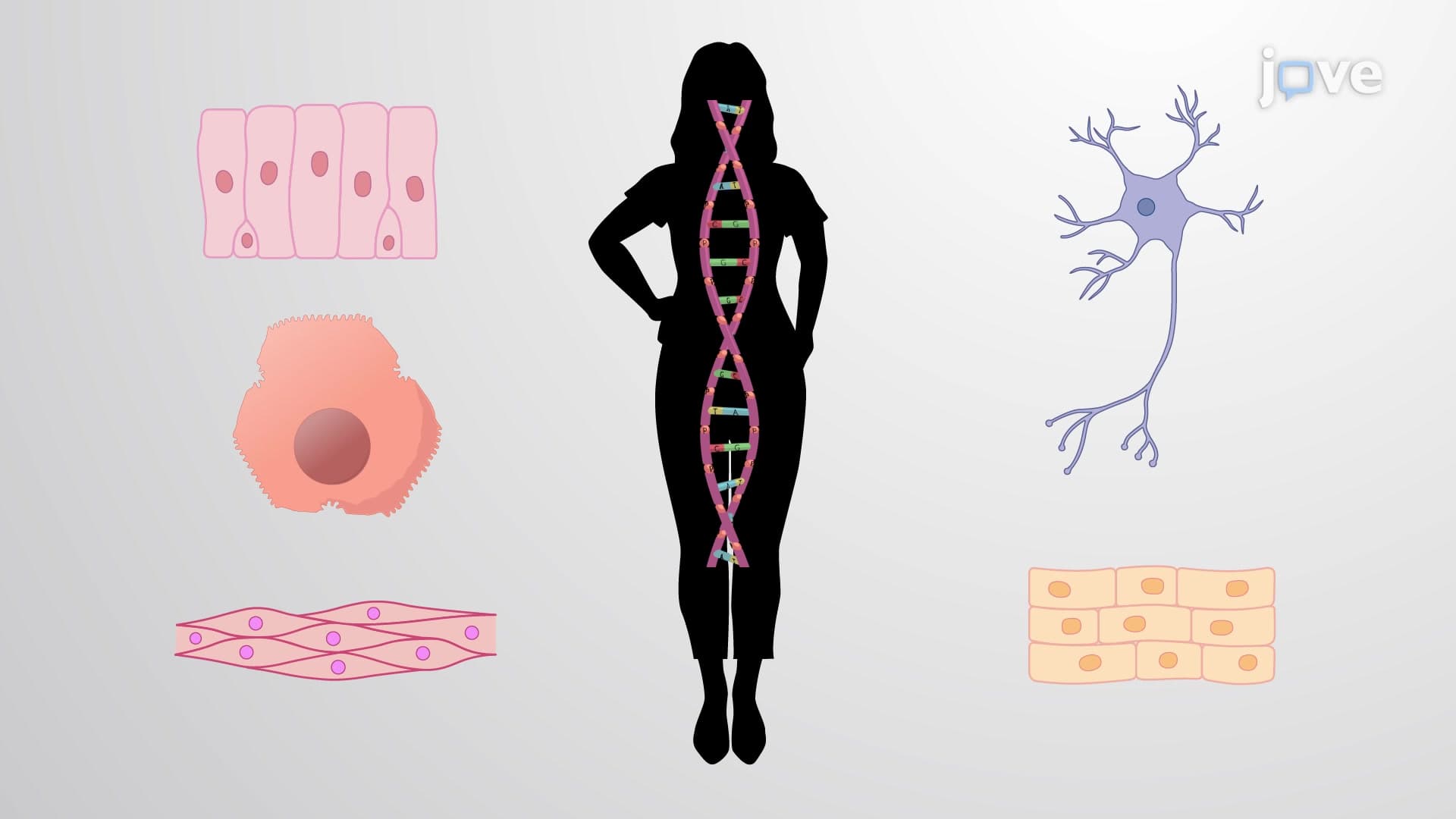
Did you know that humans have roughly the same number of genes as a simple worm, yet we're vastly more complex? Alternative RNA splicing explains this paradox by allowing a single gene to produce multiple protein variants. This post-transcriptional process enables cells to create tissue-specific proteins-like different forms of tropomyosin found in heart muscle versus brain tissue in medical patients. Watch the full video on JoVE Coach to master this concept with expert-led visuals and step-by-step explanations.
Alternative RNA splicing represents one of biology's most elegant solutions to the complexity paradox. While the human genome contains only about 20,000-25,000 genes-similar to simpler organisms-we produce over 100,000 different proteins. This remarkable feat occurs through alternative splicing, where a single pre-mRNA transcript can be processed into multiple mature mRNA variants, each encoding a different protein isoform.
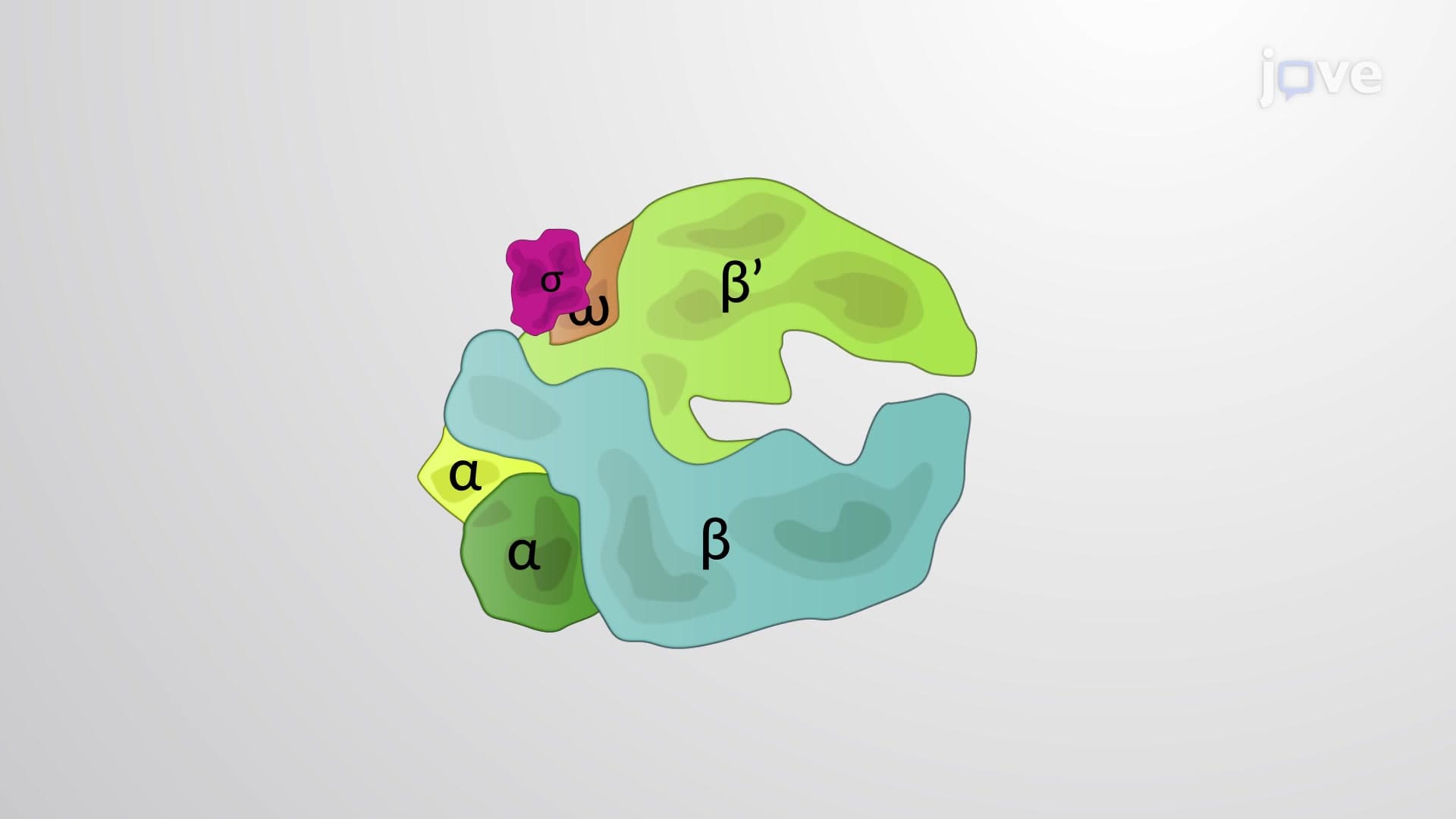
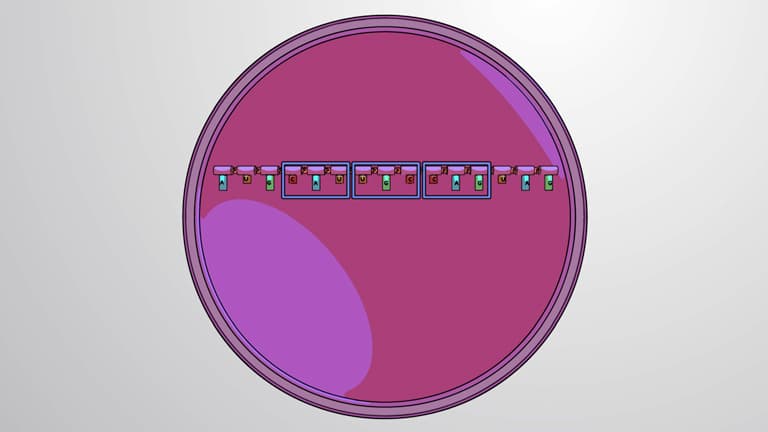
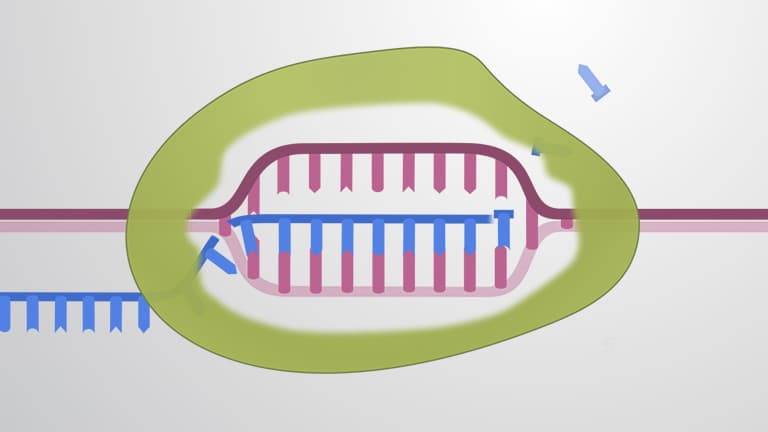
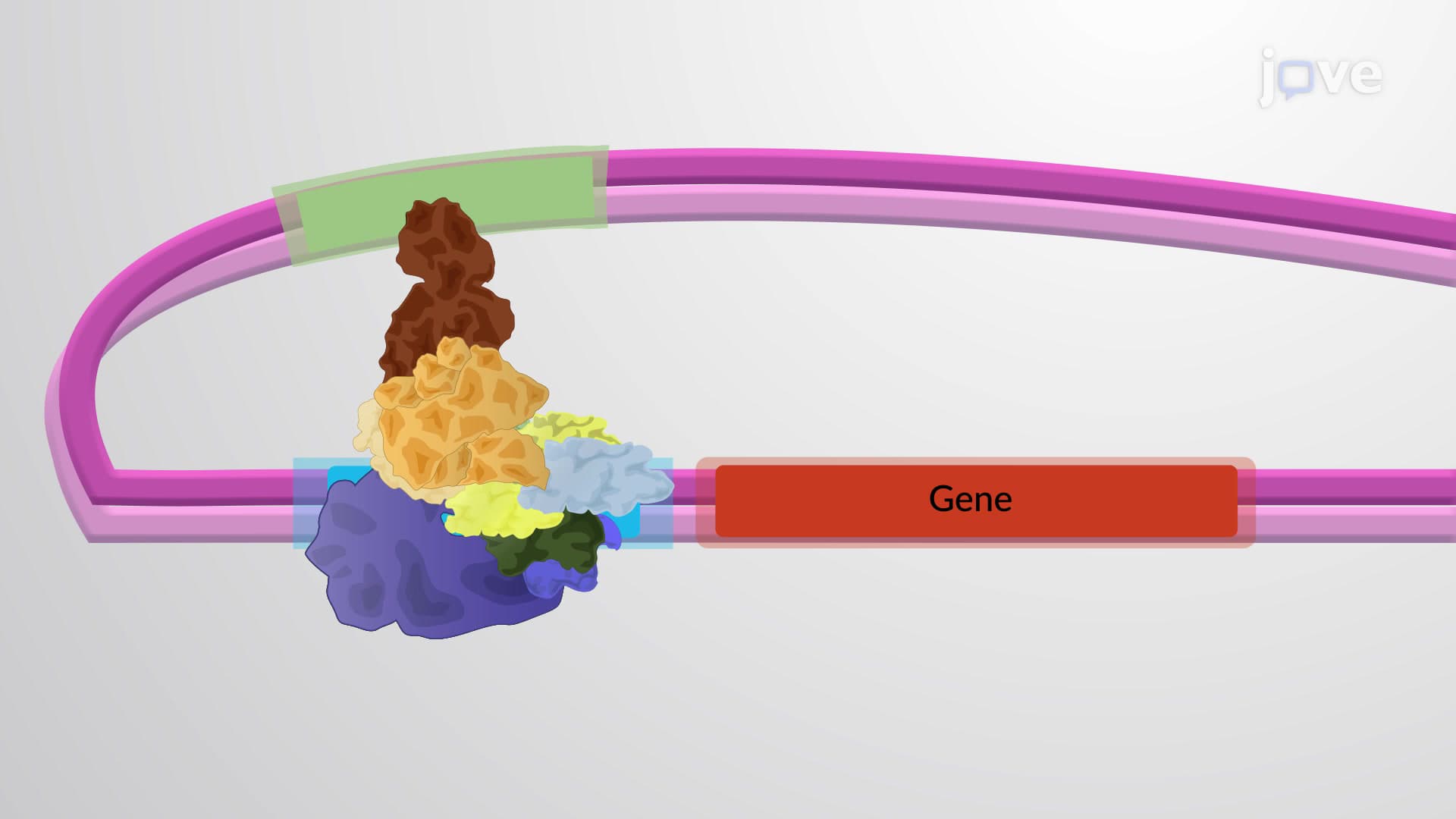
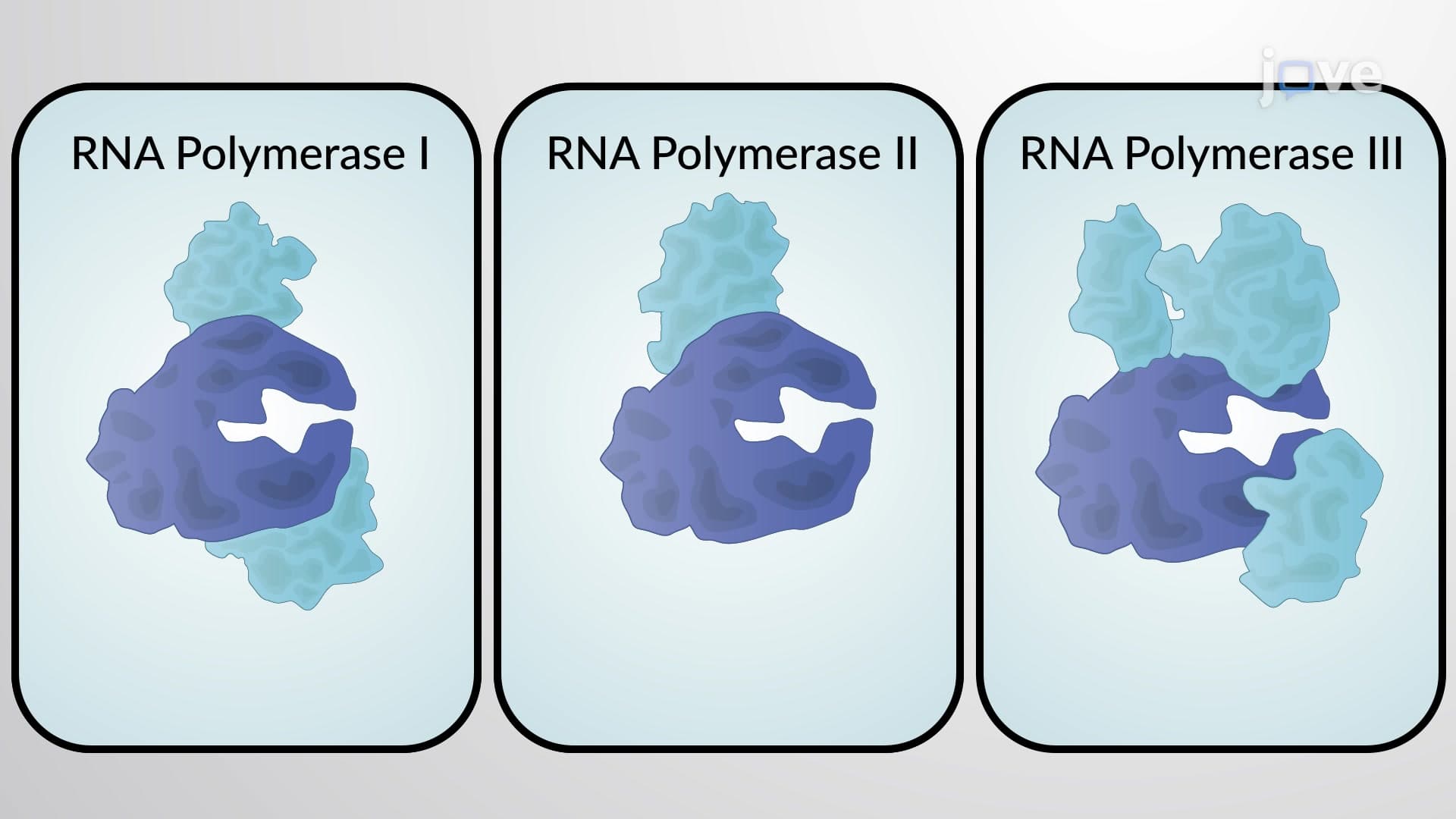
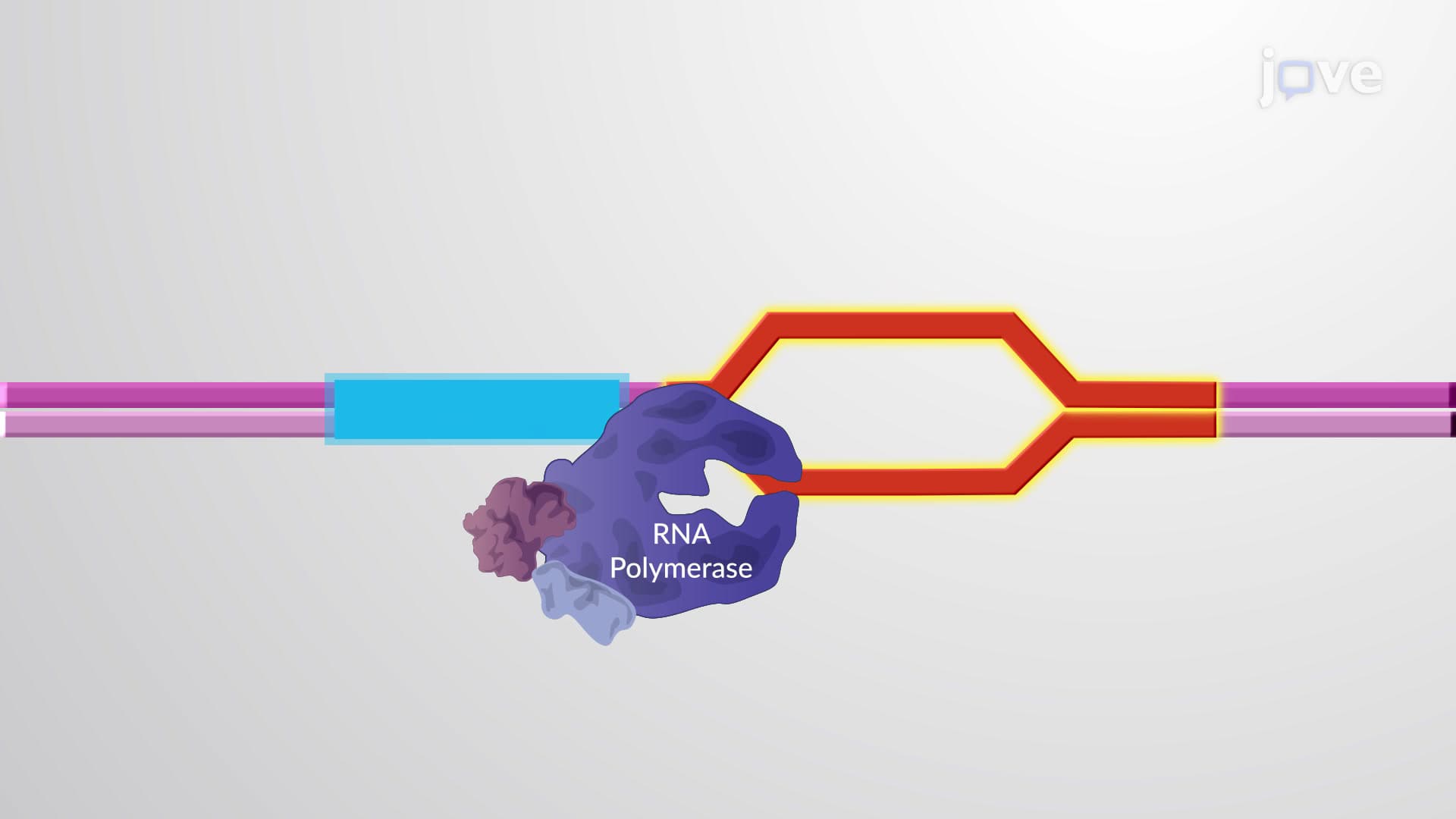
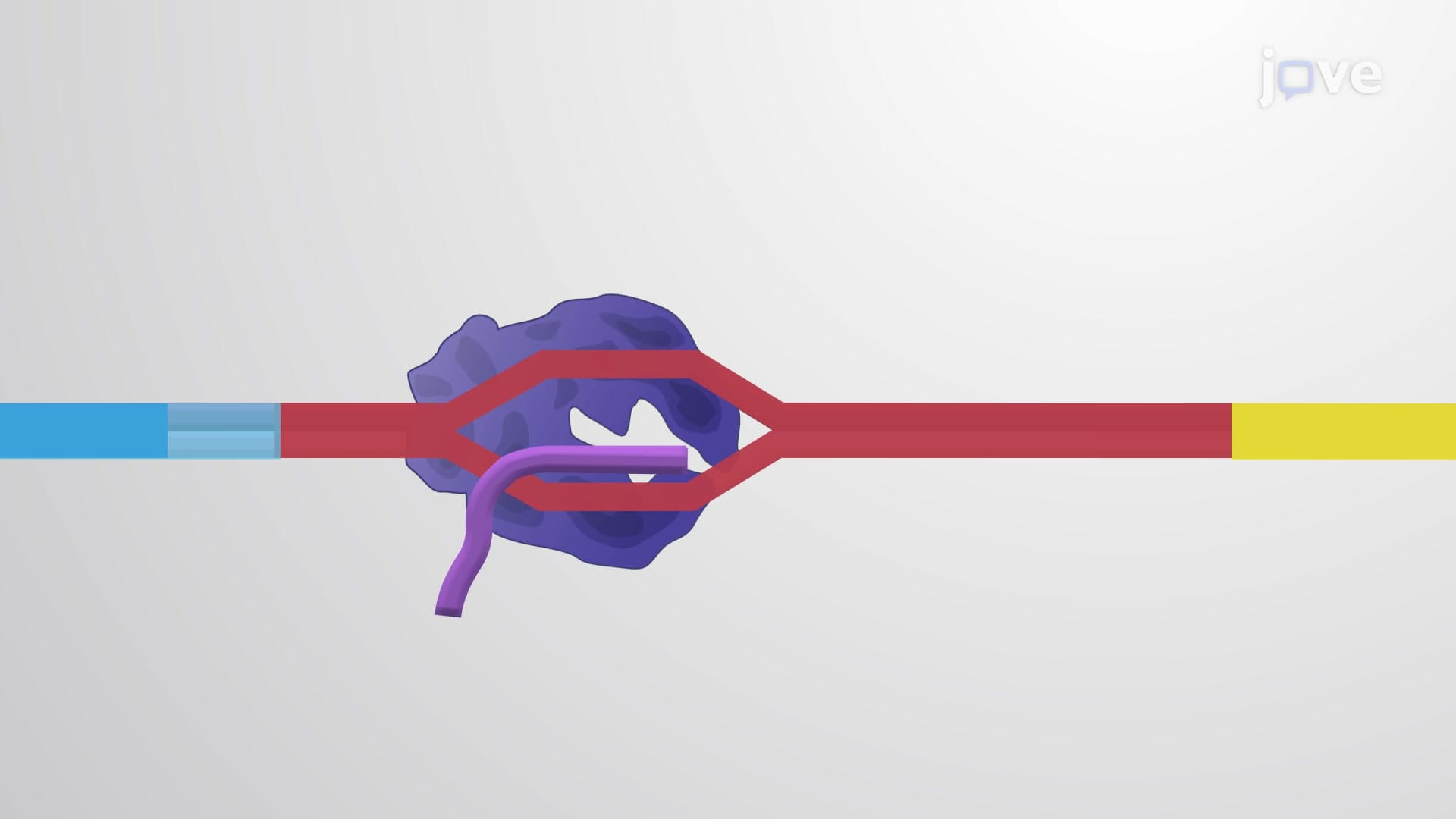
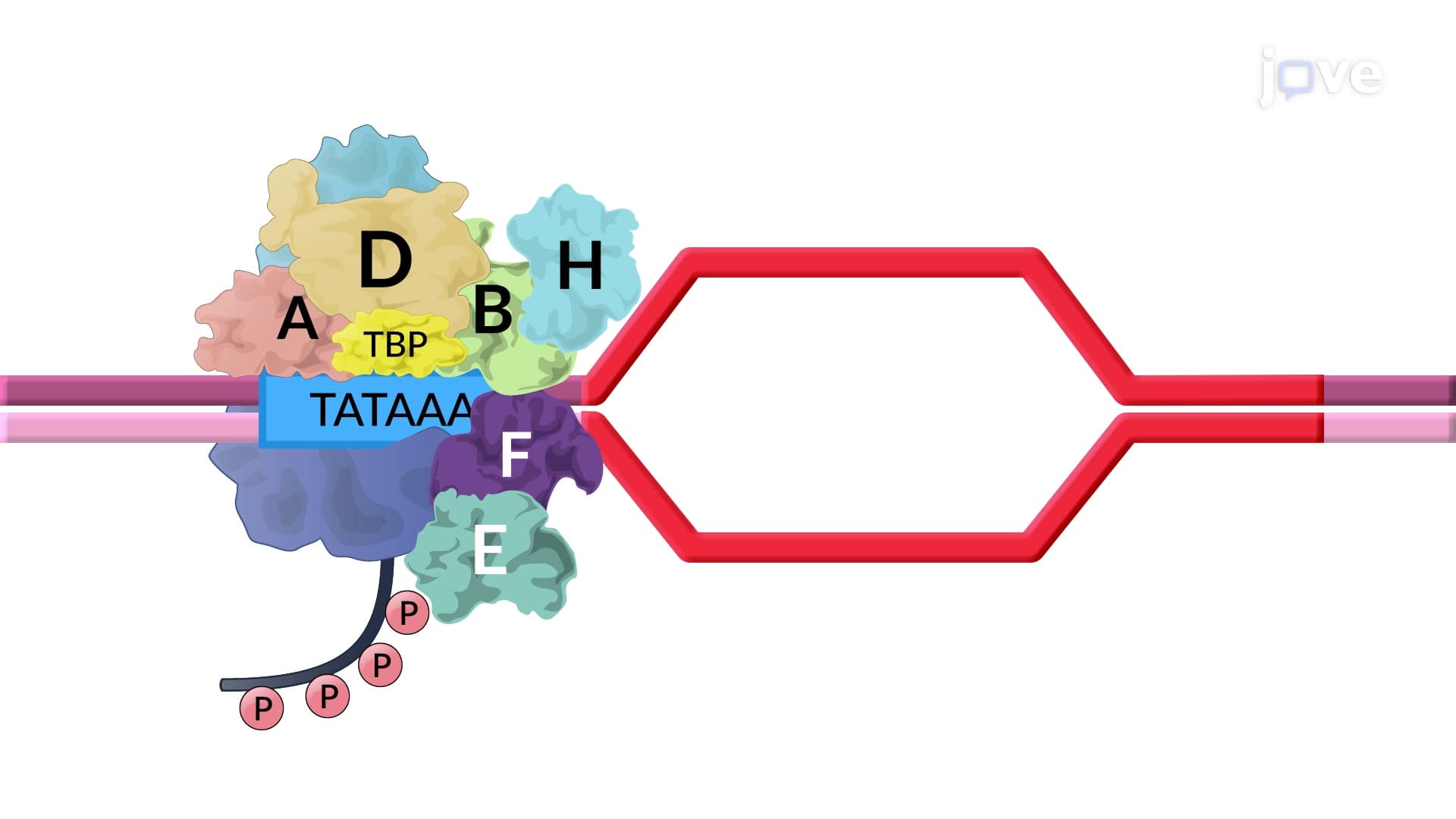
The process begins when RNA polymerase II transcribes a gene into precursor mRNA (pre-mRNA) containing both exons (coding sequences) and introns (non-coding sequences). During constitutive splicing, all exons are joined sequentially after intron removal. However, alternative splicing creates complexity by selectively including or excluding specific exons, resulting in multiple mature mRNA molecules from one gene.
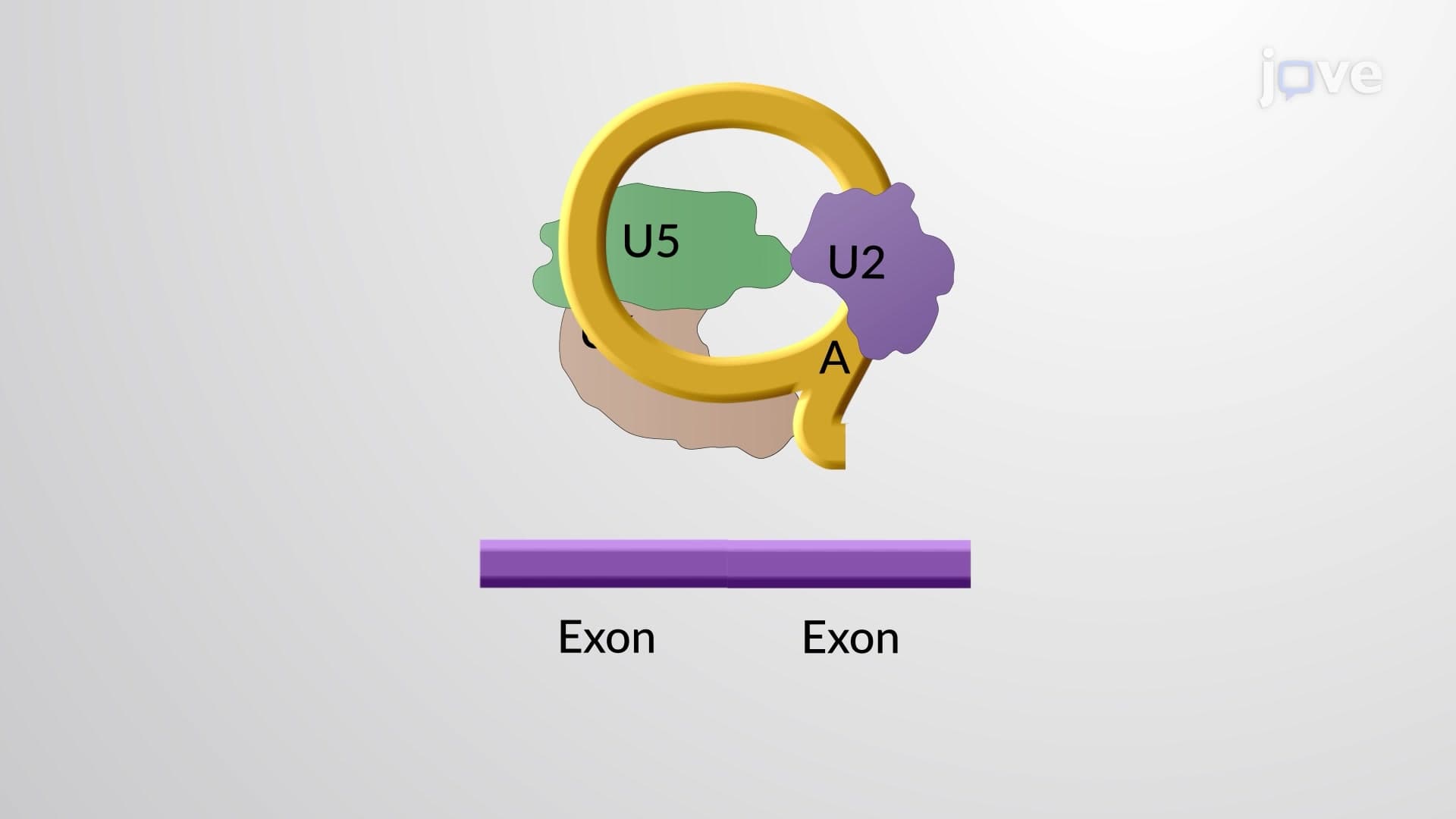
The spliceosome, a dynamic ribonucleoprotein complex, orchestrates this process. Key regulatory proteins include splicing activators that bind to exonic splicing enhancers (ESEs) and intronic splicing enhancers (ISEs), promoting exon inclusion. Conversely, splicing repressors bind to exonic splicing silencers (ESSs) and intronic splicing silencers (ISSs), causing exon skipping. This regulatory network allows cells to fine-tune gene expression in response to developmental cues, environmental stimuli, or tissue-specific requirements.
Several distinct patterns characterize alternative splicing events. Exon skipping involves excluding entire exons from the mature transcript. Intron retention incorporates normally spliced introns into the final mRNA. Alternative 5' or 3' splice sites create transcripts with extended or shortened exons. Mutually exclusive exons ensure only one of several similar exons appears in the mature mRNA.
Alternative splicing plays crucial roles in human health and disease. Many genetic disorders, including certain forms of muscular dystrophy and cancer, result from splicing defects. Pharmaceutical companies now target splicing mechanisms for therapeutic intervention. Understanding these concepts proves essential for students preparing for advanced biology courses, MCAT sections covering molecular biology, and AP Biology exams emphasizing gene expression regulation.
Related Micro-courses