Loading video…


 21 Concepts
 421.3K views

Video Summary: What Is Bacterial RNA Polymerase
Every second, thousands of bacterial cells in your gut are copying their DNA to make life-sustaining proteins-but how do they do it? Bacterial RNA polymerase is the molecular machine that converts DNA instructions into messenger RNA, making protein synthesis possible in prokaryotic organisms. Consider E. coli bacteria in research labs at Harvard Medical School, where scientists study how this five-subunit enzyme complex (two alpha, beta, beta-prime, and omega subunits) teams up with sigma factors to begin transcription. Understanding what is bacterial RNA polymerase reveals the fundamental process that keeps all bacterial life functioning. Watch the full video on JoVE Coach to master this concept with expert-led visuals and step-by-step explanations.
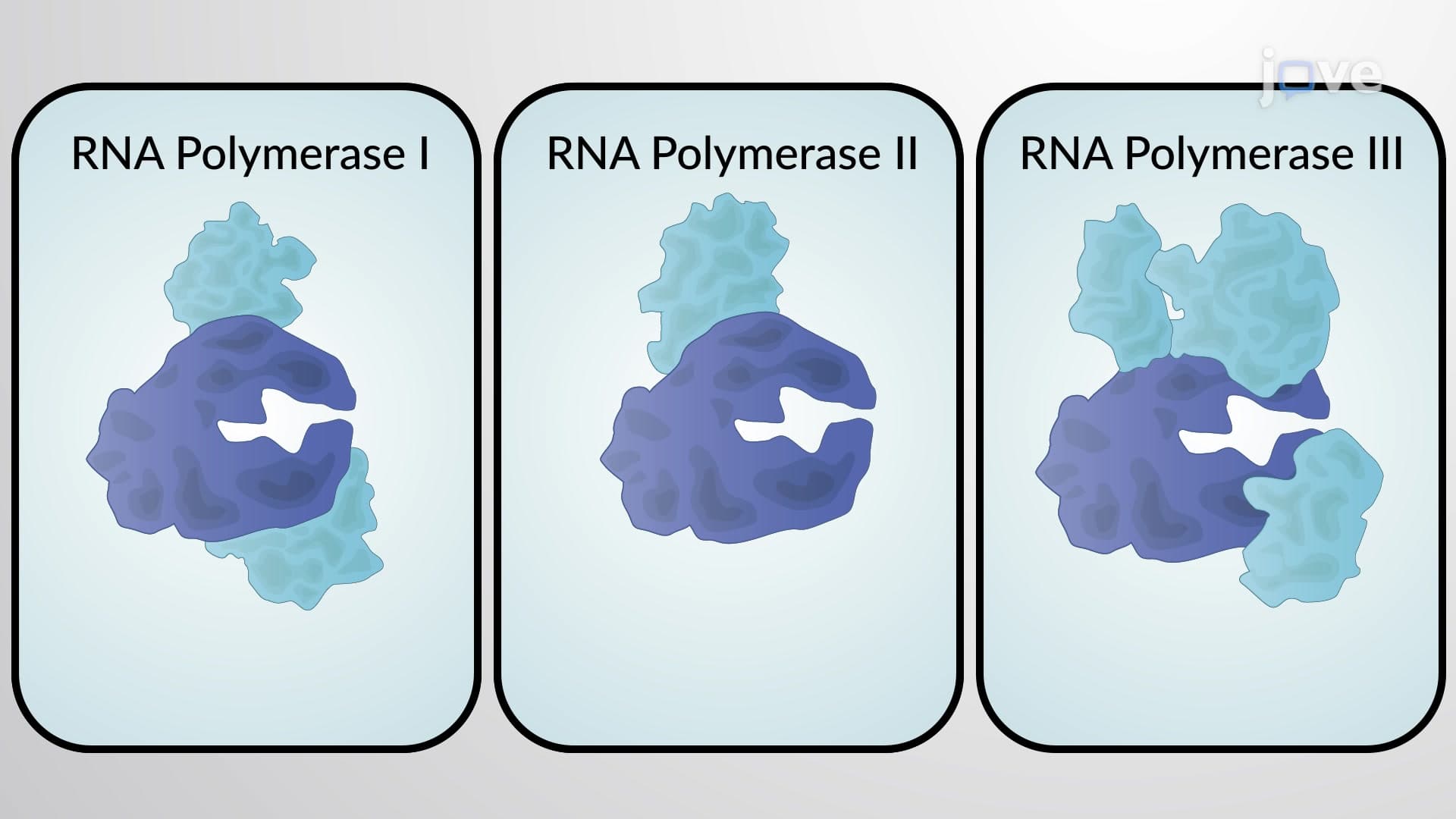
Bacterial RNA polymerase represents one of biology's most crucial molecular machines, responsible for transcribing genetic information from DNA into messenger RNA. Unlike eukaryotic cells that possess three distinct RNA polymerases, bacteria rely on a single, highly efficient enzyme to transcribe all their genes. This streamlined approach makes bacterial RNA polymerase biology explained through its remarkable structural organization and regulatory mechanisms.
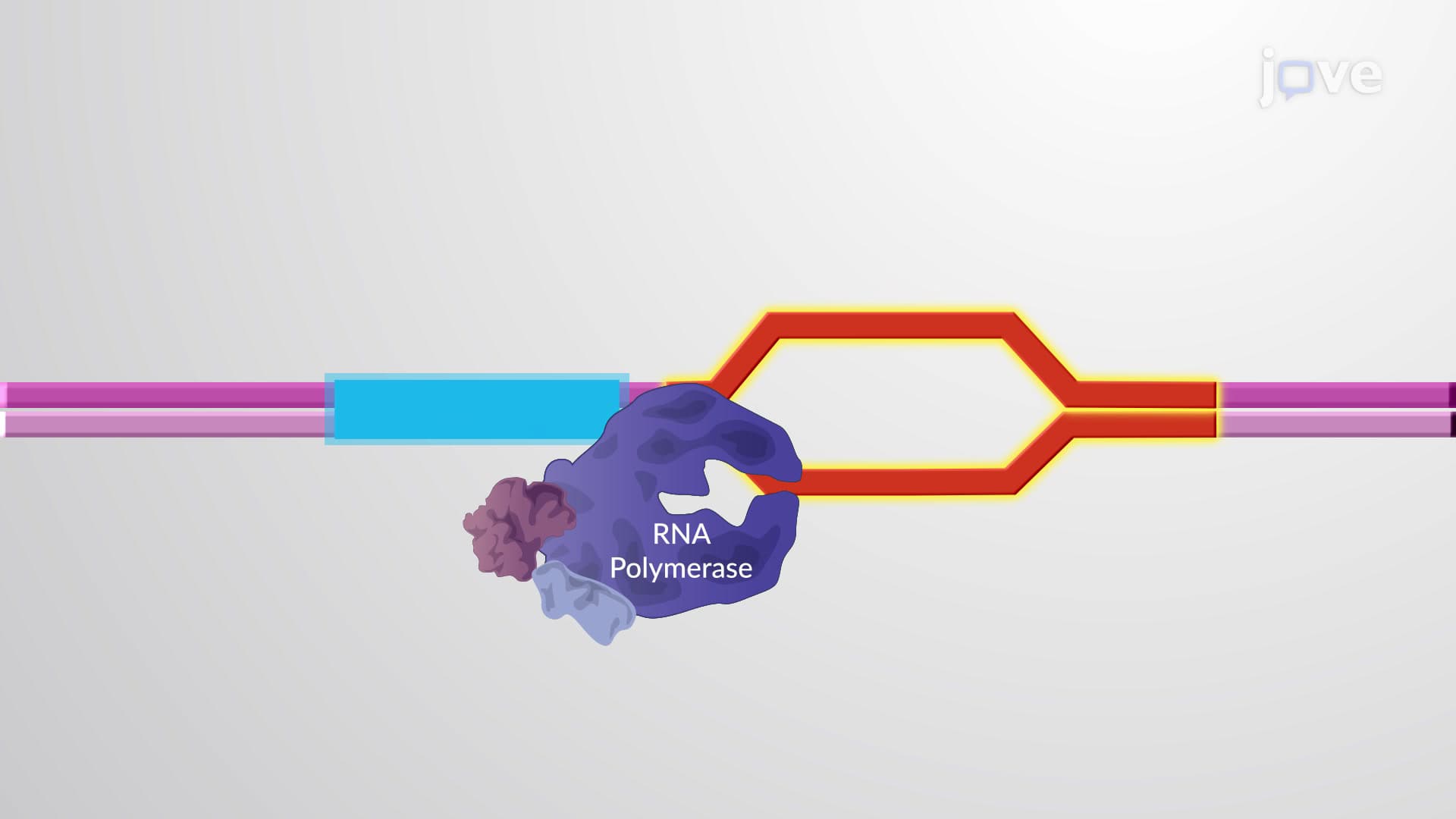
The bacterial RNA polymerase definition centers on its five-subunit core structure: two alpha (α) subunits, one beta (β) subunit, one beta-prime (β') subunit, and one omega (ω) subunit. The α subunits serve dual functions-they help assemble the enzyme and interact with regulatory proteins. The β and β' subunits form the enzyme's catalytic center, creating the active site where RNA synthesis occurs. Think of this like a sophisticated 3D printer that reads DNA blueprints and produces RNA copies with incredible precision.
The bacterial RNA polymerase study guide always emphasizes that the core enzyme alone cannot initiate transcription. It requires association with sigma (σ) factors to form the complete holoenzyme. Different sigma factors recognize specific promoter sequences, allowing bacteria to respond to environmental changes. For instance, E. coli uses σ70 for housekeeping genes under normal conditions but switches to σ32 during heat stress-a concept frequently tested in AP Biology exams and college microbiology courses.
Understanding bacterial RNA polymerase notes becomes particularly relevant in medical contexts. Antibiotics like rifampicin specifically target bacterial RNA polymerase, blocking transcription and killing pathogenic bacteria without affecting human RNA polymerases. This selectivity makes bacterial RNA polymerase a prime target for drug development, especially in combating antibiotic-resistant strains like MRSA in US hospitals. Students studying for the MCAT will encounter this bacterial RNA overview when learning about antimicrobial mechanisms and resistance patterns.
This bacterial RNA polymerase biology concept also appears in biotechnology applications. Researchers at institutions like MIT and Stanford use modified bacterial RNA polymerases in synthetic biology to create programmable gene expression systems, demonstrating the enzyme's importance beyond basic cellular function.
Related Micro-courses