Loading subject page…


421,326 views

Video Summary: What Is Bacterial Transcription
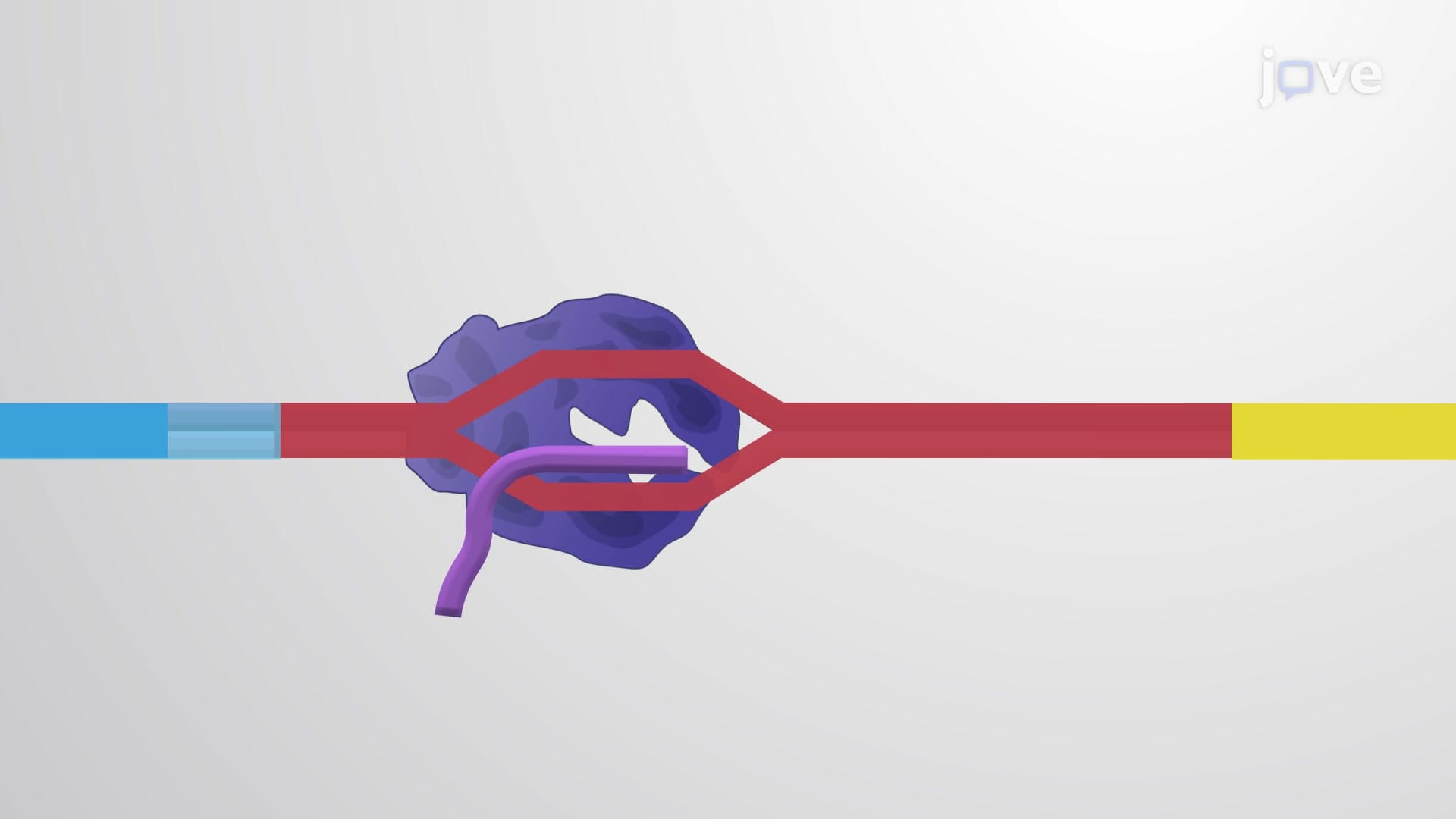
Did you know that bacterial transcription happens 50 times faster than human transcription? Bacterial transcription is the fundamental process where bacteria like *E. coli* (studied extensively at Harvard Medical School) convert DNA instructions into RNA molecules. Understanding what is bacterial transcription reveals how these microscopic organisms rapidly respond to environmental changes and produce essential proteins for survival. This process involves RNA polymerase binding to promoter sequences, unwinding DNA, and synthesizing RNA transcripts until termination signals halt the process. Watch the full video on JoVE Coach to master this concept with expert-led visuals and step-by-step explanations.
Bacterial transcription represents one of biology's most efficient molecular processes, where prokaryotic cells convert genetic information stored in DNA into functional RNA molecules. Unlike eukaryotic transcription, this process occurs directly in the cytoplasm without nuclear compartmentalization, making it remarkably fast and responsive to environmental changes.
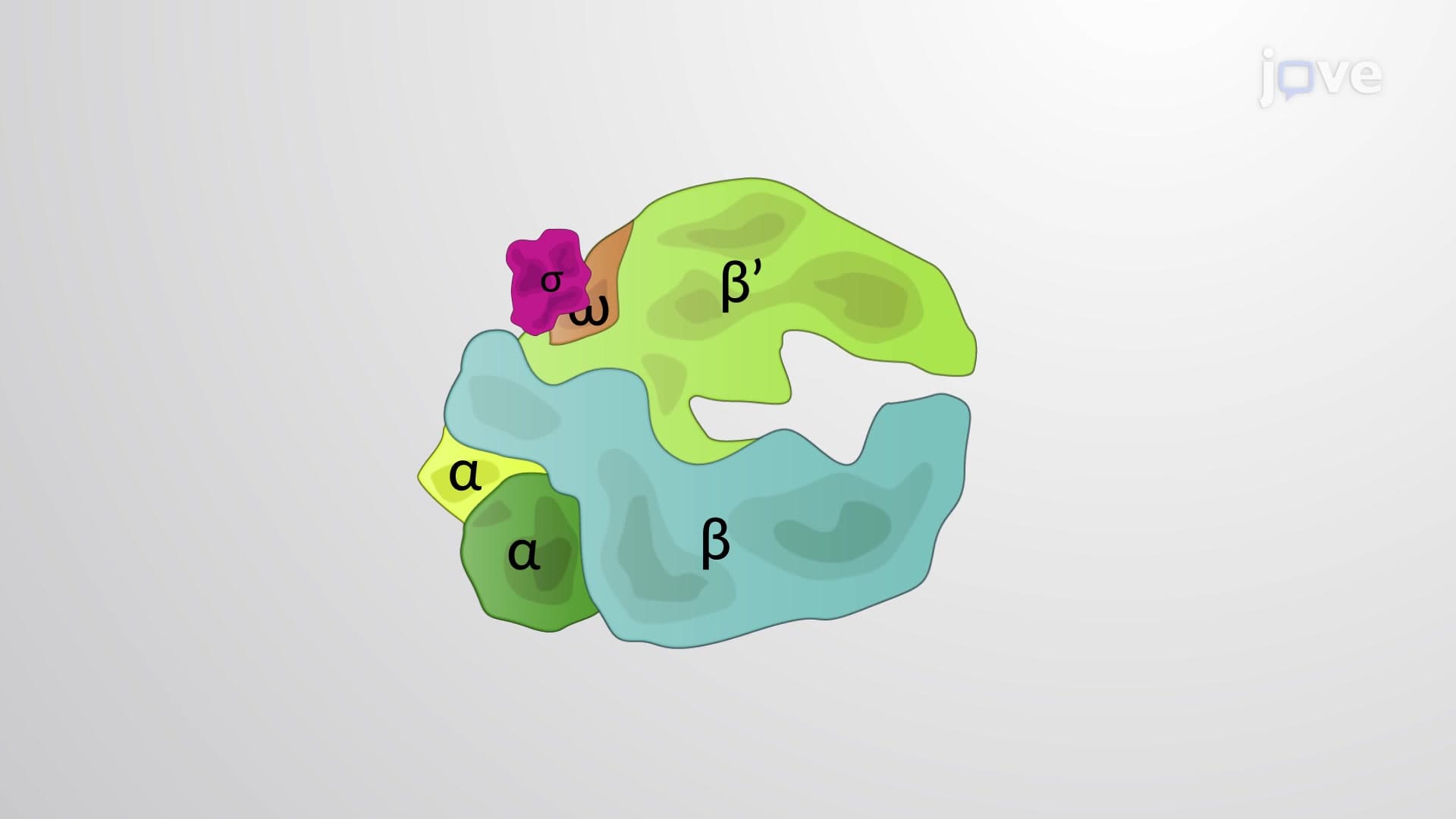
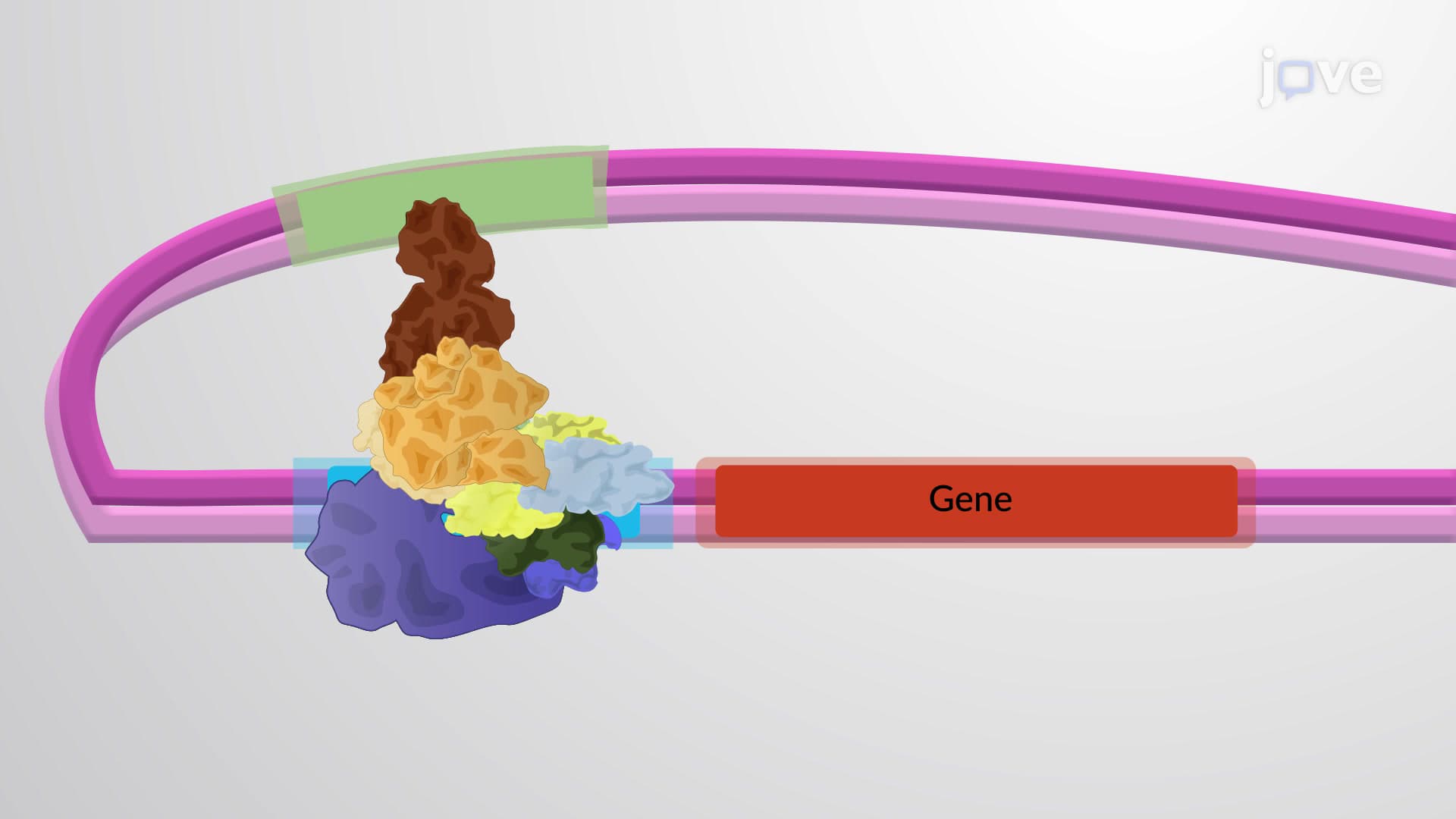
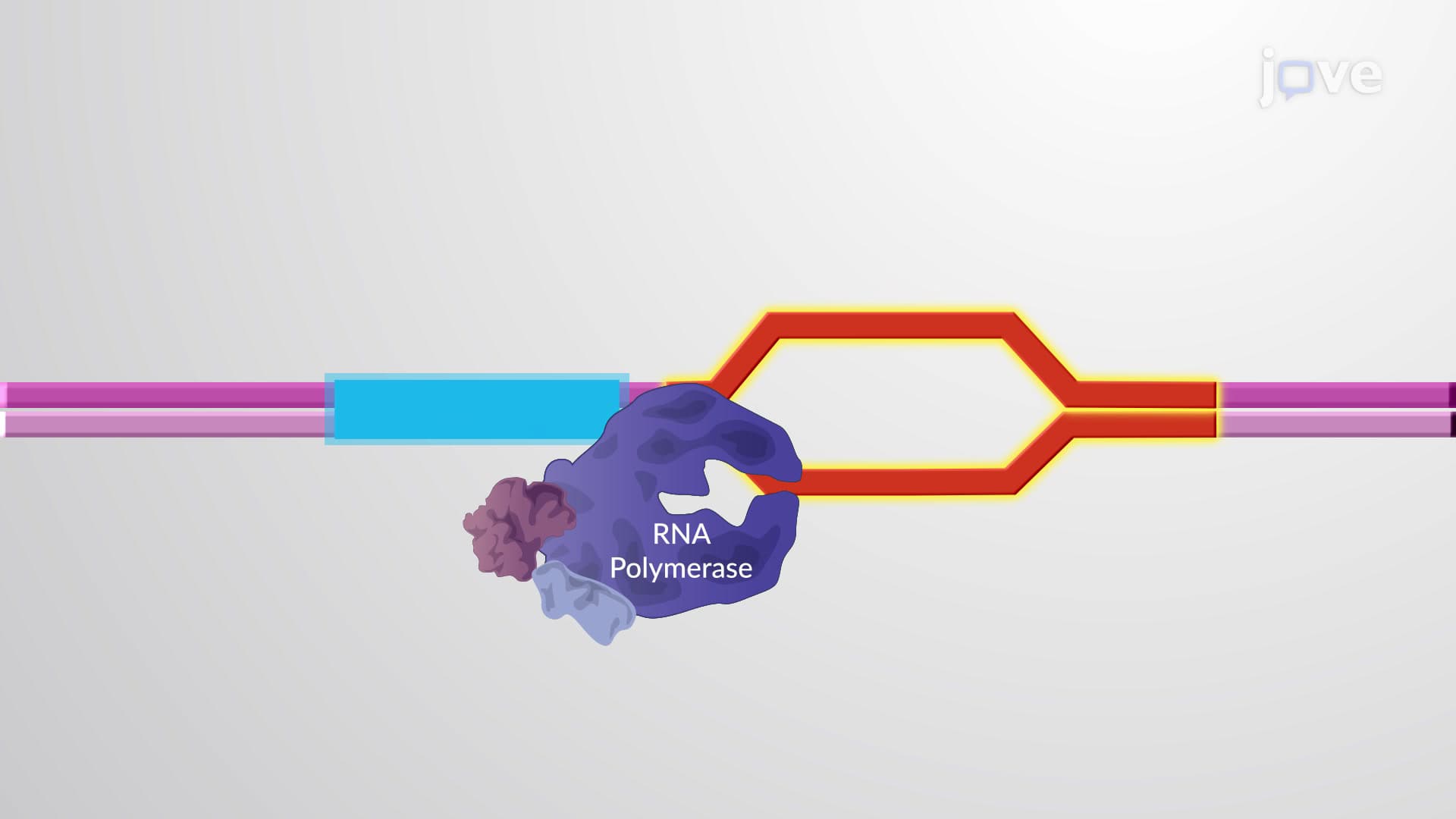
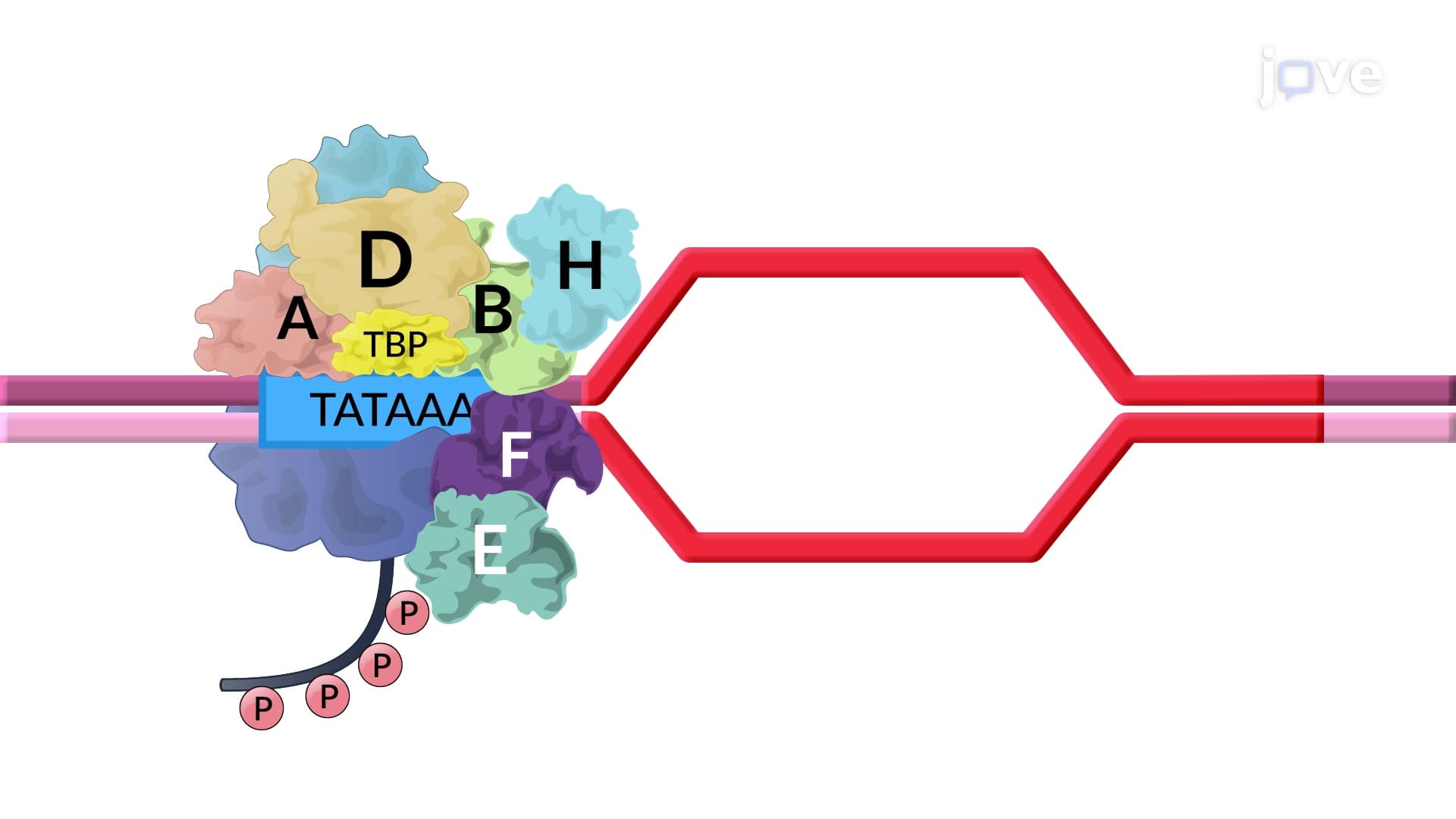
The journey begins when RNA polymerase holoenzyme-comprising the core enzyme plus sigma factor-searches for promoter sequences through a process called promoter recognition. This bacterial transcription mechanism involves the enzyme sliding along DNA with relatively low affinity until it encounters specific sequence elements. The -35 and -10 regions (named for their positions relative to the transcription start site) serve as critical recognition sequences, with consensus sequences like TTGACA and TATAAT respectively.
When studying for the MCAT or AP Biology exams, students often focus on how the sigma subunit facilitates promoter binding and DNA melting. The formation of the open-promoter complex represents a crucial regulatory checkpoint-companies like Genentech exploit this mechanism when engineering bacteria to produce human insulin and growth hormones.
Once initiation occurs, bacterial transcription enters the elongation phase characterized by highly processive RNA synthesis. The RNA polymerase core enzyme, now freed from its sigma factor after approximately 10 nucleotides of synthesis, demonstrates remarkable efficiency-adding up to 50 nucleotides per second. This speed advantage makes bacterial systems invaluable for biotechnology applications.
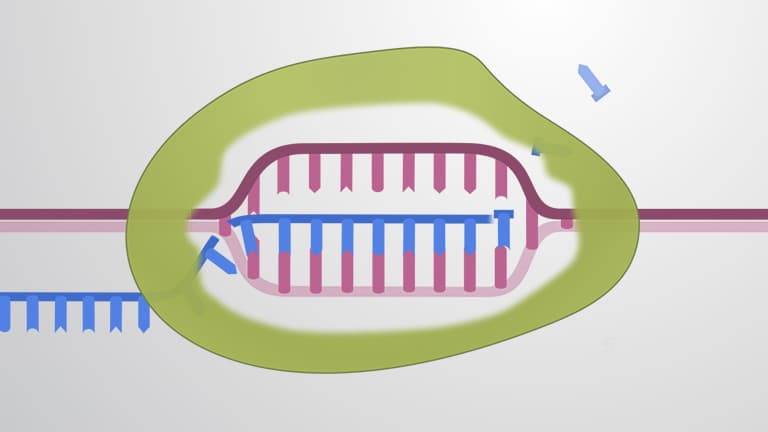
The transcription bubble, typically spanning 18-20 base pairs, moves along the DNA as the polymerase unwinds double-stranded DNA ahead and rewinds it behind. Understanding this bacterial transcription mechanism helps explain how organisms like *E. coli* can rapidly adjust protein production in response to nutrient availability-a concept frequently tested in college microbiology courses.
Bacterial transcription termination occurs through intrinsic (Rho-independent) or extrinsic (Rho-dependent) mechanisms. The intrinsic termination involves GC-rich palindromic sequences followed by poly-A stretches, creating stable hairpin structures in the nascent RNA. These hairpins destabilize the RNA-DNA hybrid, causing polymerase dissociation and transcript release.
This termination process has practical applications in genetic engineering-pharmaceutical companies designing bacterial expression systems must carefully consider terminator placement to optimize protein yields. Students preparing for the USMLE often encounter questions about how antibiotics like rifampin target bacterial transcription, making this knowledge clinically relevant.
Related Micro-courses