Loading video…


 21 Concepts
 421.3K views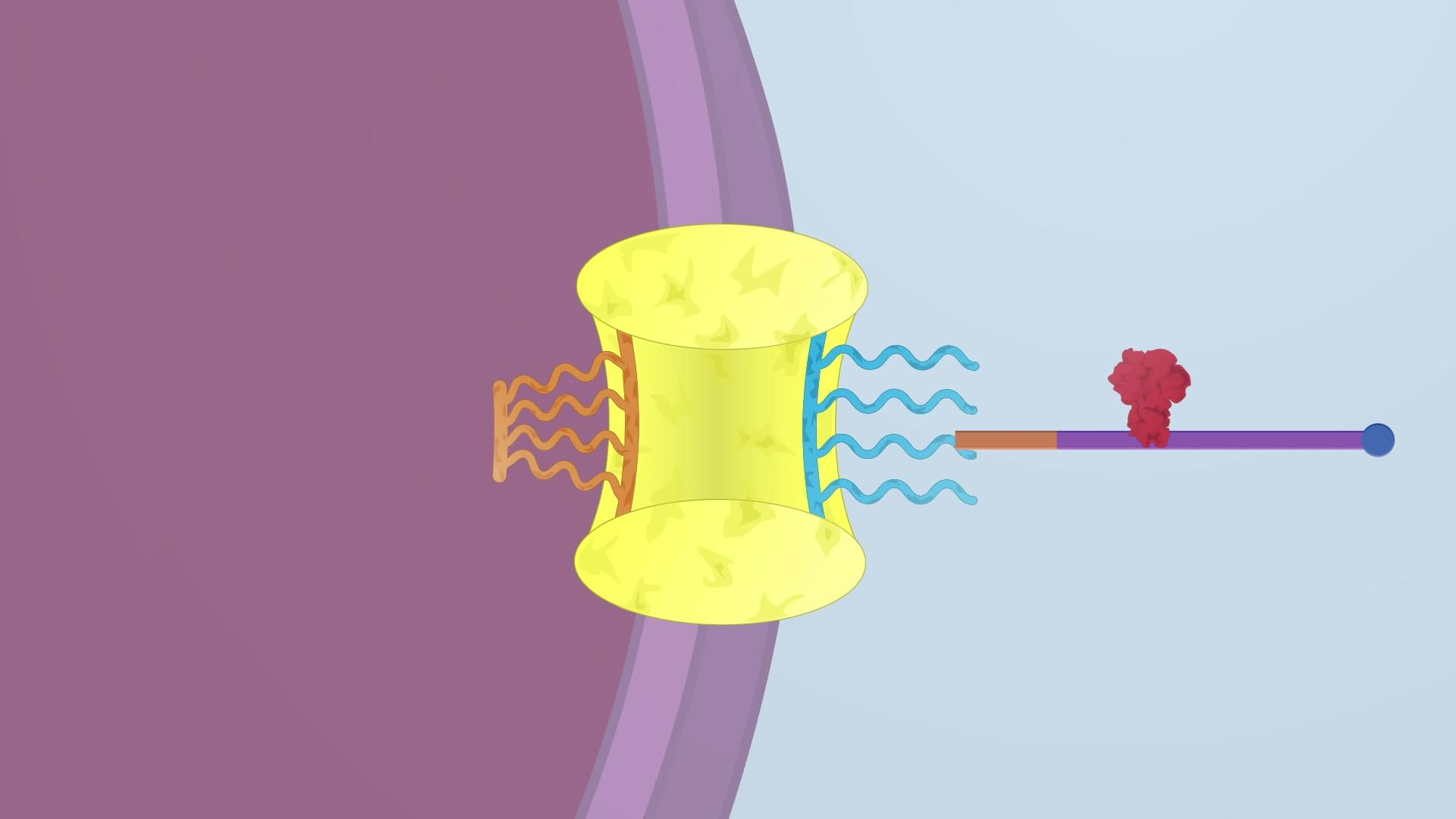

Video Summary: What Is Nuclear Export of Mrna
Every second, thousands of messenger RNA molecules journey from your cell's nucleus to its cytoplasm-but how do cells ensure only perfectly processed mRNA makes this critical trip? Nuclear export of mRNA is the highly regulated process where mature mRNA molecules travel through nuclear pores to reach ribosomes for protein synthesis. In biotechnology companies like Moderna, understanding this process was crucial for developing effective mRNA vaccines. Watch the full video on JoVE Coach to master this concept with expert-led visuals and step-by-step explanations.
Nuclear export of mRNA represents one of the most sophisticated quality control systems in eukaryotic cells. This process ensures that only properly processed messenger RNA molecules reach the cytoplasm where protein synthesis occurs. For students preparing for the AP Biology exam or college-level cell biology courses, mastering this concept is essential for understanding gene expression regulation.
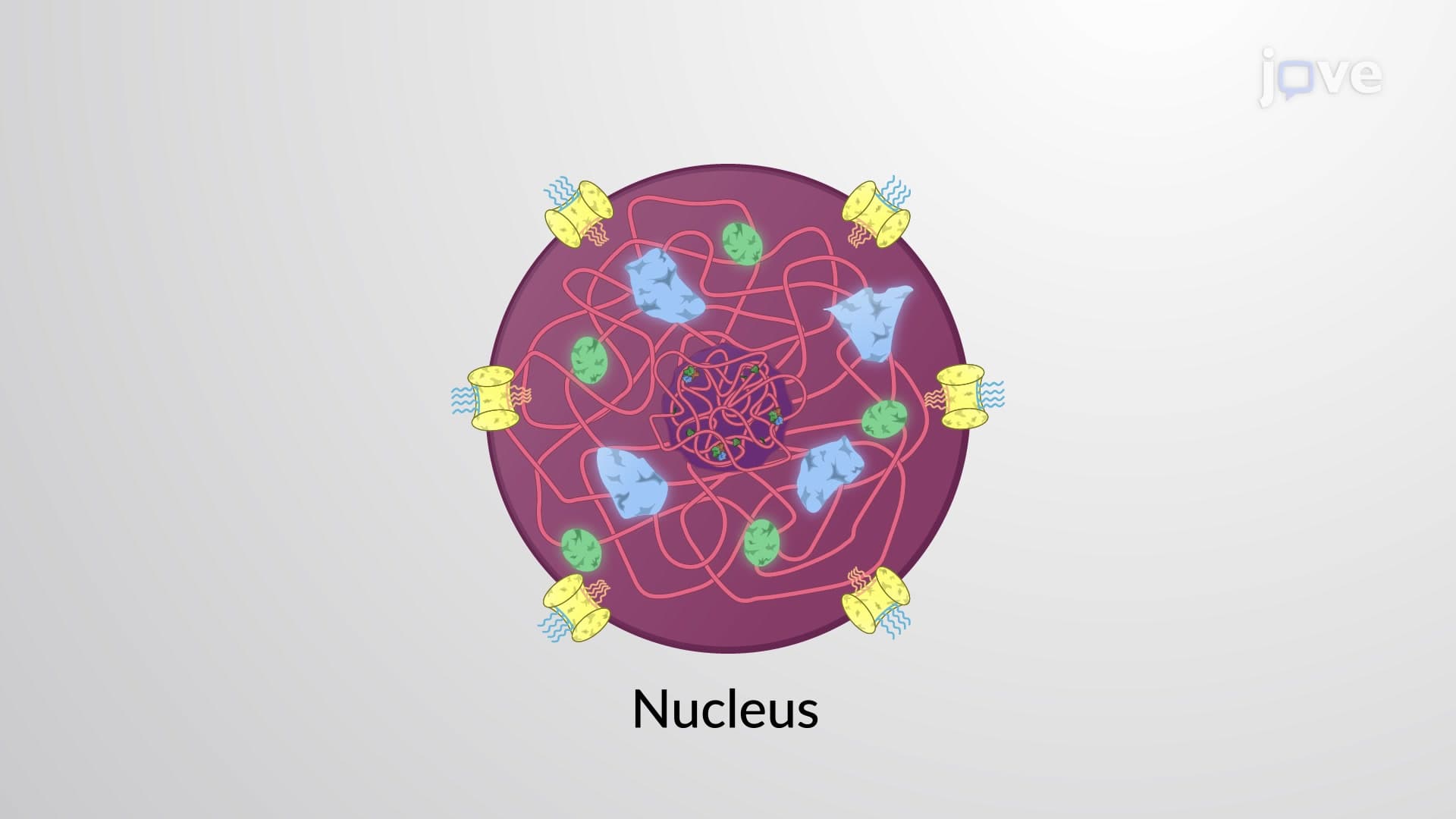
At the heart of mRNA export lie nuclear pore complexes (NPCs)-massive protein assemblies embedded in the nuclear envelope. These cylindrical structures, composed of approximately 30 different nucleoporin proteins, function as selective gates rather than simple holes. Each NPC spans the nuclear membrane and creates a channel roughly 9 nanometers wide, allowing passage of molecules up to about 60 kilodaltons.
The selectivity of NPCs is crucial for cellular function. Students studying for the MCAT often encounter questions about how cells maintain nuclear-cytoplasmic compartmentalization while allowing necessary molecular traffic. The answer lies in the requirement for specific transport signals and receptor proteins that facilitate passage through these molecular checkpoints.
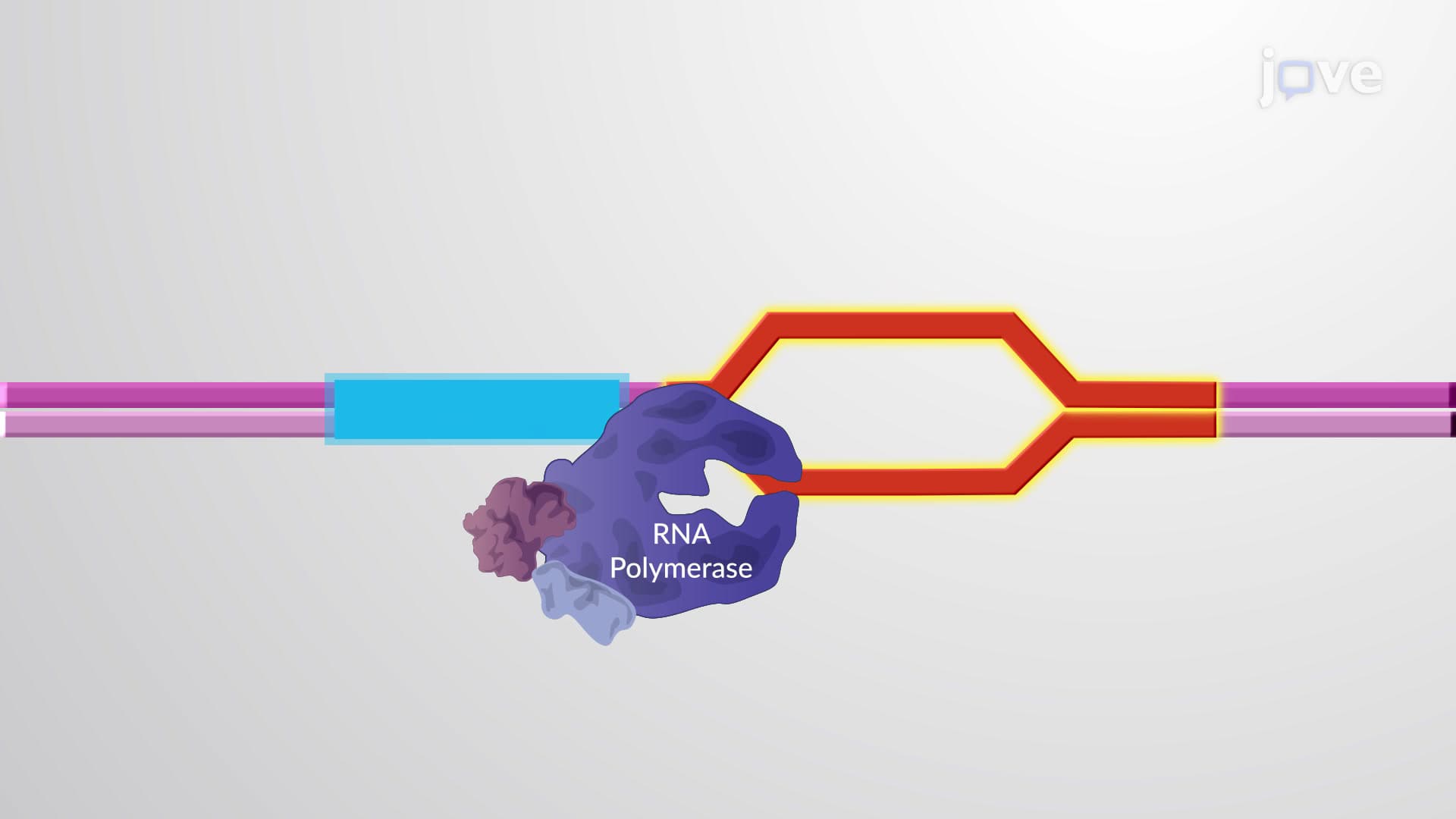
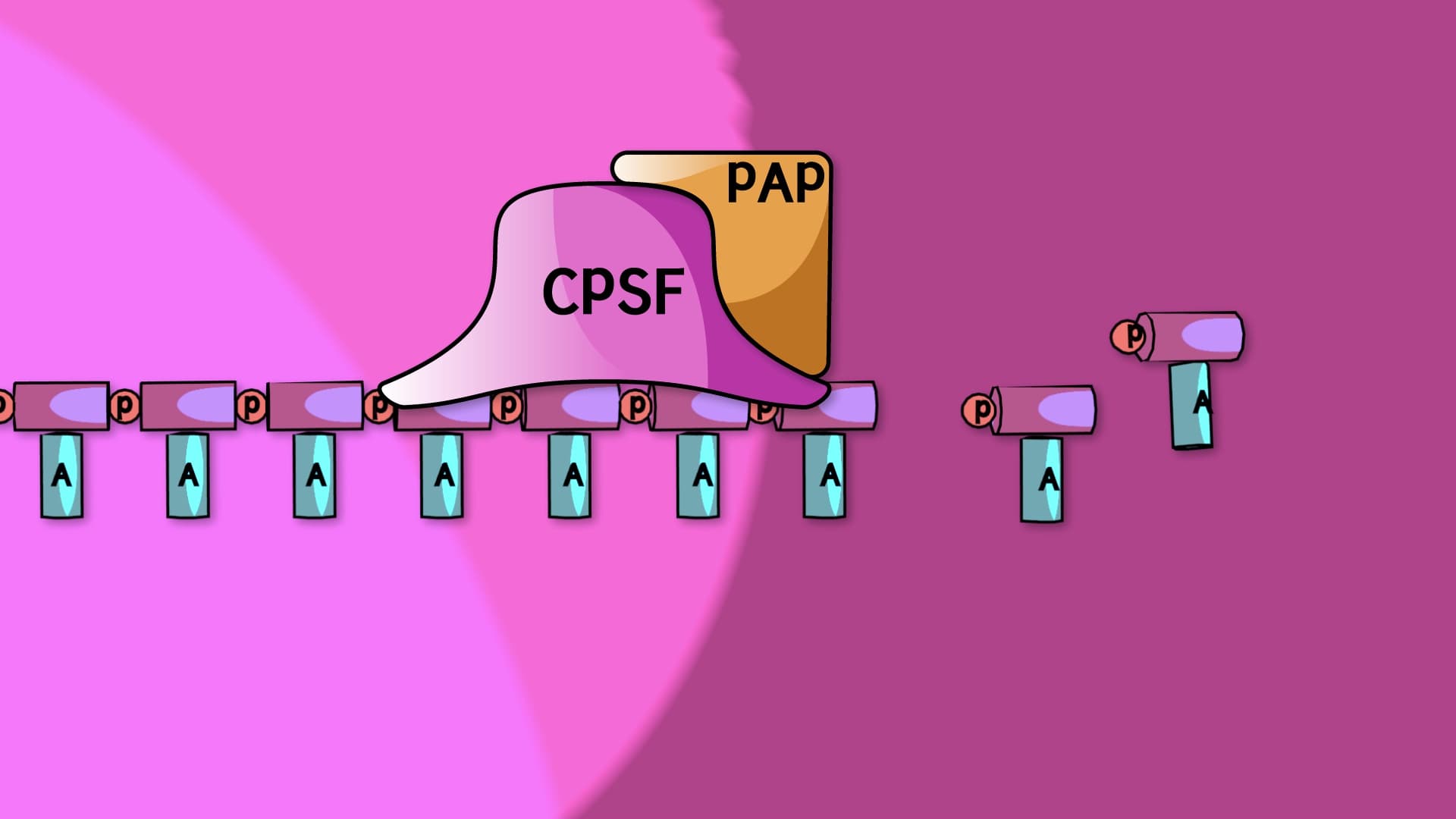
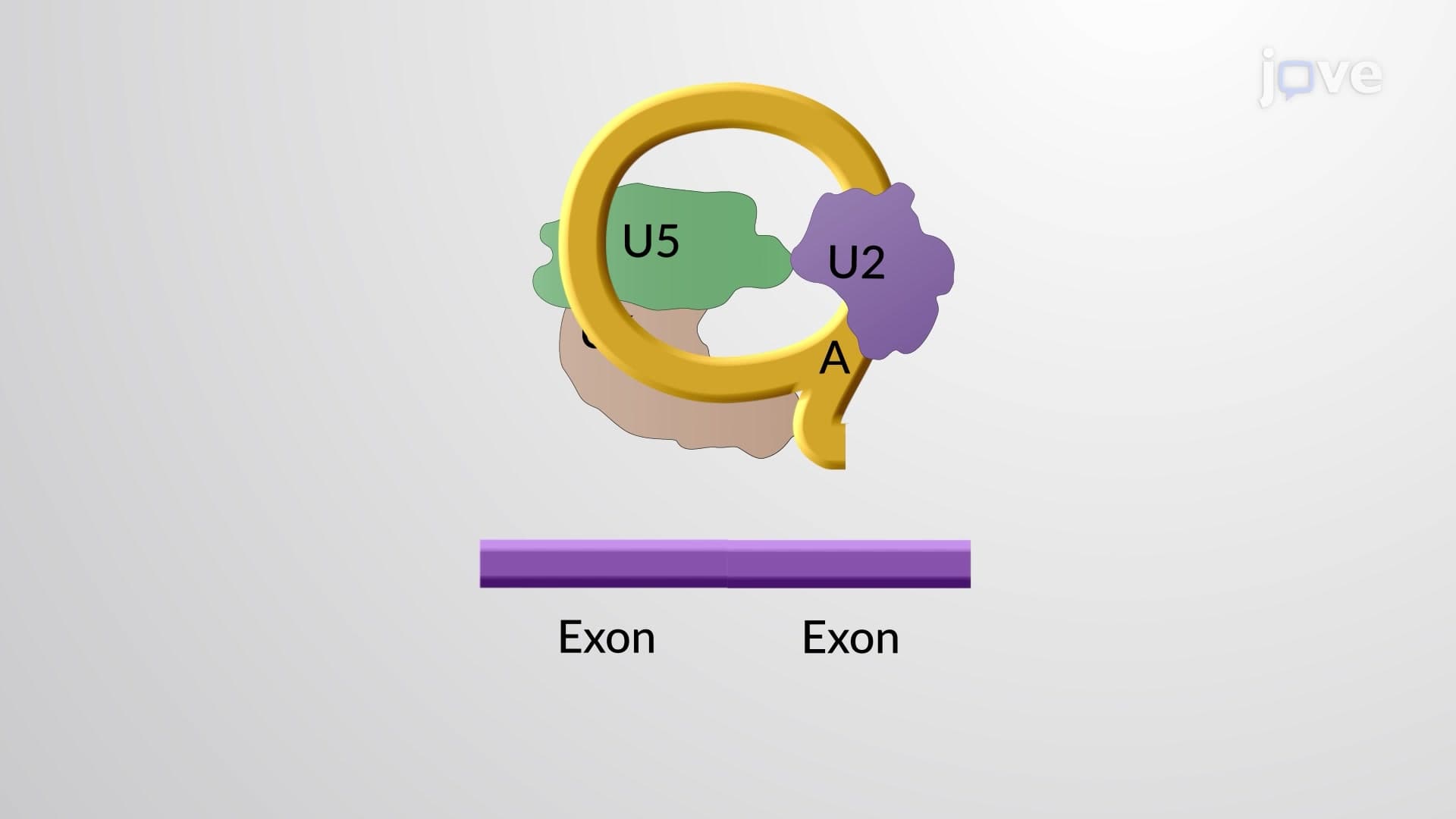
The cell's ability to distinguish mature mRNA from defective transcripts relies on a sophisticated protein-binding system. Properly processed mRNA molecules acquire specific protein partners during their maturation: cap-binding complexes (CBC) recognize the 5' cap structure, exon junction complexes (EJC) mark sites of successful splicing, and poly-A binding proteins associate with the 3' tail.
This protein coating serves as a molecular passport, signaling to nuclear export machinery that the mRNA is ready for translation. Defective transcripts-including unspliced pre-mRNA, excised introns, and aberrantly spliced products-lack these protein signatures and remain trapped in the nucleus.
Junk RNA molecules that fail quality control don't simply accumulate in the nucleus. Instead, they're efficiently degraded by the nuclear RNA exosome complex, a barrel-shaped ribonuclease that threads RNA molecules through its core to reach catalytic sites. This degradation system recycles nucleotides back to the cellular pool, maintaining efficient resource utilization.
Understanding exosome function is increasingly important in medical research, as mutations affecting RNA processing and degradation contribute to various genetic disorders studied in advanced biology and pre-med courses.
Related Micro-courses