Loading subject page…


421,325 views

Video Summary: What Is Pre Mrna Processing
Did you know that your cells must edit every single gene transcript before it can make proteins? Pre mRNA processing transforms raw genetic messages into functional blueprints through three critical steps: 5' capping, splicing, and 3' polyadenylation. Without proper pre mRNA processing, diseases like beta-thalassemia occur when faulty splicing prevents normal hemoglobin production in patients across the United States. Watch the full video on JoVE Coach to master this concept with expert-led visuals and step-by-step explanations.
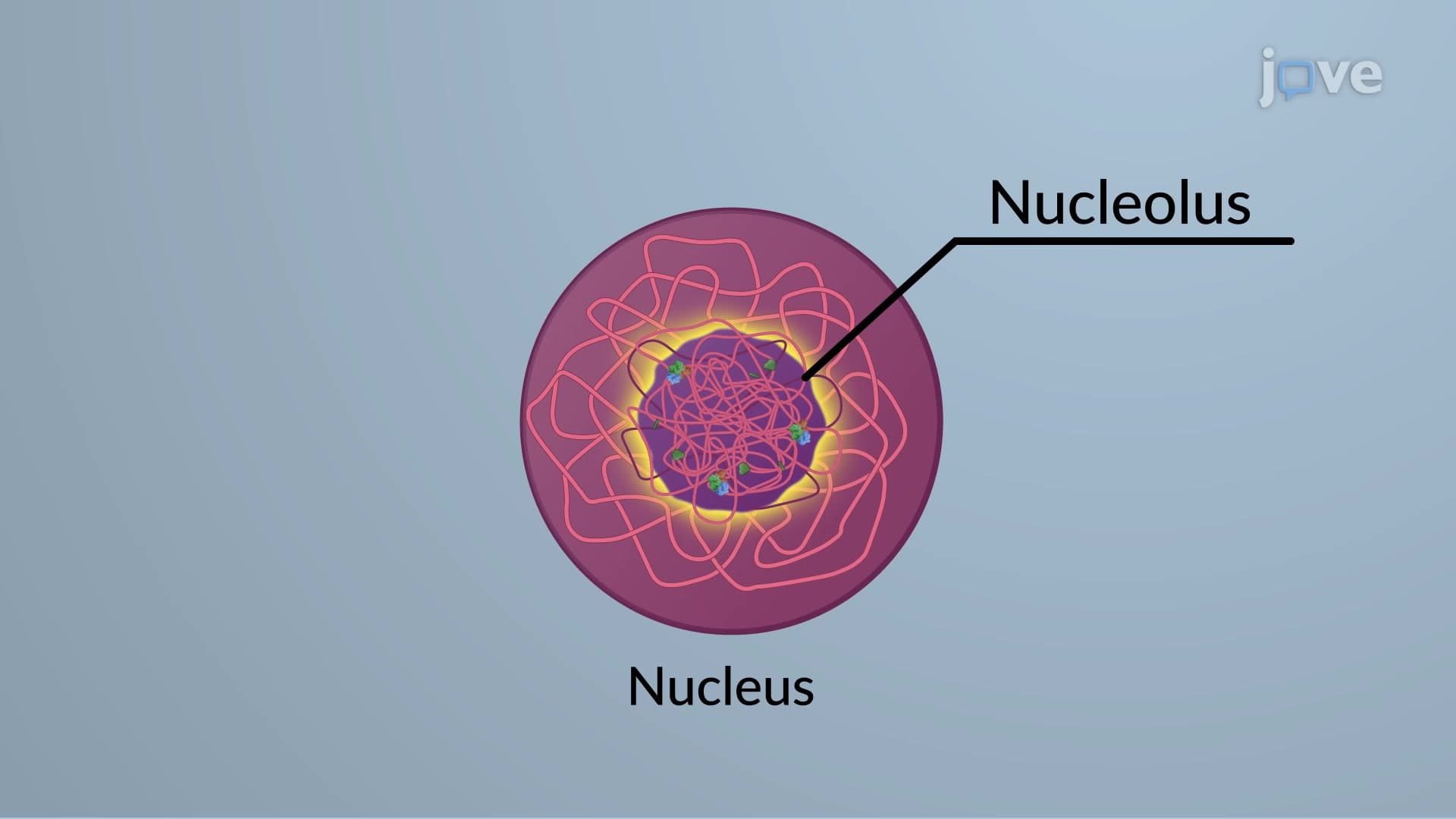
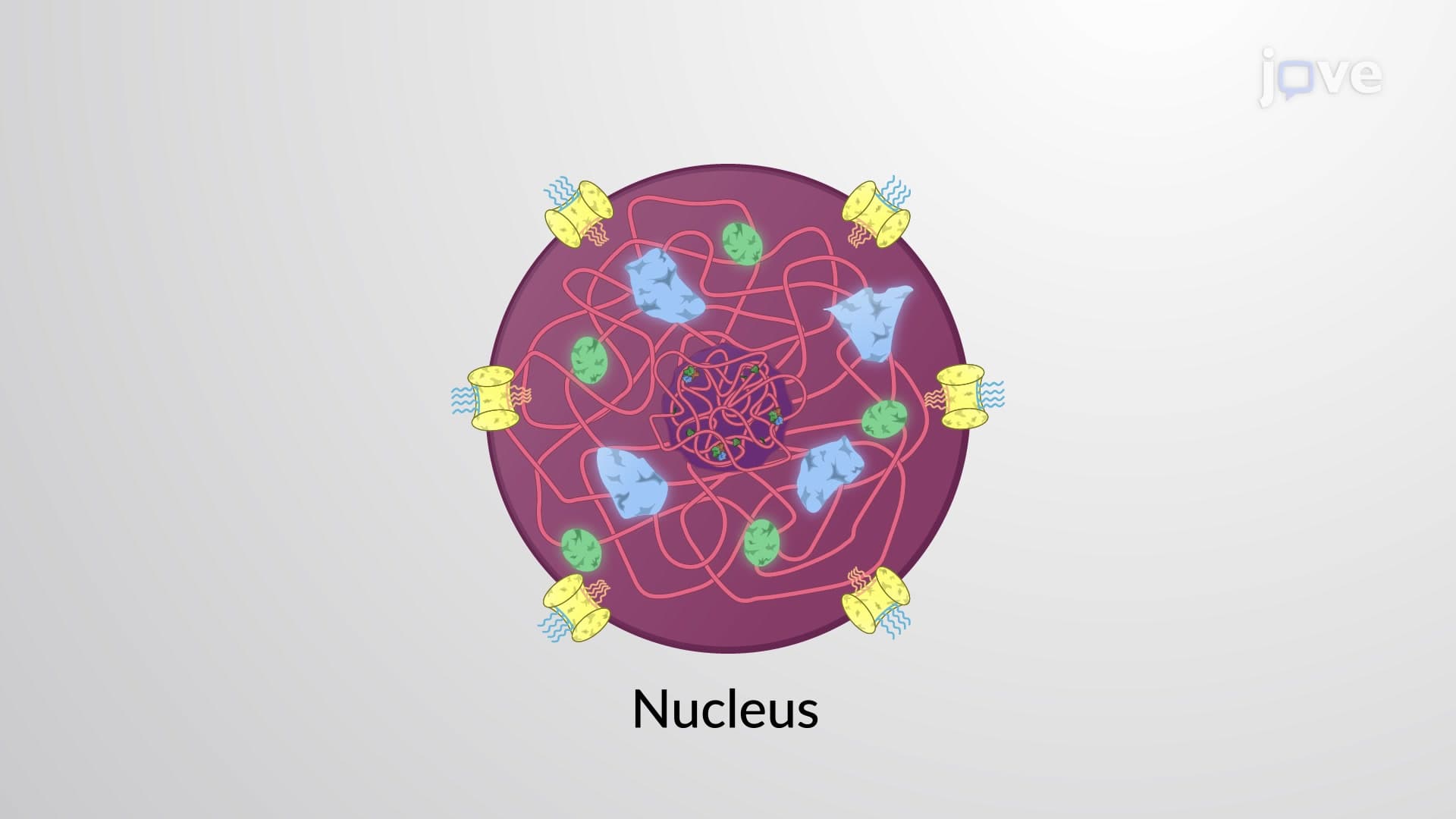
Pre mRNA processing is the sophisticated cellular mechanism that converts newly transcribed pre-messenger RNA into mature, functional mRNA ready for protein synthesis. In eukaryotic cells, this multi-step process occurs in the nucleus and involves three coordinated modifications that transform the initial transcript into a stable, translatable molecule.
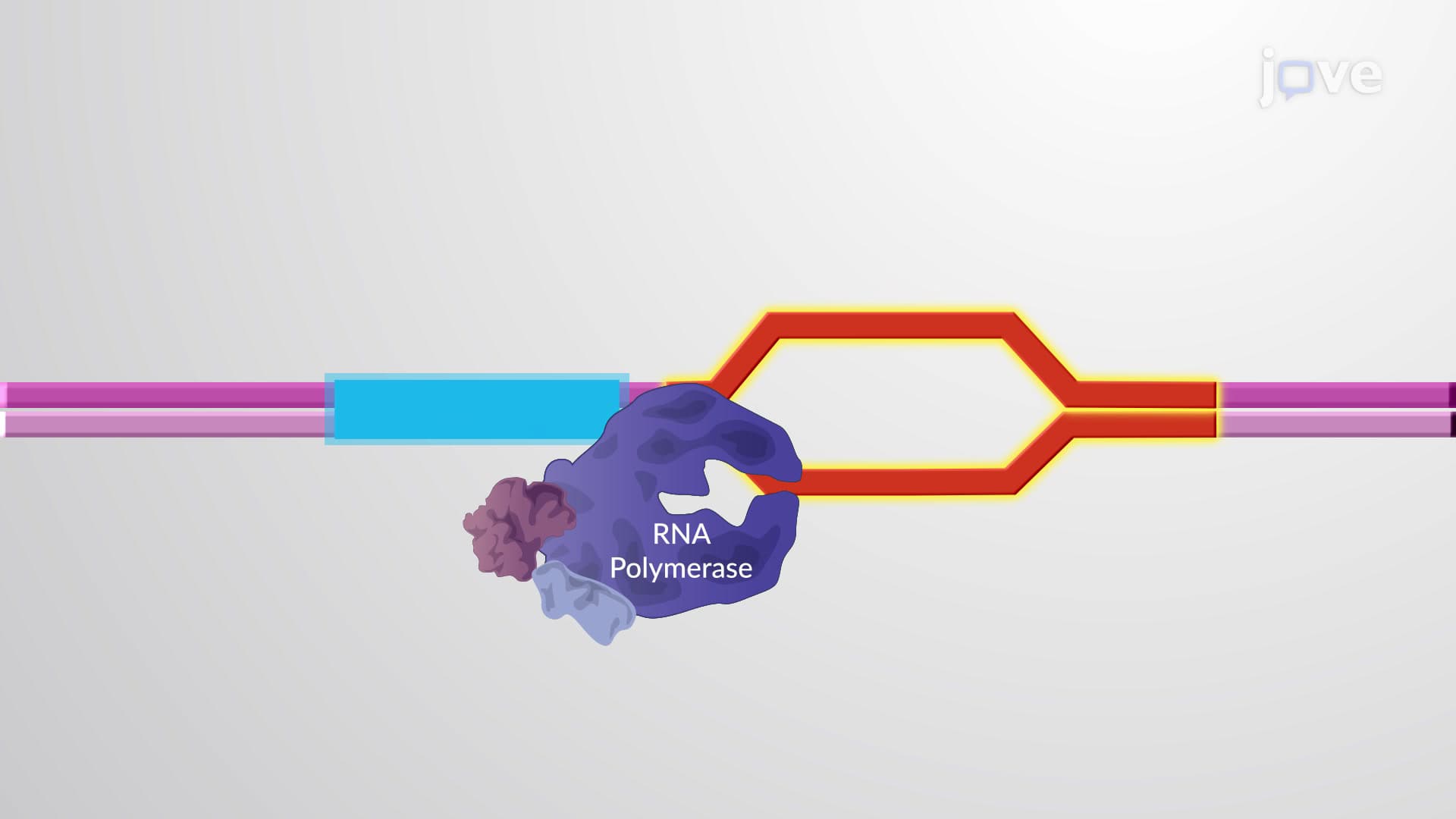
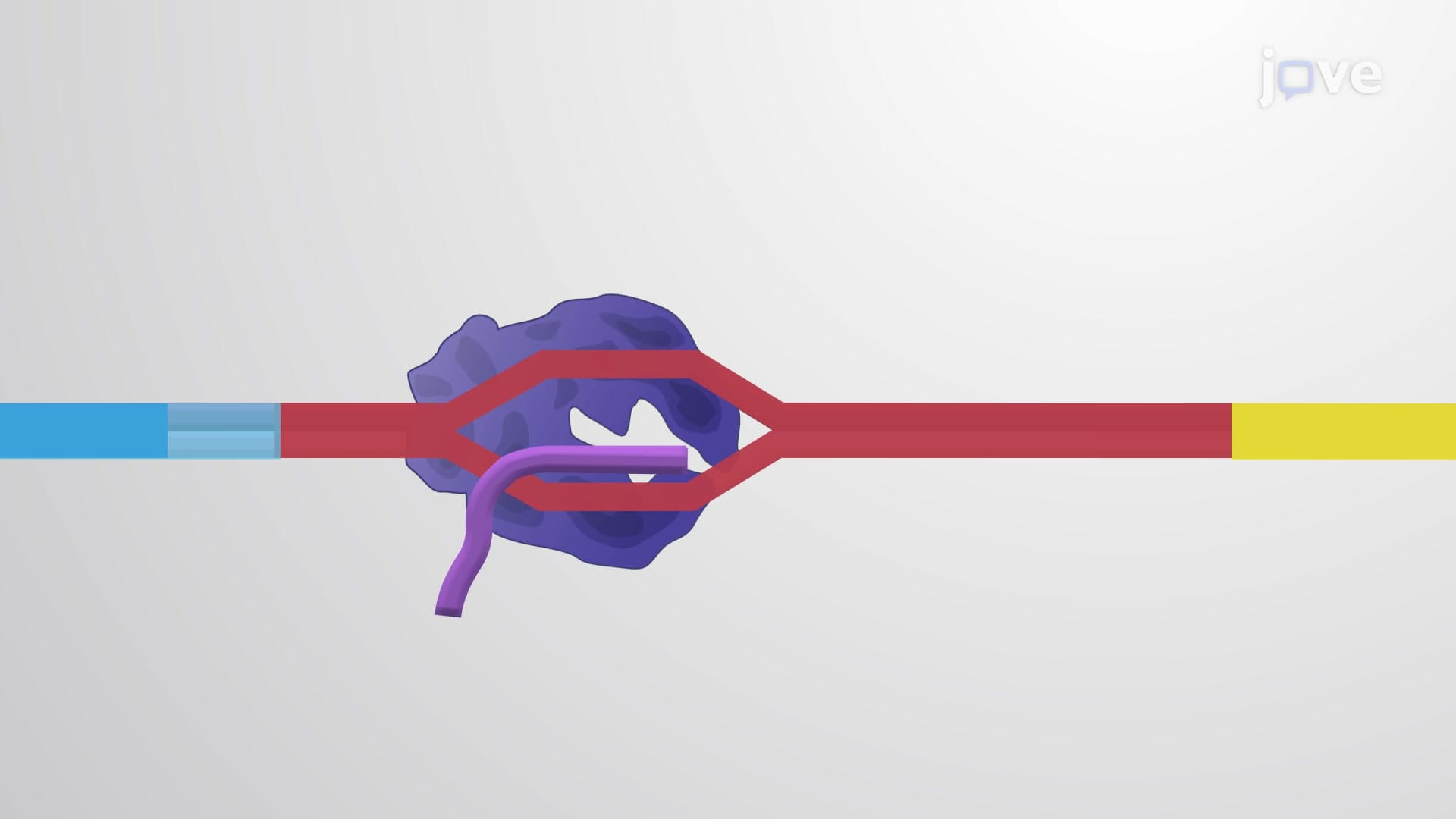
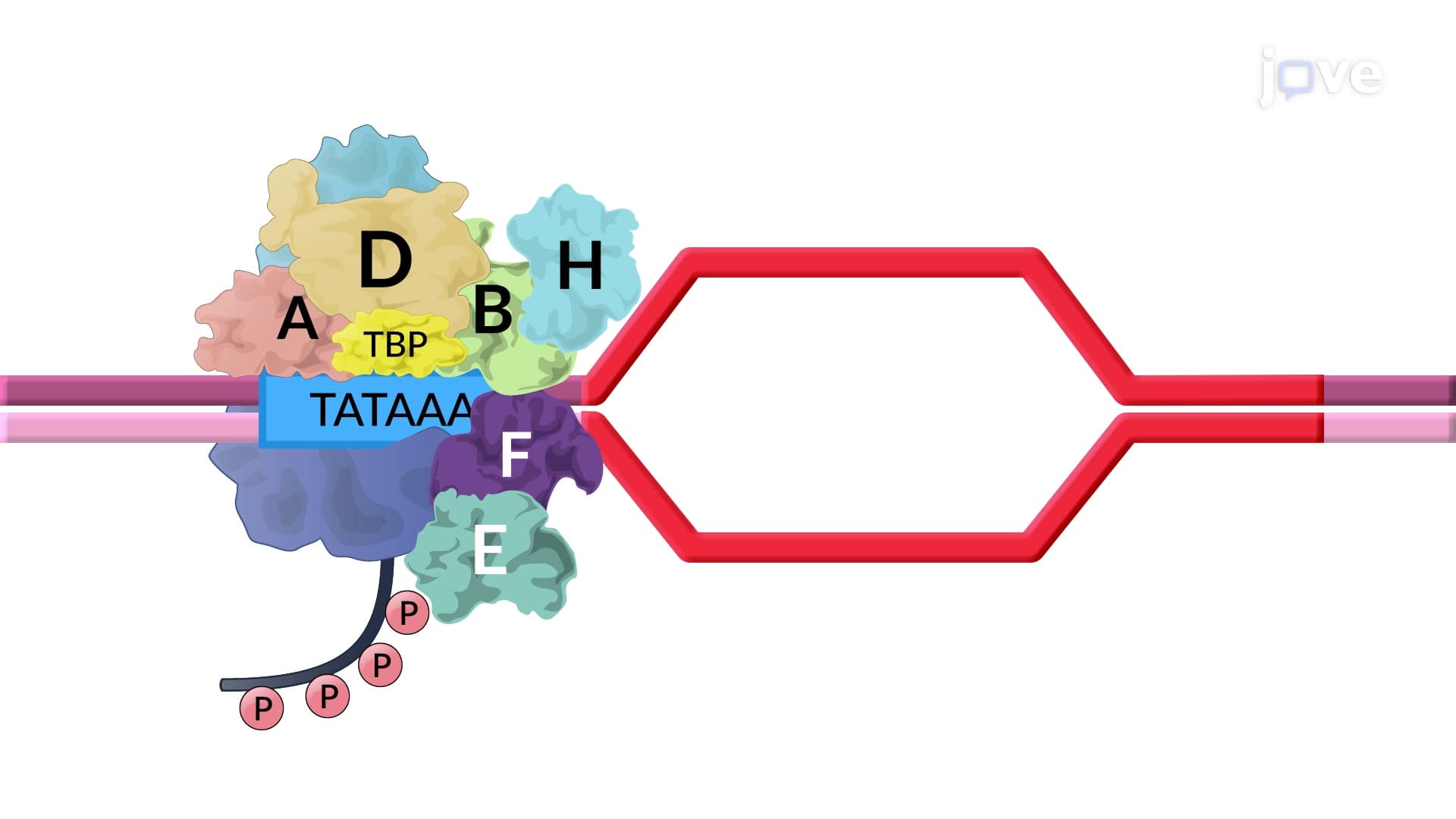
The first modification involves adding a 7-methylguanosine cap to the 5' end of the pre-mRNA. Capping enzymes work immediately after transcription begins, adding this protective structure that serves dual purposes. First, it shields the mRNA from 5' exonuclease degradation, significantly extending the molecule's lifespan. Second, cap-binding proteins recognize this structure during translation initiation, helping ribosomes locate and bind to the mRNA. Students preparing for the MCAT or AP Biology exam should remember that cap addition occurs co-transcriptionally, meaning it happens while RNA polymerase II is still synthesizing the transcript.
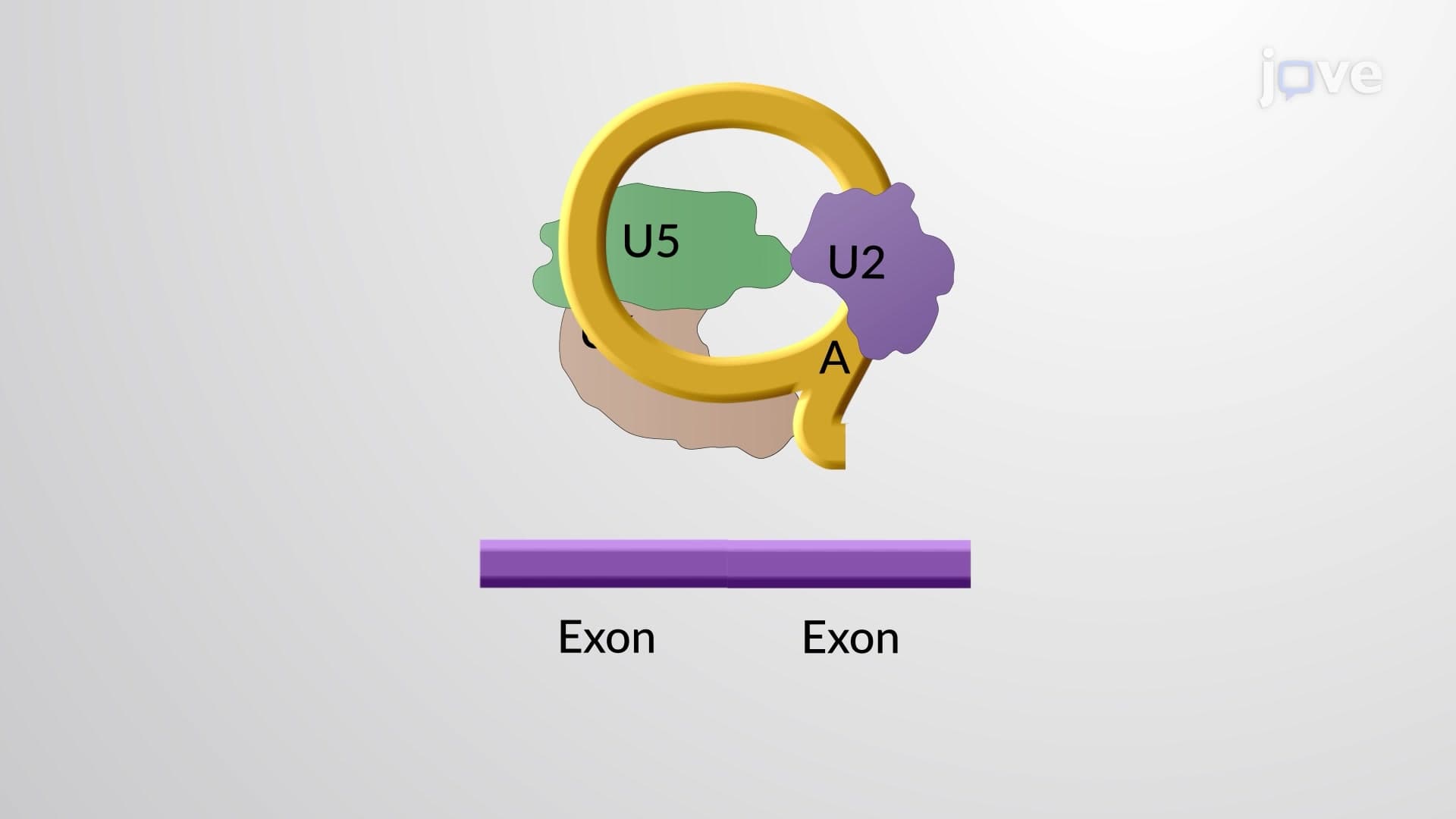
The most complex aspect of pre mRNA processing biology explained involves splicing, where the spliceosome removes introns and ligates exons together. This massive ribonucleoprotein complex recognizes specific splice sites through base-pairing interactions between small nuclear RNAs (snRNAs) and the pre-mRNA substrate. The process requires precise recognition of the 5' splice site (typically GU), branch point adenosine, and 3' splice site (typically AG). Alternative splicing allows single genes to produce multiple protein variants-for example, the DSCAM gene in humans can theoretically produce over 38,000 different proteins through alternative exon usage.
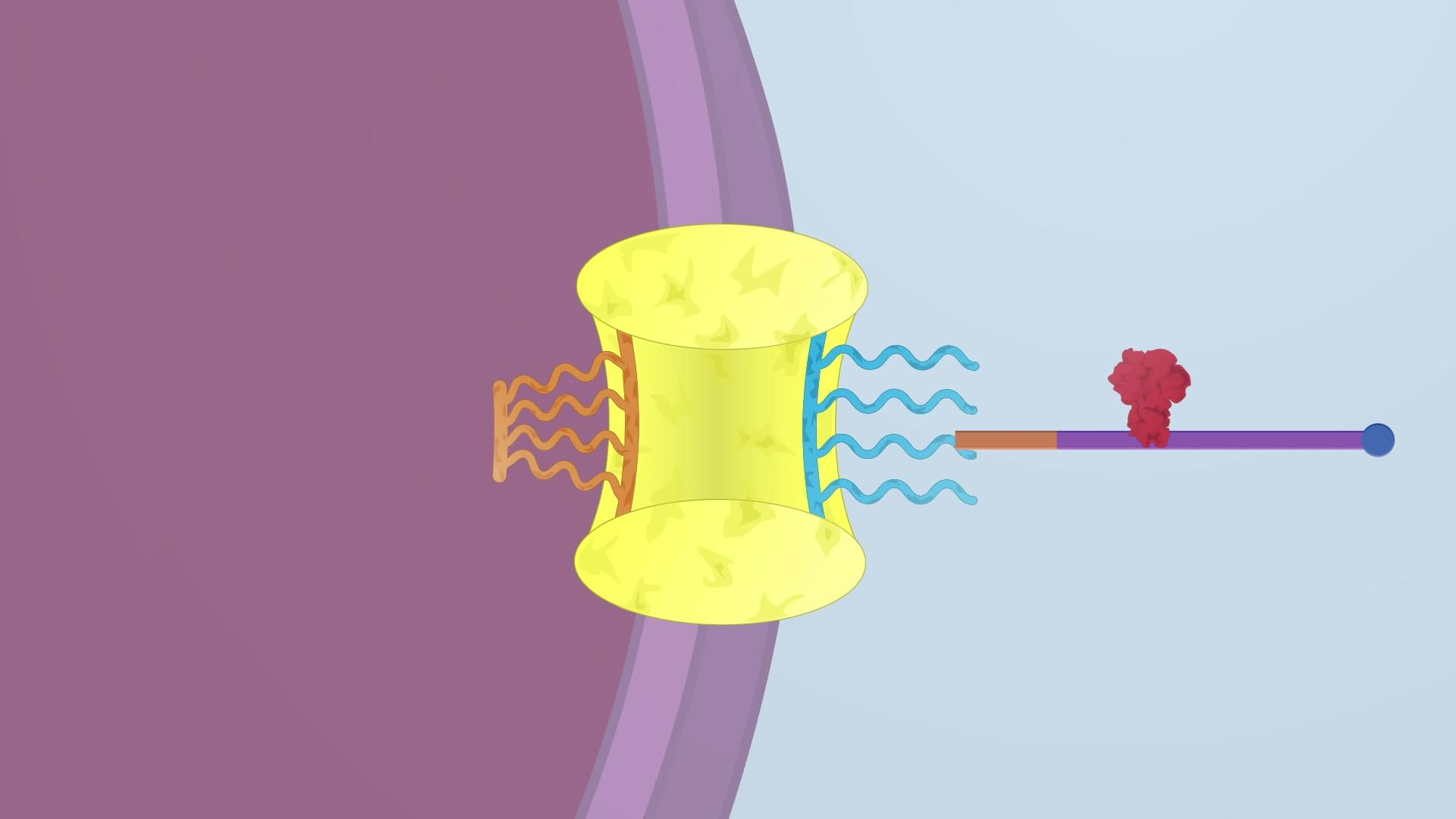
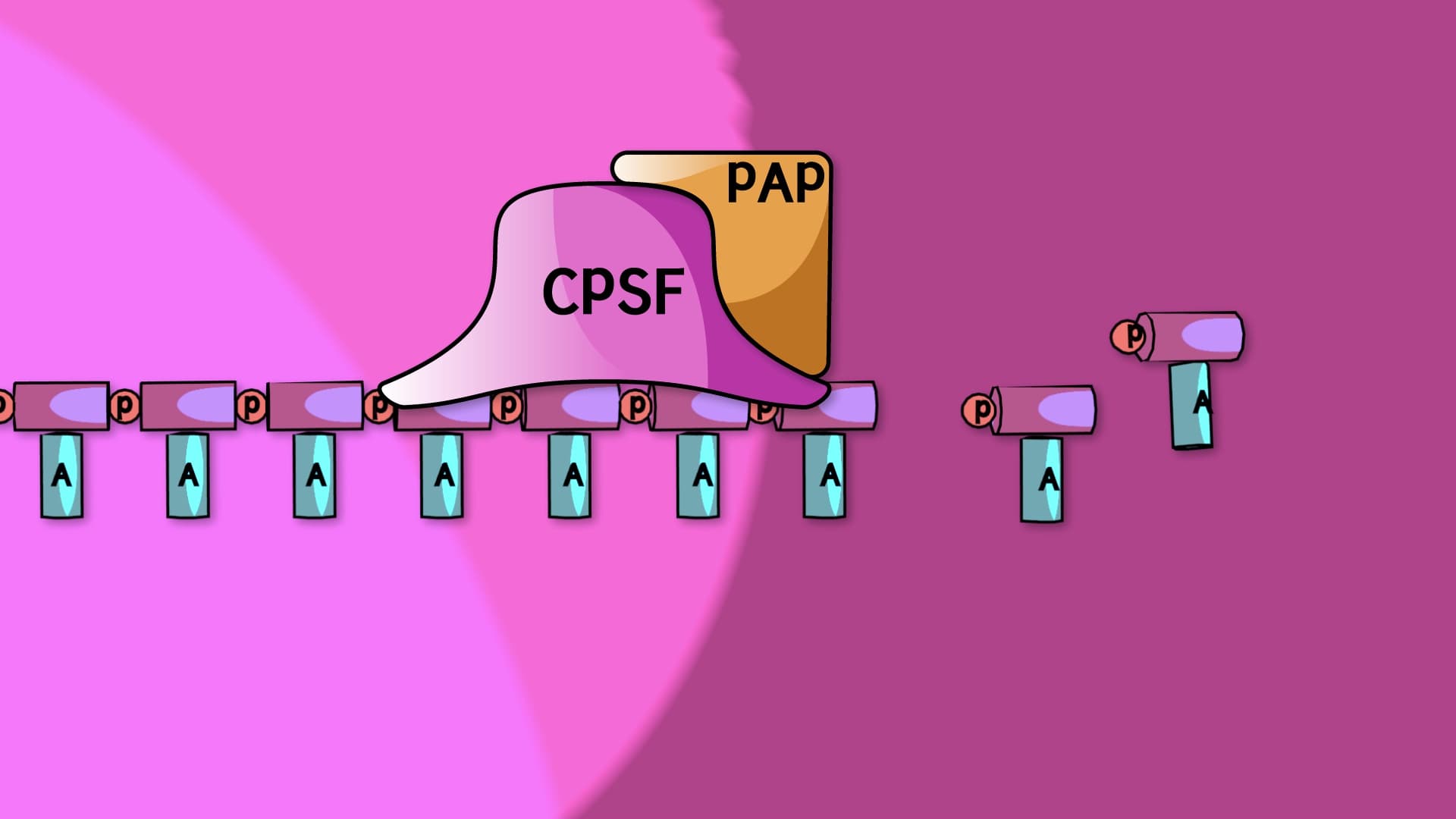
The final step adds approximately 200-250 adenine nucleotides to the 3' end, creating the poly(A) tail. This modification involves cleavage at the polyadenylation signal sequence (typically AAUAAA) followed by poly(A) polymerase addition of the adenine residues. The poly(A) tail enhances mRNA stability, facilitates nuclear export, and improves translation efficiency through interactions with poly(A)-binding proteins. College biochemistry students often encounter questions about how poly(A) tail length affects mRNA half-life in different cellular conditions.
Understanding these processes proves crucial for comprehending genetic diseases where mutations affect splicing signals, leading to conditions like spinal muscular atrophy or various forms of beta-thalassemia commonly studied in US medical schools.
Related Micro-courses